
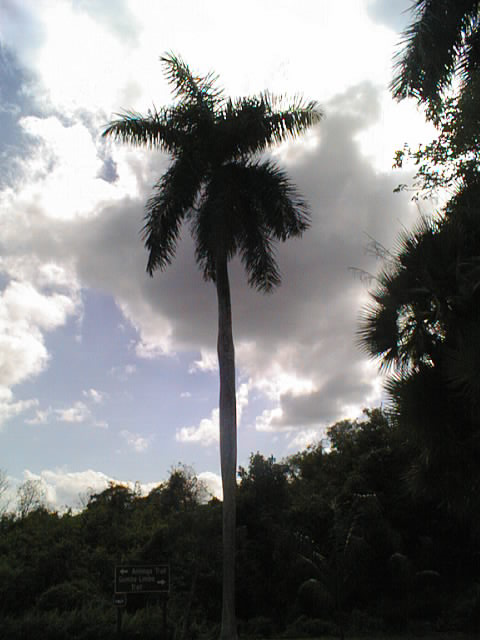
A wild royal palm along a trail in Everglades National Park, towering over the surrounding hammock. Photo: Everglades NPS (Alan Scott), via Wikimedia Commons (Public
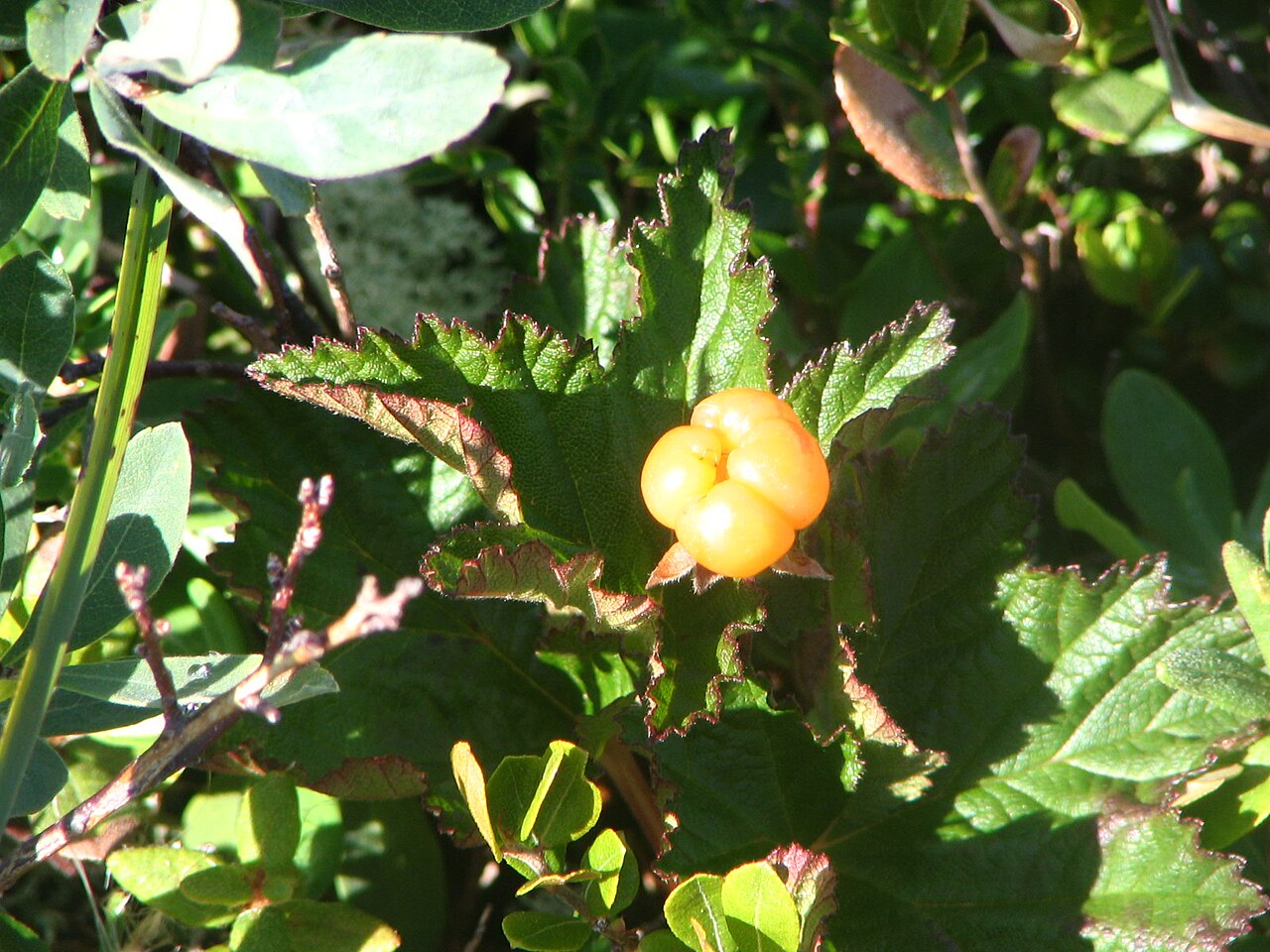
Cloudberry growing low to the ground in open taiga bog, Côte-Nord, Quebec, within the species’ broader North American range. Photo: Nichole Ouellette, via Wikimedia Commons
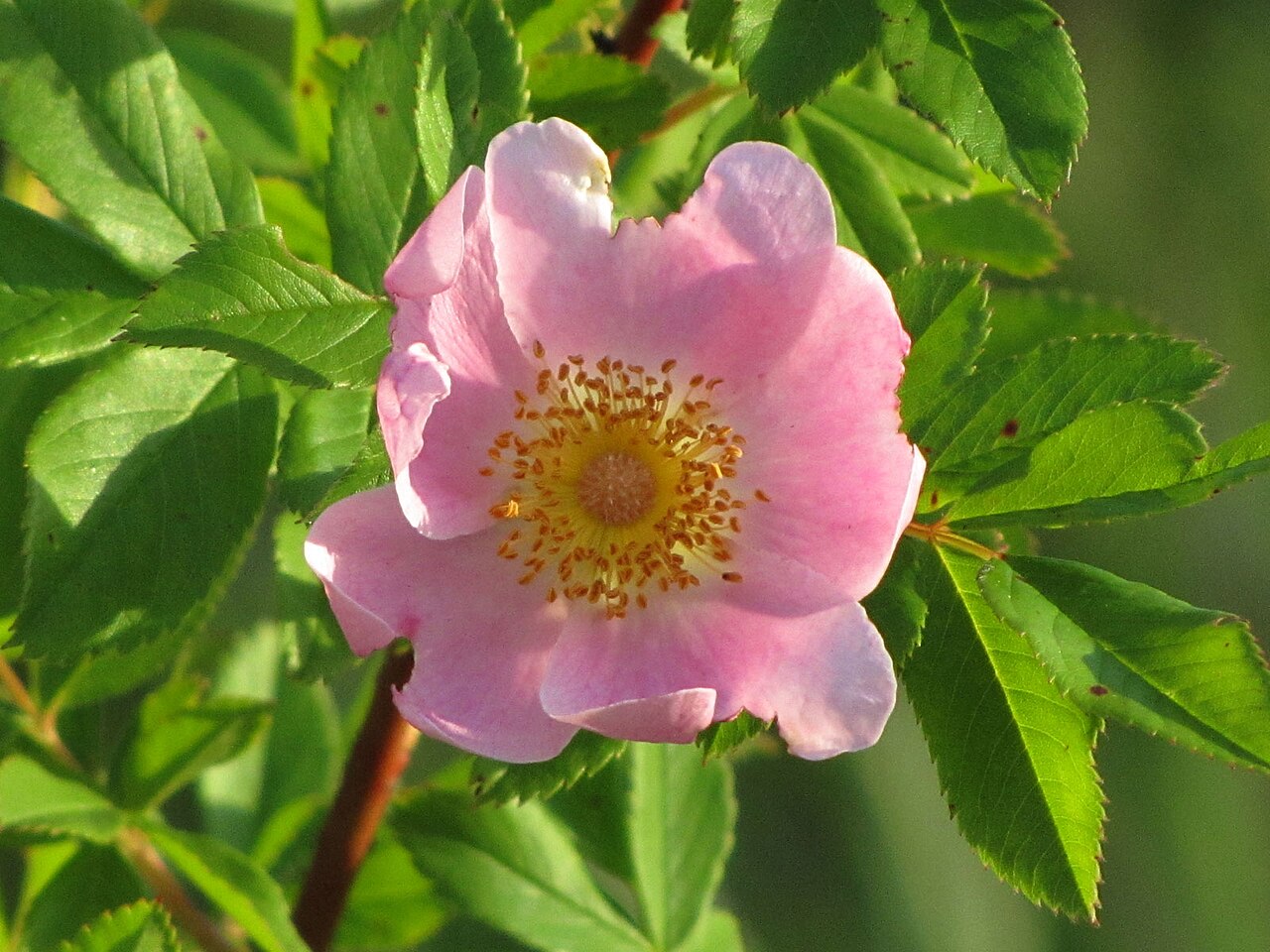
White Prairie Rose in bloom, cultivated at the U.S. National Arboretum, Washington, D.C. Photo: Katja Schulz, Wikimedia Commons (CC BY 2.0) Rosa foliolosa, commonly called
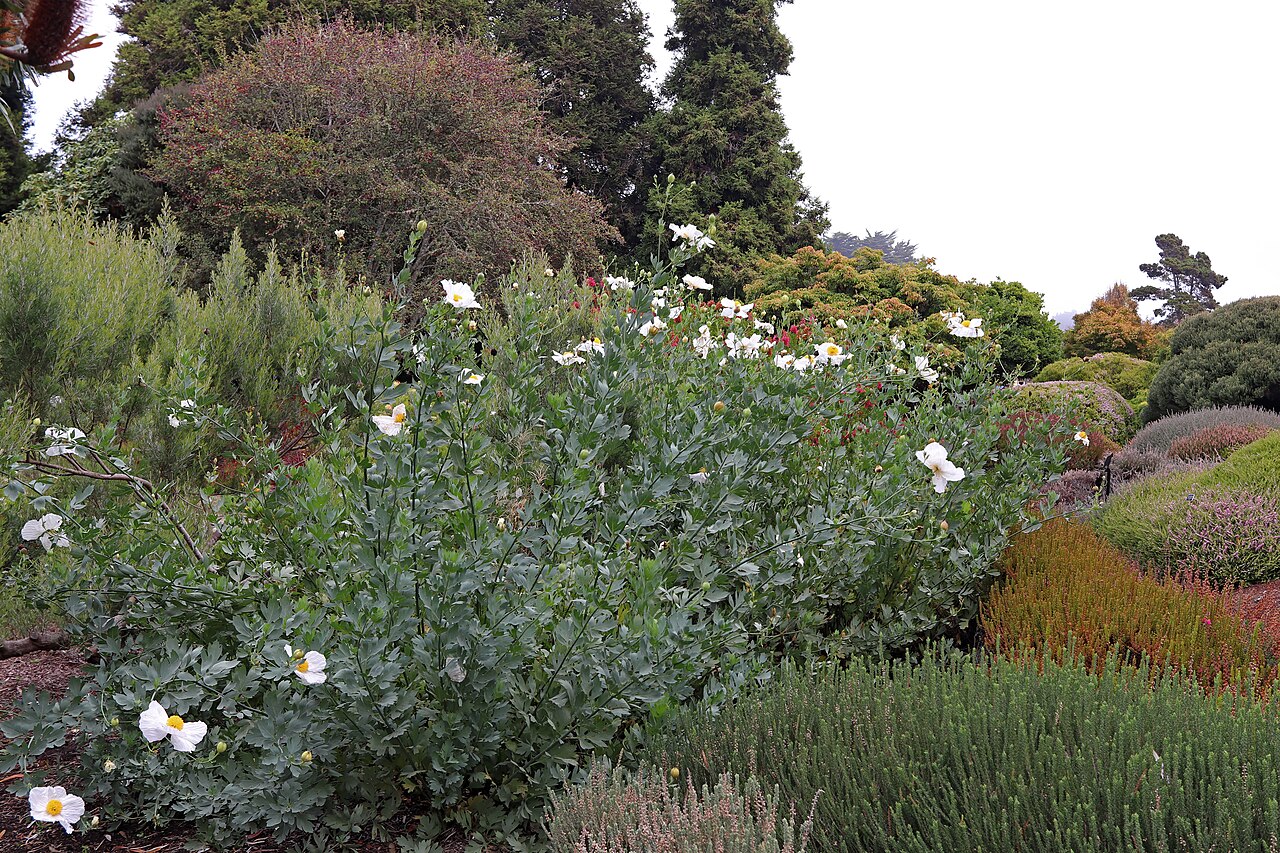
Matilija poppy in full bloom at a California botanic garden. Photo: John Rusk, Wikimedia Commons (CC BY 2.0) Romneya coulteri, commonly called the Matilija Poppy
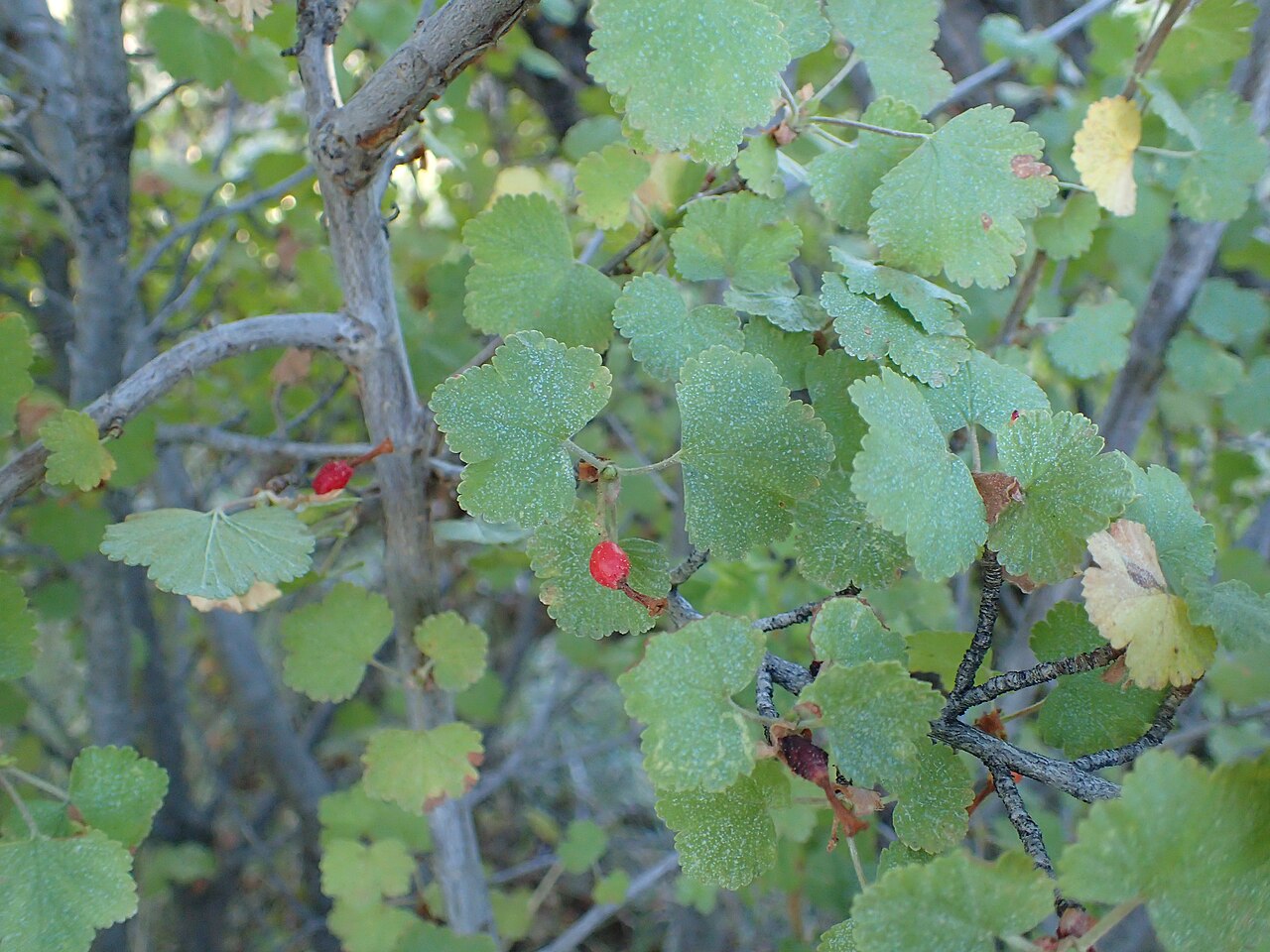
A wax currant shrub along the North Rim, Grand Canyon National Park, with ripening berries among its rounded, gray-green leaves. Photo: Krzysztof Ziarnek, Wikimedia Commons
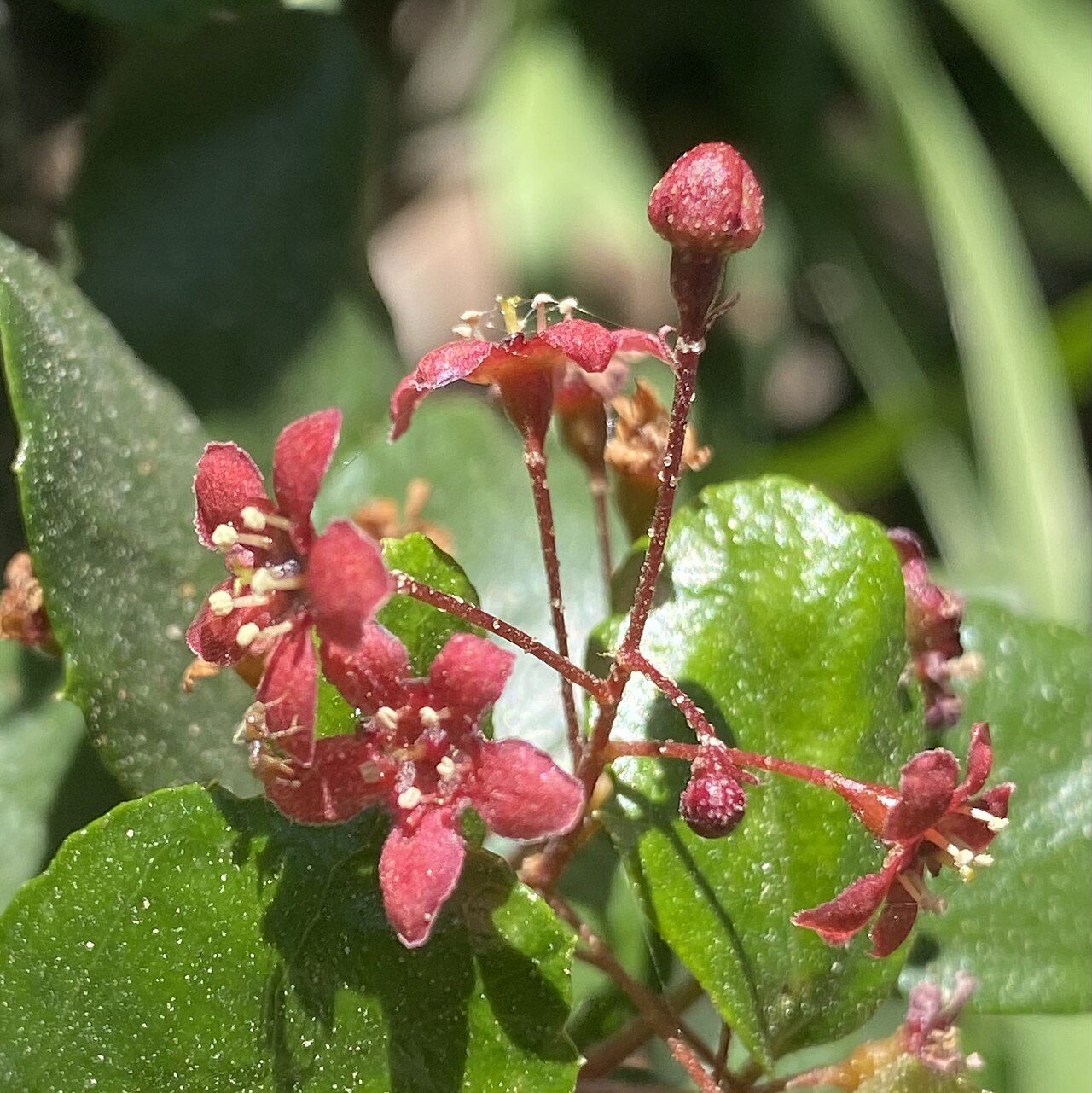
Deep red, star-shaped flowers of Catalina currant open against its glossy, citrus-scented evergreen leaves. Photo: Jengod, San Diego Botanic Garden, Wikimedia Commons (CC BY-SA 4.0)
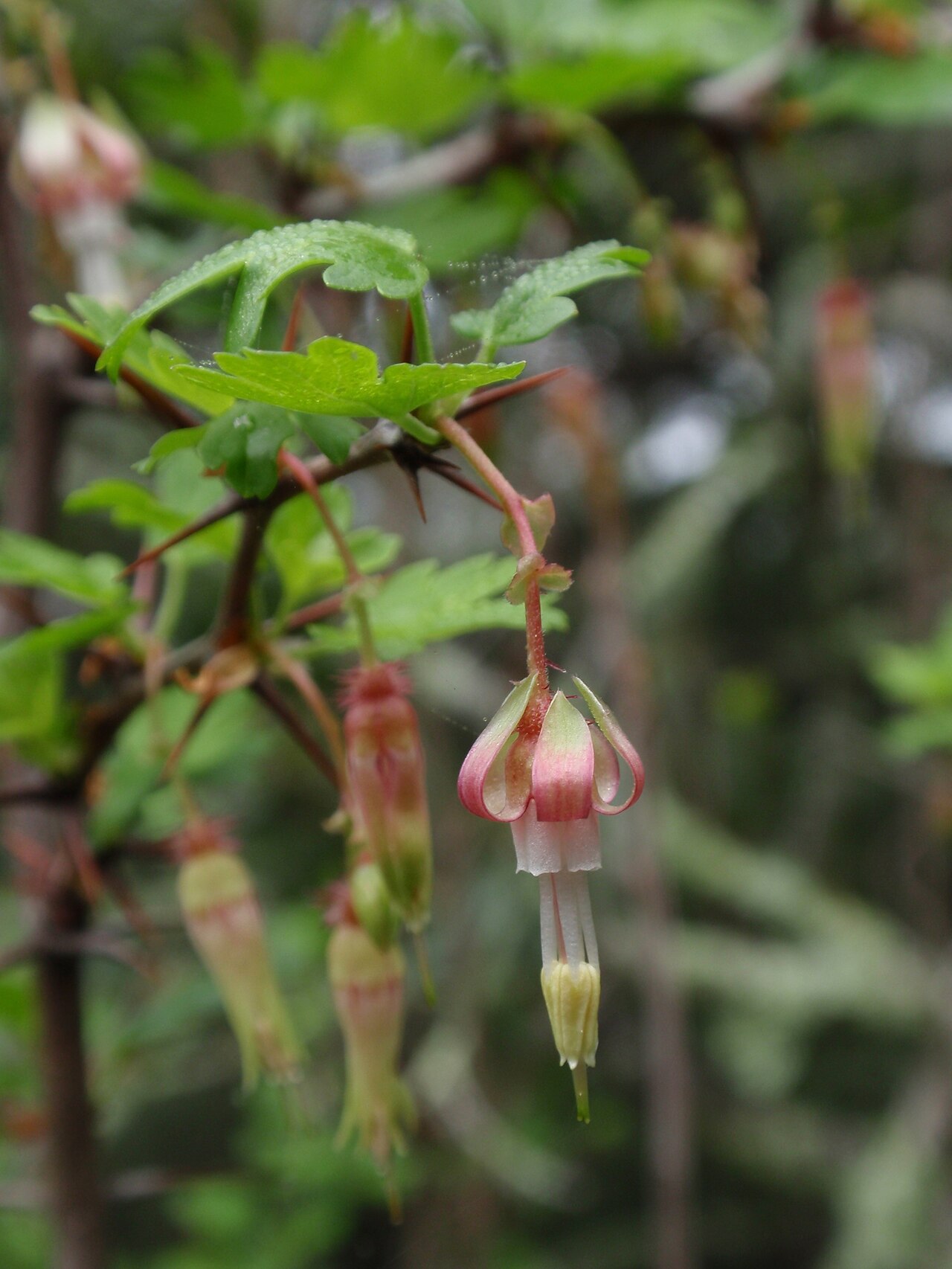
California gooseberry in bloom, showing the hooked spines and dangling, two-tone flowers typical of the species. Photo: Tom Hilton, Wikimedia Commons (CC BY 2.0) Ribes
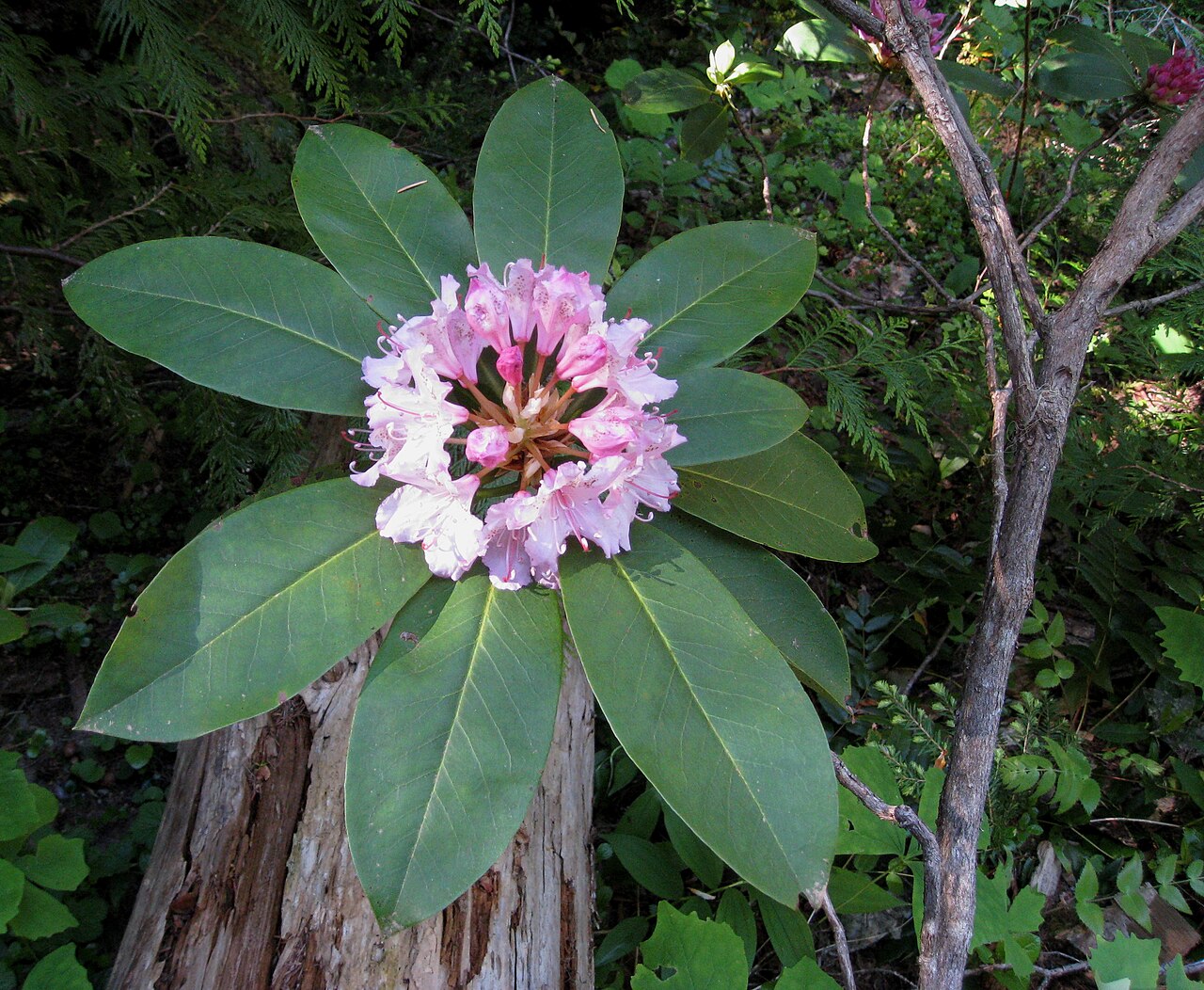
A Pacific rhododendron flower cluster framed by its characteristically large, leathery leaves. Photo: Wikimedia Commons (CC BY-SA 2.0) Rhododendron macrophyllum, the Pacific rhododendron, is the
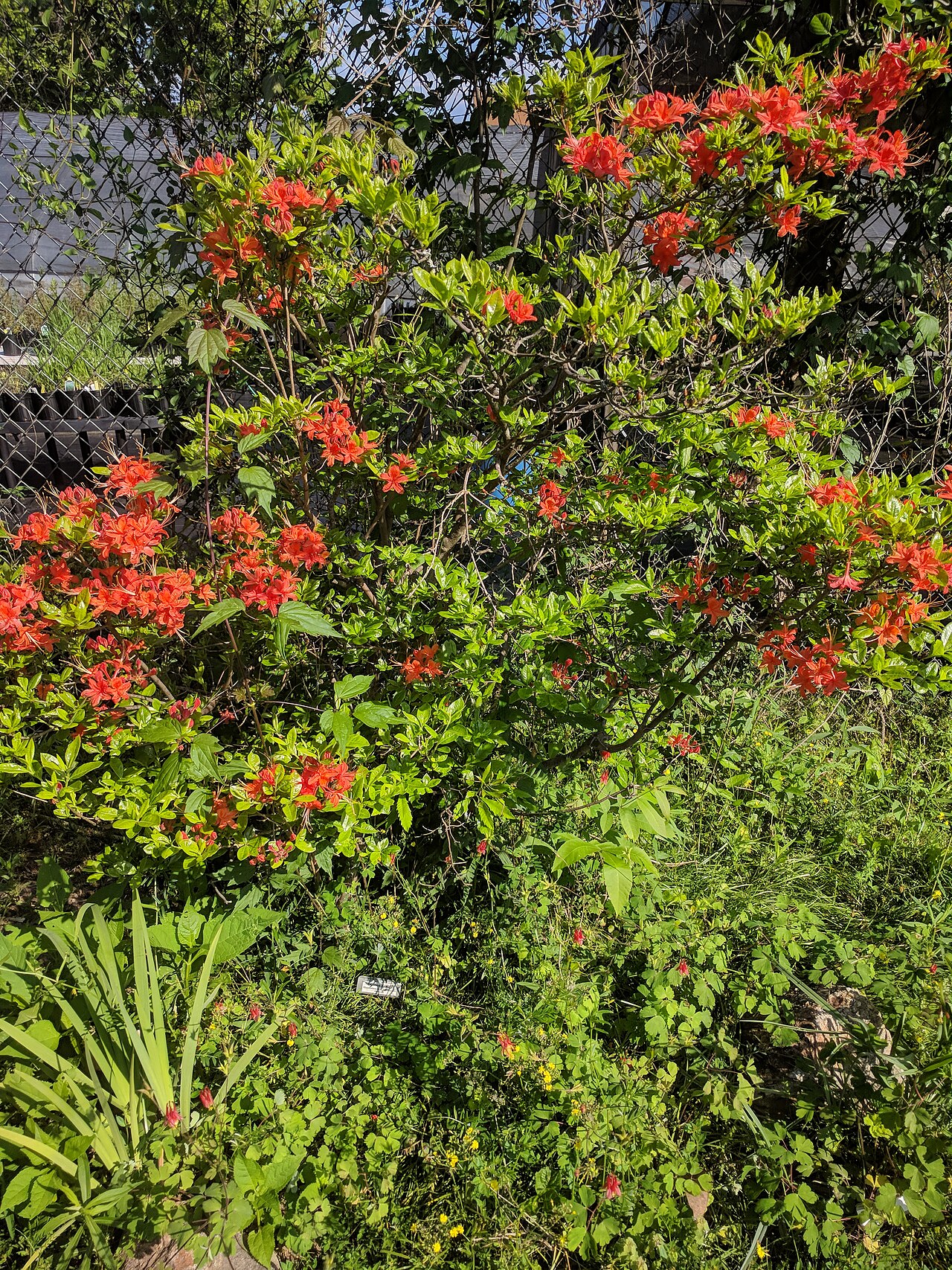
A mature Oconee azalea in full spring bloom, its orange-red flowers opening before the leaves expand. Photo: Wikimedia Commons (CC0) Rhododendron flammeum, commonly called the
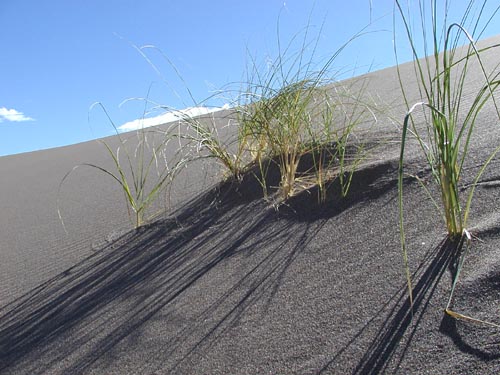
Blowout grass colonizing the face of an active sand dune at Great Sand Dunes National Park. Photo: NPS (Public domain) Redfieldia flexuosa, commonly called blowout
View More