
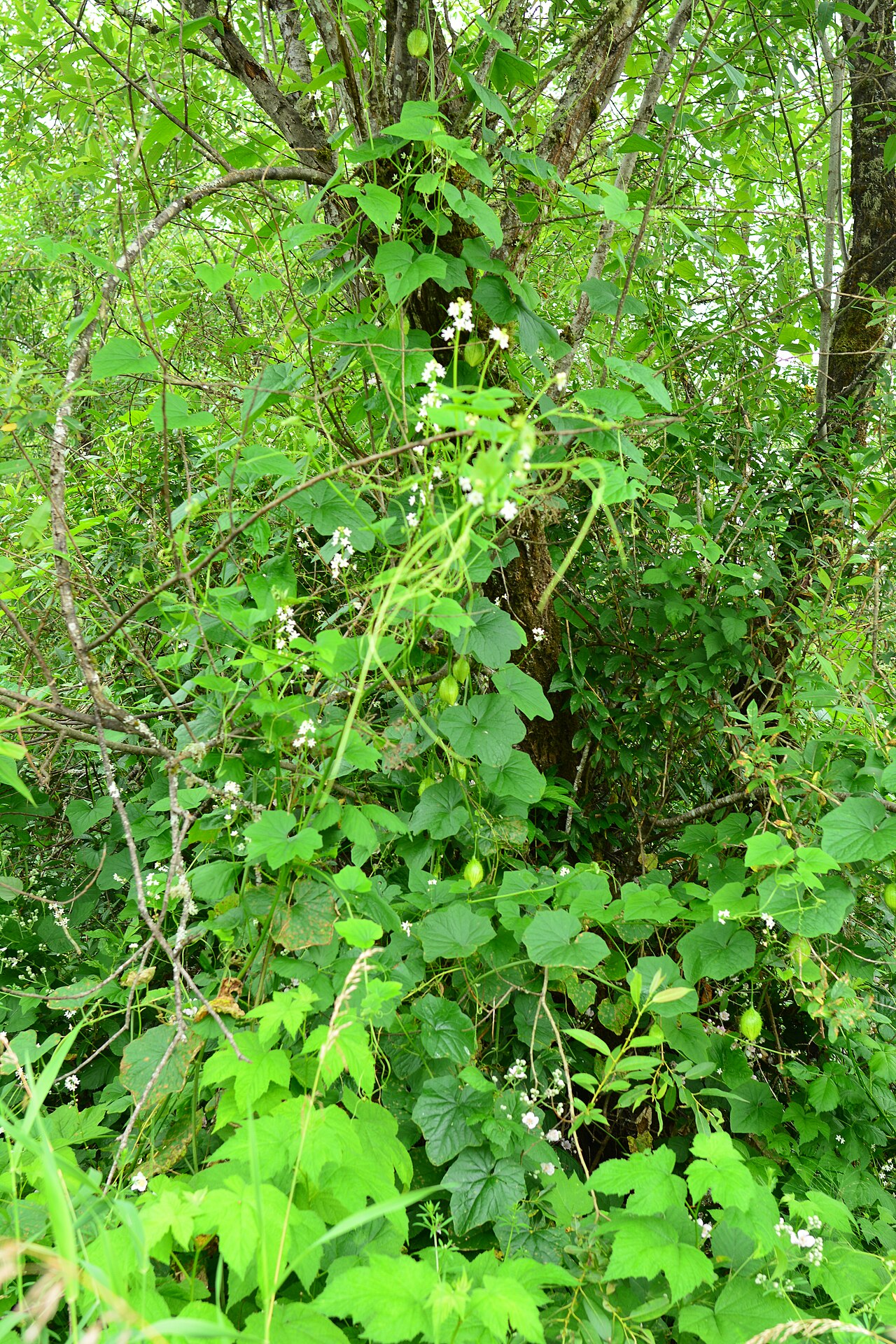
A coastal manroot vine scrambling up a tree along the Centennial Trail near Snohomish, Washington. Photo: Joe Mabel / Wikimedia Commons (CC BY-SA 4.0) Marah
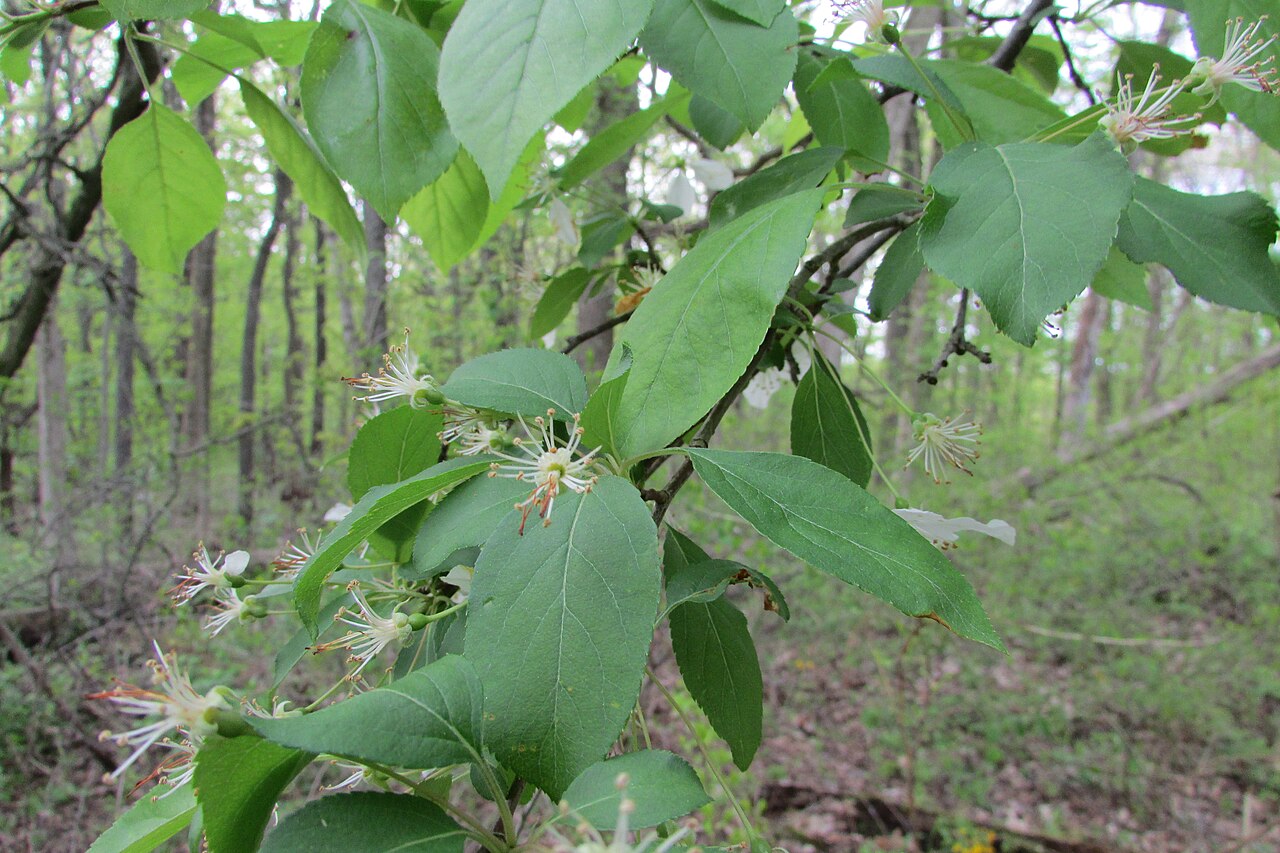
A sweet crabapple branch in bloom at a forest edge, its clustered flowers opening among the new spring leaves. Photo: Chris Light, Wikimedia Commons (CC
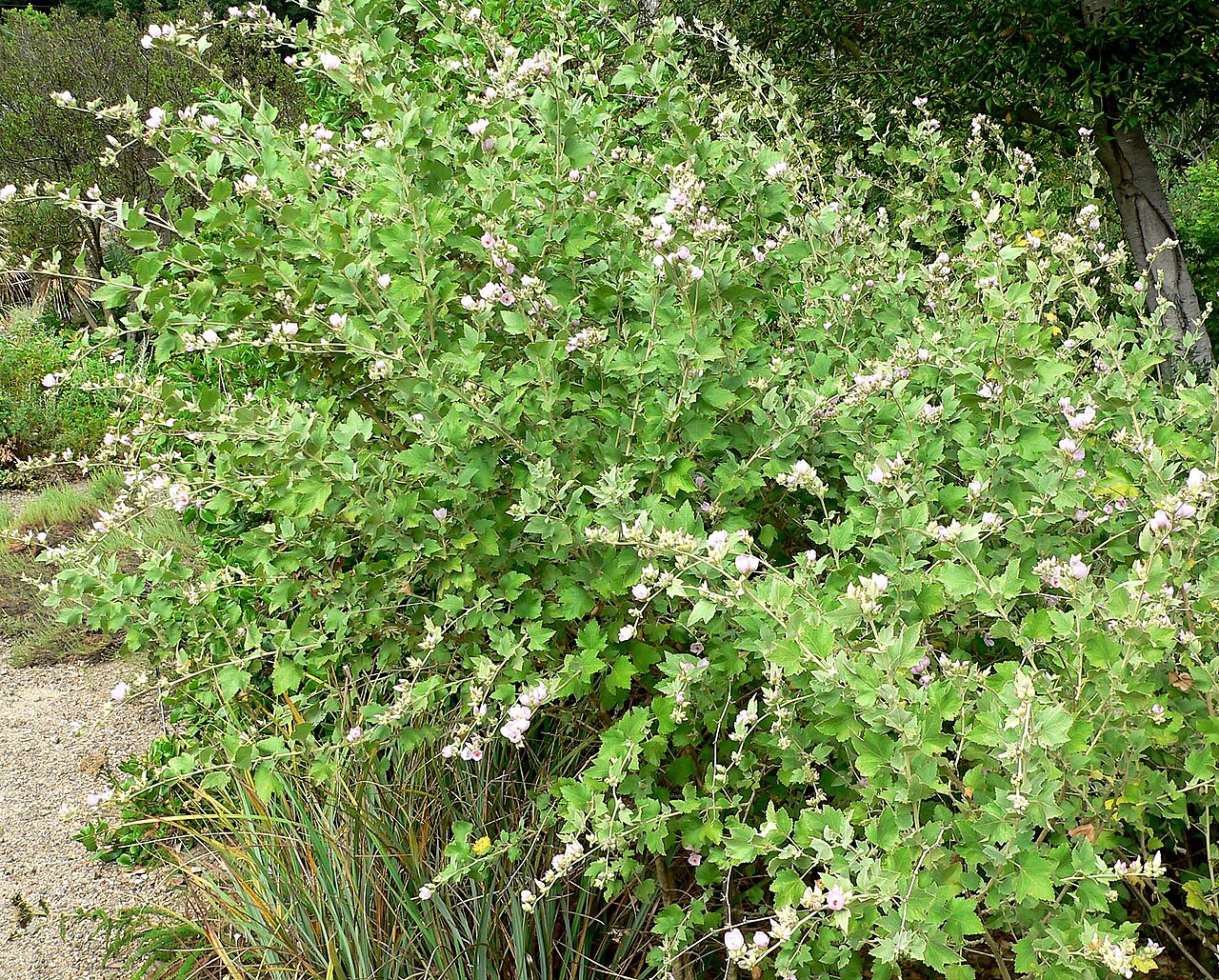
A mature chaparral mallow colony, its gray-green maple-shaped leaves studded with small pink flowers. Photo: Stan Shebs, Wikimedia Commons (CC BY-SA 3.0) Malacothamnus fasciculatus, commonly
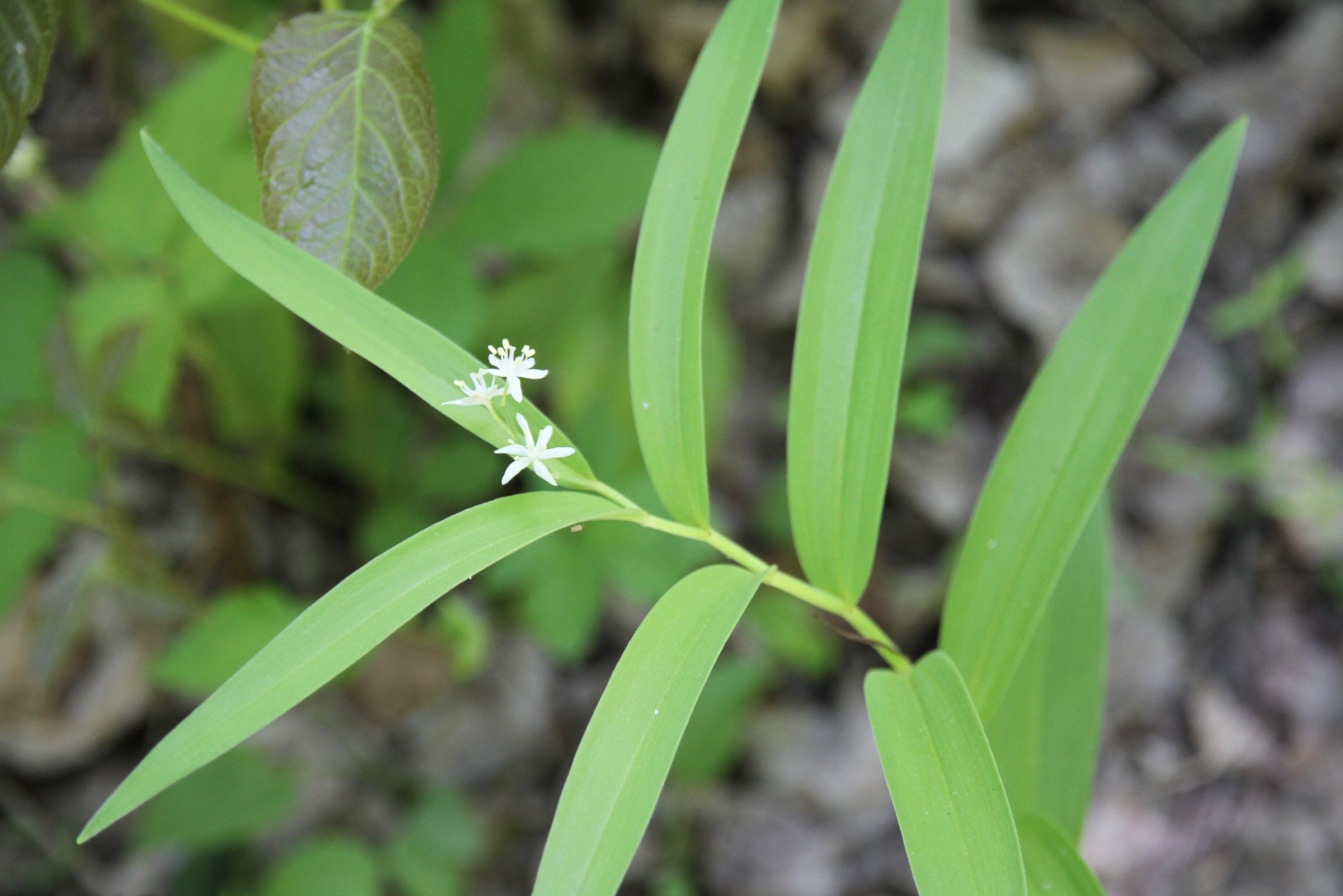
Starry False Lily’s arching stem, clasping leaves, and spray of star-shaped flowers. Photo: LoJallen / Wikimedia Commons (CC BY-SA 4.0) Maianthemum stellatum (syn. Smilacina stellata),
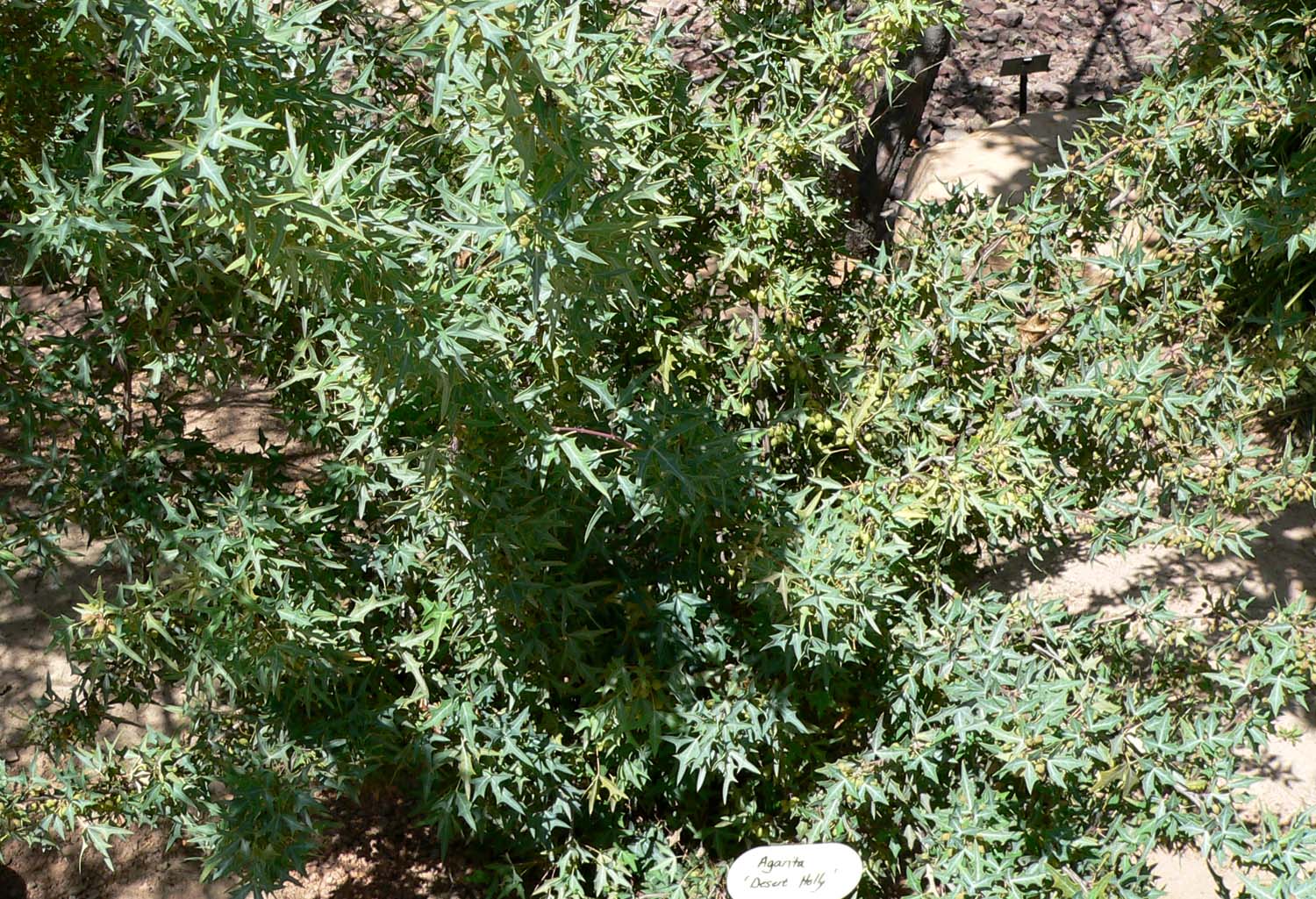
Agarita’s rounded, spiny-leaved form in a Texas garden bed. Photo: “Desert Holly” / Wikimedia Commons (CC BY-SA 3.0) Mahonia trifoliolata (syn. Berberis trifoliolata), known throughout
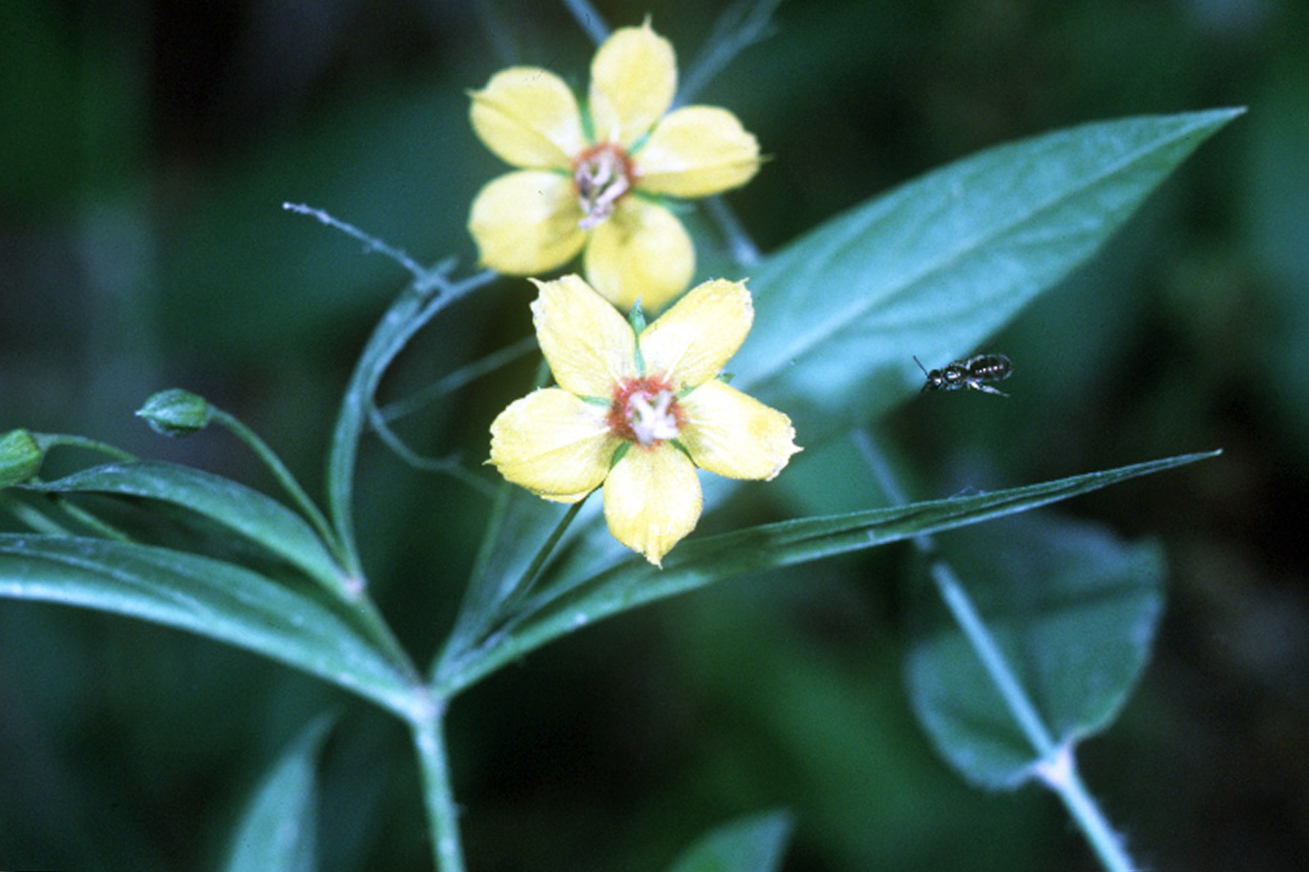
Lanceleaf loosestrife’s nodding yellow flowers, each with a patch of orange at the center. Photo: Robert H. Mohlenbrock, USDA NRCS, via Wikimedia Commons (Public domain)
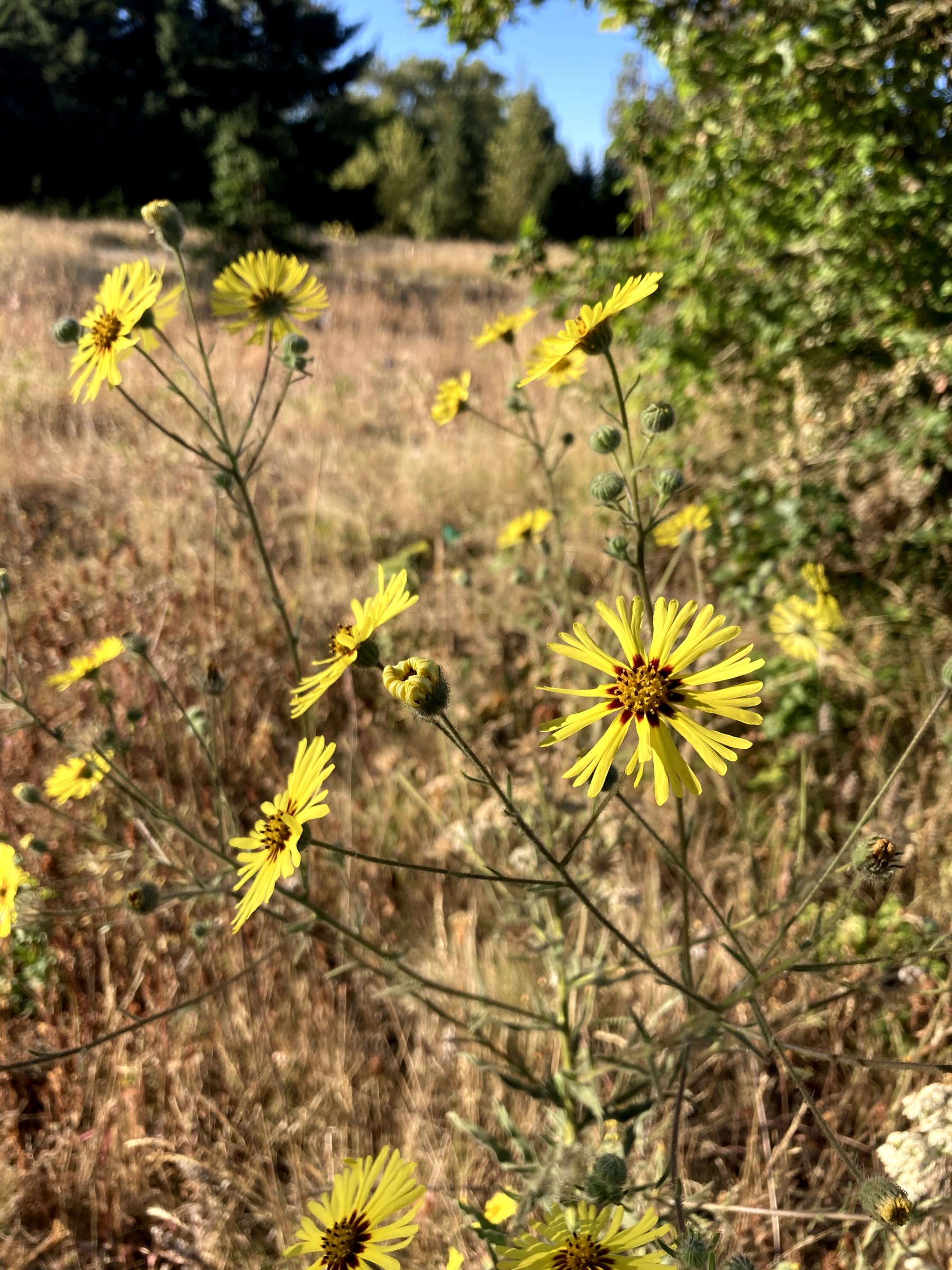
Common madia in a dry meadow along the Willamette River, Eugene, Oregon, in late summer. Photo: Internetfox, Wikimedia Commons (CC BY-SA 4.0) Madia elegans, commonly
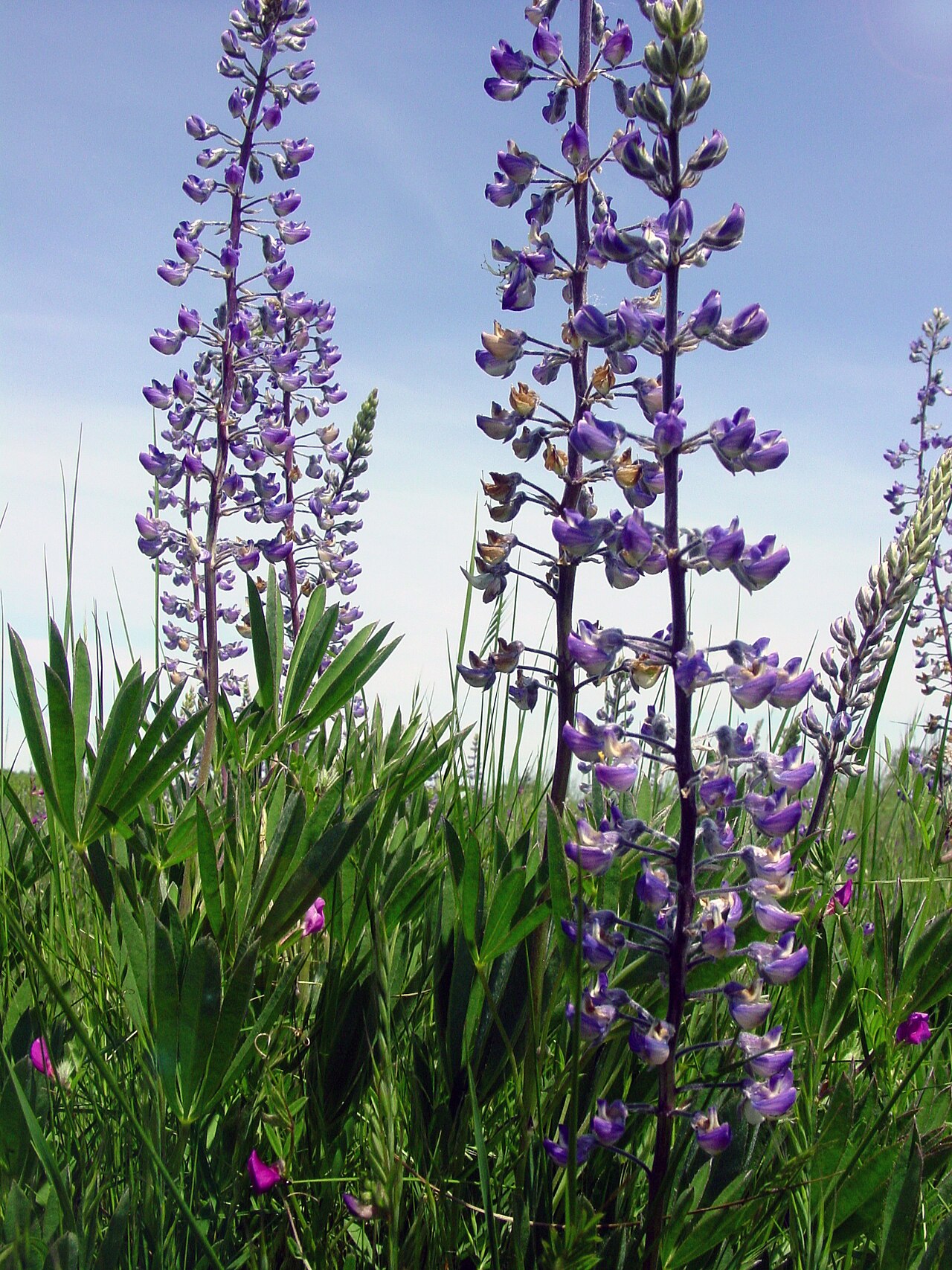
Oregon lupine in bloom among native prairie grasses. Photo: Bureau of Land Management, Christine Wills (Public domain) Lupinus oreganus, commonly called Oregon lupine, is a
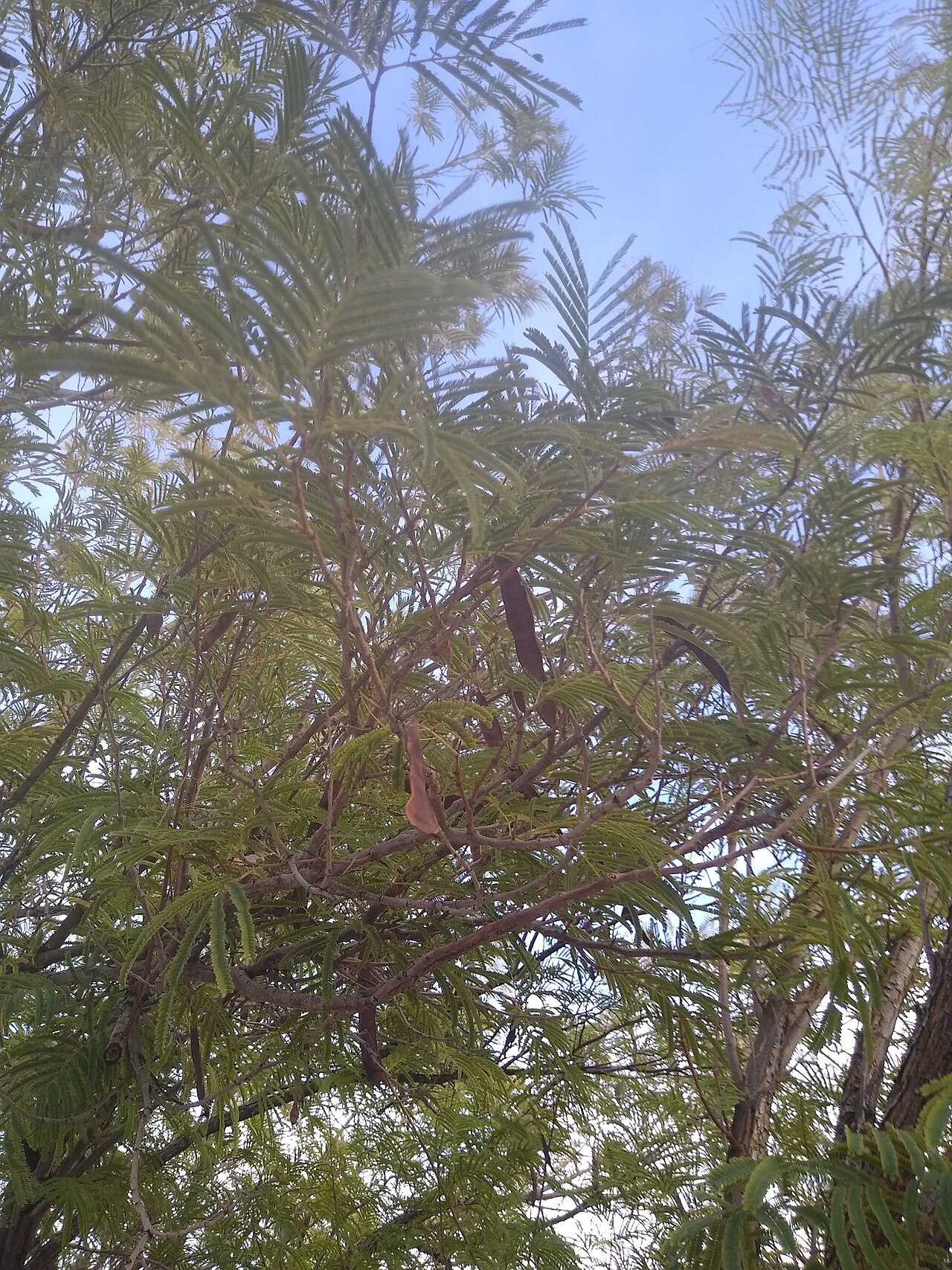
Feather tree canopy showing its distinctive fern-like bipinnate foliage. Photo: wlcutler, Wikimedia Commons (CC BY-SA 2.0) Lysiloma watsonii is best known in cultivation and the
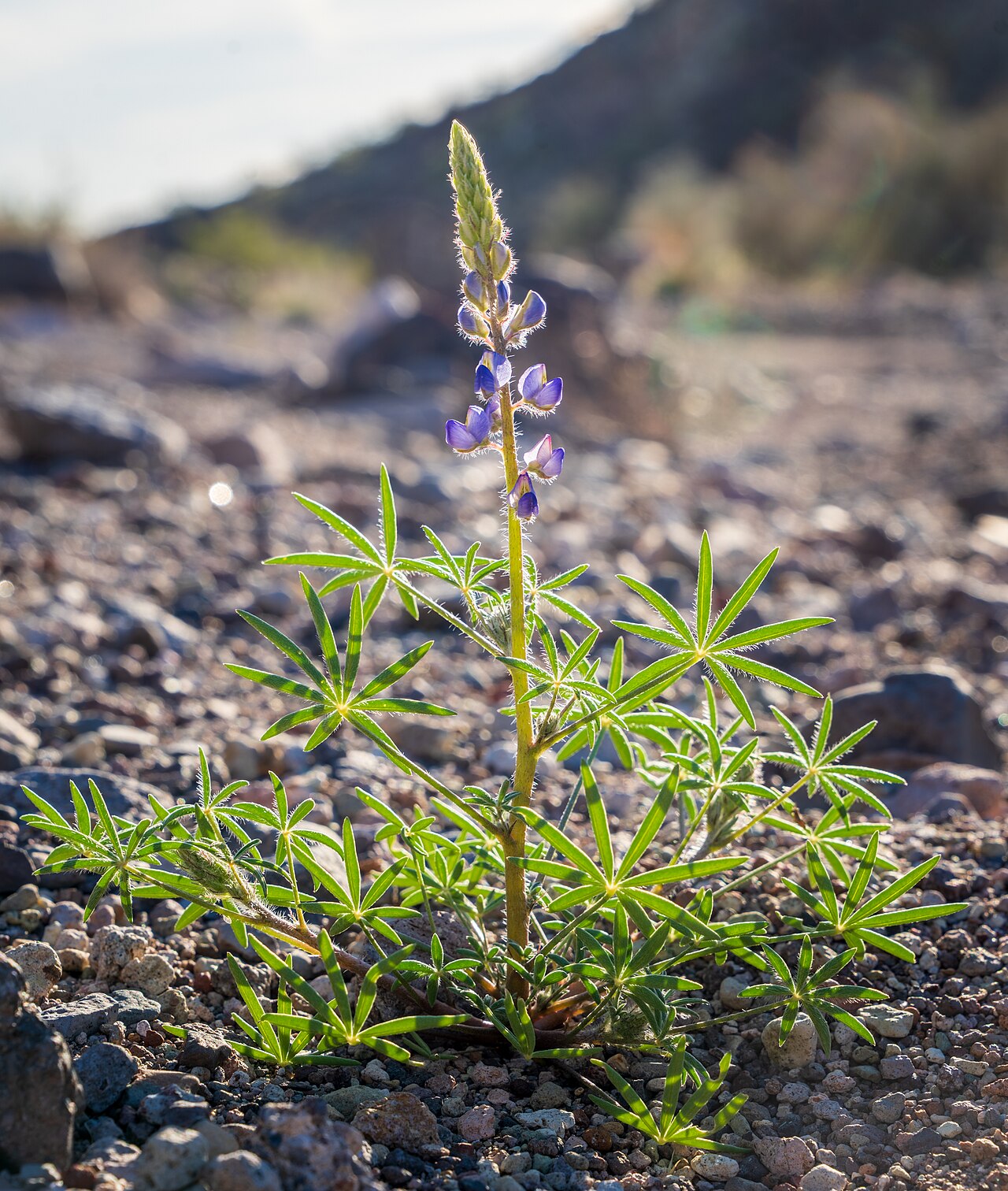
A young Coulter’s lupine flowering in rocky desert gravel. Photo: BLM Needles Field Office (Public domain) Lupinus sparsiflorus, known as Coulter’s lupine or desert lupine,
View More