
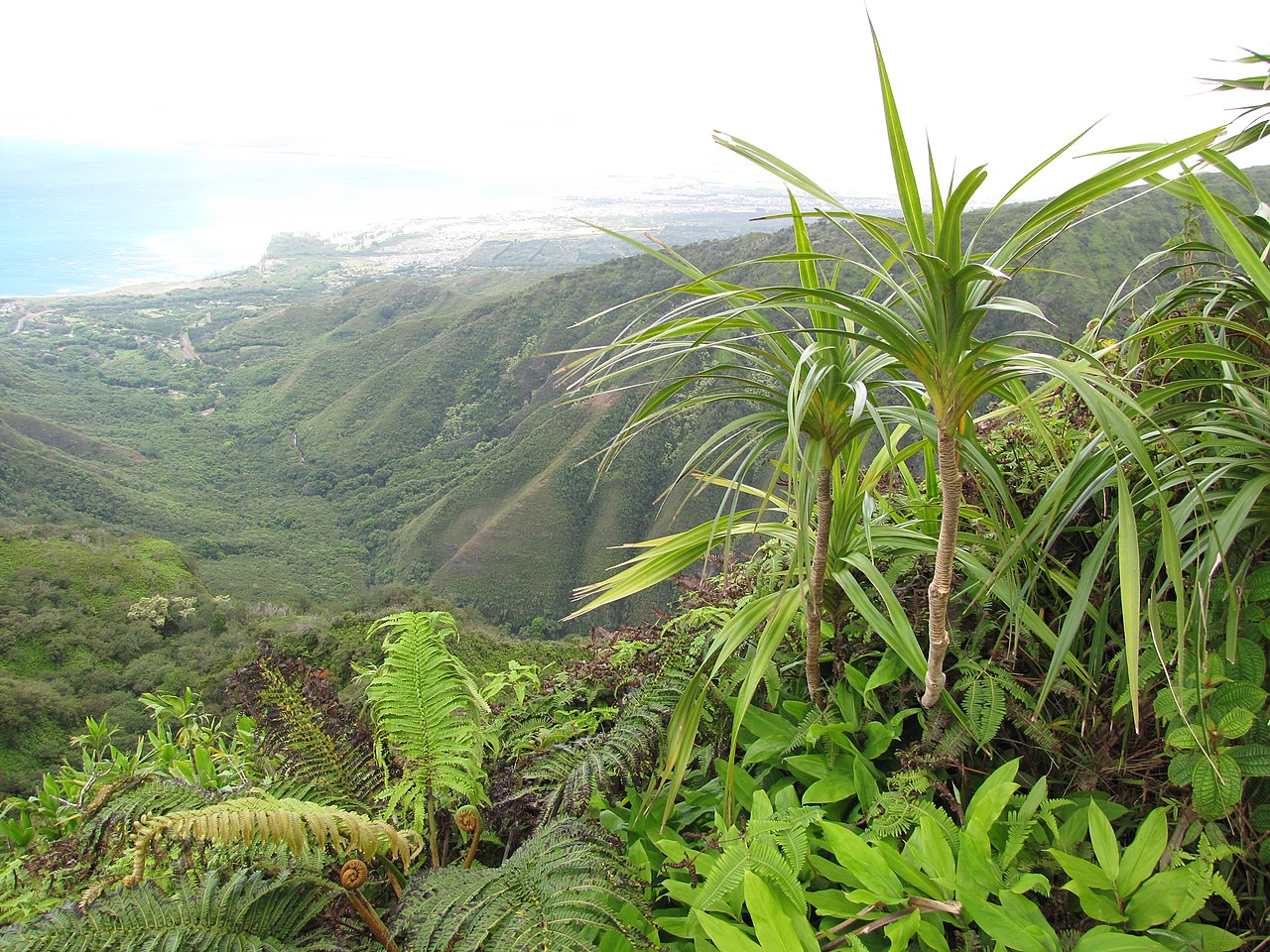
ʻIeʻie climbing a ridge-top forest edge at Waihee Ridge Trail, Maui. Photo: Forest & Kim Starr, Wikimedia Commons (CC BY 3.0 US) Freycinetia arborea, known
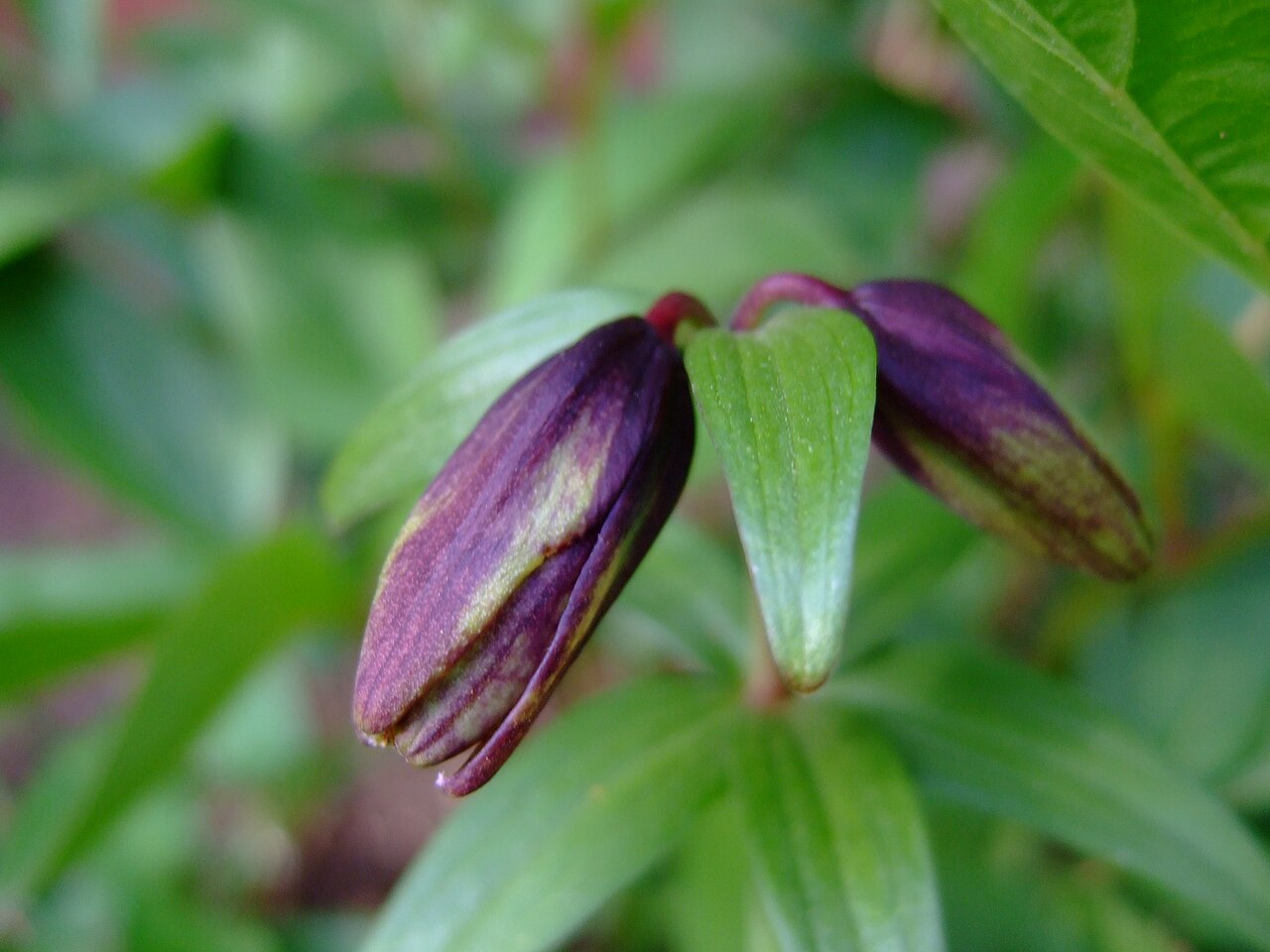
Chocolate lily, showing its characteristic whorled leaves beneath a nodding bud. Photo: James Steakley, Wikimedia Commons (CC BY-SA 3.0) Fritillaria camschatcensis, commonly called Chocolate Lily,
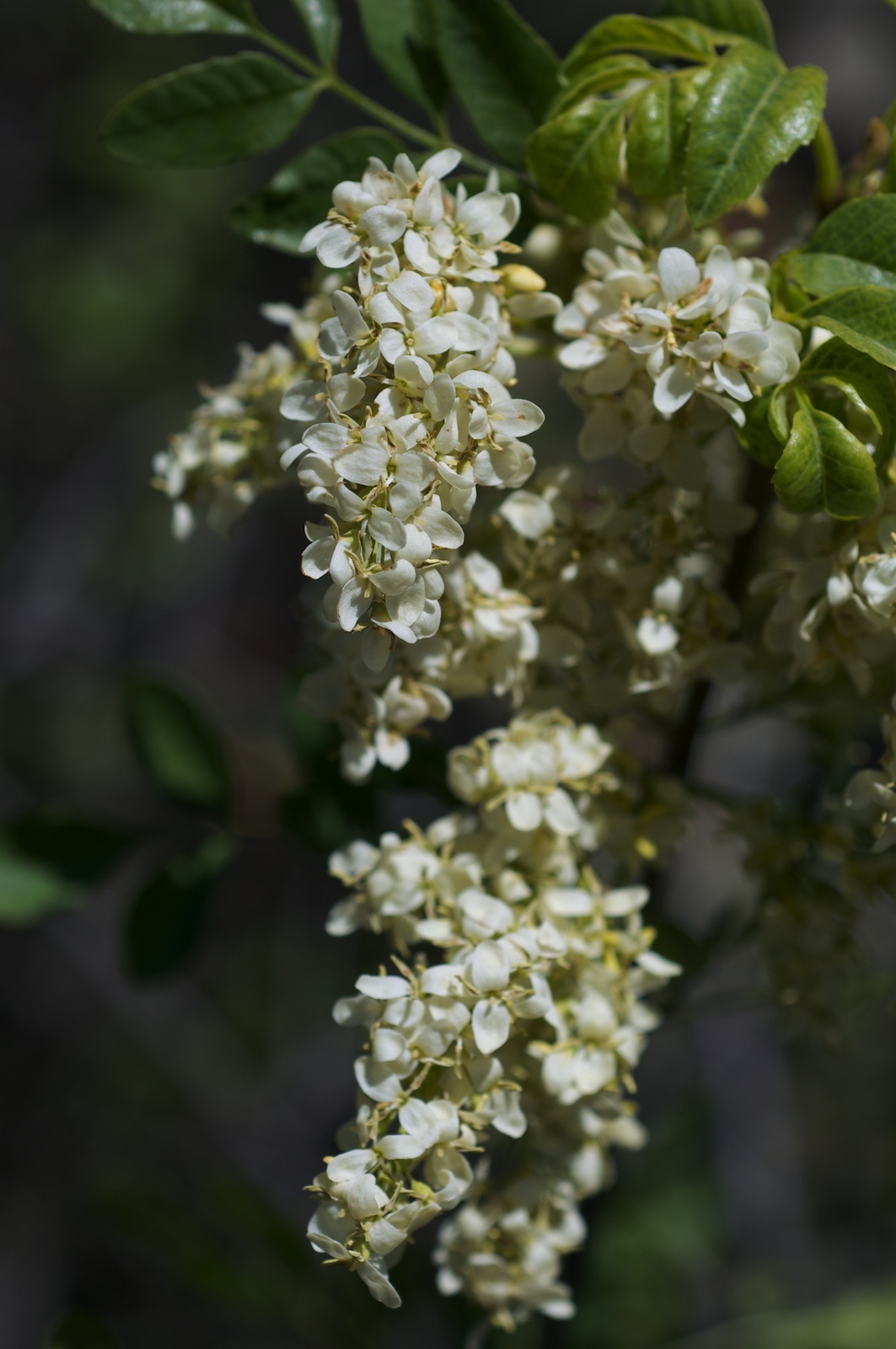
California ash in bloom, Colusa County, California. Photo: Eric in SF, Wikimedia Commons (CC BY-SA 3.0) Fraxinus dipetala, commonly called California Ash or two-petal ash,
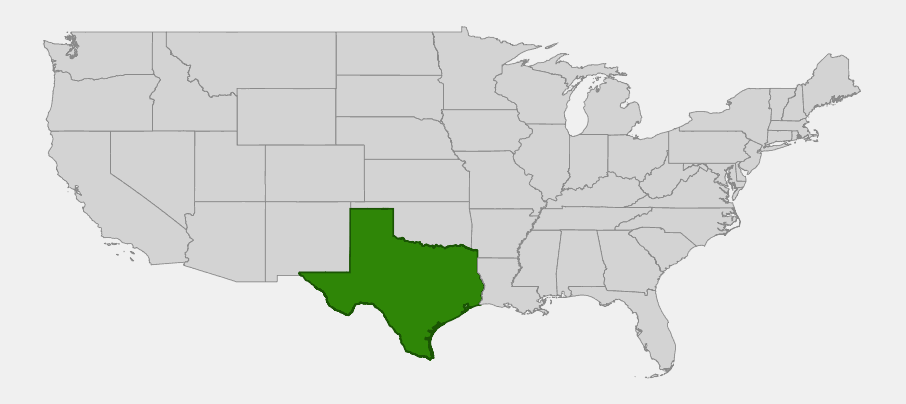
Forestiera angustifolia, known to botanists and the U.S. Fish & Wildlife Service as Narrowleaf Forestiera or Texas Forestiera, and called Texas Swampprivet by USDA PLANTS,
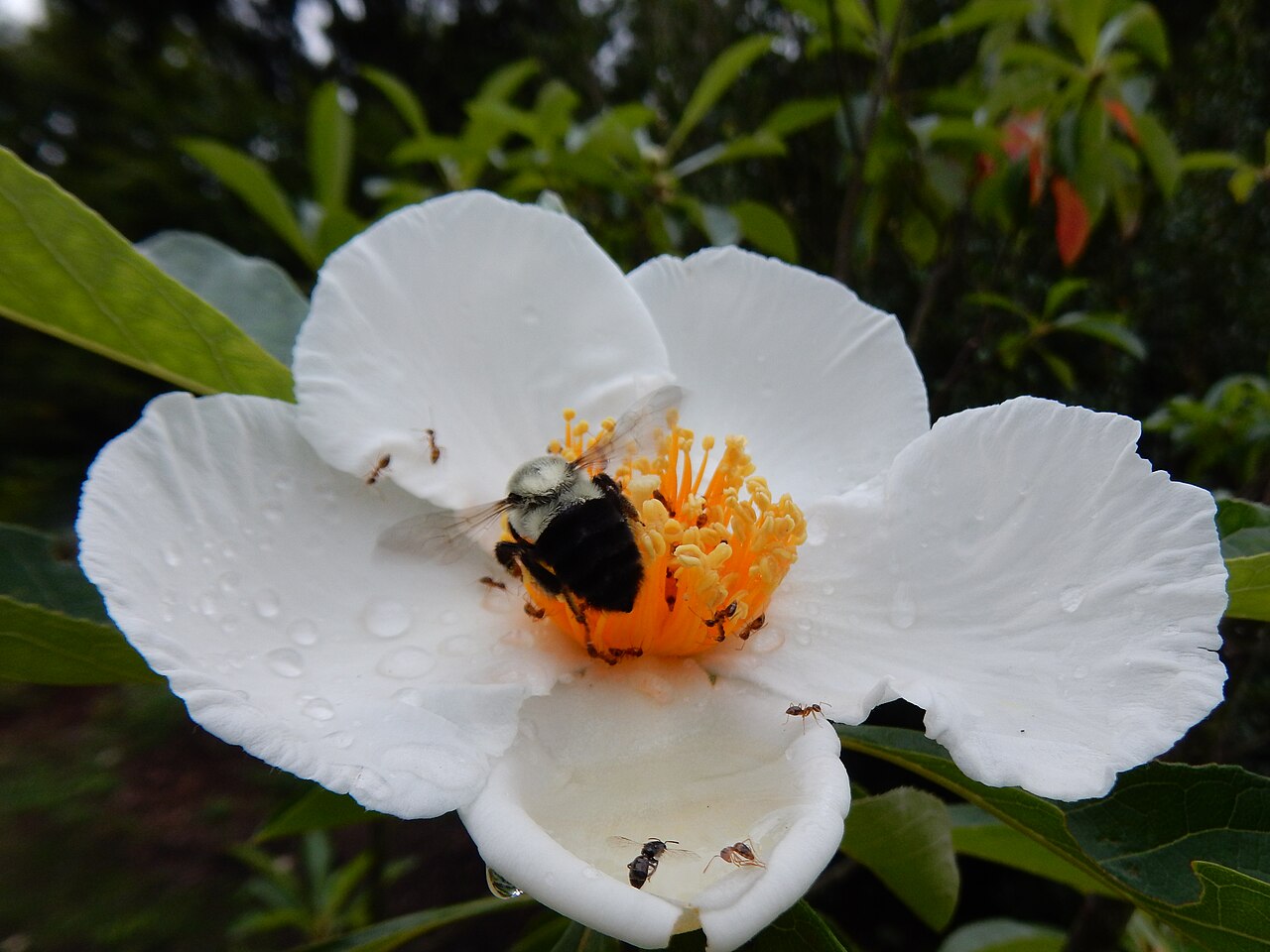
A Franklin tree flower at Morris Arboretum, Philadelphia — every tree in cultivation today descends from seed collected along Georgia’s Altamaha River in the 1770s.
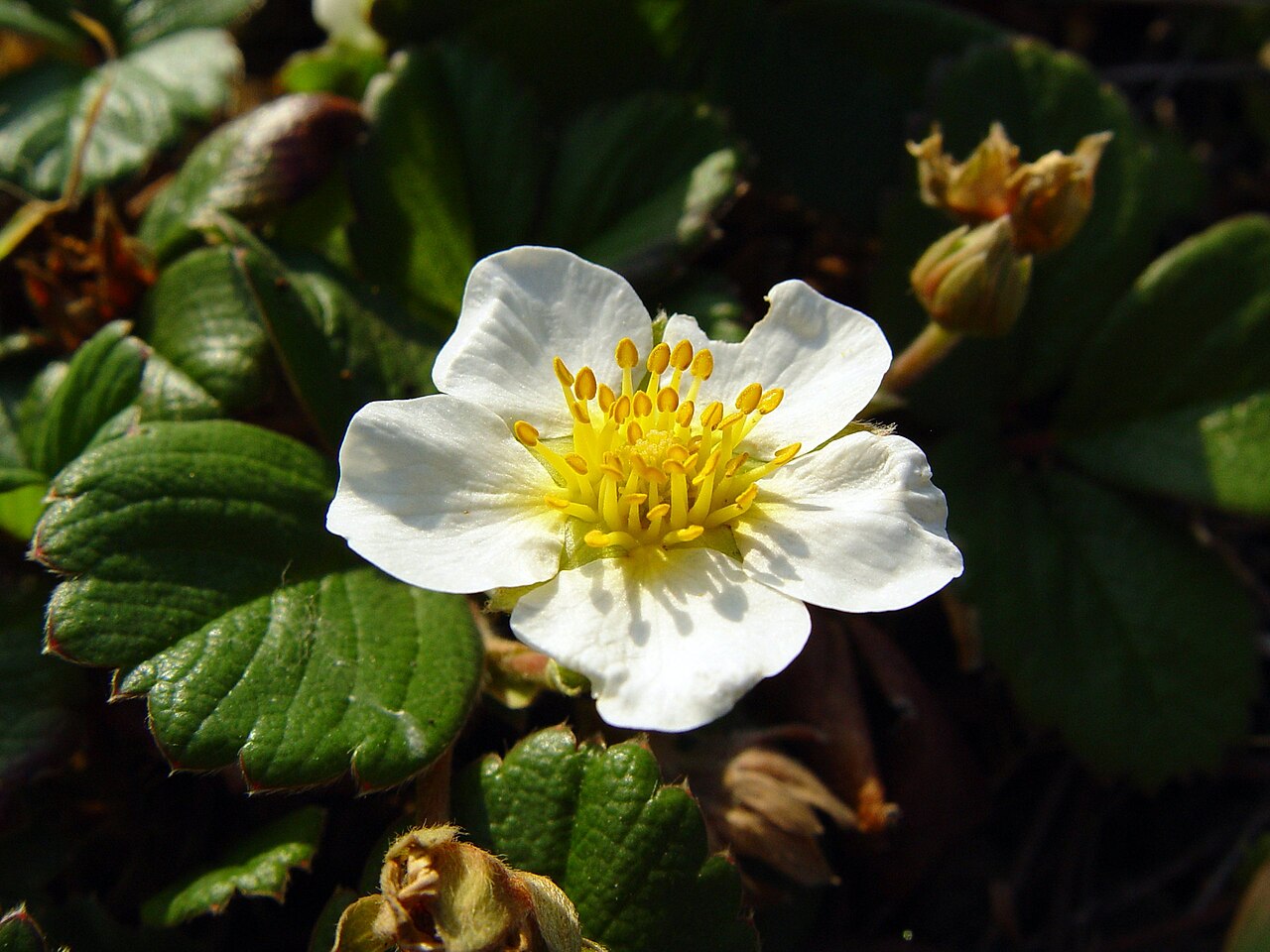
Beach strawberry in bloom at Pacifica State Beach, San Mateo County, California. Photo: Franco Folini, via Wikimedia Commons (CC BY-SA 2.0) Fragaria chiloensis, the Beach
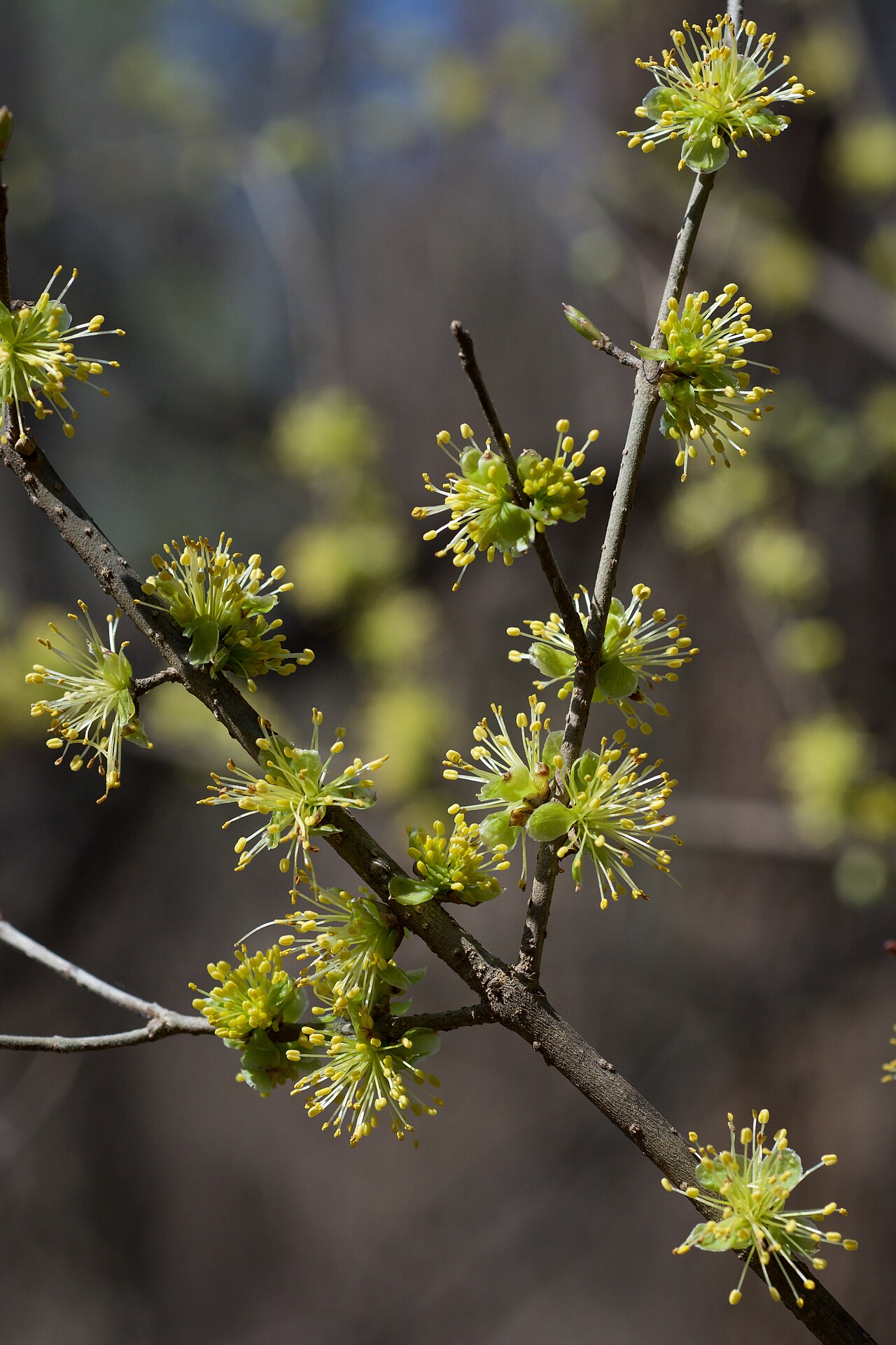
Swamp privet flowering along its bare branches in early spring, before the leaves emerge — one of the first native shrubs to bloom in southern
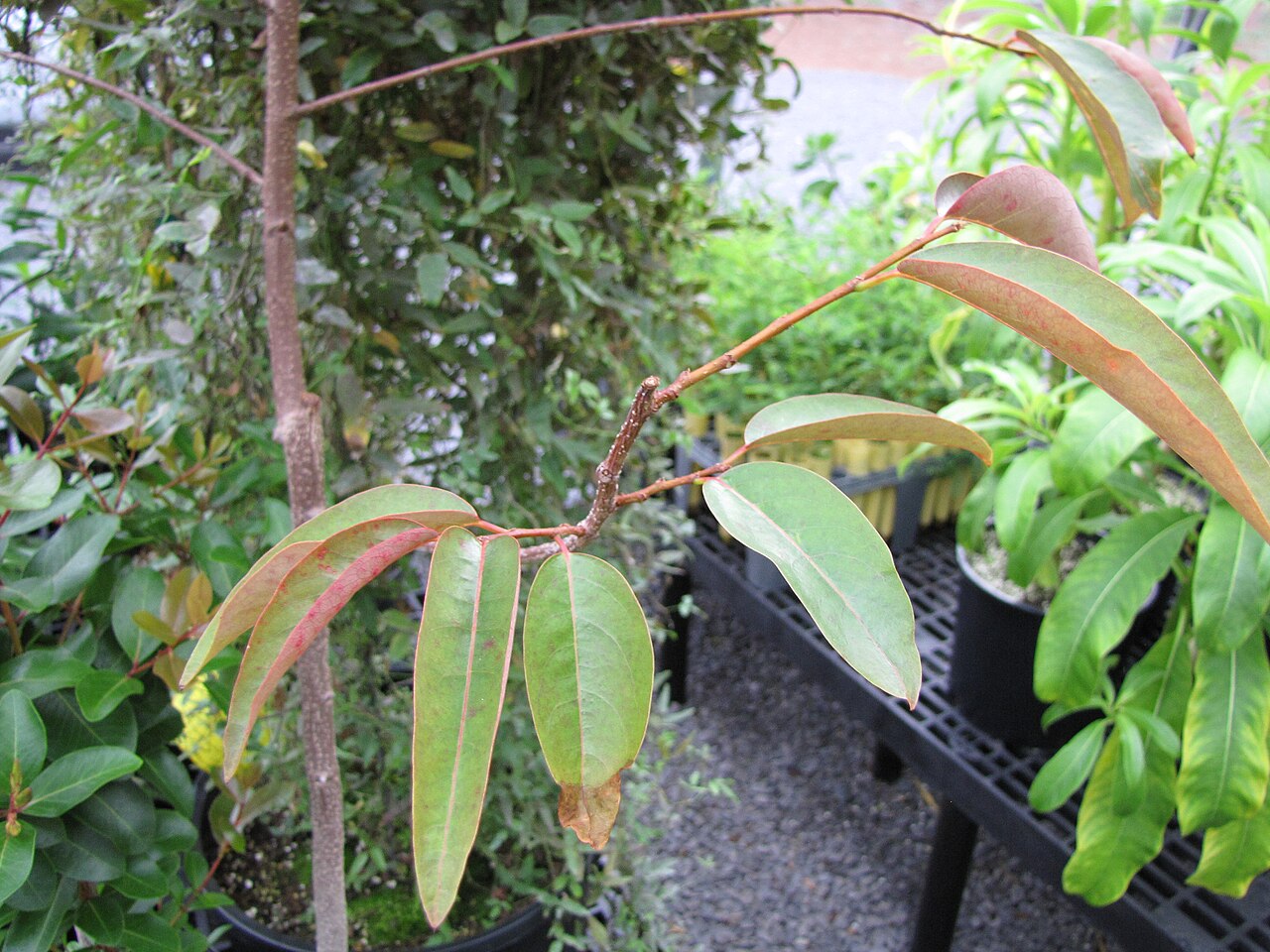
A young mēhamehame grown at a Hawai’i rare-plant propagation facility — nearly every tree alive today traces back to conservation nurseries like this one. Photo:
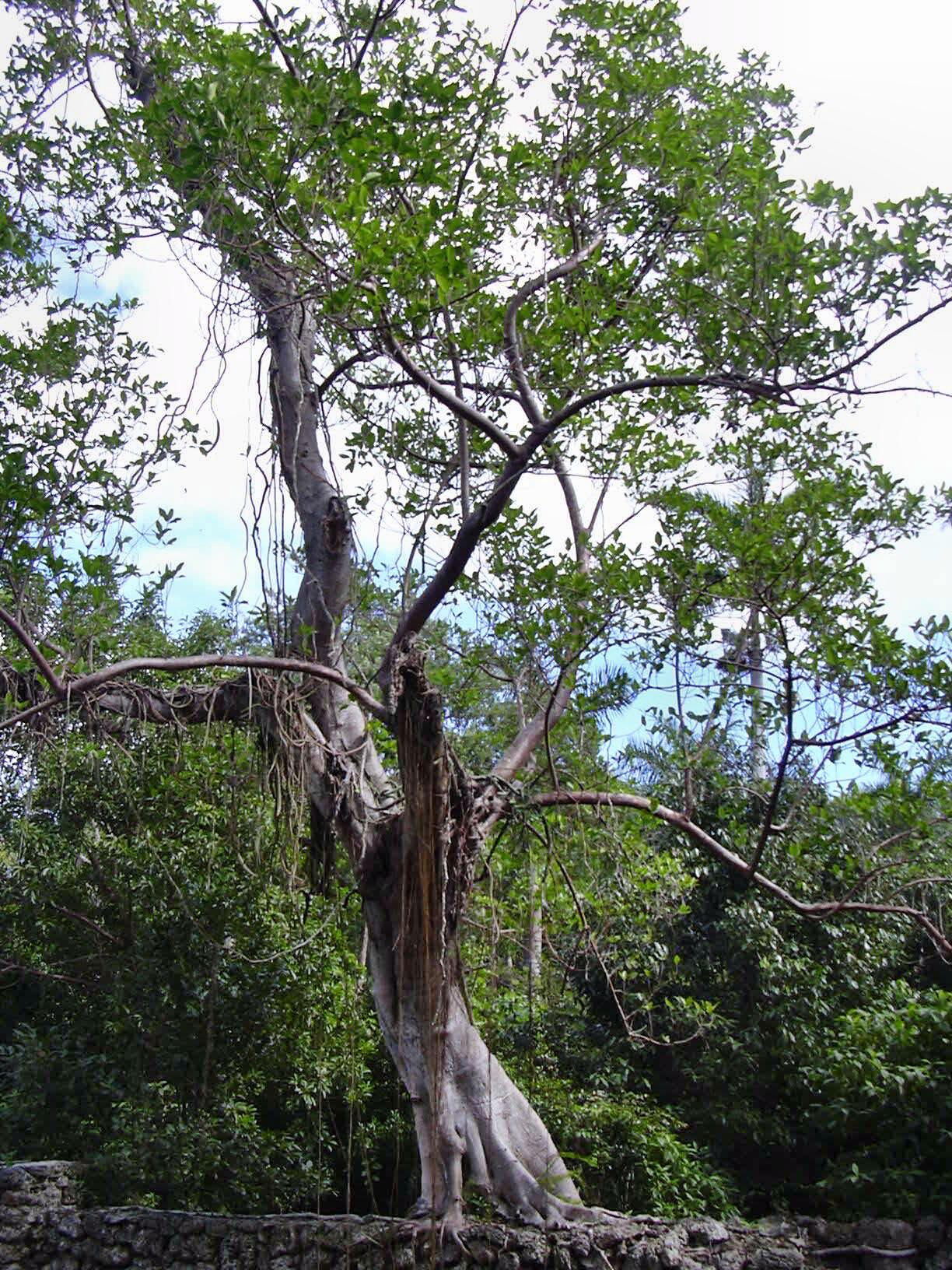
A mature Florida strangler fig, its fused aerial roots forming a hollow, lattice-like trunk around the long-vanished host tree. Photo: Wikimedia Commons (CC BY-SA 3.0)
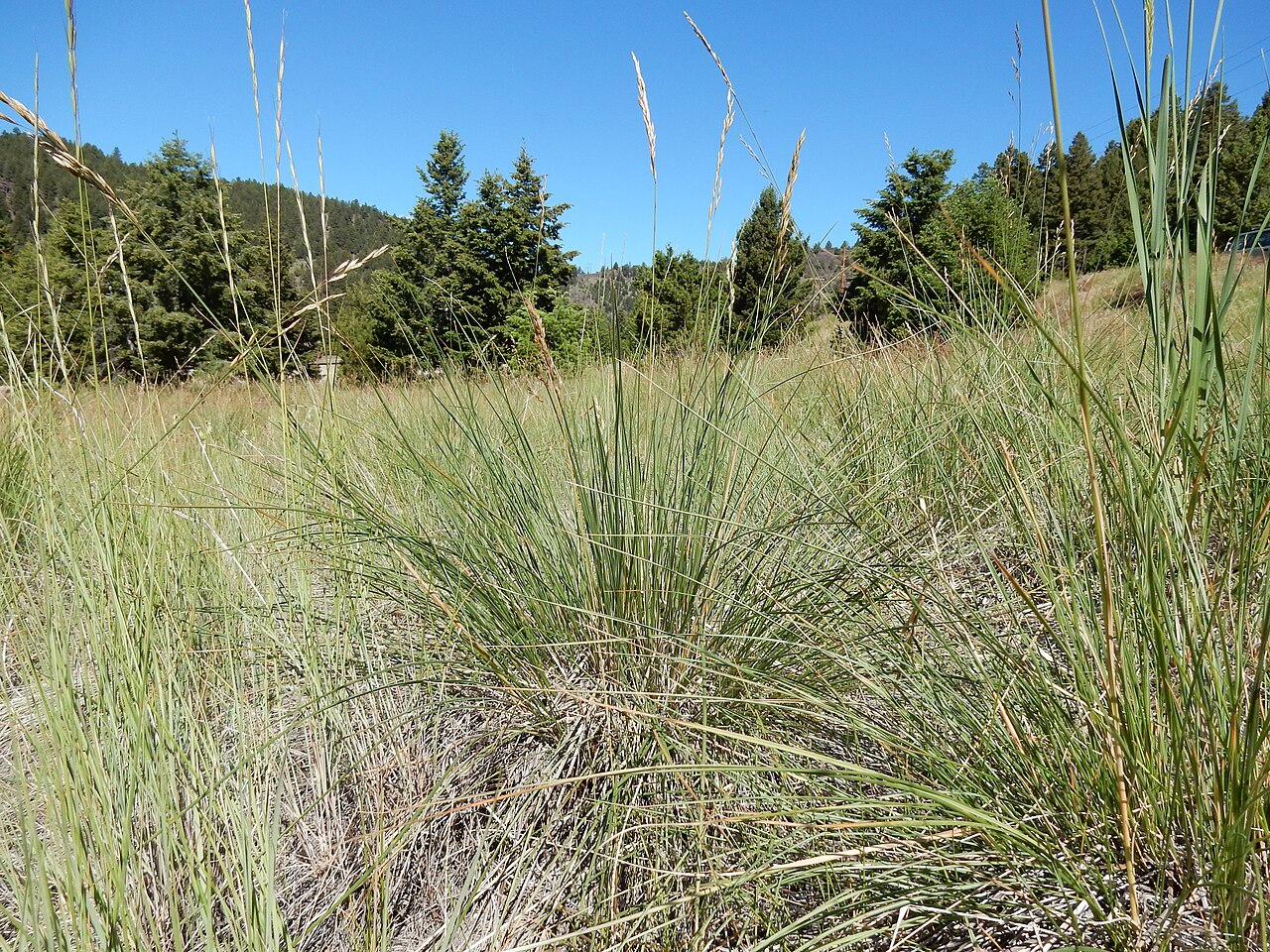
A mature Rough Fescue bunch growing in montane grassland habitat near Durant Canyon, Montana. Photo: Matt Lavin, Wikimedia Commons (CC BY-SA 2.0) Festuca campestris, commonly
View More