
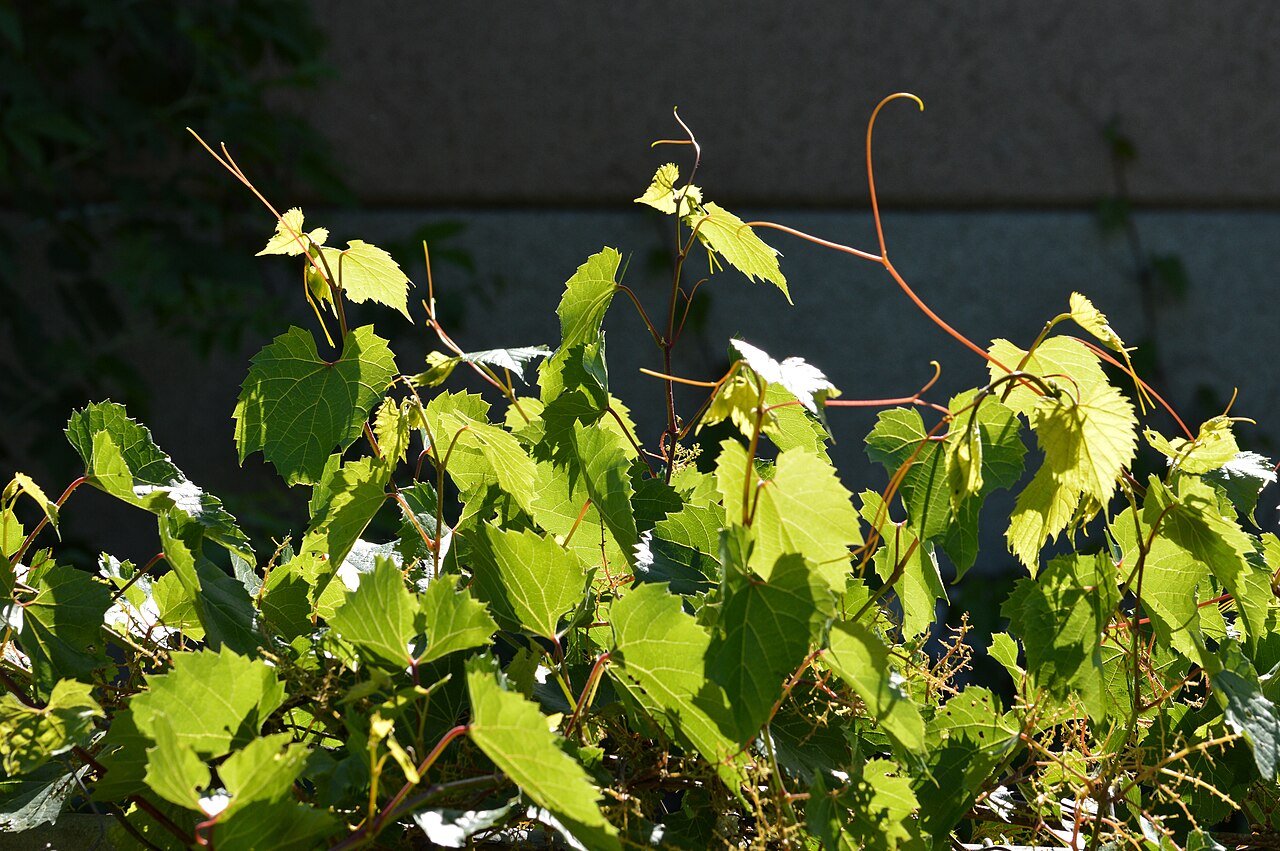
Riverbank Grape climbing by tendril, Kitchener, Ontario. Photo: Ryan Hodnett / Wikimedia Commons (CC BY-SA 4.0) Vitis riparia Michx., commonly called Riverbank Grape or sometimes
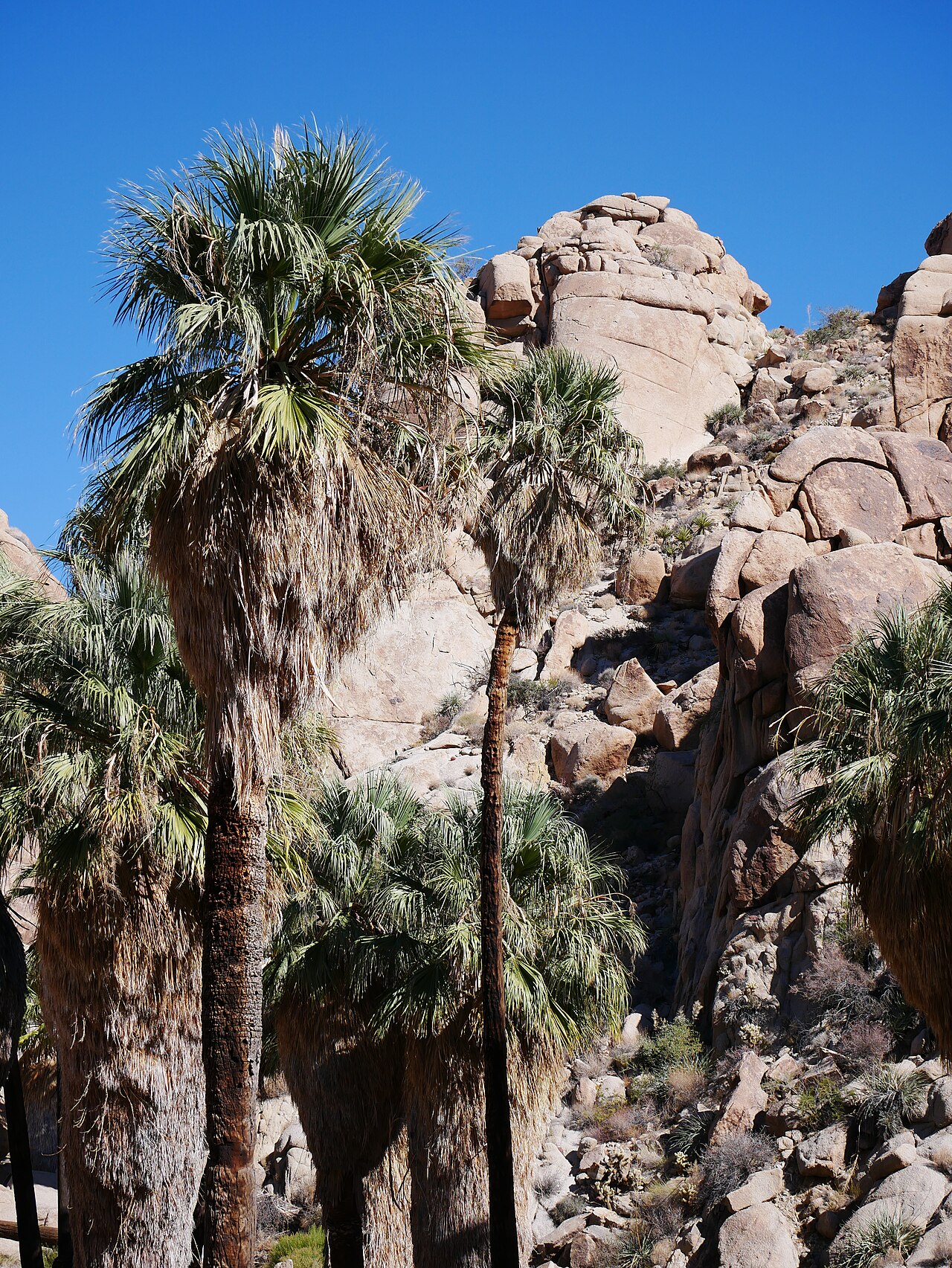
Wild California Fan Palms at a rocky desert oasis, Joshua Tree National Park. Photo: Thayne Tuason / Wikimedia Commons (CC BY 4.0) Washingtonia filifera (Linden
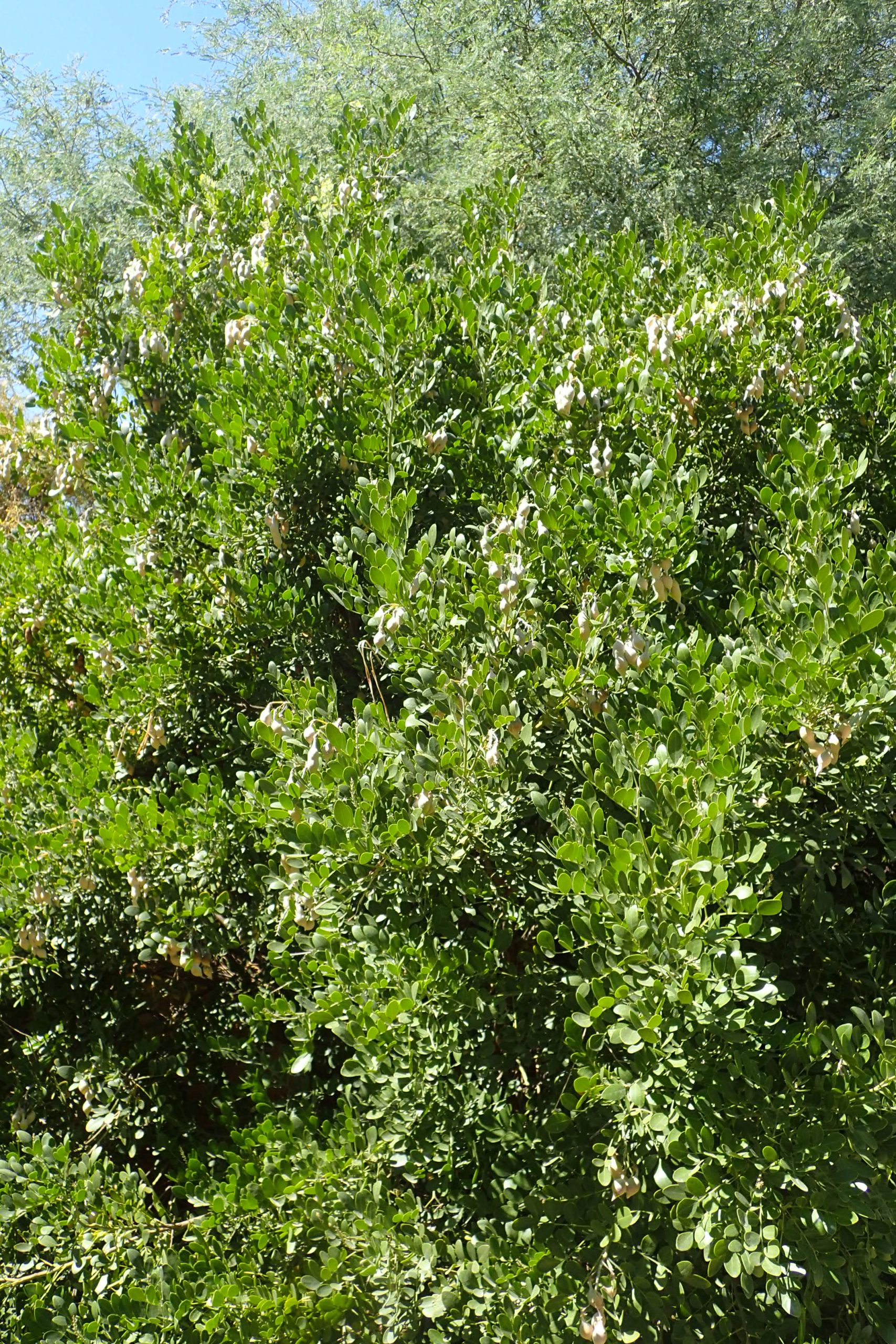
A mature Texas Mountain Laurel in full spring bloom. Photo: Krzysztof Ziarnek, Kenraiz / Wikimedia Commons (CC BY-SA 4.0) Sophora secundiflora (also classified as Dermatophyllum
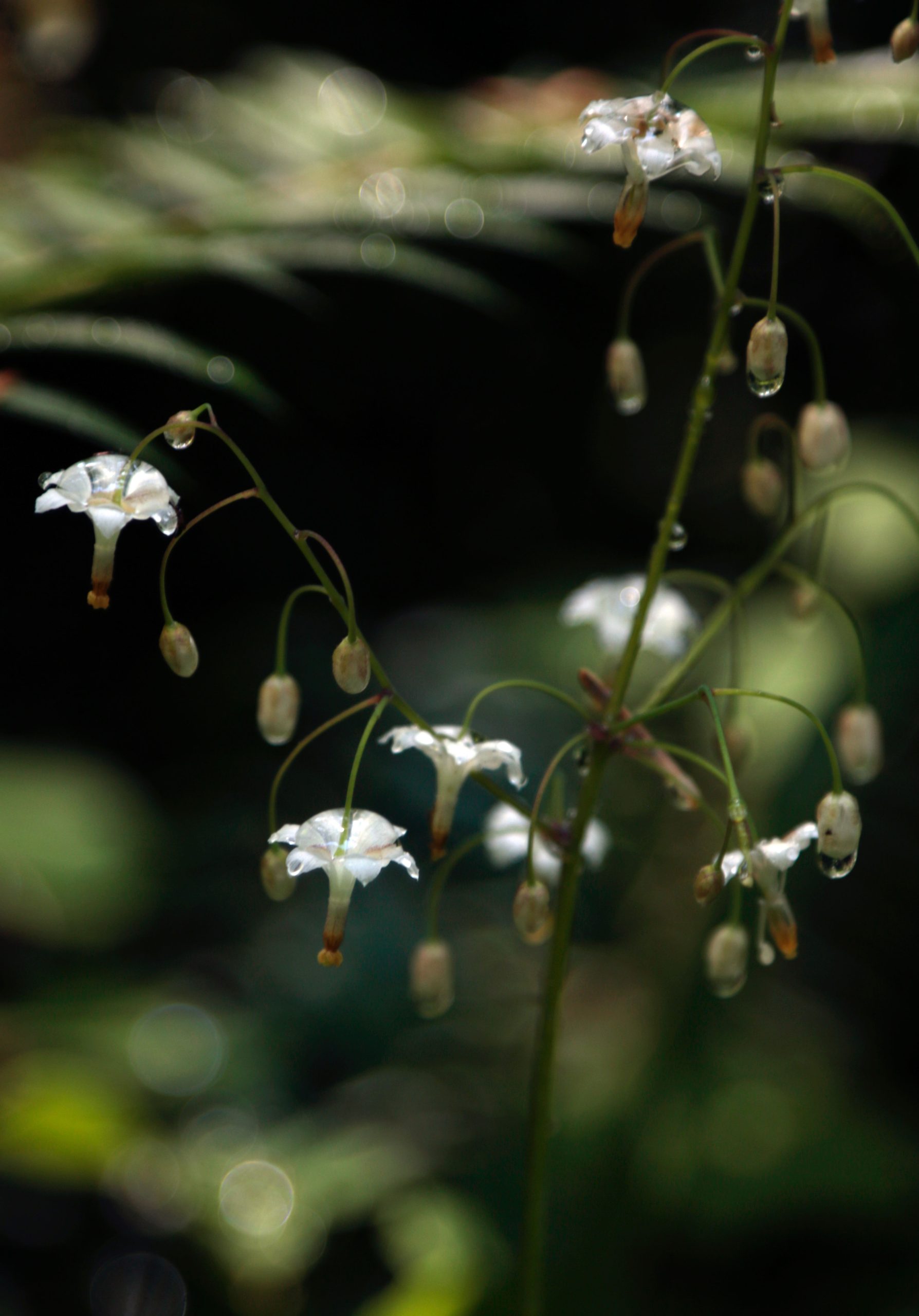
Inside-out Flower blooming in the forest understory. Photo: Peter Pearsall / U.S. Fish and Wildlife Service (public domain) Vancouveria hexandra, commonly known as Inside-out Flower
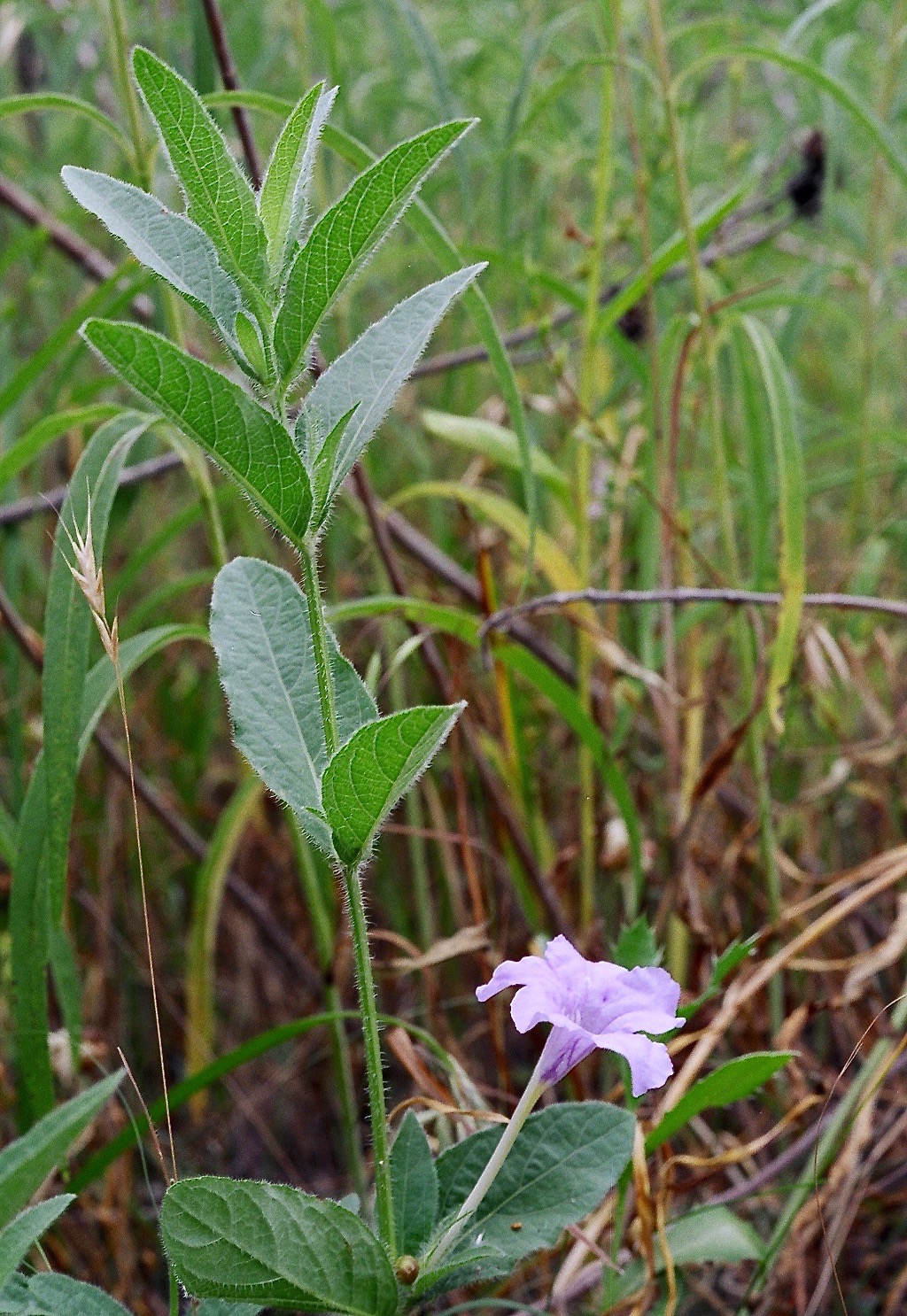
A Wild Petunia plant showing its characteristically hairy, gray-green leaves and funnel-shaped lavender flower. Photo: sonnia hill / Wikimedia Commons (CC BY 2.0) Ruellia humilis,
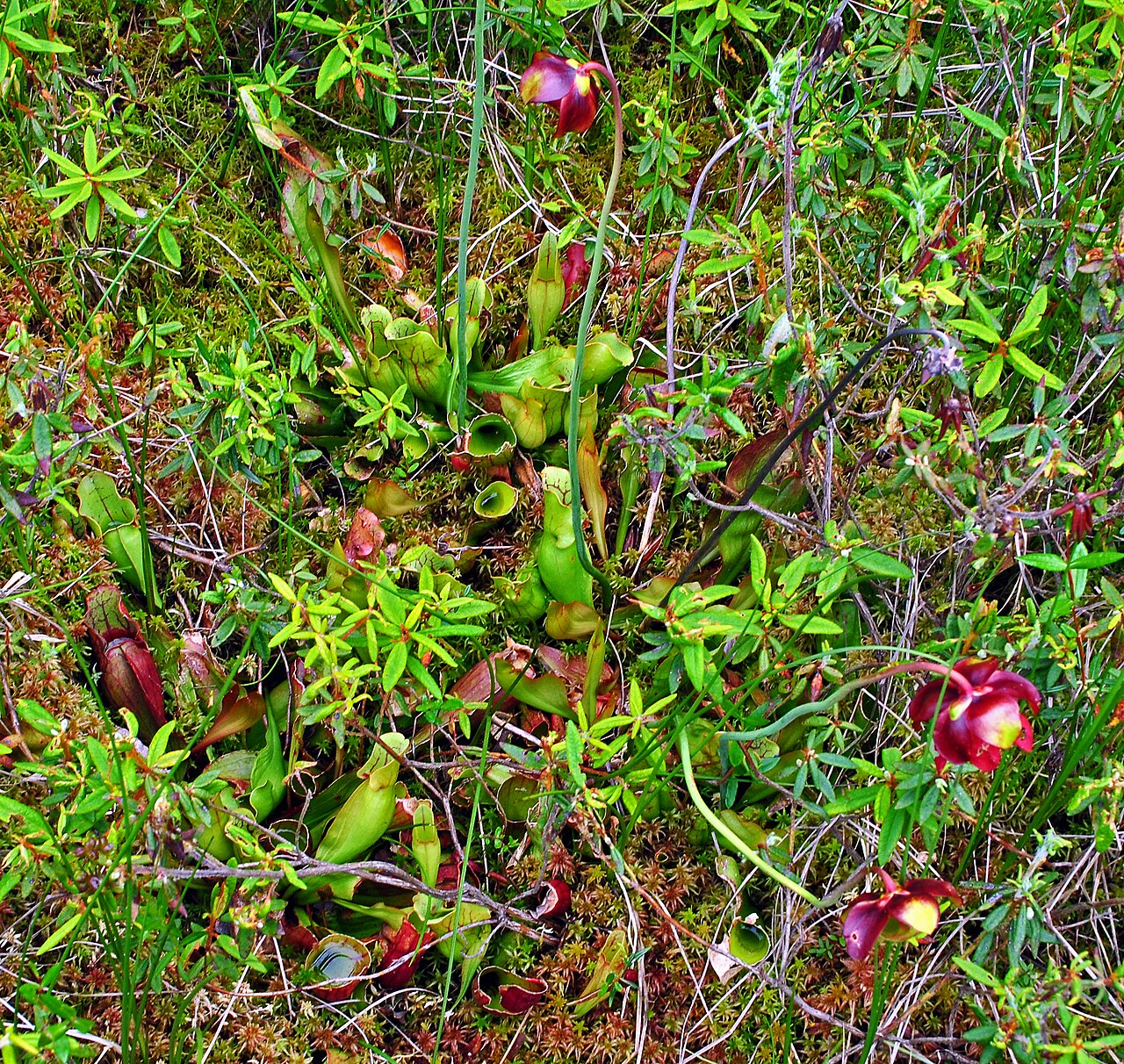
Purple Pitcher Plant growing in its natural sphagnum bog habitat, with pitchers and flowers visible together. Photo: U.S. Fish and Wildlife Service volunteer / Wikimedia
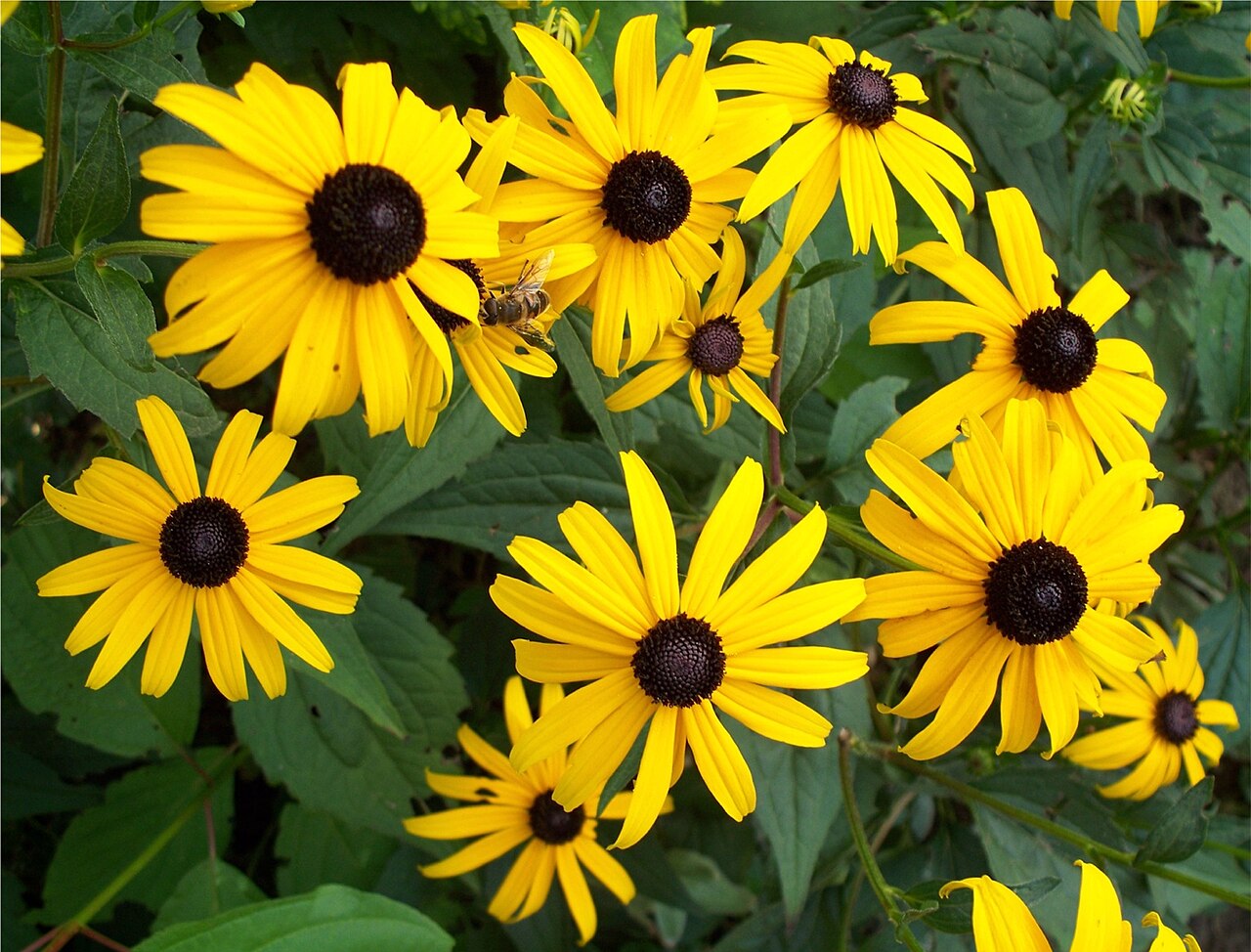
A healthy clump of Orange Coneflower in full bloom, drawing a honeybee to its disc florets. Photo: High Contrast / Wikimedia Commons (CC BY-SA 2.0
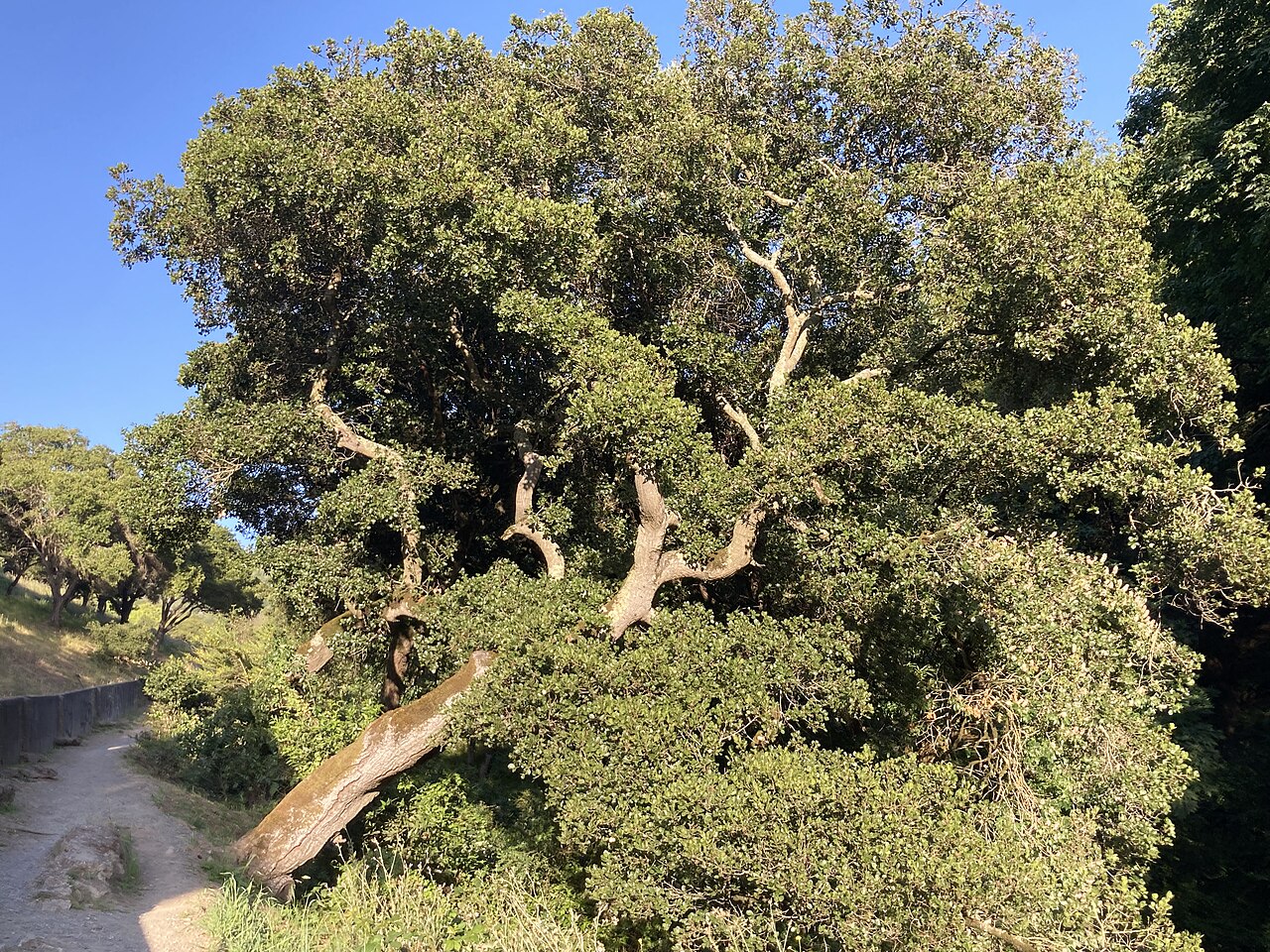
A mature Coast Live Oak spreads its broad, rounded canopy in the Berkeley hills, California. Photo: Awinch1001, Wikimedia Commons (CC0) Quercus agrifolia, the Coast Live
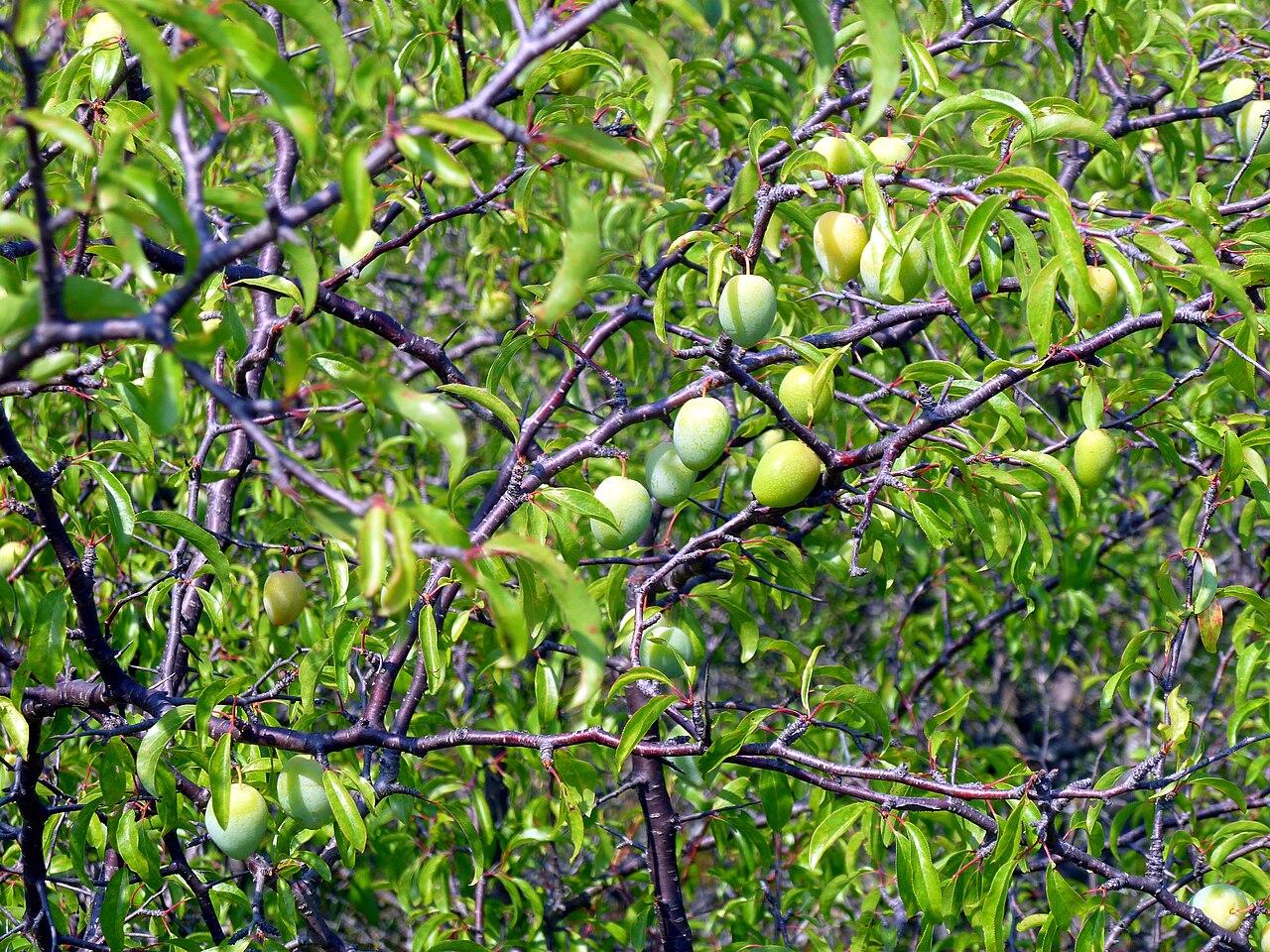
Chickasaw Plum thicket with developing fruit along slender, thorny branches. Photo: Lm13700, Wikimedia Commons (CC BY-SA 3.0) Prunus angustifolia, commonly called Chickasaw Plum (also known
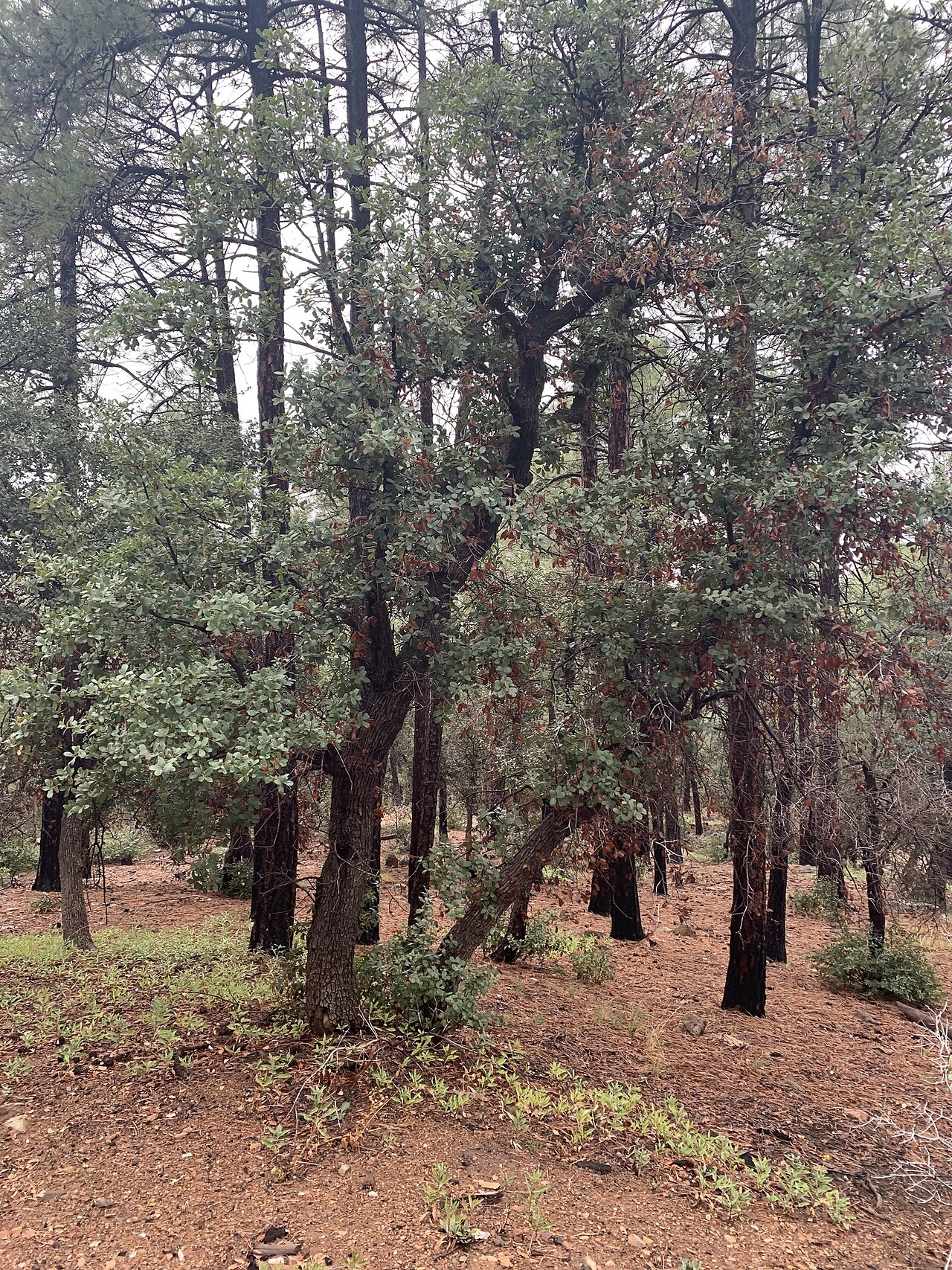
A grove of Arizona White Oak in open sky-island woodland. Photo: Billy Aguirre, Wikimedia Commons (CC0) Quercus arizonica, the Arizona Oak (also called Arizona White
View More