
Flowers that Look Like Lily of the Valley: A Guide to Identifying Similar Blooms
Last updated: September 18, 2026
Lily of the valley is a delicate, sweetly scented flower that is popular in gardens and floral arrangements. However, it can be difficult to grow and maintain, and not everyone has the space or conditions to do so. Luckily, there are several other flowers that look like lily of the valley and can provide a similar aesthetic.
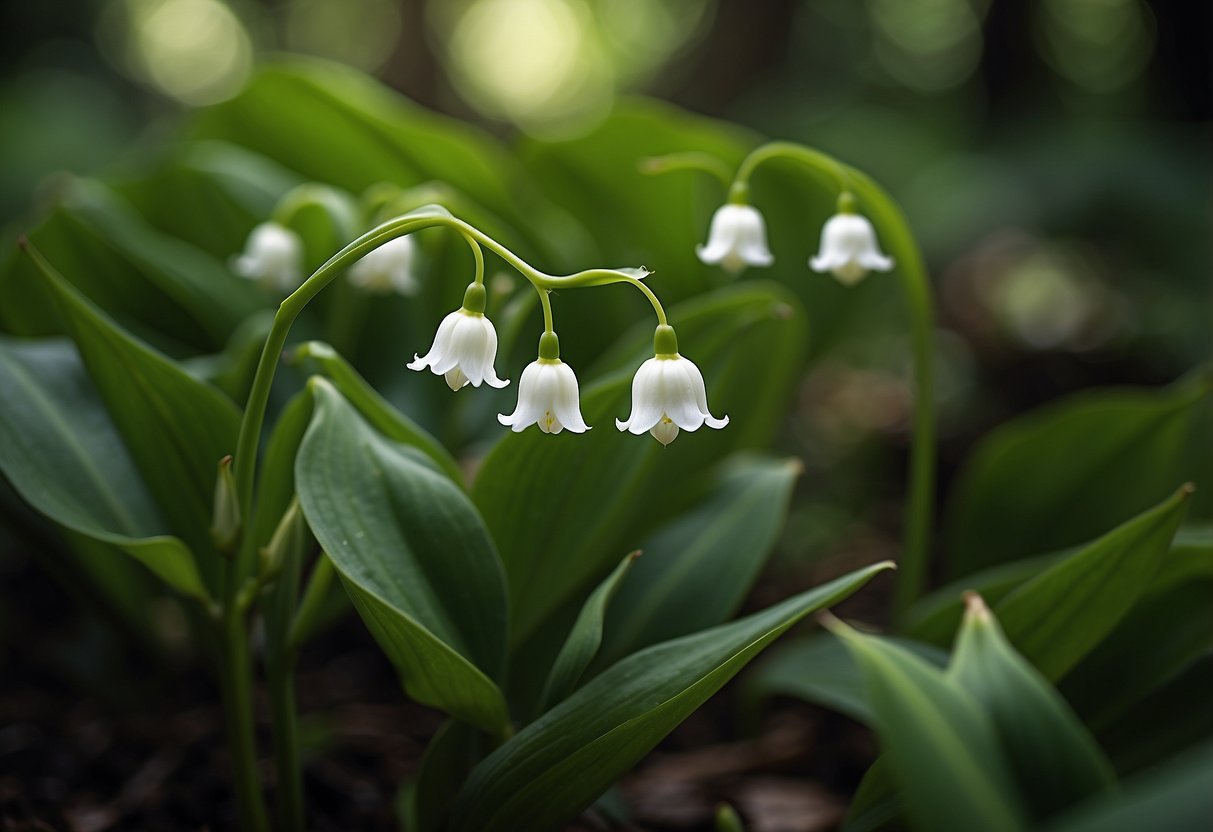
Key Takeaways: Flowers That Look Like Lily of the Valley
- Top lookalikes: Japanese Pieris, Snowdrops, Snowflake, White Bleeding Heart, Fothergilla, and Solomon’s Seal
- Most lily-of-the-valley lookalikes prefer partial shade and moist, well-drained soil — same conditions as the real thing
- Solomon’s Seal is the best native alternative — easy to grow, spreads gently, and thrives in woodland gardens
- Unlike lily of the valley, Japanese Pieris is a shrub that grows 4–8 feet tall — great as a backdrop plant
- Lily of the valley itself is toxic to pets and humans if ingested — some alternatives are safer options for pet-friendly gardens
- Most of these plants bloom in spring (March–May), filling a valuable seasonal niche in the garden
One such flower is Japanese Pieris, which closely resembles lily of the valley with its drooping clusters of white bell-like blooms. It is a common sight in the mountain thickets of southeast China, central to southern Japan, and Taiwan. Another alternative is Snowdrops, which are cheerful bulbous perennials that often appear during late winter between blankets of snow. Like lily of the valley, snowdrops only mature to 10 inches tall.
For those looking for native plant alternatives, there are several options that closely resemble lily of the valley. Wild ginger, for example, has heart-shaped leaves and small, bell-shaped flowers that are similar in appearance to lily of the valley. Wild sarsaparilla is another option, with clusters of small, white flowers that grow on long stems and resemble miniature lily of the valley blooms.
Botanical Cousins of Lily of the Valley
Lily of the Valley is a delicate and fragrant flower that is native to Europe and the United States. It is a popular choice for gardeners who want to add a touch of elegance to their garden. However, there are several other flowers that look similar to Lily of the Valley. In this section, we will explore some of the botanical cousins of Lily of the Valley.
Similar Bell-Shaped Flowers
There are several flowers that have a similar bell-shaped appearance to Lily of the Valley. One of these is the Canterbury Bells. This flower is native to Southern Europe and has a distinctive bell-shaped flower that comes in shades of blue, pink, and white. Like Lily of the Valley, Canterbury Bells prefer partial shade and moist soil.
Another flower that is similar to Lily of the Valley is the Peach-Leaved Bellflower. This flower is native to Europe and has a bell-shaped flower that comes in shades of blue and white. It prefers full sun to partial shade and moist soil.
The Spanish Bluebell is another flower that has a similar appearance to Lily of the Valley. This flower is native to Spain and has a bell-shaped flower that comes in shades of blue, pink, and white. It prefers partial shade and moist soil.
Plants with Similar Growth Habit
Japanese pachysandra (Pachysandra terminalis) is a nonnative groundcover, not a native alternative to lily-of-the-valley. Pennsylvania DCNR identifies it as invasive in that state. Consider local native groundcovers and regional invasive-plant guidance rather than treating similar appearance as a reason to plant it.
Lesser periwinkle (Vinca minor) is native to Europe and western Asia, not North America. It is invasive in parts of the United States, including Virginia. It should not be treated as a native substitute for lily-of-the-valley. Check regional guidance before selecting groundcovers.
Ajuga is another ground cover that is similar to Lily of the Valley. This plant is native to Europe and has dark green leaves that form a dense mat. It prefers partial shade and moist soil.
It is important to note that while many of these flowers and plants are similar to Lily of the Valley, they may have different growth habits and preferences for sunlight and moisture. Gardeners should take these factors into consideration when choosing which plants to add to their garden.
Cultivation and Care
Soil and Planting
Lily of the valley thrives in well-drained soil that is rich in humus and nutrients. It can be planted in full sun or partial shade, but it prefers shady areas with moist soil. In Asia and North America, lily of the valley is often planted in woodland gardens, under trees, or in rock gardens. The plant is usually propagated by rhizomes, which should be planted in the fall or early spring. When planting, the rhizomes should be buried about an inch deep and spaced six inches apart.
Maintenance and Propagation
Lily of the valley requires minimal maintenance once established. It should be watered regularly, especially during dry spells, to keep the soil moist. Mulching around the plants can help to retain moisture and suppress weeds. Invasive rhizomes should be removed regularly to prevent the plant from spreading too much. Lily of the valley can be propagated by dividing the rhizomes in the fall or early spring. The new plants should be replanted immediately.
Pests and Diseases
Lily of the valley is generally pest and disease-free, but it can be affected by aphids, slugs, and snails. Aphids can be removed by spraying the plants with a strong jet of water or by using an insecticidal soap. Slugs and snails can be controlled by using slug bait or by handpicking them off the plants. Lily of the valley can also be affected by fungal diseases such as powdery mildew and leaf spot. These diseases can be prevented by providing good air circulation and avoiding overhead watering. If necessary, fungicides can be used to control the diseases.
Overall, lily of the valley is a hardy plant that requires minimal care and can add beauty to any garden. By providing the right soil, water, and space, gardeners can enjoy this lovely plant for years to come.
For related guides, see our articles on flowers similar to lilies, flowers that look like feathers, and flowers that look like impatiens.
Complete Guide to Lily of the Valley Lookalikes
Solomon’s Seal (Polygonatum spp.)
Solomon’s Seal is arguably the best native substitute for lily of the valley in American gardens. The arching stems with paired leaves closely resemble the classic lily of the valley form, and the small, white, bell-shaped flowers hanging from the undersides of stems in May are almost indistinguishable at a glance. Polygonatum biflorum (native to most of eastern North America) grows 1–3 feet tall in partial to full shade and spreads slowly by rhizomes to form a beautiful ground cover. Unlike lily of the valley, it’s much less aggressive and stays in its lane.
False Lily of the Valley (Maianthemum canadense)
This truly native, 4–6 inch tall woodland wildflower is one of the most accurate lily-of-the-valley mimics. The tiny white flowers in dense clusters and paired leaves are nearly identical to lily of the valley, and it spreads gently in cool, moist, acidic woodland soil. It’s an excellent choice for naturalizing under deciduous trees where little else will grow.
White Bleeding Heart (Dicentra spectabilis ‘Alba’)
While its flowers are a different shape (heart-shaped rather than bell-shaped), White Bleeding Heart has a similar delicate, nodding quality that evokes lily of the valley. It blooms in April–May, thrives in partial shade and cool moist soil, and grows 2–3 feet tall. Unfortunately, it goes dormant in summer — fill gaps with hostas or ferns to maintain coverage.
Fothergilla (Fothergilla gardenii)
This native shrub produces clusters of fragrant, white, bottle-brush-like flowers in April–May that remind many gardeners of lily of the valley clusters. Fothergilla grows 3–4 feet tall in partial shade and well-drained soil, and puts on a spectacular fall color display of orange, red, and yellow. One of the most underused native shrubs in American gardens.
Pieris (Pieris japonica and Pieris floribunda)
Pieris, or Japanese Andromeda, is one of the most obvious lily-of-the-valley lookalikes. The cascading clusters of tiny white urn-shaped flowers in March–April are nearly identical in form to lily of the valley. It’s an evergreen shrub (4–6 feet), tolerates deep shade, and the new spring foliage emerges in shades of red and bronze. Pieris floribunda (native) is recommended over the Japanese species in eastern gardens.
Growing Lily of the Valley Alternatives
Soil and Light Requirements
Most lily-of-the-valley lookalikes share similar growing preferences: partial to full shade, moist but well-drained soil, and slightly acidic pH (5.5–6.5). This makes them ideal companions for rhododendrons, azaleas, and woodland ferns. Avoid planting in dry, hot spots or in heavy clay that holds water around the roots.
When to Plant
Spring and fall are the best times to plant these woodland perennials. In spring, plant after the last frost when soil temperatures have warmed. In fall, plant 4–6 weeks before ground freezes to allow roots to establish. Container-grown plants can be planted throughout the growing season if kept well-watered during summer heat.
Frequently Asked Questions: Lily of the Valley Lookalikes
Q: What’s a safe alternative to lily of the valley for pets?
Lily of the valley (Convallaria majalis) is highly toxic to dogs, cats, and humans if ingested. Safe, similar-looking alternatives include Solomon’s Seal (Polygonatum) — non-toxic to most pets — and False Solomon’s Seal (Maianthemum racemosum). Always verify a plant’s toxicity with ASPCA’s database before planting if you have pets who dig or chew plants.
Q: Which lily of the valley lookalike has the best fragrance?
Fothergilla and Pieris both produce fragrant spring flowers with a honey-sweet scent. Snowdrops have a light, delicate fragrance similar to lily of the valley. Solomon’s Seal flowers are mildly fragrant but not as strong. For maximum fragrance, plant Fothergilla near a path or seating area where you’ll brush past it in spring.
Q: Can I grow lily of the valley lookalikes in full shade?
Yes — most of these plants actually prefer shade. Solomon’s Seal, False Lily of the Valley, and White Bleeding Heart all thrive in partial to full shade under deciduous trees. Pieris and Fothergilla prefer light to partial shade. The one exception is Snowdrops, which prefer dappled light and can handle more sun in cool climates. This group of plants is ideal for the notoriously difficult “dry shade” conditions under large trees.
snowdrops, white bleeding heart and solomon’s seal look like decent lily of the valley stand-ins for a shady spot.
We appreciate that, Richard! Happy gardening! 🌿 -Plant Native Team