
Landscaping with Native Sassafras in New York for Sustainable and Attractive Gardens
Last updated: September 17, 2026
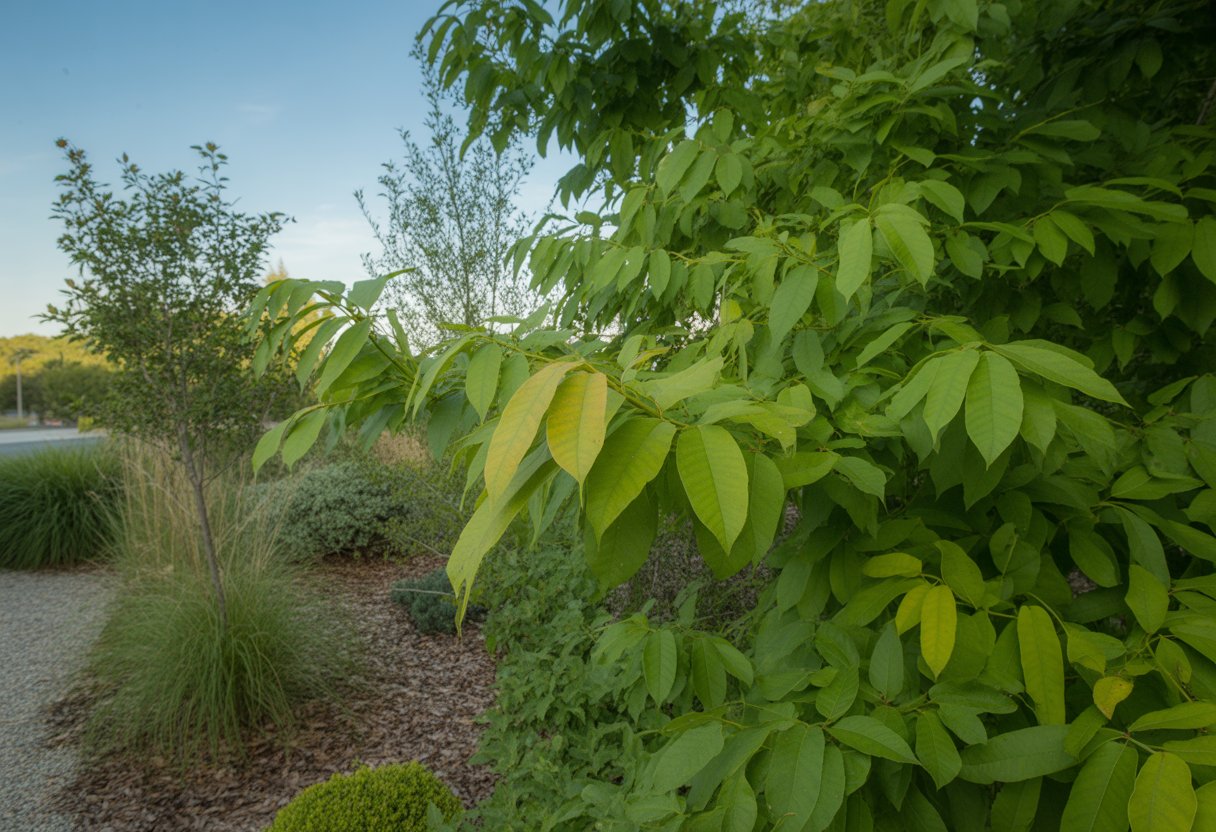
Landscaping with native sassafras in New York gives gardeners a practical, low-maintenance, and eco-friendly option. Sassafras trees thrive in local soil and climate, making them a resilient pick that supports regional biodiversity.
Using native sassafras can boost soil health, attract pollinators, and need less water and fertilizer than non-native plants.
For more native New York tree and plant options, see our guides on native plants for New York landscaping and using sassafras wood.
Frequently Asked Questions: Sassafras in New York Gardens
Q: How fast does sassafras grow in New York?
Sassafras has a moderate to fast growth rate — typically 1–2 feet per year in good conditions. Young trees can grow even faster in full sun with adequate moisture. In New York, it typically reaches 30–60 feet at maturity, though some specimens exceed 100 feet. The irregular, multi-lobed leaves and variable growth form give it a naturalistic appearance that fits beautifully into native plant gardens.
Q: Does sassafras need full sun in New York?
Sassafras grows best in full sun to partial shade. In the wild, it’s often found as an understory tree and edge-of-forest species. For maximum fall color and best growth, plant in full sun with well-drained soil. It tolerates clay, sandy, and rocky soils, making it one of New York’s most adaptable native trees.
Q: Will sassafras take over my yard?
Sassafras spreads through root suckers and can form colonies if not managed. In a naturalistic or woodland garden, this is actually desirable. For a formal landscape or small yard, simply mow or remove suckers around the base each spring before they establish. A maintained single-trunk specimen creates no more maintenance than other medium-sized trees. The suckering habit can also be used strategically to create a native hedgerow or screen.
Key Takeaways: Sassafras in New York Landscapes
- Sassafras (Sassafras albidum) is a native tree to New York — it evolved here and supports local wildlife perfectly
- Brilliant orange, red, and yellow fall color rivals maples — often overlooked as a landscape ornamental
- Grows in Zones 4–9, tolerates a wide range of soil types, and is remarkably low-maintenance once established
- The sole host plant for the Spicebush Swallowtail butterfly — plant one to attract this beautiful native butterfly
- Spreads by root suckers — can form naturalistic thickets in open areas; remove suckers if you want a single-trunk specimen
- Leaves, bark, and roots are aromatic when crushed — the historical source of root beer flavoring
This tree’s aromatic leaves and bold fall colors really add something special to both home and public gardens. It handles partial shade and various soil types, so you can plant it in lots of different New York garden settings.
Choosing native sassafras helps keep landscaping sustainable and supports a balanced ecosystem. It lowers the risk of invasive species and helps maintain the natural vibe in both urban and suburban spaces.
Understanding Sassafras in New York Landscapes
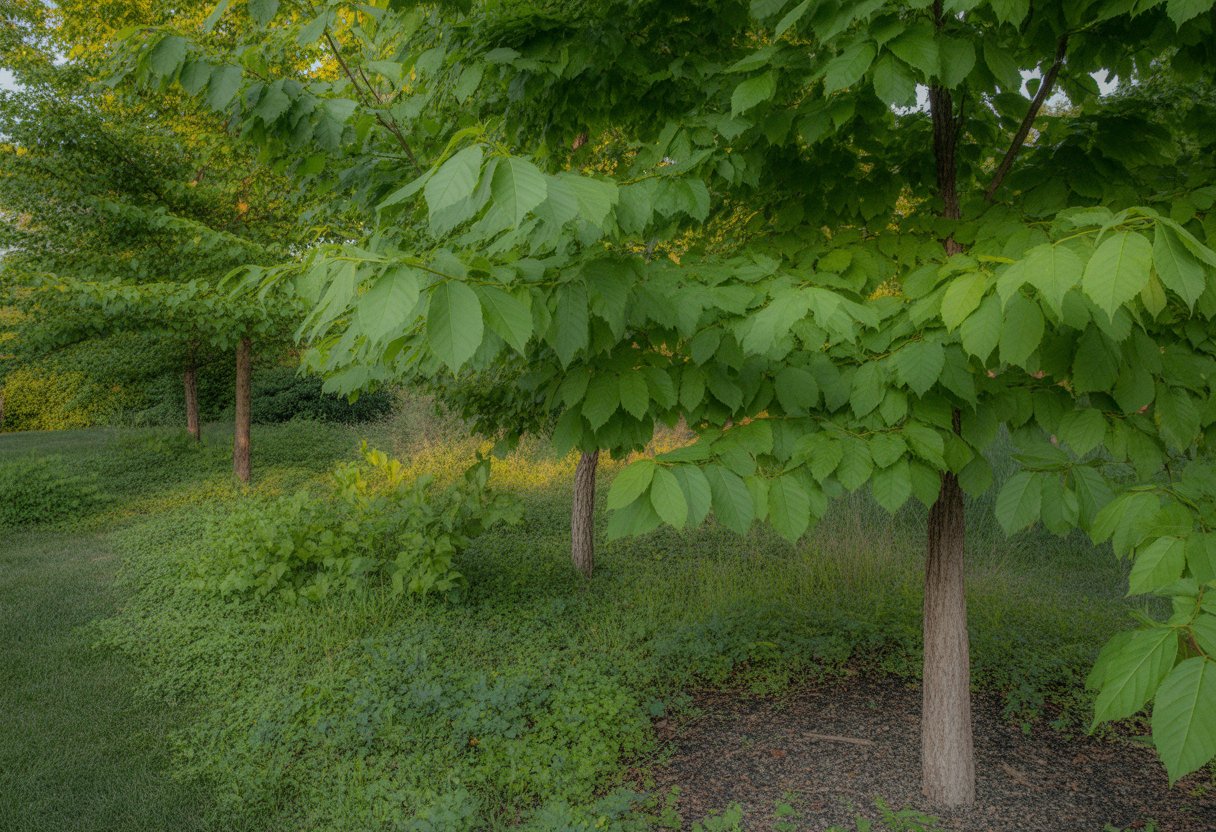
Sassafras albidum stands out for its unique features that fit well with New York’s environment. Its growth habits and native habitat shape how it fits into local ecosystems.
The Lauraceae family, which includes sassafras, plays a notable ecological role in the region.
Botanical Profile of Sassafras albidum
Sassafras albidum is a deciduous tree native to eastern North America, including New York. It usually grows 30 to 60 feet tall and develops a spreading crown.
You’ll notice its leaves come in three shapes—oval, mitten-shaped, or three-lobed—all on the same tree. The dark, furrowed bark gives off a unique scent when crushed.
In early spring, the tree puts out small yellow-green flowers. Later, blue-black fruit drupes appear, which wildlife love to eat.
People have used the root and bark for their aromatic oils in teas and flavoring.
Native Habitat and Growth Patterns
Sassafras albidum does best in well-drained upland soils but isn’t too picky—it adapts to sandy and rocky soils you’ll find around New York. It likes full sun to partial shade and grows naturally in deciduous forests and along woodland edges.
The tree grows at a moderate pace and develops a deep root system, which helps it handle drought once it’s established. It can send up new shoots from its roots, forming clonal thickets that help it stick around in native habitats.
You’ll get great fall color too, with leaves turning bright yellow and red.
Role of Lauraceae Family in Local Ecosystems
Sassafras albidum is part of the Lauraceae family, a group of aromatic trees and shrubs. In New York, these plants support wildlife by providing food and shelter.
Sassafras fruits attract birds like thrushes and turkeys. The tree’s roots stabilize soil, and its early spring flowers help pollinators.
Leaf litter from sassafras enriches the soil as it breaks down. Lauraceae species like sassafras help fill important roles from the understory up to the mid-canopy.
Designing with Native Sassafras
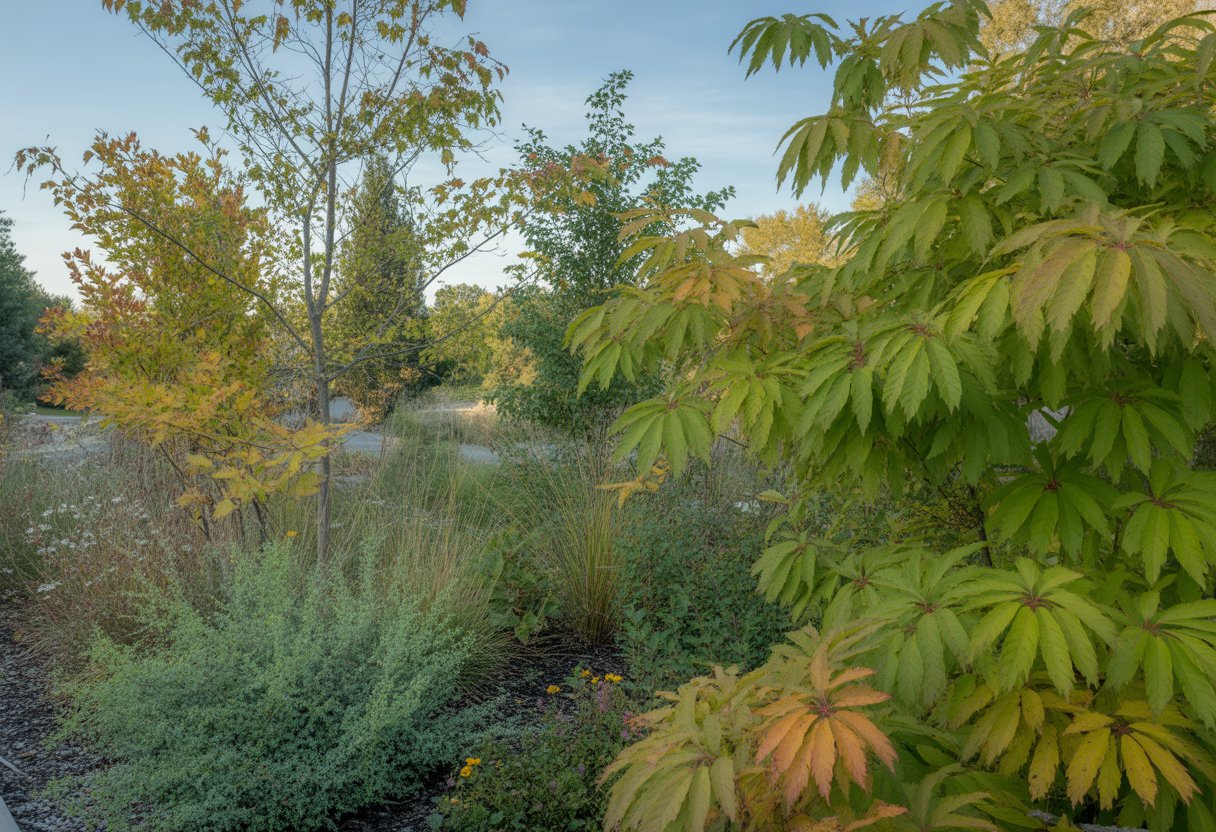
Native sassafras works best in spots chosen with care and paired with plants that get along with it. If you plan for biodiversity, you’ll get a more balanced and sustainable landscape.
Selecting Sites and Companion Plants
Sassafras albidum likes well-drained, acidic to neutral soils with moderate moisture. It grows in partial shade or full sun, so forest edges and mixed woodlands make great sites.
Avoid wet or compacted soils—they can cause root problems. Companion plants should want the same soil and light.
Try Vaccinium species, ferns like Matteuccia struthiopteris, or native grasses. These partners help keep the soil healthy and limit invasive plants.
Leave enough space—sassafras can hit 30-60 feet tall and spread wide. Give it room for mature growth and airflow, which helps prevent disease.
Incorporating Sassafras for Biodiversity
Sassafras albidum supports lots of wildlife. Its leaves host butterflies like the spicebush swallowtail, and birds eat the blue-black drupes in fall.
The tree’s roots help hold soil in place, which is handy for erosion control on slopes. It also supports nutrient cycling and keeps soil microorganisms diverse.
Adding sassafras brings more layers to your habitat. Pair it with native shrubs and understory plants to create a rich, balanced ecosystem for pollinators and small mammals.
Planting, Care, and Management Techniques
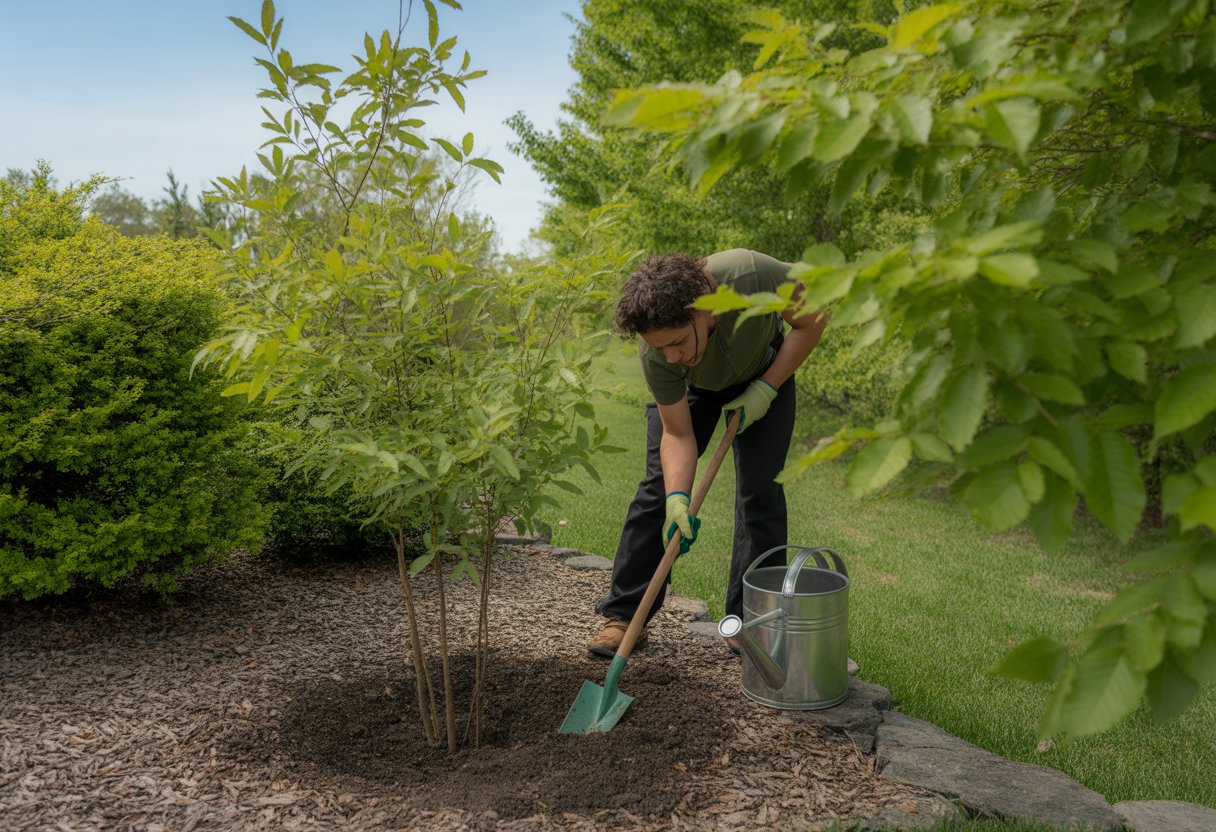
Getting sassafras to thrive in New York means planting it right, managing root suckers, and keeping leaves and soil in good shape. If you pay attention to these, you’ll have a healthy tree without too much hassle.
Propagation and Planting Guidelines
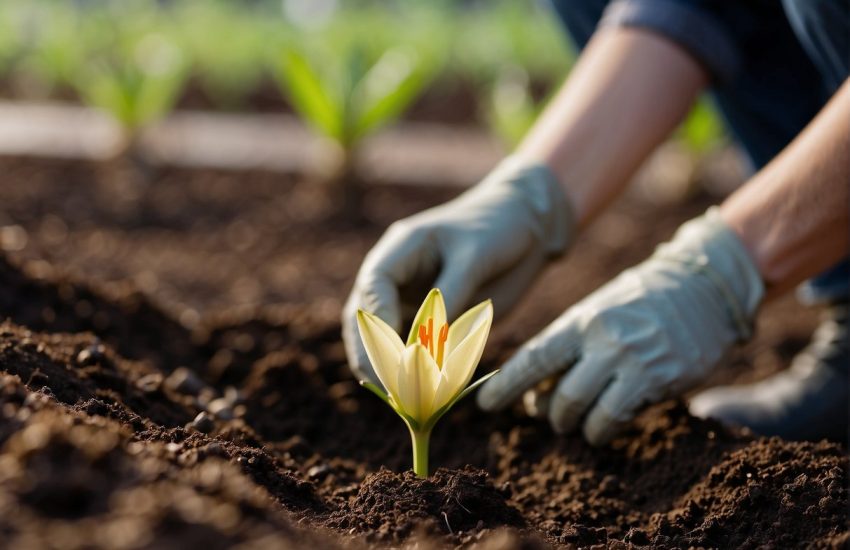
Sassafras grows well from seeds you collect in fall after they mature. Seeds need about 90 days of cold treatment to sprout, so stick them in the fridge or plant them outside in early spring.
Leave 10-15 feet between plants so they have space to spread. Pick a spot with partial shade or full sun, and plant seedlings or saplings about 1-2 inches deep.
Water them well after planting. Mulch around the base to keep moisture in and weeds out.
Don’t plant in soggy soil—sassafras likes it moist but well-drained.
Managing Root Suckers and Growth
Sassafras sends up root suckers, and if you let them go, you’ll end up with a thicket. Regularly cutting or digging out suckers keeps things tidy and stops the tree from spreading too much.
Cut suckers close to the ground before they get big. Chemical control isn’t really a good idea since it can hurt the main tree.
Prune older shoots every year to keep growth healthy and avoid crowding, especially in smaller yards.
Maintenance of Leaves and Soil Health
In fall, rake up sassafras leaves to prevent fungal diseases. Clearing leaves lets air circulate and keeps things healthier.
Add a balanced, slow-release fertilizer in early spring to keep the soil in good shape. Compost or organic matter helps with moisture and soil texture.
Go easy on the nitrogen—too much makes leaves grow fast but weakens the roots. Keep an eye out for leaf scorch or pests so you can catch problems early.
Benefits and Uses of Native Sassafras
Native sassafras offers real ecological perks and practical uses, especially for New York gardens. It supports wildlife and provides plant parts people have valued in traditional ways.
Ecological Advantages for Pollinators
Sassafras trees attract bees and butterflies with their early spring flowers. The small yellow-green blooms offer nectar when not much else is blooming.
Foliage and bark support various insects, which birds feed on. The tree creates a small but important habitat in woodlands and suburban yards.
Because it’s native, sassafras fits into local ecosystems without causing problems. You’ll often see it in the understory or at the edge of woods—boosting biodiversity in a way that just makes sense.
Cultural and Practical Uses Including Tea
Native Americans and early settlers brewed sassafras tea with the root bark. The result? A fragrant, slightly spicy drink that people enjoyed for its mild medicinal properties, especially as a digestive tonic.
These days, sassafras tea isn’t as common, though you’ll still find it in some regional folk traditions. Most commercial sassafras products now remove safrole, a compound in the plant, because of health concerns.
People have also used sassafras wood to make furniture and tools. It’s tough, smells great, and honestly, it just feels good to work with.
Early American perfumers valued the aroma of sassafras too. There’s something about that scent—earthy, a little sweet—that really sticks with you.
 Looking for a nursery that carries native plants in New York?
Browse our native plant nursery directory: New York
Nice one.