Low Maintenance Native Plants Massachusetts for Easy, Sustainable Gardening
Last updated: August 25, 2026
A lot of gardeners in Massachusetts want plants that thrive with barely any fuss and still support the local ecosystem. Native plants just get the region’s climate and soil, so they’re perfect for low-maintenance landscaping.
Low maintenance native plants in Massachusetts need less watering, fertilizing, and pest control than non-native species.
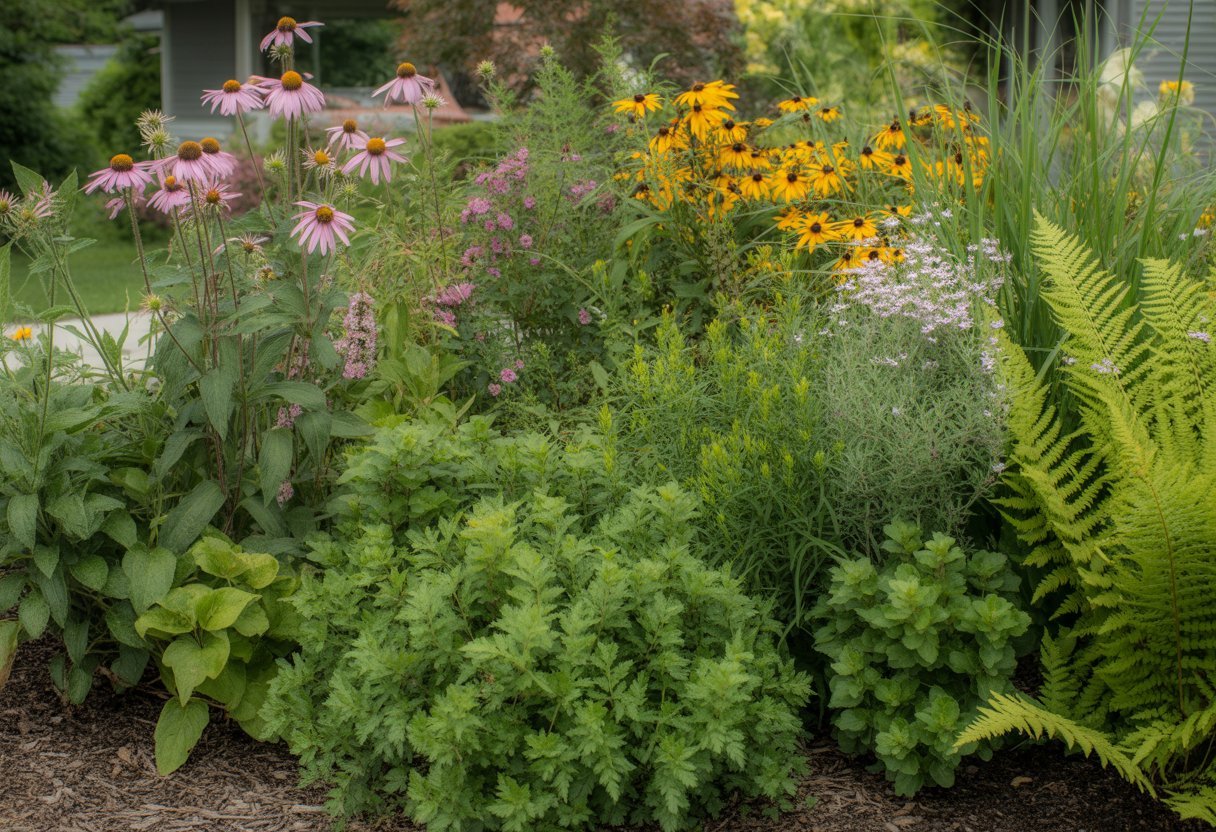
These plants promote biodiversity by providing habitat and food for native wildlife. Picking the right native species cuts down on chores and helps you grow a garden that fits right into the local environment.
Knowing which plants actually work in Massachusetts is key if you want an easy, attractive yard.
Benefits of Low Maintenance Native Plants in Massachusetts
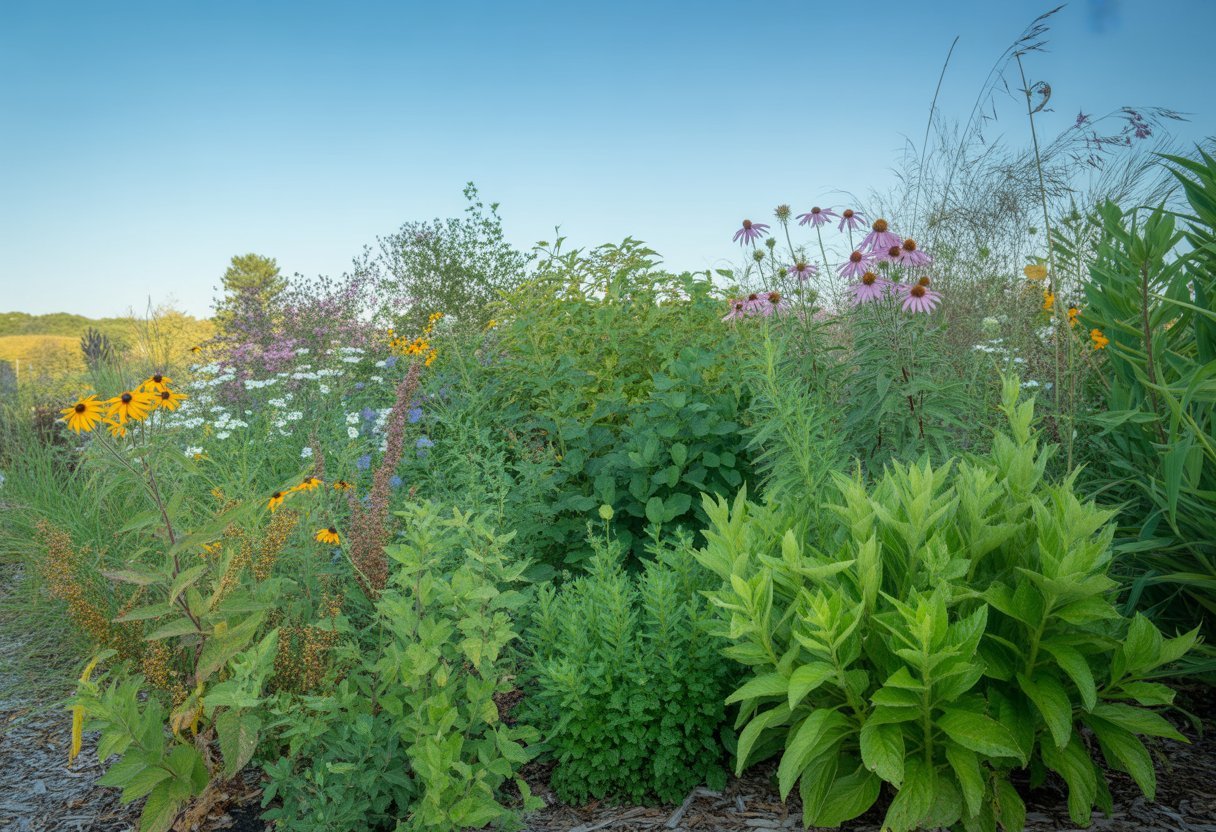
Low maintenance native plants make life easier for homeowners and play a big role in the local environment. They support regional species, save you time on yard work, and stand up to New England’s climate—even when water’s in short supply.
Supporting Local Wildlife
Native plants in Massachusetts give local wildlife—birds, butterflies, and pollinators—essential food and shelter. These plants evolved alongside native species like monarchs and native bees, so they always have what’s needed for nectar and pollen.
Non-native plants usually can’t meet the needs of local insects or birds, which means less biodiversity. Adding native species encourages a healthy ecosystem where pollinators thrive and draw in other wildlife.
You’ll also get better pollination for your fruits and veggies.
Reduced Yard Maintenance
Native plants mean less yard work. Since they’re already adapted to Massachusetts soils and weather, you don’t have to water, fertilize, or fight pests as much.
They resist local pests and diseases, so you can skip most chemical treatments. Many have deep roots that prevent erosion and cut down on mulching or replanting.
That’s less time spent weeding and watering. Not bad, right?
Drought Tolerance and Water Conservation
A lot of native plants in New England have built up drought resistance over time, so they’re great at surviving dry spells without much extra water. Plants like New England aster and switchgrass barely need supplemental watering.
Using drought-tolerant natives lowers the demand on city water in the summer. You’ll see less runoff and erosion, which helps protect nearby streams and ponds.
Plus, your water bill might thank you, and your garden will be better prepared for those unpredictable weather swings.
Top Low Maintenance Native Plants for Massachusetts Gardens
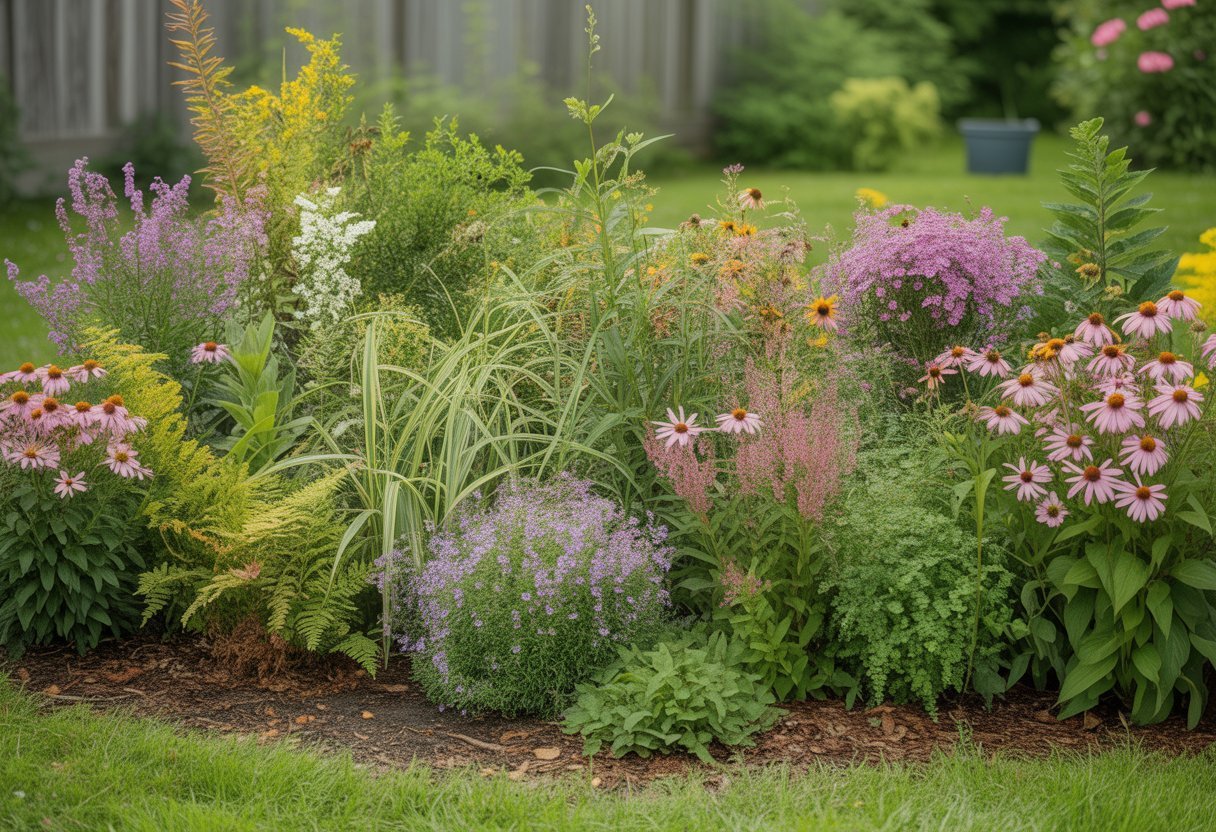
Massachusetts gardens really benefit from plants that don’t need constant attention but still support local wildlife. Picking species that can handle New England’s climate means less watering, fertilizing, and pest control.
Recommended Perennials and Wildflowers
Perennials like Black-eyed Susan (Rudbeckia hirta) are tough and drought-tolerant, blooming from mid to late summer. Their bright yellow flowers attract pollinators and barely need pruning.
Blazing Star (Liatris spicata) loves full sun and well-drained soils. It sends up tall purple flower spikes that butterflies can’t resist and shrugs off poor soils and dry spells.
Catmint (Nepeta) is a resilient flowering perennial with lavender-blue blooms. It thrives in sun or part shade and resists deer and drought.
Best Shrubs and Small Trees
Native shrubs like Spicebush (Lindera benzoin) add structure with hardly any effort. It grows in partial shade and supports native butterflies.
Highbush Blueberry (Vaccinium corymbosum) works as both a fruit producer and an ornamental shrub. It likes acidic soil but isn’t picky otherwise, and birds and pollinators flock to it.
Small native trees such as Serviceberry (Amelanchier canadensis) bring spring blossoms, edible berries, and gorgeous fall color. They adapt to various soils and don’t need special care.
Popular Native Grasses
Little Bluestem (Schizachyrium scoparium) is drought-tolerant and has blue-green blades that turn a rusty orange in fall. It provides year-round interest and helps wildlife.
Switchgrass (Panicum virgatum) grows tall in clumps and can handle wet or dry spots. Once it’s established, you don’t need to mow it at all.
These native grasses stabilize soil and add texture—no need for constant maintenance or fertilizer.
How to Grow and Care for Native Plants in Massachusetts
Growing native plants in Massachusetts means paying attention to plant selection, soil, and keeping out invasives. The right choices and conditions give you healthy plants that help the ecosystem—without a ton of work.
Selection and Sourcing from Reputable Nurseries
Choose native plants from trustworthy nurseries, especially ones certified by the Native Plant Trust. These nurseries avoid selling invasive or non-local genotypes that could hurt local biodiversity.
Buy plants labeled with their scientific names to make sure you’re getting the real thing. Pick species that fit your site—Echinacea purpurea for sunny spots, Asclepias tuberosa for well-drained soils.
Skip wild-harvesting so you don’t deplete natural populations. Supporting sustainable growers just makes sense.
Soil, Sun, and Moisture Requirements
Most native plants in Massachusetts do well in well-drained soil, but you’ll want to check what each species likes. For instance, Switchgrass (Panicum virgatum) loves full sun and moderate moisture, while Maianthemum canadense prefers shaded, moist woodland soil.
Test your soil’s pH and texture before planting. Most natives handle acidic to neutral soils (pH 5.5 to 7). Mulch helps keep moisture in and temperatures steady.
Don’t overwater—many natives are fine with drought once they’re settled in.
Dealing With Invasive Plants
Invasive plants can really mess things up for natives by hogging resources. In Massachusetts, watch out for Japanese knotweed, garlic mustard, and multiflora rose.
Check your planting areas regularly. Pull invasives by hand or use herbicides if needed, following local rules.
Planting dense native ground covers helps block invasives by cutting off their light and space. For more tips, check the Native Plant Trust’s resources for current invasive lists and control methods.
Landscaping Tips and Design Ideas for Massachusetts Yards
Landscaping in Massachusetts is a balancing act—looks matter, but so does helping the ecosystem. Native plants create habitats for pollinators and helpful insects, and they keep your workload down.
Maximizing Pollinator and Beneficial Insect Habitat
Planting native species loaded with nectar and pollen supports bees, butterflies, and other helpful insects. Plants like Asclepias tuberosa (butterfly weed) and Echinacea purpurea (purple coneflower) are top picks.
Add a mix of flowering species that bloom from spring to fall. That way, there’s always nectar available.
Skip pesticides—they’re rough on pollinators. Use plants of varying heights and textures to support a wider range of insects.
Group similar plants together instead of scattering them. Pollinators find big clusters easier, and it’s better for the ecosystem’s health.
Native Plant Garden Planning
Start planning by checking your site’s soil, sunlight, and moisture. Plants like Schizachyrium scoparium (little bluestem grass) want well-drained soil, while Iris versicolor (blue flag iris) likes wetter spots.
Layer your plantings—mix groundcovers, shrubs, and tall perennials to build structure and support more insects. Mulch helps hold moisture and keeps weeds down.
Add plants along edges and in natural-looking groups so your garden blends into the landscape. A diverse mix reduces pest problems and helps your garden handle whatever weather comes its way.
Regional Considerations: Cape Cod and Southeastern Massachusetts
Cape Cod’s sandy, acidic soils call for drought-tolerant natives like Bayberry (Myrica pensylvanica) and Seaside goldenrod (Solidago sempervirens). These tough species shrug off salt spray and thrive even when nutrients run low along the coast.
Southeastern Massachusetts, on the other hand, has heavier soils and more humidity. That opens the door for native shrubs and perennials like Highbush blueberry (Vaccinium corymbosum) and Swamp milkweed (Asclepias incarnata).
Honestly, it makes sense to pay attention to these local quirks if you want your plants to stick around and not need constant fussing. Why not work with the climate and soil, instead of fighting them?