
Mulch Choices for Native Beds: Best Options to Enhance Growth and Soil Health
Last updated: September 3, 2026
When you’re picking mulch for native beds, your choice really shapes soil health, moisture, and how well your plants grow. Organic mulches like shredded leaves, bark, and compost usually work best—they boost soil structure and help native microorganisms thrive.
These mulches break down on their own, feeding the soil naturally without dumping in weird chemicals.
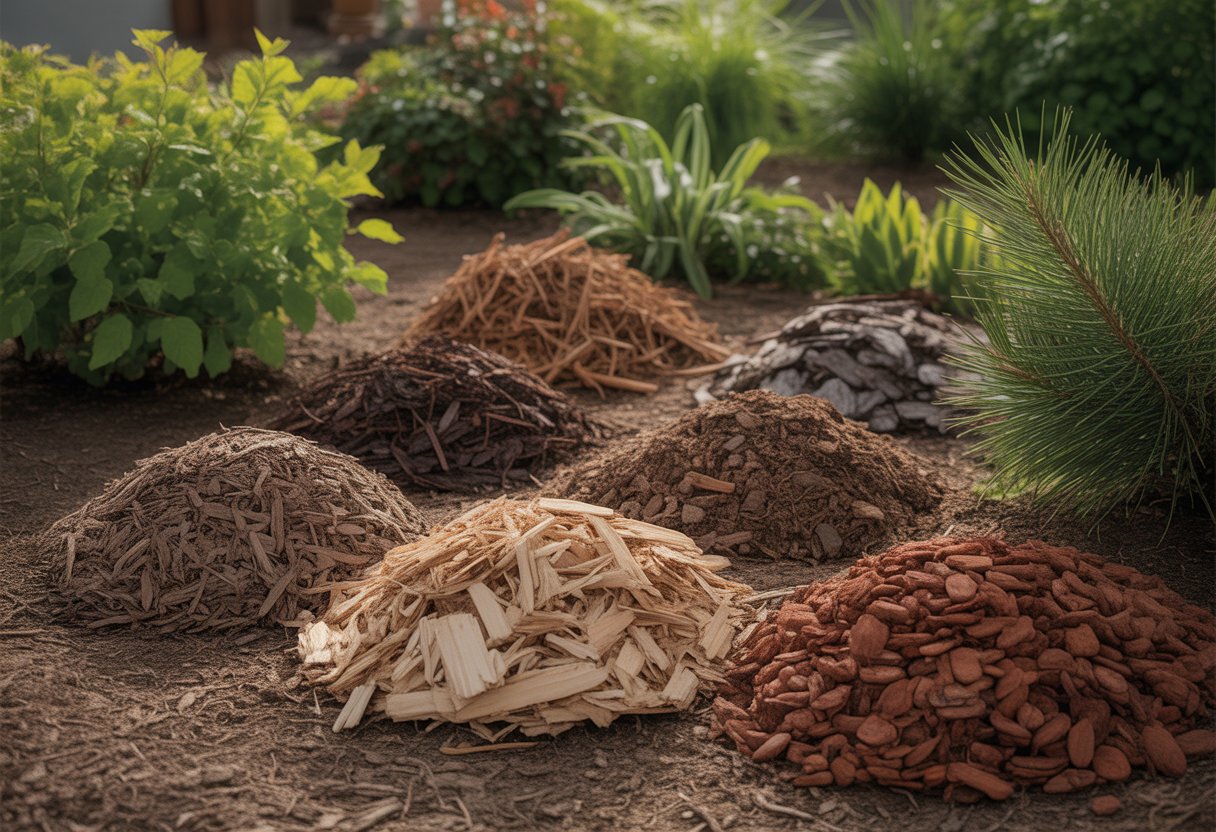
You can use inorganic mulches like gravel or rubber, but honestly, they don’t feed the soil and might mess with the ecosystem. The best mulch for native beds should feel like what’s found in nature, so native plants get what they need.
Key Considerations for Mulching Native Beds
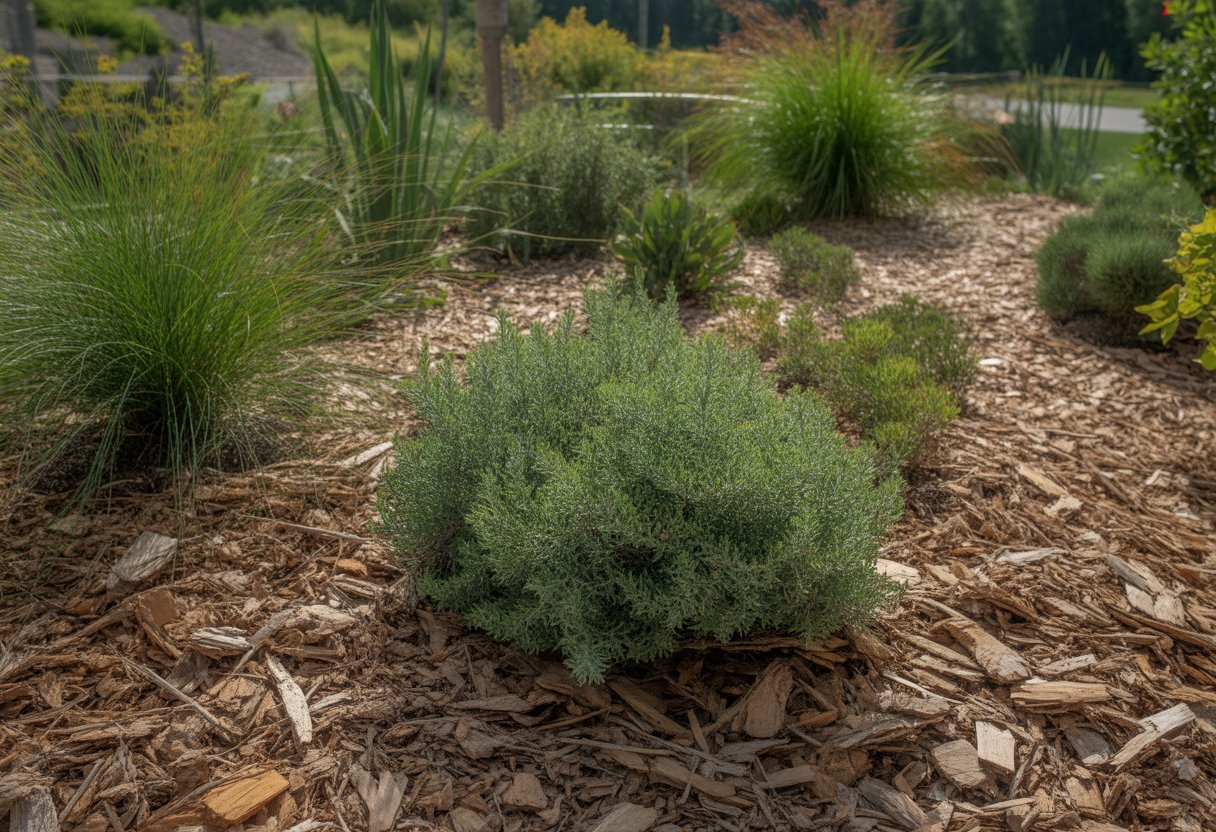
Picking the right mulch means thinking about your soil, what your plants want, and what’s happening in your yard. Each of these matters for how mulch supports native plants.
Understanding Soil Structure and pH
Soil structure changes how water soaks in, how roots grow, and how much air gets down there. You want mulch that fits your soil type, whether it’s sandy, heavy clay, or something in between.
Soil pH decides which nutrients your plants can use. Acidic soils (pH below 7) might like pine needles, since they help keep things acidic.
If your soil’s more alkaline (pH above 7), hardwood bark or leaf litter works well and won’t push the pH up too much.
Test your soil’s pH before you mulch. That way, you can pick materials that won’t throw things off balance.
The right mulch can actually make your soil better as it breaks down and adds organic matter.
Evaluating Native Plants’ Needs
Native plants don’t all want the same thing. Some like thick mulch to keep moisture, while others need a lighter touch to avoid soggy roots.
Native grasses, for example, usually want less mulch so air can move around. Shrubs and trees, on the other hand, might appreciate a deeper layer for water conservation.
Try to use mulch that’s similar to what these plants would get in the wild. Skip anything that could bring in pests or diseases.
Keep mulch between 2 and 4 inches thick—enough to help, but not so much that you suffocate the roots.
The Impact of Climate and Local Conditions
Your local climate totally changes what mulch works best. If you’re in a dry area, mulches like wood chips or shredded bark help hold onto water.
In places with a lot of rain, you’ll want mulch that drains well and doesn’t pack down, like straw or pine needles. These can also help stop erosion.
Using what’s already in your area—like fallen leaves or trimmed branches—usually fits native plants the best. Mulch that matches your weather keeps your garden healthier in the long run.
Types of Mulch for Native Beds
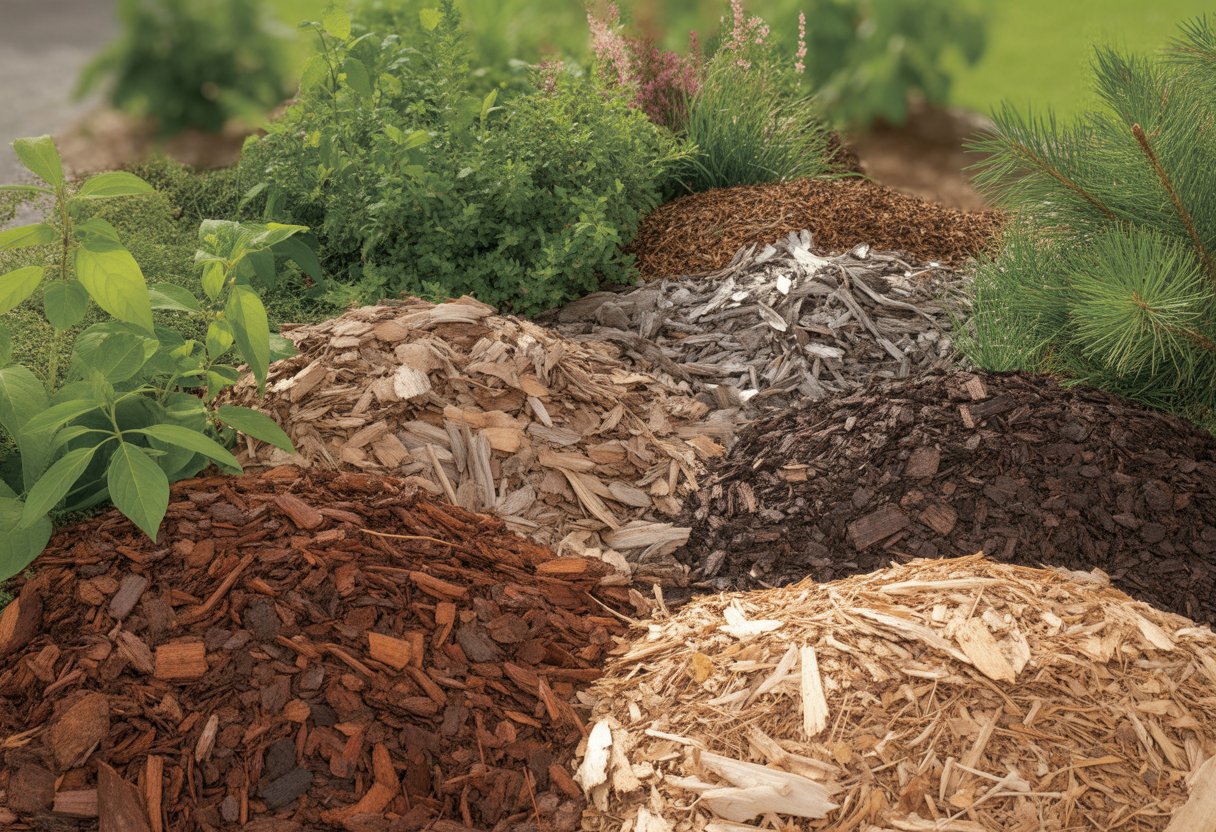
You’ve got a bunch of options for mulch, and each one does something different. The choice depends on what your soil needs, how much water you want to keep, and how the mulch plays with your native plants.
Organic Mulch Options
Organic mulches—think shredded bark, wood chips, leaves, straw, pine needles—break down over time. As they decompose, they boost soil structure and nutrients.
They also help good soil critters and hold onto water, which native plants usually love. You’ll need to add more every so often, though, since they disappear as they rot.
Don’t use fresh wood chips right next to your beds—they can hog nitrogen for a while. Aged mulch is safer. Stick with a 2-4 inch layer to keep weeds down without choking your soil.
Inorganic Mulch Alternatives
Inorganic mulches include gravel, crushed stone, landscape fabric, and rubber mulch. Since they don’t break down, you won’t need to replace them much.
Gravel and stone give you great drainage, which is perfect for dry, native habitats. Landscape fabric blocks weeds, but it can get in the way of soil breathing.
Rubber mulch won’t rot or attract bugs, but it can get hot and won’t feed your soil. Generally, these types don’t support soil life like organic mulches do.
Living and Green Mulch
Living mulches are basically ground covers or super-low native plants that spread out and protect your soil. They cut down on erosion, make the soil richer, and attract good bugs.
Some good picks are clover, creeping thyme, or native grasses. These green mulches photosynthesize and keep weeds out.
They do need more attention than other types, but they blend right in with native ecosystems and bring a ton of benefits.
Top Mulch Choices and Their Benefits

Mulches come in all sorts of textures, colors, and nutrient levels, and that changes how your garden looks and how much work you’ll do. What you pick depends on what your soil needs, how much moisture you want to keep, and what looks good to you.
Wood Chips and Shredded Bark
Wood chips and shredded bark are super durable and work well around native plants. They break down slowly, so you don’t have to reapply all the time.
These mulches add organic matter as they rot, making your soil better. A 2-4 inch layer is about right, but keep it away from plant stems so you don’t get rot.
They also help keep soil temperature steady, which protects roots. Go for untreated wood to avoid any weird chemicals sneaking in.
Straw, Pine Needles, and Leaf Mulch
Straw, pine needles, and leaf mulch are lighter and break down faster than wood chips. They give nutrients to the soil pretty quickly.
Pine needles are a bit acidic, so they’re awesome for plants like blueberries. Straw keeps moisture in but make sure it’s free of seeds, or you’ll be picking weeds.
Leaf mulch is kind of like the natural forest floor—it’s great for microbes and bugs. You’ll need to add more every year since it rots fast.
Compost, Manure, and Grass Clippings
Compost, manure, and grass clippings are packed with nutrients and really boost soil fertility. Spread them thinly to feed microbes and help plants grow.
Manure should be well-aged or you’ll risk burning your plants (plus, no one wants the smell). Grass clippings break down fast, but don’t pile them on or they’ll mat down and block air.
These mulches recycle your garden waste and add nitrogen—just don’t go overboard.
Gravel and Decorative Mulch
Gravel and decorative mulches are non-organic and don’t break down, so they’re low-maintenance. They stop weeds and keep moisture in, but they won’t feed your soil.
Gravel reflects heat, which can be good for drought-tolerant natives but might stress plants that need more moisture. You can also go for colored stones or crushed shells if you’re after a certain look.
They’re not going to make your soil richer, but they do help with erosion and keep things tidy. Best for dry spots or more formal gardens where organic mulch isn’t practical.
Best Practices for Applying and Maintaining Mulch
Getting mulch right means helping your soil, keeping moisture, and beating back weeds. Tweak the depth, coverage, and timing to get the most out of it.
Depth, Coverage, and Renewal Strategies
Spread mulch about 2 to 4 inches deep—enough to keep water in and weeds out, but not so much that roots can’t breathe. Too thin and weeds sneak through; too thick and you risk rot.
Cover the soil, but don’t pile mulch up against stems or trunks. That just invites pests and disease.
Add fresh mulch once or twice a year, depending on how fast it breaks down. Wood chips and leaves disappear over time, so you’ll need to top them up to keep your plants protected.
Managing Soil Moisture and Temperature
Mulch holds in soil moisture by shading the ground and blocking the sun. That’s huge during dry spells or heat waves.
It also keeps the soil temperature more stable, so roots don’t get shocked by sudden changes. Organic mulch even warms the soil up a bit in spring, which can give you a head start.
Check under the mulch now and then to see if the soil’s staying damp. You might need to tweak your watering—mulch cuts evaporation, but it doesn’t mean you can skip watering altogether.
Suppressing Weeds and Preventing Evaporation
Mulch blocks weed seeds from sprouting and taking over your beds. If you lay mulch over landscape fabric, it can make this barrier even stronger.
But honestly, I wouldn’t use fabric under organic mulch in native beds—it messes with natural decomposition and makes it harder for the soil to breathe.
Keeping mulch spread out evenly helps cover bare spots, which means weeds have fewer chances to pop up. Plus, mulch slows down evaporation, so the soil holds onto moisture longer.
That means you probably won’t need to water as often.

We have a small backyard in Boise and space is tight. Some of these ideas might actually work for us.
I work at a garden center and customers ask about this all the time. Good resource to share.