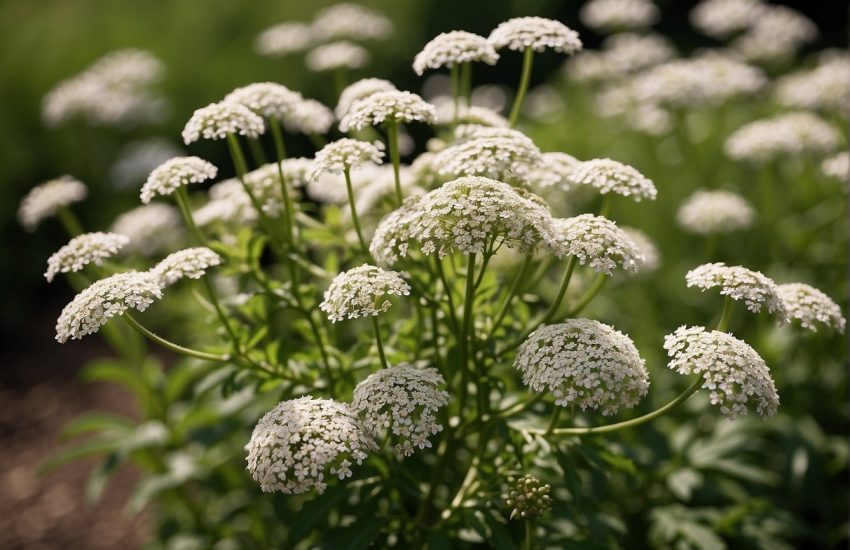
Bee Balm (Monarda didyma)
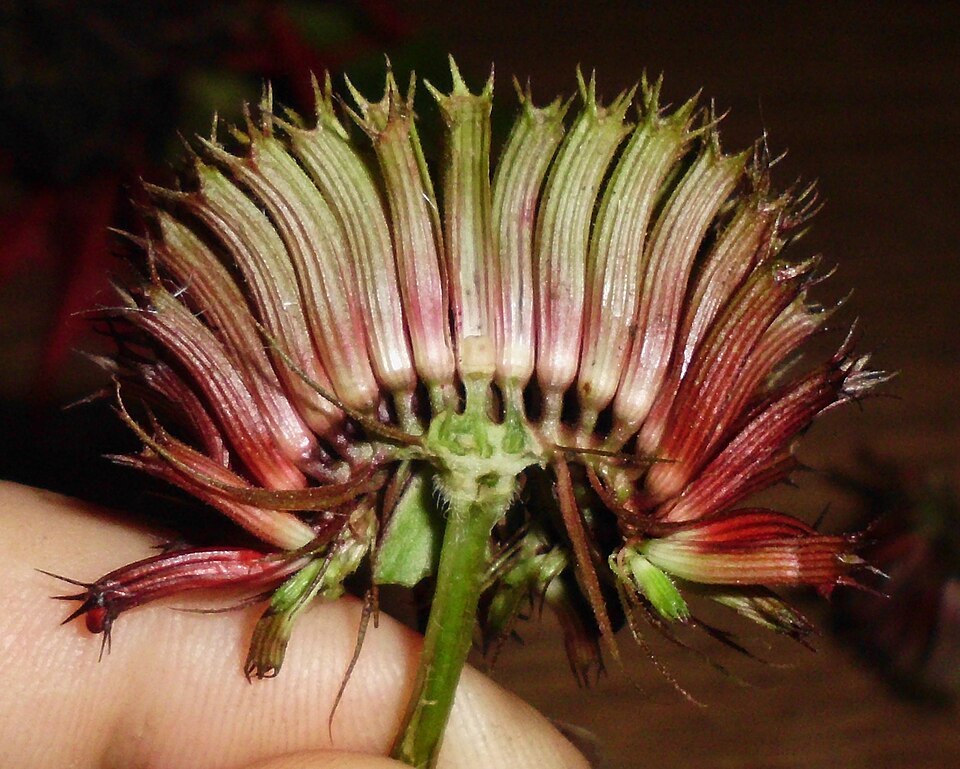
Monarda didyma, commonly known as Bee Balm, Wild Bergamot, or Oswego Tea, is one of eastern North America’s most spectacular native wildflowers, renowned for its brilliant scarlet tubular flowers that create stunning displays in summer gardens. This member of the Lamiaceae (mint) family combines exceptional ornamental value with remarkable ecological importance, serving as a magnet for hummingbirds, butterflies, and native bees throughout its extended blooming season.
Native to moist woodlands and stream edges from Ohio and Indiana south to the Carolinas, Bee Balm has earned its place as both a beloved garden perennial and a cornerstone species in wildlife habitat restoration. The plant’s edible leaves have a distinctive minty, citrusy fragrance and were traditionally used by Indigenous peoples and early colonists to make a refreshing tea — hence the alternative name “Oswego Tea,” after the Oswego people who introduced it to European settlers.
Growing 3 to 4 feet tall with square stems characteristic of the mint family, Bee Balm forms attractive clumps that spread gradually through underground rhizomes. Its lance-shaped, aromatic leaves and dense terminal flower clusters make it equally at home in formal perennial borders and naturalized wildlife gardens. The flowers bloom from June through August, providing nectar during the peak summer period when many pollinators are most active.
Identification
Bee Balm is easily recognized by its distinctive square stems, aromatic foliage, and spectacular tubular flowers arranged in dense, rounded terminal clusters. The plant typically reaches 3 to 4 feet in height and forms spreading colonies through underground rhizomes.
Stems & Growth Habit
Like all members of the mint family, Bee Balm has distinctive square stems that are slightly ridged along the angles. The stems are typically green to reddish-purple and bear opposite pairs of leaves. Plants emerge from the ground in spring as multiple shoots that develop into upright, branching stems. The square stem structure is one of the most reliable identifying features of the mint family.
Leaves
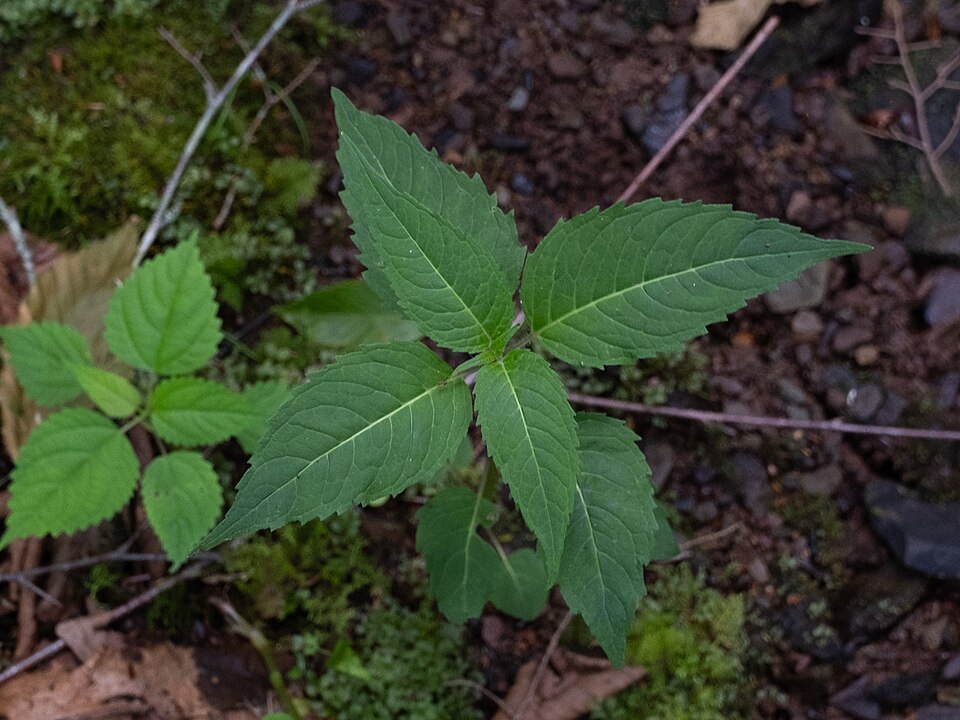
The leaves are opposite, lance-shaped to ovate, 2 to 6 inches long, with serrated margins and prominent veining. They are dark green above and slightly paler beneath, with a distinctive minty-citrusy fragrance when crushed. The leaf surface is slightly rough to the touch and may have fine hairs, particularly on the undersides. In fall, the foliage may develop attractive reddish or purplish tints before dying back.
Flowers
The flowers are the plant’s most striking feature — tubular, 1 to 1.5 inches long, and brilliant scarlet-red in color. They are arranged in dense, rounded terminal clusters 2 to 3 inches across, surrounded by colorful reddish bracts that add to the overall display. Each flower has a two-lipped corolla typical of the mint family, with the upper lip forming a hood and the lower lip extending outward. The flowers have long, protruding stamens and are specifically adapted for pollination by hummingbirds and long-tongued butterflies.
Quick Facts
| Scientific Name | Monarda didyma |
| Family | Lamiaceae (Mint) |
| Plant Type | Herbaceous Perennial |
| Mature Height | 3–4 ft |
| Sun Exposure | Full Sun to Part Shade |
| Water Needs | Moderate |
| Bloom Time | June – August |
| Flower Color | Brilliant scarlet-red |
| USDA Hardiness Zones | 4–9 |
Native Range
Bee Balm has a relatively limited natural range compared to some other Monarda species, being native primarily to the Ohio River valley and the Appalachian region. Its native range extends from Ohio and Indiana south through the Appalachian Mountains to North Carolina and South Carolina, with scattered populations in adjacent areas where suitable habitat exists.
Throughout its native range, Bee Balm typically inhabits moist, rich soils along stream banks, in woodland clearings, and at forest edges where it receives partial shade during the hottest part of the day. It thrives in areas with consistent moisture but good drainage, often growing alongside other moisture-loving natives like Cardinal Flower, Great Blue Lobelia, and various ferns and sedges.
While its natural range is somewhat limited, Bee Balm has been widely cultivated and naturalized throughout much of eastern North America and beyond. Its adaptability to garden conditions and spectacular flowers have made it a popular choice for native plant gardens, where it often thrives outside its natural range when given appropriate growing conditions.
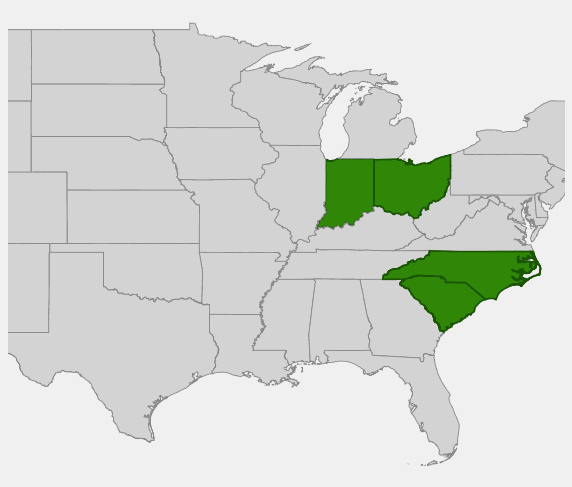
📋 Regional plant lists featuring Bee Balm: North Carolina & South Carolina
Growing & Care Guide
Bee Balm is generally easy to grow and makes an excellent addition to perennial borders, wildlife gardens, and naturalized areas. Its primary requirements are adequate moisture and good air circulation to prevent fungal issues.
Light
Bee Balm performs best in full sun to partial shade. In northern climates, it can handle full sun if given adequate moisture, but in hot southern regions, it benefits from afternoon shade to prevent heat stress. Too much shade will result in fewer flowers and a more open growth habit, while optimal flowering occurs with morning sun and some protection during the hottest part of the day.
Soil & Water
This species thrives in rich, moist, well-drained soil with consistent moisture throughout the growing season. It prefers slightly acidic to neutral soil (pH 6.0–7.0) amended with organic matter. While Bee Balm needs regular watering, especially during dry periods, avoid waterlogged conditions that can lead to root rot. Mulching around plants helps retain soil moisture and suppress weeds.
Planting Tips
Plant Bee Balm in spring after the last frost, spacing plants 18 to 24 inches apart to allow for air circulation and natural spreading. Choose a location with morning sun and good air movement to minimize powdery mildew issues. When planting, work compost or other organic matter into the soil to improve moisture retention and fertility.
Pruning & Maintenance
Deadhead spent flowers regularly to encourage continued blooming and prevent excessive self-seeding. In late summer, you can cut plants back by one-third after the main flowering period to encourage fresh growth and sometimes a second flush of flowers. Cut stems to ground level in late fall or early spring. Divide clumps every 3–4 years in spring to maintain vigor and control spread.
Landscape Uses
Bee Balm’s versatility and wildlife value make it valuable in many garden settings:
- Perennial borders — provides mid-summer color and height
- Wildlife gardens — essential for hummingbirds and butterflies
- Rain gardens — tolerates periodic flooding in sunny spots
- Herb gardens — leaves can be used for tea and culinary purposes
- Naturalized areas — excellent for meadow gardens and woodland edges
- Cut flower gardens — flowers are excellent for bouquets
- Pollinator gardens — one of the best native plants for summer pollinators
Wildlife & Ecological Value
Bee Balm is considered one of the most valuable native plants for supporting wildlife, particularly during the critical mid-summer period when many other flowers have finished blooming.
For Hummingbirds
The tubular, scarlet flowers of Bee Balm are perfectly adapted for Ruby-throated Hummingbirds, which are the primary pollinators throughout its range. The flower’s long corolla tube matches the length of hummingbird bills and tongues, while the bright red color is highly attractive to these birds. A single patch of Bee Balm can support multiple hummingbirds throughout the summer, making it essential in hummingbird gardens.
For Butterflies & Moths
Long-tongued butterflies, particularly swallowtails, skippers, and sphinx moths, are frequent visitors to Bee Balm flowers. The dense nectar source provides crucial fuel for these pollinators during summer migration periods. The plant is particularly valuable for Hummingbird Clearwing Moths, which are day-flying sphinx moths that can be seen hovering at the flowers much like tiny hummingbirds.
For Native Bees
Despite its name suggesting an association with honeybees, Bee Balm is actually more important for native bees, including bumblebees, leafcutter bees, and small sweat bees. These native pollinators are often better adapted to accessing the flower’s nectar and contribute significantly to the plant’s reproduction and seed production.
Ecosystem Role
As a native member of the mint family, Bee Balm provides important habitat structure in woodland edge and streamside communities. Its dense stands offer shelter for beneficial insects and small wildlife, while the seeds feed various songbirds in fall and winter. The plant’s aromatic compounds also help deter some pest insects, making it a natural companion plant in diverse native plant communities.
Cultural & Historical Uses
Bee Balm holds a significant place in the ethnobotanical history of eastern North America. Indigenous peoples, particularly the Oswego nation near present-day Syracuse, New York, used the leaves to make a aromatic tea long before European contact. When colonists learned of this practice, they adopted Bee Balm tea as a popular substitute for imported black tea, especially during the Revolutionary War period when British tea was boycotted.
The common name “Oswego Tea” commemorates this historical connection to the Oswego people, while “Bee Balm” refers to the plant’s traditional use as a folk remedy for bee stings — the crushed leaves were applied to stings and other insect bites for their soothing, antiseptic properties. Cherokee and other southeastern tribes used the plant medicinally for treating fevers, colds, and digestive ailments.
In modern times, Bee Balm continues to be valued for its edible and aromatic properties. The leaves can be used fresh or dried to make a caffeine-free herbal tea with a distinctive citrusy-minty flavor reminiscent of Earl Grey tea. The flowers are also edible and make colorful additions to salads, herb butters, and summer beverages. The plant contains natural compounds including thymol, which gives it antiseptic and antimicrobial properties.
Beyond its practical uses, Bee Balm has become a symbol of native plant gardening and wildlife conservation, representing the perfect integration of beauty, function, and ecological value in the landscape.
Frequently Asked Questions
Is Bee Balm prone to powdery mildew?
Yes, Bee Balm can be susceptible to powdery mildew, especially in humid conditions with poor air circulation. Choose mildew-resistant varieties when available, provide adequate spacing between plants, and avoid overhead watering to minimize this issue.
Will Bee Balm spread aggressively?
Bee Balm spreads through underground rhizomes but is generally not considered invasive. It forms expanding colonies that can be easily controlled by division or by pulling unwanted shoots. The spread rate is moderate and manageable in most garden situations.
Can I make tea from any Monarda species?
While Monarda didyma (Bee Balm) is the species traditionally used for Oswego Tea, other Monarda species like Wild Bergamot (M. fistulosa) can also be used for tea, though the flavor may differ slightly. Always properly identify plants before consuming.
Why aren’t hummingbirds visiting my Bee Balm?
Hummingbirds are most attracted to red, tubular flowers. Ensure your Bee Balm is the true red-flowered species (Monarda didyma) rather than pink or purple cultivars. Also, hummingbirds may take time to discover new plantings, so be patient if this is a new installation.
When should I divide my Bee Balm?
Divide Bee Balm every 3–4 years in early spring as new growth emerges, or in fall after flowering is complete. This maintains plant vigor, prevents overcrowding, and gives you new plants to expand your garden or share with others.

Looking for a nursery that carries Bee Balm?
Browse our native plant nursery directory: North Carolina · South Carolina