Butterfly Weed (Asclepias tuberosa)
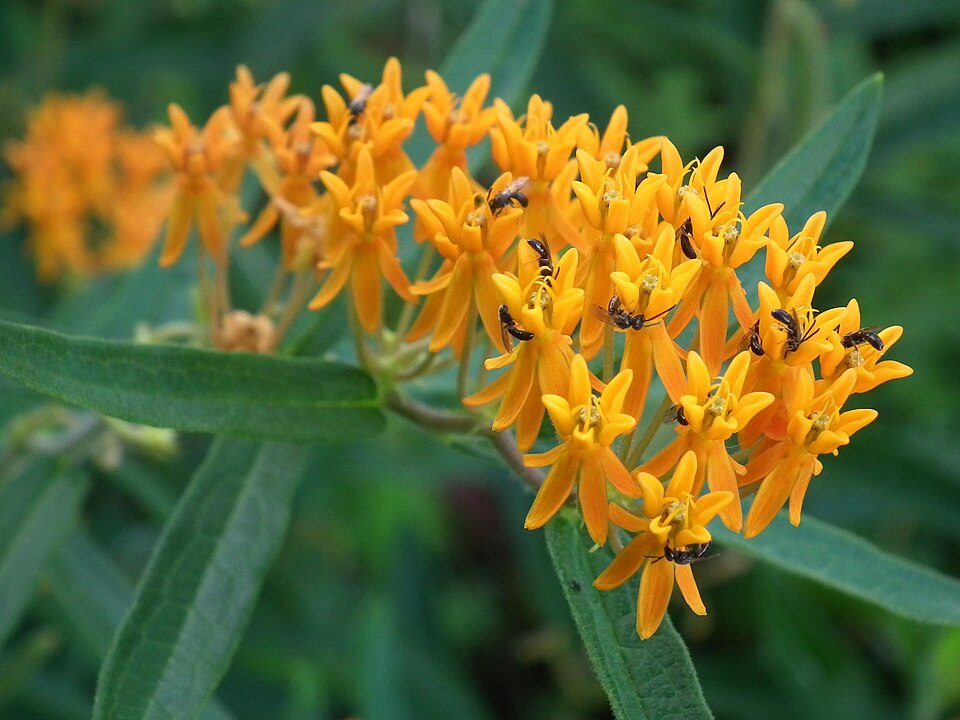
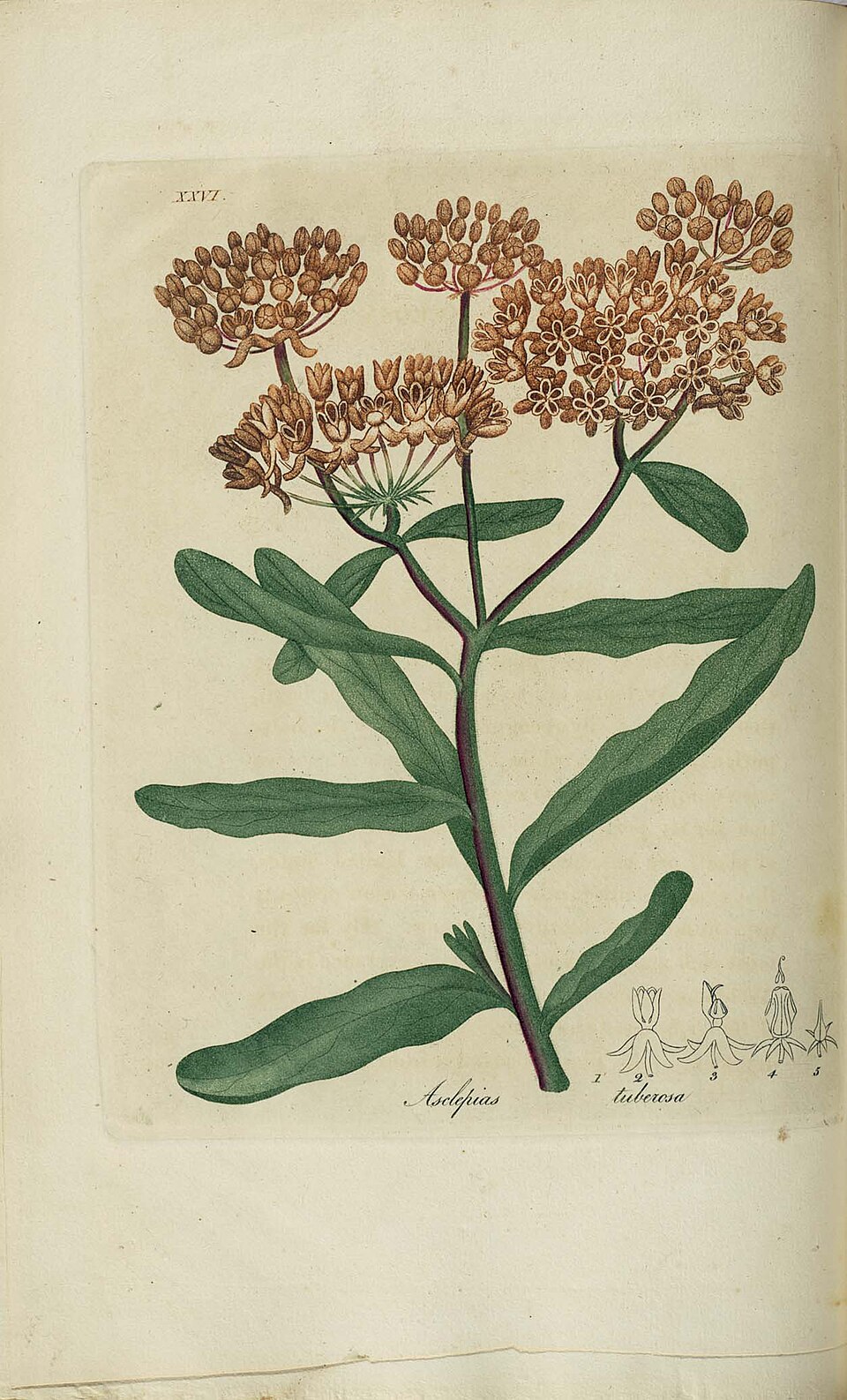
Asclepias tuberosa, commonly known as Butterfly Weed or Orange Milkweed, stands as one of North America’s most spectacular native wildflowers and the crown jewel of pollinator gardens. This member of the Apocynaceae (dogbane) family produces clusters of brilliant orange flowers that seem to glow in the landscape, earning it recognition as perhaps the most vibrant orange wildflower native to the continent. Unlike its milkweed relatives, Butterfly Weed lacks the characteristic milky sap, instead producing a clear fluid when stems are broken.
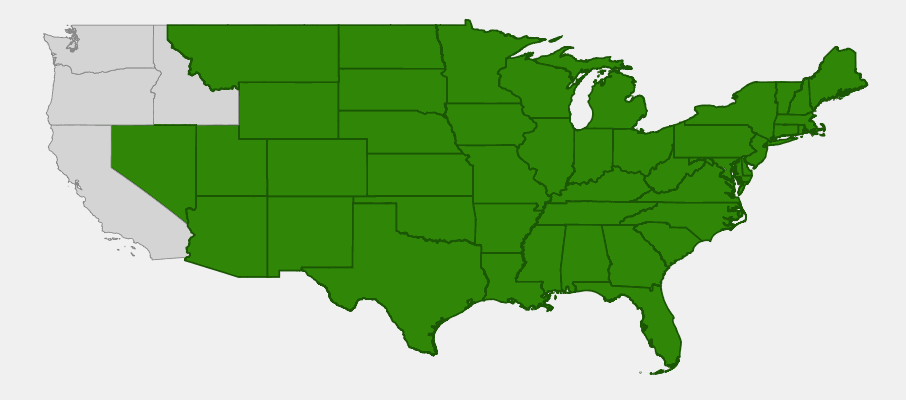
Native across most of the United States and parts of southern Canada, Butterfly Weed demonstrates remarkable adaptability to diverse growing conditions, from sandy coastal plains to rocky mountain slopes and prairie swales. Its deep taproot allows it to thrive in poor, dry soils where many other plants struggle, making it invaluable for challenging landscape sites and drought-tolerant gardens.
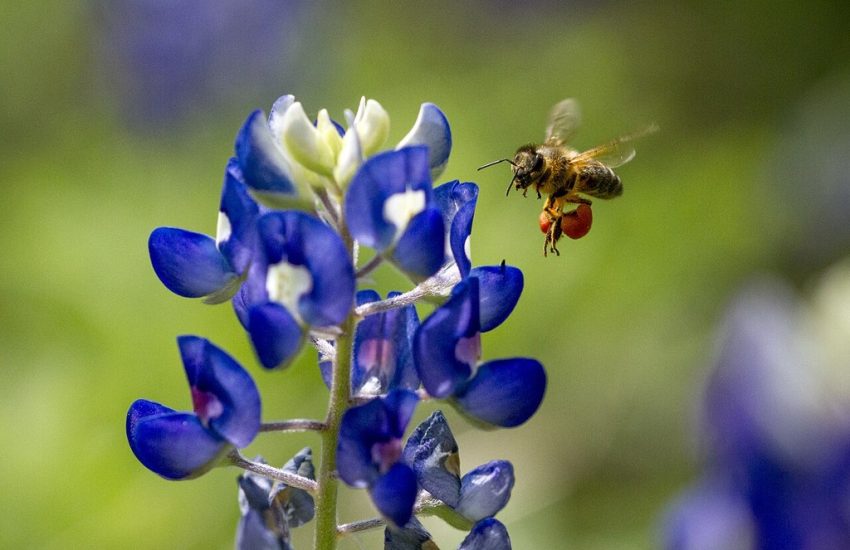
The common name “Butterfly Weed” perfectly captures this plant’s ecological significance — it serves as a magnet for butterflies, supporting over 450 species of Lepidoptera as either a nectar source or host plant. Most famously, it’s a crucial host plant for Monarch butterfly caterpillars and a primary nectar source for adult Monarchs during their epic migrations. Beyond butterflies, the plant attracts numerous other pollinators and provides seeds for birds, making it a keystone species for native biodiversity.
Identification
Butterfly Weed grows as a herbaceous perennial from a thick, deep taproot, reaching 1 to 2 feet tall and forming clumps through underground rhizomes over time. The plant has a distinctive upright growth habit with sturdy, hairy stems that remain relatively short compared to other milkweeds.
Stems & Leaves
The stems are sturdy, upright, and densely covered with fine hairs, giving them a slightly fuzzy texture. Unlike other milkweeds, the stems contain clear rather than milky sap when broken. The leaves are alternate, simple, and narrowly lance-shaped, typically 2 to 6 inches long and ½ to 1 inch wide. They’re bright green and somewhat thick, with prominent midribs and fine hairs on both surfaces. The leaves become progressively smaller toward the top of the plant.
Flowers
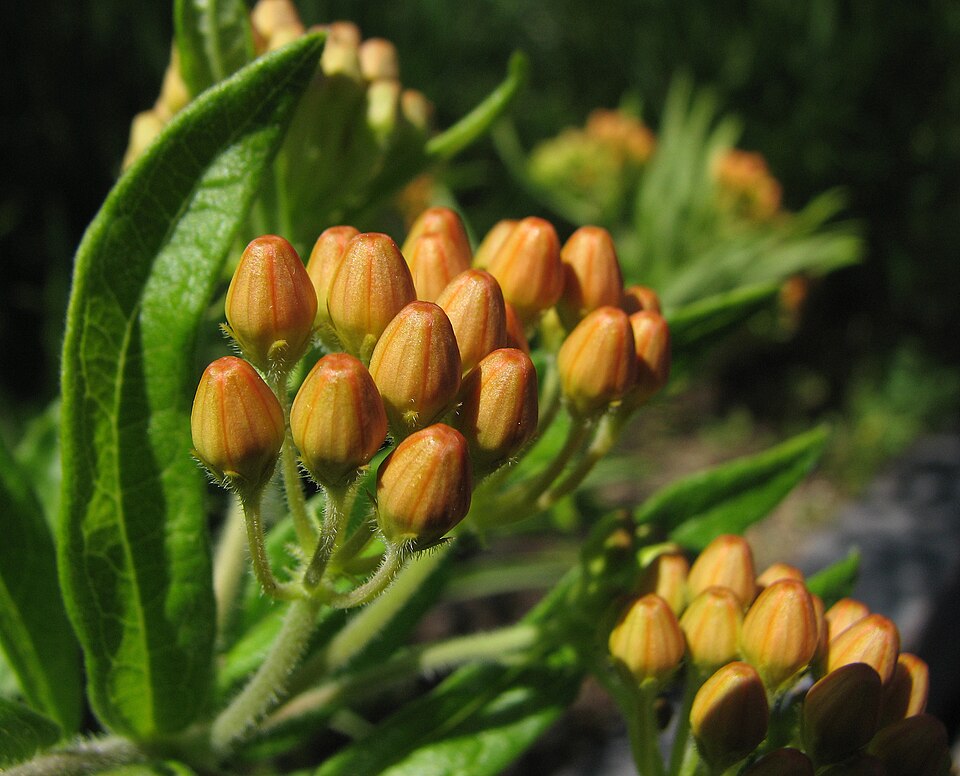
The flowers are the plant’s defining feature — brilliant orange to red-orange clusters (umbels) held at the top of stems from June through August. Each cluster contains 10 to 20 individual flowers with the characteristic milkweed structure: five reflexed petals below and a central crown of five hood-like structures. The intense orange color is rarely matched by any other native wildflower, making the plant instantly recognizable in bloom.
Fruit & Seeds
After successful pollination, the flowers develop into characteristic milkweed seed pods (follicles) that are 3 to 5 inches long, spindle-shaped, and covered with soft spines. When mature, the pods split open to reveal numerous brown seeds, each attached to silky white hairs that enable wind dispersal. The seeds are an important food source for goldfinches and other birds.
Quick Facts
| Scientific Name | Asclepias tuberosa |
| Family | Apocynaceae (Dogbane) |
| Plant Type | Herbaceous Perennial |
| Mature Height | 1–2 ft |
| Sun Exposure | Full Sun |
| Water Needs | Moderate to Low (Drought Tolerant) |
| Bloom Time | June – August |
| Flower Color | Brilliant orange |
| USDA Hardiness Zones | 3–9 |
Native Range
Butterfly Weed has one of the most extensive native ranges of any North American wildflower, occurring naturally from southern Canada south to Florida and northern Mexico, and from the Atlantic coast west to the Rocky Mountains. This remarkable distribution reflects the species’ exceptional adaptability to diverse climates, soils, and growing conditions across the continent.
The species thrives in an unusually broad range of habitats, from sandy coastal plains and pine barrens in the East to limestone glades in the Midwest, rocky mountain slopes in the West, and prairie swales throughout the Great Plains. This habitat flexibility has allowed Butterfly Weed to persist across much of its historic range despite significant landscape changes, though local populations may be affected by habitat fragmentation and pesticide use.
Throughout its range, Butterfly Weed serves as an indicator species for healthy native plant communities and intact pollinator habitat. Its presence often signals areas with good soil drainage, adequate sunlight, and minimal chemical inputs — conditions that support diverse native plant and animal communities.
📋 Regional plant lists featuring Butterfly Weed: North Carolina & South Carolina
Growing & Care Guide
Butterfly Weed is among the most rewarding native wildflowers to grow, combining spectacular beauty with exceptional drought tolerance and minimal maintenance requirements once established. The key to success is understanding its preference for excellent drainage and full sun.
Light
This plant absolutely requires full sun — at least 6-8 hours of direct sunlight daily. In partial shade, Butterfly Weed becomes leggy, produces fewer flowers, and is more susceptible to fungal problems. The intense summer sun that wilts many garden plants actually benefits Butterfly Weed, promoting compact growth and abundant blooms.
Soil & Water
Excellent drainage is critical for Butterfly Weed success. The plant thrives in sandy, rocky, or well-drained loamy soils and is extremely intolerant of wet or waterlogged conditions, which cause root rot. It prefers neutral to slightly alkaline pH (6.5-7.5) but adapts to acidic soils. Once established, the deep taproot makes it exceptionally drought-tolerant, requiring no supplemental irrigation in most climates. Avoid rich, fertile soils which promote soft, floppy growth.
Planting Tips
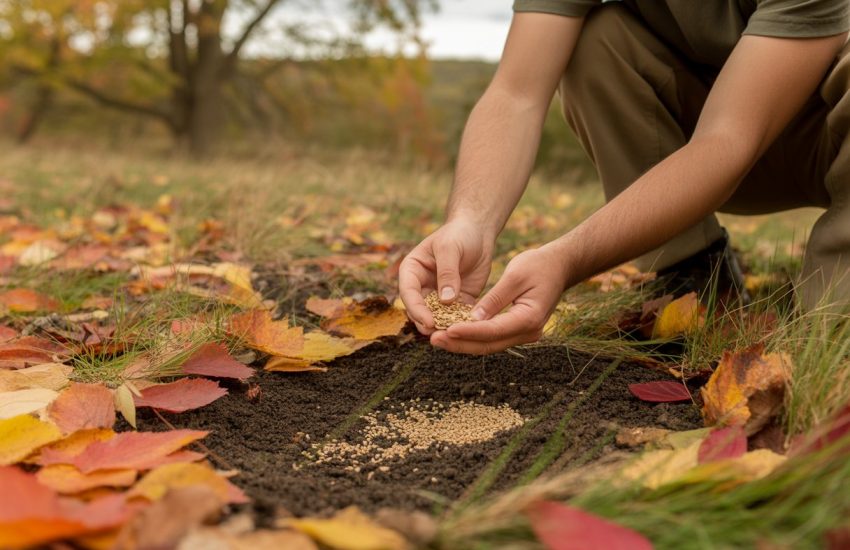
Plant from container-grown plants in spring or fall, choosing a permanently sunny, well-drained site. The deep taproot makes Butterfly Weed nearly impossible to transplant once established, so site selection is crucial. Space plants 12-18 inches apart. Water thoroughly after planting but avoid overwatering — the plant establishes better with modest moisture and excellent drainage.
Pruning & Maintenance
Butterfly Weed requires minimal maintenance. Deadhead spent flowers to encourage continued blooming, or leave seed pods for wildlife and winter interest. Cut plants back to 2-3 inches in late fall or early spring. The plant may be slow to emerge in spring — don’t assume it’s dead if other perennials are already growing. First-year plants focus on root development and may not bloom until their second season.
Landscape Uses
- Pollinator gardens — essential plant for supporting Monarch butterflies and native bees
- Prairie-style plantings — authentic component of grassland gardens
- Xeriscaping — excellent for water-wise landscaping in sunny sites
- Rock gardens — thrives in well-drained, challenging growing conditions
- Naturalized areas — helps establish diverse native plant communities
- Cut flower gardens — long-lasting in arrangements, though sap can be irritating
- Erosion control — deep roots help stabilize slopes and prevent soil loss
Wildlife & Ecological Value
Butterfly Weed provides unparalleled ecological value, supporting more species of butterflies and moths than perhaps any other native plant. Its role in supporting Monarch butterfly populations makes it one of the most important conservation plants in North America.
For Birds
American Goldfinches are frequent visitors to Butterfly Weed seed pods, extracting seeds and using the silky fibers for nest lining. Other seed-eating birds including Purple Finches and various sparrows also consume the seeds. The plant’s sturdy structure provides perching sites, and insectivorous birds benefit from the abundant insects attracted to the flowers.
For Mammals
While the plant’s chemical defenses make it generally avoided by mammalian herbivores, it plays indirect roles in supporting mammal populations by attracting the insects that many species depend on for food. The extensive root system also helps create soil structure that benefits burrowing mammals.
For Pollinators
Butterfly Weed is legendary for its pollinator value, supporting over 450 species of butterflies and moths. It serves as the exclusive host plant for Monarch, Queen, and Soldier butterfly caterpillars, while providing nectar for countless adult butterflies including Swallowtails, Fritillaries, Skippers, and Hairstreaks. Native bees, including bumble bees, leaf-cutter bees, and long-horned bees, are frequent visitors, along with beneficial wasps, hover flies, and beetles.
Ecosystem Role
As both a host and nectar plant, Butterfly Weed serves as a keystone species in native ecosystems, supporting complex food webs that extend far beyond the insects directly using the plant. The caterpillars feeding on its leaves become food for birds, spiders, and other predators, while the deep taproot mines nutrients from subsoil layers and helps maintain soil structure in grassland communities.
Cultural & Historical Uses
Butterfly Weed holds significant cultural importance throughout its extensive range, with Indigenous peoples developing numerous uses for this distinctive plant over thousands of years. Many tribes, including the Chippewa, Iroquois, and various Plains nations, used the plant medicinally, preparing teas and poultices from the roots to treat respiratory ailments, digestive problems, and wounds. The common name “pleurisy root,” still used in some regions, reflects its traditional use in treating lung conditions, though such uses can be dangerous and are not scientifically validated.
The plant’s tough, fibrous stems provided material for cordage and textiles among various Indigenous groups. The silky seed fibers were sometimes used as filling for pillows and clothing, and the bright orange flowers held ceremonial significance in some cultures, representing the sun and vitality in seasonal rituals.
European settlers adopted many Indigenous uses for Butterfly Weed, and it became an important plant in American folk medicine. However, modern science has revealed that the plant contains toxic compounds that can be harmful or even fatal if consumed, making traditional medicinal uses extremely dangerous. Today, the plant’s value is recognized primarily for its ecological benefits rather than any medicinal properties.
In contemporary culture, Butterfly Weed has become a symbol of conservation efforts, particularly those focused on supporting declining pollinator populations. The plant’s crucial role in Monarch butterfly conservation has made it emblematic of citizen science and habitat restoration efforts across North America, with millions of plants grown and planted by volunteers participating in programs to support migrating Monarch populations.
Frequently Asked Questions
Why doesn’t my Butterfly Weed have milky sap like other milkweeds?
Unlike most of its relatives in the milkweed family, Butterfly Weed produces clear rather than milky sap when stems are broken. This is a normal characteristic of the species and doesn’t affect its ability to support Monarch butterfly caterpillars.
How long does it take for Butterfly Weed to bloom from seed?
Plants grown from seed typically take 2-3 years to produce their first flowers, as they spend the first seasons developing their deep taproot system. Container-grown plants usually bloom in their first year after planting if they’re mature enough.
Can I move my Butterfly Weed if I need to relocate it?
Butterfly Weed is extremely difficult to transplant successfully due to its deep taproot, which can extend several feet into the soil. It’s best to choose the permanent location carefully when first planting and avoid disturbing established plants.
Is Butterfly Weed toxic to pets or humans?
Yes, like other milkweeds, Butterfly Weed contains cardiac glycosides that are toxic if consumed by humans or animals. However, the plant is generally avoided by grazing animals due to its bitter taste and toxic compounds. Keep pets and children from eating any part of the plant.
Will Butterfly Weed spread and take over my garden?
No, Butterfly Weed is not aggressive or invasive. It forms slowly expanding clumps over many years but doesn’t spread rapidly like some other native plants. The deep taproot makes it stay put once established, and seedlings that do appear are easily managed.

Looking for a nursery that carries Butterfly Weed?
Browse our native plant nursery directory: North Carolina · South Carolina