
Coral Berry (Symphoricarpos orbiculatus)
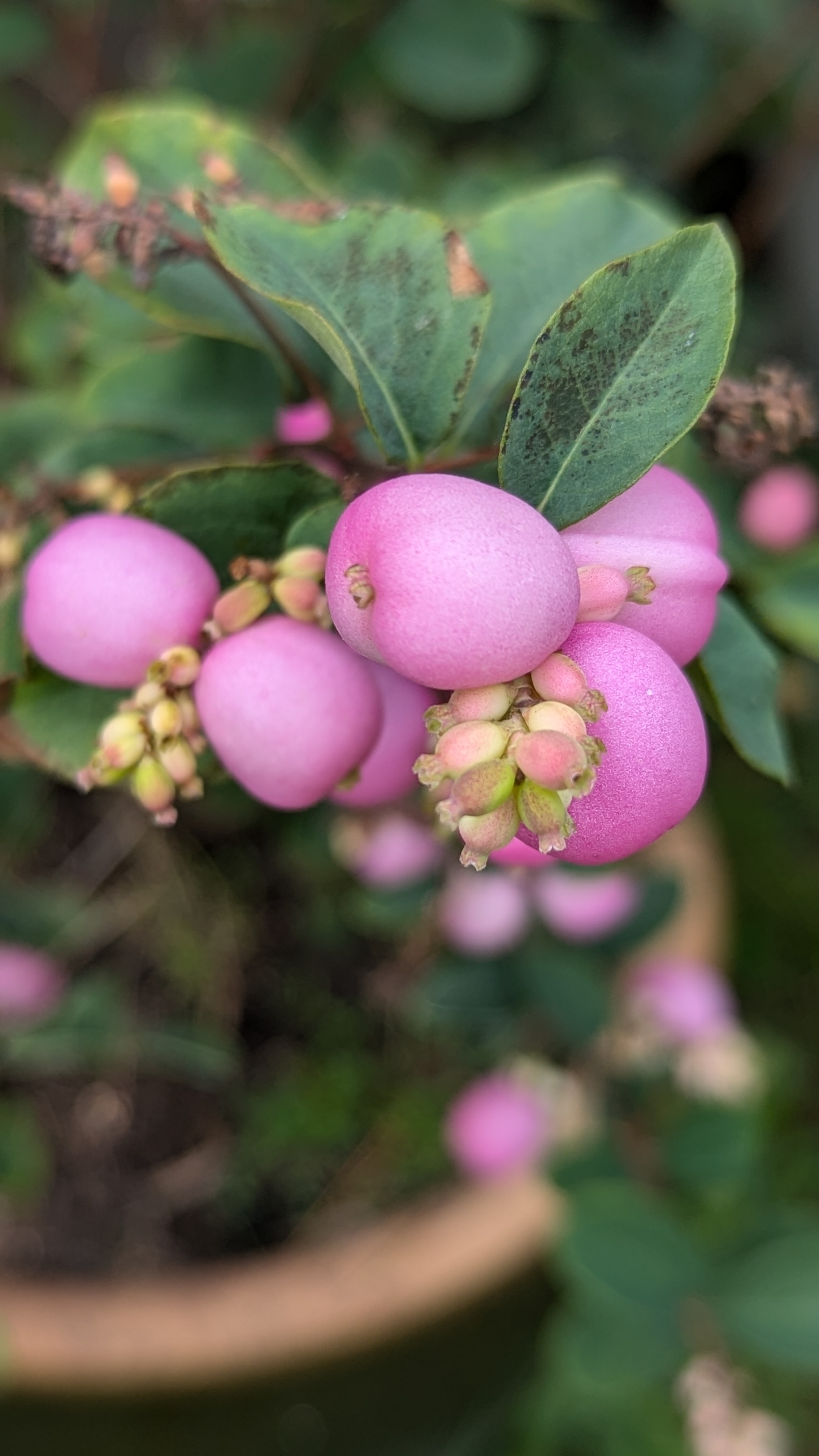
Symphoricarpos orbiculatus, commonly known as Coral Berry, Indian Currant, or Buck Brush, is a resilient native deciduous shrub that brings both wildlife value and striking visual interest to southeastern landscapes. This member of the Caprifoliaceae (honeysuckle) family is particularly valued for its abundant clusters of coral-pink berries that persist well into winter, providing critical food for wildlife during the lean months when other food sources are scarce.
Growing naturally in woodland edges, fence rows, and disturbed areas throughout much of the central and eastern United States, Coral Berry is renowned for its adaptability and toughness. The small, bell-shaped flowers that appear in early summer are followed by the plant’s signature feature — dense clusters of bright coral to deep pink berries that line the stems like beads on a string. These berries not only give the plant its common name but also make it an exceptional choice for wildlife gardens, as they’re eagerly consumed by dozens of bird species throughout fall and winter.
Despite its delicate appearance, Coral Berry is surprisingly hardy and tolerant of challenging conditions, from drought to poor soils to deep shade. Its dense, thicket-forming growth habit makes it excellent for erosion control, wildlife cover, and naturalizing in areas where many other native shrubs would struggle. For gardeners seeking a low-maintenance native plant that provides four-season interest and exceptional ecological value, Coral Berry represents one of the Southeast’s most reliable and rewarding choices.
Identification
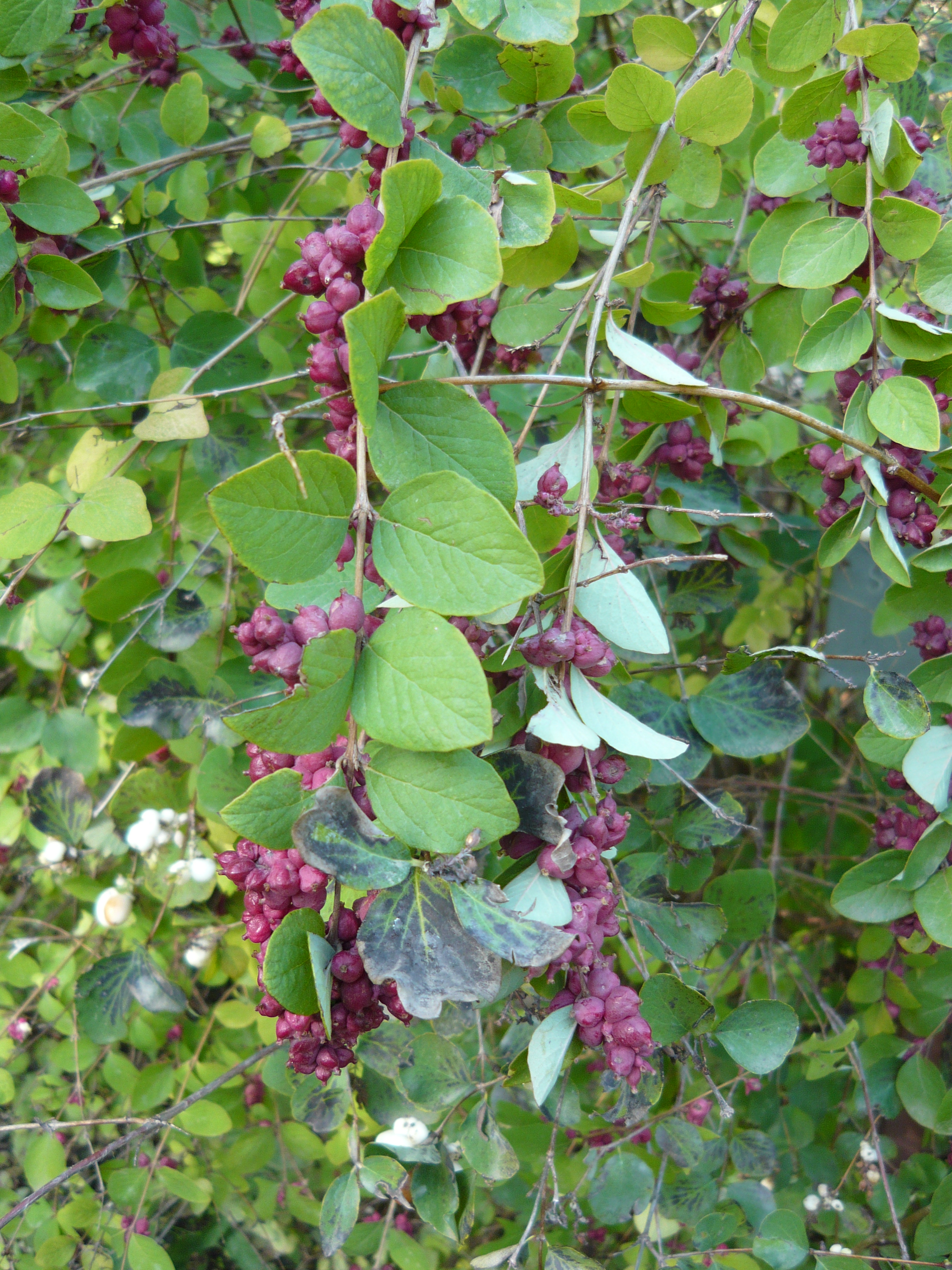
Coral Berry is a deciduous shrub that typically grows 2 to 5 feet tall and equally wide, though it can spread wider through underground rhizomes to form dense colonies. The plant has a bushy, densely branched growth habit with slender, arching stems that create an informal, cottage garden appearance. Young stems are green to reddish-brown, maturing to gray-brown bark with age.
Leaves
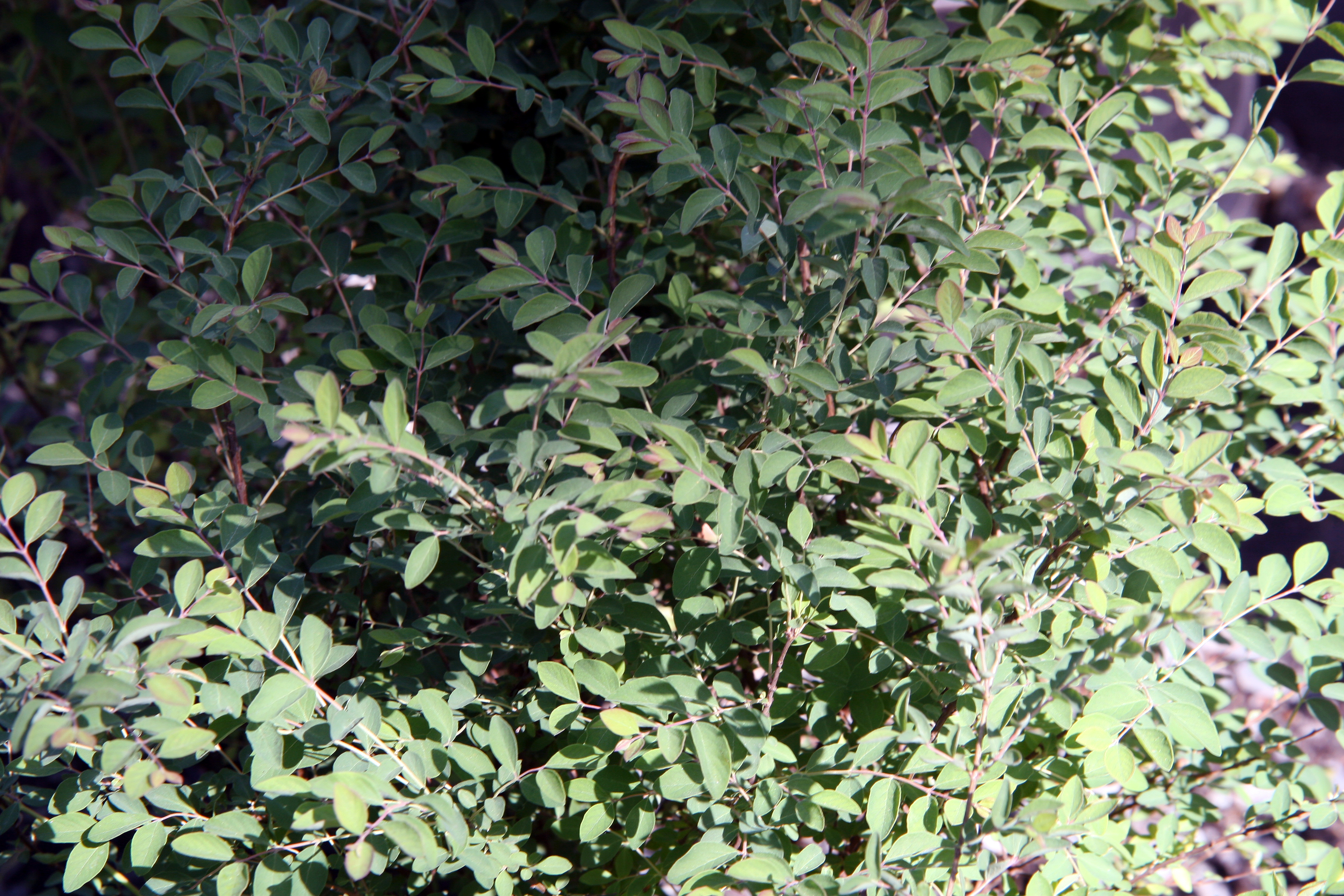
The leaves are simple, opposite, and oval to elliptical in shape, measuring 1 to 2 inches long and about half as wide. They have smooth margins (entire) and are arranged in pairs along the stems. The upper surface is medium to dark green with a slightly glossy finish, while the underside is paler and often has a subtle blue-green cast. The leaves typically have short petioles and may show slight variation in size and shape even on the same plant. In autumn, the foliage turns yellow to yellow-orange before dropping, providing modest but pleasant fall color.
Flowers
The flowers are small and inconspicuous, appearing in dense clusters (cymes) in the leaf axils along the stems from late spring through early summer. Each individual flower is bell-shaped, about ⅛ inch long, with five small white to pale pink petals that are often tinged with green. The flowers lack showy petals or fragrance, making them easily overlooked, but they are important nectar sources for small native bees, flies, and other beneficial insects. The blooming period typically lasts 4 to 6 weeks.
Berries
The berries are Coral Berry’s most distinctive and valuable feature. These small, round drupes are about ¼ inch in diameter and ripen from green to bright coral-pink, rose-pink, or sometimes deep magenta-red. They are produced in dense clusters that completely line the stems, creating a spectacular display that begins in late summer and persists well into winter. The berries have a waxy coating that helps them resist weather, and each contains 2 small, hard seeds. While the berries are technically edible, they are quite bitter and astringent and are best left for wildlife.
Quick Facts
| Scientific Name | Symphoricarpos orbiculatus |
| Family | Caprifoliaceae (Honeysuckle) |
| Plant Type | Deciduous Shrub |
| Mature Height | 2–5 ft |
| Sun Exposure | Full Sun to Full Shade |
| Water Needs | Moderate |
| Bloom Time | Late Spring to Early Summer |
| Flower Color | White to Pale Pink |
| USDA Hardiness Zones | 3–7 |
Native Range
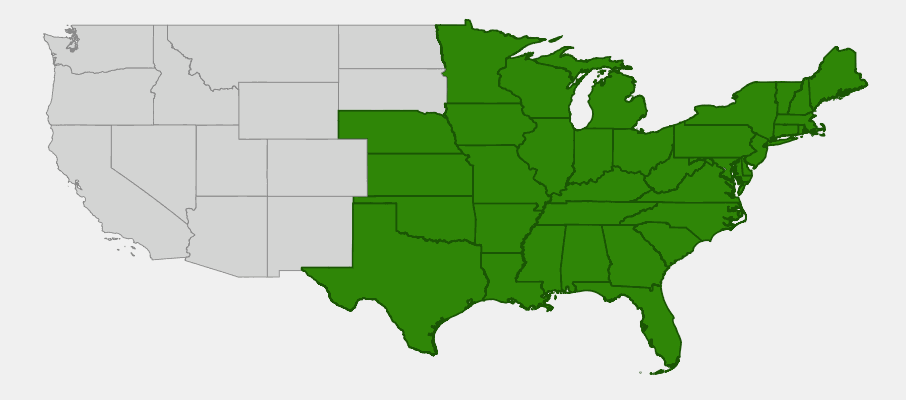
Coral Berry has one of the most extensive native ranges of any North American shrub, naturally occurring from southern Canada south to northern Mexico and from the Atlantic Coast west to the Great Plains. In the United States, it is native to most states east of the Rocky Mountains, with particularly large populations in the southeastern and south-central regions. The species is found from sea level to elevations of about 2,000 feet, showing remarkable adaptability to diverse climatic and geographic conditions.
Throughout its range, Coral Berry typically grows in woodland edges, clearings, fence rows, streamside thickets, and disturbed areas. It is commonly found in oak-hickory forests, prairie margins, old fields, and along roadsides and railroad rights-of-way. The plant’s ability to thrive in both disturbed and natural habitats has made it a valuable species for ecological restoration, particularly in areas where erosion control and wildlife habitat creation are priorities.
While native populations can be found from Maine to Florida and west to Montana and New Mexico, Coral Berry is most abundant in the southeastern and south-central United States, where the warm, humid climate and acidic soils provide optimal growing conditions. The species has also been widely planted outside its native range as an ornamental and wildlife plant, though it performs best within its natural distribution.
📋 Regional plant lists featuring Coral Berry: North Carolina & South Carolina
Growing & Care Guide
Coral Berry is one of the easiest native shrubs to grow, thriving in a wide range of conditions that would challenge many other plants. Its exceptional tolerance for diverse growing conditions, combined with minimal maintenance requirements, makes it an excellent choice for both beginning and experienced native plant gardeners.
Light
One of Coral Berry’s greatest assets is its remarkable adaptability to different light conditions. It grows equally well in full sun, partial shade, or even fairly deep shade, though berry production is typically heaviest in sunnier locations. In full sun, the plant develops a denser, more compact form with abundant flowering and fruiting. In partial to full shade, it becomes more open and may spread more readily through underground runners, making it excellent for naturalizing in woodland settings.
Soil & Water
Coral Berry is exceptionally tolerant of various soil types and conditions. It grows well in everything from rich, moist loam to poor, rocky, or clay soils, and tolerates both acidic and slightly alkaline pH levels. The plant is notably drought-tolerant once established, making it valuable for xeriscaping and low-water gardens, but it also tolerates periodic flooding and wet conditions. For best growth and berry production, provide moderately moist, well-drained soil, but don’t worry if your site conditions are less than ideal — Coral Berry will likely adapt and thrive.
Planting Tips
Plant Coral Berry in spring or fall for best establishment. Space plants 3 to 5 feet apart if creating a hedge or mass planting, or plant singly as specimen shrubs. The plant transplants easily from containers and establishes quickly. Because it spreads through underground rhizomes, Coral Berry will naturally fill in gaps over time, making it excellent for erosion control on slopes or for creating dense wildlife thickets.
Pruning & Maintenance
Coral Berry requires minimal maintenance once established. Pruning is generally unnecessary, but if desired for shaping or size control, prune in late winter before new growth begins. The plant can be cut back heavily if needed — it will regrow vigorously from the base. If the shrub becomes too dense or wide-spreading, some of the older canes can be removed at ground level to thin the stand. Avoid pruning in fall or early winter if you want to preserve the berries for wildlife and winter interest.
Landscape Uses
Coral Berry’s versatility makes it valuable in many landscape settings:
- Wildlife gardens — exceptional four-season value for birds and small mammals
- Natural hedges and screens — creates dense, informal barriers
- Erosion control — excellent for stabilizing slopes and banks
- Woodland gardens — thrives in shade beneath canopy trees
- Rain gardens — tolerates both wet and dry periods
- Naturalized areas — perfect for old fields, meadow edges, and restoration projects
- Winter interest — berries and fine branching provide structure in dormant season
Wildlife & Ecological Value
Few native shrubs can match Coral Berry’s exceptional value for wildlife. The plant provides food, shelter, and nesting sites for a remarkable diversity of species throughout the year, making it a cornerstone plant for any wildlife-friendly landscape.
For Birds
Coral Berry berries are consumed by over 40 species of birds, including cardinals, chickadees, nuthatches, woodpeckers, thrushes, waxwings, and various sparrows and finches. The berries are particularly valuable because they ripen in late summer and persist well into winter, providing critical food during the months when insects and other natural foods are scarce. Game birds such as bobwhite quail, wild turkey, and ruffed grouse also consume the berries and seek shelter in Coral Berry thickets. The dense branching structure provides excellent nesting sites for small songbirds, while the thorny nature of older stems offers protection from predators.
For Mammals
Small mammals including chipmunks, squirrels, and various mice species eat both the berries and seeds. White-tailed deer browse the foliage and young stems, particularly in winter when other food sources are limited. Cottontail rabbits find both food and shelter in Coral Berry thickets, while the dense growth provides cover and travel corridors for numerous small mammals moving through the landscape.
For Pollinators
While the flowers are small and inconspicuous, they are visited by a variety of beneficial insects including native bees, flies, beetles, and butterflies. The flowers provide nectar during the late spring and early summer when many other native plants have finished blooming. Several species of native moths use Coral Berry as a host plant for their caterpillars, including the coral berry clearwing moth, which has co-evolved specifically with this plant.
Ecosystem Role
Coral Berry plays several important ecological roles in natural systems. Its ability to thrive in disturbed areas makes it valuable for stabilizing soil and beginning forest succession in cleared or damaged areas. The dense root system helps prevent erosion, while the plant’s tolerance for poor soils allows it to improve soil conditions over time through leaf drop and root decay. In forest ecosystems, Coral Berry often forms the understory shrub layer that provides crucial habitat structure and supports biodiversity.
Cultural & Historical Uses
Coral Berry has a rich history of use by both Indigenous peoples and early European settlers in North America. Many Native American tribes, including the Cherokee, Creek, and Seminole, used various parts of the plant for medicinal purposes. The inner bark was sometimes used to make a tea for treating digestive issues, while the berries were occasionally consumed as emergency food, though their bitter taste made them less preferred than other wild fruits.
Early European settlers quickly recognized Coral Berry’s value for erosion control and wildlife habitat. The plant was often encouraged or planted around farms and homesteads to provide food for game birds and to create shelter belts that could protect crops from wind. The long-lasting berries made it a popular choice for winter decorations, and the flexible stems were sometimes used in basket making and other crafts.
In the 19th and early 20th centuries, Coral Berry gained popularity as an ornamental shrub, particularly in naturalistic landscape designs. Landscape architects and garden designers appreciated its adaptability, low maintenance requirements, and year-round interest. The plant was widely used in parks, large estates, and public landscapes where a naturalized appearance was desired. During the Great Depression, Coral Berry was planted in many Works Progress Administration (WPA) projects for erosion control and habitat restoration.
Today, Coral Berry is experiencing renewed interest as part of the native plant movement. Its exceptional wildlife value, adaptability to challenging sites, and minimal maintenance requirements make it increasingly popular with gardeners seeking to create sustainable, ecologically beneficial landscapes. The plant is frequently used in rain gardens, bioswales, and other green infrastructure projects where its tolerance for both wet and dry conditions provides practical benefits alongside its aesthetic and ecological value.
Frequently Asked Questions
Are Coral Berry berries safe for humans to eat?
While technically not toxic, Coral Berry berries are quite bitter and astringent and are not considered palatable for human consumption. They are best left for wildlife, which eagerly consume them and benefit greatly from their nutrition. Some sources suggest the berries may cause mild digestive upset if eaten in quantity.
How fast does Coral Berry spread, and is it invasive?
Coral Berry spreads at a moderate rate through underground rhizomes, typically expanding its colony by 1-2 feet per year under good conditions. While it can form dense thickets, it is not considered invasive within its native range and rarely becomes problematic in managed landscapes. If spread needs to be controlled, simply mow or cut around the desired boundary in early spring.
Will Coral Berry grow in very shady conditions?
Yes, Coral Berry is one of the most shade-tolerant native shrubs and will grow well even in fairly deep shade. In shadier conditions, the plant may become more open in habit and produce fewer berries, but it will remain healthy and provide valuable habitat structure and food for wildlife.
When is the best time to plant Coral Berry?
The best times to plant Coral Berry are in early spring (after the last frost) or early fall (6-8 weeks before first expected frost). Spring planting allows the full growing season for establishment, while fall planting takes advantage of cooler weather and fall rains. Container-grown plants can be planted throughout the growing season with proper watering.
Does Coral Berry require any special care or fertilization?
Coral Berry is extremely low-maintenance and typically requires no fertilization or special care once established. In fact, it often performs better in poor soils than in rich, heavily fertilized conditions. The main care requirement is adequate water during the first year of establishment, after which the plant becomes quite drought-tolerant.

Looking for a nursery that carries Coral Berry?
Browse our native plant nursery directory: North Carolina · South Carolina