
Florida Maple (Acer saccharum)

Acer saccharum, known regionally as Florida Maple in the southeastern United States, is actually the southern extension of the famous Sugar Maple that produces both spectacular fall color and the maple syrup beloved throughout North America. This member of the Aceraceae (maple) family represents one of the most important hardwood trees in eastern North American forests, prized equally for its ecological value, timber quality, and ornamental beauty.
In the southeastern states, particularly North Carolina and South Carolina, this maple typically grows 50 to 75 feet tall with a broad, rounded crown that provides excellent shade and seasonal interest. The large, palmate leaves with their distinctive 5-lobed shape create dense summer shade before transforming into brilliant displays of yellow, orange, and red in autumn. Even in the warmer southern climates, Florida Maple can produce outstanding fall color, though the display may be less intense and shorter-lived than in northern regions.
What makes Florida Maple particularly valuable in southeastern landscapes is its adaptability to the region’s climate while maintaining the classic maple characteristics that make this species so beloved. The tree provides exceptional wildlife habitat, supports numerous native insects and their predators, and offers the potential for maple syrup production even in southern locations. Its tolerance for partial shade and ability to thrive in rich, moist soils make it an excellent choice for woodland gardens and naturalized areas where a large, stately tree is desired.
Identification
Florida Maple is easily identified by its distinctive palmate leaves, opposite branching pattern, and characteristic bark that develops into long, vertical plates with age. While sharing the same botanical characteristics as northern Sugar Maples, southeastern populations may show some adaptation to local growing conditions.
Bark
Young Florida Maples have smooth, light gray bark that gradually develops shallow furrows as the tree matures. On older trees, the bark becomes distinctly plated, forming long, vertical strips that curve outward at the edges, creating the characteristic “shaggy” appearance that distinguishes Sugar Maple from other maple species. The bark color ranges from gray to dark gray-brown, and the plates can be quite pronounced on mature specimens.
Leaves
The leaves are the most distinctive feature, measuring 3 to 6 inches across and displaying the classic palmate shape with 5 primary lobes. The lobes are separated by rounded sinuses (indentations), and the leaf margins may have a few small, blunt teeth or be nearly entire. Leaves are dark green above and paler beneath, with prominent veining. The leaf stems (petioles) are typically smooth and may have a reddish tinge. Fall color in southeastern regions ranges from yellow to orange-red, though the intensity may vary with local climate conditions and individual trees.
Flowers
Florida Maple produces small, greenish-yellow flowers in early spring before the leaves emerge. The flowers appear in drooping clusters (corymbs) and are mostly wind-pollinated, though they also attract early-season pollinators. Individual trees typically produce both male and female flowers, though some flowers may be perfect (containing both male and female parts).
Fruit
The distinctive winged fruits, called samaras or “helicopters,” develop in pairs connected at nearly a right angle. Each wing is typically 1 to 1.5 inches long, and the fruits ripen in fall, spinning away from the tree to disperse the seeds. The wings of Florida Maple samaras are generally broader and may be somewhat smaller than those of northern Sugar Maples.

Quick Facts
| Scientific Name | Acer saccharum |
| Family | Aceraceae (Maple) |
| Plant Type | Deciduous Tree |
| Mature Height | 50–75 ft |
| Sun Exposure | Full Sun to Part Shade |
| Water Needs | Moderate |
| Bloom Time | March – April |
| Flower Color | Greenish-yellow |
| USDA Hardiness Zones | 3–8 |
Native Range
Florida Maple, as the southern form of Sugar Maple, extends the species’ range into the southeastern United States, reaching its southernmost natural limits in the mountains and piedmont regions of North Carolina, South Carolina, northern Georgia, and eastern Tennessee. While the species as a whole ranges from southeastern Canada to northern Florida, the southeastern populations represent an important genetic adaptation to warmer, more humid conditions.
In the Southeast, Florida Maple typically occurs in rich, moist soils of cove forests, stream valleys, and north-facing slopes where conditions remain relatively cool and humid. It is most common at higher elevations in the Appalachian Mountains and their foothills, where it forms mixed forests with other hardwood species. The tree shows a strong preference for well-drained but moisture-retentive soils with high organic content.
The southeastern populations of Sugar Maple are genetically distinct and adapted to the region’s climate, showing greater heat tolerance and different seasonal patterns compared to their northern counterparts. These trees typically leaf out earlier in spring and may hold their leaves later into fall, though the overall fall color display may be less intense due to the warmer autumn temperatures typical of the region.
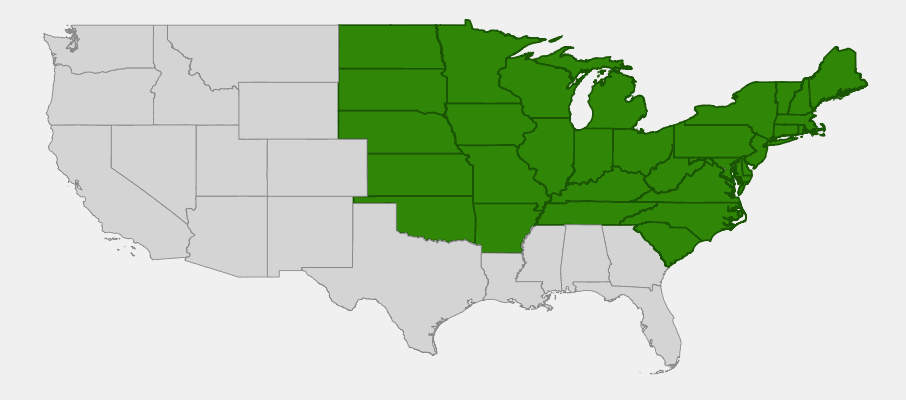
📋 Regional plant lists featuring Florida Maple: North Carolina & South Carolina
Growing & Care Guide
Florida Maple requires more specific growing conditions than some native trees but rewards careful siting with outstanding beauty and exceptional wildlife value. Success depends largely on providing the rich, moist, well-drained soils and partial protection from extreme heat that mirror its natural forest habitat.
Light
In the Southeast, Florida Maple performs best with morning sun and afternoon shade or filtered light throughout the day. While it can tolerate full sun in areas with consistent moisture and cooler temperatures, partial shade helps protect it from heat stress during hot summer months. The tree naturally grows as an understory or canopy species in mixed forests, so some protection from the harshest afternoon sun is beneficial.
Soil & Water
Rich, well-drained soil with high organic content is essential for Florida Maple’s success. The tree thrives in loamy soils with a pH between 6.0 and 7.5, and benefits from consistent moisture without waterlogging. Mulching around the base helps maintain soil moisture and temperature, mimicking the natural forest floor conditions. During extended dry periods, supplemental watering may be necessary, particularly for younger trees.
Planting Tips
Plant Florida Maple in fall or early spring in a location protected from strong winds and extreme afternoon sun. Choose container-grown or balled-and-burlapped specimens from local nurseries when possible, as local genetic material will be best adapted to regional conditions. Space trees at least 30-40 feet apart to allow for their mature spread. The tree transplants best when young; larger specimens may require more careful establishment care.
Pruning & Maintenance
Florida Maple requires minimal pruning beyond removing dead, damaged, or crossing branches. Prune during dormancy in late winter to avoid bleeding sap. Young trees may benefit from light structural pruning to develop strong branch architecture, but mature trees should be left largely undisturbed. The tree is generally free from serious pest and disease problems, though it may occasionally be affected by leaf scorch during extremely hot, dry conditions.
Landscape Uses
Florida Maple’s stately form and seasonal interest make it valuable for various landscape applications:
- Specimen trees in large yards with appropriate growing conditions
- Woodland gardens and naturalized forest areas
- Shade trees for patios and outdoor living areas
- Mixed native plantings with other southeastern forest species
- Erosion control on slopes and stream banks
- Wildlife habitat gardens focused on supporting native species
- Fall color displays in appropriate microclimates
Wildlife & Ecological Value
Florida Maple provides exceptional ecological value throughout its range, supporting a complex web of wildlife relationships and serving as a keystone species in southeastern forest ecosystems. The tree’s large size, longevity, and diverse habitat offerings make it crucial for maintaining biodiversity.
For Birds
Numerous bird species benefit from Florida Maple’s seeds, buds, and the insects it supports. The winged samaras are consumed by Evening Grosbeaks, Purple Finches, and various squirrel species who cache them for winter food. The tree’s dense canopy provides excellent nesting sites for songbirds, while cavity-nesting species such as woodpeckers often excavate nest holes in older, softer wood areas. Many birds also consume the abundant insects that live on and around maple trees.
For Mammals
Squirrels are perhaps the most visible mammal users of Florida Maple, consuming both seeds and occasionally tapping into the tree’s sap flow. White-tailed deer browse the young shoots and seedlings, while various small mammals use the leaf litter and root zones for shelter and foraging habitat. The tree’s large size and longevity make it valuable for providing den sites and travel corridors for arboreal mammals.
For Pollinators
The early spring flowers of Florida Maple provide crucial nectar and pollen for emerging native bees, flies, and other early-season pollinators when few other nectar sources are available. While individual flowers are small, they appear in large numbers and bloom during a critical period for pollinator populations building up after winter.
Ecosystem Role
As a dominant canopy tree, Florida Maple plays a crucial role in forest structure and nutrient cycling. Its large, relatively thin leaves decompose quickly, adding organic matter and nutrients to the soil. The tree supports over 285 species of butterflies and moths, making it one of the most important native trees for Lepidoptera. This abundance of insect life supports extensive food webs, including the birds, spiders, and other predators that depend on these insects for survival.

Cultural & Historical Uses
Florida Maple shares the rich cultural heritage of Sugar Maple throughout North America, though its southeastern populations have their own unique history of use and significance. Native American tribes throughout the maple’s range, including the Cherokee in the southeastern mountains, recognized the tree’s value for both practical uses and maple syrup production.
The Cherokee and other southeastern tribes tapped maple trees for their sweet sap, though the practice was less extensive in the South due to shorter, less predictable sap runs caused by fluctuating winter temperatures. The sap was consumed fresh, concentrated by boiling, or allowed to ferment into a mildly alcoholic beverage. The wood was valued for making tools, bowls, and other implements due to its hardness and fine grain.
European settlers in the southeastern mountains continued the tradition of maple syrup production, though commercial syrup production remained primarily focused in northern states where sap runs are more reliable and concentrated. However, small-scale syrup production does occur in parts of North Carolina, Virginia, and other southeastern states, particularly at higher elevations where temperature patterns more closely mimic northern conditions.
The exceptional quality of Sugar Maple wood has made it highly prized for furniture making, flooring, and musical instruments throughout the tree’s range. Southeastern populations contribute to this timber harvest, though sustainable forest management practices are crucial given the tree’s slower growth rate and specific habitat requirements. The wood’s light color, fine grain, and excellent finishing qualities make it particularly valuable for high-quality furniture and cabinetry.
In modern times, Florida Maple is increasingly appreciated for its landscape and ecological value rather than primarily for timber or syrup production. The tree’s ability to provide spectacular fall color even in southern climates, combined with its important wildlife habitat functions, has made it a sought-after species for native plant gardens and restoration projects throughout the Southeast.
Frequently Asked Questions
Can you make maple syrup from Florida Maple trees?
Yes, but syrup production from southern Sugar Maples is less predictable than from northern populations. The best sap runs occur during periods of freezing nights and warm days, which happen less consistently in the Southeast. Higher elevations in the Appalachian Mountains offer the best conditions for syrup production from these trees.
Why is it called Florida Maple if it doesn’t grow in most of Florida?
The name “Florida Maple” refers to this being the southern extent of Sugar Maple’s range, reaching into northern Florida in some areas. In the Southeast, this regional name distinguishes the southern populations from their northern counterparts, though they are the same species botanically.
Will Florida Maple produce good fall color in the Southeast?
Fall color can be excellent but is generally less intense and reliable than in northern regions. Color development depends on temperature patterns, with the best displays occurring during autumns with warm days and cool (but not freezing) nights. Individual trees and microclimates can vary significantly in their color production.
How can I tell Florida Maple apart from other southeastern maples?
Florida Maple has distinctive 5-lobed leaves with rounded sinuses (gaps between lobes), while Red Maple has more pointed sinuses and often 3-lobed leaves. The bark of mature Florida Maples develops characteristic long, vertical plates, while Red Maple bark is smoother and grayer.
Is Florida Maple difficult to grow in the Southeast?
It can be challenging in areas with very hot summers and poor soils. Success depends on providing rich, moist, well-drained soil and some protection from extreme afternoon heat. The tree is generally easier to grow at higher elevations and in areas with good air circulation and natural woodland conditions.

Looking for a nursery that carries Florida Maple?
Browse our native plant nursery directory: North Carolina · South Carolina