Fringed Sage (Artemesia frigida)
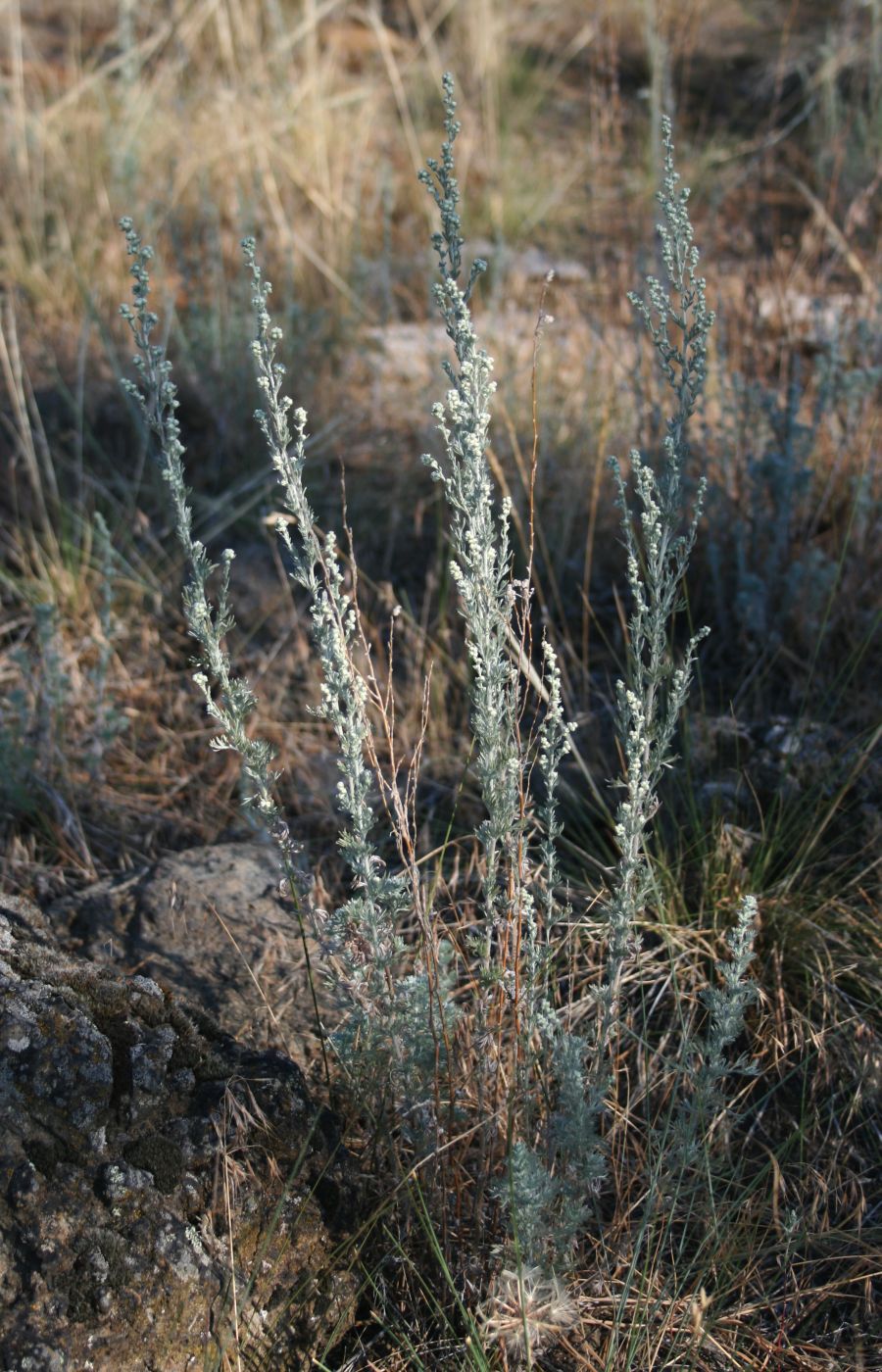
Artemisia frigida, known as Fringed Sage, Prairie Sagewort, or Mountain Sagewort, is one of the most delicately beautiful and ecologically versatile native sages in western North America. Unlike the bold, shrubby Big Sagebrush (Artemisia tridentata) that dominates vast desert landscapes, Fringed Sage is a low-growing, fine-textured subshrub whose silvery, intricately divided leaves create a soft, almost lace-like appearance in the garden. The leaves shimmer and catch light in a way that few plants can match, shifting from silver-gray in morning light to almost white in full afternoon sun — an ethereal quality that makes it one of the most ornamental plants in dry Western gardens.
Native from Alaska south through the western mountains and Great Plains, Fringed Sage grows in dry, open habitats: mountain meadows, rocky slopes, sagebrush steppe, mixed-grass prairie, and alpine foothills from sea level to over 14,000 feet elevation. It is one of the most widespread and common native subshrubs in the American West, ranging across more than half the states and provinces of western North America. This remarkable breadth of habitat tolerance reflects its exceptional cold hardiness (to Zone 3), drought tolerance, and adaptability to a wide range of soil types and conditions.
Despite its common name, Fringed Sage is not a true sage in the culinary sense (those are Salvia species) — it belongs to the same genus as wormwood, tarragon, and artemisia. Like all artemisias, it contains aromatic volatile oils that produce a distinctive, pleasant herbal-medicinal fragrance when the foliage is brushed or crushed. The plant’s aromatic compounds also deter many insect pests and are said to repel deer and rabbits, making it a practically maintenance-free addition to dry gardens and meadow plantings.
Identification
Fringed Sage is a low, sprawling to semi-erect subshrub typically growing 8 to 24 inches tall (the batch table lists 1–2 ft), with a similarly spreading width. The overall plant habit is mounded and somewhat open, with multiple woody stems arising from a persistent root crown. Unlike taller sagebrush species, Fringed Sage hugs the landscape in a way that works beautifully in rock gardens and dry meadow plantings. The plant is semi-evergreen — keeping most of its foliage through mild winters but dying back to some degree in severe cold, then resprouting vigorously in spring.
Stems & Growth Habit
The stems are semi-woody at the base, becoming herbaceous toward the tips. Young stems are covered with fine, silvery-white hairs (tomentose), giving the entire plant its characteristic silver color. The stems lie along the ground or arch upward, giving a loose, sprawling character. Old stems become woody and somewhat gnarled. In spring, bright silvery new growth emerges from the woody root crown, refreshing the plant’s appearance after winter.
Leaves
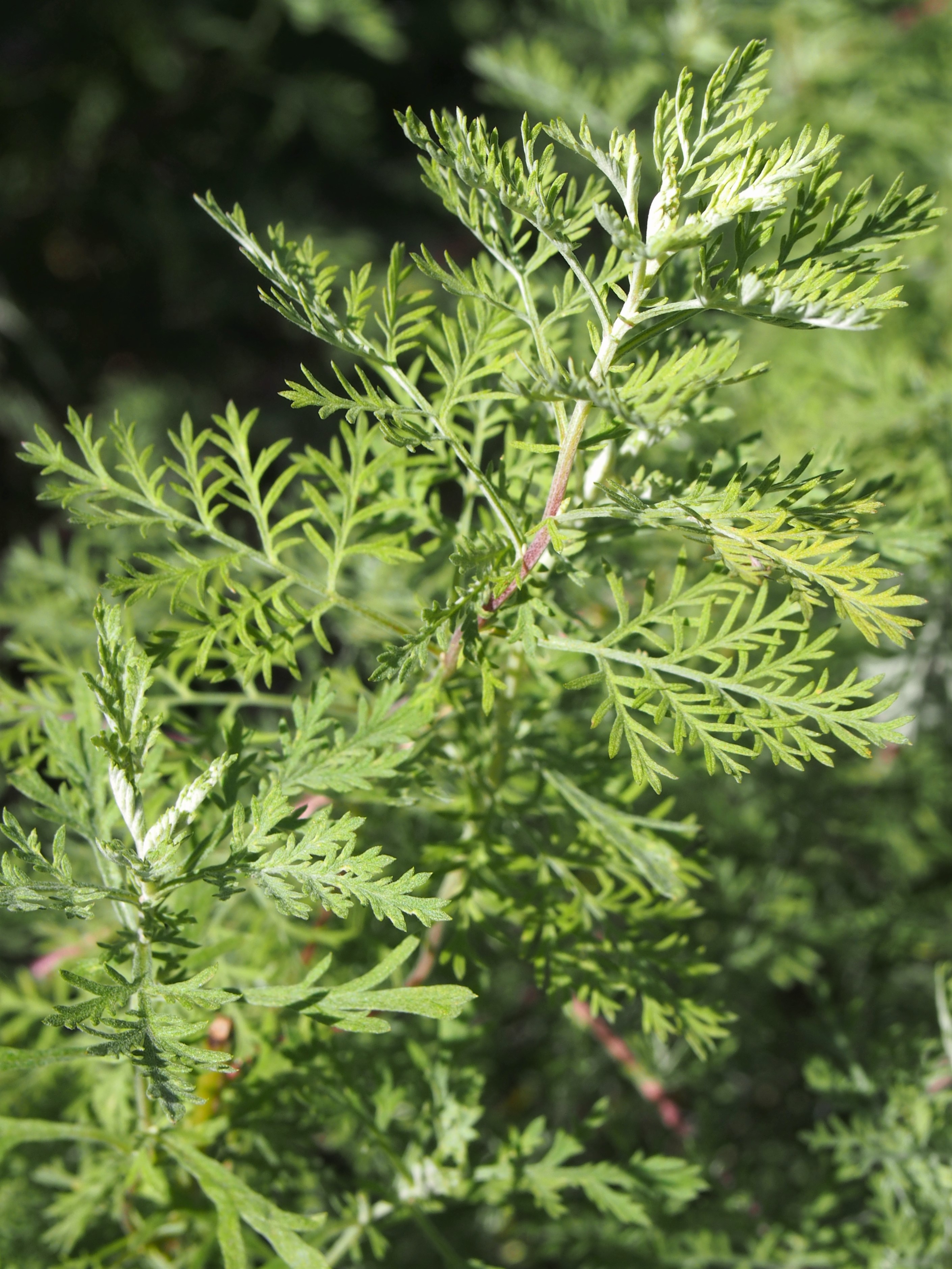
The leaves are the star attraction. They are pinnately or bipinnately divided into narrow, linear segments, creating a finely fringed appearance from which the common name derives. Each leaf is roughly 0.5 to 1.5 inches long and divided into multiple narrow, thread-like lobes that give the leaf a soft, feathery texture. All surfaces are covered with dense, silky white hairs, producing the distinctive silver-gray to near-white color. When crushed, the leaves release a pleasant, medicinal-herbal aroma characteristic of artemisias. The combination of fine texture, silver color, and pleasant fragrance makes this among the most sensory-rich plants for dry Western gardens.
Flowers & Fruit
In late summer (July through September), Fringed Sage sends up slender, erect flower stalks 10–20 inches tall, studded with tiny, inconspicuous yellowish-white flower heads typical of the daisy family. The individual flower heads are small — barely 1/8 inch — and consist entirely of disk florets (no showy ray florets like a typical daisy). The flowers are wind-pollinated and not ornamentally significant, but they do provide late-season pollen for many native bee species. After flowering, the stalks remain attractive through winter, holding tiny seed heads that feed sparrows, juncos, and other winter songbirds.
Quick Facts
| Scientific Name | Artemisia frigida |
| Family | Asteraceae (Daisy/Composite) |
| Plant Type | Semi-evergreen Subshrub / Forb |
| Mature Height | 1–2 ft |
| Sun Exposure | Full Sun |
| Water Needs | Low (Drought Tolerant) |
| Bloom Time | July – September |
| Flower Color | Yellow (inconspicuous) |
| USDA Hardiness Zones | 3–9 |
Native Range
Fringed Sage has one of the broadest ranges of any subshrub in western North America. It extends from Alaska and subarctic Canada south through the Rocky Mountains and Great Plains to northern New Mexico and Arizona, and westward to the Pacific coast mountains. It is a dominant or co-dominant ground cover plant across enormous areas of the Great Plains, Intermountain West, and Rocky Mountain foothills, where it grows in dry grasslands, sagebrush steppe, mountain meadows, and alpine terrain.
In Utah, Fringed Sage is common throughout the state, occurring in sagebrush-dominated communities on the Colorado Plateau and in the Uinta Basin, as well as in dry mountain meadows and alpine grasslands up to the timberline. It is one of the most characteristic plants of Utah’s sagebrush country and grows from the valley floors up to nearly 12,000 feet in the mountains. The combination of excellent cold hardiness and drought tolerance makes it adaptable across virtually every part of the state except the lowest, hottest desert zones.
Outside the U.S., Fringed Sage extends through much of western Canada (Alberta, British Columbia, Saskatchewan, Manitoba) and into Asia — it also occurs naturally in Russia, Mongolia, and northern China, making it one of the few North American native plants with a truly intercontinental distribution. This circumboreal pattern reflects the plant’s adaptation to cold, continental climates and open, disturbed habitats that were much more widespread during the Pleistocene ice ages.
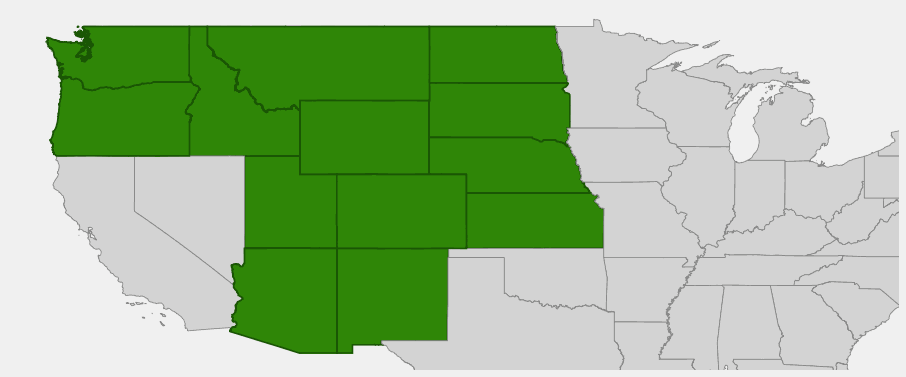
📋 Regional plant lists featuring Fringed Sage: Utah
Growing & Care Guide
Fringed Sage is one of the most satisfying plants to grow in dry Western gardens. It asks for very little — full sun, well-drained soil, and minimal water — and in return delivers months of ornamental silver foliage, a lovely herbal fragrance, and ecological value for birds and pollinators throughout the year.
Light
Full sun is essential for compact, floriferous growth and the best silver foliage color. In partial shade, Fringed Sage becomes leggy and less silvery. It thrives on south and west-facing slopes that receive maximum solar exposure. Planting in the hottest, sunniest spot in the garden is perfectly appropriate for this sun-loving subshrub.
Soil & Water
Excellent drainage is the most critical requirement. Fringed Sage will not tolerate wet or waterlogged soils — in heavy clay or compacted soil with poor drainage, it typically rots within a season or two. It thrives in sandy, gravelly, or rocky soils with good natural drainage. In the garden, amend heavy soils generously with coarse sand or gravel, or plant on a raised bed or slope. Once established (typically after one growing season), Fringed Sage requires no supplemental irrigation in climates receiving 10+ inches of annual rainfall. In drier desert climates, an occasional deep watering during extended summer drought is beneficial but not strictly necessary.
Planting Tips
Plant in spring or fall. Container-grown plants establish more reliably than bareroot. Space plants 18–24 inches apart for ground cover use; farther apart for specimen plantings. Do not amend the planting hole with compost or high-fertility soil — Fringed Sage performs best in lean, nutrient-poor conditions similar to its native habitat. Mulch with gravel or coarse rock (not organic mulch, which holds too much moisture) to maintain the appropriate soil moisture regime.
Pruning & Maintenance
In late winter or early spring, cut back by one-third to one-half to prevent the plant from becoming too woody and open-centered. This rejuvenation pruning keeps Fringed Sage compact, bushy, and silver — neglected plants become woody and lose their ornamental character. After the late-summer flowering, trim back the old flowering stalks to restore a tidy appearance. No fertilization is needed or desirable — high nitrogen produces rank, soft growth that lacks the characteristic silver color and is more susceptible to disease.
Landscape Uses
- Rock garden — thrives in the sharply-drained conditions rock gardens provide
- Dry meadow or prairie planting — beautiful silver accent among native grasses
- Slope stabilization — deep roots hold soil on dry banks
- Silver foliage accent — contrasts dramatically with green-leaved plants
- Edging and ground cover — low, spreading habit suits border fronts
- Deer-resistant planting — aromatic oils deter browsing
- Bee garden — late-season pollen for native bees
Wildlife & Ecological Value
Despite its modest size, Fringed Sage provides significant ecological value in dry Western landscapes, particularly in providing seed food for birds, pollen for late-season native bees, and aromatic cover for small mammals and reptiles.
For Birds
The small seeds produced in late summer and fall are relished by numerous sparrow species — including Vesper Sparrow, Grasshopper Sparrow, Savannah Sparrow, and Lark Sparrow — as well as Dark-eyed Juncos, Horned Larks, and other open-country seed-eating birds. Sage Grouse and Sharp-tailed Grouse consume the seeds and foliage where their ranges overlap with Fringed Sage populations on the Great Plains and in the Intermountain West. The dense, low clumps provide ground-level shelter for small birds during harsh winter weather.
For Mammals
Pronghorn Antelope browse Fringed Sage throughout its range — it is one of the pronghorn’s preferred forages on the Great Plains. Mule Deer will browse it occasionally. Prairie Dogs, Ground Squirrels, and various small rodents use Fringed Sage clumps as cover and eat the seeds. The aromatic oils that make the plant deer-resistant at low concentrations apparently become palatable to large grazers at higher concentrations, explaining why it is heavily grazed in areas with abundant pronghorn and sheep.
For Pollinators
Although the flowers are wind-pollinated and not showy, they do provide late-season pollen that is collected by native bees active from July through September. Several specialized bee species (oligoleges) that collect only Artemisia pollen depend on artemisias like Fringed Sage. In late summer when many flowering plants have finished, Fringed Sage provides an important pollen resource in dry grassland and sagebrush ecosystems.
Ecosystem Role
Fringed Sage is an important component of disturbance-recovery plant communities across the western United States. After fires, overgrazing, or soil disturbance, it is often among the first woody plants to recolonize disturbed areas, helping stabilize soil and initiate ecological succession. Its aromatic oils inhibit the germination of some competing plants in its immediate vicinity — a phenomenon called allelopathy — which helps it maintain its position in the plant community. In alpine and subalpine environments, it is a crucial component of the sparse plant communities that stabilize soil on rocky slopes above the treeline.
Cultural & Historical Uses
Artemisia species have been among the most important medicinal and ceremonial plants across nearly every culture in the Northern Hemisphere that has lived within their range. Fringed Sage in particular was used by numerous Indigenous peoples of the western United States and Canada. The Blackfoot people used it as an incense in sweatlodge ceremonies and as a medicine for colds and respiratory ailments — the aromatic steam produced when the plant is placed on hot rocks is remarkably effective at opening the sinuses. The Cheyenne and Lakota used Fringed Sage in purification ceremonies and as a protective bundle plant. The Navajo incorporated it into ceremonial sand paintings and used it medicinally for stomach complaints.
Across the Great Plains, Fringed Sage was widely used as an insect repellent. Bundles of the dried plant were placed in sleeping areas, stored grain, and clothing to deter insects and rodents — a use validated by modern research showing that artemisia volatile oils are genuinely effective insecticides and repellents. The aromatic compounds — including artemisinin, absinthin, and various terpenes — are toxic to insects at physiologically relevant concentrations. Traditional peoples throughout Asia also used related Artemisia species for similar purposes, reflecting the plant’s intercontinental distribution and consistent utility.
In contemporary herbalism, Fringed Sage and related artemisias occupy an interesting position. The genus contains compounds with genuine pharmacological activity — artemisinin derived from Artemisia annua is the primary treatment for drug-resistant malaria, and wormwood (Artemisia absinthium) is the source of absinthe and various bitters. Fringed Sage itself is not used in mainstream medicine today but remains valued in traditional practice among many Indigenous communities of the Great Plains and Rocky Mountains. In the garden, its primary contemporary value is ornamental and ecological rather than medicinal — a silver-leaved jewel of dry landscapes that asks for almost nothing in return for months of beauty.
Frequently Asked Questions
Is Fringed Sage the same as Big Sagebrush?
No — they’re different species, though both are artemisias. Big Sagebrush (Artemisia tridentata) is a large shrub 3–8 feet tall with three-lobed, gray-green leaves; it dominates vast stretches of the Intermountain West. Fringed Sage (Artemisia frigida) is much smaller (1–2 feet), with finely divided, feathery silver-gray leaves — more ornamental and adaptable to a wider range of elevations and conditions. Both are fragrant and drought-tolerant, but they are quite different in size, leaf form, and habitat.
Why is my Fringed Sage dying in the middle?
Fringed Sage commonly develops a woody, dead center with age — this is normal and is remedied by cutting the plant back by one-third to one-half in late winter or early spring. This rejuvenation pruning stimulates vigorous new growth from the root crown. If the dead center is accompanied by yellowing leaves and mushy stems, the plant may be suffering from overwatering or root rot — ensure excellent drainage and reduce irrigation immediately.
Does Fringed Sage deer-resistant?
Generally yes — the strong aromatic compounds in the foliage deter deer from browsing Fringed Sage in most landscape situations. However, Pronghorn Antelope readily browse it in open range settings, and deer in areas with very high populations may browse it out of necessity when preferred plants are unavailable. In typical suburban landscapes, Fringed Sage is one of the better choices for deer-resistant dry plantings.
Can Fringed Sage grow in Zone 3?
Absolutely. Fringed Sage is among the cold-hardiest native sages available, tolerating temperatures to -40°F or below in its natural Great Plains and subarctic range. It is one of the few woody plants that can be used reliably in Zone 3 and even Zone 2 gardens, making it invaluable for high-elevation and northern climates where most other ornamental subshrubs cannot survive.
How do I propagate Fringed Sage?
Fringed Sage can be propagated from seed sown in fall (allowing natural stratification) or from stem cuttings taken in late spring from the current season’s growth. Seeds require no special treatment and germinate readily in spring. Division of established clumps in early spring is also effective. It is not typically difficult to propagate — a characteristic that makes it useful for restoration plantings where large quantities of plants are needed.

Looking for a nursery that carries Fringed Sage?
Browse our native plant nursery directory: Utah