
Joe-Pye Weed (Eupatorium fistulosum)
Eupatorium fistulosum, commonly known as Joe-Pye Weed, Hollow Joe-Pye Weed, or Trumpet Weed, is a magnificent native perennial wildflower that creates some of the most spectacular late-summer displays in eastern North American wetlands and prairies. This towering member of the Asteraceae (sunflower) family can reach impressive heights of 5 to 7 feet or more, topped with massive domed clusters of fragrant, dusty pink to mauve flowers that serve as beacons for butterflies, bees, and other pollinators during the critical late-season blooming period. The plant’s commanding presence and exceptional wildlife value have made it a cornerstone species for prairie restorations, rain gardens, and naturalistic landscapes throughout its extensive range.
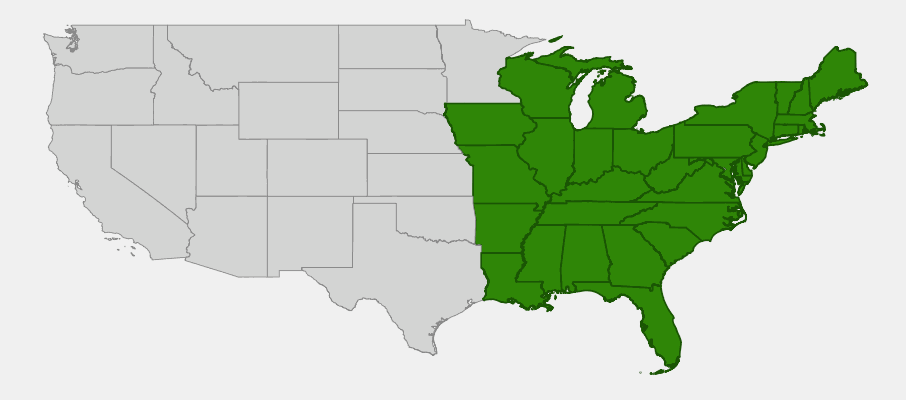
Growing naturally from Canada south to Florida and west to the Great Plains, Joe-Pye Weed thrives in moist to wet soils along streams, in wet meadows, marshes, and the edges of ponds and swales. The plant forms impressive colonies through both rhizomatous spread and prolific self-seeding, creating sweeping drifts that dominate the late-summer landscape with clouds of pink flowers. The hollow stems give the species its scientific name “fistulosum” (meaning hollow or tube-like) and help distinguish it from its close relatives in the Joe-Pye Weed complex, though recent taxonomic work has moved some populations to the genus Eutrochium.
Beyond its stunning ornamental impact, Joe-Pye Weed serves as one of our most important native pollinator plants, supporting over 40 species of butterflies and moths as well as countless native bees and beneficial insects. The plant’s ability to thrive in both full sun and partial shade, combined with its tolerance for various moisture levels from wet to moderately dry conditions, makes it remarkably versatile for sustainable landscaping. Its deep taproot helps prevent erosion while the dense root system improves soil structure and water infiltration, making Joe-Pye Weed valuable for both ecological restoration and green infrastructure projects.
Identification
Joe-Pye Weed is easily identified by its impressive size, distinctive hollow stems, whorled leaves, and characteristic flower clusters. This robust perennial creates dramatic vertical accents in the landscape and is virtually unmistakable when in bloom during late summer and early fall.
Stems
The most distinctive identifying feature of Eupatorium fistulosum is its hollow stem, which gives the species both its scientific name and one of its common names (Hollow Joe-Pye Weed). The stems are sturdy, erect, and can reach 5 to 12 feet tall in ideal conditions, though 5 to 7 feet is more typical. Stems are often purple-spotted or entirely purple-tinged, particularly toward the base, and have a smooth to slightly rough texture. The hollow interior can be easily detected by cutting a cross-section of the stem, revealing the distinctive tubular structure that helps distinguish this species from other Joe-Pye Weeds.
Leaves
The leaves are arranged in whorls of 3 to 7 (most commonly 4 or 5) around the stem at regular intervals, creating a distinctive layered appearance up the length of the plant. Individual leaves are lance-shaped to ovate, 4 to 12 inches long and 1 to 3 inches wide, with serrated margins and prominent parallel veins. The leaf surface ranges from smooth to slightly rough, and the color is typically medium to dark green with a slightly paler underside. Leaves may have purple tinges, especially along the veins and margins, particularly in plants growing in sunny locations.
Flowers
The flowers are Joe-Pye Weed’s crowning glory: massive, dome-shaped compound clusters (corymbs) that can measure 6 to 18 inches across, composed of hundreds of tiny individual flower heads. Each small flower head contains 5 to 8 tiny tubular florets that range in color from pale pink to deep dusty rose or mauve. The overall effect is of enormous pink clouds crowning the tall stems. The flowers have a sweet, vanilla-like fragrance that becomes particularly noticeable on warm, humid days and helps attract pollinators from considerable distances.
Blooming typically occurs from July through September, with peak flowering in August. The timing makes Joe-Pye Weed critically important for late-season pollinators, including migrating butterflies building energy reserves for their journeys. After flowering, the spent heads turn to fluffy white seed heads reminiscent of dandelions but much larger, providing winter interest and food for seed-eating birds.
Growth Habit & Habitat
Joe-Pye Weed grows from a substantial taproot and spreading rhizome system, allowing it to form large colonies over time. Individual plants can live for many years and tend to increase in size and flower production with age. The plant prefers moist to wet soils but is surprisingly adaptable, tolerating both seasonal flooding and moderate drought once established. It naturally occurs in wet meadows, along streams and rivers, in marsh edges, and in moist prairies and savannas.
Quick Facts
| Scientific Name | Eupatorium fistulosum |
| Family | Asteraceae (Sunflower) |
| Plant Type | Herbaceous Perennial |
| Mature Height | 5–7 ft |
| Sun Exposure | Full Sun to Part Shade |
| Water Needs | Moderate to High |
| Bloom Time | July – September |
| Flower Color | Pink to mauve |
| USDA Hardiness Zones | 3–8 |
Native Range
Joe-Pye Weed has an extensive native range across eastern North America, stretching from southeastern Canada south to Florida and the Gulf Coast, and west to the Great Plains states. The species is particularly abundant in the Great Lakes region, the Ohio River Valley, and throughout the southeastern United States, where it forms a characteristic component of wet meadows, prairie margins, and riparian areas. It occurs naturally from near sea level to elevations of approximately 2,500 feet in mountainous regions.
Throughout this vast range, Joe-Pye Weed shows remarkable adaptability to different climatic conditions while maintaining its preference for moist soils. In northern regions, it typically grows in full sun in wet meadows and marsh edges, while in southern areas it may seek partial shade along woodland streams and forest openings. The species is particularly common along the Atlantic Coastal Plain, where it thrives in the region’s numerous wetlands, pocosins, and seasonally flooded areas. Moving westward, it becomes increasingly associated with prairie streams and wet swales in tallgrass prairie landscapes.
The current distribution of Joe-Pye Weed reflects both its natural adaptability and the species’ response to landscape changes over the past several centuries. While wetland loss has eliminated some populations, the plant’s ability to colonize disturbed moist sites has allowed it to persist and even expand in some areas. Road ditches, stormwater retention areas, and other human-created wetlands often support thriving populations, demonstrating the species’ value for modern conservation and restoration efforts.
📋 Regional plant lists featuring Joe-Pye Weed: North Carolina & South Carolina
Growing & Care Guide
Joe-Pye Weed is one of the most rewarding native wildflowers to grow, offering spectacular late-season color, exceptional wildlife value, and relatively low maintenance requirements. Once established, it becomes a long-lived, dependable garden performer that increases in beauty and impact with each passing year.
Light
Joe-Pye Weed performs well in both full sun and partial shade, making it adaptable to various garden situations. In full sun (6+ hours daily), plants tend to grow more compactly and produce the most abundant flowers, while in partial shade they may grow taller as they reach for light but still bloom reliably. Too much shade (less than 4 hours of direct sun) can result in weak, floppy growth and reduced flowering. The ideal situation provides morning sun with some afternoon protection in the hottest climates.
Soil & Water
While Joe-Pye Weed prefers consistently moist soil, it is surprisingly adaptable to a range of moisture conditions once established. Ideal soil is rich, organic, and well-draining but never completely dry. The plant thrives in wet clay soils and can tolerate seasonal flooding, making it excellent for rain gardens and bioswales. However, established plants can survive moderate drought, though they may go dormant early in extremely dry conditions. Adding organic matter such as compost improves both moisture retention and drainage in problem soils.
Planting Tips
Plant Joe-Pye Weed in spring after the last frost date, choosing a location with adequate space for its mature size (5-7 feet tall and 3-4 feet wide). The plant can be grown from seed, but stratification is required and germination can be variable. Purchasing plants or divisions is often more reliable for beginning gardeners. Space plants 3-4 feet apart to allow for natural spread. Water regularly the first season until established, then the plant becomes quite drought tolerant.
Pruning & Maintenance
Joe-Pye Weed requires minimal maintenance once established. Cut stems back to 6 inches in late fall or early spring, though many gardeners prefer to leave the attractive seed heads for winter interest and bird food. In rich, moist soils, plants may become quite tall and require staking in windy locations, or you can pinch growing tips in early summer to encourage bushier, more compact growth. Divide clumps every 4-5 years in early spring if they outgrow their space or to increase plantings.
Landscape Uses
Joe-Pye Weed excels in numerous landscape applications:
- Rain gardens — Outstanding for stormwater management and bioswales
- Prairie and meadow plantings — Essential component of naturalized grassland areas
- Butterfly gardens — One of the most important late-season pollinator plants
- Back-of-border plantings — Perfect height for backdrop in perennial gardens
- Stream and pond edges — Excellent for riparian plantings and water feature margins
- Wildlife habitat areas — Provides structure and food for diverse wildlife
- Cut flower gardens — Long-lasting stems excellent for large arrangements
- Erosion control — Deep roots help stabilize slopes and banks
Wildlife & Ecological Value
Joe-Pye Weed ranks among North America’s most valuable native plants for supporting wildlife, serving as a critical late-season resource when many other nectar sources have finished blooming. Its massive flower clusters and extended blooming period make it essential habitat for a diverse array of pollinators and other beneficial insects.
For Birds
The fluffy seed heads of Joe-Pye Weed provide important food for seed-eating birds including American Goldfinches, chickadees, and various sparrow species throughout fall and winter. The seeds are small but produced in tremendous quantities, making each plant a significant food resource. The tall, sturdy stems also provide perching sites for birds hunting insects, while the dense growth habit offers shelter and nesting opportunities for smaller songbirds. During migration seasons, the insect activity around flowering Joe-Pye Weed attracts insectivorous birds seeking protein-rich prey.
For Mammals
While deer occasionally browse Joe-Pye Weed foliage, the plant is generally not a preferred food source and can persist even in areas with heavy deer pressure. Small mammals such as voles and mice may seek shelter among the dense basal growth, while the abundant seed production provides food for various rodents. The plant’s ability to form large colonies creates microhabitat structure that supports diverse small mammal communities in wetland and prairie ecosystems.
For Pollinators
Joe-Pye Weed is absolutely essential for late-season pollinators, supporting over 40 species of butterflies and moths including monarchs, swallowtails, fritillaries, and skippers. The plant blooms during peak butterfly migration periods, providing crucial nectar for building energy reserves. Native bees, including bumblebees, sweat bees, and leaf-cutter bees, are also major visitors, along with beneficial wasps and flies. The large flower clusters can support dozens of pollinators simultaneously, creating spectacular displays of wildlife activity during peak bloom.
Ecosystem Role
Joe-Pye Weed plays multiple important ecological roles beyond pollinator support. Its deep taproot system helps prevent erosion and improves soil structure, while the dense surface roots create habitat for soil invertebrates. The plant serves as a host for several moth species, including the Clymene moth and the three-lined flower moth. In wetland ecosystems, Joe-Pye Weed colonies help filter runoff, reduce erosion, and provide structural diversity that supports diverse plant and animal communities. The species’ ability to thrive in disturbed areas makes it valuable for ecological restoration and habitat creation projects.
Cultural & Historical Uses
Joe-Pye Weed derives its common name from Joe Pye (Zhopai), a legendary Native American medicine man who supposedly lived in colonial New England and used the plant to treat typhus and other fevers. While the historical Joe Pye may be more legend than documented fact, the plant does have extensive traditional medicinal uses among many Indigenous tribes throughout its range. The Cherokee, Ojibwe, Menominee, and other tribes used various preparations from the roots, leaves, and flowers to treat kidney stones, urinary problems, rheumatism, and fever. The root was particularly valued and often included in medicinal smoking mixtures.
European settlers learned of Joe-Pye Weed’s medicinal properties from Indigenous peoples and incorporated it into their own folk medicine practices. The plant was known by various names including “gravel root,” “kidney root,” and “queen of the meadow root,” reflecting its primary use for treating urinary and kidney ailments. Modern research has identified compounds in Joe-Pye Weed that may have anti-inflammatory and diuretic properties, though the plant is not commonly used in contemporary herbal medicine due to concerns about potential liver toxicity from pyrrolizidine alkaloids found in some related species.
Beyond medicinal uses, some Native American tribes used Joe-Pye Weed for practical purposes. The Potawatomi used the plant as a charm to strengthen the love between married couples, while other tribes incorporated it into ceremonies and rituals. The fibrous stems were occasionally used for cordage, though this was not a primary use. The plant’s impressive stature and late-season blooming made it significant in seasonal ceremonies marking the transition from summer to autumn.
In modern times, Joe-Pye Weed has found renewed appreciation as a cornerstone species for prairie restoration, pollinator conservation, and sustainable landscaping. Its exceptional wildlife value has made it a favorite among conservation organizations, native plant societies, and wildlife-friendly gardeners. The plant’s dramatic visual impact and low maintenance requirements have also earned it recognition in the ornamental horticulture industry, with several cultivars selected for improved garden performance while maintaining the species’ ecological benefits.
Frequently Asked Questions
How can I tell Joe-Pye Weed apart from other similar plants?
The key identifying feature of Eupatorium fistulosum is its hollow stem, which can be easily checked by cutting a cross-section. Other Joe-Pye Weed species have solid or mostly solid stems. The whorled leaves (typically 4-5 per node) and massive domed flower clusters are also distinctive characteristics.
Will Joe-Pye Weed take over my garden?
Joe-Pye Weed spreads slowly through rhizomes and self-seeding, but it’s not aggressively invasive. In suitable moist conditions, it will form expanding colonies over several years, but it’s easy to control by removing unwanted seedlings and dividing clumps. The plant stays well-behaved in drier soils where its spread is naturally limited.
Can I grow Joe-Pye Weed in containers?
Yes, but you’ll need very large containers (at least 20-25 gallons) due to the plant’s size and extensive root system. Container-grown plants will require frequent watering and may not reach their full height potential. Consider dwarf cultivars like ‘Little Joe’ for container growing, though these may have less wildlife value than the straight species.
When should I plant Joe-Pye Weed seeds?
Seeds require cold stratification and should be sown in fall for natural stratification over winter, or stratified in the refrigerator for 2-3 months before spring planting. Seeds need light to germinate, so barely cover them with soil. Germination can be slow and uneven, often taking several weeks to months.
Is Joe-Pye Weed deer resistant?
Joe-Pye Weed has some deer resistance due to its somewhat bitter taste, but hungry deer may browse it, especially young shoots in spring. In areas with heavy deer pressure, the plant may need protection until it becomes large enough that browsing won’t significantly damage it. Mature plants typically recover well from light browsing.

Looking for a nursery that carries Joe-Pye Weed?
Browse our native plant nursery directory: North Carolina · South Carolina