
June Grass (Koeleria macrantha)
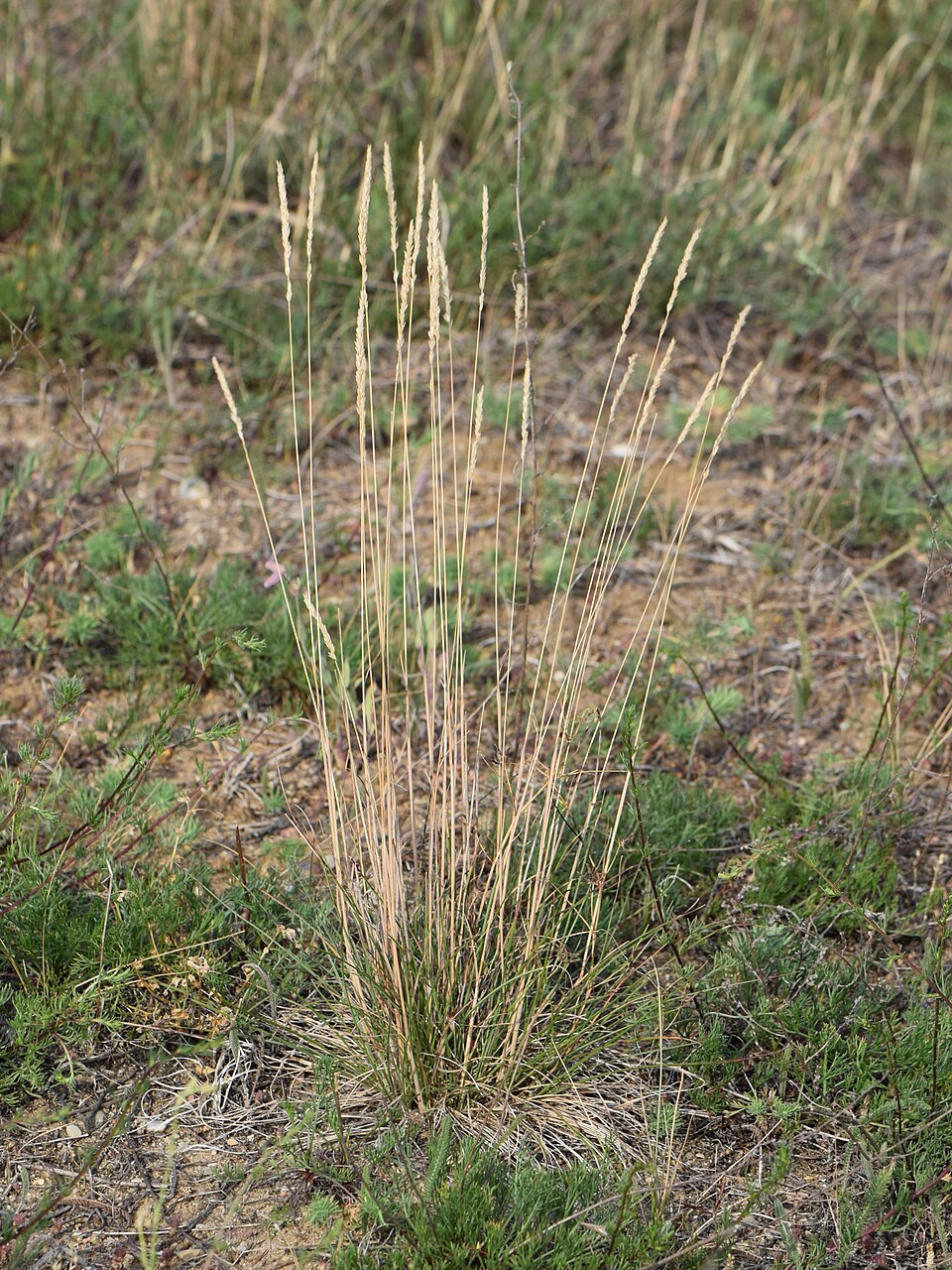
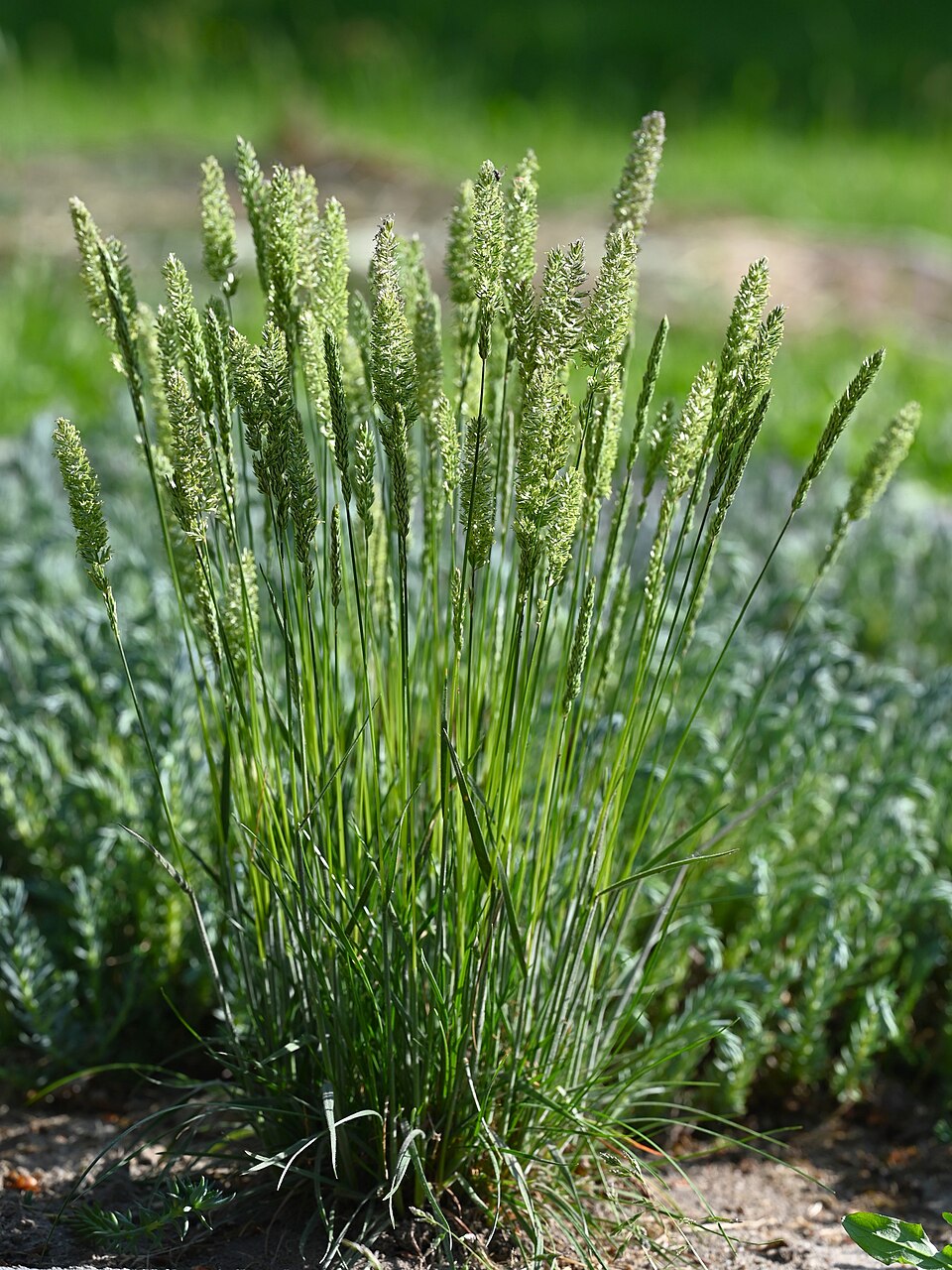
Koeleria macrantha, commonly known as June Grass or Prairie Junegrass, is a delicate yet resilient native perennial bunchgrass that forms the backbone of North America’s Great Plains and northern prairie ecosystems. This member of the Poaceae (grass) family is distinguished by its compact, tufted growth habit and characteristic fuzzy, spike-like flower clusters that shimmer with green-silver tones throughout the summer months. Despite its modest stature of 1 to 2 feet, June Grass plays an outsized role in prairie ecology, providing critical habitat structure and food resources for countless wildlife species.
Named for its early summer blooming period, June Grass is exceptionally well-adapted to the challenging conditions of the northern Great Plains — thriving in full sun, tolerating severe drought, and withstanding the temperature extremes that define continental climate zones. Its dense, fibrous root system can extend several feet deep, making it incredibly effective for soil stabilization and erosion control on slopes and disturbed sites. The fine-textured foliage remains attractive throughout the growing season, turning golden-bronze in autumn and providing winter interest in naturalistic plantings.
Beyond its ecological importance, June Grass represents one of the most versatile and low-maintenance native grasses for prairie restoration, xeriscaping, and sustainable landscaping throughout its extensive range. From the shortgrass prairies of Montana and Wyoming to the tallgrass prairies of Minnesota and Iowa, this adaptable species serves as both a foundational component in large-scale restorations and an elegant accent plant in residential native gardens. Its drought tolerance and minimal care requirements make it an ideal choice for water-wise landscapes seeking to support biodiversity while reducing maintenance demands.
Identification
June Grass forms compact, densely tufted bunches typically reaching 1 to 2 feet in height and width. The plant grows as a cool-season perennial, meaning it begins active growth early in spring, flowers in early to mid-summer, and then enters a period of slower growth during hot summer months before resuming activity in fall. This growth pattern makes it well-suited to the climate patterns of the northern Great Plains.
Leaves
The leaves are narrow, flat, and typically measure 1 to 3 millimeters wide and 2 to 8 inches long. They are blue-green to gray-green in color with a somewhat rolled appearance, especially during dry periods when the plant conserves moisture. The leaf blades are rough to the touch due to tiny silica structures along their surfaces. The leaves emerge from the base of the plant in dense clusters, creating the characteristic bunchgrass appearance that provides excellent habitat structure for small mammals and ground-nesting birds.
Flowers & Seeds
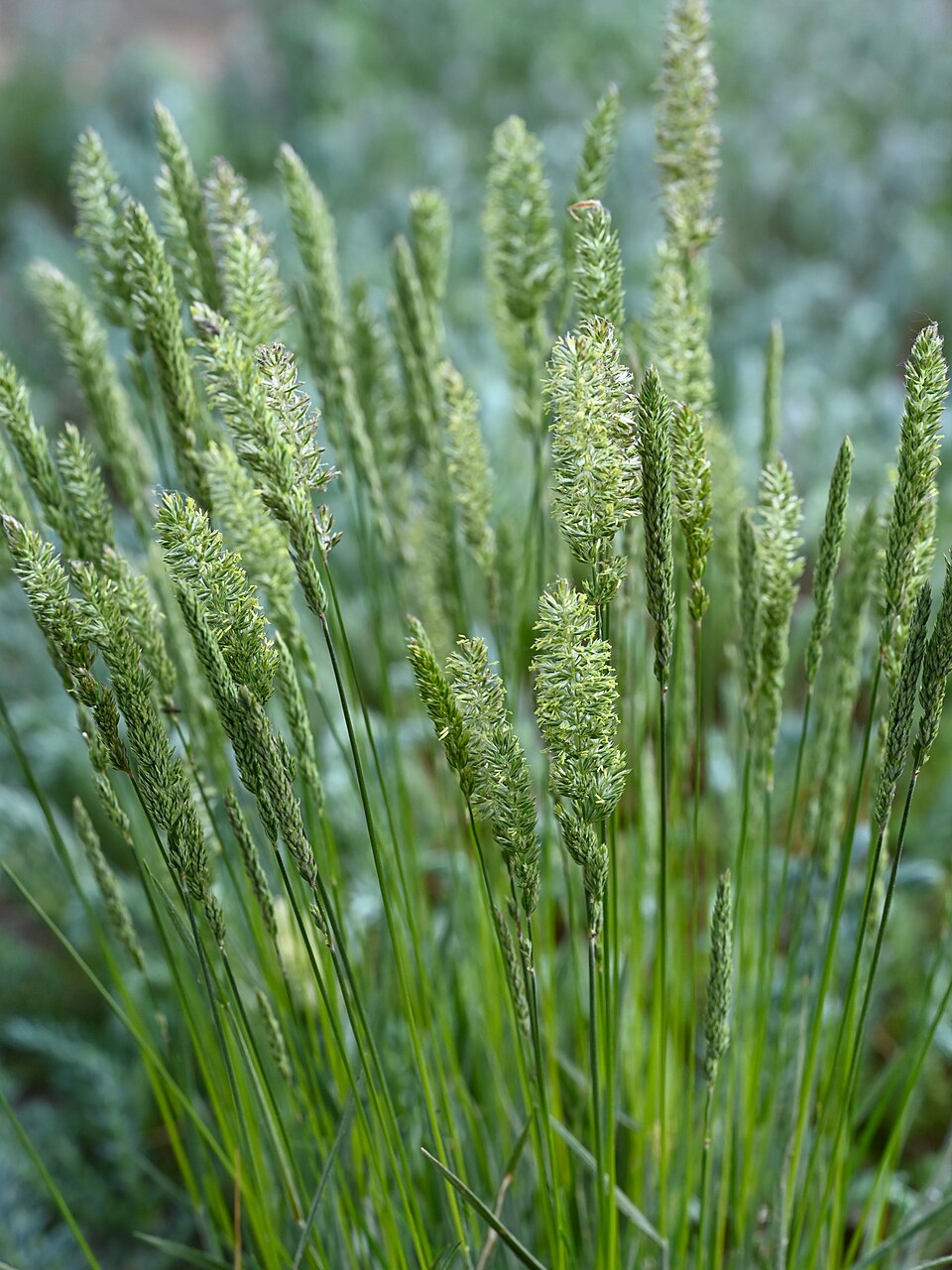
The most distinctive feature of June Grass is its compact, spike-like flower cluster (technically a panicle) that rises above the foliage on slender stems from May through July, with peak flowering typically occurring in June — hence the common name. These flower heads are 1 to 4 inches long and initially appear green-silver with a distinctly fuzzy, soft texture due to the arrangement of individual spikelets. Each spikelet contains 2 to 5 small flowers that lack petals but have prominent stamens that give the inflorescence its characteristic fuzzy appearance.
As the flowers mature, they transition to pale golden or straw-colored seed heads that persist well into autumn, providing food for seed-eating birds and adding winter interest to the landscape. The seeds are small, light brown, and have excellent germination rates, making June Grass particularly valuable for natural seeding and prairie restoration efforts.
Quick Facts
| Scientific Name | Koeleria macrantha |
| Family | Poaceae (Grass) |
| Plant Type | Perennial Bunchgrass |
| Mature Height | 1–2 ft |
| Sun Exposure | Full Sun |
| Water Needs | Low (Drought Tolerant) |
| Bloom Time | May – July |
| Flower Color | Green-silver, aging to golden |
| USDA Hardiness Zones | 3–8 |
Native Range
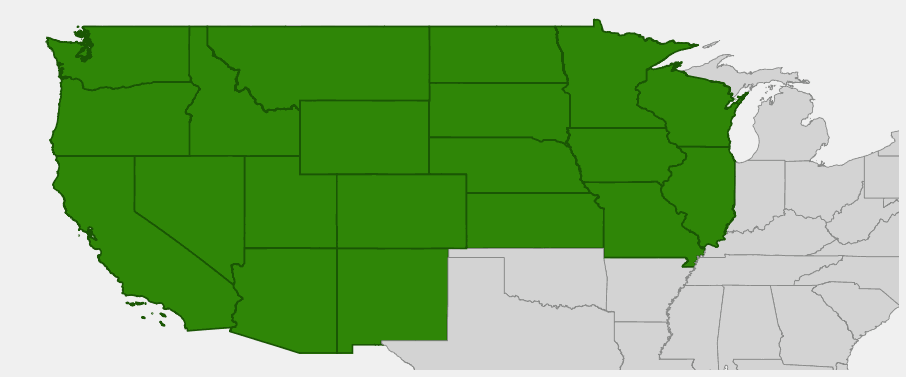
June Grass has one of the most extensive native ranges of any North American grass species, naturally occurring across vast swaths of the northern Great Plains, western mountains, and Pacific Northwest. Its distribution spans from the Canadian prairies south through the central United States, with populations extending from the Dakotas and Minnesota westward to Washington and Oregon, and south through the Intermountain West to Colorado, Utah, Nevada, Arizona, and New Mexico. This broad range reflects the species’ remarkable adaptability to diverse climatic and soil conditions.
In its native habitat, June Grass is typically found in mixed-grass and shortgrass prairie communities, where it serves as an important understory species beneath taller grasses like Big Bluestem and Western Wheatgrass. It thrives in open, sunny locations with well-drained soils, from lowland prairies to montane meadows at elevations up to 8,000 feet. The species is particularly common in areas with annual precipitation ranging from 12 to 20 inches, making it well-suited to the semi-arid conditions that characterize much of the northern Great Plains.
Historical accounts from early prairie explorers and botanists describe June Grass as one of the dominant species in many northern prairie communities, often forming extensive populations that created a distinctive silvery shimmer across the landscape during its June flowering period. While agriculture and development have reduced the extent of native prairie habitats, June Grass remains locally common in protected areas, road rights-of-way, and restored prairie sites throughout its range.
📋 Regional plant lists featuring June Grass: North Dakota, South Dakota & Western Minnesota
Growing & Care Guide
June Grass is among the most reliable and low-maintenance native grasses for northern climates, requiring minimal care once established and providing exceptional drought tolerance and cold hardiness. Its adaptability to a wide range of growing conditions makes it suitable for everything from large-scale prairie restorations to small urban gardens.
Light
June Grass performs best in full sun conditions, requiring at least 6 hours of direct sunlight daily for optimal growth and flowering. In partial shade, the plants will survive but may become taller and more open in habit, with reduced flowering and increased susceptibility to fungal diseases. The species has evolved in open prairie environments and struggles in heavily shaded locations.
Soil & Water
This adaptable grass thrives in a wide range of soil types, from sandy loams to clay soils, as long as drainage is adequate. June Grass is particularly well-suited to alkaline soils with pH levels between 6.5 and 8.0, though it can tolerate moderately acidic conditions. Once established, it requires minimal supplemental watering and can survive on as little as 12 inches of annual precipitation. During establishment, water regularly for the first year, then reduce watering frequency as the deep root system develops.
Planting Tips
Plant June Grass in early spring or fall for best establishment. Seeds can be direct-sown in prepared seed beds, while plugs or container plants should be spaced 12 to 18 inches apart for naturalistic plantings. For prairie restoration, seed at a rate of 1 to 2 pounds per acre in mixture with other native species. The species self-seeds readily, so established populations will gradually expand through natural reproduction.
Pruning & Maintenance
June Grass requires virtually no maintenance once established. In managed landscapes, cut back to 2-3 inches in late fall or early spring before new growth begins. For naturalistic plantings, leave seed heads intact through winter to provide wildlife food and add textural interest. The species benefits from periodic fire or mowing every 3-5 years to remove accumulated thatch and stimulate vigorous new growth.
Landscape Uses
June Grass’s versatility makes it valuable in numerous landscape applications:
- Prairie restoration and reconstruction — essential component of Great Plains prairie communities
- Erosion control — excellent for stabilizing slopes and disturbed soils
- Xeriscaping and water-wise gardens — requires minimal irrigation once established
- Natural area management — ideal for restoring degraded grasslands
- Ornamental gardens — provides fine texture and movement in mixed plantings
- Wildlife habitat gardens — supports numerous bird and pollinator species
- Buffer zones and conservation areas — excellent transition species between managed and natural areas
Wildlife & Ecological Value
June Grass provides exceptional ecological value despite its modest size, supporting a diverse array of wildlife species throughout its range and serving as a foundational component in prairie food webs.
For Birds
The seeds of June Grass are consumed by numerous grassland bird species, including Clay-colored Sparrows, Savannah Sparrows, Bobolinks, and Western Meadowlarks. The dense bunchgrass structure provides crucial nesting habitat for ground-nesting species like Sedge Wrens and Le Conte’s Sparrows. During winter, the persistent seed heads continue to provide food resources for resident bird populations, while the tufted growth habit offers shelter from wind and predators.
For Mammals
Small mammals such as deer mice, voles, and ground squirrels rely on June Grass seeds as a significant food source, particularly during late summer and fall when the seeds ripen. The dense root system and surface coverage provide important habitat for numerous small mammal species that form the foundation of prairie food chains. Larger mammals including elk, mule deer, and pronghorn graze on the foliage, particularly during spring when the new growth is most nutritious.
For Pollinators
While grasses are wind-pollinated rather than insect-pollinated, June Grass supports pollinator communities indirectly by serving as habitat for numerous insects that serve as food for beneficial species. The plant structure provides overwintering habitat for beneficial insects, while the diverse microhabitat created by bunchgrasses supports the complex invertebrate communities that pollinators depend upon.
Ecosystem Role
June Grass plays a critical role in prairie ecosystem function through its contribution to soil health, carbon sequestration, and habitat structure. The extensive root system, which can extend 3-4 feet deep, improves soil structure and water infiltration while storing significant amounts of carbon below ground. As a cool-season grass, it complements warm-season species by providing ground cover and photosynthetic activity during spring and fall when many other prairie plants are dormant. This temporal diversity in growth patterns helps maximize resource utilization and ecosystem productivity throughout the growing season.
Cultural & Historical Uses
June Grass holds significant cultural and historical importance among Indigenous peoples of the Great Plains, who recognized its value both as a resource and as an indicator of ecosystem health. Various tribal nations, including the Lakota, Dakota, Cheyenne, and Crow, incorporated June Grass into their traditional ecological knowledge systems, using the plant for both practical and ceremonial purposes.
Traditional uses of June Grass included the collection of seeds for food, particularly during times when other food sources were scarce. The small seeds were ground into flour or meal and mixed with other native plants to create nutritious cakes and porridge. The fine, soft texture of the mature flower heads made them valuable for tinder, helping to start fires even in damp conditions. Some tribal nations also used the plant in traditional medicines, though specific uses varied among different cultural groups.
European settlers and ranchers quickly recognized the value of June Grass as a forage species, noting that livestock would preferentially graze areas where it was abundant. However, the intensive grazing practices that accompanied European settlement often led to overuse of native grasslands, contributing to the decline of June Grass and associated prairie species in many areas. Historical accounts from the late 1800s describe vast prairies dominated by June Grass and other native species, creating landscapes that modern restoration efforts seek to recreate.
In contemporary times, June Grass has gained recognition as a symbol of prairie conservation and restoration efforts. Native plant enthusiasts, restoration ecologists, and wildlife managers value the species for its role in supporting biodiversity and ecosystem function. The plant’s use in modern landscape design reflects a growing appreciation for native species and sustainable gardening practices that work with natural systems rather than against them.
Frequently Asked Questions
How do I tell June Grass apart from other native grasses?
June Grass can be identified by its compact, spike-like flower heads that appear fuzzy and silvery-green, its low-growing bunchgrass habit (typically 1-2 feet tall), and its early summer flowering period. The flower spikes are much more compressed and fuzzy-looking than those of taller prairie grasses like Big Bluestem or Switchgrass.
Will June Grass spread and take over my garden?
No, June Grass grows in discrete clumps or bunches and does not spread aggressively by rhizomes like some other grass species. It may self-seed in favorable locations, but new plants are easy to remove if they appear in unwanted areas. This makes it an excellent choice for managed landscape settings.
When should I plant June Grass seeds?
Seeds can be planted in either spring (March-May) or fall (September-November) depending on your location. Fall planting often gives better results as it allows the seeds to experience natural cold stratification over winter, leading to better germination rates in spring. Plant seeds no deeper than 1/4 inch in prepared soil.
How long does it take June Grass to establish?
June Grass typically germinates within 2-3 weeks under favorable conditions, but it may take 2-3 years to reach full maturity and begin flowering reliably. The first year focuses on root development, with significant above-ground growth occurring in the second and third years. Be patient — established plants are incredibly long-lived and low-maintenance.
Can June Grass handle mowing?
Yes, June Grass tolerates occasional mowing well, though it performs best when allowed to complete its annual growth cycle. If mowing is necessary, do so in late fall after seeds have dispersed, or in early spring before new growth begins. Avoid frequent mowing during the growing season, as this can weaken the plants over time.

Looking for a nursery that carries June Grass?
Browse our native plant nursery directory: North Dakota · South Dakota · Minnesota