
Kāwelu (Eragrostis variabilis)
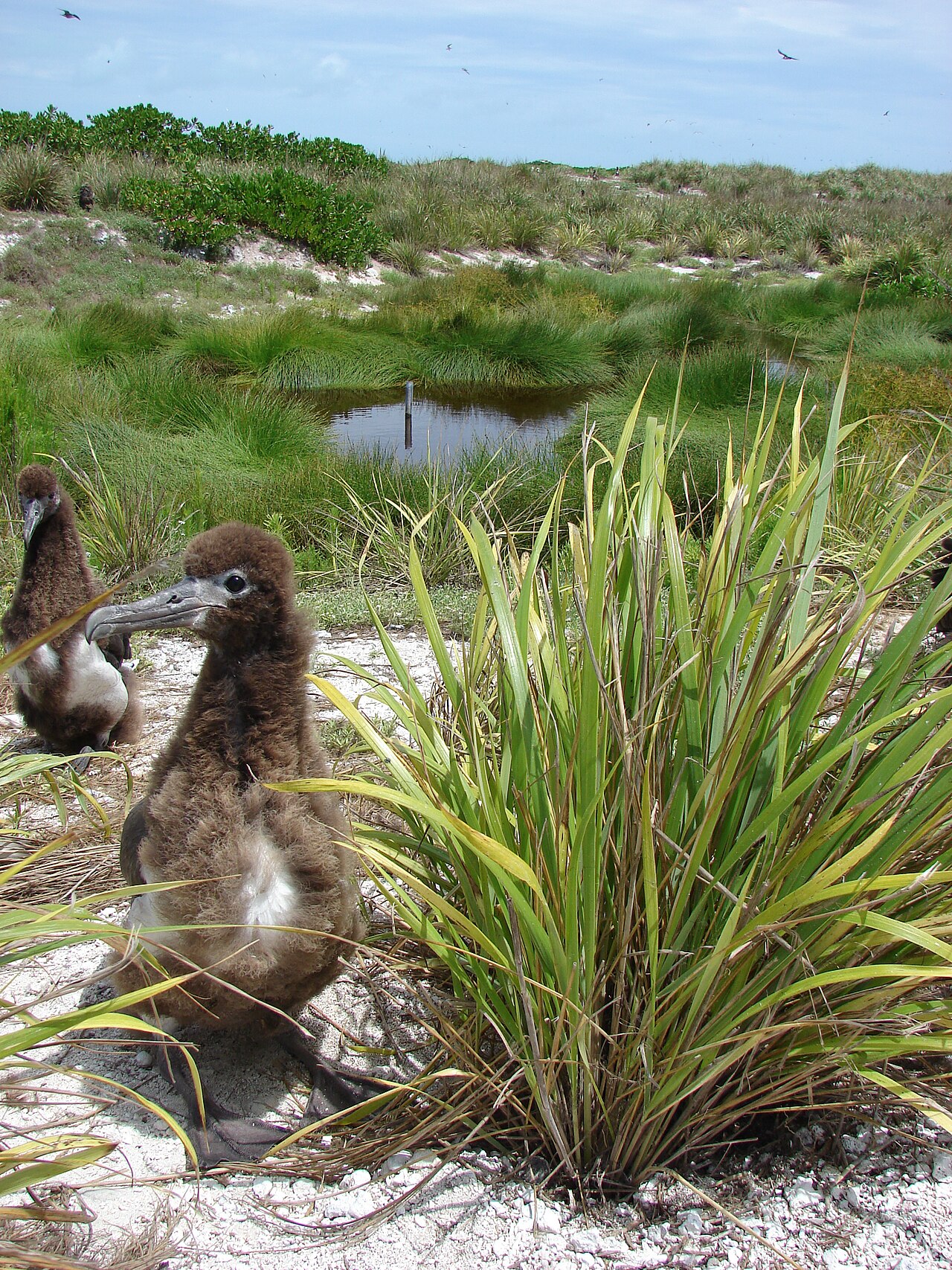
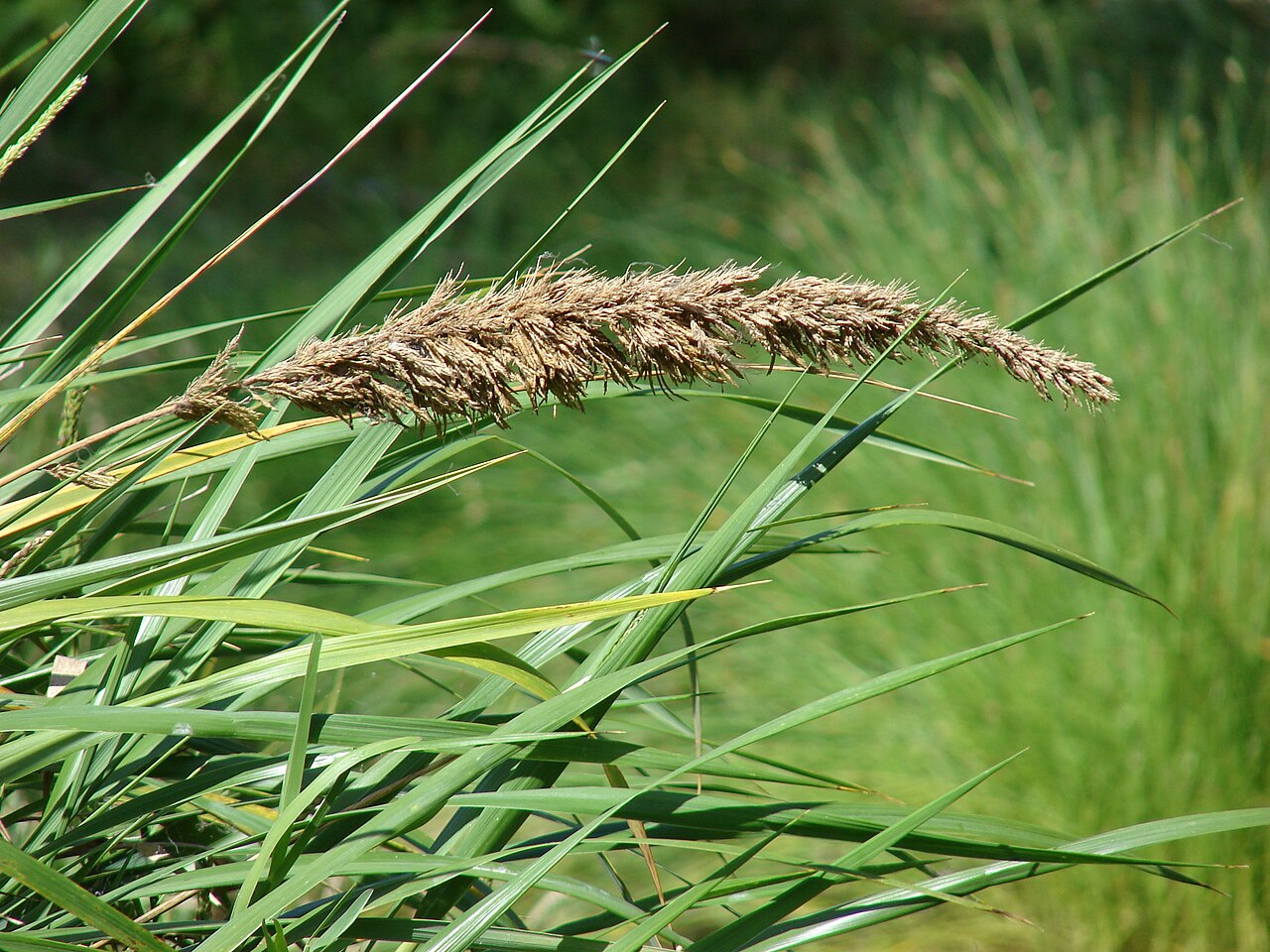
Eragrostis variabilis, known in Hawaiian as Kāwelu and also as kalamalo or ʻemoloa, is a native bunchgrass found only in the Hawaiian Islands. In English it is sometimes called variable lovegrass or Hawaiian lovegrass. It forms fountain-shaped clumps of narrow, arching leaves, topped through much of the year by feathery tan to purplish seed heads.
Kāwelu lives up to its scientific name. Plants on windswept coastal dunes are short and stiff, while those on inland slopes and cliffs can stand three feet tall or more, and the seed heads range from open and airy to tight and spike-like. It grows on all the main Hawaiian Islands and also on the low, sandy islands and atolls of the Northwestern Hawaiian Islands, including Nihoa, Laysan and Midway.
This is one of the most useful native grasses for Hawaiʻi gardens. It is tough, drought-tolerant, salt-tolerant and easy to grow, and it is widely used in coastal landscaping, erosion control and habitat restoration. This guide covers how to recognize kāwelu, where it grows, how to grow it, and why it matters so much to Hawaiian seabirds.
Identification
Kāwelu is a perennial bunchgrass, meaning it grows in tufts rather than spreading by runners. It is easiest to recognize by its dense clumps of fine leaves and its soft, many-branched seed heads.
Growth Habit
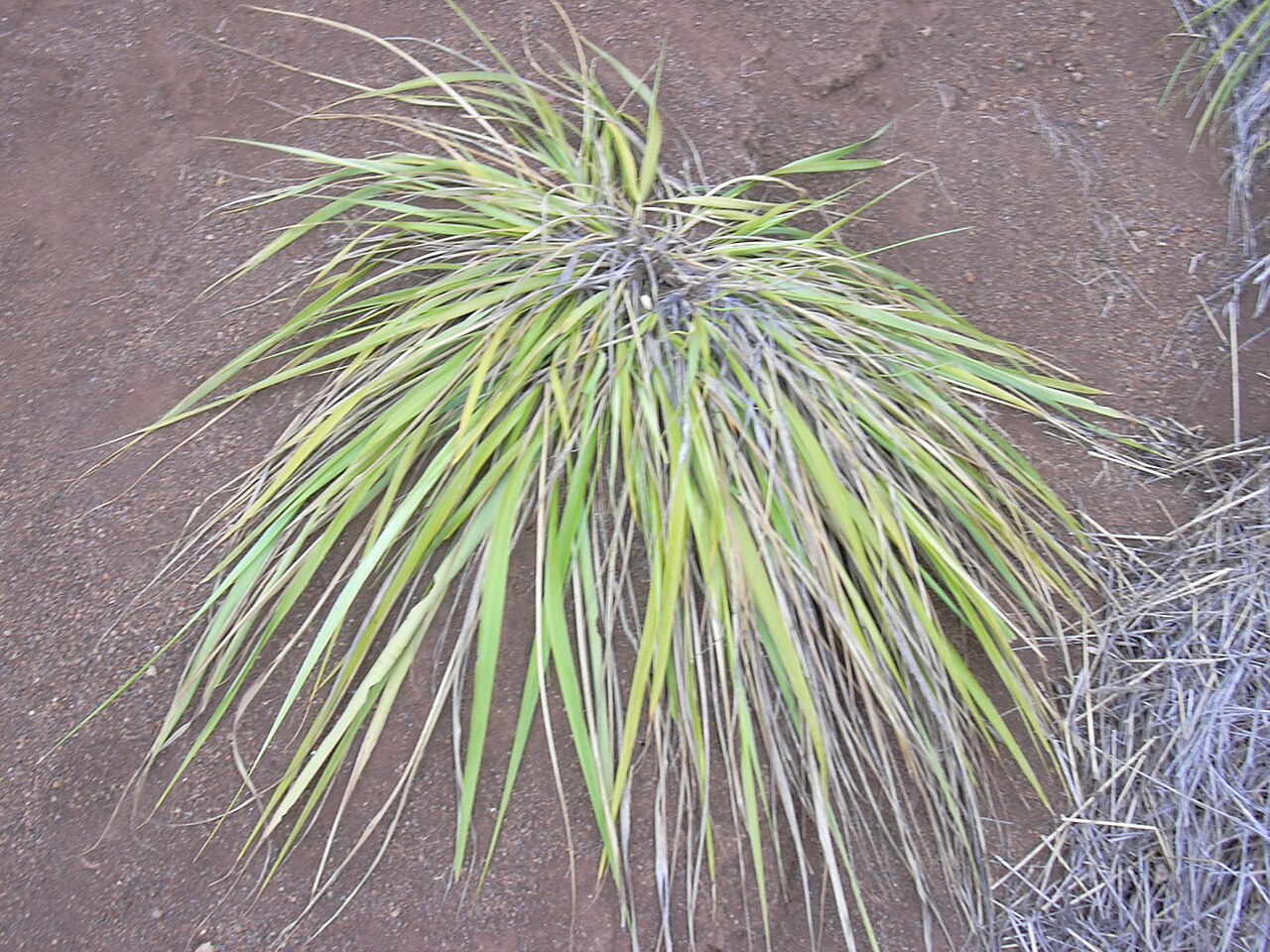
Plants form tight tussocks, usually 1 to 3 feet tall and about as wide. With flowering stems they can reach 3 to 4 feet. Older clumps often have a skirt of dry, straw-colored leaves around the base, and the whole plant has a graceful, fountain-like shape.
Leaves
The leaves are long, narrow and smooth, often rolled inward along the edges, and up to about 2 feet long. They range from bright green to gray-green and are tough and wiry in exposed coastal sites.
Flowers & Seed Heads
The flowers are tiny and wind-pollinated, borne in a panicle at the tip of each stem. The panicle may be open and spreading or narrow and dense, depending on the population. It is green to purplish when fresh and dries to tan. Plants can flower at almost any time of year, especially after rain.
Seeds
Each small spikelet holds several tiny grains. The seed is extremely small; a pound contains roughly three million seeds. Ripe seed falls easily, and kāwelu often reseeds itself in open, sunny spots.
Similar Species
Several introduced Eragrostis and other weedy grasses grow in Hawaiʻi, but most are annual or short-lived and lack kāwelu’s dense, fountain-like clumps. The native Pili Grass has darker, twisted, awned seed heads. Native ʻAkiʻaki (Seashore Dropseed) spreads by runners rather than forming clumps.
Quick Facts
| Scientific Name | Eragrostis variabilis (Gaudich.) Steud. |
| Family | Poaceae (grass family) |
| Plant Type | Perennial bunchgrass; endemic to Hawaiʻi |
| Mature Height | 1–3 ft (flowering stems to about 4 ft) |
| Mature Spread | 1–3 ft |
| Growth Rate | Moderate to fast |
| Sun Exposure | Full sun |
| Water Needs | Low; drought tolerant once established |
| Soil Type | Sand, cinder, rocky or clay soils with good drainage; salt tolerant |
| Soil pH | About 6.0–8.0 |
| Bloom Time | Much of the year, especially after rains |
| Flower Color | Green to purplish, drying tan (grass panicle) |
| Fall Color | None; evergreen with straw-colored old leaves |
| Fruit | Tiny grains in feathery tan seed heads |
| Deer Resistant | Moderately; browsed by goats and deer where present |
| USDA Hardiness Zones | 10–12 |
Native Range
Kāwelu is endemic to the Hawaiian archipelago. It grows on all of the main islands, from Niʻihau and Kauaʻi to Hawaiʻi Island, and on the Northwestern Hawaiian Islands, including Nihoa, Laysan, Lisianski, Pearl and Hermes, Midway and Kure atolls. USDA PLANTS also lists it for Guam, but Hawaiian floras treat the species as endemic to the Hawaiian Islands.
It grows from sea level to about 3,700 feet, in places that receive roughly 40 to 100 inches of rain a year. Typical habitats are coastal dunes and strand, sea cliffs, rocky coastal slopes, dry to mesic grassland and shrubland, and open ridges and cliffs inland. On the low northwestern islands it is often the dominant grass across large areas of sand.
Kāwelu is not federally listed and remains fairly widespread, though many lowland populations have been lost to development, fire and invasive grasses. On Laysan and Midway, the introduced sandbur (Cenchrus echinatus) once crowded it out of large areas. Removing invasive grasses and replanting kāwelu has been a major part of restoring those islands for nesting birds, and it is also planted on Kahoʻolawe to stabilize eroded soil.
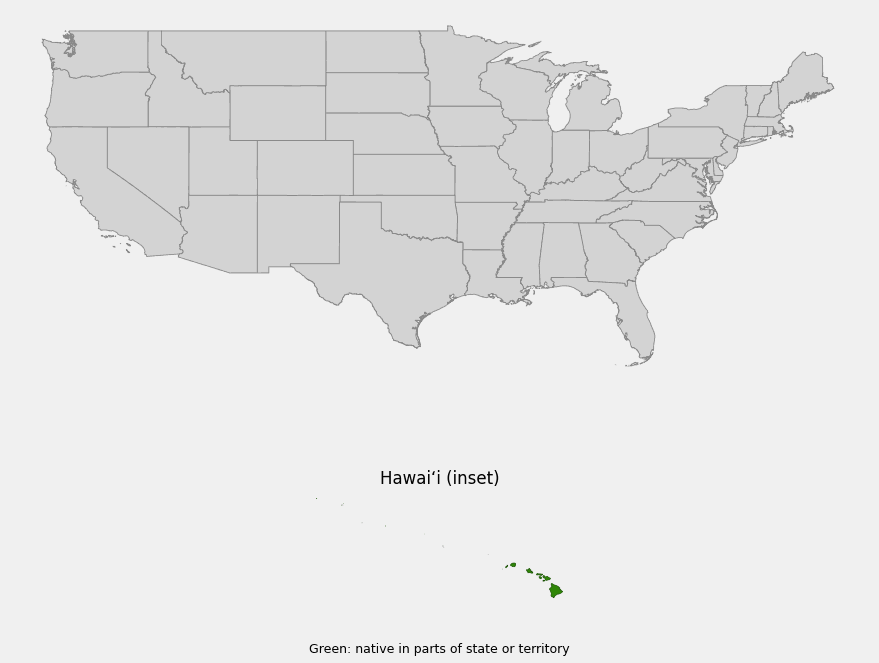
📋 Regional plant lists featuring Kāwelu: Hawaii
Growing & Care Guide
Kāwelu is one of the easiest native Hawaiian plants to grow. It thrives in hot, sunny, dry and windy coastal gardens, and it also does well inland at low to middle elevations. Buy plants or seed from Hawaiʻi native plant nurseries. If you garden outside Hawaiʻi, note that Hawaiʻi restricts bringing plants in from other states, and kāwelu is rarely sold on the mainland.
Light
Plant kāwelu in full sun. It tolerates light shade but becomes floppy and flowers less. In the wild it grows in open, exposed sites with no tree cover.
Soil & Water
Kāwelu grows in sand, cinder, rocky soils and even heavy clay, as long as water does not sit around the roots. It tolerates salt spray and wind. Water regularly for the first couple of months while the roots establish, then water only during long dry spells. Overwatering and rich, soggy soil make clumps soft and short-lived.
Planting Tips
Space plants about 2 to 3 feet apart for a meadow or mass planting, or use single clumps as accents among rocks and low shrubs. It looks good with naupaka, ʻilima, ʻakiʻaki and pōhuehue in coastal gardens, and it works well on slopes for erosion control. Avoid planting it next to aggressive invasive grasses, which can crowd it out.
Pruning & Maintenance
Clumps can be trimmed back to about 6 inches when they look ragged, ideally just before a rainy period so they regrow quickly. Some gardeners simply comb out old, dry leaves by hand. Clumps live for several years; replace tired ones with seedlings, which often appear on their own. Keep the area free of weedy grasses.
Propagation
Kāwelu is easy to grow from seed. Sow the tiny seed on the surface of a fine, well-drained mix and keep it moist; it usually germinates within a couple of weeks. Clumps can also be divided, keeping a good portion of roots with each piece. Restoration projects on Laysan, Midway and Kahoʻolawe have grown it in large numbers from seed.
Landscape Uses
- Coastal gardens: a salt- and wind-tolerant bunchgrass for beachfront and seaside landscapes
- Erosion control: its dense fibrous roots hold sandy and eroded soils on slopes
- Native meadows: mass plantings or mixed with other low natives
- Habitat restoration: dunes, atolls and degraded dry lands, including Kahoʻolawe
- Ornamental grass: a fine-textured accent among rocks, xeriscapes and containers
Wildlife & Ecological Value
Kāwelu may look like a simple grass, but on the remote Northwestern Hawaiian Islands it is one of the most important plants for wildlife.
For Pollinators
Like most grasses, kāwelu is wind-pollinated, so it offers little nectar. Its clumps do shelter many native insects and spiders, and the seed heads are visited by small insects that feed on pollen and seed.
For Birds
On Laysan Island, the endangered Laysan finch (Telespiza cantans) hides its nests in kāwelu clumps, and the endangered Laysan duck (Anas laysanensis) relies on it for nesting cover. Seabirds such as wedge-tailed shearwaters, brown noddies and red-tailed tropicbirds nest among the clumps, and seed-eating birds feed on the grain.
For Mammals
Hawaiʻi’s only native land mammal is the Hawaiian hoary bat, which forages for insects over open grasslands and coasts. Introduced goats, deer and cattle graze kāwelu where they can reach it.
Ecosystem Role
Kāwelu binds sand and soil, slowing wind and water erosion on dunes, cliffs and degraded slopes. It is often a dominant ground cover on low islands, where it creates the sheltered microhabitat that nesting birds and many invertebrates need.
Cultural & Historical Uses
Native Hawaiians used kāwelu and other grasses as thatch for houses. Its several Hawaiian names, kāwelu, kalamalo and ʻemoloa, reflect how familiar the grass was across the islands.
The species was first described by the French botanist Charles Gaudichaud-Beaupré, who visited Hawaiʻi on the Freycinet expedition in 1819, and it was later moved to Eragrostis by Ernst Gottlieb von Steudel. Its species name, variabilis, refers to its many forms, which botanists once split into several species and varieties.
Today kāwelu is a workhorse of Hawaiian conservation. The U.S. Fish and Wildlife Service and its partners replanted it across Laysan after removing invasive sandbur, restoring nesting habitat for the Laysan finch and Laysan duck. The Kahoʻolawe Island Reserve Commission has planted it to stabilize the eroded soils of that island, and it is now a common sight in native gardens on every island.
Frequently Asked Questions
Is kāwelu native to Hawaiʻi?
Yes. Kāwelu (Eragrostis variabilis) is endemic to the Hawaiian Islands, which means it grows wild nowhere else. It is found on all the main islands and the Northwestern Hawaiian Islands.
Is kāwelu easy to grow?
Yes. It is one of the easiest native Hawaiian plants to grow. Give it full sun and well-drained soil, water it while it establishes, and then water only in long droughts.
Can kāwelu grow at the beach?
Yes. It tolerates salt spray, wind, sand and drought, and it grows naturally on coastal dunes and sea cliffs, which makes it an excellent grass for seaside gardens.
Will kāwelu spread through my garden?
It forms clumps and does not spread by runners. It can reseed itself in open, sunny spots, but seedlings are easy to pull or move.
Why is kāwelu important to birds?
On Laysan and Midway, kāwelu provides nesting cover for the endangered Laysan finch and Laysan duck and for many seabirds. Restoring kāwelu has been central to recovering those birds’ habitat.

Looking for a nursery that carries Kāwelu?
Browse our native plant nursery directory: Hawaii

