When to Fertilize Beet in New Mexico for Optimal Growth and Yield
Last updated: November 28, 2026
Gardeners in New Mexico who want healthy beets need to get fertilization timing right. The best time to fertilize beets here is just before planting and again when plants are about 4 to 6 weeks old.
This timing gives the soil a nutrient boost to help beets establish strong roots in New Mexico’s dry climate.
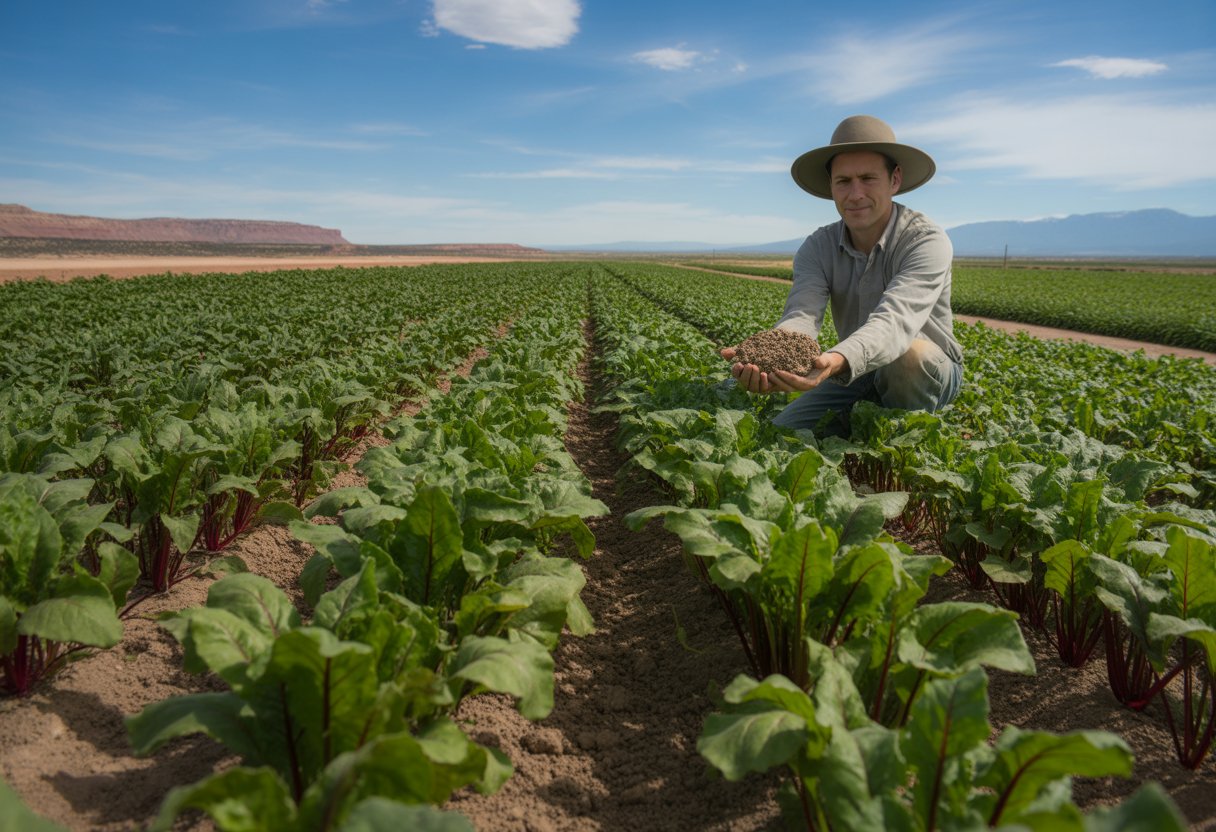
New Mexico’s soil and climate are unique, so you have to think about soil pH and moisture. If you fertilize at the wrong time, your beets might end up stunted or just not taste right.
Knowing when to apply fertilizer helps you dodge nutrient problems and keeps you from overdoing it.
Best Fertilization Timing for Beet in New Mexico
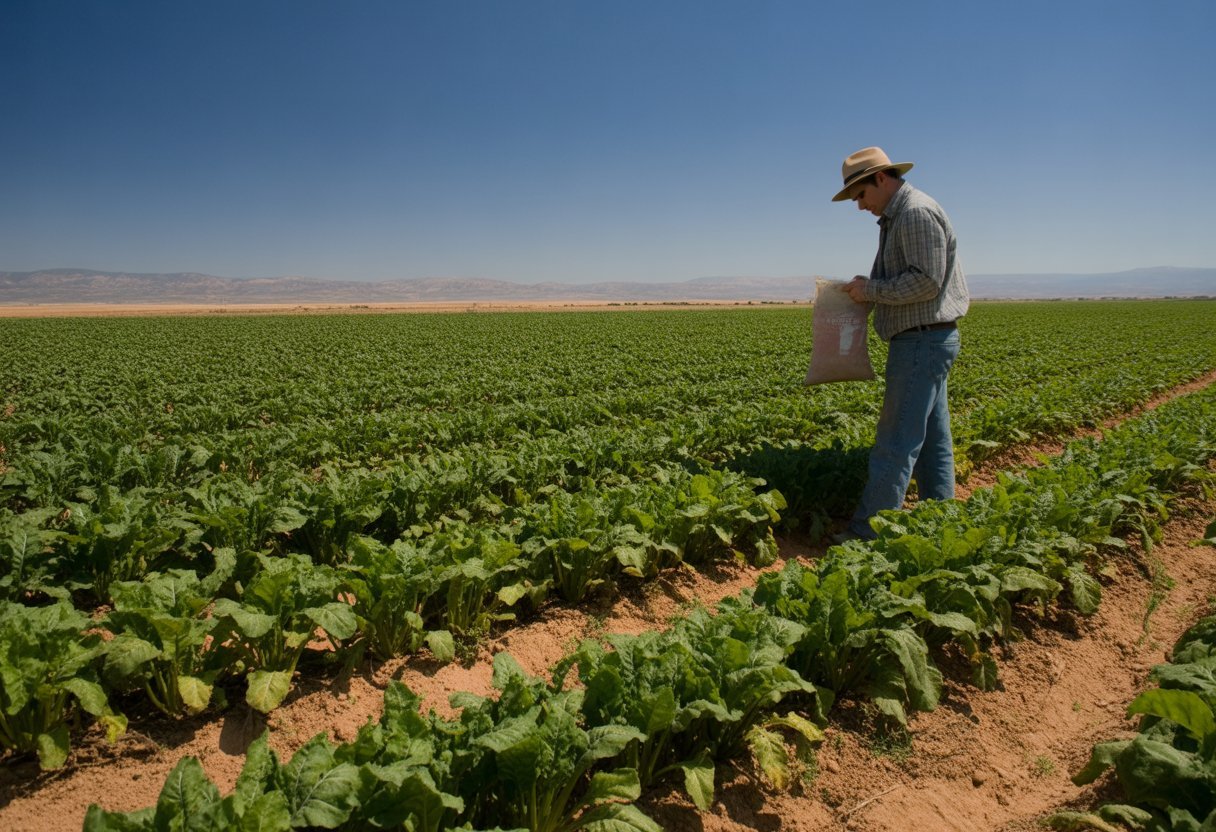
Fertilizing beets in New Mexico means matching your schedule to the local climate and the plant’s growth stages. When you hit the right window, beets soak up nutrients and grow solid roots—whether you’re growing red beets or sugar beets.
Understanding Local Growing Seasons
Growing seasons in New Mexico shift a lot depending on elevation and climate. Down south, you might get going as early as March, but up north or at higher elevations, you’ll probably wait until April or May.
Beets like cooler weather, so they do best in early spring or late summer. They really get going when it’s between 50°F and 70°F, and the soil needs to be at least 40°F for seeds to sprout.
Try to fertilize when the soil’s warming up and roots are starting to stretch out. If you fertilize too early while the soil’s still cold, the plants just can’t take up nutrients as well.
Adjusting Fertilizer Application by Last Frost Date
New Mexico’s last frost date isn’t the same everywhere, but it usually falls between late March and mid-April. You’ll want to time fertilizer just before or right after this date, so young beet plants don’t get damaged.
Spreading a nitrogen-rich fertilizer about two weeks before planting helps prep the soil. Then, side-dress with phosphorus and potassium during the first four to six weeks so roots get what they need.
Keep an eye on the weather, since heavy rains after frosts can wash away fertilizer. It’s smart to adjust your timing if the frost date jumps around—no sense stressing your beets.
Recommended Planting Schedules for Beets
Try to match your planting schedule with your fertilizer plan. In southern New Mexico, plant beets from early March to early April for a spring harvest. If you’re up north, mid-April to early May works better.
There’s also a second shot for a fall harvest—plant from late July to early August when things cool off again. Fertilize at planting and once more halfway through to keep nutrients coming.
Sugar beets need an early spring start and balanced fertilizer, especially nitrogen and potassium, if you want good sugar content. Red beets can get by with a bit less nitrogen but love phosphorus for their roots.
Soil Preparation and Nutrient Management
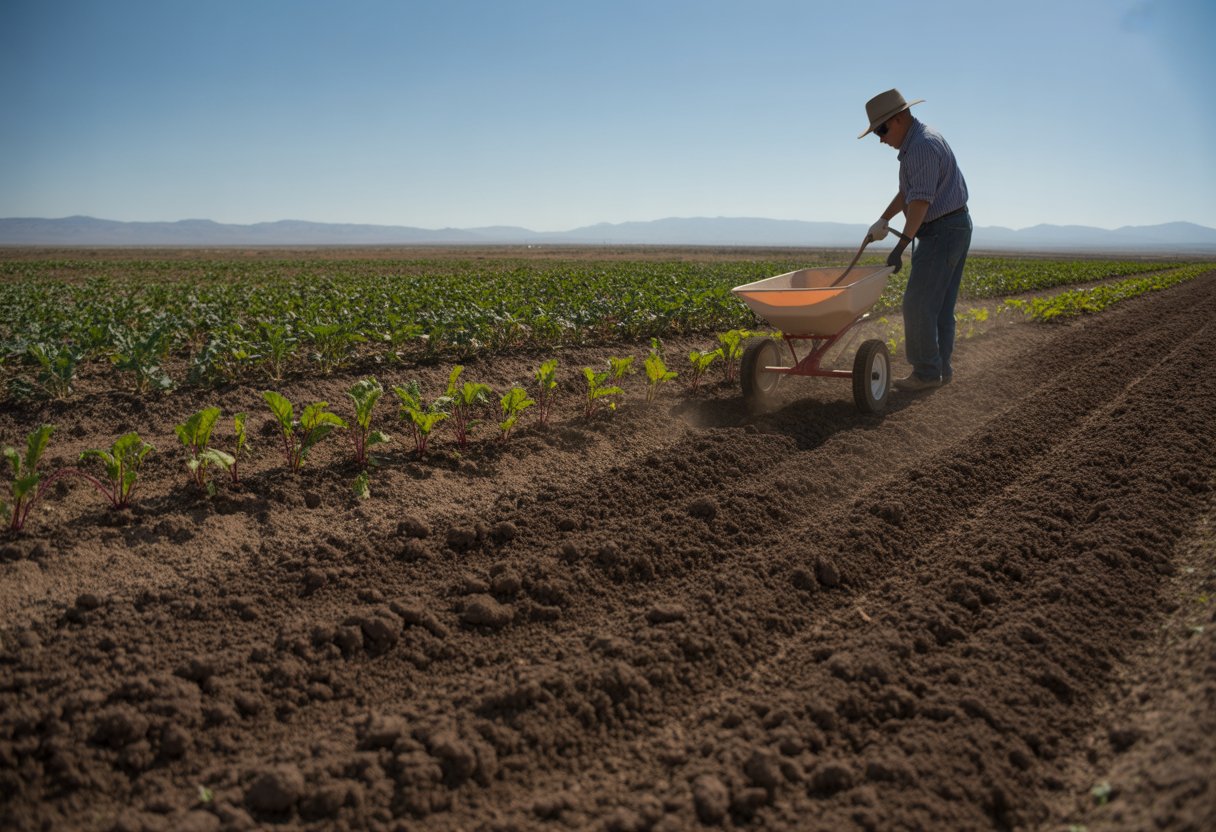
If you want good beet yields, you’ve got to prep the soil and manage nutrients. Soil testing, drainage, and crop rotation all play a part.
Basics of Soil Testing and Amendment
Soil testing tells you what nutrients you’re working with and your soil’s pH. In New Mexico, sample your soil at least a month before planting, so you have time to fix any issues.
Tests usually check for nitrogen, phosphorus, potassium, and organic matter. If you’re low on potassium, use potassium sulfate or muriate of potash. If your pH isn’t between 6.0 and 7.0, add lime to adjust it.
Mix amendments into the top 6-8 inches of soil. Try to test your soil every couple of years. Too much nitrogen can make beets leafy but skinny on roots, so don’t overdo it.
Optimal Garden Soil and Drainage for Beets
Beets need loose, fertile soil that drains well. Heavy clay or compacted ground just messes up their roots.
Add compost or other organic matter to fluff up the soil and help it breathe. If your spot tends to get soggy, raised beds or mounded rows can help water drain off.
Don’t go overboard with tilling or you’ll compact the soil. Use a broadfork or spading fork to loosen things up with less damage. Mulch helps keep moisture in and protects against wild temperature swings—pretty important in New Mexico’s dry climate.
Essential Nutrients: Potassium and Compost
Potassium really matters for beets—it boosts both size and sweetness. New Mexico soils often need extra potassium, especially if they’re sandy or have been gardened a lot. Aim for 60 to 90 pounds per acre.
Compost gives your soil organic matter, micronutrients, and good microbes. Spread 2-3 inches of well-aged compost before planting and mix it in. Compost also helps fight compaction and keeps nutrients around longer.
Try to balance your fertilizer—potassium, phosphorus, and nitrogen all matter. Don’t go heavy on nitrogen or you’ll get more leaves than roots.
Cover Crops and Crop Rotation Practices
Cover crops like alfalfa and legumes add nitrogen and boost soil health. Plant them in fall or early spring before you put in beets. Legumes help cut down on how much fertilizer you’ll need.
Rotate beets with non-root crops like leafy greens every couple of years. That way, you break up pest and disease cycles that target root veggies. Don’t plant beets in the same spot year after year.
Cover crops also loosen up the soil and give microbes a boost. Working their leftovers into the ground before planting beets just makes the soil better.
Fertilizer Application Practices and Considerations
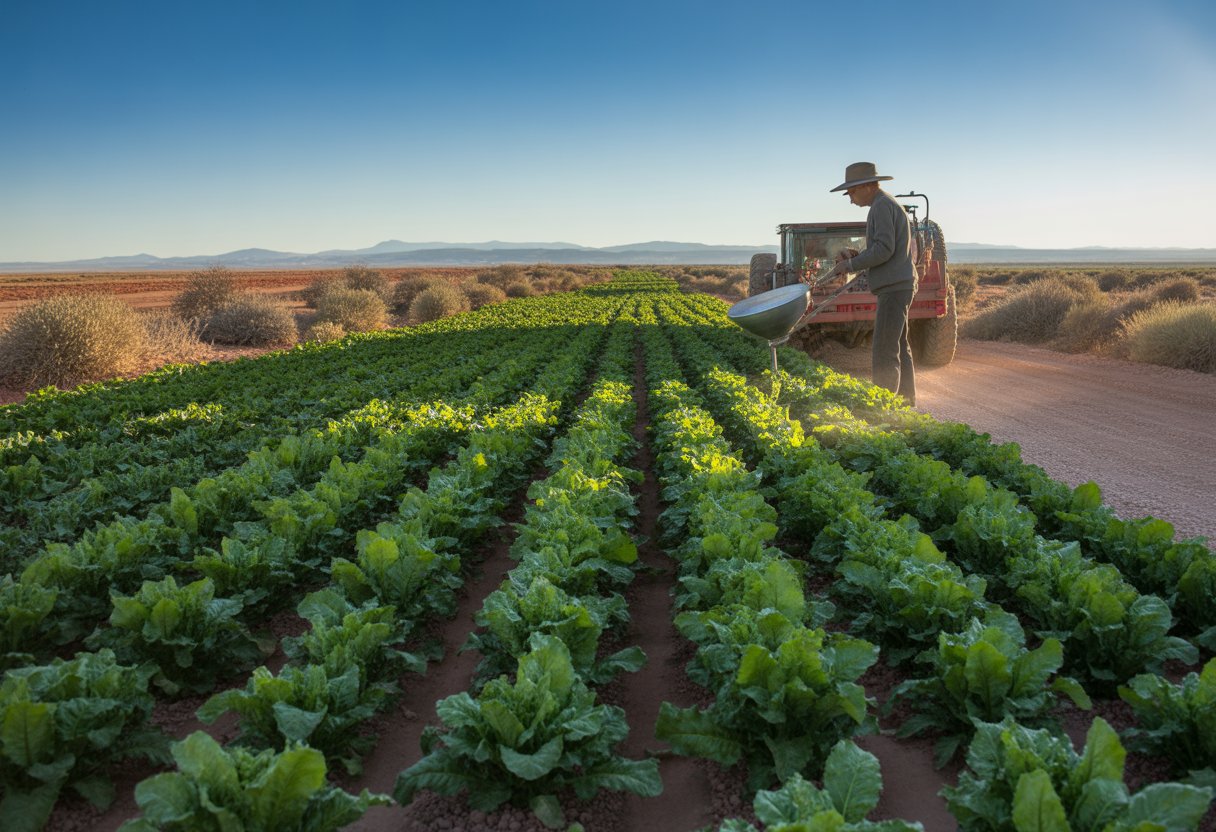
Fertilizing well isn’t just about what you use—it’s how and when you use it. Gardeners in New Mexico should focus on quality, method, and keeping an eye on plant health all season.
Types of Fertilizers for Beet Crops
Beets like balanced fertilizers with nitrogen (N), phosphorus (P), and potassium (K). A 10-10-10 or 10-20-10 mix works well before or at planting.
Organic options like composted manure or fish emulsion are great if you want to build up soil health. For container gardening, slow-release fertilizers save you from having to feed as often.
If you’re using non-GMO beet seeds or transplants, don’t go heavy on nitrogen—it’ll just make the tops grow. Phosphorus is key at the start for roots, and potassium helps with disease resistance and root size.
Application Methods for Different Garden Settings
In a regular vegetable garden, try side-dressing fertilizer in bands a couple inches from the beet row. For established plants, foliar sprays with liquid fertilizer can give a quick boost.
Containers need more frequent, weaker feedings since they lose nutrients faster. Mix slow-release granules into the potting mix before you plant. For transplants, use a mild starter solution so you don’t fry the young roots.
Monitoring Plant Health and Adjustments
Check your beets often. If the leaves turn yellow, you probably need more nitrogen. Purpling can mean a phosphorus shortage.
If roots look stunted, test for potassium. Test your soil before planting and after fertilizing, so you don’t throw things out of whack.
Watch for visual signs and adjust your fertilizer and timing as the plants grow. From planting to harvest, beets need steady nutrition, but not too much of any one thing.
Environmental and Pest Factors in Beet Cultivation
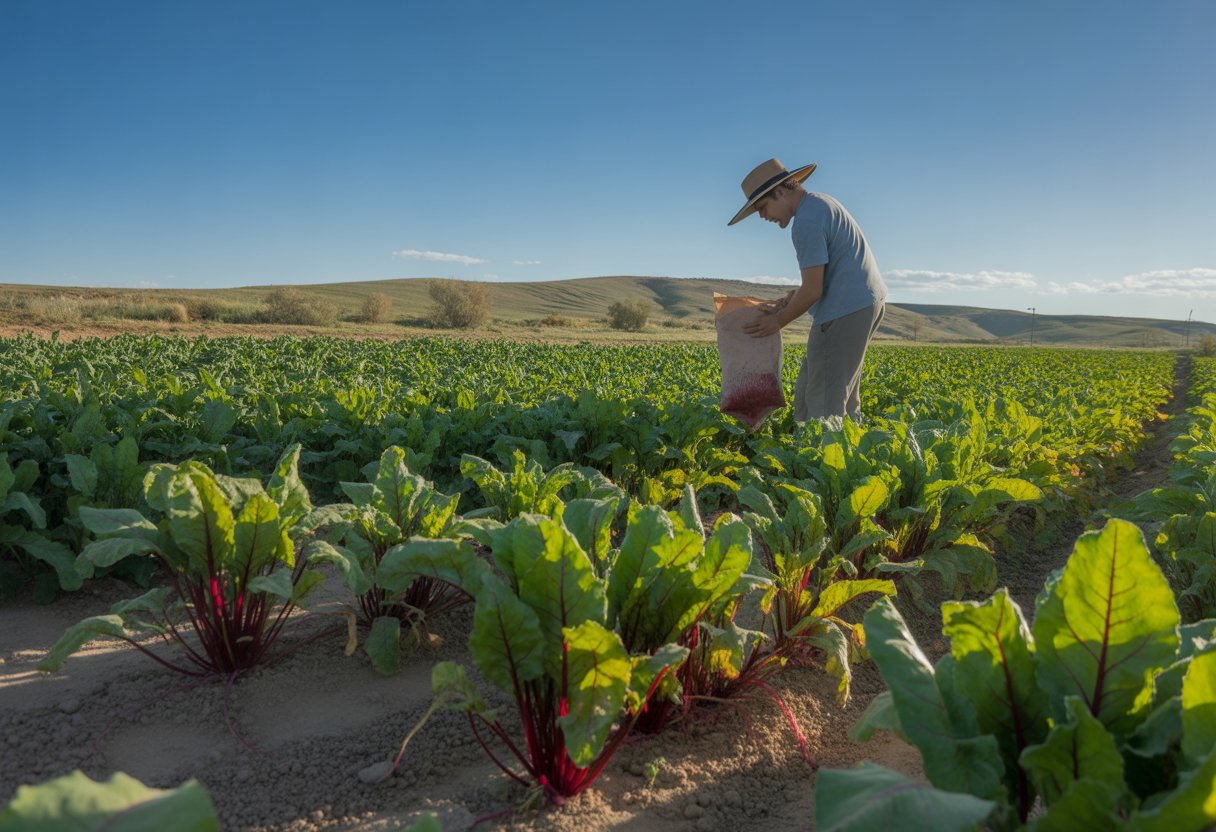
Beet growth in New Mexico depends a lot on sunlight, water, and keeping pests in check. You’ll want to tweak your approach based on the local climate and what your garden throws at you.
Sunlight Requirements: Full Sun vs. Partial Shade
Beets really want full sun—shoot for 6 to 8 hours a day. In places like Las Cruces, the strong sun pushes photosynthesis and root growth.
When it gets super hot, some partial shade in the afternoon can help keep leaves from burning and stop plants from bolting. If you plant beets near taller crops like peppers or tomatoes, they’ll get a little break from the heat.
Beets can handle a bit of shade, but if it’s too much, roots stay small and growth slows way down.
Managing Irrigation for Optimal Growth
Beets need steady moisture—if you let them dry out or flood them, roots suffer and sugars drop. In New Mexico’s dry air, drip irrigation keeps soil evenly moist without drowning the plants.
How often you water depends on your soil. Sandy soil dries out fast and might need daily watering. Clay hangs onto water longer, so you can water less often.
Keep the soil damp but not soggy. Too much water brings root rot and pests, while too little makes roots tough and woody.
Nearby crops like onions or tomatoes can change how much water your beets need. Watch your plants and adjust as you go—controlled watering keeps them healthy and fends off disease.
Pest Control and Common Diseases
Beets in New Mexico have to deal with leafhoppers, aphids, and spider mites. These pests chew up foliage and spread viral diseases faster than you’d expect.
If you want to keep things under control, try some pest control options like insecticidal soaps. Or, honestly, letting chickens forage in the fields can help reduce pest numbers in a way that feels almost old-fashioned.
Cercospora leaf spot and powdery mildew show up a lot, especially when humidity is high or air circulation is lousy. Growers should avoid overcrowding their beets and make a habit of rotating crops, especially after growing peppers or tomatoes.
Keeping an eye on your plants and jumping in early makes a real difference. Fertilizing at the right time and managing irrigation well can help your beets stay healthy enough to shrug off most pests and diseases.