Lizard’s Tail (Saururus cernuus)
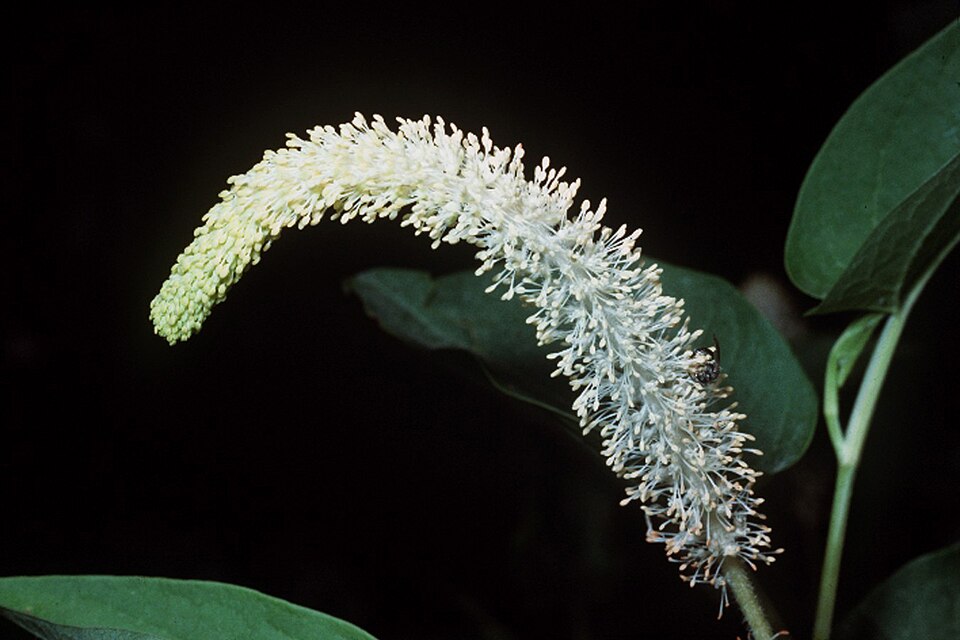
Saururus cernuus, universally known as Lizard’s Tail, is one of the most graceful and ecologically important native aquatic perennials of eastern North America. This single-genus, single-species member of the Saururaceae family is native to freshwater wetlands across a broad swath of the eastern United States, where it forms lush colonies along the margins of streams, rivers, ponds, and marshes. The plant earns its whimsical common name from the long, slender, arching flower spikes that droop and curve at the tip — a perfect botanical likeness of a lizard’s tail.
In the Mid-Atlantic states of Maryland, Virginia, and West Virginia, Lizard’s Tail is a familiar sight in shaded swamps, stream edges, floodplain forests, and the margins of freshwater tidal marshes along Chesapeake Bay tributaries. It blooms from June through September, producing fragrant white flower spikes that light up the shadowy wetland understory and attract a diverse array of insects. The large, heart-shaped leaves and spreading rhizomatous growth create dense, attractive stands that provide vital habitat for frogs, salamanders, aquatic invertebrates, and wetland birds.
For native plant gardeners and restoration practitioners, Lizard’s Tail is an exceptional choice for wet areas, pond margins, rain gardens, and shaded bog gardens. It is more ornamental than many aquatic natives — the fragrant flowers, attractive foliage, and graceful form make it garden-worthy in addition to ecologically valuable — and it establishes quickly from rhizome divisions, making it easy to propagate and share. Few plants better embody the beauty and ecological richness of Mid-Atlantic freshwater wetlands.
Identification
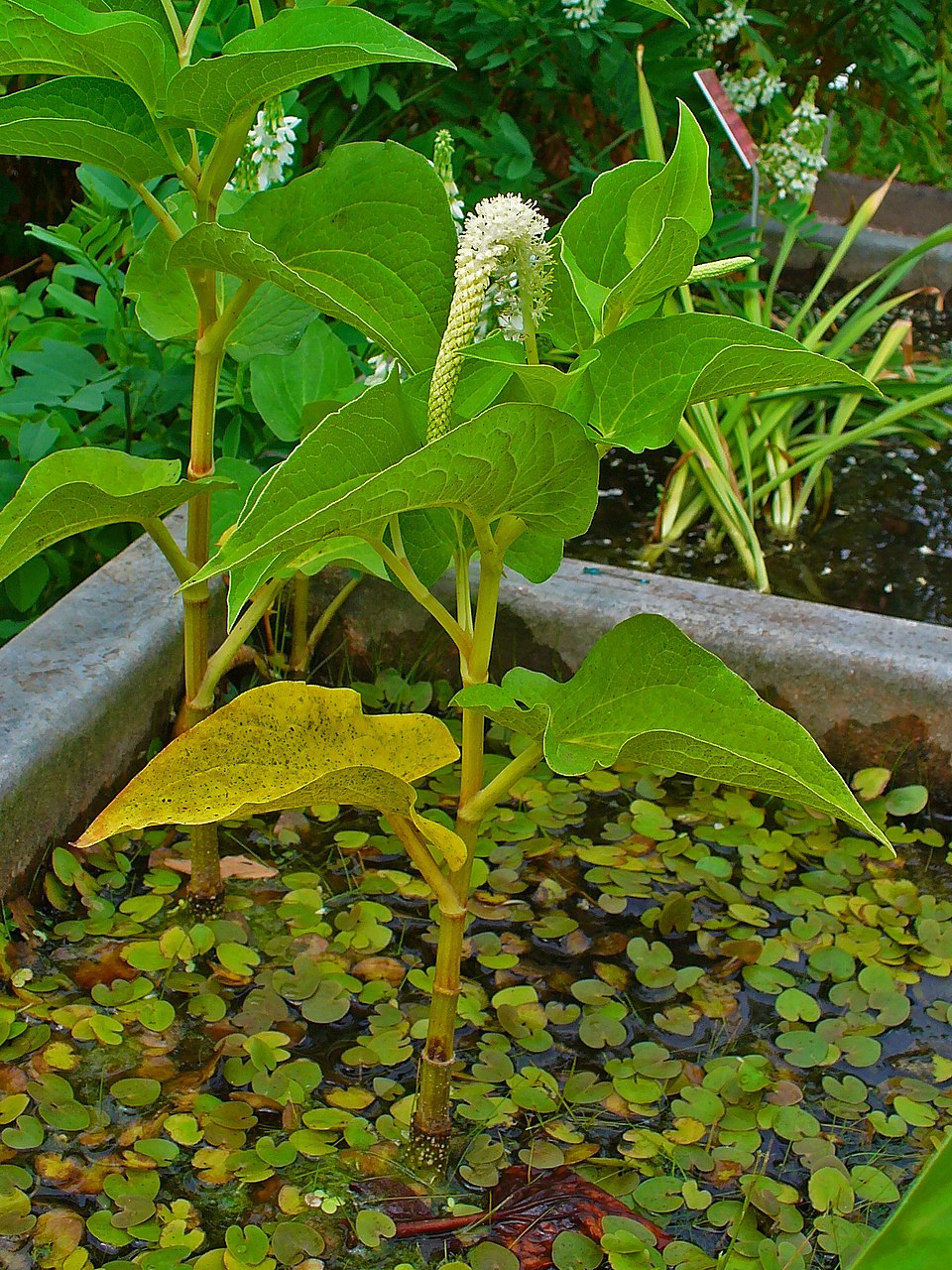
Lizard’s Tail is a robust emergent perennial herb, typically growing 1 to 3 feet (30–90 cm) tall above the water or soil surface. It spreads extensively by creeping rhizomes to form dense, interlocking colonies. The stems are jointed (similar to a bamboo-like structure), round to slightly flattened, and often tinged with red at the nodes. The overall impression is lush, tropical, and vigorous.
Leaves
The leaves are among the most attractive features of Lizard’s Tail. They are large, heart-shaped (cordate), 3 to 6 inches (8–15 cm) long, with a deeply notched base, pointed tip, and smooth margins. The leaf surface is smooth and somewhat glossy, deep green above and slightly paler below, with prominent palmate veins radiating from the leaf base. The leaves are alternate on the stem and have long petioles (leaf stalks) that clasp the stem at their base. In autumn, the foliage turns yellowish before dying back.
Flowers & Fruit
The flowers are borne on a distinctive, slender, arching spike (raceme) 4 to 12 inches (10–30 cm) long that droops gracefully at its tip — the “lizard’s tail” itself. Individual flowers are tiny and lack petals, but they are arranged densely along the spike and are white to cream in color, giving the entire spike a soft, fluffy, fragrant appearance when in bloom. The fragrance is sweet and somewhat vanilla-like, noticeable from a distance in calm weather. Flowers bloom from June through September, with peak blooming in midsummer. After pollination, the spike straightens somewhat as small, wrinkled, spongy fruits (nutlets) develop — these float and are water-dispersed.
Quick Facts
| Scientific Name | Saururus cernuus |
| Family | Saururaceae (Lizard’s Tail) |
| Plant Type | Aquatic / Emergent Perennial |
| Mature Height | 1–3 ft |
| Sun Exposure | Full Sun to Part Shade |
| Water Needs | High (aquatic/emergent) |
| Bloom Time | June – September |
| Flower Color | White (fragrant) |
| Fragrance | Sweet, vanilla-like |
| USDA Hardiness Zones | 4–9 |
Native Range
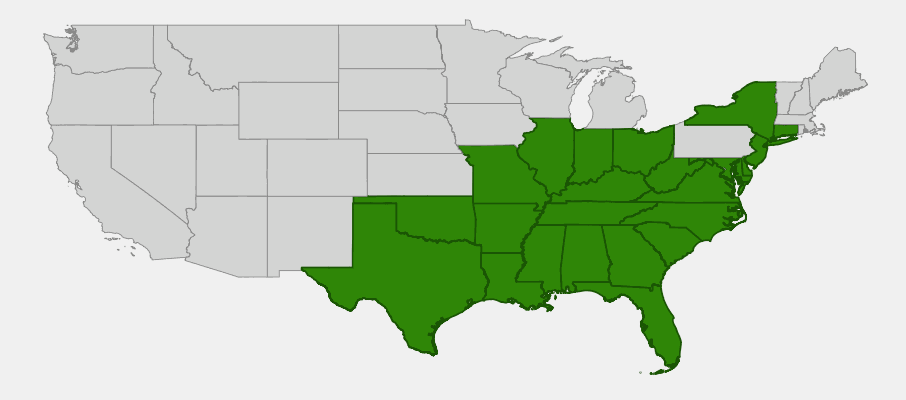
Lizard’s Tail is native to wetlands throughout a large portion of eastern North America, ranging from New England and the Great Lakes south through the Mid-Atlantic states and into Florida, and west through the Gulf Coast states to Kansas and Nebraska. It is particularly common and abundant in the Coastal Plain and Piedmont regions of the Mid-Atlantic, where freshwater tidal marshes, swampy bottomlands, and stream-edge wetlands provide ideal habitat. In Maryland, Virginia, and West Virginia, it is a characteristic plant of low-elevation wetlands and shaded swamp forests.
Within the Mid-Atlantic region, Lizard’s Tail is most abundant in the tidal freshwater marshes of the Chesapeake Bay watershed — appearing throughout the Coastal Plain and Piedmont portions of Maryland and Virginia wherever slow streams, ponds, and wetlands provide shallow, still or slow-moving water with access to full sun or partial shade. It extends up into West Virginia in river valley bottomlands and beaver pond margins at lower elevations.
Globally, the genus Saururus contains only two species: S. cernuus in North America and S. chinensis (Asian Lizard’s Tail) in eastern Asia — a classic example of the eastern North American/eastern Asian disjunct distribution pattern seen in many plant genera, reflecting the ancient geological connection of these two regions.
📋 Regional plant lists featuring Lizard’s Tail: Maryland, Virginia & West Virginia
Growing & Care Guide
Lizard’s Tail is one of the easiest and most rewarding native aquatic plants to grow. It is vigorous, adaptable to a range of conditions, establishes quickly, and is attractive throughout the growing season — from the emergence of the large, glossy leaves in spring to the fragrant summer blooms and the yellow fall color before winter dieback.
Light
Lizard’s Tail is naturally adapted to grow in light to moderate shade — the dappled shade of swamp forests and shaded stream banks — making it one of the most useful native aquatic plants for partially shaded water gardens and stream edges. It also grows well in full sun as long as it has adequate water, and will produce more flowers in sunnier conditions. It is one of the few aquatic natives that genuinely thrives in shaded pond margins under trees, where other aquatics often struggle.
Soil & Water
Lizard’s Tail thrives in saturated soil or standing water up to 6 inches deep. It grows in mucky, organic-rich wetland soils and is tolerant of a range of soil textures and pH from slightly acidic to neutral. The plant is not suited to dry conditions — it requires consistently moist to wet soil at minimum, and will be most vigorous and floriferous in standing water or at the very edge of the waterline. In water gardens, plant it in submerged containers to contain spread, setting the pot so the soil surface is at or just below the water surface.
Planting Tips
Plant Lizard’s Tail from rhizome divisions or container stock in spring or early summer. Divisions establish quickly — cut rhizome sections 4 to 6 inches long with at least one bud and plant them horizontally just below the soil surface in wet soil or shallow water. Space plants 18 to 24 inches apart in restoration plantings; they will spread rapidly to fill in. For formal water gardens, plant in submerged fabric pots filled with moist topsoil to limit the naturally vigorous spread.
Pruning & Maintenance
Lizard’s Tail requires minimal care. Cut back dead stems in late winter before new growth begins in spring. The plant spreads vigorously by rhizome and may need periodic thinning (every 3–5 years) to prevent it from overwhelming smaller neighbors in contained settings. In naturalistic restoration plantings, no maintenance is needed — allow it to colonize freely. It is rarely browsed by deer and has no significant pest or disease problems.
Landscape Uses
- Shaded pond and stream margins — thrives where other aquatics fail under tree canopy
- Freshwater tidal garden — excellent for restored freshwater tidal marshes
- Bog and rain garden — one of the best natives for the wet zone of rain gardens
- Wetland restoration — fast-establishing pioneer for freshwater wetland creation
- Fragrant water garden feature — the sweet-scented flowers are a unique ornamental bonus
- Erosion control — dense rhizome network stabilizes streambanks and pond edges
Wildlife & Ecological Value
Lizard’s Tail plays an important and multifaceted role in freshwater wetland ecosystems, providing food, habitat, and breeding sites for a wide range of species.
For Birds
The dense stands of Lizard’s Tail provide nesting and cover habitat for marsh-nesting birds including Common Yellowthroat, Marsh Wren, Virginia Rail, and Sora. The plant’s structure — tall, leafy, and dense — creates the concealment these secretive species require. The seeds are consumed by dabbling ducks, and the plant’s invertebrate-rich habitat supports the insect and crustacean prey that breeding marsh birds depend on during nesting season.
For Mammals
Muskrats consume Lizard’s Tail rhizomes and stems, and dense stands provide runways and concealment for these semi-aquatic rodents. Nutria (an introduced pest in some areas) also eat the rhizomes. White-tailed Deer may browse the emergent foliage at water edges. The aquatic habitat created by dense Lizard’s Tail colonies is important foraging habitat for raccoons and mink.
For Pollinators
Lizard’s Tail flowers are visited by a variety of native bees, flies, and beetles. The sweet fragrance is particularly effective at attracting small native bees, and the dense flower spikes provide rich nectar and pollen rewards. The late blooming season (June–September) fills an important gap in wetland flower resources during the hot summer months. Sweat bees, small bumblebees, and various hover flies (Syrphidae) are among the most frequent visitors.
Ecosystem Role
As one of the most productive emergent plant species of southeastern and Mid-Atlantic freshwater wetlands, Lizard’s Tail plays a central role in wetland ecosystem function. Its dense growth intercepts and slows runoff, promotes sediment deposition, and filters nutrients — making it a valuable component of natural and constructed water quality buffers. The decomposing stems and leaves feed the aquatic detrital food web, and the plant’s floating seeds are efficiently water-dispersed to colonize new habitats. Lizard’s Tail colonies also provide critical overwintering sites for amphibians, particularly salamanders and frogs that overwinter in the mud beneath dense wetland plant stands.
Cultural & Historical Uses
Lizard’s Tail has a well-documented history of use among Indigenous peoples of eastern North America. Various nations used the roots medicinally — the roots were applied as a poultice to wounds and sores, and a root tea was reportedly used for fever and headache by several tribes including the Rappahannock and other Virginia Algonquian peoples. The plant’s striking appearance — with its arching white flower tails — made it a recognizable and memorable feature of wetland landscapes throughout its range.
Early European botanists were captivated by Lizard’s Tail as a botanical curiosity — a monotypic North American genus with only a single Asian relative, illustrating the ancient biogeographic connections between the two continents. The plant appeared in early American botanical collections and was described in detail by colonial-era naturalists. John Bartram, one of America’s first botanists, noted the plant in his botanical explorations of the Mid-Atlantic region in the 18th century.
In modern horticulture, Lizard’s Tail is one of the most eagerly sought native wetland plants for naturalistic water gardens and wetland restorations in the Mid-Atlantic and Southeast. Its combination of ornamental appeal — the graceful flower spikes, fragrant blooms, attractive foliage — with ecological integrity makes it a plant that satisfies both garden aesthetics and conservation goals. It is increasingly used in constructed wetland systems for stormwater treatment, where its vigorous growth and tolerance of nutrient-rich conditions make it effective at nitrogen and phosphorus uptake.
Frequently Asked Questions
Is Lizard’s Tail invasive?
No — Lizard’s Tail (Saururus cernuus) is a native North American plant and is not invasive in its natural range. It does spread vigorously by rhizome and can form large colonies, which is actually desirable in most naturalistic wetland settings. In formal water gardens, contain it in submerged pots to manage its spread.
Why is it called Lizard’s Tail?
The flower spike — a long, slender, gracefully drooping raceme that curves at the tip — strongly resembles a lizard’s tail. This evocative common name has been in use since the colonial era and perfectly captures the plant’s most distinctive ornamental feature.
Does Lizard’s Tail grow in shade?
Yes — it is one of the few native aquatic plants that genuinely thrives in partial to moderate shade. In nature it commonly grows under the canopy of swamp forests and along shaded stream banks. This makes it invaluable for shaded pond margins under trees, where most aquatics struggle to establish and bloom.
Is the fragrance of Lizard’s Tail noticeable?
Yes — the flowers have a sweet, pleasant, somewhat vanilla-like scent that can be noticed from several feet away in calm conditions. This makes the plant a notable addition to any wetland or water garden where visitors will be walking nearby during the summer blooming period.
When does Lizard’s Tail die back in winter?
Lizard’s Tail is a deciduous perennial — it dies back completely to the rhizome after the first hard frosts in fall, typically in October or November in the Mid-Atlantic region. New growth emerges in spring when soil temperatures warm above 50°F, typically in April or May.

Looking for a nursery that carries Lizard’s Tail?
Browse our native plant nursery directory: Maryland · Virginia · West Virginia