Loblolly Pine (Pinus taeda)
Pinus taeda, the Loblolly Pine, is one of the most important and widespread native trees of the eastern United States — a commercially, ecologically, and historically dominant species that defines the character of forests from the Maryland coastal plain south through the piedmont and coastal plain of the Carolinas, Georgia, and the Gulf Coast states. Its name comes from the American colonial word “loblolly,” meaning a mudhole or low, wet area — a reference to the moist, poorly drained sites where it commonly grows, though it is far more broadly adapted than that origin suggests.
As the dominant tree in managed southeastern pine forests and a frequent early-colonizer of abandoned fields and disturbed sites, Loblolly Pine has an outsized ecological role. It grows rapidly — often 2 to 3 feet per year in favorable conditions — eventually reaching 50 to 90 feet in height with a straight, clear trunk topped by an open, irregular crown. Its long, dark green needles (6 to 9 inches, in bundles of three), substantial cones (3 to 5 inches), and scaly, orange-brown bark are characteristic and recognizable across much of the Mid-Atlantic landscape.
Ecologically, Loblolly Pine is a keystone species for pine-adapted wildlife. Its dense seed crops feed large numbers of birds, including Red-cockaded Woodpeckers, Brown-headed Nuthatches, and Pine Warblers, which are almost entirely dependent on southern pine forests. The tree’s rapid growth makes it an invaluable early-successional habitat species, quickly providing shade, nesting sites, and food in recently disturbed areas. For gardeners and restorationists in the Mid-Atlantic coastal plain and piedmont, Loblolly Pine is an ecologically essential native tree.
Identification
Loblolly Pine is a fast-growing, tall evergreen conifer. Young trees have a strongly pyramidal form; mature trees develop an irregular, open, rounded or flat-topped crown. The trunk is typically straight and self-pruning — lower branches die naturally as the tree grows, leaving a clear, tall bole on older specimens in dense stands.
Bark
The bark on young trees is dark gray-brown and rough, divided into flat, scaly plates separated by reddish-brown furrows. On mature trees, the bark becomes more deeply furrowed and develops a characteristic orange-brown or russet tone in the furrow bottoms — a useful identification feature visible from a distance. When fresh, the bark has a distinctive resinous pine scent.
Needles
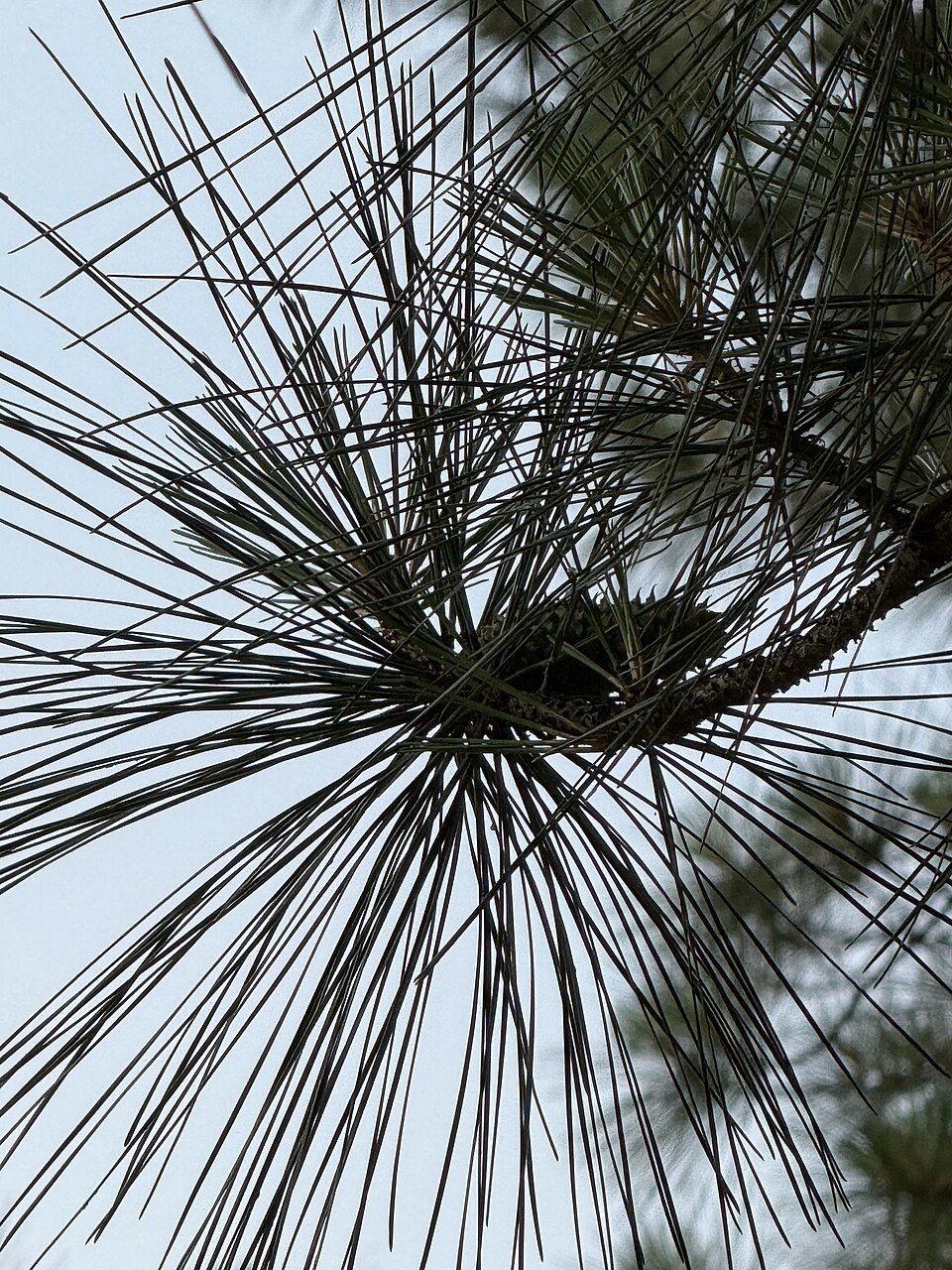
The needles are the classic identification feature: 6 to 9 inches long (longer than most eastern pines), dark glossy green, and arranged in bundles of three. Each needle is slightly twisted and has fine serrations along the margins. The needle clusters are dense enough to give the tree an overall lush, dark green appearance. Needles persist for 2 years before dropping. Fallen needles accumulate in a deep, loose mat on the forest floor beneath the tree.
Cones & Seeds
The cones are substantial — 3 to 5 inches long — ovoid to cylindrical, with each scale tipped by a short, stout prickle. Green when developing, cones turn tan-brown at maturity in fall. Each scale bears two winged seeds about 1/4 inch long, distributed by wind. Loblolly Pine produces heavy seed crops, especially in mature trees, and seeds are a significant food source for birds and small mammals.
Quick Facts
| Scientific Name | Pinus taeda |
| Family | Pinaceae (Pine) |
| Plant Type | Evergreen conifer (tree) |
| Mature Height | 50–90 ft |
| Sun Exposure | Full Sun |
| Water Needs | Low to High (very adaptable) |
| Bloom Time | February – April (wind-pollinated) |
| Flower Color | N/A (conifers produce pollen cones, not true flowers) |
| USDA Hardiness Zones | 6–9 |
Native Range
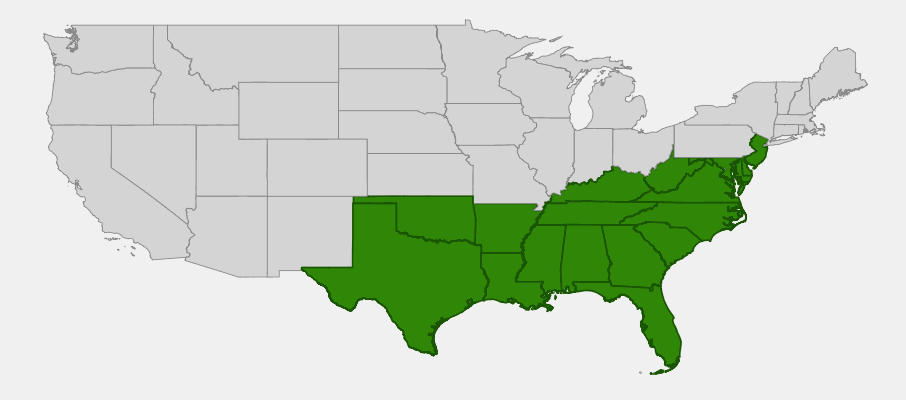
Loblolly Pine is the most widely distributed of the southern yellow pines, native from southern New Jersey and Delaware south through Maryland, Virginia, and West Virginia to Florida, and west to eastern Texas. It ranges across the entire Atlantic coastal plain and piedmont, extending into the Appalachian foothills in the Carolinas, Tennessee, and Georgia. In Maryland, it is native to the coastal plain and lower piedmont, particularly in Prince George’s, Anne Arundel, Calvert, Charles, St. Mary’s, and the Eastern Shore counties.
Loblolly Pine dominates many forest types in its range, particularly on moist, clay-heavy soils of the piedmont and coastal plain. It is the primary tree in vast managed pine plantations throughout the South, but also forms significant components of natural mixed pine-hardwood forests alongside Sweetgum (Liquidambar styraciflua), Tulip Poplar (Liriodendron tulipifera), various oaks, and Red Maple.
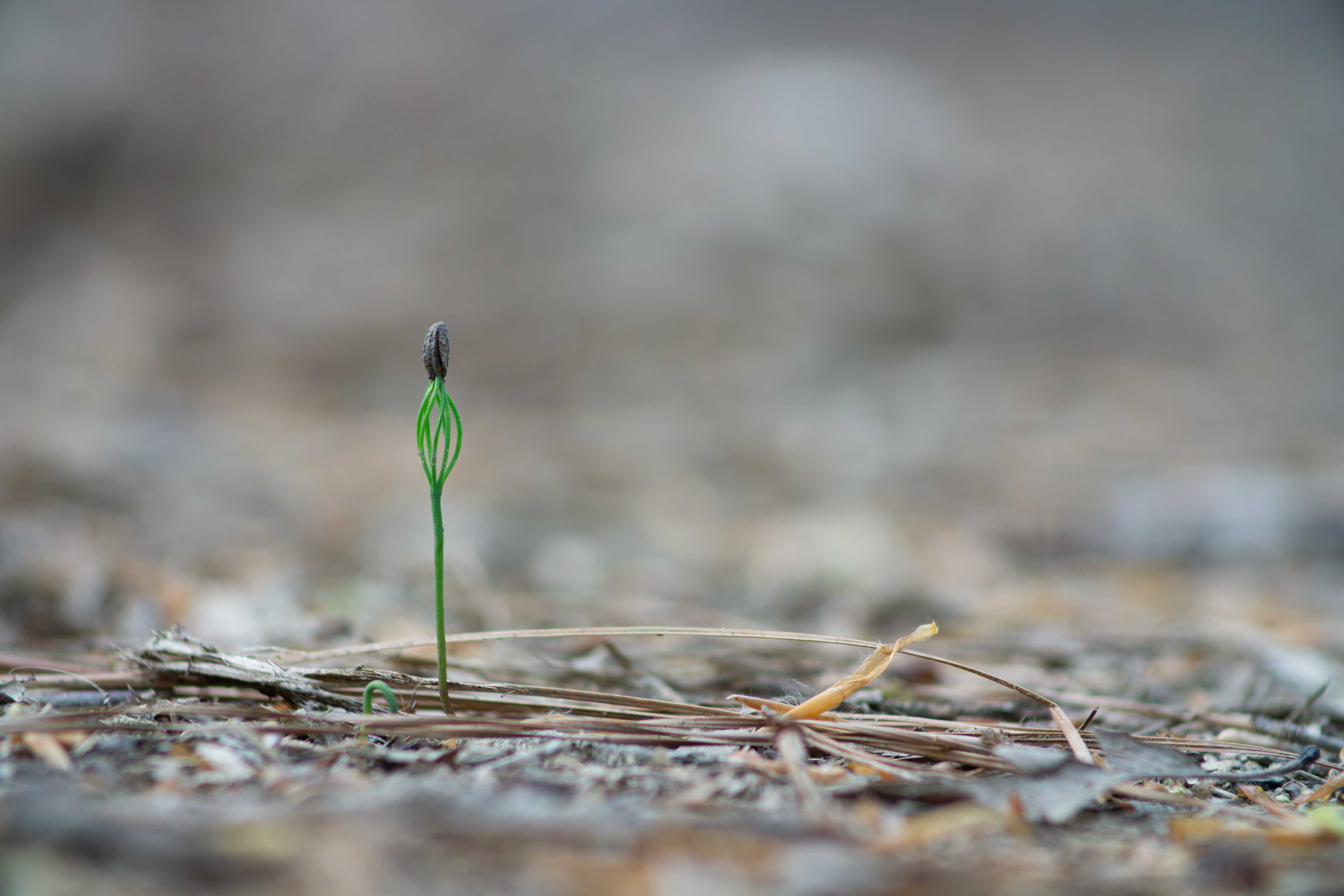
The species is a remarkably successful early-successional colonizer. After agricultural abandonment, fire, or other disturbance, Loblolly Pine seeds in rapidly and can dominate a site within 5–10 years. Without periodic fire or cutting, it is eventually succeeded by shade-tolerant hardwoods. In the absence of fire suppression, it dominated fire-adapted pine savannas and flatwoods that once characterized much of the Mid-Atlantic coastal plain.
📋 Regional plant lists featuring Loblolly Pine: Maryland, Virginia & West Virginia
Growing & Care Guide
Loblolly Pine is one of the easiest native trees to establish in the Mid-Atlantic, thanks to its fast growth rate, adaptability to a wide range of soil conditions, and tolerance of both wet and dry periods.
Light
Full sun is essential for Loblolly Pine. It is intolerant of shade, particularly as a seedling and young tree. Young trees planted in even partial shade will grow slowly, become leggy, and may eventually die. Choose a site with open, full sun exposure for the best growth and health.
Soil & Water
Loblolly Pine is remarkably adaptable: it grows in acidic sandy soils, heavy clay piedmont soils, moist bottomland soils, and well-drained upland sites. It is one of the few pines that performs well in wet, poorly drained soils — it can tolerate periodic flooding. It also tolerates drought once established, though prolonged drought stress increases susceptibility to bark beetle attack. The ideal soil is moist, well-drained, and slightly to moderately acidic (pH 4.5–6.0). Avoid highly alkaline soils.
Planting Tips
Container-grown or balled-and-burlapped specimens transplant well. Plant in fall for best root establishment before spring growth. Space trees at least 20 to 30 feet apart, as they can become very large trees. In naturalistic plantings, closer spacing (10–15 feet) creates a more forest-like effect and encourages natural self-pruning of lower branches. Mulch the root zone with 3 to 4 inches of pine needle mulch or bark chips to retain moisture and acidify the soil.
Pruning & Maintenance
Loblolly Pine requires minimal pruning. Natural lower-branch shed (self-pruning) will gradually clean up the trunk over 10–15 years in forest plantings. Remove dead or dying branches as needed. The tree is largely self-maintaining once established. Watch for Loblolly Pine sawfly (Neodiprion taedae) infestations on young trees; a strong jet of water or manual removal is often sufficient. Southern pine beetle (Dendroctonus frontalis) can kill stressed trees; maintaining tree vigor through appropriate watering during drought is the best prevention.
Landscape Uses
- Large native shade tree for open areas and large properties
- Fast-growing privacy screen or windbreak
- Reforestation and habitat restoration on disturbed sites
- Wildlife garden anchor tree providing seeds, nesting, and cover
- Coastal plain naturalistic woodland
- Street or parking lot tree on large commercial properties
Wildlife & Ecological Value
Loblolly Pine is one of the most wildlife-productive native trees in the Mid-Atlantic, supporting a diverse community of birds, mammals, and insects.
For Birds
The seeds are consumed by at least 30 species of birds, including Pine Siskin, American Goldfinch, Red Crossbill, White-winged Crossbill, Pine Warbler, Brown-headed Nuthatch, and Wild Turkey. Pine Warbler is perhaps the most iconic associate — it spends its entire life cycle in pine forests and depends heavily on Loblolly Pine seeds in winter. The mature trees with rough, deeply furrowed bark support Brown-headed and Red-breasted Nuthatches, which forage for insects in the bark crevices. Old trees with large-diameter trunks are cavity-nesters for Red-bellied Woodpecker, Downy Woodpecker, Hairy Woodpecker, and occasionally Great Horned Owl.
For Mammals
White-tailed Deer browse the lower branches and seedlings. Eastern Gray Squirrels and Fox Squirrels depend heavily on pine seeds, caching them for winter. Chipmunks, White-footed Mice, and Pine Voles consume seeds on the forest floor. Black Bear occasionally strips bark to feed on cambium layer in early spring. The dense canopy of older Loblolly Pines provides critical thermal cover for White-tailed Deer during cold winters.
For Insects & Ecosystem
Loblolly Pine supports more than 200 species of native caterpillars, including Pine Prominent Moth, Imperial Moth, and numerous species of pine-specialist moths. The dense needle litter creates a distinctive habitat for ground-dwelling beetles, spiders, ants, and other invertebrates. The pine-dominated acidic leaf litter creates a specific soil chemistry that supports acid-loving understory plants including native blueberries, trailing arbutus, and various native ferns.
Cultural & Historical Uses
Loblolly Pine has been central to the economy and culture of the southeastern United States for centuries. Algonquian-speaking peoples of the Chesapeake Bay region used the resin (pitch) as a waterproofing agent for canoes and baskets, as a medicinal salve for skin conditions and respiratory ailments, and as a fuel for torches and fire-making. The inner bark (cambium layer) was consumed in spring as a food source by some groups, providing starchy carbohydrates during the difficult period before summer crops were available.
European colonists quickly recognized the economic value of the southern pines. Loblolly Pine resin was a key ingredient in the “naval stores” industry — producing tar, pitch, turpentine, and rosin essential for maintaining wooden sailing vessels. North Carolina and Virginia were major naval stores producers in the colonial period, earning North Carolina the enduring nickname “The Tar Heel State.” Vast acreages of Loblolly and Longleaf Pine were “boxed” (notched) to collect resin, often with slave labor, in the 18th and 19th centuries.
Today, Loblolly Pine is the most commercially important timber tree in the United States, with more timber volume harvested annually than any other species. It is grown on vast planted forest estates throughout the South for lumber, paper pulp, plywood, and engineered wood products. Ongoing genetic improvement programs have produced “super-tree” loblollies with dramatically enhanced growth rates and disease resistance used in timber plantations. Despite — or because of — this intense commercial use, Loblolly Pine remains a vital component of southern forest ecosystems that supports biodiversity, carbon sequestration, and watershed protection across tens of millions of acres of the eastern United States.
Frequently Asked Questions
Is Loblolly Pine native to Maryland?
Yes — Loblolly Pine is native to Maryland’s coastal plain and lower piedmont. It is the dominant pine on Maryland’s Eastern Shore and is native south of the fall line throughout the state. In the Piedmont and mountains of western Maryland, Virginia Pine (Pinus virginiana) and Pitch Pine (Pinus rigida) are the native species.
How fast does Loblolly Pine grow?
Very fast — among the fastest-growing native trees in the East. Under good conditions, it commonly grows 2 to 3 feet per year when young and can reach 30 feet in 10 years. Growth slows as the tree ages, but young specimens are remarkably vigorous. This fast growth makes it excellent for quick screening and habitat creation.
Is Loblolly Pine good for wildlife?
Exceptionally so. It supports more than 30 bird species through its seeds alone, plus dozens of bird species that nest in it or forage on its bark insects. Numerous native caterpillar species (which form the base of the songbird food chain) depend specifically on pine species, making Loblolly Pine irreplaceable in its range.
What is the difference between Loblolly Pine and Virginia Pine?
Virginia Pine (Pinus virginiana) is smaller (20–40 ft) with shorter needles in bundles of 2, and is adapted to drier, rockier upland soils throughout the piedmont and mountains. Loblolly Pine is larger (50–90 ft) with longer needles in bundles of 3, and thrives on moist coastal plain and piedmont sites. In Maryland, Loblolly is the coastal plain pine while Virginia Pine dominates the piedmont.
Can Loblolly Pine grow in wet areas?
Yes — it is one of few pines tolerant of wet, poorly drained soils and even periodic flooding. It grows naturally in pocosins, flatwoods, and moist coastal plain flats where drainage is poor. This wet-site tolerance, combined with full-sun drought tolerance, makes it one of the most broadly adaptable native pines available.

Looking for a nursery that carries Loblolly Pine?
Browse our native plant nursery directory: Maryland · Virginia · West Virginia