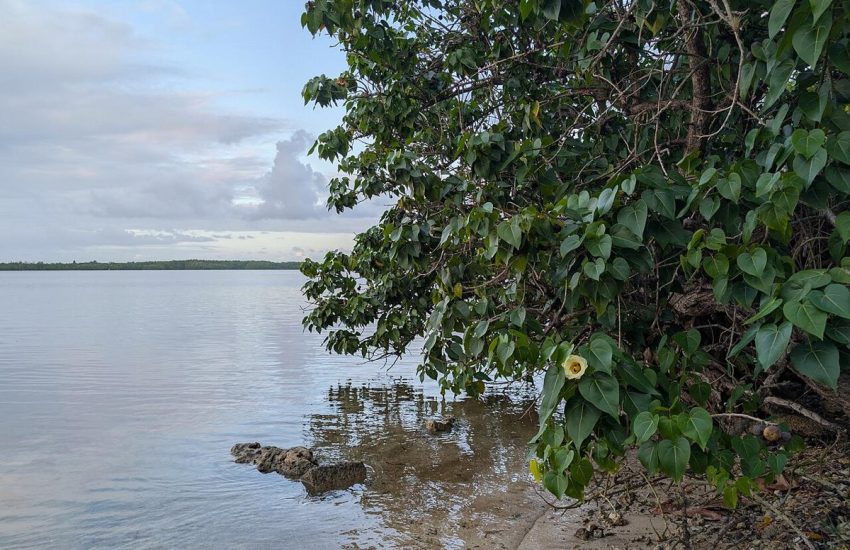
Loulu (Pritchardia remota)
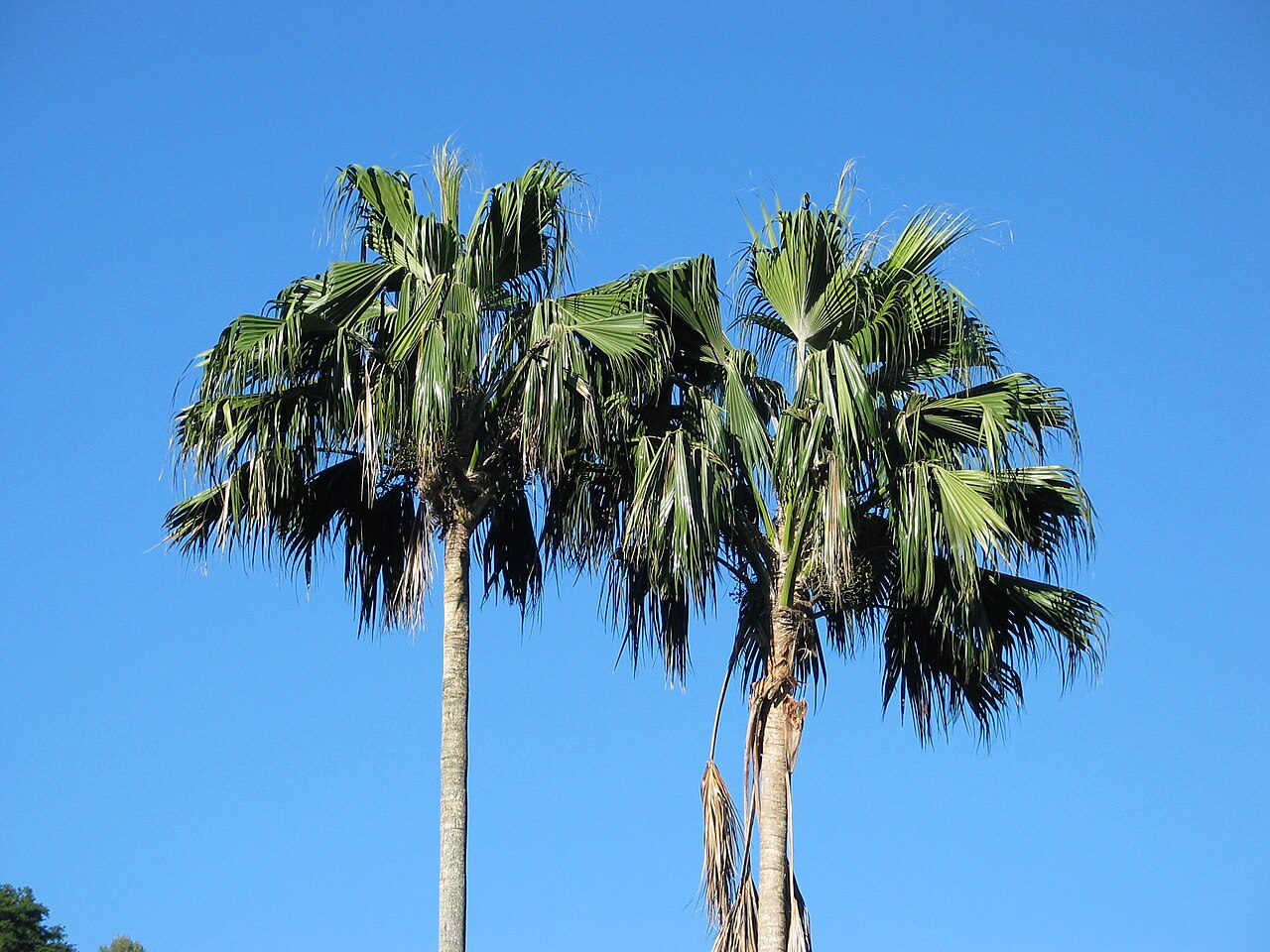
Pritchardia remota, known as Loulu or the Nīhoa fan palm, is a federally endangered native Hawaiian palm with a remarkable origin story: it survives in the wild only on Nīhoa, a tiny, remote, uninhabited island in the Northwestern Hawaiian Islands, where it is the island’s only native tree. Despite that precarious wild status, Loulu is today the most widely available and commonly cultivated of all Hawaiʻi’s native fan palms, grown successfully across the main islands and even beyond.
On Nīhoa, Loulu grows in just two valleys, surviving on freshwater seeps in an otherwise dry, grassy, treeless landscape. A catastrophic 1885 wildfire — accidentally started during a visit by Princess Liliʻuokalani’s party — destroyed most of the island’s palms, and the population has only slowly recovered since, now standing at roughly 1,100 individuals. In cultivation, however, Loulu is a fast, forgiving grower, reaching flowering maturity in as little as five years and tolerating heat, drought, wind, and salt spray far better than most of its Hawaiian relatives.
For Hawaiʻi gardeners wanting a genuinely native fan palm without years of patient waiting, Loulu is the obvious choice, with wavy, grayish-green fan fronds and a crown that fills in quickly. It is also at the center of modern conservation efforts, having been reintroduced to Midway Atoll and Laysan Island as living stand-ins for an extinct relative that once grew there.
Identification
Loulu grows up to 30 feet tall in cultivation, though wild Nīhoa plants typically reach only about half that height. The trunk is ringed to smooth, grayish-brown, and up to a foot in diameter. Plants can live for decades.
Fronds
The crown is made up of wavy, deeply divided blades with droopy, somewhat ragged-looking tips, waxy in texture and grayish to bluish green in color, with woolly hairs where each blade attaches to its leaf stalk. The leaf blades and leaf stalks are roughly equal in length.
Flowers
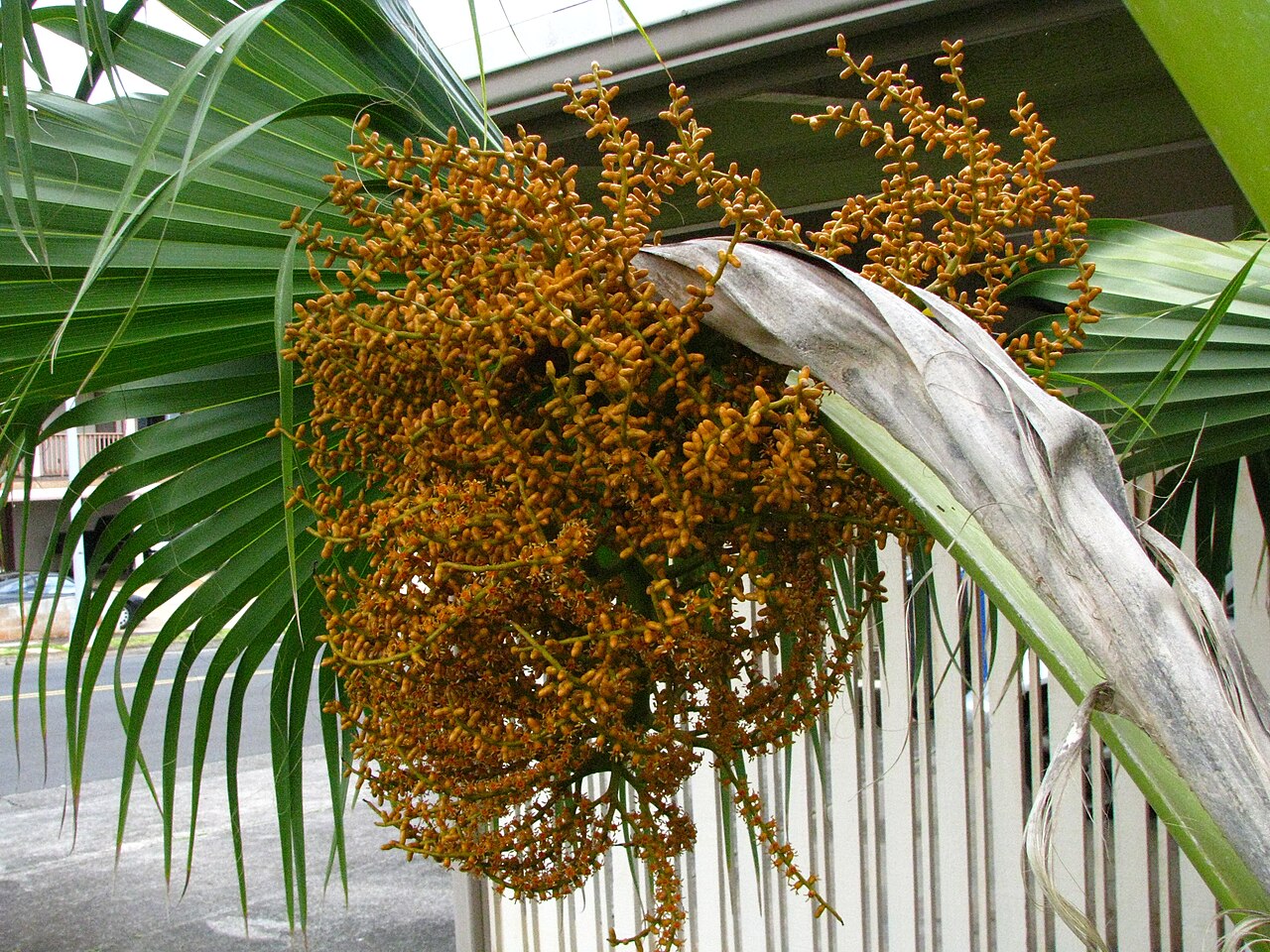
Each flower stalk carries up to five short, spreading to drooping, hairless primary branches — a key identification feature separating Loulu from its hairy-branched relative Pritchardia martii. Flowers are small, tubular, and orange-yellow, with dozens produced per inflorescence, though relatively few develop into fruit.
Fruit
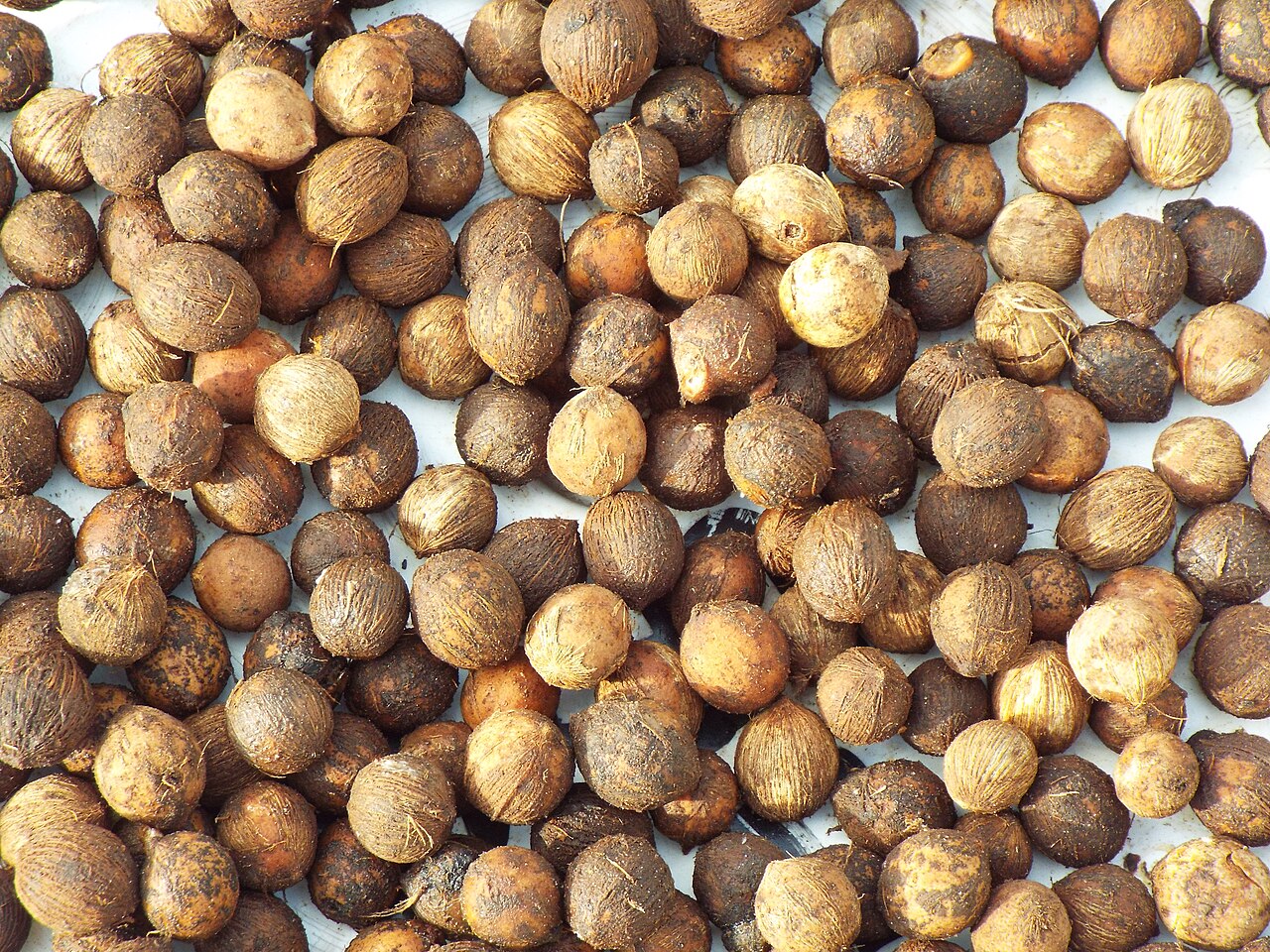
The fruit is small, shiny, single-seeded, and spherical, up to about 0.8 inches across, ripening from green to brown to black. It is the smallest fruit of the Hawaiian loulu species.
Quick Facts
| Scientific Name | Pritchardia remota |
| Family | Arecaceae (Palm) |
| Plant Type | Fan Palm |
| Mature Height | 15–30 ft in cultivation |
| Growth Rate | Fast (more than 1 ft/year) |
| Sun Exposure | Full Sun |
| Water Needs | Low to Moderate once established |
| Soil Type | Well-drained sandy, cinder, clay, or organic soils |
| Flower Color | Small, tubular, orange-yellow |
| Conservation Status | Federally Endangered |
| USDA Hardiness Zones | 10b–11 |
Native Range
Loulu is native to Nīhoa, a small island in the Northwestern Hawaiian Islands, where it grows in two valleys — East Palm Valley and West Palm Valley — at elevations of roughly 660 to 900 feet, relying on freshwater seeps in an otherwise arid landscape. It is Nīhoa’s only native tree species. Following taxonomic reclassification, the species is also now considered native to Niʻihau, where only a couple of individuals are known, on land that is privately held and not accessible for monitoring.
Loulu was almost certainly more widespread on Nīhoa before Polynesian settlement between roughly 1000 and 1700 AD, when palms were likely cleared for agriculture and used for construction; remnants of the species are still found growing among the island’s ancient agricultural terraces. A sizable population persisted until 1885, when an accidental wildfire during a visit by Princess Liliʻuokalani’s party destroyed most of the island’s palms. The population has since slowly recovered to around 1,100 individuals as of the most recent census.
Since the 2010s, Loulu has also been planted on Midway Atoll and Laysan Island in the Northwestern Hawaiian Islands as part of restoration efforts, standing in for an extinct, closely related species — the Laysan fan palm — that vanished after Laysan was mined for guano in the early 20th century. These plantings are a conservation introduction rather than part of the species’ historic native range. A related Oʻahu endemic, Loulu Hiwa (Pritchardia martii), is a larger, slower-growing relative restricted to the Koʻolau Range.
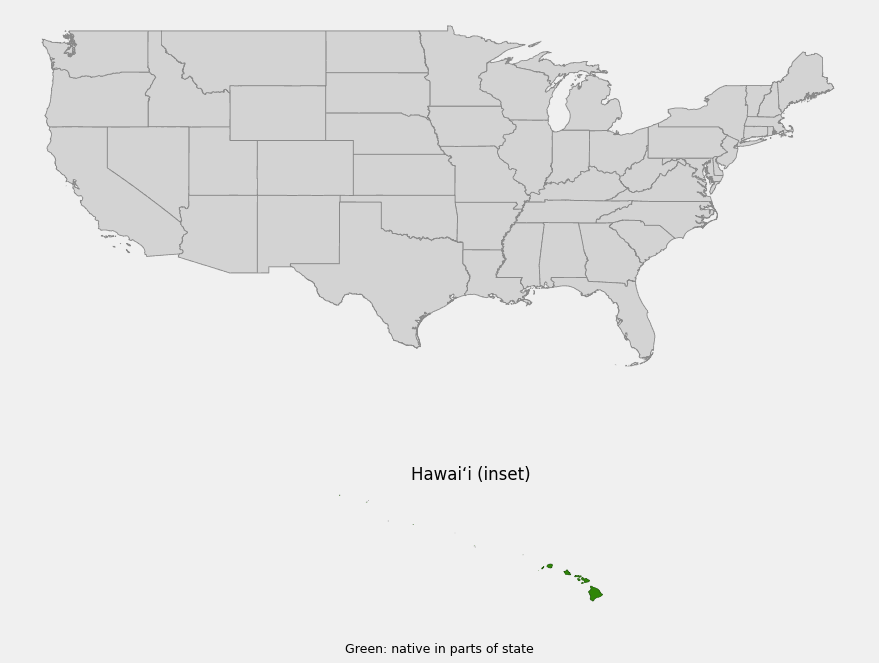
📋 Regional plant lists featuring Loulu: Hawaii
Growing & Care Guide
Loulu is the easiest native Hawaiian fan palm to grow for most gardeners, fast-growing and adaptable to a range of soils and conditions across the main islands.
Light
Plant Loulu in full sun for most or all of the day. It tolerates some shade as a young plant but will grow very slowly and stay stunted in constant heavy shade.
Soil & Water
Loulu is not picky about soil type as long as it drains quickly; it has been grown successfully in sandy, cinder, clay, and organic-rich soils. It tolerates heat, drought, strong wind, and some salt spray better than most other Hawaiian palms, making it well suited to warm, lowland, and coastal gardens.
Planting Tips
Because Loulu grows quickly and starts flowering and fruiting at a relatively young age — sometimes as early as five years — it rewards gardeners with results faster than most other native Hawaiian palms. Use a complete palm fertilizer with magnesium and potassium to prevent the yellowing and streaking that these deficiencies commonly cause.
Pruning & Maintenance
Remove only dead fronds and old fruit stalks, and avoid damaging the trunk or crown, since palms cannot regenerate a damaged growing tip. Skip pruning of healthy green fronds, which can stress the plant and invite pests like the banana moth.
Landscape Uses
- Specimen and accent planting for its fast growth and attractive wavy fronds
- Grouped plantings, three or five trees about ten feet apart, for a shaded gathering area
- Coastal and lowland landscapes, given its drought, heat, and salt tolerance
- Conservation plantings supporting recovery of this federally Endangered species
Wildlife & Ecological Value
On Nīhoa, Loulu provides nesting habitat for red-footed boobies and a perching spot for brown noddies, making it an important structural element for the island’s seabird colonies in addition to being its only tree. Its flowers also attract bees in both wild and cultivated settings.
Ecosystem Role
Pollen core evidence suggests that Pritchardia palms similar to this species were once extremely common across lowland Hawaiʻi, making up as much as half of the pollen recovered from some lowland soil samples before human settlement dramatically reduced their numbers. Nīhoa’s surviving Loulu population is a living link to that vanished lowland palm forest, and its use in restoration plantings on Midway Atoll and Laysan Island extends its ecological role into other threatened seabird habitats, a conservation theme explored further in our article on the benefits of planting native trees.
Cultural & Historical Uses
Like other Hawaiian loulu, this species’ leaves (lau hāwane) were traditionally used for thatching house roofs and for building small temporary heiau connected to fishing practices, while trunks served as spears and construction material. The fruit, called hāwane or wāhane, was peeled and its coconut-like endosperm eaten — green fruit in particular has a mild, gummy, coconut-like flavor — and seeds were likely used in lei-making. Ancient Nihoans, who inhabited the island before European contact, probably relied on the palm extensively, and some researchers suggest that overuse of the island’s limited freshwater and palm resources may have contributed to the community’s eventual abandonment of Nīhoa.
Today, Loulu fronds are still used for hats and fans, and its seeds are made into lei, continuing traditional uses into the present. Because it is the most readily available native Hawaiian fan palm, Loulu has also become a popular choice for native landscaping statewide, helping more gardeners connect with Hawaiʻi’s native flora even though the species survives naturally on just one remote island.
Frequently Asked Questions
Is Loulu really native to just one tiny island?
Yes, in the wild it survives naturally only on Nīhoa, with a few additional individuals on privately held Niʻihau. However, it has been widely and successfully cultivated across the main Hawaiian Islands and introduced to Midway Atoll and Laysan Island as part of conservation work.
Why did a wildfire nearly wipe out this species?
In 1885, a fire accidentally started during a visit by Princess Liliʻuokalani’s party destroyed most of Nīhoa’s loulu population. The species has slowly recovered since then but remains federally listed as Endangered.
Is the fruit of Loulu safe to eat?
Historically, Hawaiians ate the coconut-like endosperm of ripe hāwane fruit, and green fruit is sometimes described as tasting like mild coconut gummy candy. This guide presents this as historical and anecdotal use rather than a food safety recommendation, since fruit should only be sourced from known, correctly identified plants.
How fast does Loulu grow compared to other Hawaiian palms?
Quite fast for a native Hawaiian loulu — often more than a foot per year, reaching flowering maturity in as little as five years, compared to the much slower growth of relatives like Pritchardia martii.
Can I grow Loulu outside of Hawaiʻi?
Hawaiian loulu species, including this one, can survive in warm temperate to subtropical climates such as parts of California, and growing them outside Hawaiʻi is one way home gardeners can support the conservation of these endemic palms.

Looking for a nursery that carries Loulu?
Browse our native plant nursery directory: Hawaii