5 Standout Innovative Row Tarp for Commercial Growers Enhancing Crop Protection and Efficiency
We independently select all products and services. If you click through links we provide, Plant Native may earn a commission with no extra cost to you.
Last updated: November 26, 2026
Row tarps are a must-have for commercial growers looking to protect crops from unpredictable weather, pests, and weeds.
These covers go right over planting rows, helping to keep soil temperature and moisture in check. That can mean better plant growth, less stress, and, honestly, fewer headaches.
Row tarps have come a long way. Instead of just being basic plastic sheets, today’s row tarps use UV-resistant, tear-proof fabrics and smart designs that let plants breathe.
They’re not just for home gardens—these upgrades make a real difference for big farms where efficiency and crop health are everything.
If you’re picking out row tarps, you’ll want to think about material strength, size, and how well they fit your rows. Breathability matters too, since nobody wants overheated plants.
Weight and setup time can really impact labor costs. We researched a bunch of options and landed on five innovative row tarps that really stand out for commercial growers.
Best Standout Innovative Row Tarps for Commercial Growers
We picked out the top row tarps for commercial growers who need gear that’s tough, easy to use, and actually protects crops.
Each of these options brings something unique—whether it’s durability, user-friendliness, or just plain reliability.
Our top pick
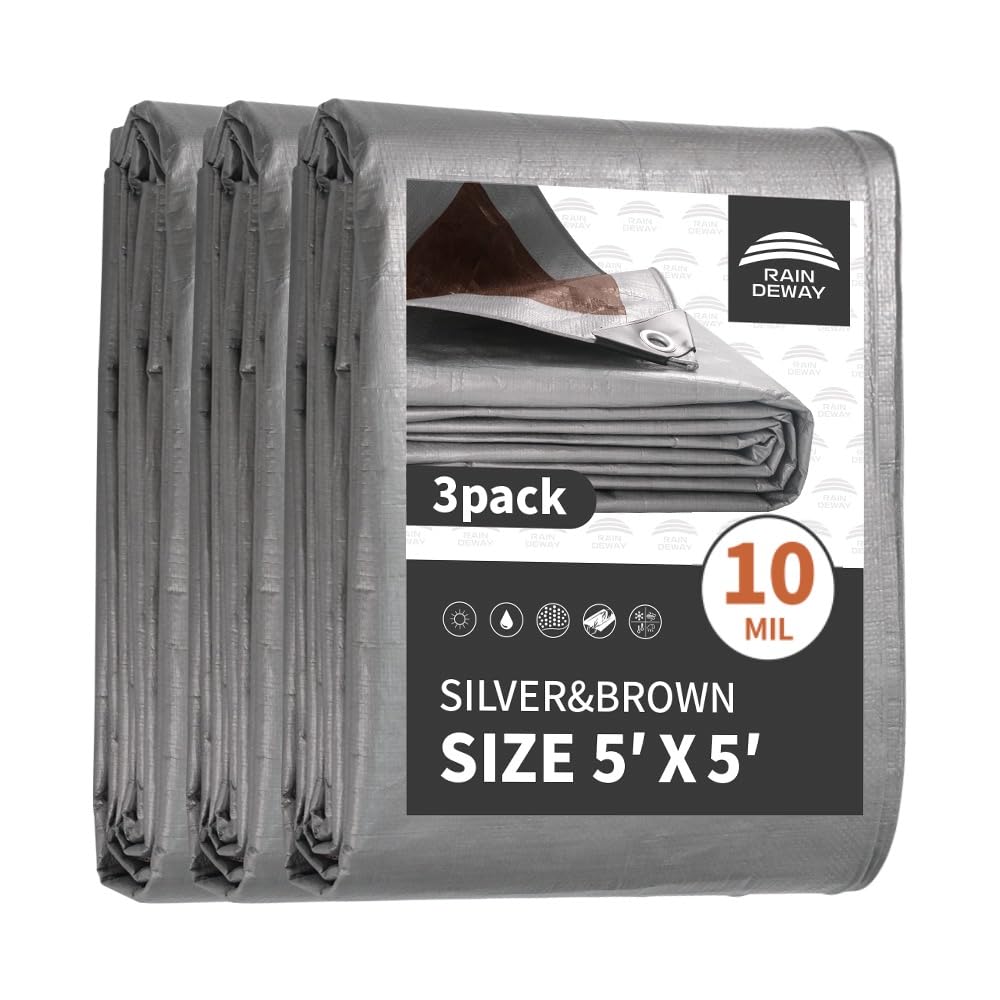
- Thick 10 mil polyethylene gives solid protection
- Reinforced edges with metal grommets stay strong under stress
- UV resistant, so it lasts outdoors
Cons
- Price runs a bit higher than some similar tarps
- The 5×5 size means you might need more than one for bigger areas
- It gets a little heavy—especially when wet
We tested these tarps in heavy rain and hot sun, and they didn’t let us down. The size you get matches what’s advertised, which is always a relief.
Grommets are spaced evenly and reinforced, so we fastened the tarps tight without worrying about tears. That really helped when wind tried to lift them off the rows.
If you’re covering a lot of ground, you’ll probably need to overlap several tarps. It’s a bit more work, but the toughness makes up for it.
Best runner-up
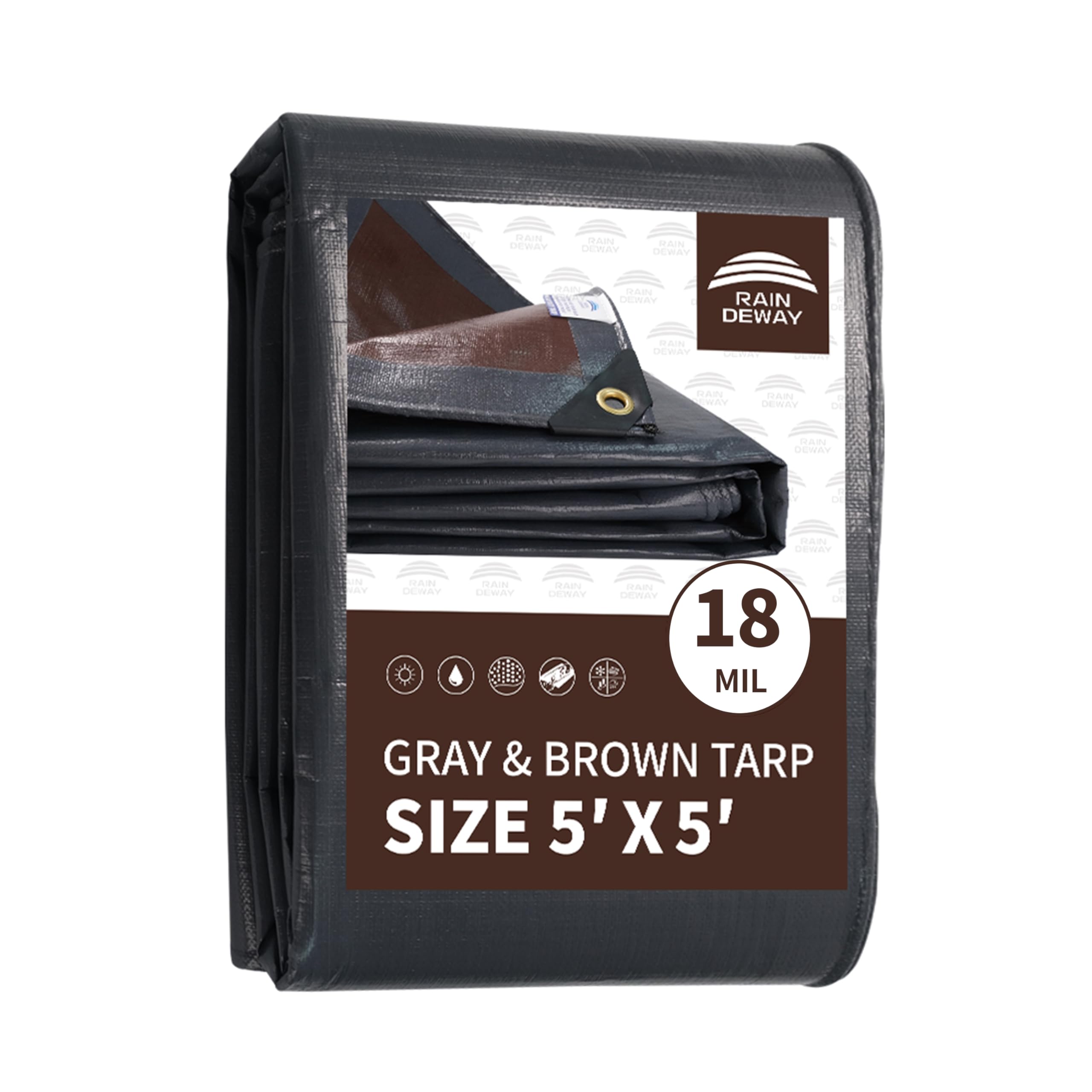
- Thick 18 mil material stands up to rips and punctures
- Reinforced edges and metal grommets keep it anchored
- Dual color sides—handy for different uses
Cons
- Heavier, so setup can be a pain
- Grommet spacing might not fit everyone’s setup
- Not a ton of size options for big fields
We used this tarp through some nasty weather, and it handled heavy storms better than the thinner tarps we’ve tried.
The metal grommets give you strong tie-down points, though the 18-inch spacing sometimes means you’ll want extra fasteners.
Having both brown and gray sides is surprisingly useful—you can pick based on sunlight or just what looks better. If you want strength and weather resistance, this one’s a safe bet.
Best budget option
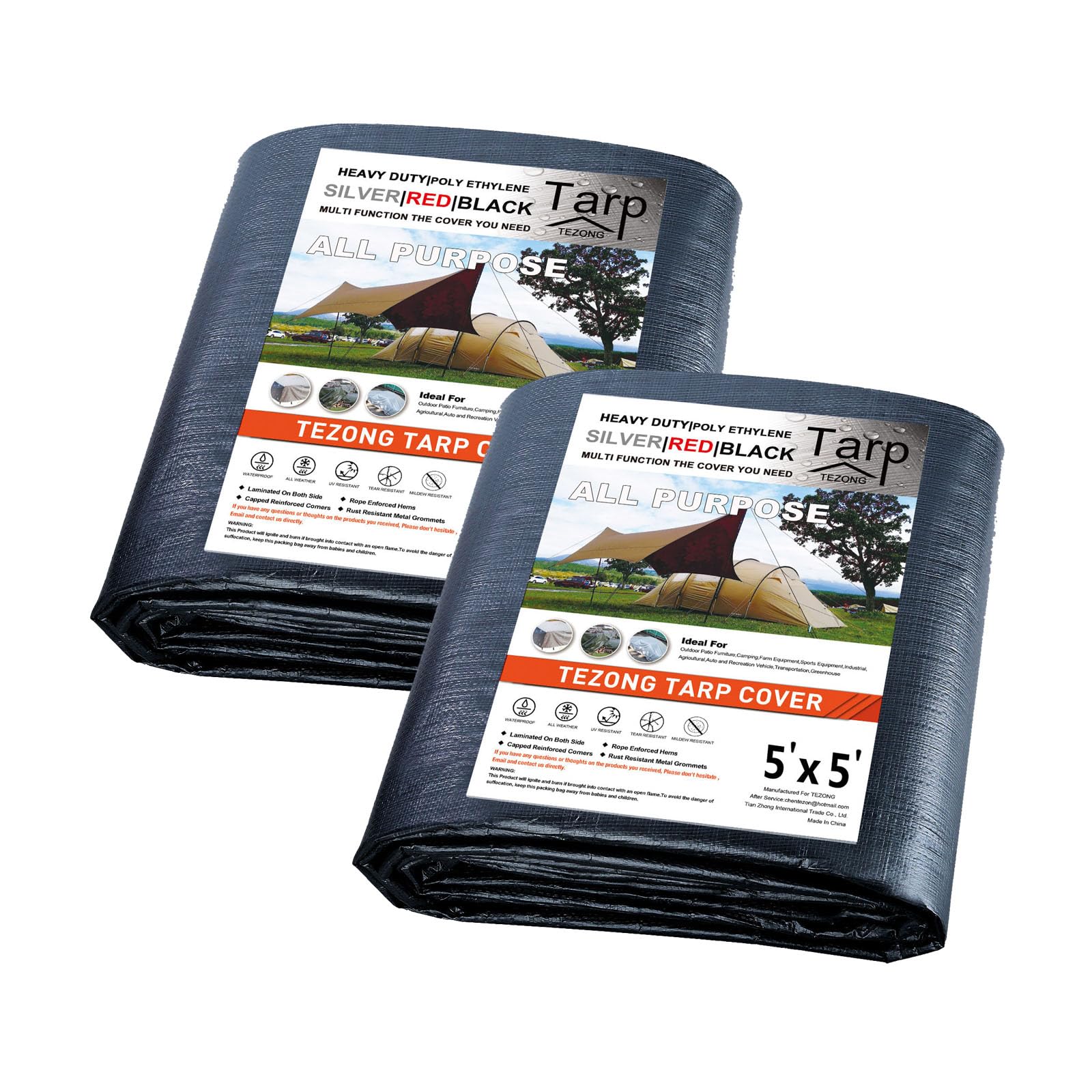
- 12 mil material resists rips and punctures
- Rust-proof grommets and reinforced edges make tie-downs easy
- Works for all sorts of outdoor jobs
Cons
- Some grommets can start to rust if left out too long
- Tie-down spacing isn’t always consistent
- Occasionally, corners separate on a few units
We tried the TEZONG tarp on equipment and garden beds. The 12 mil polyethylene strikes a good balance—thick enough to block punctures, but still flexible for quick setup.
The black coating keeps rain out, and the reinforced corners plus aluminum grommets feel sturdy. Still, we saw a couple of grommets start to corrode after long exposure.
Tie-downs are mostly well spaced, though we did notice one side with fewer grommets, which limits how tight you can secure it.
It’s a dependable tarp for daily farm use, whether you’re covering plants or tools. Just check for weak spots before leaving it out for months.
Best premium choice

- Light but durable for outdoor use
- Reinforced edges help prevent tearing
- Keeps rain and sun off crops and gear
Cons
- Thin material can rip in strong winds
- Not many size options for big jobs
- Not the best for rough, constant use
On the farm, this tarp protected our tools from rain and sun. Reinforced hems and aluminum grommets made it easy to secure.
The 5 mil thickness feels light, but it held up for regular weather. When the wind picked up, we did see some tearing at the corners—probably not the right pick for stormy seasons.
It’s a solid choice if you want something affordable and water-resistant for covering plants or equipment. If you need something more rugged or bigger, you’ll want to look elsewhere.
Also great

- Thick 10 mil material resists damage
- Reversible surfaces let you adapt to conditions
- Grommets spaced for secure tie-downs
Cons
- Heavier than basic tarps—can be tricky to move solo
- No internal weave, so it’s not as reinforced as some
- Not breathable—condensation can build up underneath
We found this tarp durable through wind and rain. The heavy-duty polyethylene handled row covers without wearing out fast.
The silver and black reversible design was handy—sometimes you want sun-blocking, other times you want heat reflection.
Tying it down was straightforward. The 18-inch grommet spacing worked with ropes or bungees, even in gusty weather.
The waterproof coating kept moisture out, which helped with delicate seedlings. The weight was noticeable—at 10 mil thick, it’s not the easiest to move alone, but it’s doable.
Since it’s not woven inside, it’s not as puncture-resistant as some mesh-core tarps. We did notice some moisture buildup underneath on humid mornings, so you might need to air things out now and then. Still, it’s a dependable choice for strong, weatherproof coverage.
When picking out a row tarp for commercial growing, we really zero in on features that impact durability, ease of use, and overall protection.
The material needs to stand up to weather and resist tearing. It’s just not worth the hassle if it rips after a season or two.
We always look for tarps with UV resistance and water repellency. These qualities help the tarp last longer and keep your crops safe.
Size matters, too. The tarp should fit your rows—too much extra material just gets in the way and makes setup a pain.
Ease of installation can make or break your experience. Reinforced edges, grommets, or built-in ties? Those little details save a ton of time when you’re setting up or taking things down.
Weight is another thing to think about. If the tarp’s too heavy, it’s a struggle to move. Too light, and it might blow away at the first sign of wind.
Try flexing the tarp a bit and check out any special features that might make your workday smoother. The right tarp really does make a difference in protecting your crops and cutting down on labor.
Buying Guide
When picking out a row tarp for commercial growing, we really zero in on features that impact durability, ease of use, and overall protection.
The material needs to stand up to weather and resist tearing. It’s just not worth the hassle if it rips after a season or two.
We always look for tarps with UV resistance and water repellency. These qualities help the tarp last longer and keep your crops safe.
Size matters, too. The tarp should fit your rows—too much extra material just gets in the way and makes setup a pain.
Ease of installation can make or break your experience. Reinforced edges, grommets, or built-in ties? Those little details save a ton of time when you’re setting up or taking things down.
Weight is another thing to think about. If the tarp’s too heavy, it’s a struggle to move. Too light, and it might blow away at the first sign of wind.
| Feature | Why It Matters | What to Look For |
|---|---|---|
| Material | Durability and protection | Heavy-duty polyethylene or woven fabrics |
| UV Resistance | Prevents sun damage over time | UV-stabilized coatings |
| Water Resistance | Keeps crops dry | Waterproof or water-repellent surface |
| Size | Efficient coverage | Custom or standard sizes matching row dimensions |
| Ease of Use | Faster installation and removal | Grommets, reinforced edges, ties |
| Weight | Balance between durability and handling | Medium weight for stability and portability |
Try flexing the tarp a bit and check out any special features that might make your workday smoother. The right tarp really does make a difference in protecting your crops and cutting down on labor.
We independently select all products and services. If you click through links we provide, Plant Native may earn a commission with no extra cost to you. As an Amazon Associate I earn from qualifying purchases.