
Ma’o (Gossypium tomentosum)
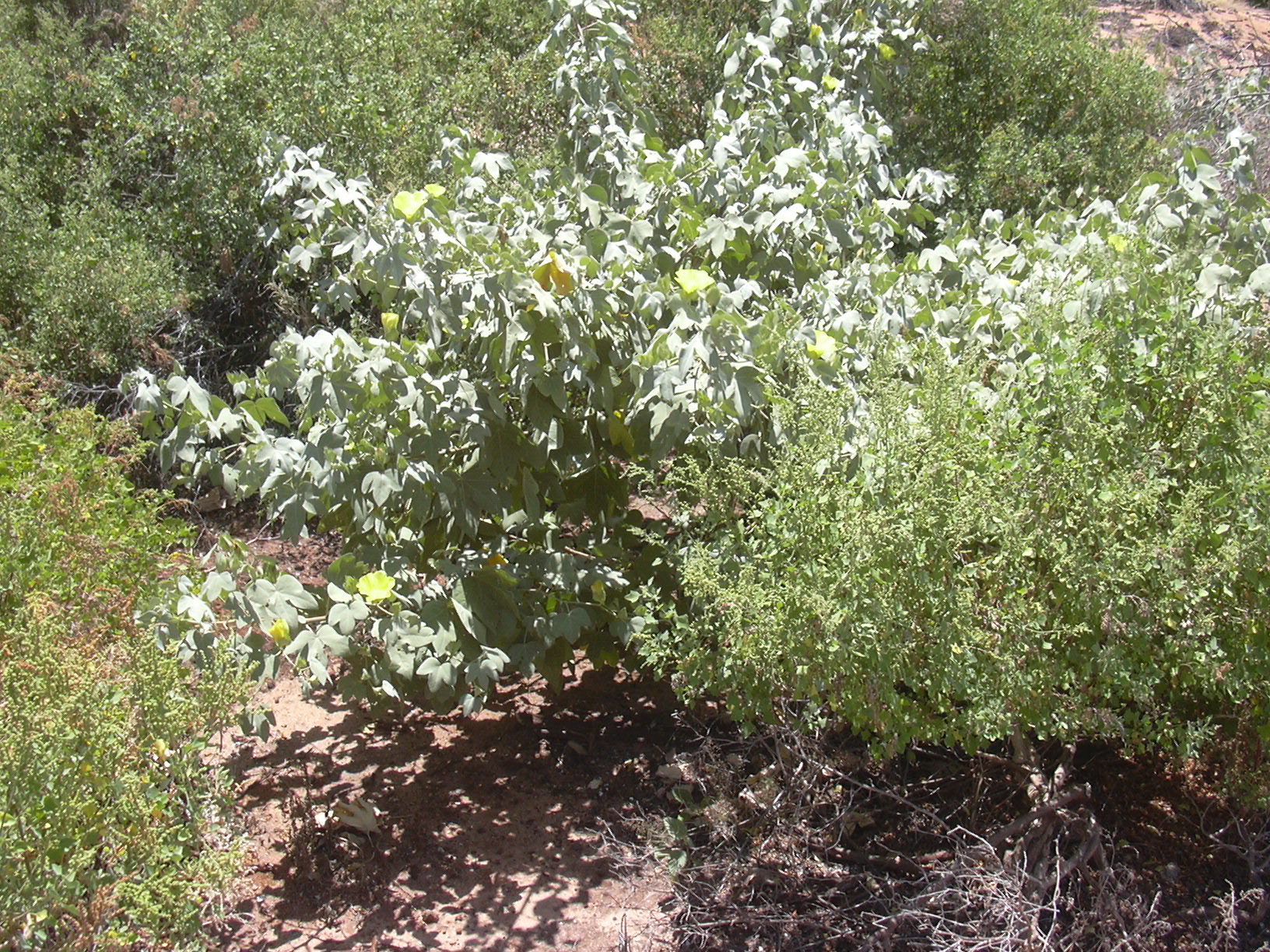
Gossypium tomentosum, known in Hawaiian as Maʻo or Hawaiian Cotton, is one of Hawaii’s most distinctive native flowering shrubs — and one of only five species of wild cotton native to the United States. A member of the Malvaceae (mallow) family, Maʻo produces large, showy yellow flowers with a characteristic red to purple center throughout most of the year, making it one of the most ornamentally attractive of Hawaii’s endemic coastal plants. Its common name reflects the fluffy, cotton-boll-like seed pods that develop from the flowers.
Maʻo is a drought-tolerant, salt-tolerant shrub endemic to Hawaii’s dry coastal and lowland habitats, particularly the leeward (dry) shores of Oahu, Molokai, Lanai, Maui, and the Big Island. In its natural habitat, it grows in coastal strand communities, rocky lava fields near the shore, and dry scrubland, where it can withstand the challenging combination of intense sun, salt spray, and minimal rainfall that define Hawaii’s windward coastline. Its ability to thrive in these harsh conditions makes it an excellent choice for coastal restoration and drought-tolerant native garden designs.
Maʻo has significant historical and cultural importance in Hawaii. The cottony fibers from its seeds were used by early Hawaiians for stuffing and padding before Western textiles became available, and the plant is referenced in traditional Hawaiian chant and oral tradition. Today, Maʻo is also an important subject of botanical research — its genetic material has been used in cotton-breeding programs to develop disease-resistant commercial cotton varieties, making it scientifically valuable far beyond its native range.
Identification
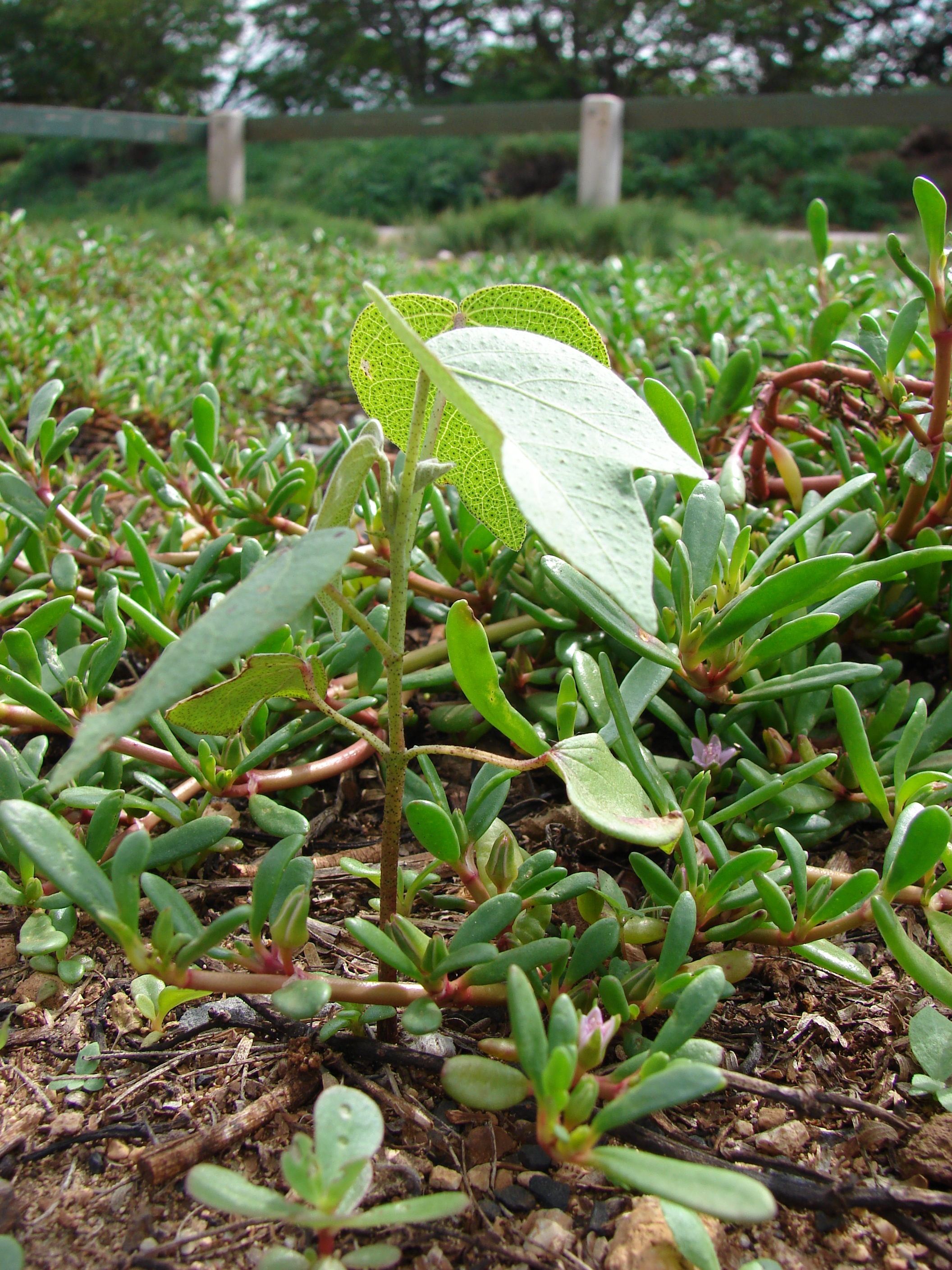
Maʻo is an erect to somewhat spreading shrub, typically 1.5 to 5 feet tall, with a somewhat woody base and semi-woody upper branches. The overall appearance is silvery-green due to fine hairs (tomentum) covering the leaves and young stems — the species epithet “tomentosum” references this characteristic. The combination of silvery foliage and bright yellow flowers makes Maʻo unmistakable in the field.
Leaves
The leaves are alternate, simple, and broadly ovate to nearly round with 3 to 5 shallow, palmate lobes. Each leaf is 2 to 4 inches (5–10 cm) wide, with a soft, velvety texture from the dense covering of simple and star-shaped (stellate) hairs on both surfaces. The color is a distinctive silvery gray-green that gives the plant its characteristic appearance and helps reflect intense sunlight in its coastal habitat. Leaf margins are entire to slightly irregular.
Flowers
The flowers are large and showy — 2 to 3 inches (5–8 cm) in diameter — with five broadly ovate petals in a brilliant bright yellow with a deep red to maroon base spot or center, creating a striking two-toned effect. The flowers are produced from axillary buds on short stalks and are surrounded by three deeply lobed epicalyx (extra-floral) bracts, a characteristic of the cotton genus. Blooming occurs essentially year-round in Hawaii’s climate, with peak production in spring and summer. The flowers are classic mallow-family blossoms, with all the stamens fused into a central column (staminal column) surrounding the style.
Fruit
Following flowering, plants produce ovoid, 3-lobed capsules (bolls) approximately 1 to 1.5 inches long. At maturity, the capsule splits open to reveal seeds embedded in cottony fiber — softer and shorter than commercial cotton but undeniably cotton-like. The capsule walls turn dark brown to black as they dry. The seeds themselves are dark and kidney-shaped, embedded in the creamy-white cotton fibers.
Quick Facts
| Scientific Name | Gossypium tomentosum |
| Family | Malvaceae (Mallow family) |
| Plant Type | Native Evergreen Shrub |
| Mature Height | 1.5–5 ft |
| Sun Exposure | Full Sun |
| Water Needs | Low to Moderate (drought tolerant) |
| Bloom Time | Year-round (bright yellow flowers) |
| Flower Color | Bright yellow with red-maroon center |
| Salt Tolerance | High — excellent coastal plant |
| USDA Hardiness Zones | 10–13 (Hawaii) |
Native Range
Maʻo (Gossypium tomentosum) is endemic to the Hawaiian Islands, found naturally only in Hawaii and nowhere else on Earth. Within Hawaii, it is most common on the leeward (dry) coasts of Oahu (particularly the Waianae Coast), Molokai, Lanai, parts of Maui (especially the Kihei and Kahoʻolawe areas), and the south and west coasts of the Big Island. It is typically a plant of low-elevation coastal habitats — from sea level to approximately 800 feet — in areas that receive less than 30 inches of annual rainfall.
In its natural habitat, Maʻo grows in coastal strand communities, rocky lava benches, low coastal bluffs, and dry coastal scrubland. It is most commonly found growing on the edge of beach strand communities and in the transition zone between coastal and dry lowland shrubland habitats. Its salt and spray tolerance, combined with drought resistance, allow it to thrive in locations where few other native shrubs can survive. Natural populations have declined significantly due to coastal development, introduction of invasive plants (particularly invasive grasses and groundcovers), and overgrazing by introduced animals.
Maʻo is considered a rare plant in Hawaii, and several populations are protected in conservation areas. Active restoration planting of Maʻo in suitable coastal habitats is underway on several islands, and the species has been successfully cultivated in native plant gardens and restoration sites where it often thrives in the full-sun, dry conditions of Hawaii’s leeward coastlines.
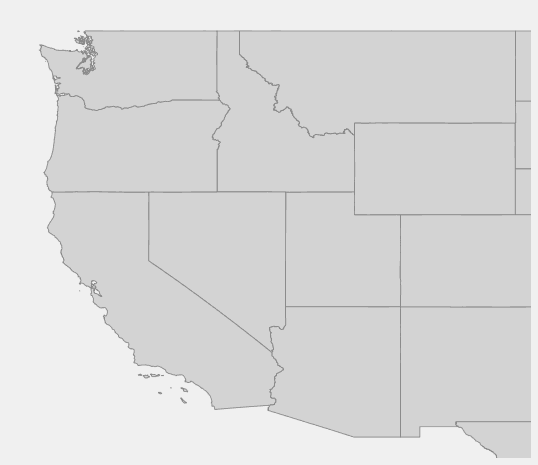
📋 Regional plant lists featuring Maʻo: Hawaii
Growing & Care Guide
Maʻo is a rewarding garden shrub for Hawaiian landscapes, offering year-round bright yellow blooms, distinctive silvery foliage, and excellent drought and salt tolerance. It is best suited to full-sun, dry garden settings that mimic its natural coastal habitat.
Light
Maʻo requires full sun — at least 6 to 8 hours of direct sunlight daily. It is adapted to the intense tropical sun of Hawaii’s leeward coastlines and does not perform well in shade. In shadier conditions, plants become leggy and produce fewer flowers. Site it in the hottest, sunniest part of your garden for best results.
Soil & Water
Maʻo thrives in well-draining, sandy or rocky soils with low fertility — replicating the coastal conditions of its natural habitat. It is extremely drought tolerant once established, requiring minimal supplemental irrigation in most Hawaiian garden settings. However, young plants need regular watering during the establishment period (first 6–12 months). Avoid heavy, poorly draining clay soils or locations prone to waterlogging. Maʻo is highly salt-tolerant and is one of the best native shrubs for coastal garden settings where salt spray is a concern.
Planting Tips
Plant in spring or early summer for best establishment in Hawaiian conditions. Space plants 3–4 feet apart for a naturalistic grouping, or use as a single specimen in a dry garden bed. Maʻo pairs beautifully with other native Hawaiian coastal plants such as Pohinahina (Vitex rotundifolia), naio (Myoporum sandwicense), and native coastal grasses. It is particularly effective in xeriscape designs, coastal restoration plantings, and Hawaiian dryland garden compositions.
Pruning & Maintenance
Maʻo benefits from light pruning to encourage bushy, compact growth and maintain its attractive shape. Prune lightly after flowering periods to remove old flower stalks and stimulate new growth. Avoid heavy pruning that removes a large portion of the plant at once. The silvery leaves require no deadheading — spent flowers and developing cotton bolls are ornamentally attractive in their own right. Maʻo is relatively resistant to pests and diseases in its native Hawaiian habitats.
Landscape Uses
- Coastal gardens — one of the best native shrubs for salt-spray exposed sites
- Xeriscape / drought-tolerant gardens — minimal water once established
- Dry habitat restoration on leeward Hawaiian coasts
- Native Hawaiian garden specimen — year-round flowers provide constant color
- Wildlife garden — flowers attract native Hawaiian bees and butterflies
- Roadside and median planting in low-water, full-sun locations
Wildlife & Ecological Value
Maʻo’s large, showy flowers and shrub structure provide important food and habitat resources for native Hawaiian wildlife in the dry coastal zone.
For Pollinators
The large yellow flowers of Maʻo produce abundant nectar and pollen that attract native Hawaiian bees, particularly the endemic yellow-faced bees (Hylaeus spp.) — Hawaii’s only native bees. These are among Hawaii’s most endangered pollinators, and plants like Maʻo that offer reliable floral resources in the dry coastal zone are critically important for their conservation. Introduced butterflies and day-flying moths also visit the flowers.
For Birds
The cottony seed material from Maʻo’s mature cotton bolls is occasionally used as nesting material by native Hawaiian birds. The shrub’s structure provides perching and sheltering habitat in the otherwise sparse coastal zone. Birds that forage in dry coastal scrubland habitats benefit from Maʻo as a structural component of those communities.
For Insects
Like other members of the cotton family (Malvaceae), Maʻo supports specialized native insects, including moth larvae and other insects that have co-evolved with the cotton genus. The plant’s role as one of the few native shrubs in Hawaii’s dry coastal zone makes it particularly important for maintaining invertebrate diversity in that threatened habitat type.
Ecosystem Role
Maʻo is a keystone native shrub in Hawaii’s increasingly rare dry coastal strand community. As many coastal native plant communities have been severely reduced by development, invasive species, and overgrazing, restoration of Maʻo helps re-establish the native plant community structure of these habitats. In the dryland restoration context, Maʻo provides an early-successional shrub element that creates microhabitat for more sensitive native species to re-establish beneath its canopy and in the organic mulch of its leaf litter.
Cultural & Historical Uses
Maʻo, as Hawaiian Cotton, was recognized by early Hawaiians for its cotton-like properties. The fluffy fiber from the seed capsules was used as a stuffing material for pillows, cushions, and various soft goods before Western textiles became available in the islands. The fibers were also used as tinder for starting fires and in some traditional craft applications. Though less extensively used than the cultivated cotton of other cultures, Maʻo’s practical fiber value was recognized and utilized by Hawaiian communities near the coasts where it grew.
The plant appears in traditional Hawaiian place names and oral tradition, particularly in texts associated with the dry leeward coasts of Oahu and Maui where Maʻo was once abundant. The Waianae Coast of Oahu — historically one of the strongholds of Maʻo populations — has strong cultural associations with this plant in Native Hawaiian tradition. Conservation and restoration of Maʻo on the Waianae Coast has become a cultural as well as ecological priority for Hawaiian communities.
In modern botanical science, Gossypium tomentosum has gained international significance as a genetic resource for cotton improvement. Researchers have identified disease-resistance genes in Maʻo that are not present in commercial cotton species (Gossypium hirsutum and G. barbadense), particularly resistance to certain fungal pathogens and nematodes. Hybridization experiments using Maʻo genetics have informed cotton-breeding programs globally, making this small Hawaiian shrub a plant of considerable agricultural and biotechnological importance far beyond its island home.
Frequently Asked Questions
Can I grow Maʻo on the mainland?
Maʻo is adapted to Hawaii’s tropical coastal climate and is suitable for cultivation in USDA Zones 10–13. It can be grown in frost-free coastal areas of southern Florida, southern California, and similar climates, though it performs best in Hawaiian coastal conditions. It is not cold-hardy and will not survive freezing temperatures.
Is Maʻo related to commercial cotton?
Yes — Maʻo (Gossypium tomentosum) is in the same genus as commercial cotton (G. hirsutum and G. barbadense). However, the fiber on Maʻo’s seeds is much shorter and coarser than commercial cotton and is not suitable for spinning or weaving. The cotton family (Malvaceae) is a large and diverse plant family that also includes okra, hibiscus, and rose of Sharon.
How often does Maʻo bloom?
Maʻo is a remarkably free-flowering plant in suitable conditions, producing its bright yellow flowers essentially year-round in Hawaii. Peak flowering typically occurs in spring and summer, but plants in good health will produce flowers in all months. Each individual flower lasts only a day, but the abundance of buds means plants are typically never without open flowers.
How do I propagate Maʻo?
Maʻo can be propagated from seed or semi-hardwood cuttings. Fresh seed germinates readily — soak seeds in water for 24 hours before planting in well-draining seed-starting mix. Seeds germinate in 1–3 weeks in warm conditions. Semi-hardwood cuttings taken in summer can also be rooted with bottom heat and rooting hormone. Most native plant nurseries in Hawaii propagate Maʻo from seed.
Why is Maʻo becoming rare?
Maʻo has declined significantly due to habitat loss from coastal development, competition from invasive plants (especially invasive grasses and ice plants), overgrazing by introduced goats and cattle, and the general reduction of Hawaii’s native dry coastal habitats. Its limited natural range in specific coastal habitats makes remaining populations especially vulnerable. Conservation planting and fencing to exclude feral ungulates are the primary strategies for protecting remaining natural populations.

Looking for a nursery that carries Maʻo?
Browse our native plant nursery directory: Hawaii