
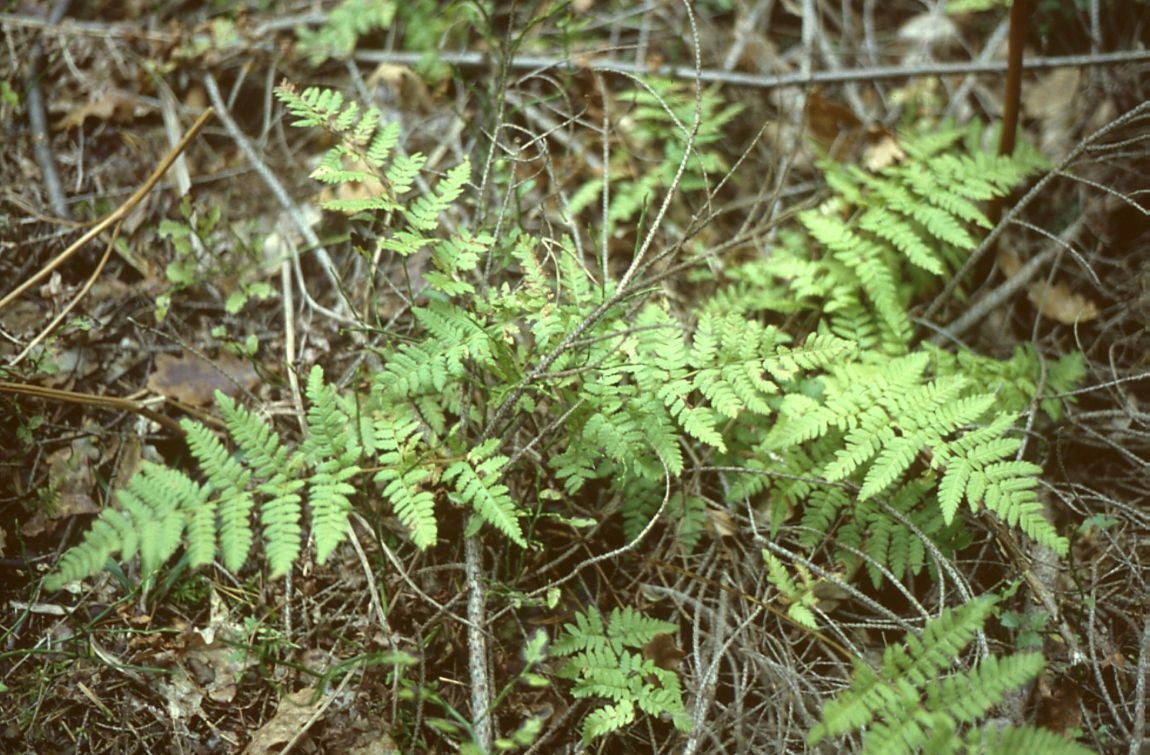
A clump of Spinulose Wood Fern (Dryopteris carthusiana) with lacy, finely divided fronds growing in a shaded woodland. Photo: Franz Xaver (CC BY-SA 3.0), Wikimedia
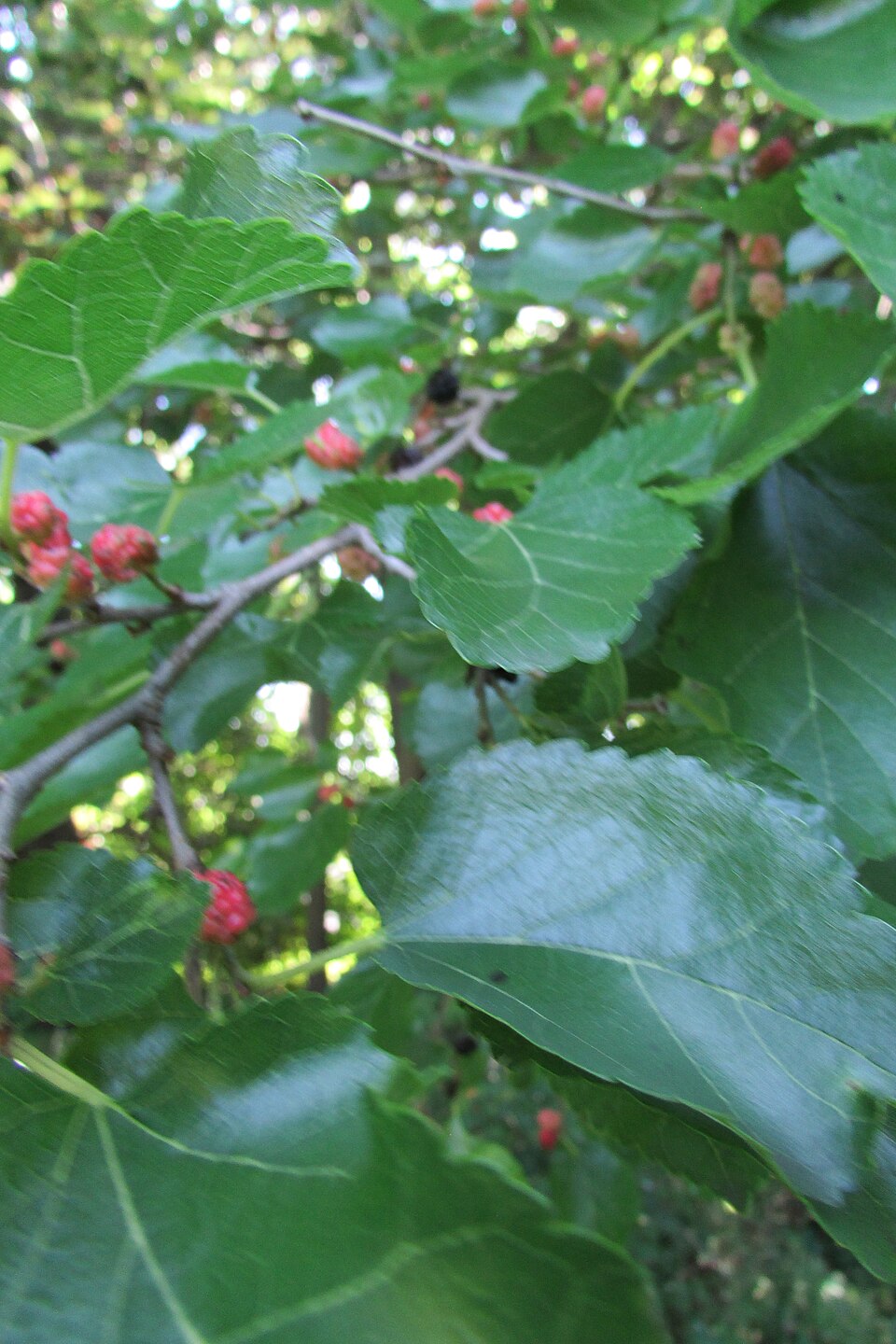
Red Mulberry’s sweet, dark red to purple fruits are among the most wildlife-valuable of any native tree. Photo: Wikimedia Commons (CC BY-SA 4.0) Morus rubra,

Maleberry in June bloom — the clusters of small white urn-shaped flowers are characteristic of the heath family. Photo: Wikimedia Commons (CC BY-SA 4.0) Lyonia
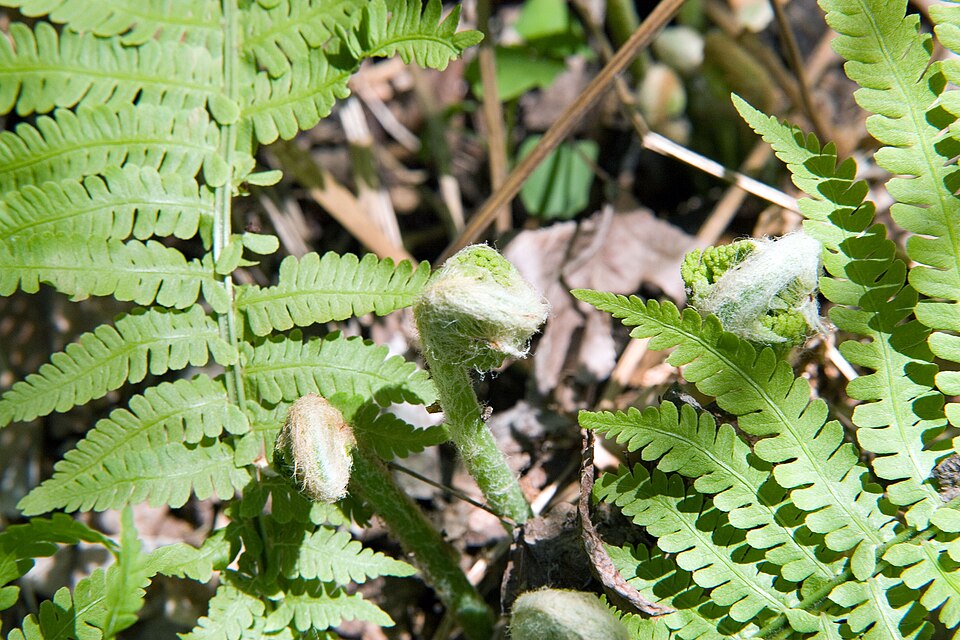
Interrupted Fern’s distinctive fronds — the dark, shrunken fertile pinnae in the middle of the frond give this species its common name. Photo: Wikimedia Commons

Glaucous-leaf Greenbriar — the whitened leaf undersides give this eastern native vine its distinctive “glaucous” name. Photo: Wikimedia Commons (CC BY 2.0) Smilax glauca, commonly
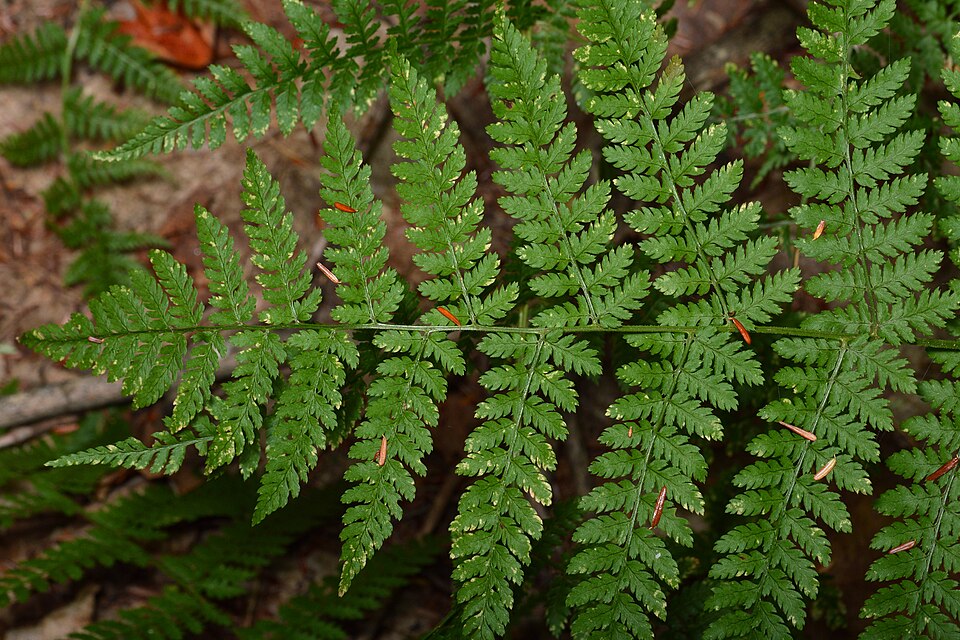
Evergreen Wood Fern growing in its characteristic woodland habitat, displaying its lacy, dark green fronds. Photo: Wikimedia Commons (CC BY-SA 4.0) Dryopteris intermedia, commonly known
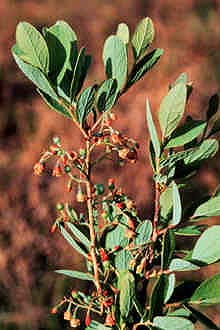
Dangleberry — a native huckleberry of the eastern coastal plain, prized for its dark blue fruits and wildlife value. Photo: Wikimedia Commons (Public Domain) Gaylussacia
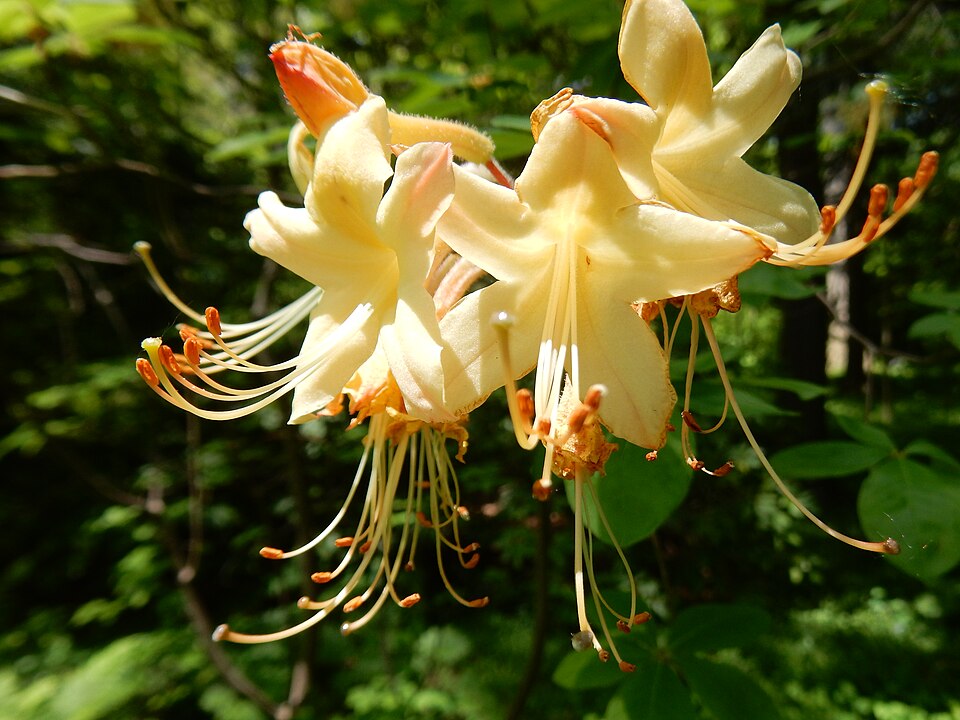
Dwarf Azalea in full spring bloom — its fragrant pinkish-white flowers appear before or with the leaves in mid-April. Photo: Wikimedia Commons (CC BY 4.0)

Cinnamon Fern with characteristic upright sterile fronds surrounding the distinctive cinnamon-brown fertile frond. Photo: Wikimedia Commons (CC BY 4.0) Osmundastrum cinnamomeum (syn. Osmunda cinnamomea), commonly
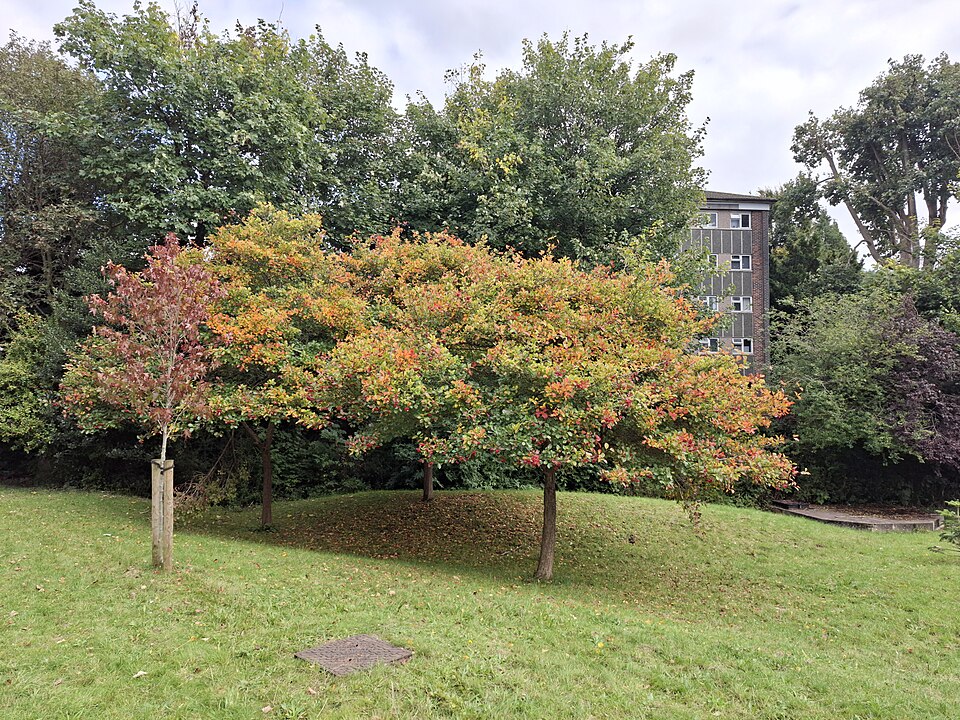
Cockspur Hawthorn’s distinctive spreading form and dense branching structure. Photo: Wikimedia Commons (CC BY-SA 4.0) Crataegus crus-galli, commonly known as Cockspur Hawthorn, is a strikingly
View More