
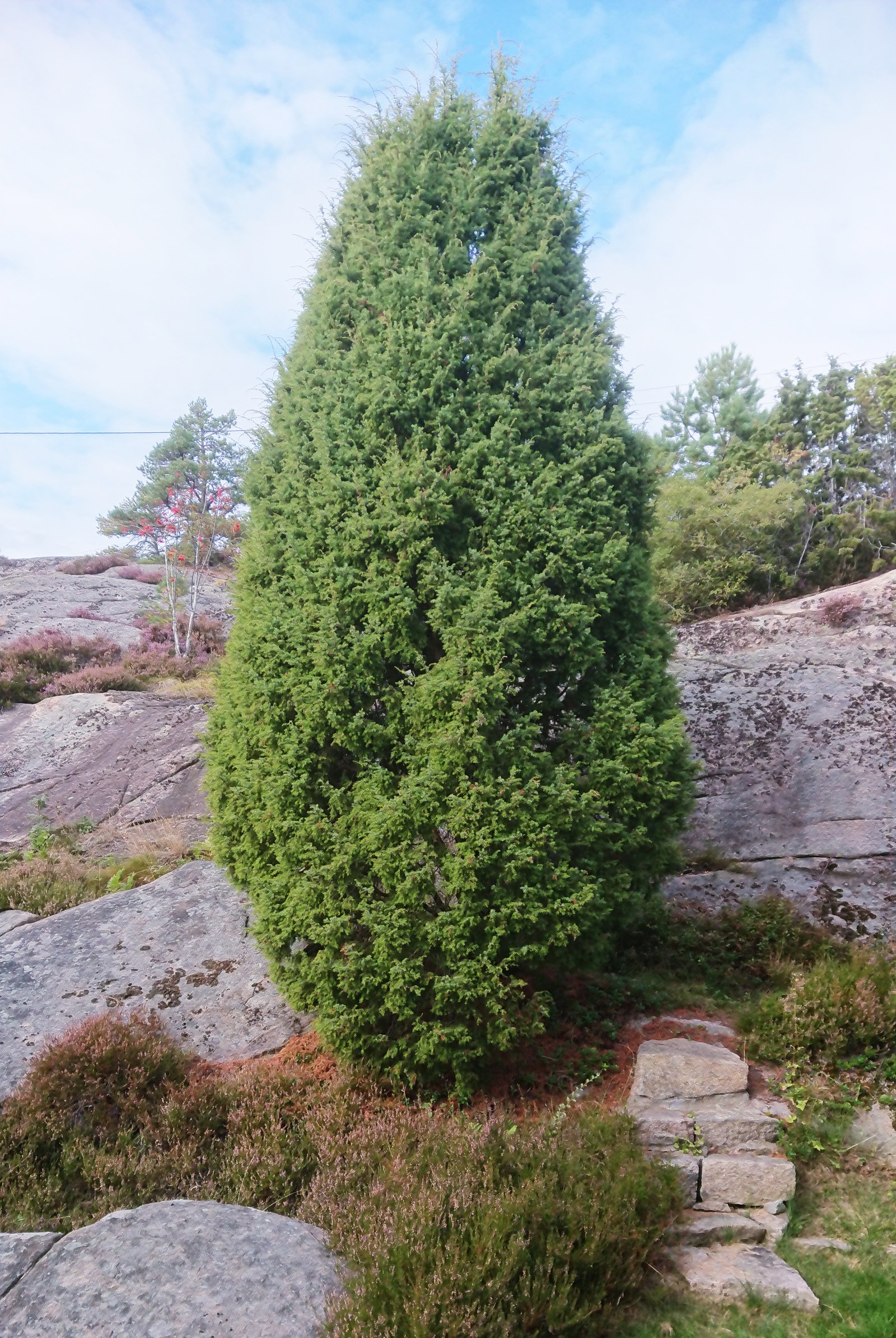
A mature Common Juniper (Juniperus communis) growing in its dense, columnar form on a rocky outcrop. Photo: Scienceman71 (CC BY-SA 4.0), Wikimedia Commons Juniperus communis,
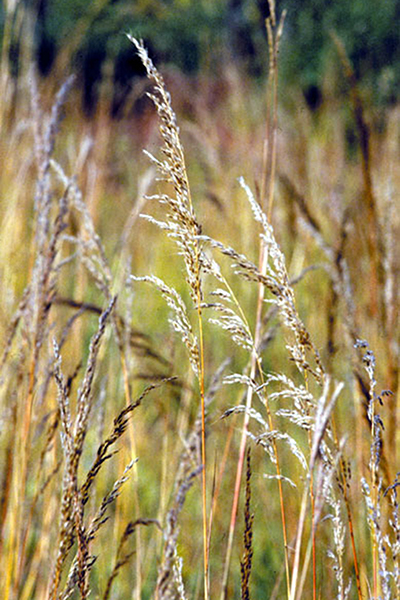
Indian grass in the tallgrass prairie, its golden-bronze plumes catching the light. Photo: U.S. Environmental Protection Agency, Wikimedia Commons (Public domain) Sorghastrum nutans, commonly known
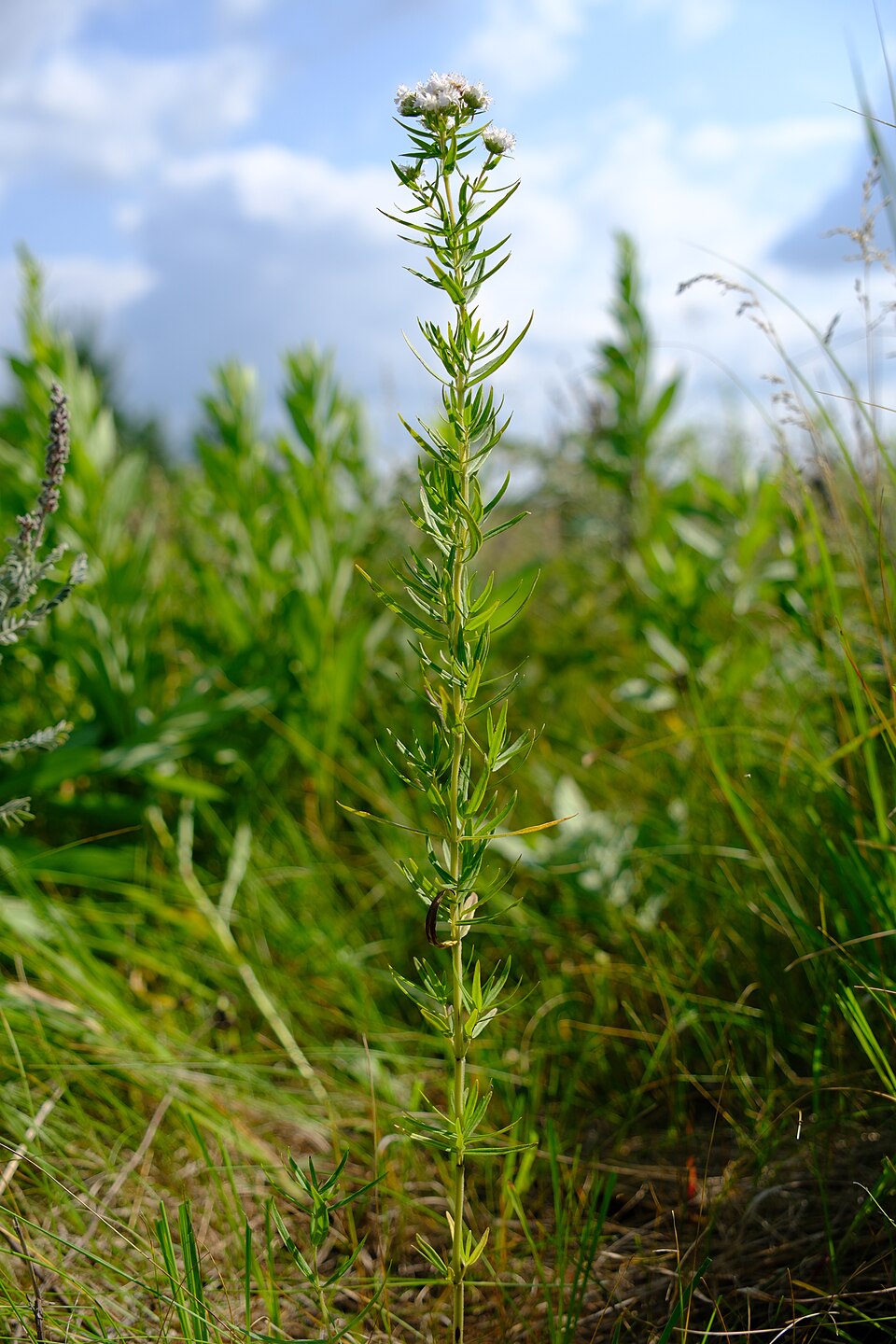
Virginia Mountain Mint in full bloom with characteristic white flower clusters. Photo: Wikimedia Commons (CC0) Pycnanthemum virginianum, commonly known as Mountain Mint, Virginia Mountain Mint,
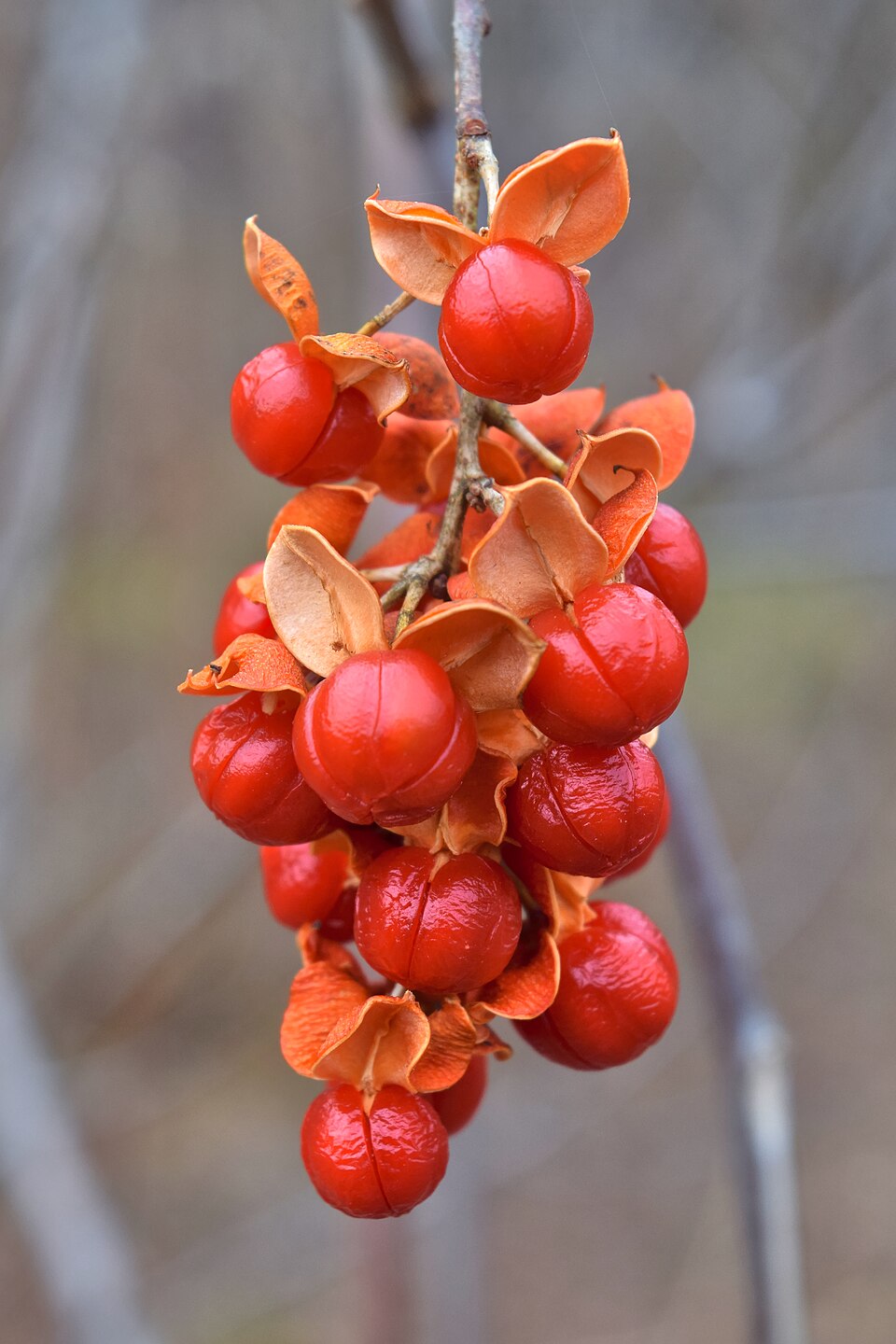
Climbing Bittersweet’s spectacular autumn display of orange berries with bright yellow arils. Photo: Wikimedia Commons (CC BY-SA 2.5 CA) Celastrus scandens, commonly known as Climbing
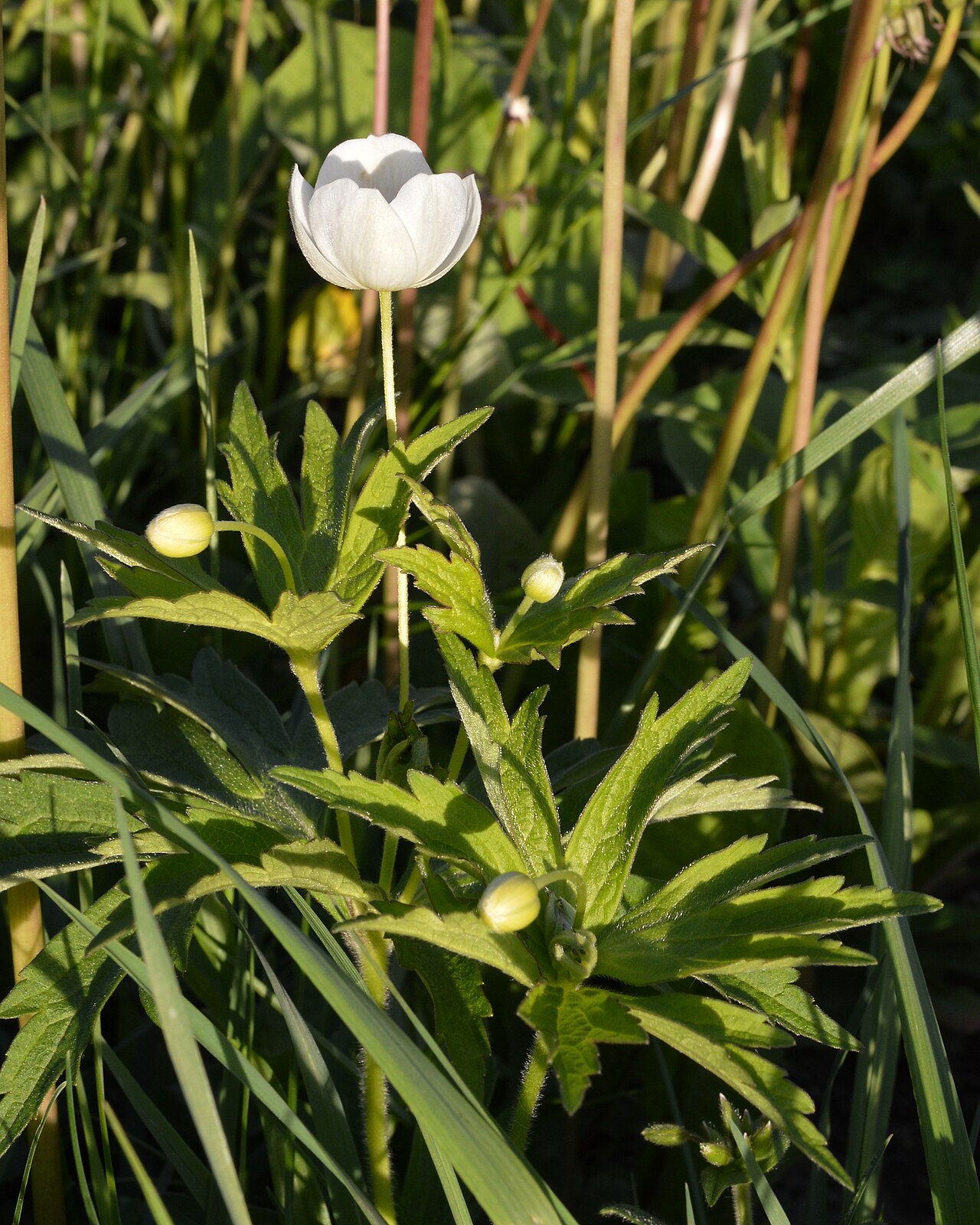
Canada anemone in bloom, its white flower held on a slender stalk above the foliage. Photo: Ryan Hodnett, Wikimedia Commons (CC BY-SA 4.0) Anemone canadensis,

Chokecherry in its natural habitat, displaying the typical growth form and dense foliage of this versatile native tree. Photo: Wikimedia Commons (CC BY-SA 4.0) Prunus
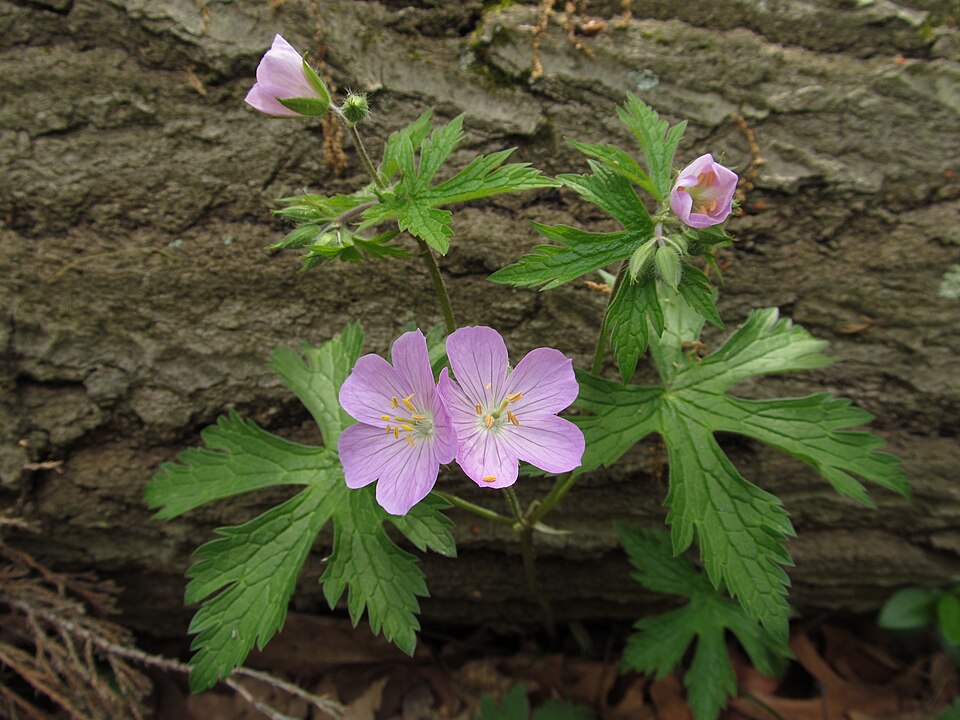
Wild Geranium flowers displaying their characteristic pink-purple petals with delicate veining. Photo: Wikimedia Commons (CC0) Geranium maculatum, commonly known as Wild Geranium, Spotted Geranium, or
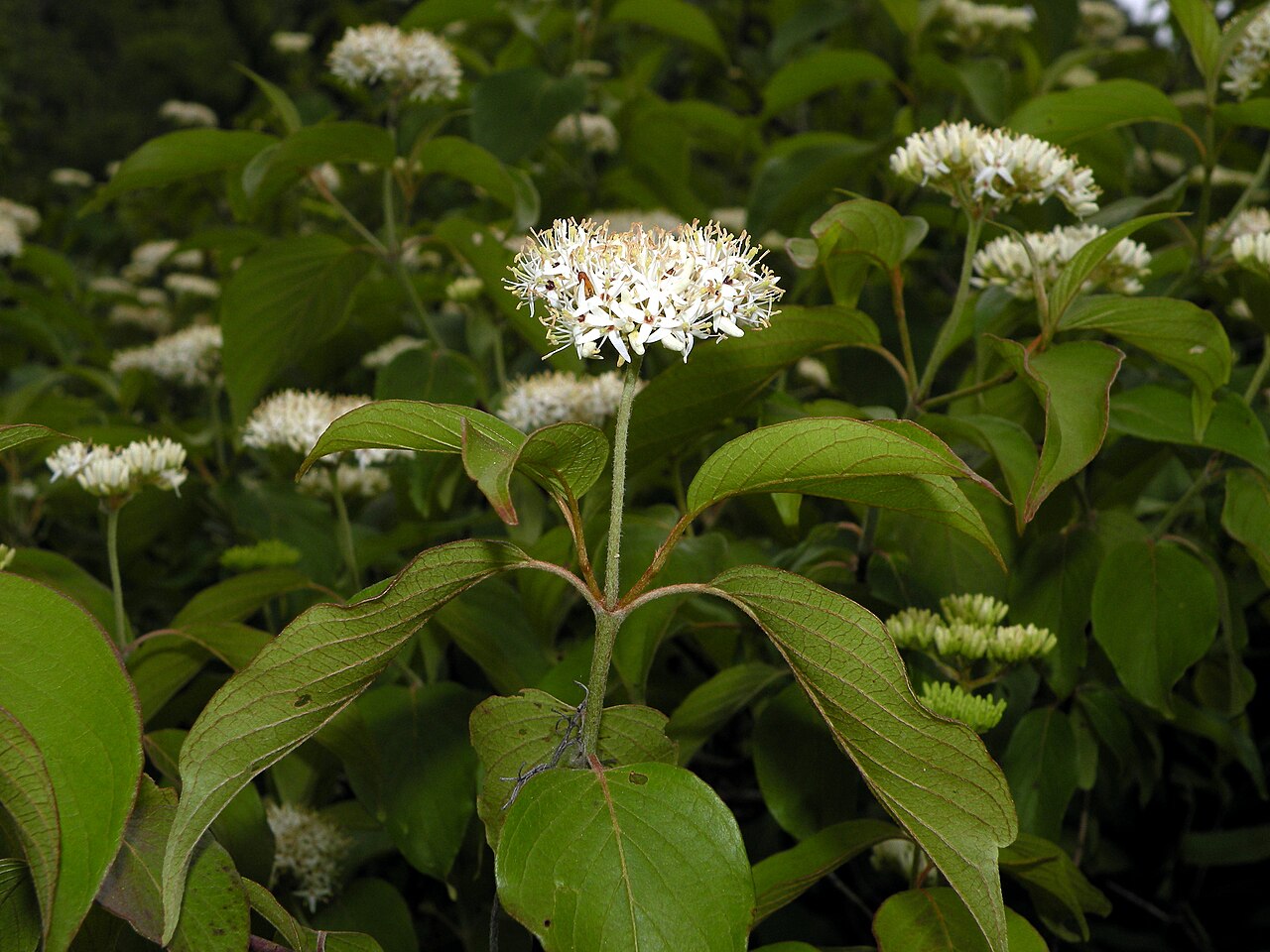
Gray Dogwood in late-spring bloom, its flat-topped white flower clusters held above the foliage. North Smithfield, Rhode Island. Photo: Doug McGrady, Wikimedia Commons (CC BY
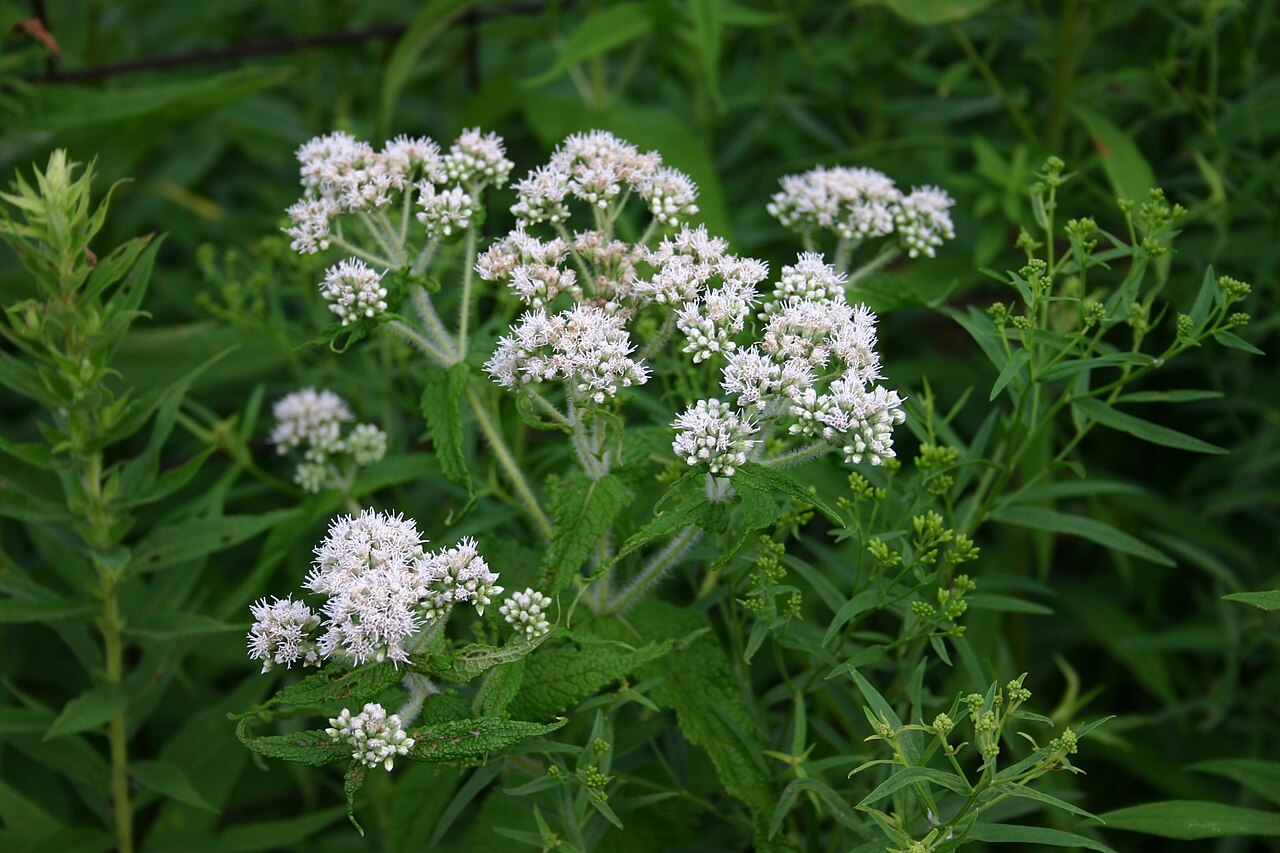
Boneset in full bloom, with its flat-topped clusters of white flowers. Photo: SB_Johnny, Wikimedia Commons (CC BY-SA 3.0) Eupatorium perfoliatum, commonly known as Boneset, is
Mature Bur Oak displaying its characteristic broad, spreading canopy. Photo: Wikimedia Commons (CC BY-SA 4.0) Quercus macrocarpa, commonly known as Bur Oak, Burr Oak, or
View More