

Mountain Winterberry displaying its characteristic tall, narrow tree form and smooth gray bark. Photo: Wikimedia Commons (CC BY-SA 4.0) Ilex montana, commonly known as Mountain
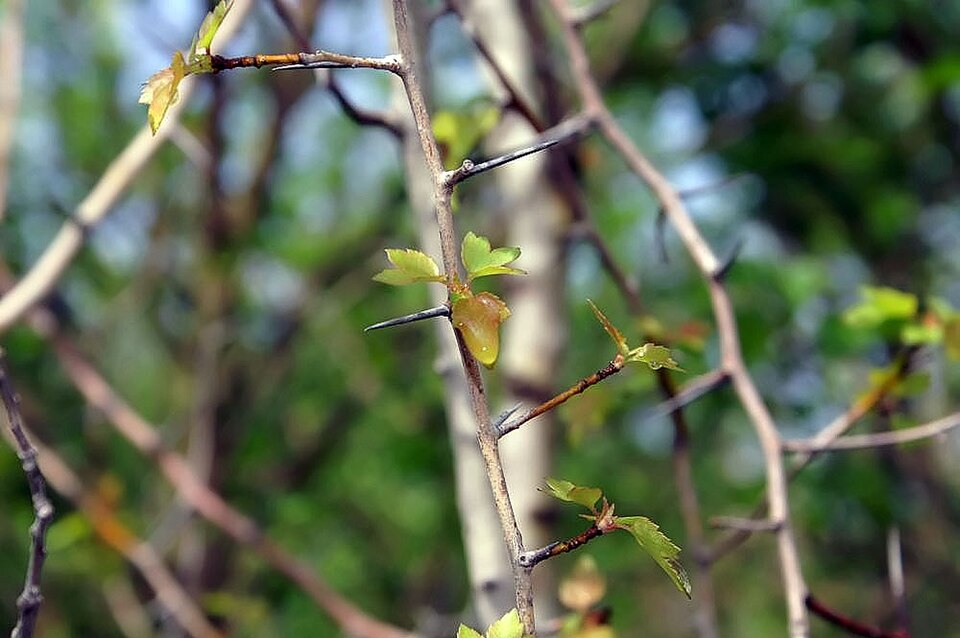
Washington Hawthorn flowers bloom in dense, flat-topped clusters in late spring. Photo: Wikimedia Commons (CC BY-SA 4.0) Crataegus phaenopyrum, commonly known as Washington Hawthorn, is
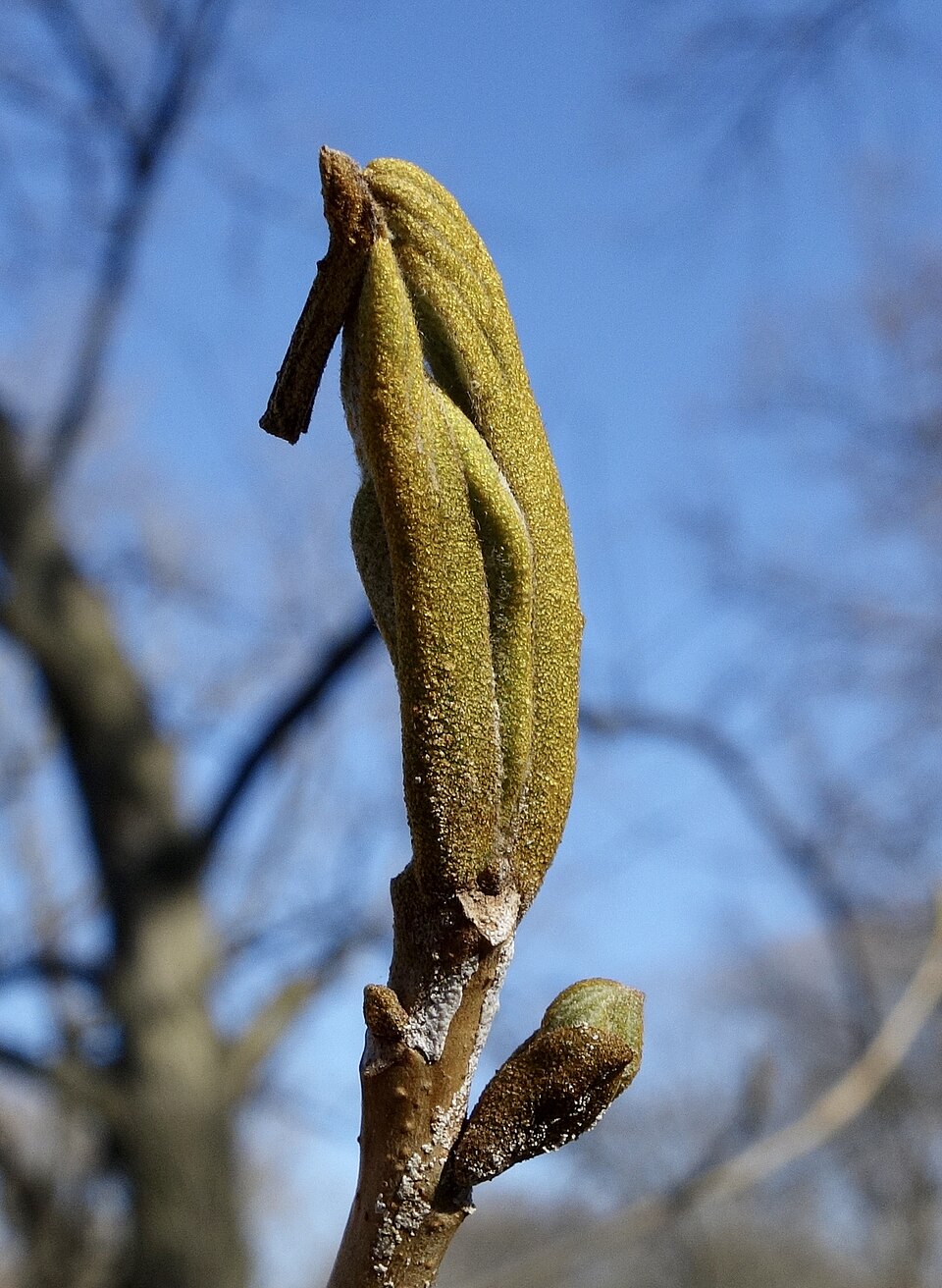
Bitternut Hickory’s distinctive bright yellow winter buds — a key identifying feature. Photo: Wikimedia Commons (CC BY-SA 4.0) Carya cordiformis, commonly known as Bitternut Hickory
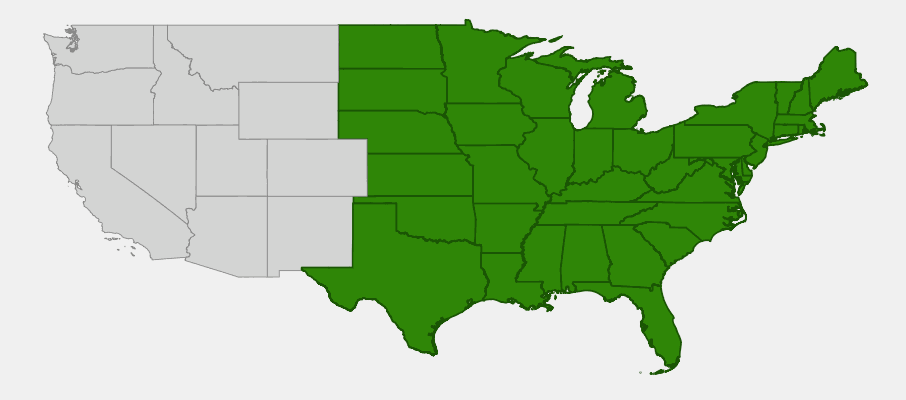
Silky dogwood in bloom, its lacy, flat-topped flower cluster held above the opposite, oval leaves. Photo: Fritzflohrreynolds (CC BY-SA 3.0), Wikimedia Commons Cornus amomum, commonly

Doll’s Eyes displaying its distinctive white berries with black dots that resemble porcelain doll eyes. Photo: Wikimedia Commons (CC BY-SA 4.0) Actaea pachypoda, commonly known
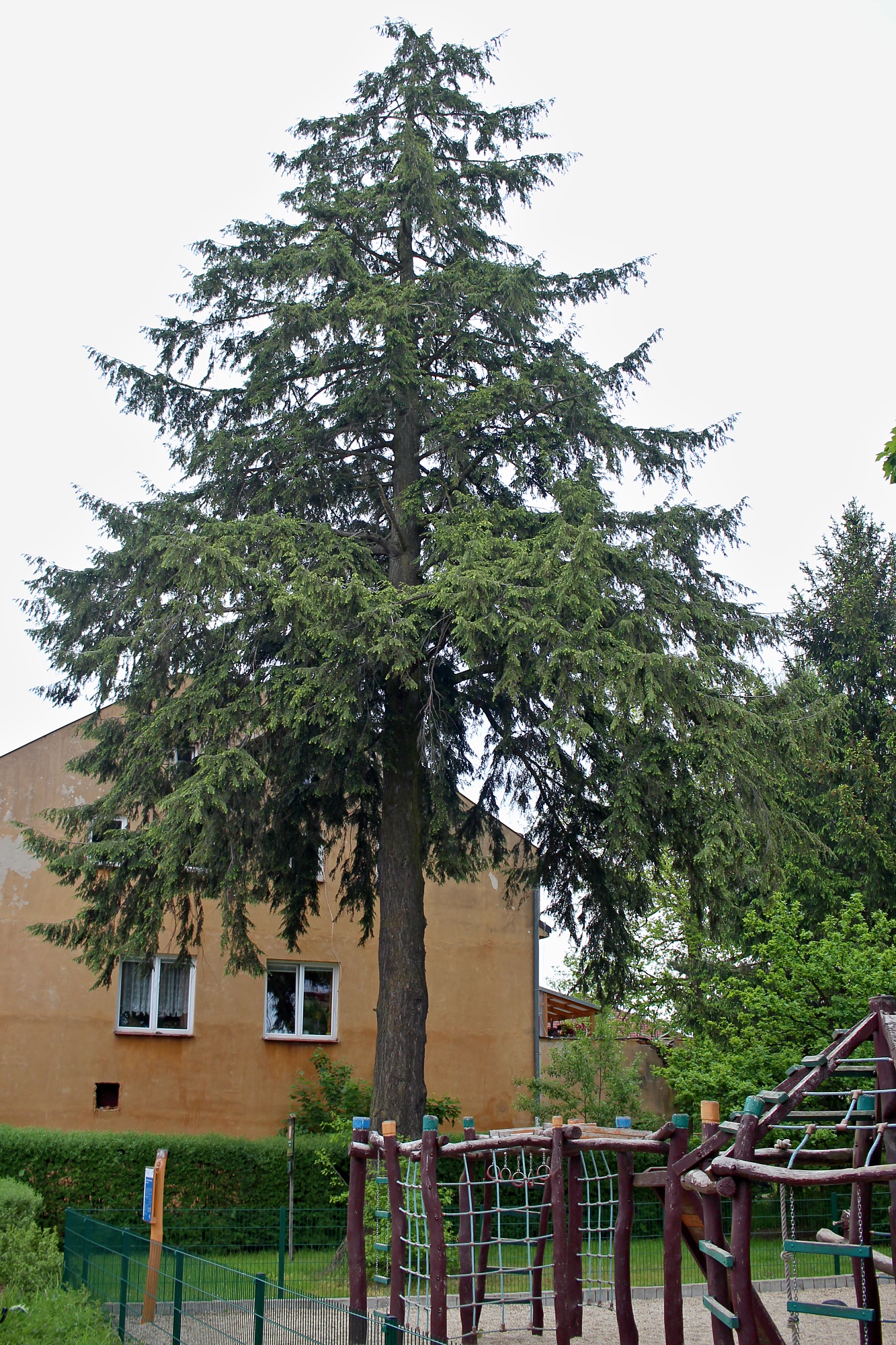
Mature American Hemlock specimen displaying the species’ characteristic elegant, weeping form. Photo: Wikimedia Commons (CC BY 4.0) Tsuga canadensis, commonly known as American Hemlock or

Coral Berry’s distinctive bright coral-pink berries that persist through winter. Photo: Wikimedia Commons (CC BY-SA 4.0) Symphoricarpos orbiculatus, commonly known as Coral Berry, Indian Currant,

Large Fothergilla in full spring bloom with characteristic fragrant white bottle-brush flowers. Photo: Wikimedia Commons (CC BY 2.0) Fothergilla major, commonly known as Large Fothergilla
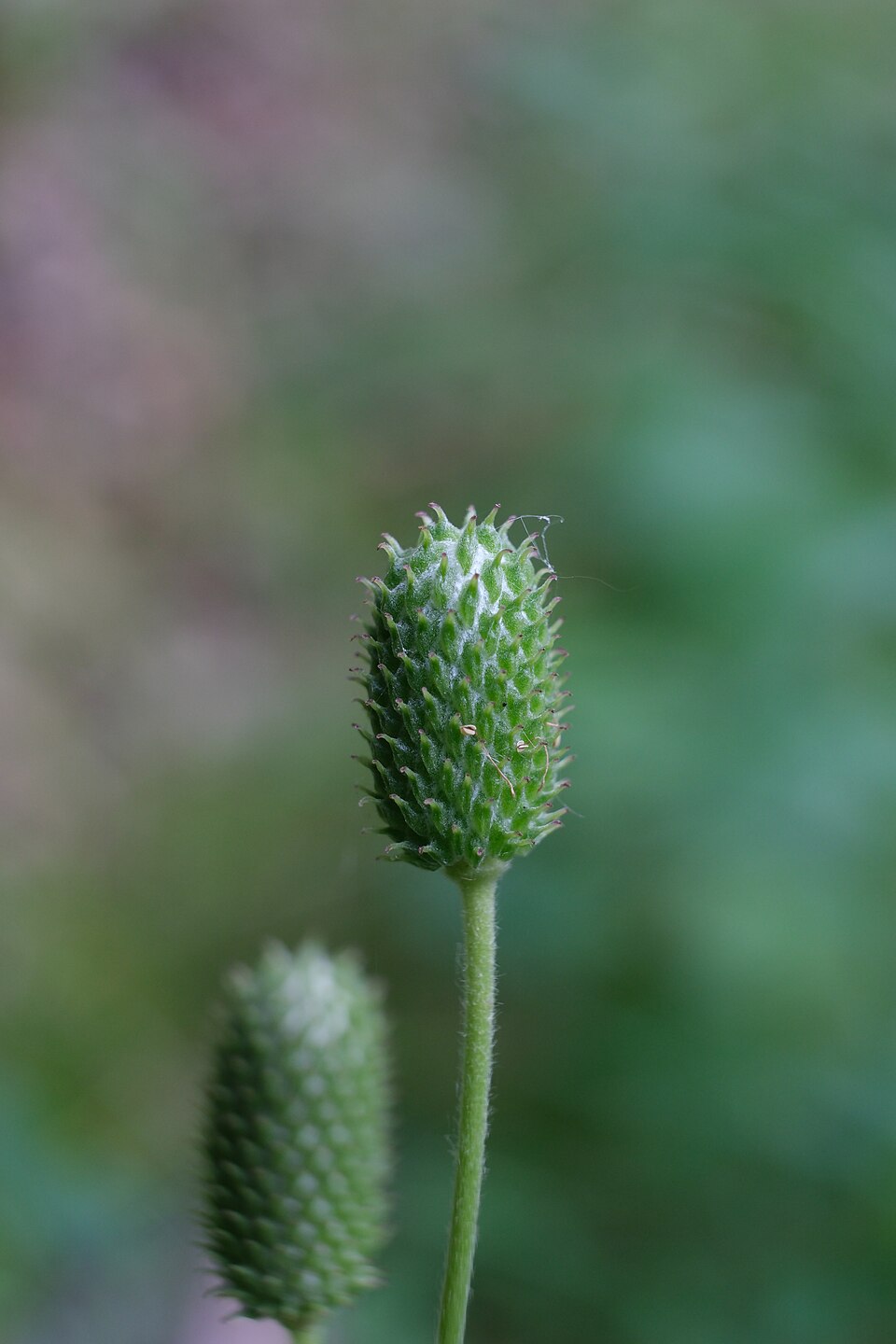
Thimbleweed flowers display five greenish-white petals surrounding a cluster of golden stamens. Photo: Wikimedia Commons (CC0) Anemone virginiana, commonly known as Thimbleweed, Tall Thimbleweed, or
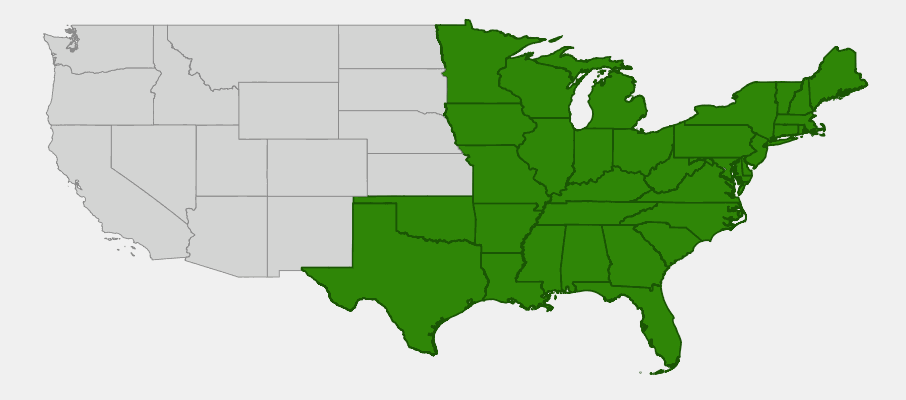
A one-sided, arching flower spike of Rough-leaved Goldenrod, typical of the species’ pyramidal plumes. Photo: Dominicus Johannes Bergsma (CC BY-SA 4.0), Wikimedia Commons Solidago rugosa,
View More