
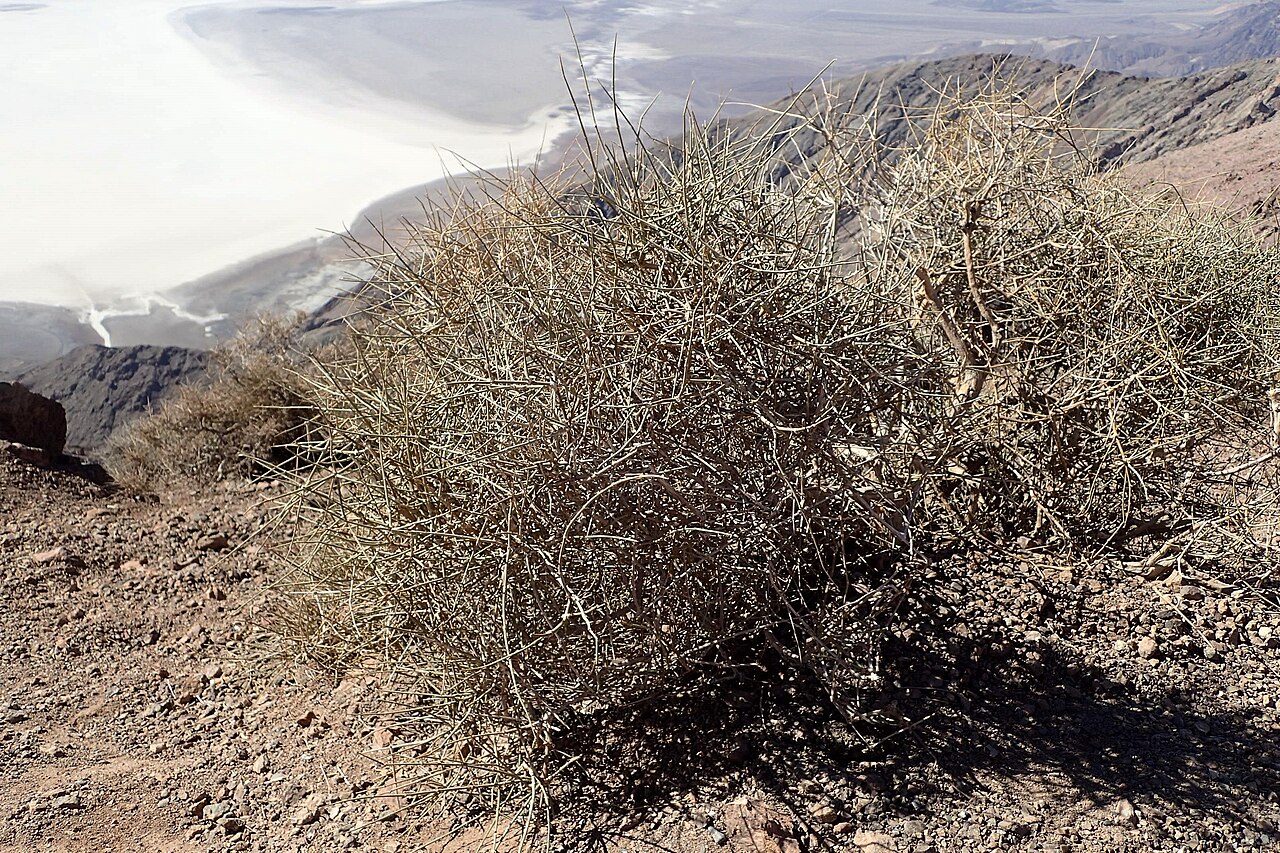
Nevada jointfir on dry rocky ground above Death Valley, California. Photo: Krzysztof Ziarnek, Kenraiz — Wikimedia Commons, CC BY-SA 4.0. Nevada jointfir (Ephedra nevadensis), also
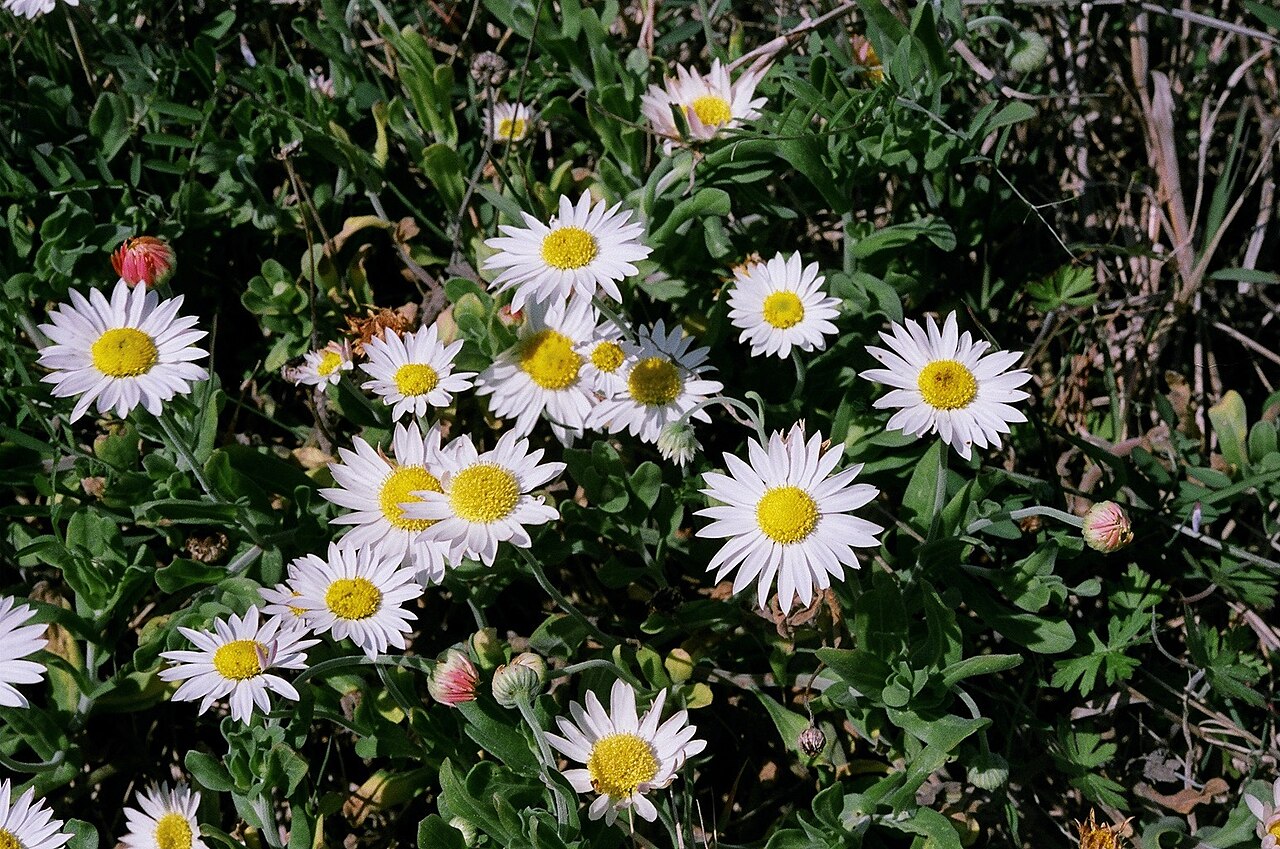
Arkansas lazy daisy flowers in Calcasieu Parish, Louisiana. Photo: sonnia hill — Wikimedia Commons, CC BY 2.0. Arkansas lazy daisy (Aphanostephus skirrhobasis) is a small
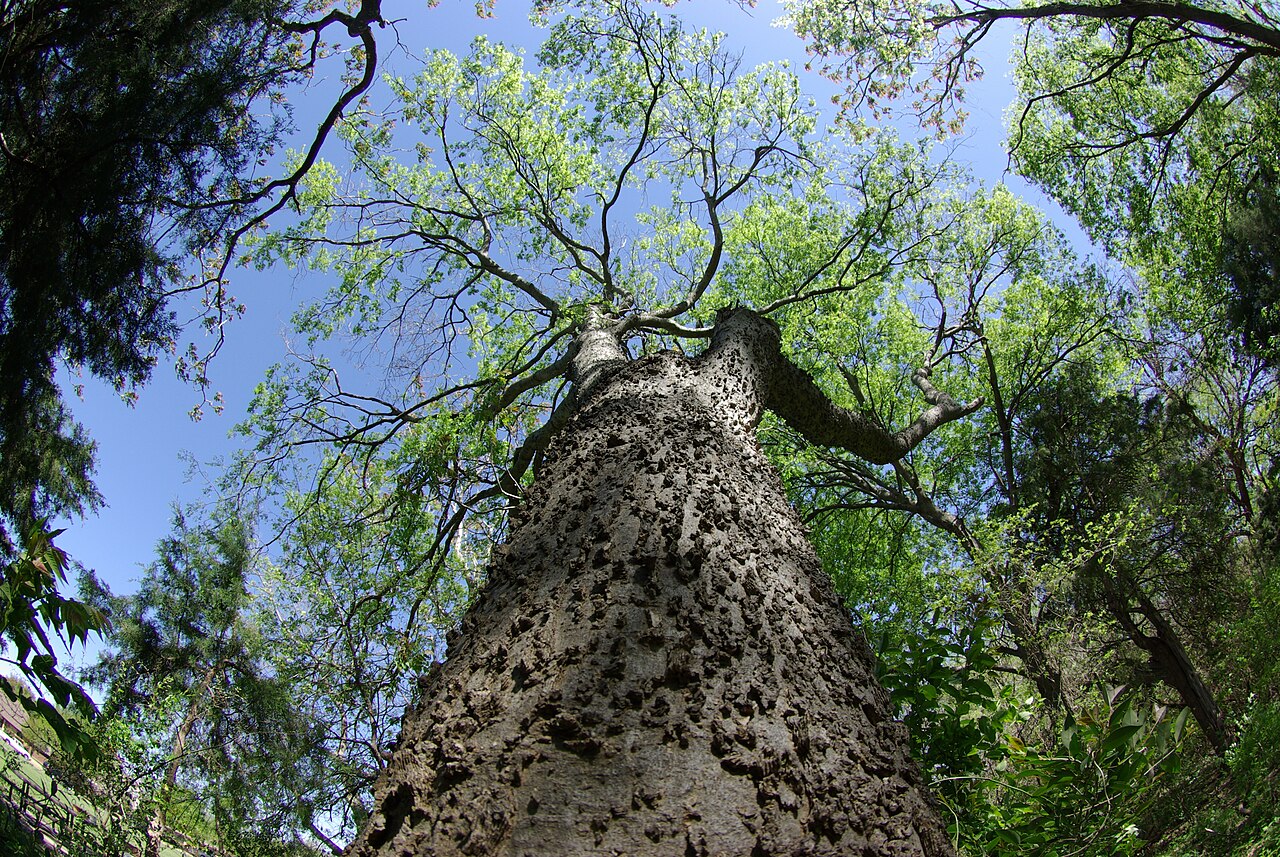
Sugarberry trunk and crown in Crowley Park, Richardson, Texas. Photo: Gaberlunzi (Richard Murphy) — Wikimedia Commons, CC BY-SA 3.0. Sugarberry is a large native shade
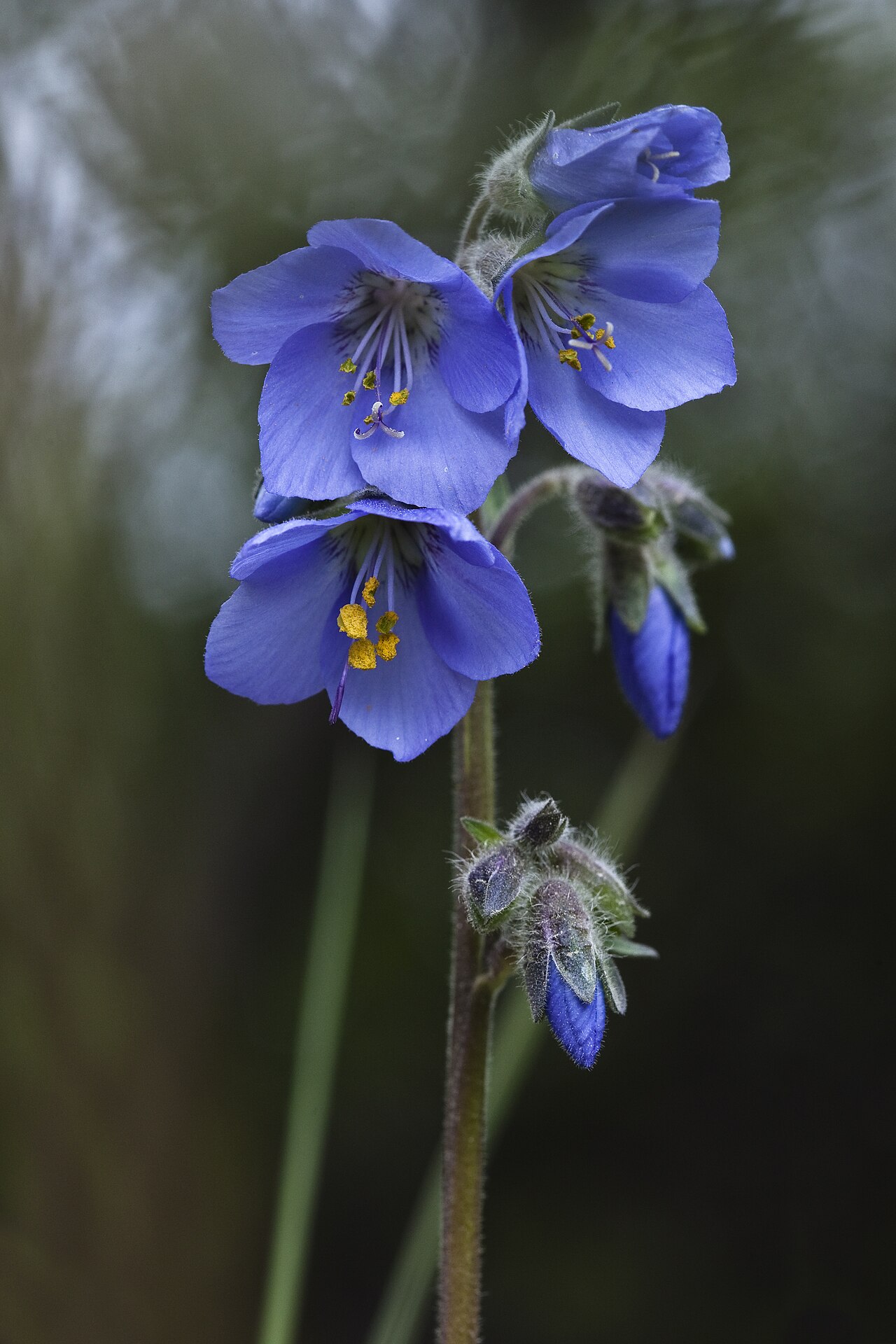
Tall Jacob’s-ladder flowering in Denali National Park and Preserve, Alaska. Photo: NPS / Jacob W. Frank: Denali National Park and Preserve — Wikimedia Commons, Public
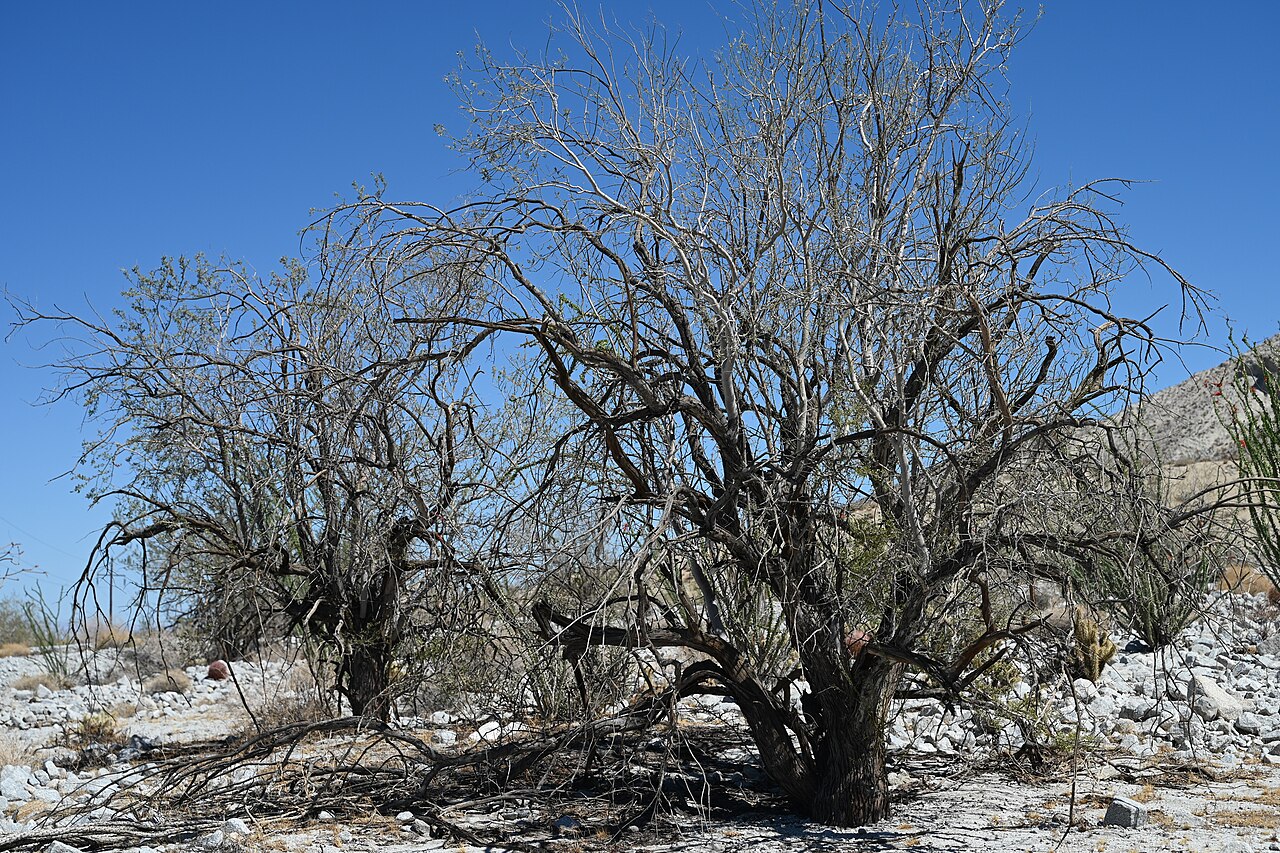
Desert ironwood in Nude Wash, Anza-Borrego Desert State Park, California. Photo: Krzysztof Ziarnek, Kenraiz — Wikimedia Commons, CC BY-SA 4.0. Desert ironwood is a broad-crowned
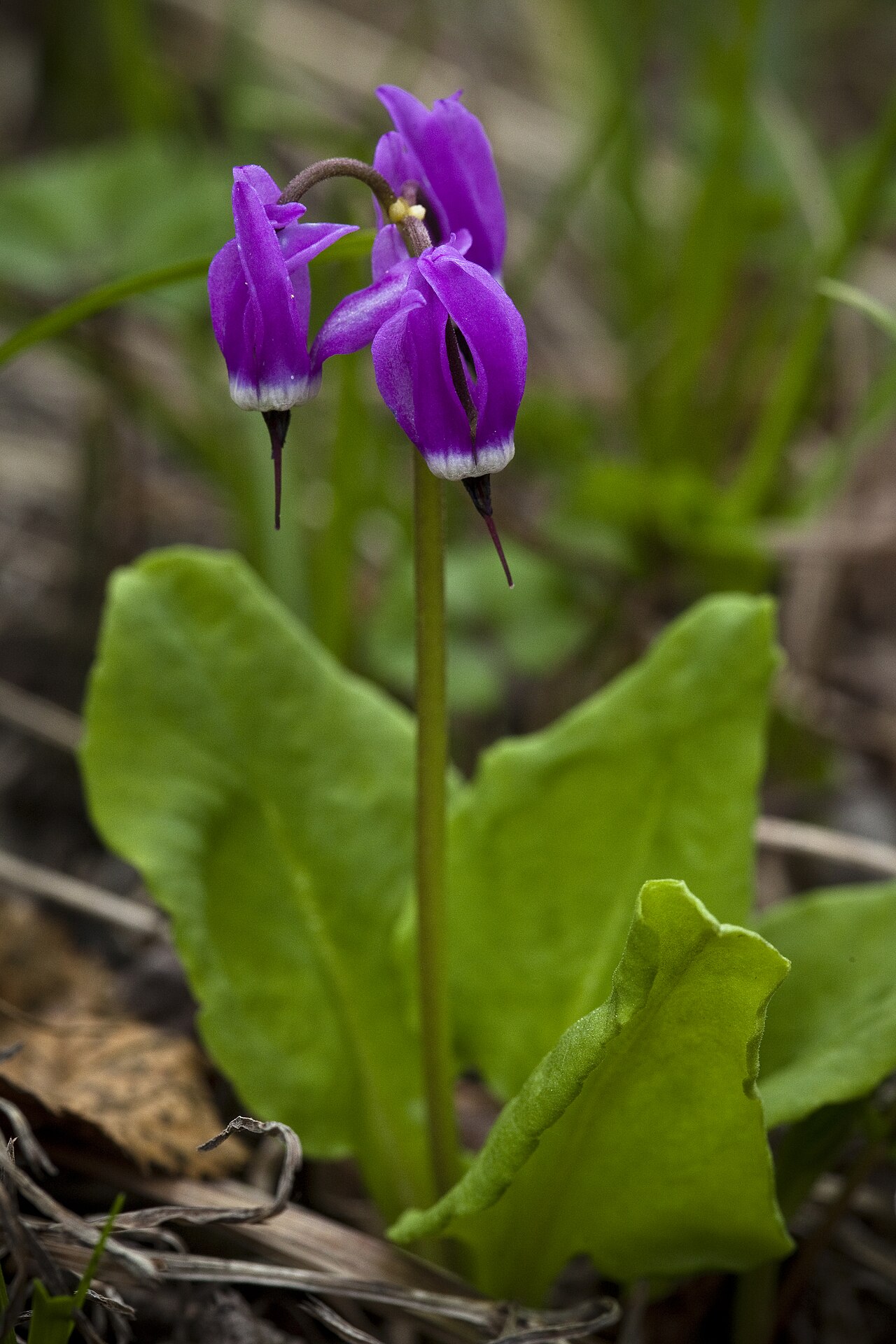
Western arctic shooting star in Denali National Park and Preserve, Alaska. Photo: NPS / Jacob W. Frank: Denali National Park and Preserve — Wikimedia Commons,
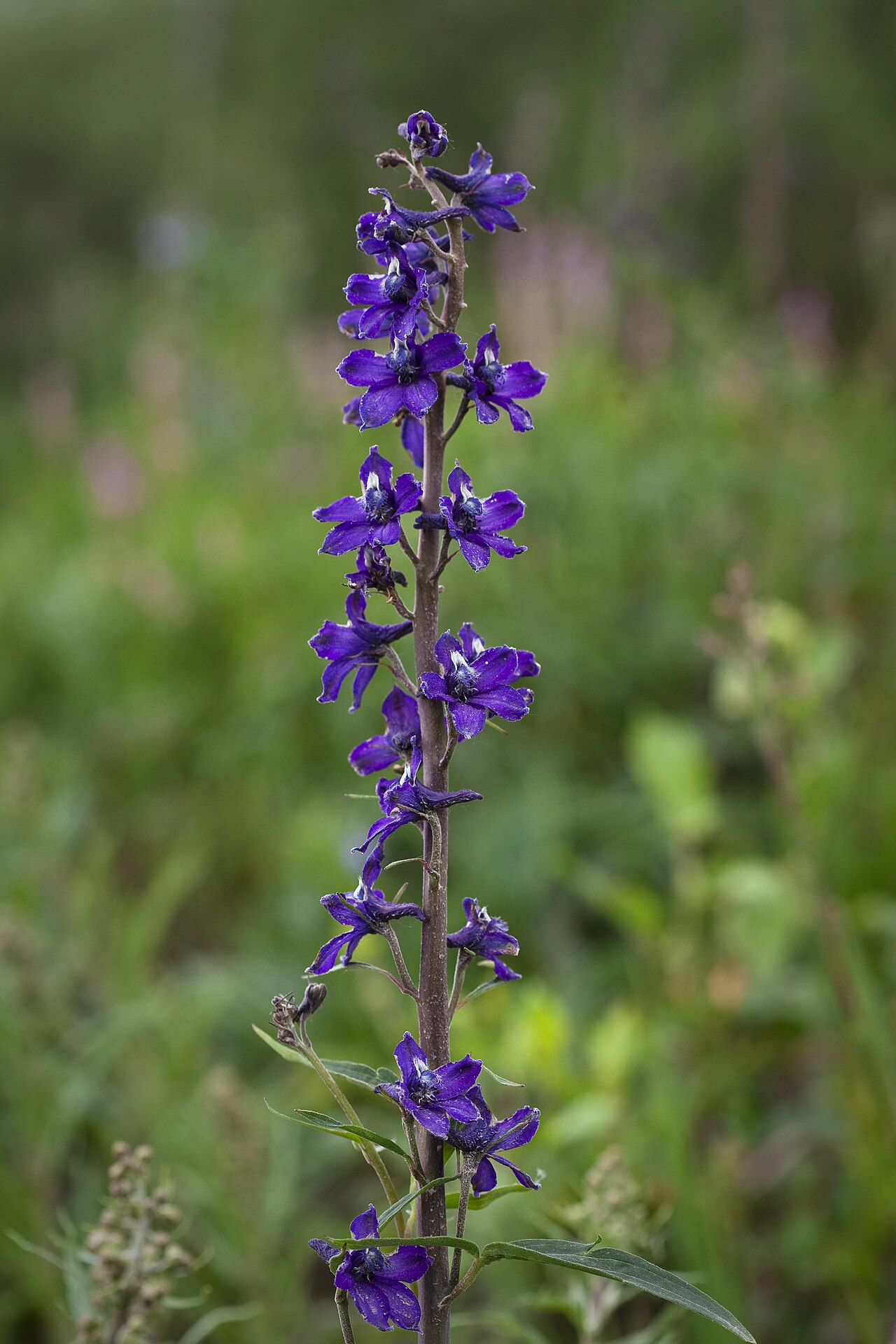
Tall larkspur flowering in Denali National Park and Preserve, Alaska. Photo: NPS / Jacob W. Frank: Denali National Park and Preserve — Wikimedia Commons, Public
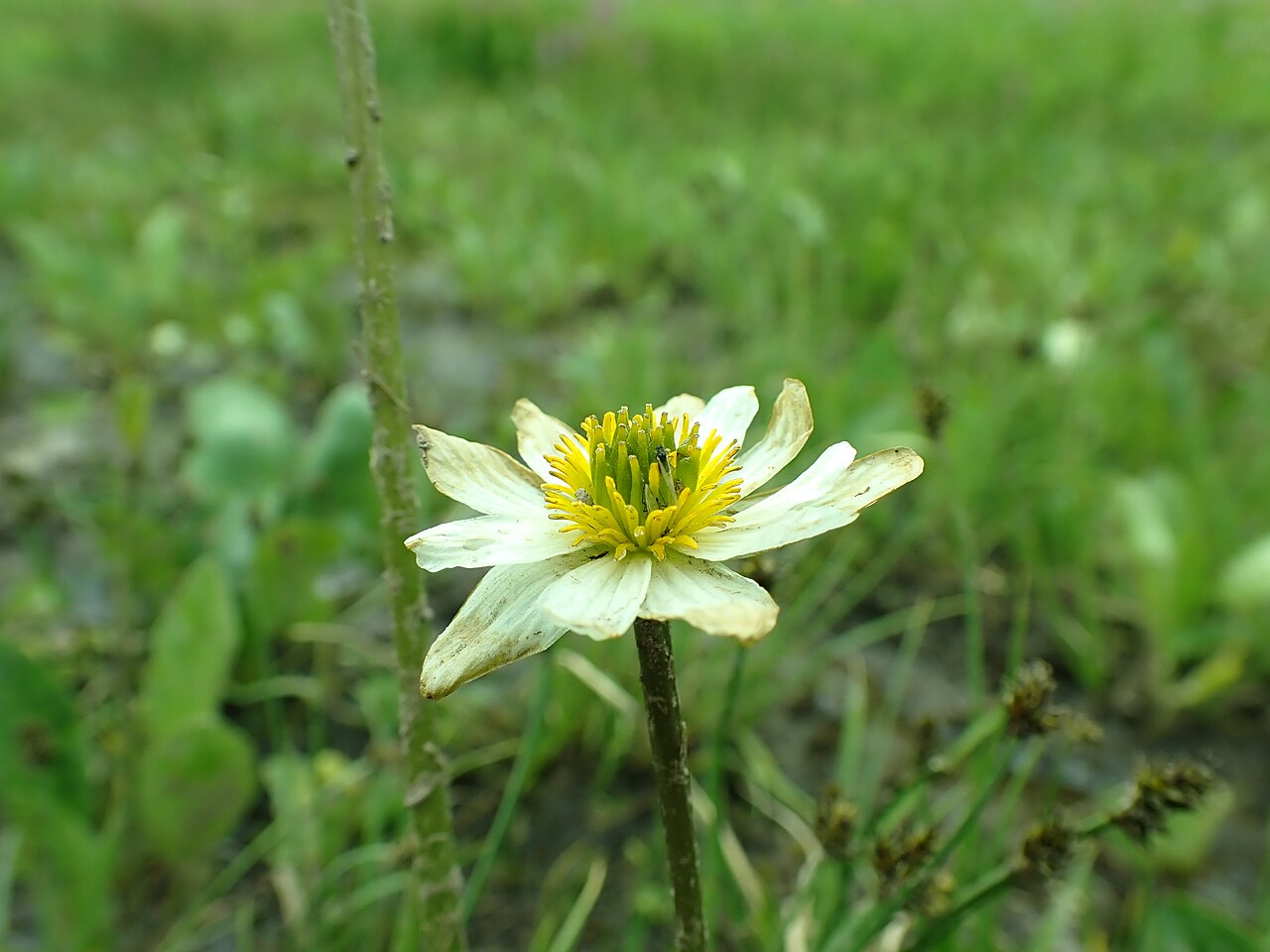
White marsh marigold flowering in a wet meadow in Montana’s Gallatin Range. Photo: Matt Lavin — Wikimedia Commons, CC BY-SA 2.0. White marsh marigold (Caltha
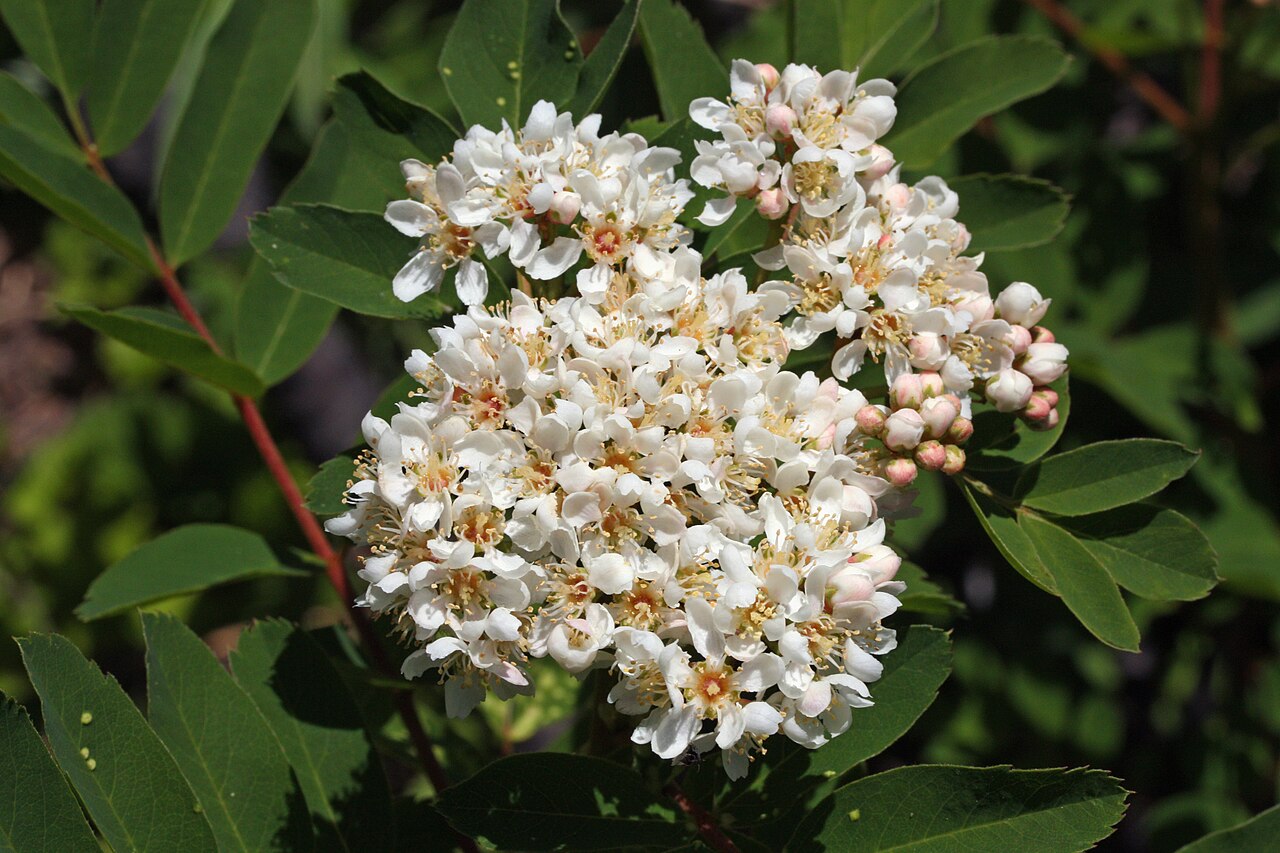
White flower cluster and rounded leaflets of Sitka mountain-ash. Photo: Walter Siegmund (talk) — Wikimedia Commons, CC BY-SA 3.0. Sitka mountain-ash (Sorbus sitchensis) is a
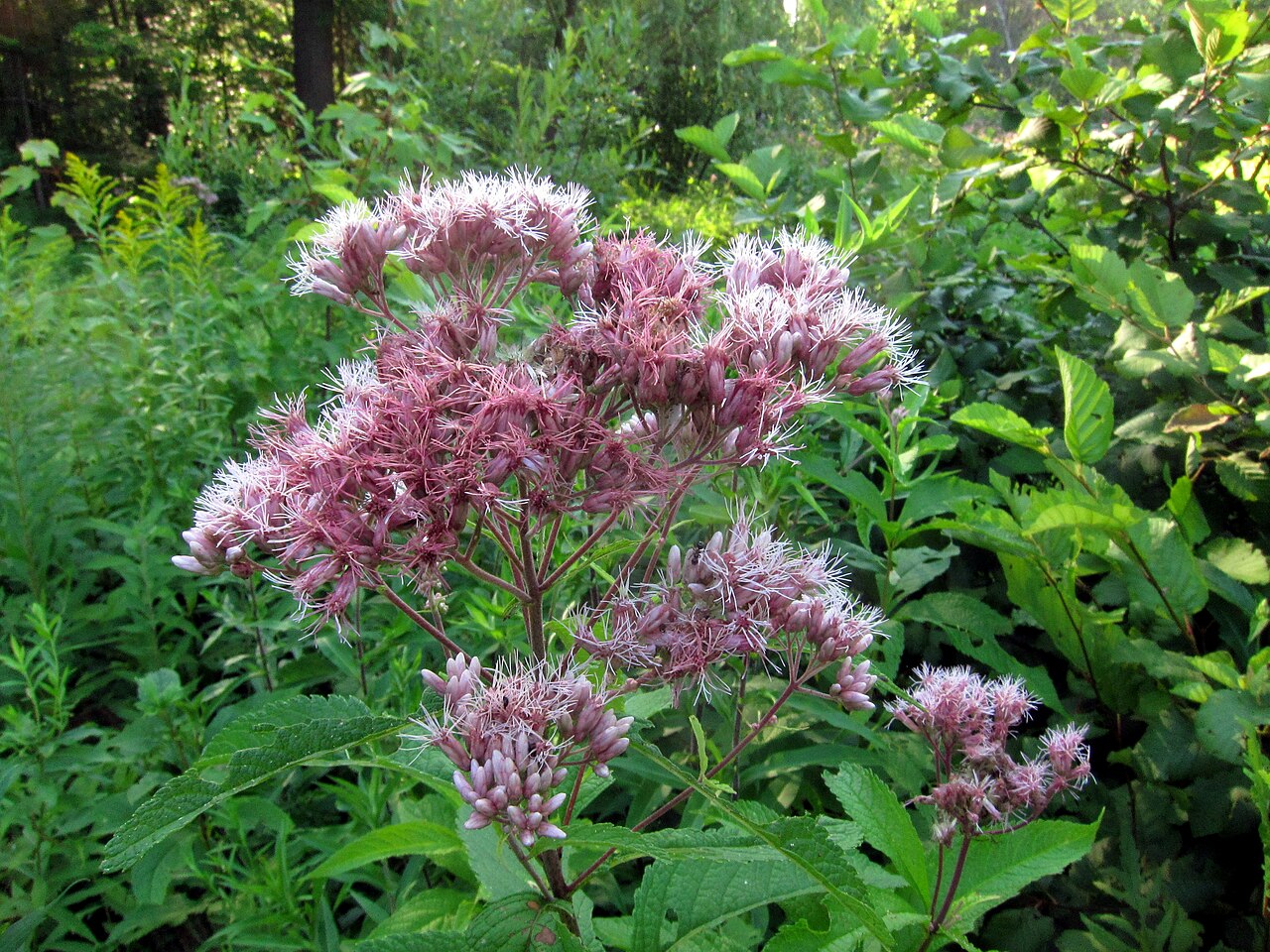
Pink flower dome of sweet Joe-Pye weed. Photo: Charles de Mille-Isles from Mille-Isles, Canada — Wikimedia Commons, CC BY 2.0. Sweet Joe-Pye weed (Eutrochium purpureum)
View More