Salal (Gaultheria shallon)
Gaultheria shallon, commonly known as Salal, is a remarkable evergreen shrub that forms the backbone of Pacific Northwest understory ecosystems. This hardy member of the heath family creates dense, nearly impenetrable thickets that provide crucial habitat for wildlife while offering gardeners a resilient, low-maintenance groundcover option. Named from the Chinook Jargon word “shallon” recorded by Lewis and Clark, this versatile plant has been treasured by Indigenous peoples for centuries and continues to play vital ecological and economic roles in the region today.
Quick Facts
| Scientific Name | Gaultheria shallon Pursh |
| Plant Type | Evergreen shrub, subshrub |
| Height | 1.5-10 feet (0.5-3 meters) |
| Sun Exposure | Full Sun to Full Shade |
| Water Needs | Moderate |
| Soil Type | Sandy, peaty, acidic; grows on decaying wood |
| Soil pH | 4.5-6.5 (acidic) |
| Bloom Time | May-July |
| Flower Color | Pink to white, urn-shaped |
| USDA Hardiness Zones | 6-10 |
Identification
Salal is a distinctive evergreen shrub that ranges from low-growing groundcover to tall, upright specimens reaching 10 feet in ideal conditions. The plant forms dense colonies through extensive underground rhizomes, creating thickets that can persist for centuries.
Leaves
The leaves are perhaps salal’s most recognizable feature. They are alternate, leathery, and evergreen, with an oval to egg shape measuring 2-4 inches long. The upper surface is distinctively dark green and glossy, while the underside is lighter and rougher in texture. Each leaf has finely serrated edges and prominent veining, giving them a textured appearance that catches light beautifully. The leaves typically persist for 2-4 years before being replaced, creating a dense canopy year-round.
Bark and Stems
Young twigs are reddish-brown with characteristic shredding bark that peels in thin strips. As branches mature, they develop a more woody appearance while retaining the distinctive reddish coloration. Individual twigs can live up to 16 years, though they only bear leaves for the first few years of their life.
Flowers
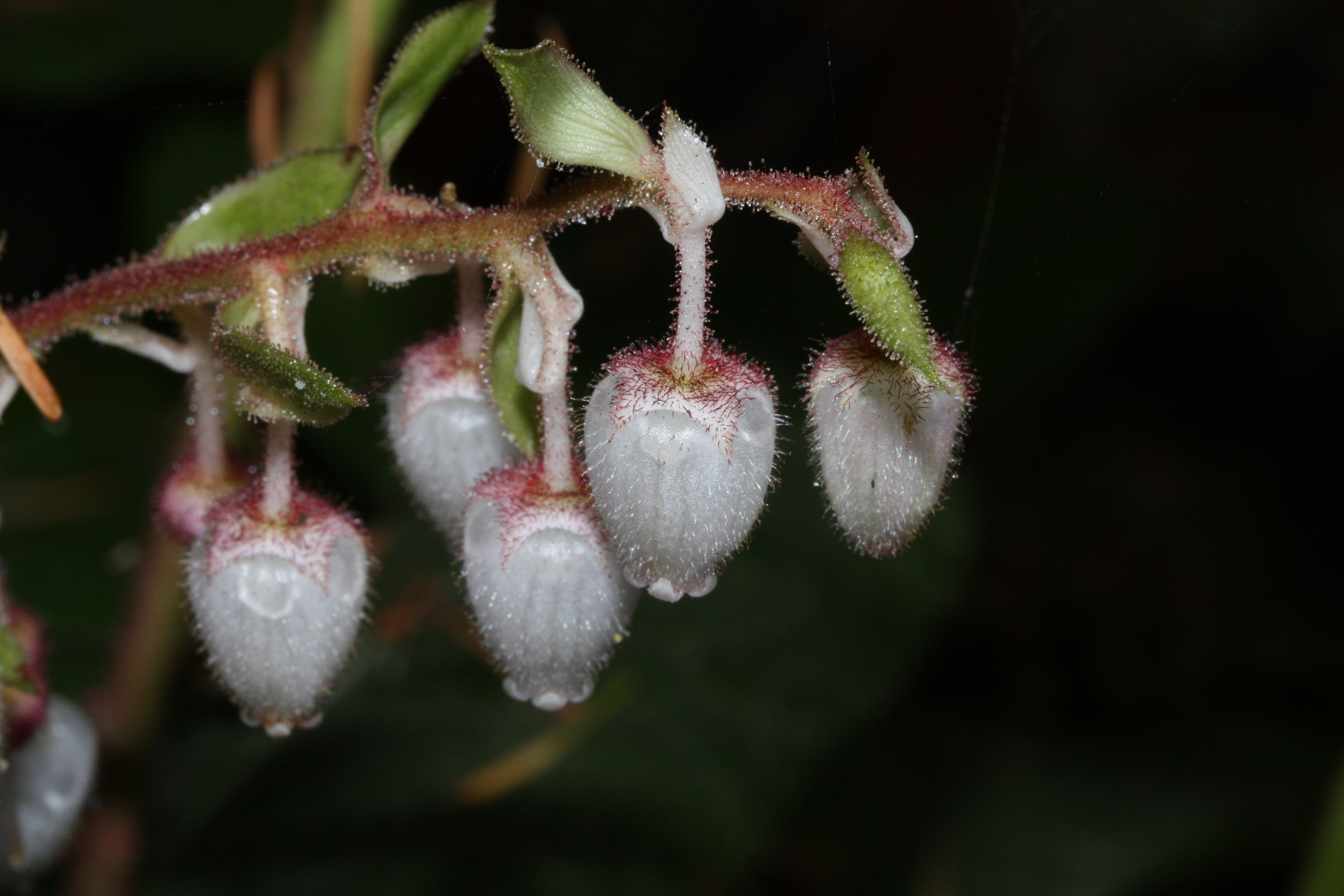
From May through July, salal produces enchanting flower clusters at the branch tips. The flowers are arranged in one-sided racemes containing 5-15 individual blossoms. Each flower is urn-shaped, measuring about ¼ to ⅜ inch long, and ranges from pink to white in color. The flowers have a waxy texture and emit a subtle, pleasant fragrance that attracts various pollinators.
Fruit and Seeds
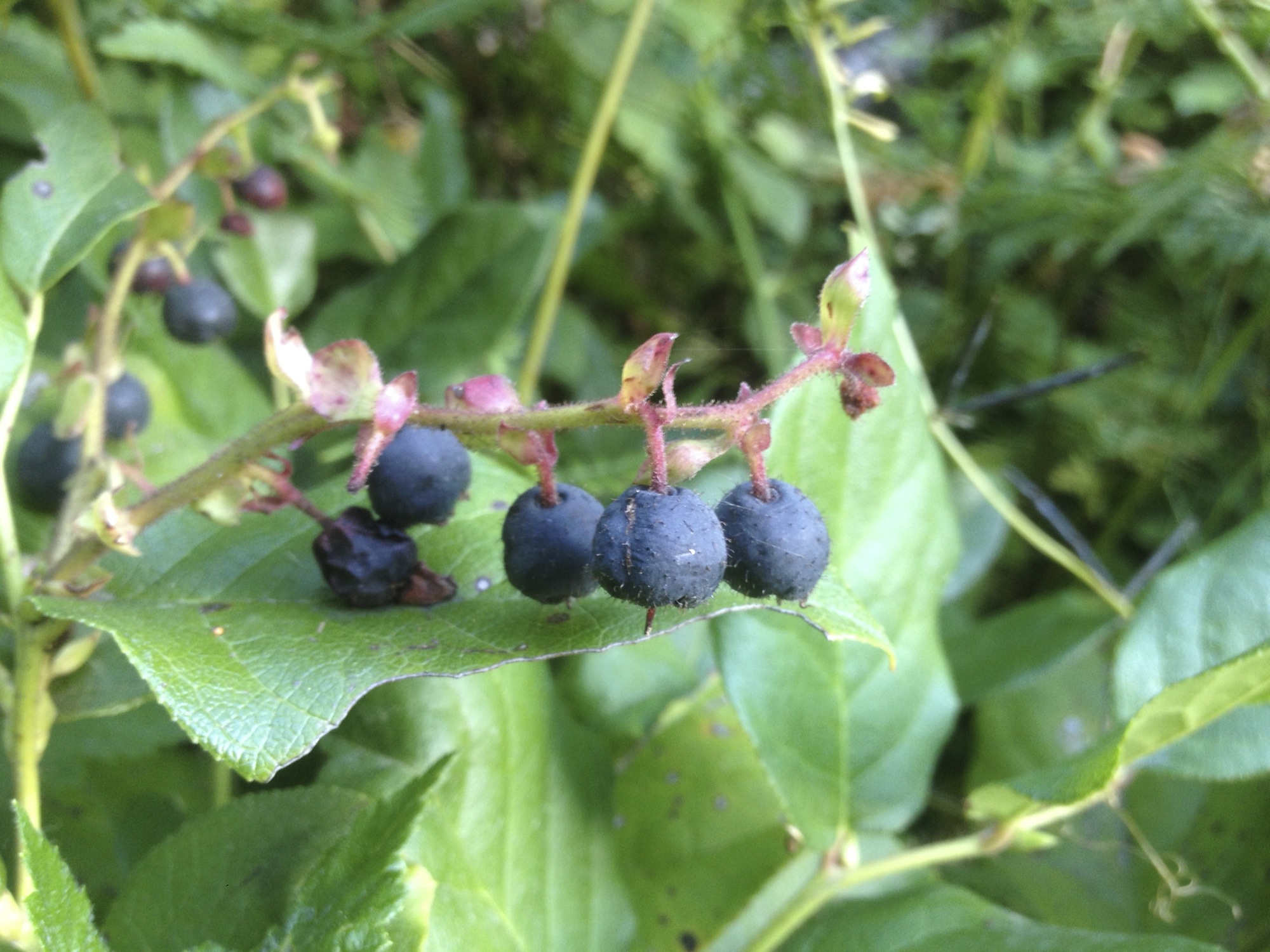
The fruit, technically a pseudoberry, develops from late summer into fall. These nearly spherical berries are 6-10mm in diameter with a distinctive rough, hairy surface that ranges from reddish to dark blue-black when ripe. Each berry contains an average of 126 tiny brown seeds and has a unique, mildly sweet flavor that has been valued by Indigenous peoples for millennia.
Native Range
Salal is endemic to the coastal regions of western North America, where it thrives in the cool, moist climate of the Pacific coastal fog zone. This remarkable shrub extends from southeastern Alaska down through British Columbia, Washington, Oregon, and California, reaching its southernmost limit in the coastal mountains of central California.
The species shows remarkable adaptability within its native range, growing from sea level to elevations of approximately 3,000 feet. It is most abundant in the coastal fog belt but extends inland in river valleys and can be found in the Cascade Range foothills. In Alaska, salal reaches as far north as Baranof Island, demonstrating its cold tolerance.
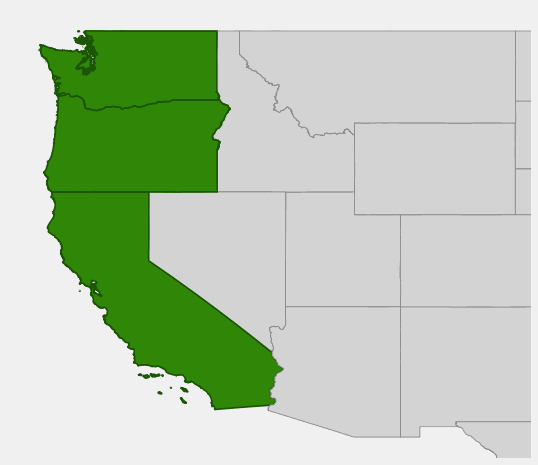
📋 Regional plant lists featuring Salal: Western Oregon & Western Washington
Growing & Care Guide
Salal is an exceptionally adaptable plant that, once established, requires minimal care while providing maximum ecological and aesthetic value. Understanding its natural preferences will help you successfully integrate this valuable native into your landscape.
Light Requirements
While salal tolerates a wide range of light conditions, it performs best in partial shade to filtered sun. In its natural habitat, it thrives under the canopy of conifers where it receives dappled sunlight throughout the day. In full sun locations, particularly in hot inland areas, plants may need supplemental irrigation during dry periods. In deep shade, salal will persist but may become less dense and produce fewer flowers and berries.
Soil Preferences
Salal strongly prefers acidic soils with a pH between 4.5-6.5, mimicking the naturally acidic conditions found under coniferous forests. The plant thrives in well-draining sandy or peaty soils rich in organic matter. One of salal’s most remarkable characteristics is its ability to establish on decaying wood and nurse logs, making it an excellent choice for areas with organic debris. It can even grow as an epiphyte in extremely humid conditions.
Water Requirements
Once established, salal is remarkably drought tolerant, though it appreciates consistent moisture during its first growing season. In coastal areas, natural rainfall and fog provide adequate moisture, but inland plantings may benefit from deep, infrequent watering during extended dry periods. Avoid overwatering, as salal is adapted to well-draining conditions and can suffer in waterlogged soils.
Planting Tips
Plant salal in spring after the last frost, spacing plants 3-6 feet apart depending on desired coverage speed. Amend heavy clay soils with organic matter and sand to improve drainage. In alkaline soils, incorporate sulfur or organic acidifiers to lower pH. Mulch around plants with organic materials like bark chips or leaf mold to maintain soil acidity and moisture.
Pruning and Maintenance
Salal requires minimal pruning but can be shaped as needed in late winter or early spring. The plant responds well to hard pruning if renewal is desired, as it will regenerate from its extensive rhizome system. Remove any dead or damaged branches as needed. In landscapes where spreading is unwanted, install root barriers or regularly remove expanding shoots.
Propagation
Salal can be propagated through several methods. Division of established clumps in early spring is the most reliable method for home gardeners. Rhizome cuttings taken in late fall can be planted directly in prepared beds. Seed propagation is possible but requires patience, as germination can be slow and irregular. Softwood cuttings taken in early summer have moderate success rates when treated with rooting hormone.
Wildlife & Ecological Value
Salal is a keystone species in Pacific Northwest ecosystems, providing critical habitat and food resources for an incredible diversity of wildlife. Its ecological importance cannot be overstated – this single plant species supports complex food webs and provides essential ecosystem services.
Pollinators
The urn-shaped flowers of salal attract a diverse array of pollinators throughout the late spring and early summer blooming period. Hummingbirds are particularly drawn to the nectar-rich flowers, with Anna’s hummingbirds and rufous hummingbirds being frequent visitors. Native bees, including bumblebees and solitary bee species, are important pollinators and can often be seen working the flower clusters. Beneficial flies and other small insects also contribute to pollination while feeding on the abundant nectar.
Birds
The berries of salal are a crucial food source for numerous bird species, particularly during late summer and fall when many other food sources become scarce. Band-tailed pigeons consume large quantities of the nutritious berries, as do various grouse species including sooty grouse and ruffed grouse. The dense thickets provide nesting sites and protective cover for wrentits, various songbirds, and ground-nesting species. The evergreen foliage offers year-round shelter, making salal thickets essential winter habitat.
Mammals
Large mammals depend heavily on salal for both food and shelter. Black-tailed deer and Roosevelt elk browse the leaves extensively, particularly during winter months when salal can comprise up to 30% of their diet. While the leaves have relatively low nutritional value, their availability during harsh winter conditions makes them a critical survival food. Black bears feast on the berries during late summer, building fat reserves for winter.
Small mammals also benefit greatly from salal habitat. Red squirrels, Douglas squirrels, and Townsend’s chipmunks harvest and cache the berries for winter food stores. The dense understory created by salal thickets provides essential cover for small mammals from predators, while the complex root system offers burrowing opportunities for various rodent species.
Ecosystem Role
Beyond its direct wildlife value, salal plays crucial roles in ecosystem function. The dense root system helps prevent soil erosion on steep coastal slopes and provides stability in unstable soils. The plant’s ability to colonize disturbed sites makes it valuable for natural restoration processes. Salal’s tolerance of salt spray allows it to pioneer coastal dune systems and stabilize shifting sands.
The leaf litter from salal contributes to soil development, creating the acidic, organic-rich conditions that support the broader Pacific Northwest forest ecosystem. The plant’s fire adaptations allow it to quickly reestablish after wildfires, helping to stabilize burned areas and begin succession processes.
Cultural & Historical Uses
Salal has been culturally significant to Indigenous peoples of the Pacific Northwest for thousands of years. The berries were a major food source, eaten fresh during harvest season and dried into concentrated cakes for winter storage. These berry cakes were so nutritious and long-lasting that they became important trade items between coastal and inland tribes.
The Haida people used salal berries to thicken salmon eggs, while various tribes used the leaves to flavor fish soups and as wrappings for cooking other foods. Beyond nutrition, salal leaves were employed medicinally as an astringent for treating various ailments including bladder inflammation, stomach ulcers, and external wounds.
Today, salal has found modern economic applications. The attractive, long-lasting foliage is extensively harvested for the floral industry, where it’s marketed as “lemon leaf.” This has created a significant industry in the Pacific Northwest, with millions of dollars in salal foliage exported worldwide annually. The berries are experiencing renewed interest among chefs and food enthusiasts for their unique flavor profile and nutritional benefits.
Landscape Applications
Salal offers tremendous versatility in landscape design, particularly for gardeners seeking low-maintenance, environmentally beneficial plants. Its dense growth habit makes it excellent for erosion control on slopes, while its salt tolerance allows use in coastal gardens where few other plants survive.
As a groundcover, salal effectively suppresses weeds while providing year-round evergreen coverage. The plant works beautifully in naturalized areas, woodland gardens, and native plant landscapes. Its ability to grow in dry shade makes it valuable for difficult areas under established trees where grass struggles.
For wildlife gardeners, salal is indispensable – few plants provide such comprehensive habitat value in a single species. The berries extend the season of food availability, while the dense thickets offer crucial nesting sites and protective cover. In restoration projects, salal helps establish the understory structure essential for recreating functional Pacific Northwest forest ecosystems.
Frequently Asked Questions
Is salal invasive outside its native range?
Yes, salal can become invasive in regions with similar climates, particularly in parts of Britain and Ireland where it was introduced in the 1800s. However, within its native Pacific Northwest range, it is an essential and appropriate component of natural ecosystems.
How fast does salal spread?
Salal spreads slowly but steadily through underground rhizomes, typically expanding 1-2 feet per year under favorable conditions. Dense colonies can take several years to establish but may persist for centuries once mature.
Can I eat salal berries?
Yes, salal berries are edible and have been consumed by Indigenous peoples for thousands of years. They have a unique, mildly sweet flavor and can be eaten fresh or used in jams and baked goods. The berries are rich in antioxidants and other beneficial compounds.
Why won’t my salal bloom?
Salal may not bloom if it’s too young (plants typically need 3-5 years to mature), in too much shade, or in alkaline soils. Ensuring acidic conditions and at least partial sun will encourage flowering. Patience is often the key, as salal focuses energy on establishing its root system before flowering.

Looking for a nursery that carries Salal?
Browse our native plant nursery directory: Oregon · Washington