Scarlet Globemallow (Sphaeralcea coccinea)
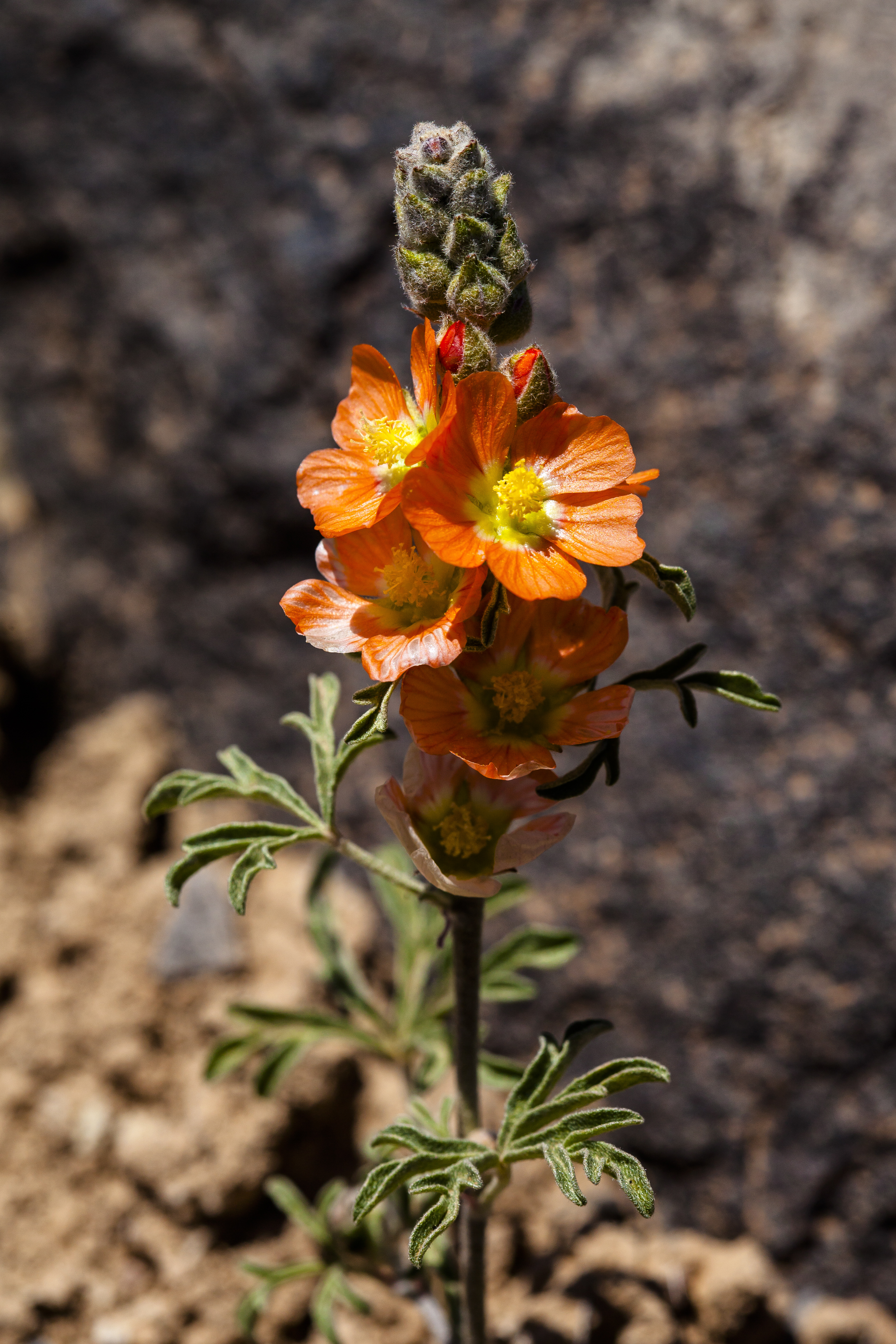
Sphaeralcea coccinea, commonly known as Scarlet Globemallow, is one of the most brilliantly colored and ecologically important low-growing wildflowers of the North American Great Plains and adjacent arid regions. A member of the mallow family (Malvaceae), Scarlet Globemallow produces clusters of vivid orange-red to coral-red cup-shaped flowers — the “scarlet” of its common name — along low, spreading stems that hug close to the ground, rarely exceeding 12 inches (30 cm) tall. Despite its modest stature, this tough, drought-tolerant perennial is one of the most conspicuous and beloved native wildflowers of the open prairie, roadside, and dry hillside communities throughout its range.
Scarlet Globemallow is supremely well-adapted to the harsh conditions of the northern Great Plains and Rocky Mountain foothills. It tolerates prolonged drought, intense sun, poor soils, wind, and temperature extremes that would kill most garden plants. Its silvery-gray foliage — covered in dense stellate (star-shaped) hairs that reduce water loss and reflect intense solar radiation — and its deep taproot that reaches far down into the soil profile for moisture make it virtually indestructible once established. In Montana and Wyoming, it brightens roadsides, dry plains, shortgrass prairie, and disturbed ground from spring through midsummer, sometimes producing a second flush of bloom in late summer after monsoon or late-season rains.
Beyond its beauty, Scarlet Globemallow plays important ecological roles as a food plant for specialist native bees, as early-season forage for pronghorn and prairie dogs, and as a medicinal plant of profound importance to many Indigenous cultures of the Great Plains and Southwest. Its combination of extreme toughness, brilliant color, and ecological value makes it one of the most highly recommended native plants for dry, difficult sites throughout the western United States.
Identification
Scarlet Globemallow is a low-growing, spreading to semi-erect perennial herb, typically 6 to 12 inches (15–30 cm) tall and spreading 1 to 2 feet wide. New growth emerges from a woody base (caudex) and deep taproot each spring, producing multiple stems that may remain low and spreading or rise more erect depending on soil moisture and sun intensity. The entire plant — stems, leaves, and even the calyxes — is covered in dense, ashy gray to whitish stellate hairs, giving it a distinctive silvery-gray cast that distinguishes it from most other prairie wildflowers at a distance.
Leaves
The leaves are deeply palmately lobed — 3 to 5 lobes, each further toothed or lobed — creating a maple-leaf-like shape 1 to 2.5 inches (2.5–6 cm) across. The lobing pattern is fairly consistent, distinguishing it from some related species. The leaf surface is densely covered with the characteristic stellate hairs that give the plant its grayish-green color. Leaves are alternate on the stems and remain on the plant until hard frost, providing some winter interest in mild years.
Flowers
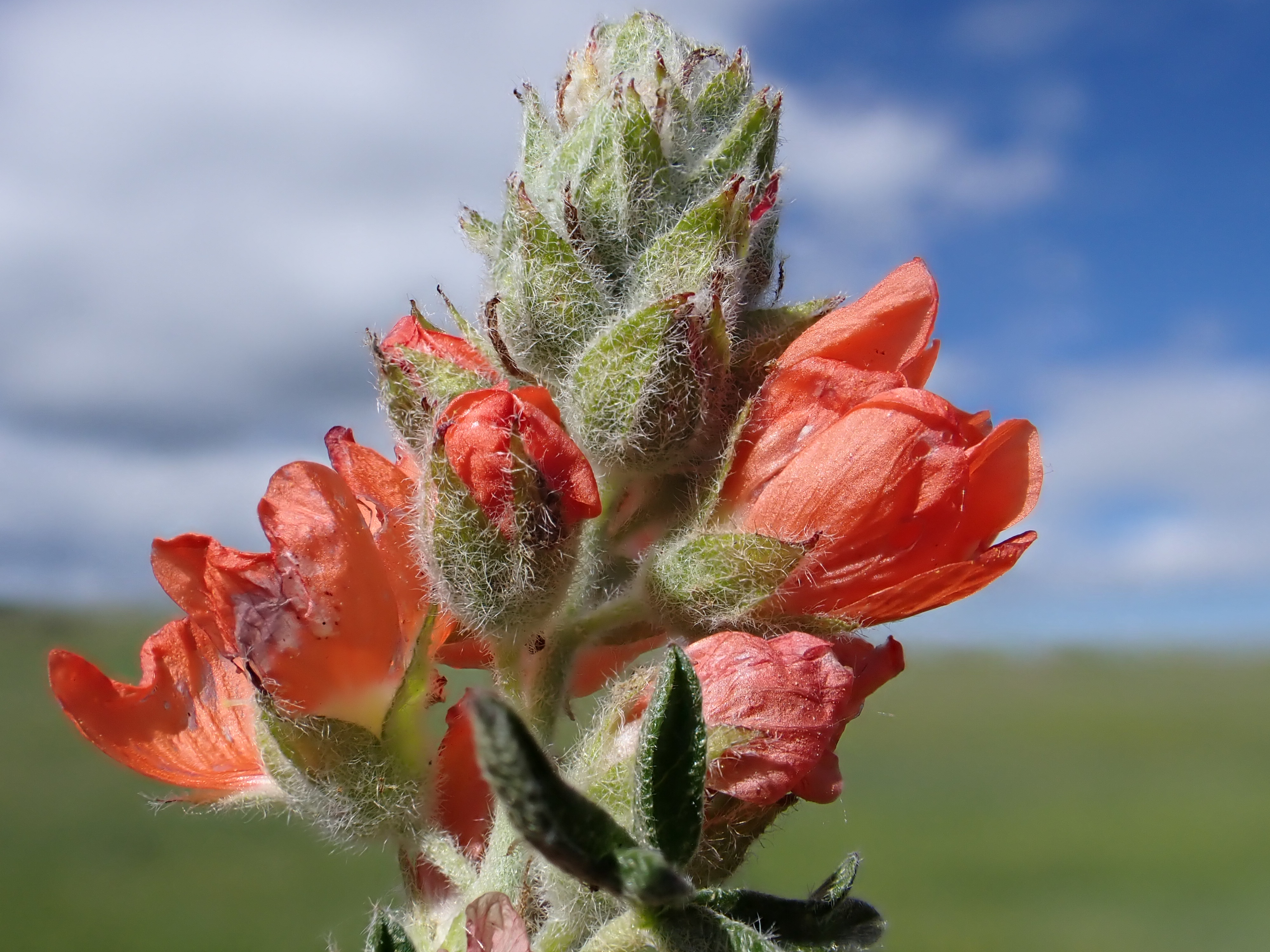
The flowers are the plant’s most spectacular feature: 5-petaled, cup-shaped (mallow form), 0.75 to 1.25 inches (2–3 cm) in diameter, in brilliant orange-red to coral-red, occasionally more salmon or vermilion in some populations. The petals are silky and slightly translucent, with numerous yellow stamens forming a central column typical of the mallow family. Flowers are borne in racemes along the upper portions of the stems, with multiple blooms open simultaneously. The bloom season is typically May–July in the northern plains, sometimes with a second flush in August–September after late-season rain. The flowers attract specialist bees, butterflies, and hummingbirds.
Fruit & Seeds
The fruit is a schizocarp — a segmented structure that breaks apart into 10 to 14 individual one-seeded mericarps (nutlets) at maturity. This is the “globe” of the common name — the developing fruit forms a spherical structure before splitting. The seeds are dark brown to black, kidney-shaped, and moderately hard. They remain viable in the soil for several years and can self-sow to naturalize in suitable sites.
Quick Facts
| Scientific Name | Sphaeralcea coccinea |
| Family | Malvaceae (Mallow family) |
| Plant Type | Perennial Wildflower / Low Subshrub |
| Mature Height | 1 ft |
| Sun Exposure | Full Sun |
| Water Needs | Low (Drought Tolerant) |
| Bloom Time | May – July; often again Sept. |
| Flower Color | Brilliant orange-red to coral-red |
| Foliage | Silvery-gray (stellate hairs) |
| USDA Hardiness Zones | 3–9 |
Native Range
Scarlet Globemallow is native to the central and western Great Plains and adjacent arid regions, ranging from Montana and the Canadian prairies south through Wyoming, Colorado, Utah, New Mexico, Arizona, and Texas, and east through the Dakotas, Nebraska, Kansas, and Oklahoma. It is most abundant in the shortgrass prairie, mixed-grass prairie, sagebrush steppe, and pinyon-juniper woodland zones where dry, open, often disturbed soils support its competitive style of growth. It is among the most common wildflowers of dry roadsides and disturbed ground throughout its range.
In Montana and Wyoming, Scarlet Globemallow is a ubiquitous and beloved wildflower of the open plains, foothills, and lower mountain slopes. It occurs throughout both states at elevations from the valley floor up to about 7,000 feet, thriving wherever dry, sunny conditions prevail. After spring and early summer rains, it can form spectacular stands along roadsides and in open prairie, creating low swaths of brilliant orange-red that are among the most vivid wildflower displays of the season. It is particularly characteristic of overgrazed or disturbed soils, where its competitive tolerance of disturbance allows it to persist and thrive when other wildflowers have been eliminated.
Scarlet Globemallow is notably variable across its range, with several recognized varieties differing in leaf shape, flower color, and growth form. The typical form in Montana and Wyoming has deeply lobed leaves and brilliant orange-red flowers. In some areas, natural hybridization with other Sphaeralcea species produces intermediate forms with somewhat different coloration or leaf form.
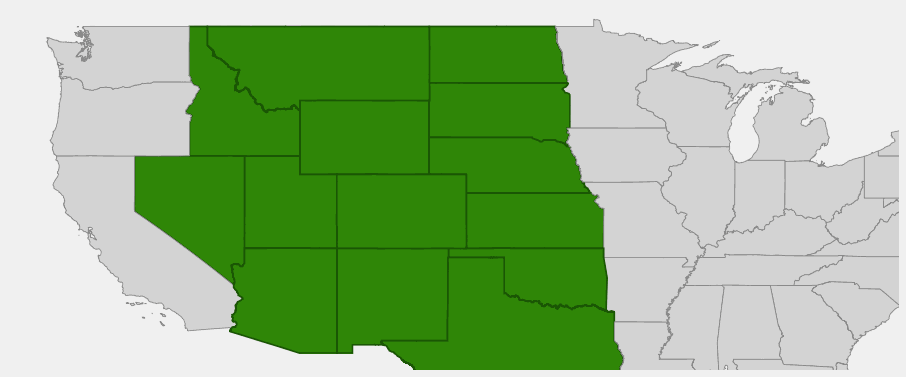
📋 Regional plant lists featuring Scarlet Globemallow: Montana & Wyoming
Growing & Care Guide
Scarlet Globemallow is one of the toughest and most drought-tolerant native wildflowers available for western gardens. Once established, it is virtually indestructible and requires almost no care. Its brilliant flowers, silvery foliage, and compact stature make it ideal for the front of borders, rock gardens, xeriscape plantings, and naturalistic prairie gardens.
Light
Full sun is essential. Scarlet Globemallow is adapted to the intense solar radiation of open plains and rocky slopes and does not perform well in shade. Provide at least 6 hours of direct sun daily — more is better. In partial shade, plants become leggy, bloom sparingly, and lose the tight, compact form that makes them attractive as garden plants.
Soil & Water
Scarlet Globemallow thrives in lean, well-drained to dry soils — sandy loams, gravelly soils, and rocky slopes are ideal. Avoid heavy clay or soil that stays moist, which causes root rot. It performs poorly in rich, fertile garden soils, producing excessive soft growth that is less drought-tolerant. Once established (after the first growing season), Scarlet Globemallow typically requires no supplemental irrigation in areas with at least 12 inches of annual precipitation. During establishment, water deeply once every 10–14 days in summer, then gradually reduce frequency.
Planting Tips
Scarlet Globemallow can be started from seed or transplanted from container stock. For seed: cold-stratify for 4–6 weeks or scarify (nick or abrade the seed coat) to improve germination. Direct sow in fall or early spring in a prepared, well-drained bed; press seeds lightly into contact with soil but do not deeply bury. Germination is somewhat erratic — some seeds may germinate immediately while others may remain dormant for a season. Transplant container-grown plants in spring, disturbing the taproot as little as possible.
Pruning & Maintenance
After the main bloom period, cut plants back by one-third to one-half to encourage a second flush of bloom and a tidier appearance. In very arid climates, the plant may go semi-dormant in midsummer heat, appearing dried out — this is normal and not a sign of death. Leave the plants standing through fall for bird seed value and winter interest; cut back in early spring before new growth emerges. Division is rarely needed, as the deep taproot makes division difficult and plants are long-lived without it.
Landscape Uses
- Xeriscape front-of-border — compact size and brilliant color ideal for low-water borders
- Rock gardens — thrives in the sharp drainage and heat of rock garden settings
- Prairie meadow plantings — authentic native element of shortgrass prairie gardens
- Slopes and banks — spreading stems and deep taproot control erosion
- Container planting — can be grown in pots with very well-drained mix
- Difficult dry spots — one of the few flowering plants that thrives under intense drought stress
Wildlife & Ecological Value
Scarlet Globemallow provides exceptional wildlife value despite its small stature, supporting specialist pollinators, forage animals, and seed-eating birds.
For Pollinators
Scarlet Globemallow is particularly valuable for native bees. Several specialist bee species in the genus Diadasia have co-evolved with Sphaeralcea and related mallows, depending on them as their primary or exclusive pollen source. These specialist mallow bees are important pollinators of globemallows across the West. Bumble bees, sweat bees, and mining bees also visit the flowers for nectar and pollen. The brilliant orange-red color is highly attractive to a wide range of native bees and butterflies.
For Birds
The seeds provide food for Horned Larks, various sparrows, and other seed-eating birds of the open prairie. The compact, low-growing habit of the plant also provides cover for ground-nesting birds and small mammals in the open prairie environment.
For Mammals
Pronghorn, deer, and prairie dogs eat the leaves and stems of Scarlet Globemallow, particularly when the plant is young and tender. It is listed as a moderately palatable forage species for livestock in rangeland assessments. The deep taproot allows it to survive heavy grazing pressure that eliminates other species, making it an indicator of overgrazing in prairie communities where it becomes disproportionately abundant after disturbance.
Ecosystem Role
Scarlet Globemallow is a pioneer species adapted to disturbance and is one of the first natives to colonize bare ground on the Great Plains after fire, drought, or overgrazing. Its presence indicates dry, often disturbed soils and can be used as an ecological indicator of soil conditions. Its deep taproot system brings nutrients up from lower soil layers and contributes to soil structure. The stellate hairs on the plant’s surface trap dust and fine particles, contributing to soil formation over time in harsh prairie environments.
Cultural & Historical Uses
Scarlet Globemallow has one of the richest ethnobotanical histories of any Great Plains wildflower. Indigenous peoples across its range used virtually every part of the plant — roots, leaves, stems, and seeds — for food, medicine, and practical purposes. The plant is particularly important in Lakota, Navajo, Blackfoot, and many other tribal traditions.
Medicinally, the mucilaginous roots and leaves of Scarlet Globemallow were among the most widely used healing agents on the Great Plains. The Cheyenne, Blackfoot, Pawnee, and other tribes used globemallow root preparations as poultices and washes for skin rashes, sores, burns, and wounds — the mucilage provides a soothing, protective coating that reduces pain and inflammation. Root and leaf teas were used to treat respiratory ailments, sore throats, and gastrointestinal problems. Modern research has confirmed that Sphaeralcea species contain mucilaginous polysaccharides and tannins with anti-inflammatory properties.
The Navajo regarded Scarlet Globemallow as a “life medicine” and used it in a variety of ceremonial and healing contexts. Among the Blackfoot, it was used as a body paint when mixed with other substances, producing a reddish pigment from the flowers. The Zuni used globemallow in wedding ceremonies, and numerous tribes associated it with protection, healing, and good fortune. Today, Scarlet Globemallow is widely available at native plant nurseries throughout the West and is recommended by conservation organizations for habitat restoration, pollinator gardens, and low-water landscaping.
Frequently Asked Questions
Why does my Scarlet Globemallow look dried out in midsummer?
During intense midsummer heat and drought, Scarlet Globemallow may appear dried out, with leaves wilting or turning somewhat gray — this is normal semi-dormancy and not a sign the plant is dead. The deep taproot is drawing on deep soil moisture while above-ground growth reduces to conserve water. After late-summer rain or cooler temperatures, the plant will typically bounce back and may produce a second flush of bloom. Do not overwater in response.
Will Scarlet Globemallow attract hummingbirds?
The brilliant orange-red flowers are attractive to hummingbirds, and Broad-tailed Hummingbirds and other western species occasionally visit the flowers for nectar. However, Scarlet Globemallow is primarily a bee-pollinated plant, and native bees are its most important pollinators and most frequent visitors.
Is Scarlet Globemallow toxic to pets or livestock?
Scarlet Globemallow is generally considered non-toxic, though the dense stellate hairs on the leaves can cause mild skin irritation in some individuals. As with any plant, ingestion of large quantities is not recommended. Livestock (cattle, sheep, horses) can graze it without harm; it is listed as palatable forage in rangeland assessments.
How do I tell Scarlet Globemallow from other globemallows?
Several Sphaeralcea species occur across the West. Scarlet Globemallow (S. coccinea) is identified by its distinctly 3- to 5-lobed leaves (resembling a maple leaf), its low, spreading to semi-erect habit (under 12 inches), and its brilliant orange-red (scarlet) flowers. Other globemallows may have unlobed or differently shaped leaves, taller growth habits, or different flower colors. The distinctive leaf shape and short stature are the best field characters for S. coccinea.
How quickly does Scarlet Globemallow establish from seed?
Germination can be slow and erratic — first-year seedlings focus on taproot development and may not bloom in year one. Most plants bloom well beginning in their second year. Stratification or scarification of seeds significantly improves germination rates. Once established, plants are long-lived and largely self-sufficient, often self-seeding to create persistent naturalized stands.