Turpentine Bush (Ericameria laricifolia)
Ericameria laricifolia, the Turpentine Bush, is a distinctive and underappreciated native evergreen subshrub of the desert Southwest that earns its unusual name from the strong, pungent, turpentine-like fragrance of its sticky, resinous foliage — a scent that is simultaneously sharp and pleasingly aromatic in the warm desert air. Growing just 1 to 2 feet tall (occasionally to 3 feet) and 2 to 4 feet wide, Turpentine Bush forms a dense, rounded mound of tiny, narrow, intensely green leaves that remain on the plant year-round, making it one of the few native desert shrubs that maintains strong green color through the heat of summer and the chill of winter.
Native to rocky canyon slopes, desert grasslands, and mountain foothills throughout the Chihuahuan and Sonoran deserts of Arizona, New Mexico, Texas, and northern Mexico, Turpentine Bush is supremely adapted to hot, dry, rocky habitats with thin, calcium-rich soils. Its fall bloom season — covering the entire plant in clusters of small, bright yellow flowers from September through November — provides a critical late-season nectar resource for pollinators at a time when most other desert plants have finished flowering. The combination of strong yellow fall color, compact size, evergreen foliage, and minimal water needs makes it one of the most outstanding small native shrubs for desert rock gardens and water-wise landscaping.
For pollinator conservationists, Turpentine Bush’s late-season bloom is particularly valuable. Its flowers are the source of high-quality desert honey, and native bee populations building their final-season supplies before winter depend heavily on late-blooming plants like Turpentine Bush for nectar and pollen. Monarch butterflies and queens passing through on their southward migration also visit the flowers, making Turpentine Bush a true conservation plant for pollinators at a critical season.
Identification
Turpentine Bush is a low, compact, densely branched evergreen subshrub immediately recognizable by its combination of very narrow, linear, intensely green, sticky-resinous leaves arranged in dense clusters along the stems, and its fall bloom of bright yellow composite flower heads. The strong turpentine-like fragrance of the foliage when touched is definitive.
Habit & Stems
The plant forms a dense, rounded to somewhat irregular mound 1 to 2 feet tall and 2 to 4 feet wide. Stems are much-branched from the woody base, becoming woody toward the base and more herbaceous toward the branch tips. The overall texture is quite dense and somewhat prickly-looking due to the many closely spaced, narrow leaf clusters on each branch. Older woody stems are gray-brown and relatively smooth. The entire plant has a sticky-resinous texture due to the high concentration of resinous compounds in the leaves and stems.
Leaves
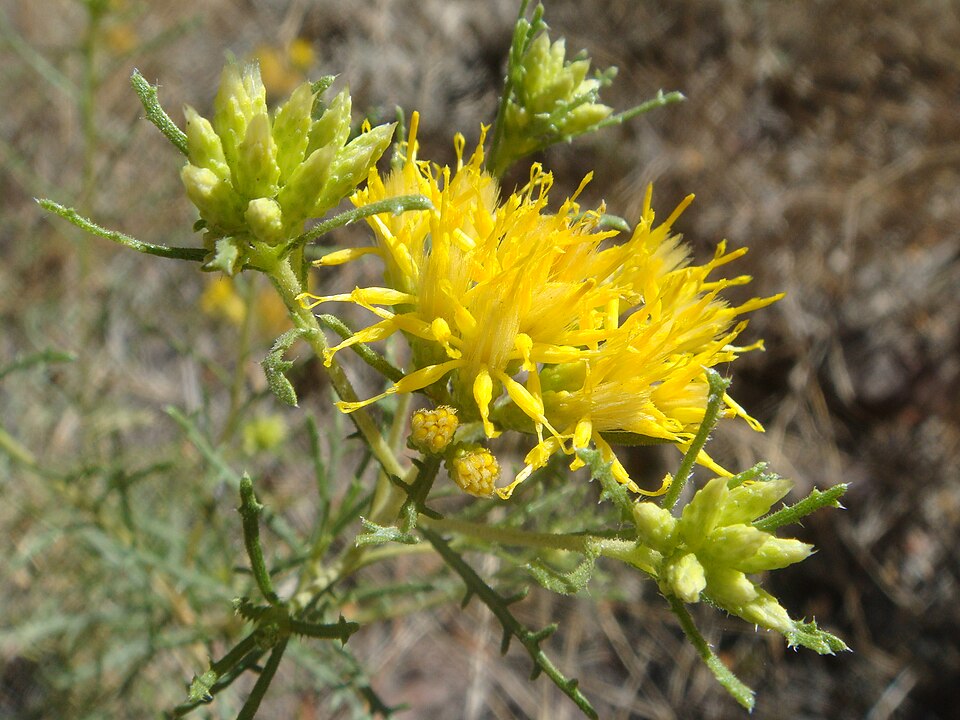
The leaves are the most distinctive feature — very narrow, linear, about 0.3 to 0.8 inches long and barely 1/16 inch wide, densely clustered in tufts along the stems, bright green, sticky, and resinous. The leaf shape is needle-like, reminiscent of larch needles — a resemblance encoded in the species name laricifolia (larch-leaved). The leaves remain on the plant year-round, giving Turpentine Bush an unusually bright, vivid green color through all seasons. The strong turpentine scent of the foliage is released by glands in the leaf surface and is most noticeable on warm days and when the leaves are brushed or crushed.
Flowers & Seeds
Flowers are produced in late summer through fall (September through November) in dense clusters at the branch tips. Individual flower heads are composite, about 1/4 to 1/2 inch across, with 3 to 5 yellow ray florets and several yellow disc florets. The heads are produced in dense, rounded to flat-topped clusters that cover the branch tips, giving the blooming plant a striking, yellow-studded appearance from a distance. The combination of vivid yellow flowers against the bright green, needle-like foliage is particularly attractive. After flowering, the heads mature into small achene fruits topped with a pappus of white bristles that aids in wind dispersal. The dried seed heads persist on the plant into winter, providing texture and wildlife food.
Quick Facts
| Scientific Name | Ericameria laricifolia |
| Family | Asteraceae (Aster / Composite) |
| Plant Type | Evergreen Subshrub |
| Mature Height | 2 ft |
| Sun Exposure | Full Sun |
| Water Needs | Low (Drought Tolerant) |
| Bloom Time | September – November (fall) |
| Flower Color | Bright yellow |
| USDA Hardiness Zones | 7–11 |
Native Range
Turpentine Bush (Ericameria laricifolia) is native to the rocky mountain foothills, desert grasslands, and canyon slopes of the Chihuahuan and Sonoran desert regions, primarily in southeastern Arizona, southern New Mexico, and the Trans-Pecos region of western Texas, with outlying populations in adjacent areas of Colorado, Nevada, Utah, and California. In Mexico, it extends south through the Sierra Madre Occidental and Oriental ranges.
Within Arizona, Turpentine Bush occurs most commonly on dry, rocky limestone or granite slopes, canyon walls, and rocky desert grassland between approximately 3,000 and 6,500 feet elevation — the transitional zone between the Sonoran Desert scrub and the Madrean oak woodland. It is particularly characteristic of south-facing rocky slopes with calcareous (limestone) soils, where it often forms extensive, visually striking colonies that turn bright yellow in fall. Associated plants include Beargrass, Sotol, Desert Marigold, Snakeweed, various desert grasses, and Emory Oak.
The resinous foliage of Turpentine Bush, while strongly scented and somewhat sticky, is not distasteful to all grazers — the plant is browsed by Mule Deer in some areas. However, it is generally not heavily grazed, and its resistance to overgrazing compared to native grasses has allowed it to persist and sometimes expand in areas where grazing has reduced competing vegetation. In undisturbed desert grassland communities, Turpentine Bush is present but not dominant, coexisting with a diverse community of native grasses, wildflowers, and shrubs in a balanced mosaic.
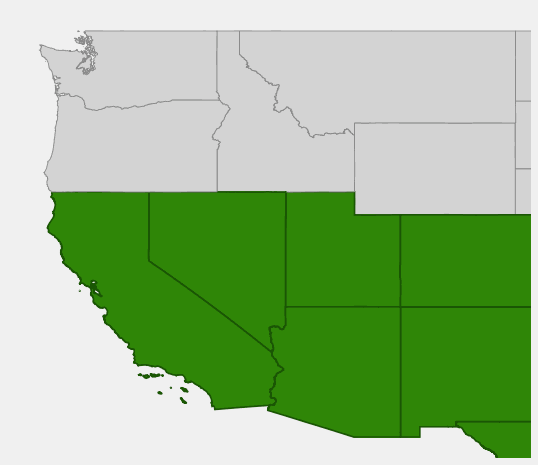
📋 Regional plant lists featuring Turpentine Bush: Arizona
Growing & Care Guide
Turpentine Bush is one of the best small evergreen native shrubs for Arizona rock gardens, desert borders, and low-water landscapes. Its year-round evergreen foliage, spectacular fall yellow bloom, and virtually zero maintenance requirements make it a standout choice for water-wise southwestern gardens. Plant where you can brush the foliage and enjoy the distinctive turpentine fragrance.
Light
Turpentine Bush requires full sun for best growth, color, and flowering. It is adapted to the intense solar radiation of south-facing desert slopes and performs poorly in shade. Choose the sunniest available location. It handles reflected heat from walls and stone surfaces without difficulty and is ideal for the most exposed, hot, dry positions in the garden.
Soil & Water
Rocky, thin, well-drained soils are ideal — particularly calcareous (limestone-based) soils if available. Turpentine Bush absolutely will not tolerate wet soils or clay. Sandy, gravelly, or decomposed granite soils also work well. Once established, it is very drought tolerant; established plants in areas with 12 to 18 inches of annual rainfall (primarily summer monsoons) typically need no supplemental irrigation. During the establishment period (first season), water every 2 to 3 weeks in summer. After the first year, taper to monthly watering in summer only.
Planting Tips
Plant in fall or spring in well-drained, rocky or sandy native soil. Do not amend the soil with organic matter — Turpentine Bush prefers lean, fast-draining conditions. A 2-inch layer of decomposed granite or gravel mulch is ideal. Space plants 3 to 4 feet apart to allow for mature spread. Plant in positions where the aromatic foliage can be brushed against — near a pathway, seating area, or entryway — to enjoy the distinctive turpentine scent. The plant is available at native plant nurseries specializing in Sonoran and Chihuahuan desert species.
Pruning & Maintenance
Turpentine Bush requires minimal pruning. After the fall bloom is finished, the dried flower heads can be left on the plant through winter for wildlife and visual interest. In early spring, a light trim of the branch tips by one-third will encourage more compact, dense growth. Avoid cutting back into old wood beyond the green foliage zone. Every few years, if plants become leggy or sparse, cut back more heavily in late winter — the plant will resprout vigorously from the woody base. Overall, this is a very low-maintenance plant that thrives on minimal intervention.
Landscape Uses
Turpentine Bush excels in:
- Rock gardens and desert hillside plantings
- Fall color accent in native plant borders
- Pollinator garden — outstanding fall bee and butterfly plant
- Low-water border or hedge
- Fragrant garden near pathways and seating areas
- Slope erosion control
- Mass planting for dramatic fall yellow display
- Companion to agaves and yuccas in xeriscape plantings
Wildlife & Ecological Value
Turpentine Bush is an outstanding fall pollinator plant, providing critical late-season nectar and pollen resources for native bees, monarch butterflies, and other pollinators at a time when most other desert plants have finished blooming.
For Bees
The fall bloom of Turpentine Bush is eagerly visited by native bees collecting nectar and pollen to build their final-season stores before winter. Various native bee species including Bumblebees (Bombus spp.), Sweat Bees (Halictus and Lasioglossum), and specialist bees visit the flowers extensively. Honeybees also visit Turpentine Bush flowers, and the plant is recognized as a source of high-quality, strongly flavored desert honey that is produced in fall by beekeepers in Arizona and New Mexico. The abundance of nectar and pollen relative to other available late-season sources makes Turpentine Bush a disproportionately important fall food plant for bees across much of its range.
For Butterflies
Monarch butterflies and Queen butterflies migrating south through the Southwest in September and October visit Turpentine Bush flowers for nectar. Painted Ladies, Skippers, Hairstreaks, and various other late-season butterfly species also visit. The late fall bloom timing makes Turpentine Bush an important last chance for migrating butterflies to fuel up before crossing into Mexico — a significant conservation value in the context of declining monarch populations.
For Birds
The small achene seeds of Turpentine Bush are eaten by finches (particularly Lesser Goldfinches and House Finches) and various sparrows. The dense, evergreen growth provides year-round cover and roosting habitat for small birds. The insects attracted to the flowers during the bloom period provide food for insectivorous birds including flycatchers and warblers passing through on fall migration.
Ecosystem Role
In the desert grassland and mountain foothill communities where Turpentine Bush naturally occurs, it plays an important role as a structural plant that maintains cover and ecological function year-round — unlike deciduous shrubs that are bare in winter. Its evergreen growth provides persistent cover for invertebrates, lizards, and small mammals through the cold desert winter. The resinous compounds in its foliage may contribute to allelopathic effects that shape the structure of the plant community immediately around each plant. Its role as a critical fall pollinator plant has become increasingly important in the context of climate change, which is altering the timing and availability of late-season nectar sources across the Southwest.
Cultural & Historical Uses
Turpentine Bush has been used medicinally by Indigenous peoples of the Chihuahuan Desert and sky island regions for centuries. Various Apache groups used the plant to treat skin conditions, wounds, and respiratory ailments. The Zuni used preparations of related Ericameria species for ceremonial and medicinal purposes. The resinous compounds in Turpentine Bush foliage have documented antimicrobial properties, providing a scientific basis for some of the traditional wound-healing applications. The strong turpentine scent of the plant was also used ceremonially in some groups as a cleansing or protective smoke.
Hispanic settlers in the Arizona and New Mexico borderlands named this plant “romero del monte” (mountain rosemary) for its narrow, evergreen, aromatic leaves that superficially resemble culinary rosemary — though the plants are botanically unrelated and the scent is quite different. Early American settlers and ranchers encountered Turpentine Bush as a common component of the desert grassland landscape and recognized it as a low-palatability plant that persisted even under heavy grazing pressure. Range scientists in the 20th century noted that Turpentine Bush increased in abundance on overgrazed rangeland, making it a useful indicator of rangeland condition similar to Snakeweed.
In the contemporary native plant gardening movement, Turpentine Bush has become increasingly popular as one of the best small native shrubs for year-round interest, fall color, and pollinator support in Arizona water-wise gardens. The Arizona Sonoran Desert Museum, Desert Botanical Garden, and various native plant nurseries have championed Turpentine Bush as an outstanding landscape plant for its combination of bold fall yellow bloom, bright evergreen foliage, strong fragrance, drought tolerance, and exceptional pollinator value. Its honey production quality — recognized as producing a distinctive, strongly flavored desert honey — makes it of interest to beekeepers as well as native plant gardeners.
Frequently Asked Questions
Why does Turpentine Bush smell like turpentine?
The distinctive turpentine-like fragrance comes from volatile terpene compounds produced in resin glands on the leaves and stems. These compounds are common in many plants of the Asteraceae family and in desert plants generally — they may help deter herbivores and resist microbial infection. The scent is most noticeable on warm days and when leaves are touched or crushed.
When does Turpentine Bush bloom?
Turpentine Bush blooms from September through November, with peak bloom typically in October in most Arizona locations. This late-season bloom timing is one of its most valuable landscape features, providing bright yellow color and exceptional pollinator support when most other desert plants have finished flowering.
Does Turpentine Bush need supplemental water?
Once established (after the first growing season), Turpentine Bush is very drought tolerant and typically needs no supplemental irrigation in areas receiving summer monsoon rainfall (12–18 inches annually). During the establishment period, water every 2 to 3 weeks in summer. After establishment, most plants do well without supplemental water. Overwatering is a much greater risk than drought for this species.
Can Turpentine Bush grow in clay soil?
No — Turpentine Bush requires well-drained soil and will not survive in clay or other poorly drained substrates. If your soil is clay-heavy, plant in a raised bed with amended, gritty soil, or on a slope where drainage is naturally improved. Rocky, sandy, or decomposed granite soils are ideal.
Is Turpentine Bush good for monarch butterflies?
Yes — Turpentine Bush is one of the better fall nectar sources for monarch butterflies migrating south through Arizona in September and October. While not as universally recognized as Butterfly Mist or native milkweeds, its abundant fall bloom provides fuel for migrating monarchs and queens at a critical point in their migration through the Southwest.

Looking for a nursery that carries Turpentine Bush?
Browse our native plant nursery directory: Arizona