White Oak (Quercus alba)
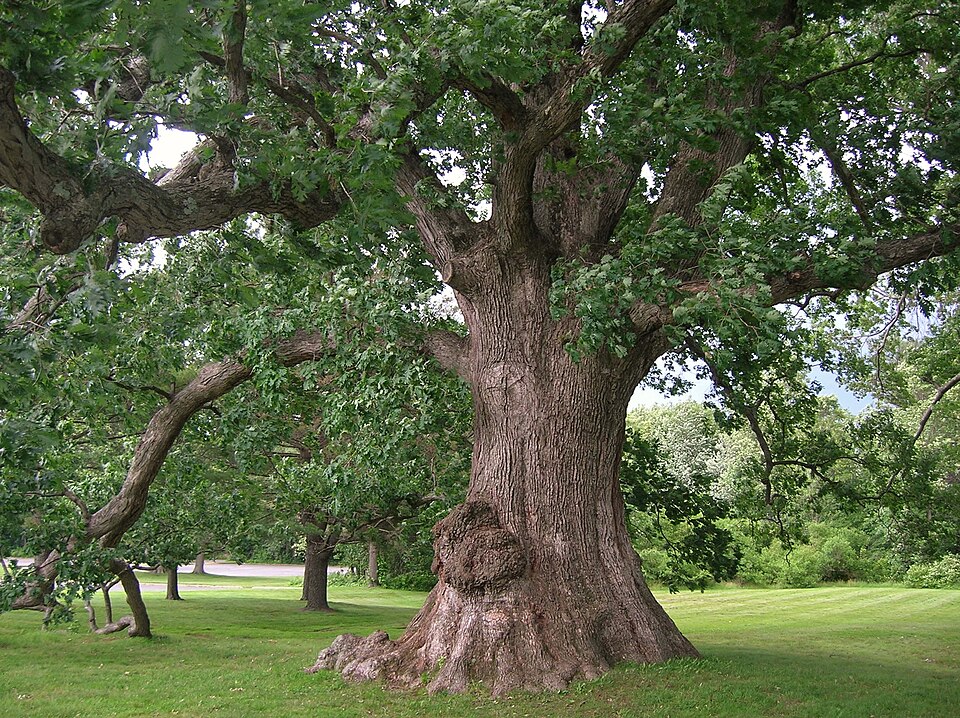
Quercus alba, commonly known as White Oak, is one of the most magnificent and ecologically important native trees of eastern North America. This stately member of the Fagaceae (beech) family represents the gold standard of oak trees, combining exceptional longevity, massive size, and unparalleled wildlife value in a single species that has shaped American landscapes, culture, and ecosystems for millennia.
White Oak is renowned for its impressive stature, commonly reaching 60 to 90 feet tall with an equal or greater spread, and living for centuries — with some specimens documented to be over 600 years old. The tree develops a distinctive broad, rounded crown supported by massive limbs that create one of the most recognizable silhouettes in the American forest. Its deeply lobed leaves turn spectacular shades of red, brown, and wine in autumn, while its sweet acorns provide crucial food for dozens of wildlife species.
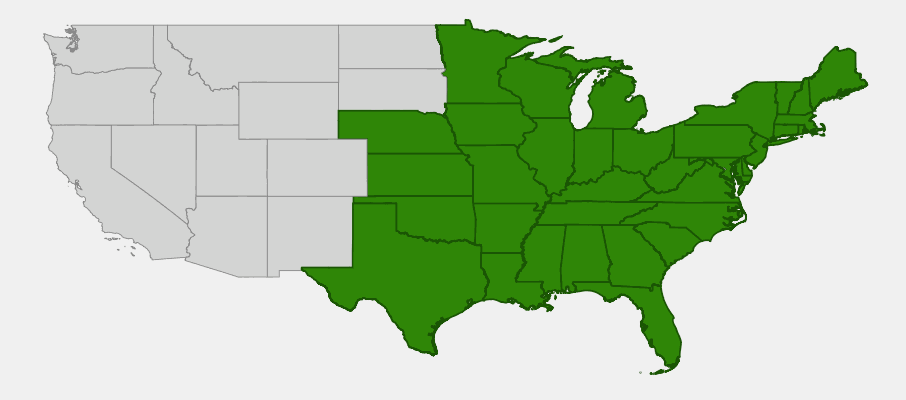
Growing naturally in well-drained soils from southern Maine to northern Florida and west to Minnesota and eastern Texas, White Oak is the quintessential tree for large-scale native landscaping throughout the Carolinas. Its exceptional drought tolerance once established, spectacular fall color, and legendary longevity make it an investment not just in your landscape, but in the ecological heritage you leave for future generations. This is a tree that children plant for their grandchildren — and beyond.
Identification
White Oak is a large deciduous tree typically growing 60 to 90 feet tall with a trunk diameter of 3 to 5 feet, though exceptional specimens can exceed 100 feet in height and 8 feet in diameter. The tree develops a characteristic broad, rounded crown with massive horizontal branches that often extend as wide as the tree is tall, creating an impressive, stately appearance.
Bark
The bark of White Oak is one of its most distinctive identification features. On mature trees, the bark is light grayish-brown with a characteristic scaly, plated appearance formed by shallow furrows and broad, flat ridges. The bark becomes increasingly furrowed with age, developing a somewhat shaggy appearance, but it never becomes deeply ridged like many other oak species. Young trees have smoother, lighter bark that gradually develops the characteristic plated texture.
Leaves
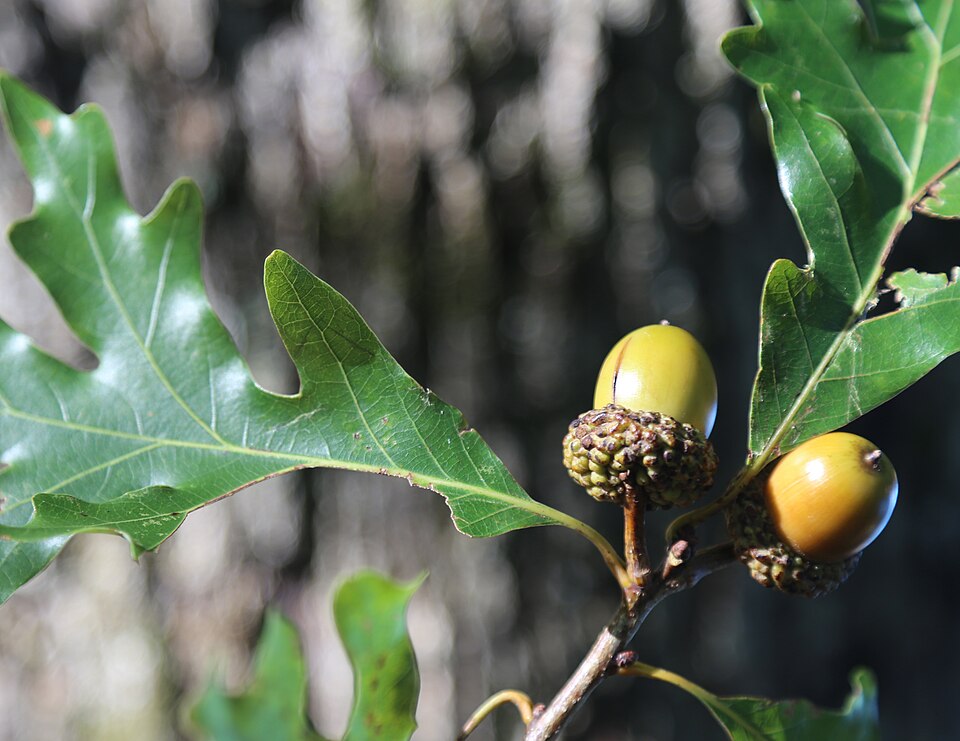
White Oak leaves are alternate, simple, and distinctively shaped with 7 to 10 rounded lobes separated by deep, rounded sinuses (the indentations between lobes). This rounded lobe pattern immediately distinguishes White Oak from red oak group species, which have pointed, bristle-tipped lobes. The leaves are 4 to 9 inches (10–23 cm) long and 3 to 5 inches (7–13 cm) wide, with a bright green upper surface and paler underside. In autumn, the foliage transforms into brilliant displays of red, brown, wine, and purple hues.
Acorns
White Oak produces distinctive acorns that are oval-shaped, ¾ to 1¼ inches (2–3 cm) long, and sit in shallow, bowl-shaped caps that cover about ¼ of the nut. The acorns are light brown when mature and have a characteristically sweet taste, lacking the bitter tannins found in red oak group acorns. White Oak acorns mature in a single year (unlike red oaks, which take two years) and fall from the tree in autumn, typically September to November.
Flowers
White Oak is monoecious, producing separate male and female flowers on the same tree. Male flowers appear as hanging catkins (aments) 2 to 4 inches long in spring as the leaves emerge. Female flowers are small, reddish, and appear in the leaf axils. The flowers are wind-pollinated and not particularly showy, but they’re essential for acorn production.
Quick Facts
| Scientific Name | Quercus alba |
| Family | Fagaceae (Beech) |
| Plant Type | Deciduous Tree |
| Mature Height | 60–90 ft |
| Sun Exposure | Full Sun to Part Shade |
| Water Needs | Low (Drought Tolerant) |
| Bloom Time | April – May |
| Flower Color | Greenish-yellow catkins |
| USDA Hardiness Zones | 3–9 |
Native Range
White Oak has one of the most extensive native ranges of any North American oak species, extending from southern Maine west through southern Quebec and Ontario to southeastern Minnesota, and south to northern Florida and eastern Texas. The species is most abundant in the mixed hardwood forests of the eastern United States, where it often serves as a dominant canopy tree in mature forest ecosystems.
In North Carolina and South Carolina, White Oak can be found throughout both states, from the mountains to the coastal plain, though it is most common and reaches its largest size in the Piedmont and mountain regions where soils are well-drained and fertile. The tree thrives in a variety of soil types but prefers deep, well-drained loams on upland sites. It’s commonly found on slopes, ridges, and well-drained bottomlands, often growing in association with other hardwood species such as hickories, maples, and other oaks.
White Oak is a characteristic species of several forest types, including oak-hickory forests, mixed mesophytic forests, and oak-pine associations. In its natural habitat, it often lives for 200-300 years, with some specimens reaching 600 years or more. The species plays a crucial ecological role as both a dominant canopy tree and a keystone species that supports an enormous diversity of wildlife through its acorn production and structural habitat.
📋 Regional plant lists featuring White Oak: North Carolina & South Carolina
Growing & Care Guide
White Oak is surprisingly adaptable and relatively easy to grow when given proper conditions, though it requires patience as it’s a slow-growing tree that may take 20-30 years to reach significant size. The investment in time, however, is repaid many times over with a tree that can live for centuries.
Light
White Oak performs best in full sun to partial shade, needing at least 6 hours of direct sunlight daily for optimal growth and acorn production. Young trees can tolerate more shade but will grow more slowly. In partial shade, the tree develops a more open crown but can still thrive. Full sun locations produce the most robust growth and best fall color.
Soil & Water
White Oak is remarkably adaptable to various soil types but performs best in deep, well-drained, slightly acidic to neutral soils (pH 6.0–7.5). The tree is intolerant of poorly drained or consistently wet soils, which can lead to root rot. Once established (typically after 3-5 years), White Oak becomes exceptionally drought tolerant, making it an excellent choice for areas with periodic dry spells. The deep taproot system allows mature trees to access water from considerable depths.
Planting Tips
Plant White Oak in spring or fall, choosing a location that provides plenty of space for the tree’s eventual mature size — at least 40-50 feet from buildings and other large trees. The tree develops a deep taproot, so avoid sites where this might conflict with utilities or structures. Container-grown trees transplant more successfully than bare-root specimens. Water regularly during the first 2-3 years to help establish the root system.
Pruning & Maintenance
White Oak requires minimal pruning beyond removing dead, damaged, or crossing branches. Prune during dormancy (late fall to early spring) to avoid attracting oak wilt disease, which is spread by beetles attracted to fresh wounds during the growing season. Young trees may benefit from light structural pruning to establish a strong central leader, but mature trees rarely need intervention. Never top or heavily prune mature White Oaks, as this can make them susceptible to decay and structural problems.
Landscape Uses
White Oak works well in several large-scale landscape applications:
- Specimen tree for large properties, parks, and campuses
- Shade tree providing generous, filtered shade
- Street tree in wide corridors with adequate space
- Natural areas and forest restoration projects
- Wildlife habitat plantings — exceptional value for birds and mammals
- Heritage gardens representing American forest history
- Erosion control on slopes with good drainage
- Legacy plantings — trees for future generations
Growth Rate & Longevity
White Oak is considered slow to moderate growing, typically adding 12-18 inches per year under good conditions. While this may seem slow compared to fast-growing trees, White Oak’s longevity more than compensates — these are trees that can live 300-600 years, making them true legacy plantings. The species follows the adage “the first 100 years are the hardest” — growth accelerates somewhat as trees mature.
Wildlife & Ecological Value
White Oak is considered one of the most ecologically valuable native trees in North America, supporting an extraordinary diversity of wildlife throughout all seasons and serving as a keystone species in forest ecosystems.
For Birds
White Oak acorns are consumed by over 100 species of birds, including Wild Turkeys, Wood Ducks, Northern Bobwhites, Blue Jays, various woodpeckers, nuthatches, and countless songbirds. The sweet acorns are preferred over the bitter acorns of red oak group species. The tree’s massive branches provide excellent nesting sites for large birds like hawks and owls, while the dense foliage offers protection and foraging opportunities for smaller species. A single large White Oak can support hundreds of bird species throughout the year.
For Mammals
White Oak acorns are crucial food for deer, bears, squirrels, chipmunks, and countless other mammals. Black bears can consume up to 30 pounds of acorns per day during mast years (heavy acorn production years). The tree’s longevity means it provides reliable food sources across decades and centuries, making it essential for wildlife population stability. Even the bark and leaves serve as food for various mammals during different seasons.
For Pollinators
While White Oak flowers are wind-pollinated, the tree supports pollinators indirectly by hosting hundreds of species of caterpillars and other insects. Research by entomologist Doug Tallamy has shown that oaks support more lepidopteran (moth and butterfly) species than any other tree genus in North America — with White Oak hosting over 500 species of moths and butterflies during their larval stages. These caterpillars are essential food for songbirds during the breeding season.
Ecosystem Role
White Oak functions as a keystone species in eastern forests, meaning its presence disproportionately affects the entire ecosystem. The tree’s acorn production creates boom-and-bust cycles that influence populations of numerous animal species. Its long lifespan provides habitat continuity across centuries, while its massive size and complex branching structure create diverse microhabitats. The tree also plays crucial roles in carbon sequestration, soil stabilization, and water cycle regulation.
Cultural & Historical Uses
White Oak holds a place of unparalleled importance in American history and culture, serving as both a practical resource and a powerful symbol throughout the nation’s development. The species has been called “America’s national tree” for its central role in the country’s natural and cultural heritage.
Native American tribes throughout White Oak’s range utilized virtually every part of the tree. The acorns were a crucial food source, processed into flour, meal, and oil that could be stored for winter use. Unlike red oak acorns, White Oak acorns are sweet and can be eaten raw or with minimal processing to remove tannins. Tribes used the bark medicinally to treat various ailments, and the wood for tools, shelter, and ceremonial items. Many tribal nations considered oak trees sacred, associating them with strength, endurance, and wisdom.
European colonists quickly recognized White Oak’s exceptional qualities, particularly for shipbuilding. The wood’s strength, durability, and resistance to rot made it the preferred material for ship construction, including the famous USS Constitution (“Old Ironsides”), whose White Oak hull made it nearly indestructible in battle. The species became so valuable for naval construction that Britain attempted to reserve the best White Oak trees in colonial America for the Royal Navy, contributing to pre-Revolutionary tensions.
White Oak wood became the backbone of American furniture making, construction, and cooperage (barrel making). The wood’s tight grain and natural tannins made it perfect for aging whiskey and wine — a use that continues today with premium bourbon and wine barrels. White Oak’s role in American whiskey production is so important that federal regulations require bourbon to be aged in new, charred White Oak barrels.
Beyond practical uses, White Oak has served as a powerful cultural symbol. Many historic White Oaks became gathering places for communities, witnessed important events, or marked significant locations. The species appears in American art, literature, and folklore as a symbol of strength, permanence, and American identity. State trees include White Oak (Connecticut, Illinois, Maryland), and the species is featured on numerous state seals and emblems.
Today, White Oak remains commercially valuable for furniture, flooring, and barrel making, though sustainable forestry practices have replaced the clear-cutting of centuries past. The tree’s cultural significance continues to grow as Americans increasingly recognize the importance of preserving native ecosystems and planting for future generations.
Frequently Asked Questions
How long does it take for a White Oak to produce acorns?
White Oak typically begins producing acorns when it reaches 20-30 years old, though significant acorn production usually doesn’t occur until the tree is 50+ years old. Peak production happens when trees are mature (100+ years), and production can continue for centuries.
How can I tell White Oak apart from other oak species?
White Oak has distinctive rounded leaf lobes (no bristles or sharp points), shallow acorn caps covering about ¼ of the acorn, sweet-tasting acorns that mature in one year, and light grayish bark with a scaly, plated appearance. Red oak group species have pointed, bristle-tipped leaves and bitter acorns.
Is White Oak a good street tree?
White Oak can be an excellent street tree in areas with adequate space — it needs at least 8 feet of clearance from power lines and 40+ feet between trees. It’s more suitable for suburban streets and wide boulevards than narrow urban streets. The tree’s drought tolerance and longevity make it ideal for long-term street plantings.
Do White Oak acorns fall every year?
White Oak acorn production varies significantly from year to year. “Mast years” with heavy acorn production typically occur every 3-5 years, while some years produce few or no acorns. This natural cycle is important for wildlife population dynamics and forest regeneration.
Can I plant a White Oak acorn to grow a tree?
Yes, but success requires proper timing and technique. Plant fresh acorns immediately after they fall (don’t let them dry out), about 1-2 inches deep in good soil. However, germination rates can be low, and growth is very slow. Purchasing a young tree from a nursery is usually more practical for landscape purposes.

Looking for a nursery that carries White Oak?
Browse our native plant nursery directory: North Carolina · South Carolina