
Wild Bergamot (Monarda fistulosa)
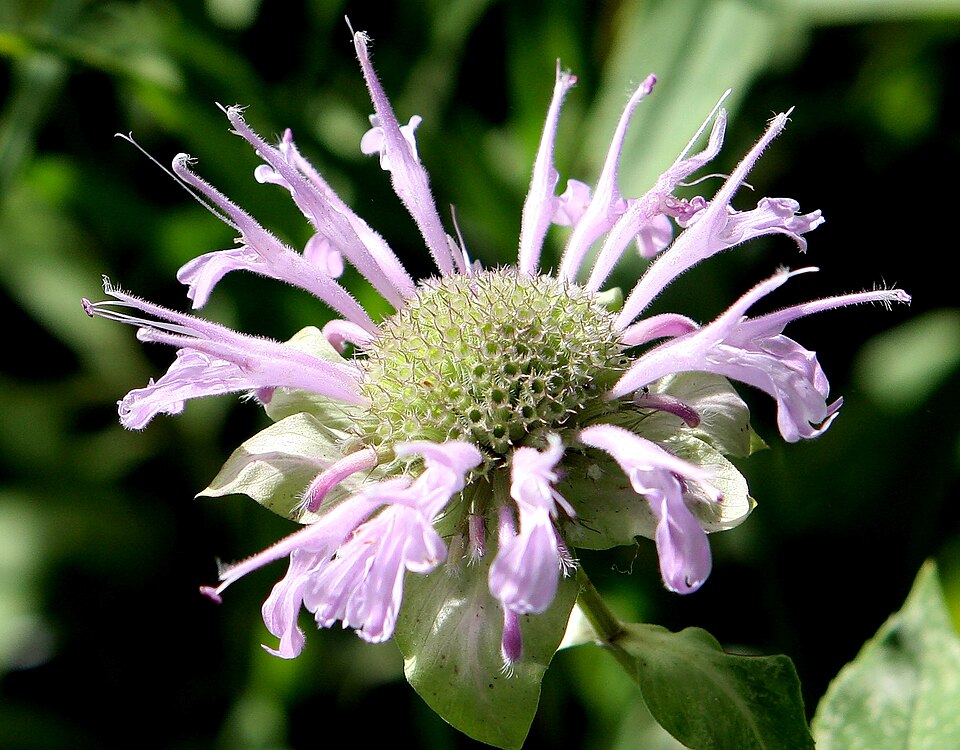
Monarda fistulosa, commonly known as Wild Bergamot, Bee Balm, or Prairie Bergamot, is one of North America’s most distinctive and valuable native wildflowers. This aromatic member of the Lamiaceae (mint) family creates spectacular displays of lavender to purple flower heads across prairies, meadows, and woodland edges from midsummer through early fall. The plant gets its common name from its citrusy, bergamot-like fragrance that is released when the leaves are crushed, a scent that has made it treasured for both culinary and medicinal purposes for centuries.
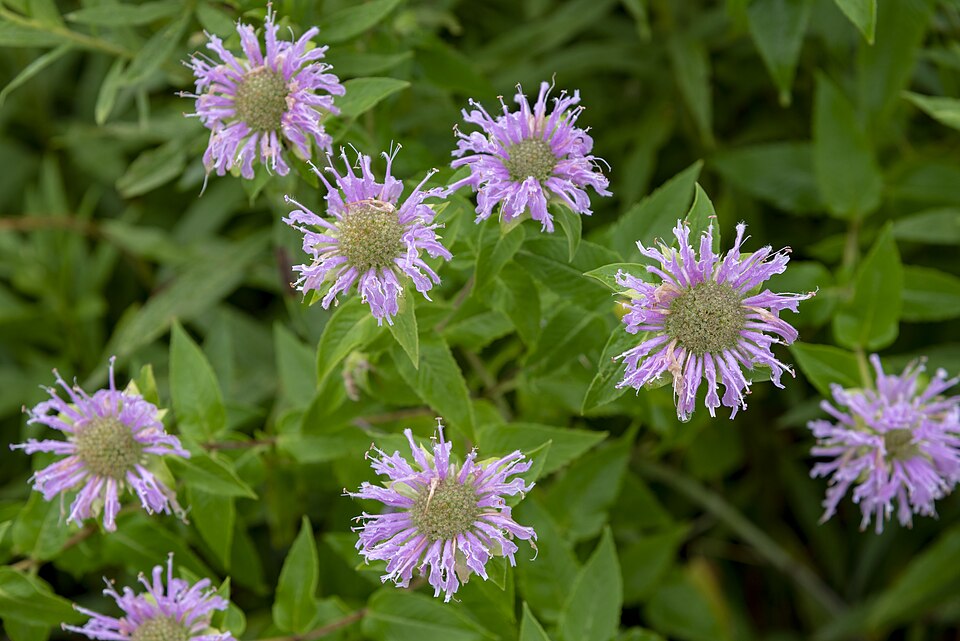
Growing 2 to 4 feet tall with characteristic square stems and opposite leaves, Wild Bergamot forms impressive colonies through underground rhizomes, creating broad sweeps of color that can dominate entire meadows during peak bloom. Each flowering stem is topped with a single, dense, rounded cluster of tubular flowers that can measure 2 to 3 inches across. These intricate flower heads are perfectly designed to attract long-tongued pollinators, particularly bees, butterflies, and hummingbirds, earning the plant its alternative name “Bee Balm.”
What makes Wild Bergamot truly special is its remarkable adaptability and ecological importance. Unlike many native wildflowers that require specific growing conditions, Wild Bergamot thrives in a wide range of habitats and soil types, from dry prairie uplands to moist woodland clearings. It serves as a critical pollinator plant, supporting dozens of bee species, butterflies, and other beneficial insects, while also providing late-season nectar when many other flowers have finished blooming. The plant’s essential oil-rich foliage has antimicrobial properties that have been utilized by indigenous peoples for generations, and modern gardeners prize it both for its ornamental value and its role in sustainable, wildlife-supporting landscapes.
Identification
Wild Bergamot is easily recognized by its distinctive combination of square stems, opposite aromatic leaves, and clustered tubular flowers arranged in dense, rounded heads. The plant’s membership in the mint family is apparent from both its stem structure and its powerful fragrance.
Growth Form
This herbaceous perennial typically grows 2 to 4 feet tall, occasionally reaching 5 feet in ideal conditions. The plant develops from spreading rhizomes that allow it to form substantial colonies over time. Multiple stems arise from the root system, creating dense clumps that may spread several feet across in established plantings. The distinctive square stems are a hallmark of the mint family and feel angular when rolled between fingers.
Leaves
The leaves are arranged in opposite pairs along the stems and are lance-shaped to triangular-ovate, typically 2 to 4 inches long and 1 to 2 inches wide. They have a serrated margin and prominent veination, with a somewhat rough, hairy texture on both surfaces. The leaves are gray-green to medium green in color and release a strong, pleasant, oregano-like fragrance when crushed. This aromatic quality is due to high concentrations of essential oils, particularly thymol and carvacrol.
Flowers
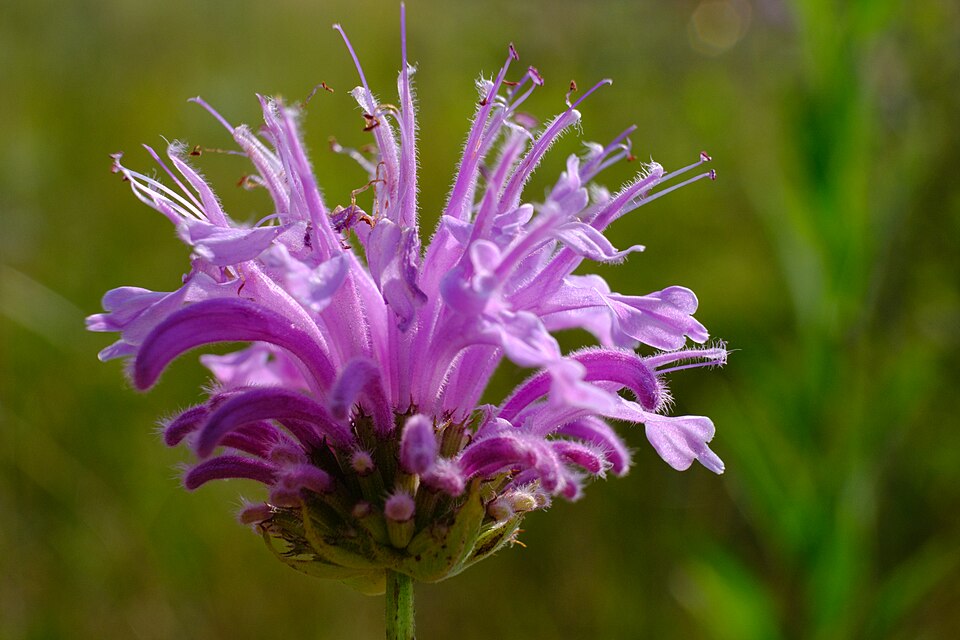
The flowers appear from July through September in dense, terminal clusters (heads) that are 2 to 3 inches across. Each flower head contains 20 to 50 individual tubular flowers that are typically lavender to purple in color, though pink and occasionally white forms occur. The individual flowers are about ¾ to 1 inch long with two lips—an upper lip that is narrow and arched, and a lower lip that is three-lobed and provides a landing platform for pollinators. Prominent bracts (modified leaves) underneath each flower head are often tinged with pink or purple, adding to the ornamental effect.
Seeds
After flowering, the plant produces small, dark brown nutlets (seeds) that are typical of the mint family. These seeds are dispersed primarily by gravity and wind, though the plant relies more heavily on its rhizome system for reproduction and colony expansion. The dried flower heads often persist into winter, providing seeds for birds and adding structural interest to the winter landscape.
Quick Facts
| Scientific Name | Monarda fistulosa |
| Family | Lamiaceae (Mint) |
| Plant Type | Herbaceous Perennial |
| Mature Height | 2–5 ft |
| Sun Exposure | Full Sun to Part Shade |
| Water Needs | Moderate to Low (Drought Tolerant) |
| Bloom Time | July – September |
| Flower Color | Lavender to purple |
| USDA Hardiness Zones | 3–9 |
Native Range
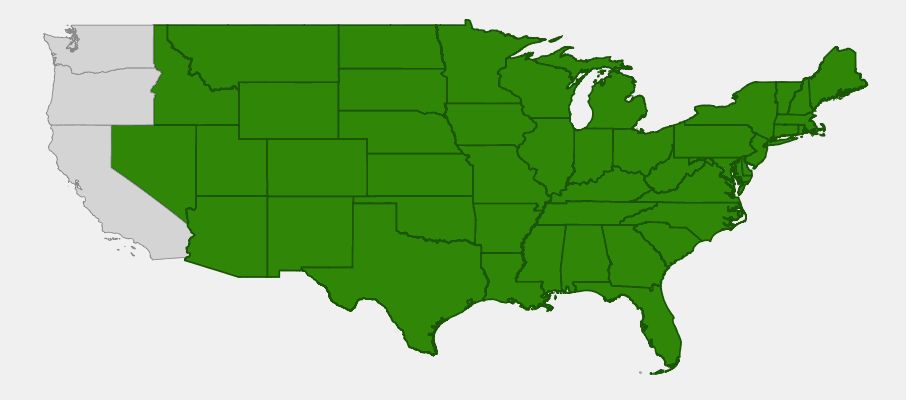
Wild Bergamot has one of the most extensive native ranges of any North American wildflower, naturally occurring from southern Canada to northern Mexico and from the Atlantic Coast to the Rocky Mountains. This remarkable distribution reflects the species’ exceptional adaptability to diverse climatic conditions, soil types, and elevations. The plant is particularly abundant throughout the Great Plains and prairie regions, where it forms a major component of native grassland ecosystems alongside other iconic prairie species.
Throughout the tallgrass, mixed-grass, and shortgrass prairie regions, Wild Bergamot thrives in the full sun and well-drained soils that characterize these ecosystems. It extends eastward into the oak savannas and woodland edges of the Eastern deciduous forests, and westward to the foothills of the Rocky Mountains. The species demonstrates remarkable ecological plasticity, growing successfully from sea level to elevations exceeding 7,000 feet, and tolerating annual precipitation levels ranging from 12 inches in arid regions to over 40 inches in more humid areas.
Wild Bergamot’s wide range and habitat tolerance have made it invaluable for ecological restoration projects across much of North America. The plant serves as an indicator species for healthy prairie and grassland ecosystems, and its presence often signals good soil conditions and appropriate management practices. Climate change may be allowing the species to expand its range slightly northward in some regions, while drought tolerance makes it increasingly valuable in areas experiencing more variable precipitation patterns.
📋 Regional plant lists featuring Wild Bergamot: North Dakota, South Dakota & Western Minnesota
Growing & Care Guide
Wild Bergamot is one of the most rewarding and low-maintenance native wildflowers to grow, combining stunning beauty with exceptional ecological value. Once established, it requires minimal care while providing years of spectacular blooms and wildlife habitat.
Light
Wild Bergamot performs best in full sun, where it develops the most compact growth habit, strongest stems, and most abundant flowering. The plant can tolerate partial shade but may become taller and more prone to flopping in lower light conditions. In prairie restoration or naturalized plantings, full sun exposure produces the most authentic appearance and supports the greatest diversity of pollinator visitors. Aim for at least 6 hours of direct sunlight daily for optimal performance.
Soil & Water
One of Wild Bergamot’s greatest strengths is its adaptability to various soil conditions. The plant thrives in well-drained, average to poor soils with a pH range of 6.0-8.0, though it tolerates both slightly more acidic and alkaline conditions. It actually performs better in lean soils than in rich, fertile ones, which can cause excessive foliage growth at the expense of flowers. Once established, Wild Bergamot is exceptionally drought-tolerant and can survive on natural rainfall in most areas. Good drainage is essential—avoid areas where water stands after rain.
Planting Tips
Wild Bergamot can be grown easily from seed or transplants. Seeds require no special treatment and can be direct-sown in fall or spring. For spring sowing, plant seeds ¼ inch deep in prepared soil after the last frost. Container plants can be transplanted in spring or fall, spaced 18-24 inches apart. Division of established clumps is best done in spring or fall, separating rhizome sections with roots attached. The plant self-seeds readily in favorable conditions, so leave some seed heads if natural reproduction is desired.
Pruning & Maintenance
Wild Bergamot requires minimal maintenance once established. Deadheading spent flowers can extend the blooming period and prevent excessive self-seeding, but leaving some seed heads provides food for birds and allows for natural reproduction. Cut plants back to 6 inches in late fall or early spring. In rich soils, pinching growing tips in late spring can promote bushier growth and prevent flopping. No fertilization is needed or recommended, as rich soils can make plants too tall and floppy.
Landscape Uses
Wild Bergamot excels in numerous garden and landscape applications:
- Prairie and wildflower gardens — authentic component of North American grassland communities
- Pollinator gardens — exceptional value for bees, butterflies, and hummingbirds
- Naturalized areas and meadows — forms spectacular drifts in suitable habitat
- Herb gardens — edible flowers and aromatic leaves for culinary use
- Cottage gardens — provides height and color in informal plantings
- Cut flower gardens — long-lasting and fragrant in arrangements
- Rain gardens — tolerates occasional flooding while preferring good drainage
- Xerophytic gardens — thrives in low-water landscapes once established
Wildlife & Ecological Value
Wild Bergamot is among the most ecologically valuable native plants in North America, serving as a critical resource for an extraordinary diversity of pollinators and other wildlife. Its late-season bloom time makes it particularly important when many other nectar sources have diminished.
For Birds
Wild Bergamot attracts Ruby-throated Hummingbirds and other hummingbird species, which are drawn to the tubular flowers rich in nectar. The seeds provide food for American Goldfinches, Pine Siskins, and various sparrow species throughout fall and winter. The plant’s dense growth habit offers nesting sites and protective cover for ground-nesting birds, while the sturdy dried stems provide perching sites. The abundant insect visitors attracted by the flowers indirectly support insectivorous birds that feed on the diverse pollinator communities.
For Mammals
Small mammals including White-footed Mice and voles consume Wild Bergamot seeds, while the aromatic foliage generally deters browsing by deer and rabbits—the essential oils that make the plant fragrant also make it unpalatable to most mammalian herbivores. This natural deer resistance makes Wild Bergamot valuable in areas with high browsing pressure. The dense colony-forming growth provides cover for small mammals in prairie and meadow habitats.
For Pollinators
Wild Bergamot is considered one of the premier native pollinator plants, attracting an incredible diversity of bee species including bumblebees, leaf-cutter bees, mason bees, and sweat bees. The flowers are particularly valuable to long-tongued bees that can access the nectar in the deep tubular corollas. Butterflies including monarchs, swallowtails, fritillaries, and skippers are frequent visitors, along with day-flying moths and beneficial wasps. The plant’s extended blooming period from July through September provides reliable nectar during the critical late-summer period when monarch butterflies are migrating and many other pollinators are preparing for winter.
Ecosystem Role
Wild Bergamot plays a keystone role in prairie and grassland ecosystems, serving as both a stabilizing influence and a biodiversity support system. Its deep root system helps prevent soil erosion and improves soil structure, while the plant’s allelopathic properties (releasing natural herbicides) may help suppress weedy competition in restored prairies. The species serves as an indicator of ecosystem health and is often used in habitat restoration projects to establish diverse, self-sustaining plant communities. Its ability to fix nitrogen through associations with soil bacteria further enhances its value in restoration efforts.
Cultural & Historical Uses
Wild Bergamot holds profound cultural significance in North American history, serving as one of the most important medicinal and ceremonial plants for indigenous peoples across the continent. The plant’s common name “bergamot” comes from its resemblance in fragrance to the bergamot orange (Citrus bergamia) used in Earl Grey tea, though the two plants are unrelated. Native Americans had many names for this treasured plant, reflecting its widespread use and cultural importance.
Numerous Native American tribes, including the Lakota, Cheyenne, Ojibwe, Menominee, and many others, utilized Wild Bergamot for both practical and spiritual purposes. Medicinally, the plant was considered nearly a panacea, used to treat respiratory ailments, digestive problems, skin conditions, and fevers. The high concentrations of thymol and carvacrol in the essential oils gave the plant genuine antiseptic and antimicrobial properties that made these traditional uses effective. Tea made from the leaves was used to treat colds, flu, and bronchitis, while poultices of crushed leaves were applied to wounds, burns, and skin infections.
Beyond medicine, Wild Bergamot played important roles in indigenous ceremonies and daily life. The Lakota burned the dried plants as incense in purification ceremonies, while other tribes used the aromatic leaves to preserve meat and as a seasoning for food. The plant was also used to make hair pomade and as a natural insect repellent. Some tribes chewed the leaves to relieve toothache and used them to flavor foods, taking advantage of the plant’s oregano-like taste.
European settlers learned many of these uses from Native peoples and incorporated Wild Bergamot into their own folk medicine traditions. The plant appeared in numerous 19th-century herbals and medical guides. During the American Revolution, colonists used Wild Bergamot as a tea substitute when imported tea became unavailable, earning it the nickname “Liberty Tea” or “Oswego Tea” (the latter name technically belongs to the related species Monarda didyma, but the names were often used interchangeably).
Today, Wild Bergamot continues to be valued for its traditional uses, though modern practitioners should understand that while the plant’s antimicrobial properties are well-documented, self-treatment should be approached with caution. The plant has found new significance in contemporary sustainable gardening and ecological restoration efforts, where it’s prized for its ability to support pollinator populations while requiring minimal inputs. Its combination of beauty, ecological value, and cultural heritage has made Wild Bergamot a flagship species for the native plant movement and a symbol of the importance of preserving North America’s botanical heritage.
Frequently Asked Questions
Is Wild Bergamot the same as the bergamot used in Earl Grey tea?
No, Wild Bergamot (Monarda fistulosa) is completely different from the bergamot orange (Citrus bergamia) used to flavor Earl Grey tea. Wild Bergamot gets its name because its leaves have a similar citrusy, bergamot-like fragrance, but it’s a member of the mint family native to North America. The two plants are unrelated despite sharing a similar scent.
Can I use Wild Bergamot leaves for tea like Native Americans did?
Historically, Native Americans did use Wild Bergamot leaves to make tea, and early colonists called it “Liberty Tea.” However, modern foragers should exercise caution with any wild plant consumption. While Wild Bergamot has a pleasant oregano-like flavor and documented antimicrobial properties, proper plant identification is essential, and wild plant consumption always carries inherent risks. When in doubt, appreciate the plant’s beauty and wildlife value instead.
How do I prevent Wild Bergamot from spreading too much in my garden?
Wild Bergamot spreads by underground rhizomes and can form large colonies over time. To control spread, remove the outer portions of established clumps every 2-3 years in early spring or fall. You can also deadhead flowers before they set seed to prevent self-seeding. Installing root barriers around plantings can help contain spread, though this may limit the plant’s natural growth habit.
Why are my Wild Bergamot plants falling over?
Flopping usually occurs when plants are grown in too much shade, overly rich soil, or with excessive moisture or fertilization. Wild Bergamot performs best in full sun and average to poor, well-draining soil. In rich soils, try pinching the growing tips in late spring to promote bushier, more compact growth. Avoid fertilizing, and ensure plants receive at least 6 hours of direct sunlight daily.
When is the best time to divide Wild Bergamot?
The best times to divide Wild Bergamot are early spring (just as new growth begins) or fall (6-8 weeks before the first hard frost). Dig up established clumps and separate the rhizomes with roots attached, replanting divisions immediately. Spring division gives plants a full growing season to establish, while fall division allows root development during cool weather with less stress on the plants.

Looking for a nursery that carries Wild Bergamot?
Browse our native plant nursery directory: North Dakota · South Dakota · Minnesota