
Prairie Phlox (Phlox pilosa)
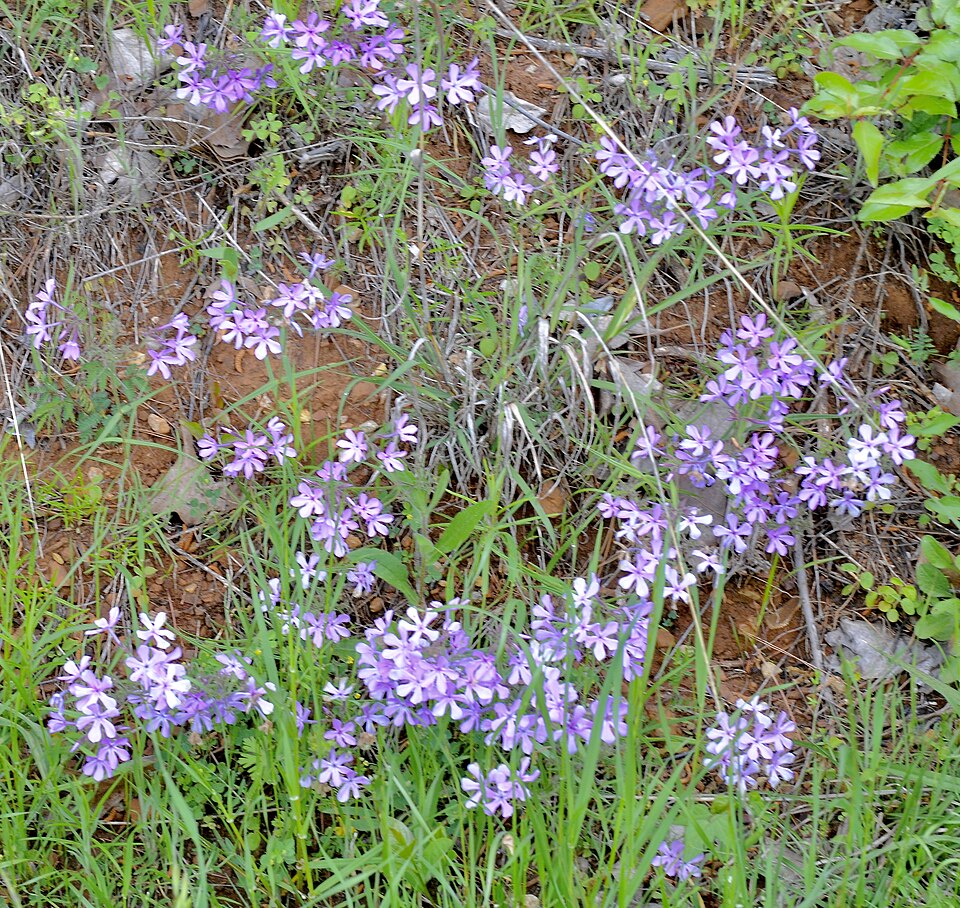
Phlox pilosa, commonly known as Prairie Phlox or Downy Phlox, is a charming native perennial wildflower that brings vibrant splashes of pink-lavender color to prairies, savannas, and open woodlands throughout much of the central and eastern United States. This member of the Polemoniaceae (phlox) family is distinguished by its delicate five-petaled flowers arranged in loose, terminal clusters, creating a soft, romantic appearance that has made it a favorite among native plant enthusiasts and prairie restoration specialists. Despite its delicate appearance, Prairie Phlox is remarkably resilient, thriving in diverse habitats from the Great Plains to the Atlantic Coast.
Growing 1 to 2 feet tall, Prairie Phlox forms modest clumps with narrow, lance-shaped leaves and an upright, somewhat sprawling growth habit that allows it to weave gracefully through prairie grasses and companion wildflowers. The plant’s common name “Downy Phlox” refers to the fine, soft hairs that cover the stems and leaves, giving the entire plant a subtle fuzzy texture that helps it conserve moisture and reflect intense sunlight. This adaptation allows it to thrive in both drought conditions and areas with moderate moisture, making it exceptionally versatile for native landscaping applications.
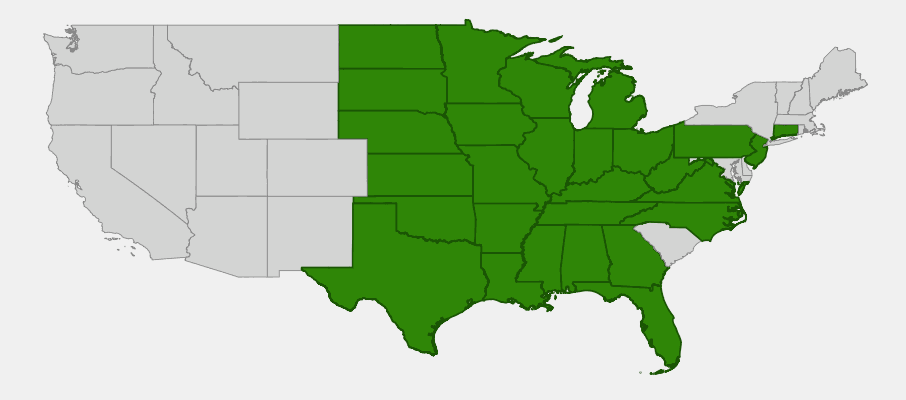
Prairie Phlox serves as both an ecological keystone and an aesthetic gem in native plant communities. Its extended blooming period from May through July provides crucial nectar resources for butterflies, bees, and hummingbirds during peak growing season, while its seeds feed various songbird species in late summer and fall. The plant’s wide native range — extending from North Dakota south to Texas and east to Florida — reflects its remarkable adaptability and makes it suitable for native gardens across much of the continental United States. For gardeners seeking to create authentic prairie landscapes or simply add reliable, low-maintenance color to their plantings, Prairie Phlox offers the perfect combination of beauty, ecological value, and resilience.
Identification
Prairie Phlox typically reaches 1 to 2 feet in height, forming loose, open clumps that gradually expand through underground rhizomes and self-seeding. The overall growth habit is upright but somewhat relaxed, with stems that may lean or arch gracefully, creating a naturalistic appearance that complements rather than competes with surrounding vegetation. This informal structure makes it an excellent choice for naturalizing in mixed wildflower plantings and prairie restorations.
Stems & Leaves
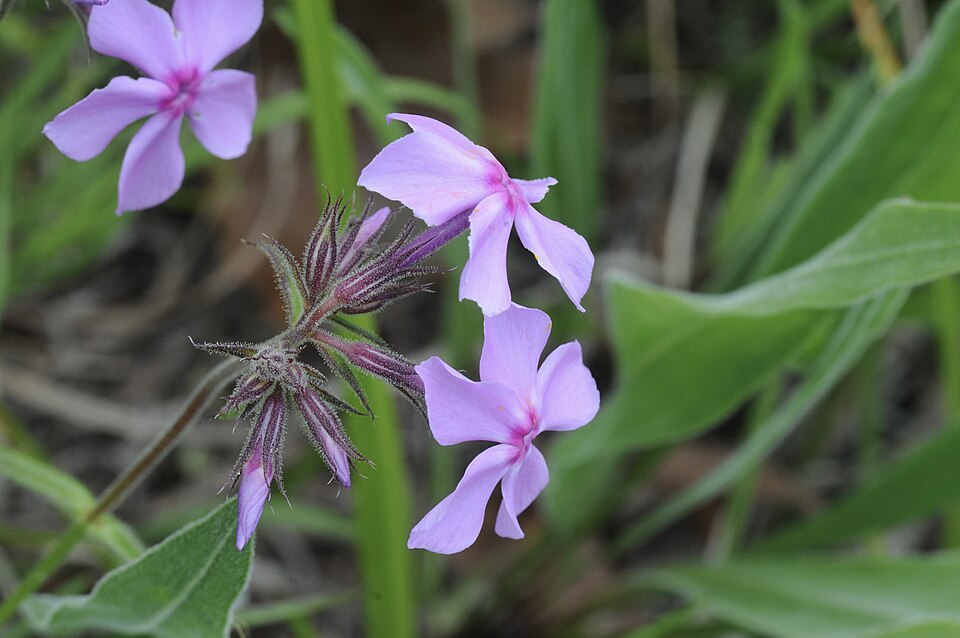
The stems are slender, branching, and covered with fine, soft hairs (pubescence) that give the plant its “downy” common name. These hairs are particularly dense on young growth and help the plant conserve moisture while providing some protection from intense sunlight. The leaves are arranged in opposite pairs along the stem and are linear to lance-shaped, typically 1 to 3 inches long and ¼ to ½ inch wide. Leaf color ranges from medium green to grayish-green, and like the stems, they are covered with soft, fine hairs that give them a subtle fuzzy texture when touched.
Flowers
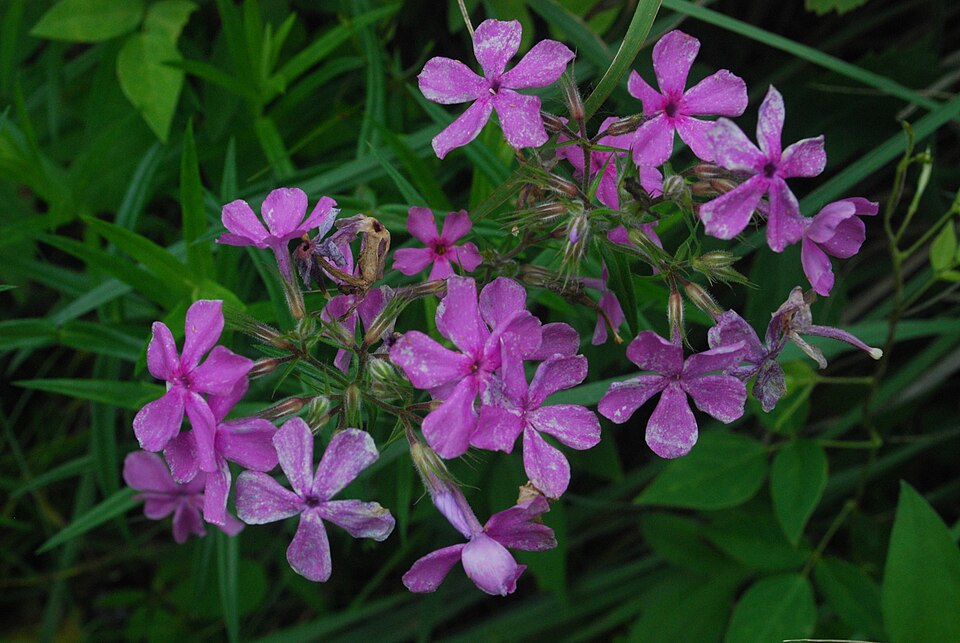
The most striking feature of Prairie Phlox is its abundant flowers, which bloom from May through July in loose, terminal clusters called cymes. Each individual flower is about ¾ to 1 inch across with five flat, broad petals that form a perfect star shape. The petals range in color from pale pink to deep pink-lavender, occasionally appearing nearly white or with purple tints. The flower centers are often darker, creating an attractive contrast, and the throat of each flower is typically white or very pale pink.
Each flower has a long, narrow tube at its base that contains nectar, making Prairie Phlox particularly attractive to butterflies and long-tongued bees. The flowers have a subtle, sweet fragrance that is most noticeable in the evening and early morning. The extended blooming period means that plants in full sun may produce flowers for up to three months, providing reliable color throughout the growing season.
Seeds & Reproduction
After flowering, Prairie Phlox produces small, three-chambered seed capsules that split open when ripe to release tiny, dark brown seeds. The seeds are numerous and relatively light, allowing for dispersal by wind and wildlife. Plants readily self-seed under favorable conditions, gradually naturalizing in suitable habitats. Prairie Phlox also spreads slowly through underground rhizomes, forming modest colonies over time without becoming aggressively invasive.
Quick Facts
| Scientific Name | Phlox pilosa |
| Family | Polemoniaceae (Phlox) |
| Plant Type | Perennial Wildflower |
| Mature Height | 1–2 ft |
| Sun Exposure | Full Sun |
| Water Needs | Low to Moderate |
| Bloom Time | May – July |
| Flower Color | Pink-lavender |
| USDA Hardiness Zones | 4–9 |
Native Range
Prairie Phlox boasts one of the most extensive native ranges of any North American wildflower, naturally occurring across a vast swath of the continent from the northern Great Plains to the Gulf Coast and from the Great Lakes region to the Atlantic seaboard. This remarkable distribution reflects the species’ exceptional adaptability to diverse climate conditions, soil types, and ecological communities. The center of abundance appears to be in the central United States, particularly in the tallgrass prairie region, but populations extend far beyond the traditional prairie boundaries into savannas, open woodlands, glades, and even coastal plain habitats.
In its native habitat, Prairie Phlox typically grows in full sun to partial shade locations with well-drained soils, though it demonstrates remarkable tolerance for various soil conditions including clay, loam, sand, and even thin soils over rock. The species is commonly found in prairie remnants, oak savannas, woodland edges, road rights-of-way, and other semi-disturbed areas where competition from woody vegetation is reduced but soil moisture remains adequate. Its ability to thrive in both drought-prone uplands and more mesic lowland sites makes it a valuable component in diverse restoration projects.
Historically, Prairie Phlox was likely even more widespread and abundant than it is today, as prairie conversion for agriculture eliminated millions of acres of prime habitat. However, the species has shown remarkable resilience and adaptability, persisting in remnant habitats and readily colonizing restored prairie sites. Its extended growing season and prolific seed production have allowed it to maintain healthy populations even in fragmented landscapes, making it one of the more secure prairie wildflowers from a conservation perspective.
📋 Regional plant lists featuring Prairie Phlox: North Dakota, South Dakota & Western Minnesota
Growing & Care Guide
Prairie Phlox is among the most rewarding and low-maintenance native wildflowers for home landscapes, offering reliable blooms, minimal care requirements, and excellent adaptability to various growing conditions. Its forgiving nature makes it suitable for both experienced native plant gardeners and newcomers to prairie landscaping.
Light
Prairie Phlox performs best in full sun conditions, requiring at least 6 hours of direct sunlight daily for optimal flowering and compact growth. In full sun, plants develop strong, sturdy stems and produce abundant flowers over an extended period. The species can tolerate partial shade, particularly in southern regions where some afternoon shade may be beneficial, but plants in shadier locations tend to become taller and more open in habit with reduced flowering. In heavy shade, Prairie Phlox struggles and may not flower reliably.
Soil & Water
One of Prairie Phlox’s greatest assets is its adaptability to diverse soil conditions. The plant thrives in well-drained soils ranging from sandy loam to clay, with a pH preference between 6.0 and 7.5. It demonstrates excellent drought tolerance once established, typically requiring no supplemental watering after the first growing season except during extreme drought conditions. However, it also performs well in areas with moderate moisture and can handle brief periods of wet soil better than many prairie plants. For best results, ensure good drainage to prevent root rot during periods of excessive moisture.
Planting Tips
Plant Prairie Phlox in spring or fall, with fall planting often producing stronger, more vigorous plants the following year. Space plants 12 to 18 inches apart for naturalistic drifts, or use wider spacing (2-3 feet) for more formal applications. Seeds can be direct-sown in fall or early spring, as they require cold stratification for best germination. When planting container-grown plants, dig holes slightly larger than the root ball and water thoroughly after planting. Mulch lightly around new plantings to conserve moisture during establishment.
Pruning & Maintenance
Prairie Phlox requires virtually no maintenance once established. Deadheading spent flowers can extend the blooming period and prevent excessive self-seeding if desired, but many gardeners prefer to leave the seed heads for wildlife and natural reproduction. In managed landscapes, cut plants back to 2-3 inches in late fall or early spring. For naturalistic plantings, simply leave plants standing through winter — the dried stems add structural interest and provide valuable habitat for beneficial insects.
Landscape Uses
Prairie Phlox’s versatility and reliable performance make it valuable in numerous landscape applications:
- Prairie and meadow gardens — essential component of authentic prairie plantings
- Pollinator gardens — excellent nectar source for butterflies, bees, and hummingbirds
- Naturalistic borders and beds — provides color and texture in informal plantings
- Restoration projects — easily established and spreads naturally in suitable habitat
- Rain gardens — tolerates both wet and dry conditions
- Cottage gardens — brings prairie charm to traditional garden styles
- Wildlife habitat gardens — seeds feed birds, flowers support pollinators
- Slope stabilization — deep roots help prevent erosion
Wildlife & Ecological Value
Prairie Phlox provides exceptional ecological value, serving as a vital resource for numerous wildlife species and playing an important role in prairie and savanna ecosystem function. Its extended blooming period and abundant nectar production make it particularly valuable for pollinator conservation efforts.
For Birds
Seed-eating birds including American Goldfinches, Purple Finches, and various sparrow species consume the small seeds of Prairie Phlox in late summer and fall. The plant’s loose, open structure provides excellent cover for ground-dwelling birds such as Field Sparrows and Indigo Buntings, while the dried stems and seed heads offer winter habitat for beneficial insects that serve as food sources for insectivorous birds. In mixed prairie plantings, Prairie Phlox contributes to the structural diversity that supports diverse bird communities.
For Mammals
While not a primary food source for large mammals, Prairie Phlox provides valuable habitat structure and contributes to the overall biodiversity that supports small mammal populations. Deer and rabbits occasionally browse the foliage, particularly during drought periods, but the plant’s fuzzy leaves make it less palatable than many other wildflowers. Small mammals such as mice and voles may utilize the seed resources, though the seeds are not a major food source.
For Pollinators
Prairie Phlox is exceptionally valuable for pollinators, supporting a diverse array of butterflies, moths, bees, and other beneficial insects. The flowers are particularly attractive to long-tongued butterflies including Swallowtails, Fritillaries, and Skippers, which can reach the nectar at the base of the long flower tubes. Native bees, including various species of mining bees and leafcutter bees, are frequent visitors, along with honeybees. The plant also attracts hummingbirds, particularly Ruby-throated Hummingbirds in the eastern portion of its range.
Ecosystem Role
As a native perennial with deep roots, Prairie Phlox contributes significantly to soil health and ecosystem function. The plant’s extensive root system helps improve soil structure and water infiltration while storing carbon below ground. Its ability to thrive in diverse soil conditions makes it valuable for restoration of degraded sites, while its moderate growth habit allows it to coexist peacefully with both aggressive prairie grasses and delicate wildflowers. The species serves as an important bridge plant, blooming during the gap between spring ephemerals and late summer composites, ensuring continuous nectar availability throughout the growing season.
Cultural & Historical Uses
Prairie Phlox holds significant cultural importance among Indigenous peoples of the Great Plains and eastern woodlands, who have long recognized both its beauty and practical applications. Various tribal nations, including the Cherokee, Choctaw, and numerous Plains tribes, incorporated Prairie Phlox into their traditional ecological knowledge systems, using the plant for medicinal, ceremonial, and practical purposes.
Traditional medicinal uses of Prairie Phlox varied among different cultural groups but commonly included treatments for digestive issues, skin conditions, and respiratory ailments. The Cherokee used preparations made from the plant to treat stomach problems and as a wash for skin irritations. Some Plains tribes used the plant in ceremonies related to purification and renewal, often in combination with other prairie wildflowers. The timing of Prairie Phlox blooms also served as an important phenological indicator, helping tribal communities track seasonal changes and plan agricultural and gathering activities.
European settlers were drawn to Prairie Phlox for its ornamental qualities, and it became one of the first native wildflowers to be cultivated in formal gardens. By the mid-1800s, plant collectors and botanists were documenting its extensive range and ecological relationships. The plant’s common names reflect this cultural history: “Prairie Phlox” emphasizes its prairie habitat, while “Downy Phlox” refers to the characteristic soft hairs that cover the plant.
In contemporary times, Prairie Phlox has become a symbol of prairie conservation and native landscaping movements. Its inclusion in native seed mixes and restoration projects reflects growing appreciation for indigenous plant communities and sustainable gardening practices. The species is frequently featured in botanical gardens, nature centers, and educational programs focused on prairie ecology, serving as an accessible introduction to the beauty and complexity of native plant communities. Modern research into its pollinator relationships and ecological functions continues to reveal the important role Prairie Phlox plays in maintaining healthy, diverse ecosystems.
Frequently Asked Questions
How do I tell Prairie Phlox apart from Garden Phlox?
Prairie Phlox is much shorter (1-2 feet vs. 3-4 feet for Garden Phlox), has narrow, linear leaves rather than broad oval leaves, and blooms earlier in the season. Prairie Phlox also has a more open, relaxed growth habit and is covered with fine hairs, giving it a softer, fuzzier appearance than the smooth-stemmed Garden Phlox.
Will Prairie Phlox take over my garden?
No, Prairie Phlox spreads slowly and is well-behaved in garden settings. While it may self-seed and gradually expand its presence, it’s not aggressive and is easy to control by removing unwanted seedlings. The plant forms modest clumps that expand gradually over time, making it ideal for naturalizing without becoming weedy.
Can I grow Prairie Phlox from seed?
Yes, Prairie Phlox is easily grown from seed and often self-seeds readily in suitable conditions. Seeds require cold stratification, so fall sowing (October-November) often gives the best results. Seeds can also be cold-stratified artificially by mixing with moist sand and storing in the refrigerator for 6-8 weeks before spring planting.
Why are my Prairie Phlox plants getting tall and leggy?
This typically indicates insufficient sunlight. Prairie Phlox needs full sun (at least 6 hours daily) for compact, sturdy growth and abundant flowering. In shade, plants stretch toward available light, becoming tall and weak with fewer flowers. Consider moving plants to a sunnier location or removing shade-casting obstacles.
When should I cut back Prairie Phlox?
In managed landscapes, cut back to 2-3 inches in late fall after seeds have dispersed, or in early spring before new growth begins. Many gardeners prefer to leave plants standing through winter to provide seeds for birds and habitat for beneficial insects. Deadheading during the blooming season can extend flowering but isn’t necessary for plant health.

Looking for a nursery that carries Prairie Phlox?
Browse our native plant nursery directory: North Dakota · South Dakota · Minnesota