Willow Oak (Quercus phellos)
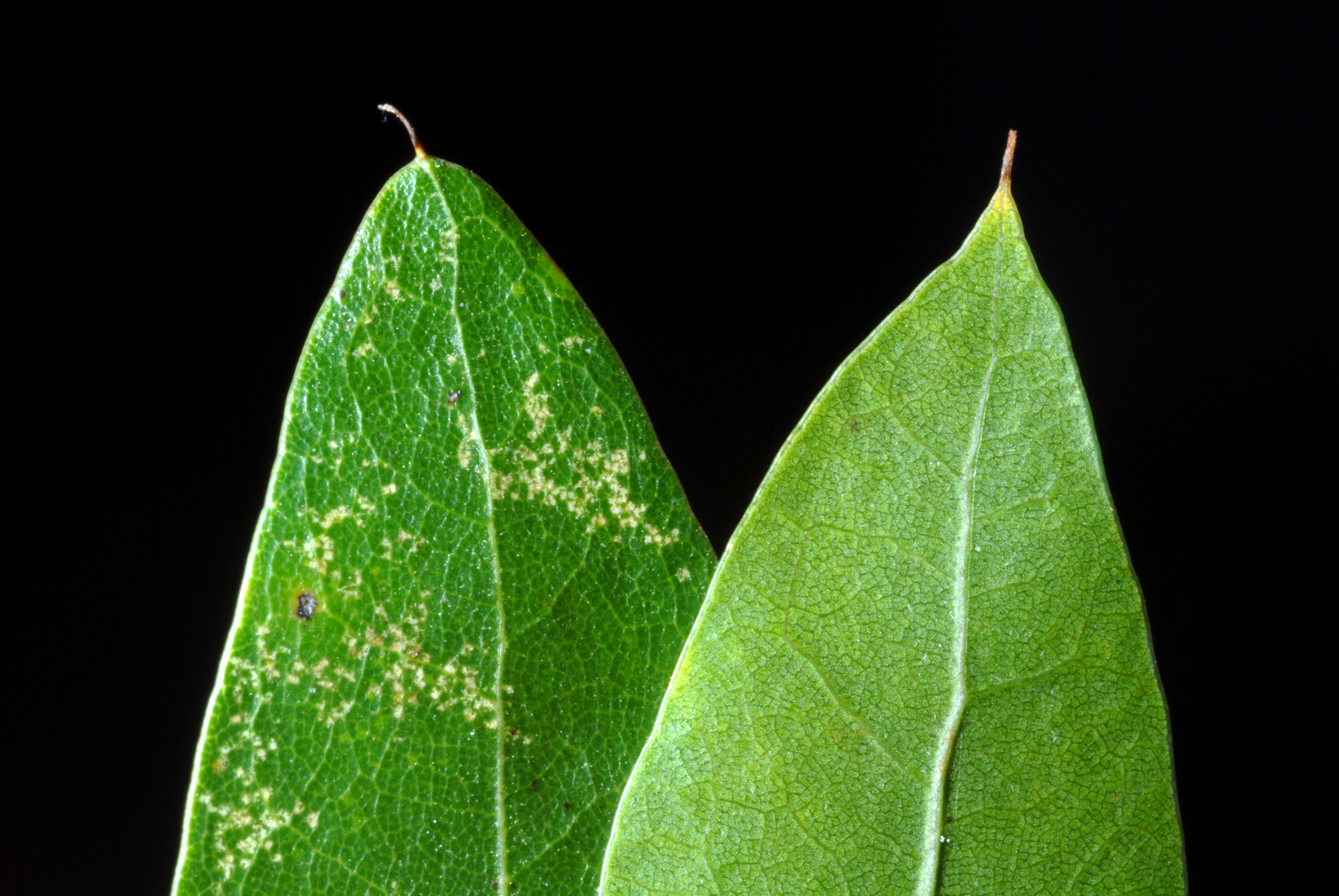
Quercus phellos, the Willow Oak, is one of the most graceful and ecologically valuable native oaks in the eastern United States — a large shade tree that immediately distinguishes itself from all other oaks by its remarkably atypical foliage. Instead of the lobed, deeply cut leaves that define most oaks in the popular imagination, Willow Oak bears long, narrow, smooth-edged leaves nearly identical to willow leaves: 2 to 5 inches long, less than an inch wide, dark glossy green above, and paler below. The contrast between this delicate, fine-textured foliage and the massive, wide-spreading form of a mature tree is strikingly beautiful.
Willow Oak is native to the coastal plain and piedmont of the Mid-Atlantic and southeastern United States, growing naturally in moist lowland soils, river bottoms, floodplains, and the edges of swamps and pocosins. In the landscape, it is exceptionally versatile: large enough (75 to 90 feet) to provide commanding shade over large areas, yet elegant enough — with its finely textured canopy and symmetrical branching — to serve as a distinguished street tree, specimen, or park tree. Its naturally high-branching habit means that foot and vehicle traffic can pass beneath mature trees without obstruction, making it one of the finest urban street trees available.
Like all native oaks, Willow Oak is an ecological powerhouse. Oaks collectively support more caterpillar diversity than any other woody plant genus in North America — research by entomologist Dr. Doug Tallamy has documented over 500 caterpillar species associated with oaks — and Willow Oak is no exception. Its acorns are small and abundantly produced, providing essential fall and winter food for Wood Ducks (which are closely associated with Willow Oak in its natural bottomland habitat), White-tailed Deer, squirrels, and dozens of other wildlife species.
Identification
Willow Oak is a large deciduous tree typically reaching 75 to 90 feet tall with a trunk 2 to 4 feet in diameter at maturity. It develops a broadly conical to oval crown when young, broadening to a wide, rounded, symmetrical canopy with age. The high-branching habit produces a long, clear trunk below the canopy, giving mature trees an especially stately appearance. Willow Oak is a member of the red oak group (section Lobatae), meaning its acorns take two years to mature.
Bark
The bark is dark gray to brownish-gray, developing shallow ridges and furrows on mature trees — less deeply furrowed than many oaks, with a relatively smooth texture on younger trunks that becomes rougher with age. The bark pattern is less distinctive than that of many other oaks, but the overall gray-brown, moderately furrowed appearance combined with the unique foliage makes identification straightforward.
Leaves
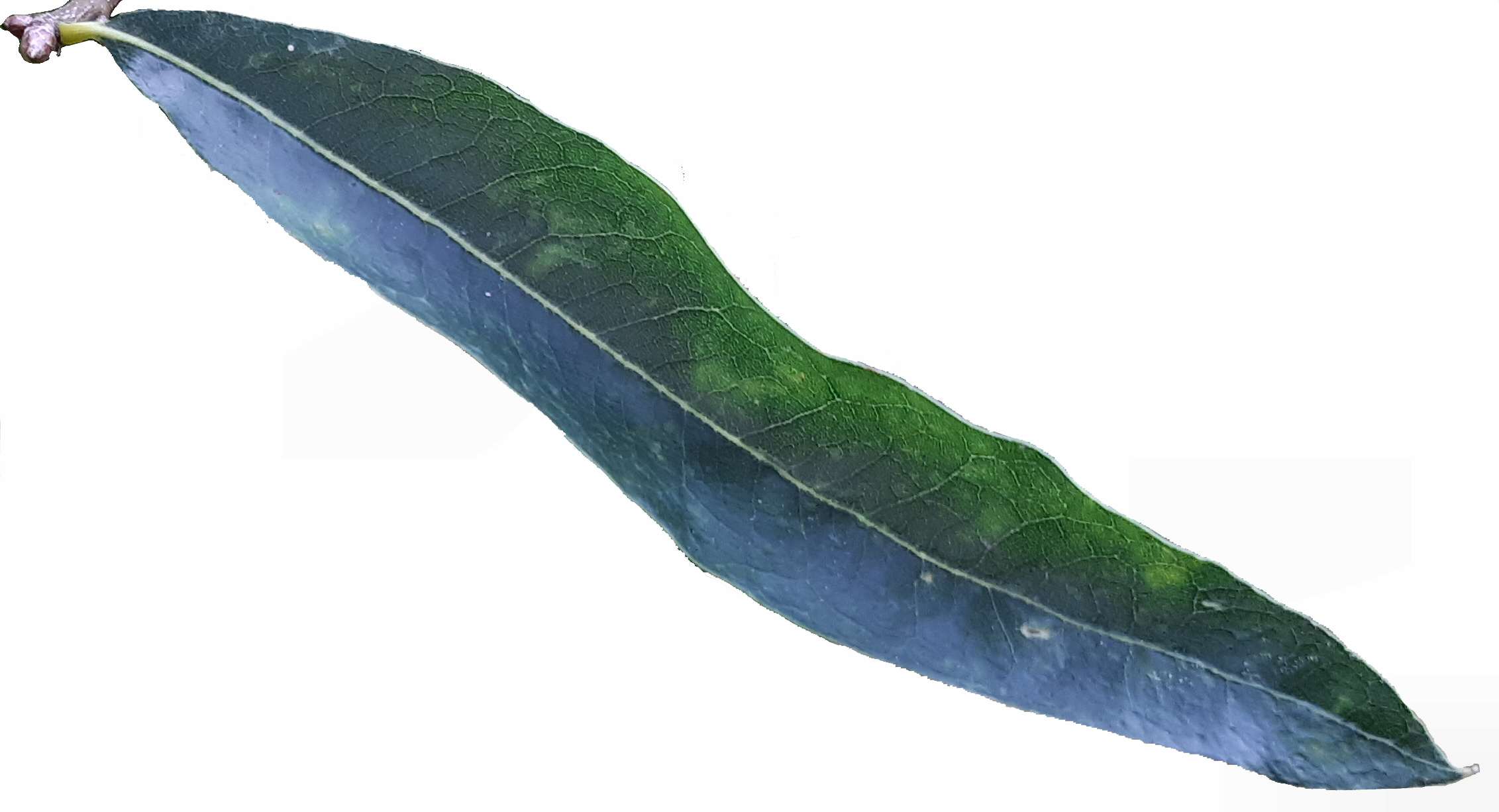
The leaves are the defining feature of Willow Oak, and they make it instantly recognizable among oaks. Each leaf is 2 to 5 inches long and only ¼ to ½ inch wide — linear-lanceolate in shape, with a smooth, untoothed (entire) margin and a small bristle tip at the apex. The upper surface is dark, shiny green; the lower surface is paler and slightly hairy along the midrib and in vein axils. Leaves are alternate on the twig. Unlike the deeply lobed leaves of most other red oaks, Willow Oak’s leaves look almost exactly like willow leaves — hence the common name. In autumn, the foliage turns yellow to russet-brown before dropping. The small leaves decompose quickly, enriching the soil with less of the persistent tannin-rich mat that accumulates under pin or red oaks.
Acorns
The acorns are among the smallest of any oak: round to slightly oval, about ¼ to ½ inch in diameter, set in a shallow, thin saucer-like cap that covers only the base of the acorn. They are produced in enormous quantities — Willow Oak is among the most prolific acorn producers of the native oaks — and ripen in October–November of their second year. The small acorns are a preferred food of Wood Ducks, Mallards, and other waterfowl, as well as squirrels, deer, Wild Turkey, and many songbirds.
Quick Facts
| Scientific Name | Quercus phellos |
| Family | Fagaceae (Beech/Oak) |
| Plant Type | Deciduous shade tree |
| Mature Height | 75–90 ft |
| Sun Exposure | Full Sun to Full Shade |
| Water Needs | Moderate to High |
| Bloom Time | March – May (wind-pollinated catkins) |
| Flower Color | Yellowish-green (catkins, not showy) |
| USDA Hardiness Zones | 5–9 |
Native Range
Willow Oak is native to the coastal plain and piedmont of the eastern United States, ranging from southern New Jersey and Delaware south through Maryland, Virginia, West Virginia, and the Carolinas to Florida, and west through the Gulf Coast states to eastern Texas, Arkansas, and Missouri. In Maryland and Virginia, it is native primarily to the coastal plain, occurring in moist bottomland forests, floodplains, and swamp margins associated with the major river systems — the Potomac, Rappahannock, James, and their tributaries.
In its natural habitat, Willow Oak is a component of diverse bottomland hardwood forests growing alongside Sweetgum (Liquidambar styraciflua), Water Tupelo (Nyssa aquatica), Bald Cypress (Taxodium distichum), and other moisture-tolerant trees. It typically grows on slightly higher ground within floodplains — levees, terraces, and knolls that are moist but not permanently flooded. Wood Ducks are closely associated with Willow Oak in its native bottomland habitat, using both the tree cavities for nesting and the abundant small acorns as a critical food source.
Willow Oak is also widely naturalized outside its strict native range through cultivation, thriving as a street and park tree in cities throughout the eastern United States from New England south. Its performance in urban conditions — including compacted soils, air pollution, and heat stress — has made it one of the most commonly planted large native trees in Mid-Atlantic cities.
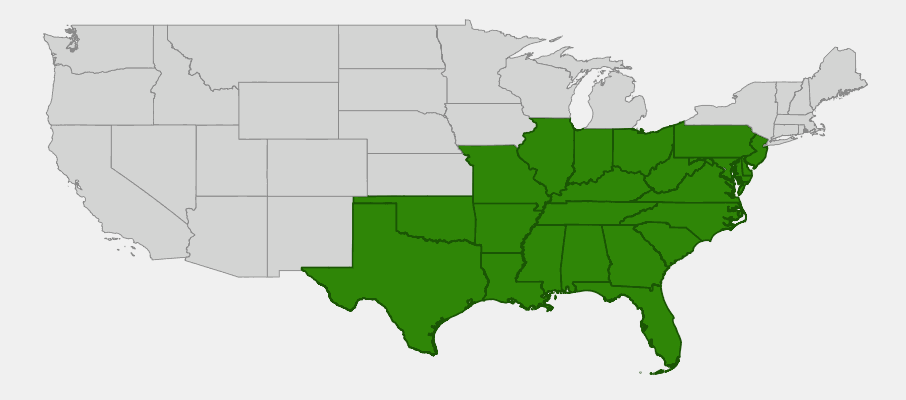
📋 Regional plant lists featuring Willow Oak: Maryland, Virginia & West Virginia
Growing & Care Guide
Willow Oak is a rewarding long-term investment in the landscape — relatively fast-growing for an oak, adaptable to a wide range of conditions, and ultimately one of the most majestic native trees you can grow in the Mid-Atlantic.
Light
Willow Oak is adaptable to full sun through part shade, though it grows most vigorously in full sun to light shade. Young trees can establish in shadier conditions and gradually grow into available light. For street tree or specimen use, full sun locations promote the most symmetrical canopy development and best acorn production.
Soil & Water
Willow Oak’s natural occurrence in bottomland forests and floodplains reflects its preference for moist, well-drained to moist soils. It performs best in slightly acidic (pH 5.5–6.5), loamy to clay soils with consistent moisture. It tolerates occasional flooding and performs well in heavier clay soils that retain moisture, making it one of the better oaks for sites with seasonally high water tables. It also demonstrates good tolerance of urban conditions — compacted soils, air pollution, and periodic drought — that would severely stress many other large trees.
Planting Tips
Plant in fall for best root establishment. Dig a planting hole 2 to 3 times wider than the root ball and no deeper than the root ball height. Position the tree so the root flare is at or slightly above grade. Water deeply and consistently in the first 2 growing seasons. Mulch with 3 to 4 inches of wood chips (keeping mulch away from the trunk) to conserve moisture and moderate soil temperature. Willow Oak grows moderately fast — 1 to 2 feet per year under good conditions — for an oak, making it a better choice than slower species when some urgency for canopy establishment exists.
Pruning & Maintenance
Willow Oak’s naturally high-branching habit and symmetrical form mean it requires minimal structural pruning. Remove dead, damaged, or crossing branches in late winter. The high branch insertion means lower branches naturally die and fall away as the tree grows, maintaining a clear trunk without intervention. The small leaf size is a practical advantage — the tiny leaves break down quickly in the lawn or can be left as natural mulch, unlike the large, slow-decomposing leaves of some other oaks. Watch for oak wilt in areas where it is present; avoid pruning from April through July when the disease-spreading beetle vectors are active.
Landscape Uses
- Large shade tree for properties with space for a canopy tree
- Street tree — excellent high-branching habit for clearance
- Park or campus specimen
- Bottomland and riparian restoration
- Wildlife habitat tree — extraordinary acorn production
- Urban forest planting — tolerates urban stresses well
- Avenue or boulevard planting — symmetrical form ideal for formal rows
Wildlife & Ecological Value
As a native oak, Willow Oak is among the most wildlife-productive trees available for the Mid-Atlantic landscape, supporting a community of hundreds of species.
For Birds
Willow Oak acorns are particularly valuable to Wood Ducks, which nest in cavities in large trees along wooded stream margins and feed heavily on the small, easily swallowed acorns. Mallards and other dabbling ducks also consume fallen acorns in flooded bottomland situations. Acorn Woodpeckers, Blue Jays, Red-bellied Woodpeckers, and Wild Turkeys are major consumers. Dozens of neotropical migrant warblers forage in the canopy during spring and fall migration, feeding on the caterpillars and insects associated with oak foliage. Brown Creepers, nuthatches, and woodpeckers forage on the deeply furrowed bark of mature trees for insects year-round.
For Mammals
Eastern Gray Squirrel and Fox Squirrel are the primary mammalian consumers of Willow Oak acorns — caching thousands each fall and relying on these caches through winter. White-tailed Deer consume both acorns and browse the leaves of young trees. Raccoons, Wild Turkeys, and various small mammals eat acorns from the ground beneath large trees.
For Insects & Ecosystem
Like all native oaks, Willow Oak supports an extraordinary diversity of caterpillars — research indicates that oaks as a genus support more than 500 caterpillar species in eastern North America, making them by far the most caterpillar-rich woody plants available. These caterpillars are the primary food source for nesting songbirds in spring, when adults must feed tens of thousands of caterpillars to their chicks over the breeding season. Planting Willow Oak is one of the highest-impact actions a gardener can take for bird population support.
Cultural & Historical Uses
Willow Oak has been a valued component of the eastern landscape for millennia. Indigenous peoples of the coastal plain — particularly the Powhatan Confederacy in Virginia and the Piscataway people in Maryland — relied on acorn crops from multiple native oak species, including Willow Oak, as a critical dietary staple. Acorns were gathered in large quantities in fall, dried, ground into meal, and leached with water to remove bitter tannins before being cooked into breads, porridges, and soups. The sheer abundance of small Willow Oak acorns — which can be processed without splitting — made them a particularly convenient food source for communities living in the tree’s bottomland habitat.
European colonists and later American settlers recognized the timber and landscape value of Willow Oak quickly. The wood — classified as a red oak — is hard, heavy, and strong, useful for flooring, furniture, railroad ties, and firewood. Its growth in the rich bottomlands where agriculture was often most productive meant that Willow Oak was frequently cleared during the 18th and 19th centuries to open land for cultivation. Despite this pressure, its rapid colonization of disturbed sites allowed populations to recover in many areas.
In the 20th century, Willow Oak became one of the most widely planted large native trees in urban forestry programs throughout the Mid-Atlantic and Southeast. Its combination of moderate growth rate (for an oak), high-clearance branching, adaptability to urban soils, elegant appearance, and exceptional wildlife value made it a top choice for city street tree programs from Baltimore and Washington to Charlotte and Atlanta. Today it remains one of the most commonly specified native trees by landscape architects working in the Mid-Atlantic, and is available at most large nurseries throughout Maryland and Virginia.
Frequently Asked Questions
Why does Willow Oak have willow-like leaves instead of typical oak leaves?
Willow Oak’s unusual narrow, unlobed leaves are the result of its evolutionary history within the oak genus (Quercus). It is actually a member of the red oak group and is a “true” oak by all botanical and genetic measures. The narrow leaf form may be an adaptation to its bottomland, riverside habitat — narrow leaves reduce wind load along stream banks and may reduce leaf area during floods.
Is Willow Oak a good street tree?
Yes — it is considered one of the finest native street trees in the Mid-Atlantic. Its high-branching habit provides excellent clearance for pedestrians and vehicles, its symmetrical form is aesthetically pleasing, and it tolerates urban conditions (compacted soils, air pollution, heat) better than many large trees. Many municipalities in Maryland, Virginia, and the broader South have used Willow Oak extensively in street tree programs for decades.
How fast does Willow Oak grow?
Willow Oak grows moderately fast for an oak — typically 1.5 to 2.5 feet per year in good conditions when young. It is faster-growing than White Oak or Bur Oak, though slower than Pin Oak or Nuttall Oak. Over decades, it becomes a very large tree, so choose your planting site with the eventual size in mind.
Do the small leaves of Willow Oak create less yard work?
Yes, significantly. The tiny leaves break down quickly when they fall in autumn, often decomposing into the lawn by spring without requiring raking. This is a practical advantage over larger-leaved oaks that produce heavy, slow-decomposing leaf litter. Many people find that Willow Oak leaves can be mulched directly into the lawn with a mower pass or left as natural mulch in garden beds.
Is Willow Oak native to Maryland and Virginia?
Yes — Willow Oak is native to the coastal plain and lower piedmont of both Maryland and Virginia, where it grows naturally in bottomland hardwood forests along major river systems. It is native to both states and appropriate for use throughout the coastal plain and piedmont regions where conditions match its preferences for moist soils.

Looking for a nursery that carries Willow Oak?
Browse our native plant nursery directory: Maryland · Virginia · West Virginia