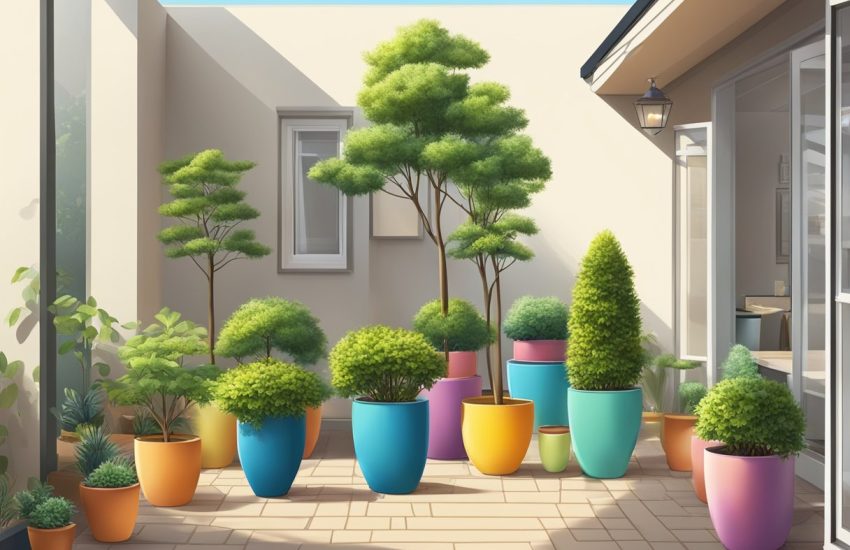
Ornamental Oregano for Landscaping Enhances Garden Aesthetics and Durability
Last updated: September 10, 2026
Ornamental oregano is a surprisingly versatile plant. Its attractive foliage and delicate flowers make it a favorite in landscaping for folks who want a bit of charm without a lot of fuss.
It grows in all sorts of conditions and honestly doesn’t need much maintenance. You get both beauty and practicality in one neat, leafy package.
Its compact growth and colorful leaves add year-round interest to garden beds, borders, and rock gardens.
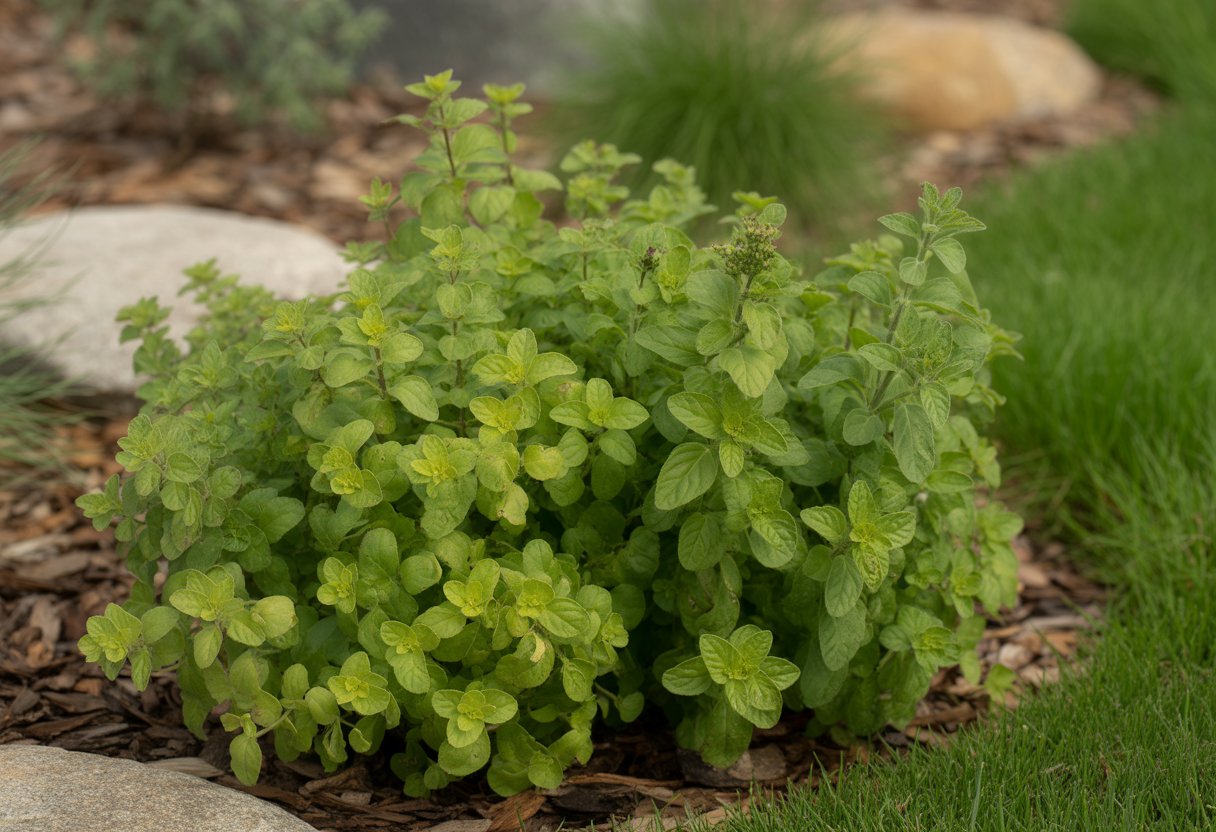
Landscapers often use ornamental oregano for low-maintenance ground cover or to add texture next to other plants. It’s a magnet for pollinators, which really helps the garden’s overall vibe and health.
This plant handles drought and tough conditions like a champ, so it fits right into sustainable landscaping. It’s no diva—hardy, good-looking, and easy to work with.
Its floral scent is subtle but lovely, and the plant stands out without stealing the whole show. It slips easily into all kinds of garden designs, from modern to cottage-y.
Understanding Ornamental Oregano Varieties
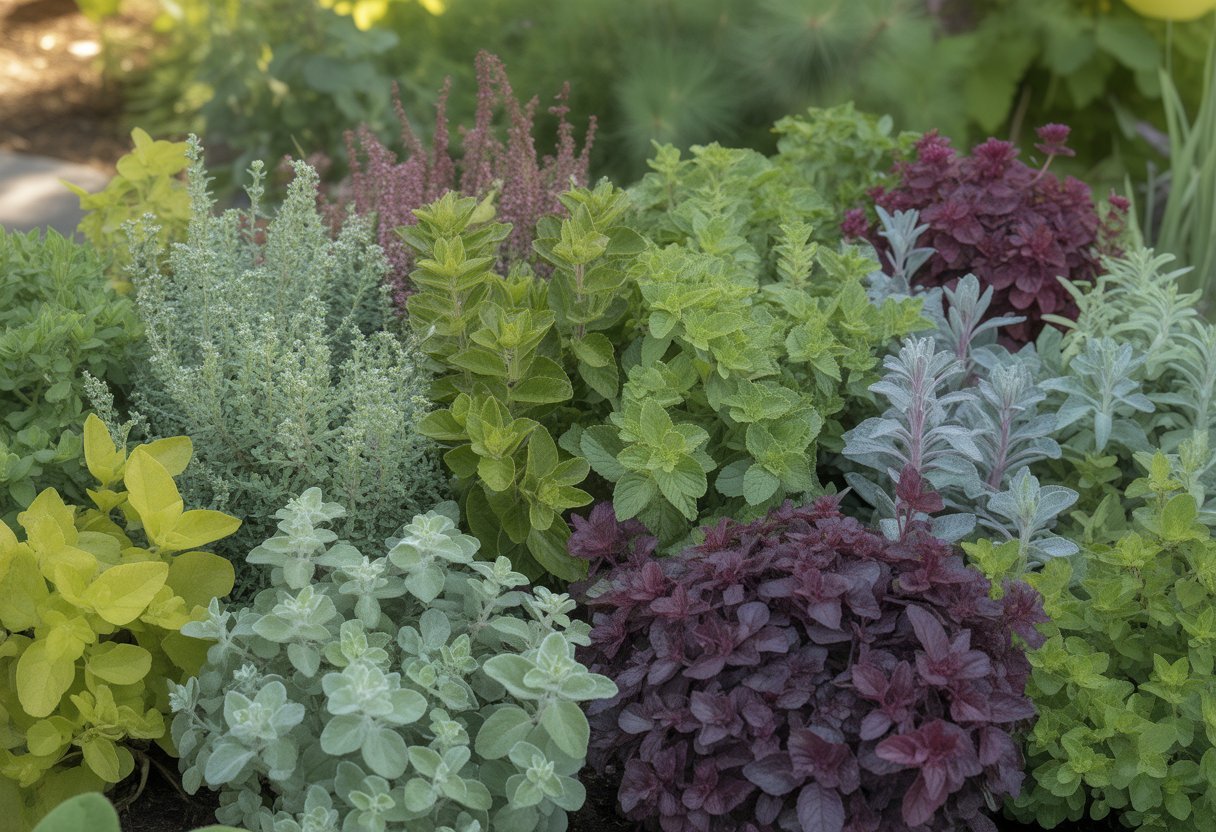
There are several species and hybrids of ornamental oregano, all known for their aromatic foliage and good looks. These aren’t the same as the oregano you toss on pizza—different scent, different style, and a totally different use in the garden.
Key Species and Hybrids
The Origanum genus covers a bunch of varieties that work well in landscaping. Origanum vulgare is pretty common, but most ornamental types are hybrids or cultivars bred for how they look, not how they taste.
Origanum rotundifolium stands out among ornamentals. It has small, rounded leaves and a dense, bushy shape—sometimes called “Kent Beauty.” People love this one for ground covers and rock gardens.
Hybrids often show off colorful flowers and leaves, from green to silver. They’re perennials, so they come back year after year without a fuss.
Distinctive Features and Aromatic Foliage
Ornamental oregano has a bushy growth habit and aromatic leaves that release a mild scent when you brush past them. It’s not just about looks; there’s a sensory thing going on here too.
Leaf shapes can be ovate, round, fuzzy, or smooth. The colors lean toward gray-green or silvery, which looks great next to other perennials.
You’ll see flower spikes in summer, usually in soft shades—pale pink, lavender, or white. The plant forms tidy mounds or spreads out as a mat, which works well for borders or in containers.
Differences From Culinary Oregano
Culinary oregano, mostly Origanum vulgare, is grown for its strong, punchy leaves that end up in your kitchen. Ornamental types, though, are all about appearance and texture.
Culinary oregano has darker, coarser, and usually more bitter leaves. People harvest them for cooking, fresh or dried.
Ornamental oregano’s foliage is lighter and more delicate, and its scent is softer—sometimes even pleasant, not sharply herbal. You don’t really cook with these, but they look and smell great in the garden.
Designing Landscapes With Ornamental Oregano
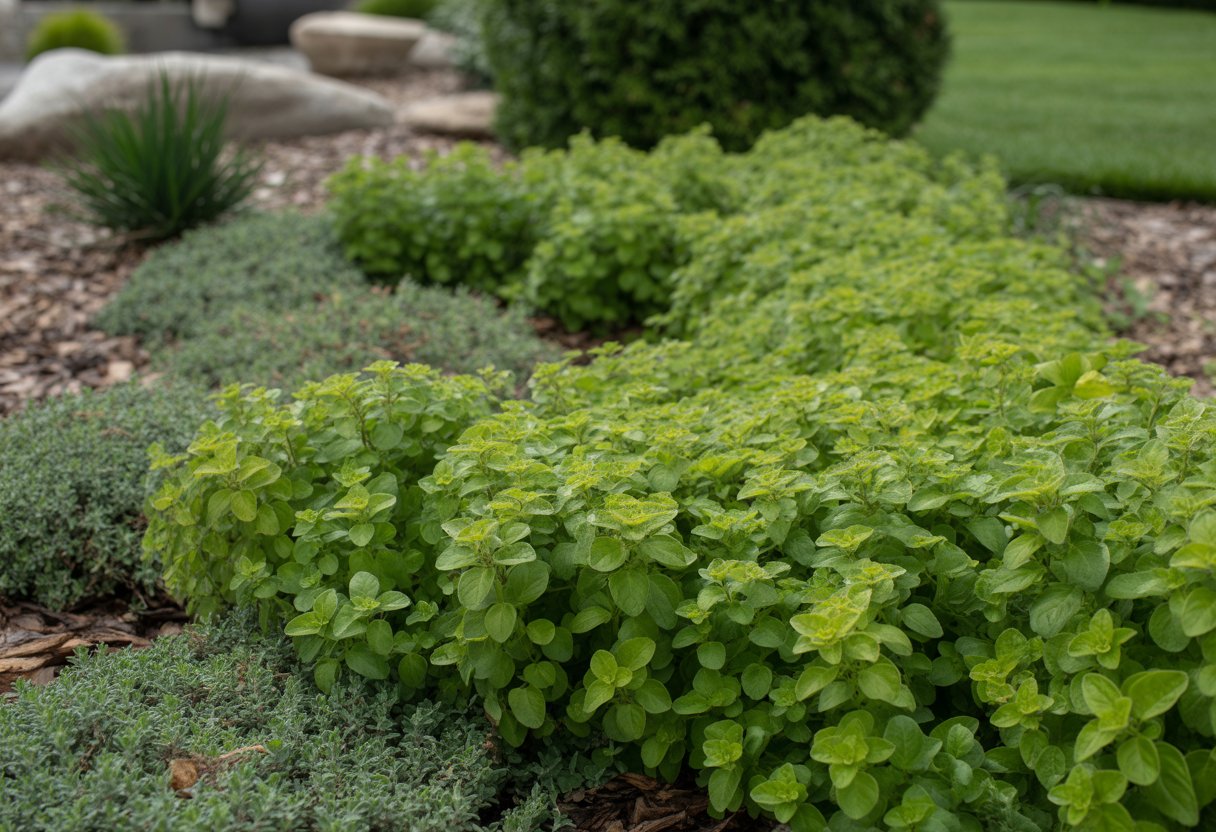
Ornamental oregano fits into all sorts of landscape designs. It loves sunny spots and well-drained soil, and you can use it in everything from neat borders to wild, informal groundcover.
Planting in Borders and Beds
Ornamental oregano really shines in borders and flower beds, especially in full sun. It prefers soil that drains well, so you won’t have to worry much about root rot.
Plant it next to flowering perennials or small shrubs to add texture and a gentle color contrast. Pollinators seem to flock to it, which is great for the rest of your plants.
Regular trimming keeps growth dense and stops it from getting leggy. Containers work too—they let you move oregano around and help control the soil.
Give each plant about 8-12 inches of space for good airflow. That makes a big difference in keeping disease away.
Using as Groundcover or Mass Plantings
Ornamental oregano forms thick mats, which makes it a smart pick for groundcover. It’s especially useful on slopes or spots where grass just won’t cooperate.
Once it settles in, it chokes out weeds pretty well. Mass plantings give a clean, uniform look, and since oregano tolerates drought, you’ll spend less time watering.
It grows best in full sun and needs soil that drains fast, or you might see fungal problems. Oregano spreads slowly, so you can tuck it in with other low growers without worrying it’ll take over.
Just trim it now and then to keep things tidy and encourage new growth.
Incorporating Into Herb Gardens
Ornamental oregano works in herb gardens, but mostly for looks, not for flavor. It pairs nicely with Mediterranean herbs like rosemary and thyme.
Its compact size makes it great for defining pathways or edging beds. In containers, you can move it around to catch more sun or keep it away from crowding veggies.
Well-drained soil is key—soggy roots are a no-go. Adding oregano brings variety in leaf shape and color, and it helps attract good bugs to your garden.
Creative Uses and Care Tips
Ornamental oregano fits into all sorts of spaces and offers a lot of creative potential. With a little care, you can make it a star in landscapes or even indoors.
Growing Ornamental Oregano in Containers
Ornamental oregano loves growing in containers, especially window boxes or decorative pots. It needs well-draining soil and moderate watering—too much water and the roots will protest.
Pick containers with drainage holes, about 8-12 inches wide, to give the plant room to spread out. Place them in full sun or part shade for the best color and flowers.
A little feeding with diluted fertilizer every month or so keeps it happy. You can move containers indoors or to sheltered spots when the weather turns cold, which is honestly pretty handy.
Maintenance and Pruning for Best Appearance
Pruning keeps ornamental oregano dense and compact, plus it can help flowers last longer. Snip it back after flowering to encourage fresh leaves and a tidy shape.
Remove any dead or yellowing leaves to keep disease away. Light pruning twice a year—spring and late summer—usually does the trick.
If it gets leggy, don’t be afraid to cut it back by a third. Overwatering is a common mistake, so let the soil dry a bit between waterings.
A little attention goes a long way, and healthy oregano looks great next to hops or other garden favorites.
Ornamental Oregano in Floral Arrangements
Ornamental oregano brings a sturdy, textured touch to floral arrangements. The soft herbal scent is subtle but lingers nicely.
Its small, clustered flowers blend easily with roses, lavender, or eucalyptus. I love how the look never feels forced.
Cut stems early in the morning, when the plant’s full of moisture, to get the longest vase life. Snip off those lower leaves—they just muck up the water and shorten the freshness.
Ornamental oregano works in both fresh bouquets and dried arrangements since it wilts so slowly. Toss it in as a filler for natural, earthy vibes, or tuck it into compact displays with other greenery.