
Our Favorite 5 Mulches for Weed Control and Soil Health: Top Choices for Garden Success
We independently select all products and services. If you click through links we provide, Plant Native may earn a commission with no extra cost to you. As an Amazon Associate I earn from qualifying purchases.
Last updated: September 3, 2026
Mulch plays a crucial role in maintaining healthy gardens and landscapes. It acts as a protective layer over soil, suppressing weed growth and conserving moisture.
Organic mulches also break down over time, enriching the soil with nutrients. Choosing the right mulch can make a significant difference in plant health and garden maintenance.
Various materials can be used as mulch, from organic options like wood chips and straw to inorganic choices such as gravel or rubber. Organic mulches tend to be more beneficial for soil health, while inorganic options may last longer.
The best mulch for your garden depends on factors like climate, soil type, and the plants you’re growing.
When selecting mulch, consider its ability to suppress weeds, retain moisture, and improve soil structure. The mulch’s appearance, cost, and longevity are also important factors to weigh.
We evaluated numerous mulch options to identify the top choices for weed control and soil health improvement.
Quick Guide: Mulch Comparison
- Best for weed suppression: Wood chips (2–4″ deep) — blocks 80%+ of weeds when applied properly
- Best for vegetables: Straw — doesn’t tie up nitrogen as it decomposes, easy to work around plants
- Best for soil health long-term: Shredded leaves or wood chips — breaks down into humus that improves soil structure
- Best for paths and permanent areas: Rubber mulch or gravel — doesn’t decompose or need replenishing
- Apply 2–4 inches deep — too thin doesn’t suppress weeds; too thick can prevent rain from reaching roots
- Keep mulch away from plant stems — “volcano mulching” against trunks causes rot and disease
Our Top 5 Mulches for Weed Control and Soil Health
We’ve carefully selected the best mulches to help you maintain a healthy garden while keeping weeds at bay. Our top picks offer excellent weed suppression, moisture retention, and soil enrichment benefits. These mulches will help your plants thrive and reduce your gardening workload.
Our top pick
- Suppresses weed growth naturally by blocking sunlight to the soil surface
- Retains soil moisture, reducing the frequency of watering
- Breaks down over time to enrich soil with organic matter
Cons
- Needs replenishing annually as it decomposes
- Some types may temporarily alter soil pH as they break down
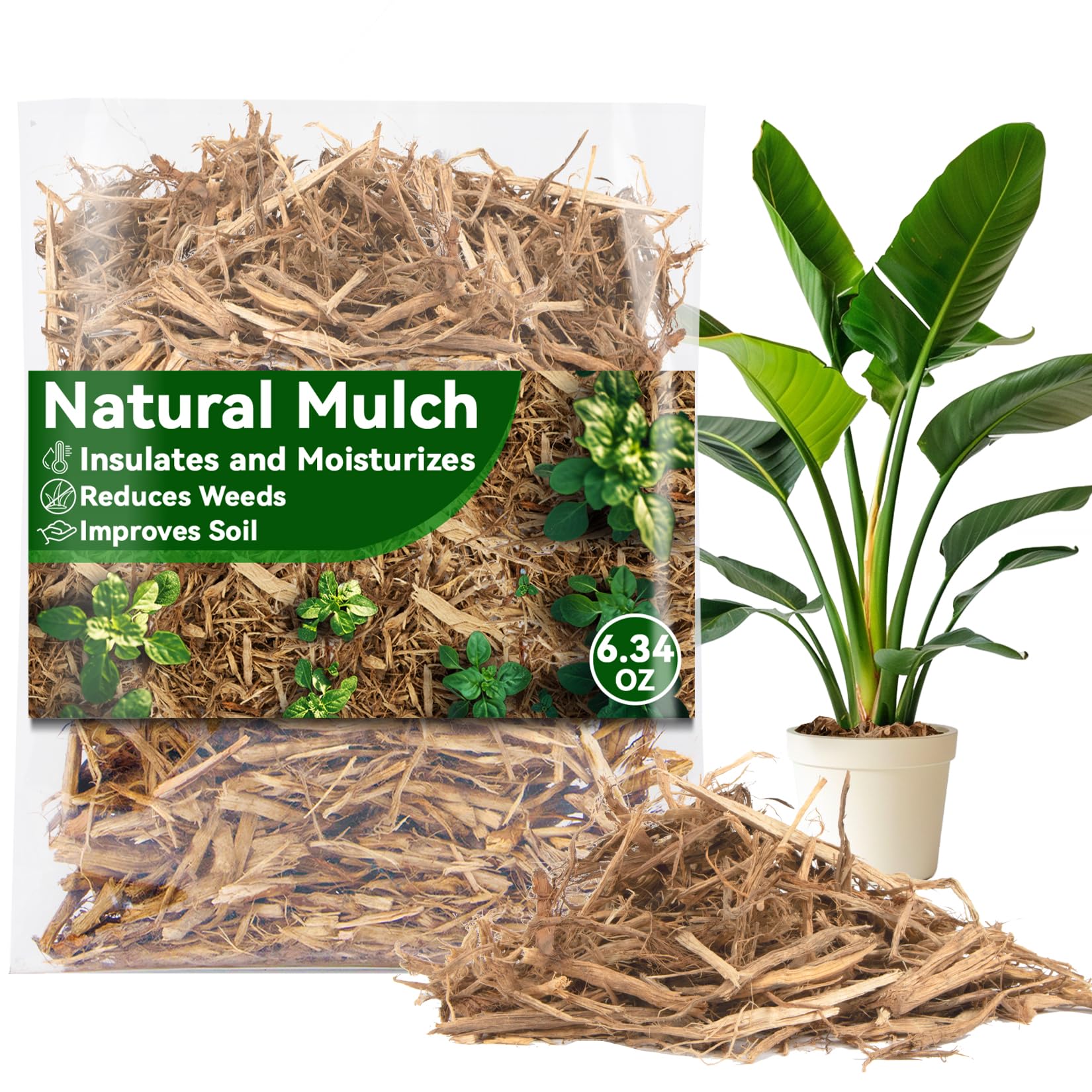
When we opened the package of MAQIHAN Wood Mulch, we were pleased to find it had no chemical odor. Despite this limitation, we appreciated having a small quantity on hand for quick touch-ups and indoor use. For most people, this is the one to get.
Best premium choice
- Suppresses weed growth naturally by blocking sunlight to the soil surface
- Retains soil moisture, reducing the frequency of watering
- Breaks down over time to enrich soil with organic matter
Cons
- Needs replenishing annually as it decomposes
- Some types may temporarily alter soil pH as they break down
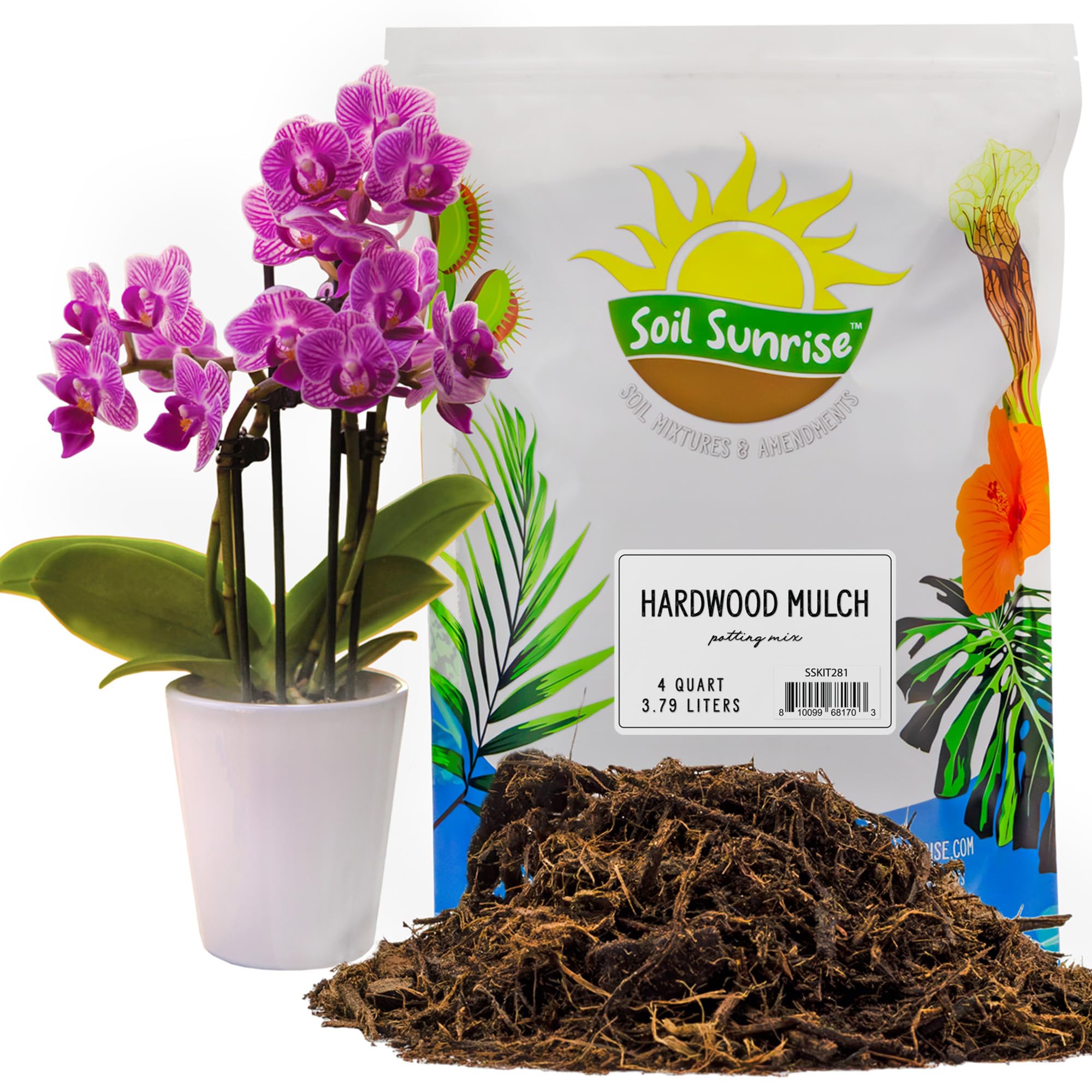
The 100% natural hardwood composition provides a rich, organic feel that’s perfect for enhancing our indoor gardening projects. While the 4-quart bag might seem small, we found it sufficient for several medium-sized pots. One of the standout features we’ve noticed is its impressive moisture retention capabilities.
Most versatile
- Suppresses weed growth naturally by blocking sunlight to the soil surface
- Retains soil moisture, reducing the frequency of watering
- Breaks down over time to enrich soil with organic matter
Cons
- Needs replenishing annually as it decomposes
- Some types may temporarily alter soil pH as they break down
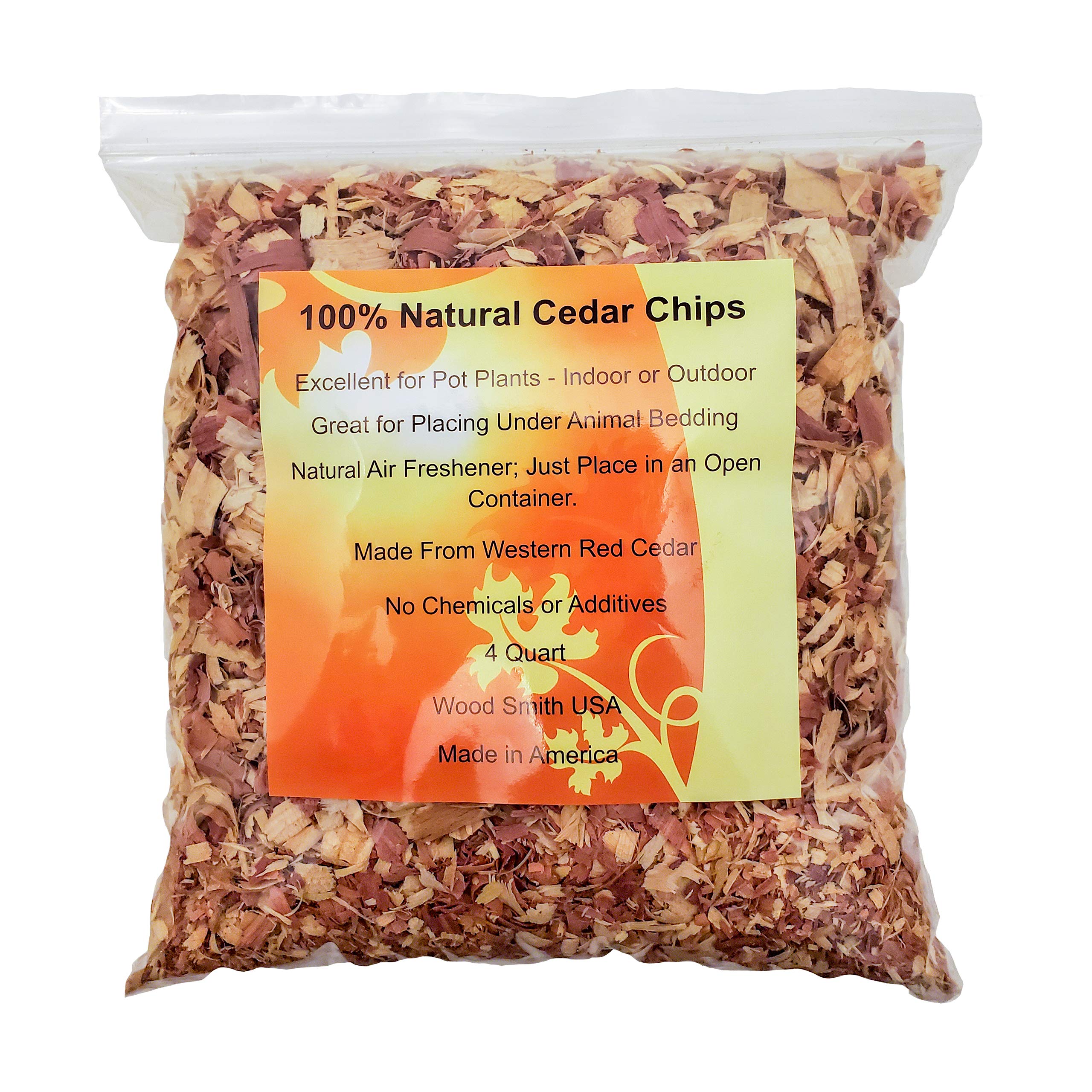
The multipurpose nature of this product impressed us. In practice, 8-quart bag generous, containing nearly 10 quarts of shavings. Its versatility makes it a true Swiss Army knife for your garden.
Best organic choice
- Suppresses weed growth naturally by blocking sunlight to the soil surface
- Retains soil moisture, reducing the frequency of watering
- Breaks down over time to enrich soil with organic matter
Cons
- Needs replenishing annually as it decomposes
- Some types may temporarily alter soil pH as they break down
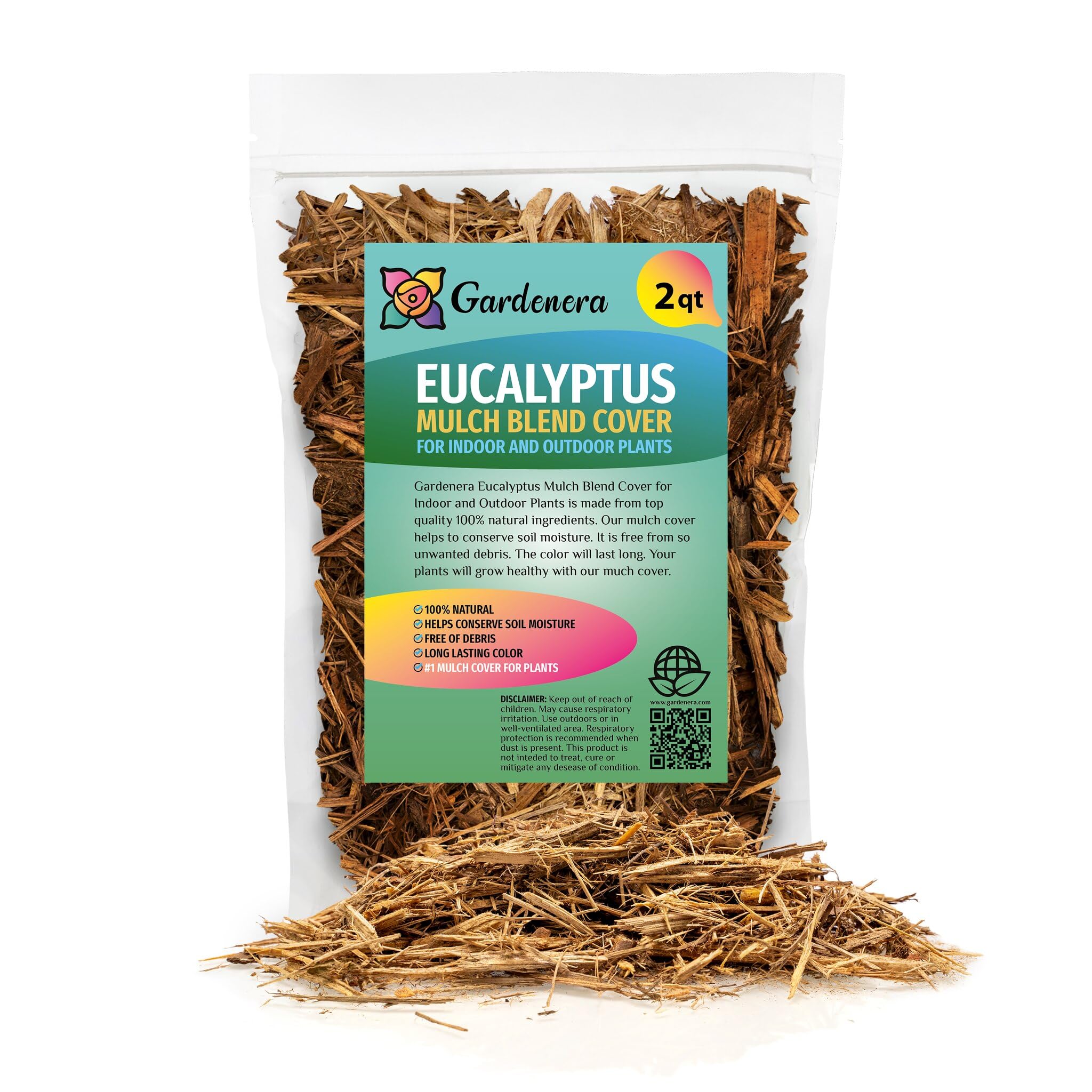
We’ve found the Gardenera Eucalyptus Mulch to be a game-changer in our gardening routine. While the quality of the mulch is excellent, we found the quantity per package somewhat limited for larger garden areas. For the eco-conscious gardener, it strikes the right balance.
Best for indoors
- Suppresses weed growth naturally by blocking sunlight to the soil surface
- Retains soil moisture, reducing the frequency of watering
- Breaks down over time to enrich soil with organic matter
Cons
- Needs replenishing annually as it decomposes
- Some types may temporarily alter soil pH as they break down
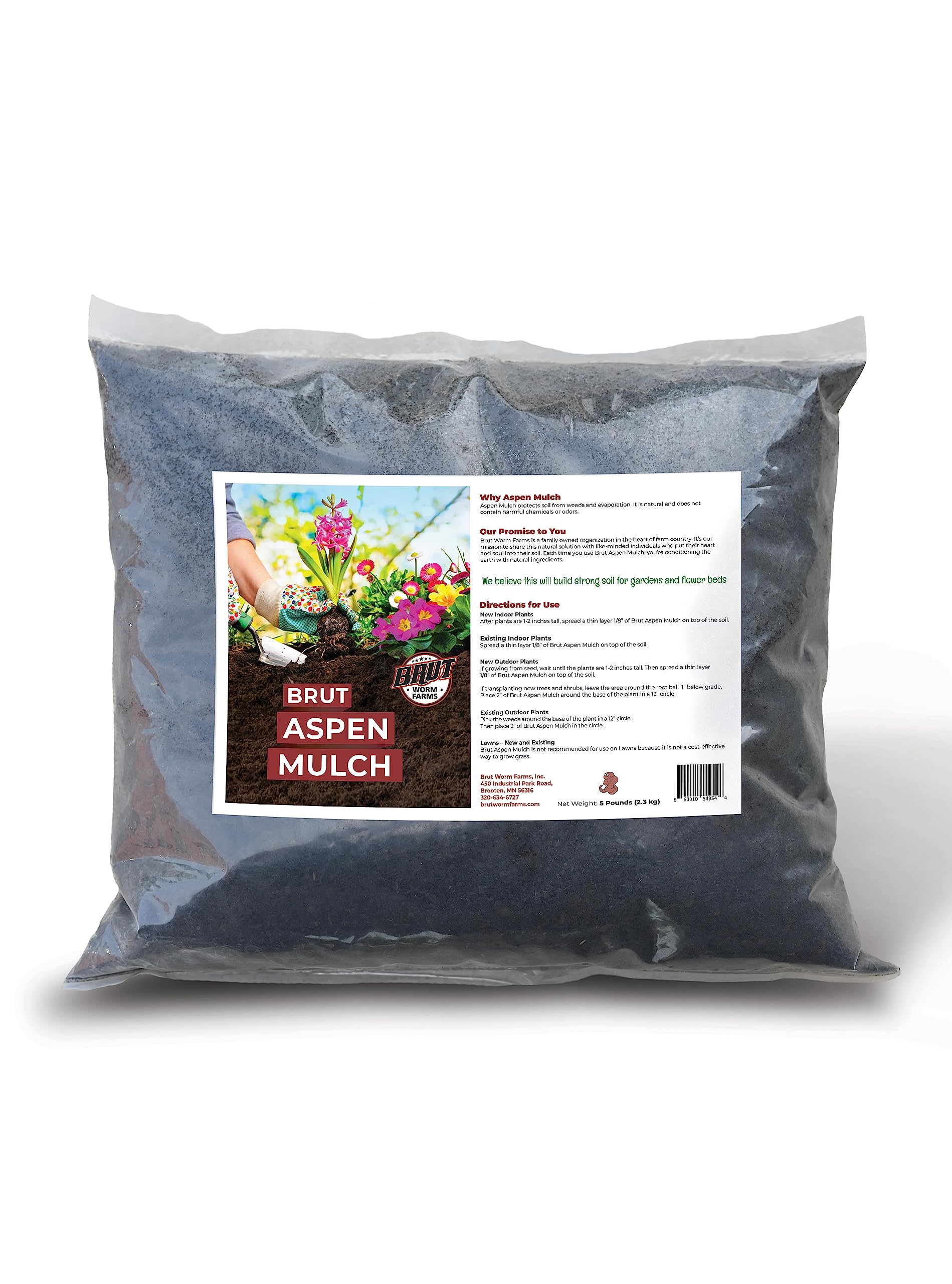
We’ve found Brut Organic Aspen Mulch to be a game-changer for our gardening needs. We’ve been particularly impressed with its performance around our newly planted trees. If your garden lives inside, this is purpose-built for the job.
For related gardening guides, see best mulches for native plant beds and best soil amendments for clay soil.
Mulch Buying Guide: How to Choose the Right Type
Organic vs. Inorganic Mulch
Organic mulches (wood chips, straw, shredded leaves, compost) break down over time, improving soil structure, feeding soil microbes, and adding organic matter. They need replenishing every 1–2 years but provide ongoing soil benefits. Inorganic mulches (rubber, gravel, landscape fabric) are more permanent but don’t improve soil health. Choose organic for garden beds; inorganic is better for permanent paths and areas where you don’t want to dig.
How Deep to Apply Mulch
The ideal mulch depth is 2–4 inches for most applications. Fine-textured mulches (shredded wood, straw) can be applied at 2–3 inches; coarser wood chips work best at 3–4 inches. Applying too little (under 2 inches) allows weed seeds to germinate in the mulch itself. Too much (over 5 inches) can prevent rainfall from penetrating to roots and may harbor slugs and voles.
Mulch Application Tips
- Apply mulch in spring after soil has warmed — mulching cold soil keeps it cold longer
- Wet the soil before applying mulch during drought
- Keep a 2–3 inch clear zone around plant stems and tree trunks
- Fluff matted mulch with a rake to prevent it from forming a water-repellent crust
- Replenish organic mulch when it compresses below 2 inches
Common Mulch Problems and Solutions
Mulch Growing Fungus
Artillery fungus (Sphaerobolus stellatus) and shotgun fungus sometimes develop in wood chip mulch. The tiny fruiting bodies shoot sticky spores onto nearby surfaces — a messy problem near light-colored walls or cars. If artillery fungus is a concern, switch to bark nuggets (which harbor less artillery fungus than dyed or finely shredded wood), or use a stone mulch in problem areas. Raking and disturbing the mulch regularly helps prevent fungal growth.
Mulch Attracting Termites
Termites are attracted to wood products, but well-maintained mulch doesn’t significantly increase termite risk if you maintain a 6–12 inch clear zone between mulch and your house foundation. Never pile mulch against wooden siding or foundation boards. Cedar and cypress mulch have natural oils that repel termites and insects, making them better choices near structures.
Frequently Asked Questions About Garden Mulch
Q: How often should I replace mulch?
Organic mulch decomposes over time and needs topping off every 1–2 years. Rather than completely removing old mulch (which disturbs soil life and beneficial insects), simply rake and loosen existing mulch and add a 1–2 inch fresh layer on top. If the old mulch has fully decomposed into black, soil-like material, that’s fine — it’s adding organic matter to your soil.
Q: Is dyed mulch safe for vegetable gardens?
Dyed mulches use iron oxide (red/brown) or carbon (black) pigments that are generally considered safe. However, the wood base material matters more than the dye — avoid mulch made from recycled pallets or construction wood, which may contain treated lumber with chemicals. For vegetable gardens, choose undyed, certified organic wood mulch, straw, or shredded leaves to be safe.
Q: What is the best mulch to prevent weeds from coming through?
Applied at 3–4 inches deep, wood chips or bark nuggets are most effective at preventing weeds because they’re dense and slow to decompose. For even better results, combine a 2-layer approach: lay a single sheet of newspaper or cardboard (not landscape fabric) on the soil, then cover with 3 inches of wood chips. The newspaper smothers existing weeds and decomposes within a year, while the wood chips maintain the bed.
My neighbor got me into gardening last year and I’m still figuring things out. This is really helpful.