
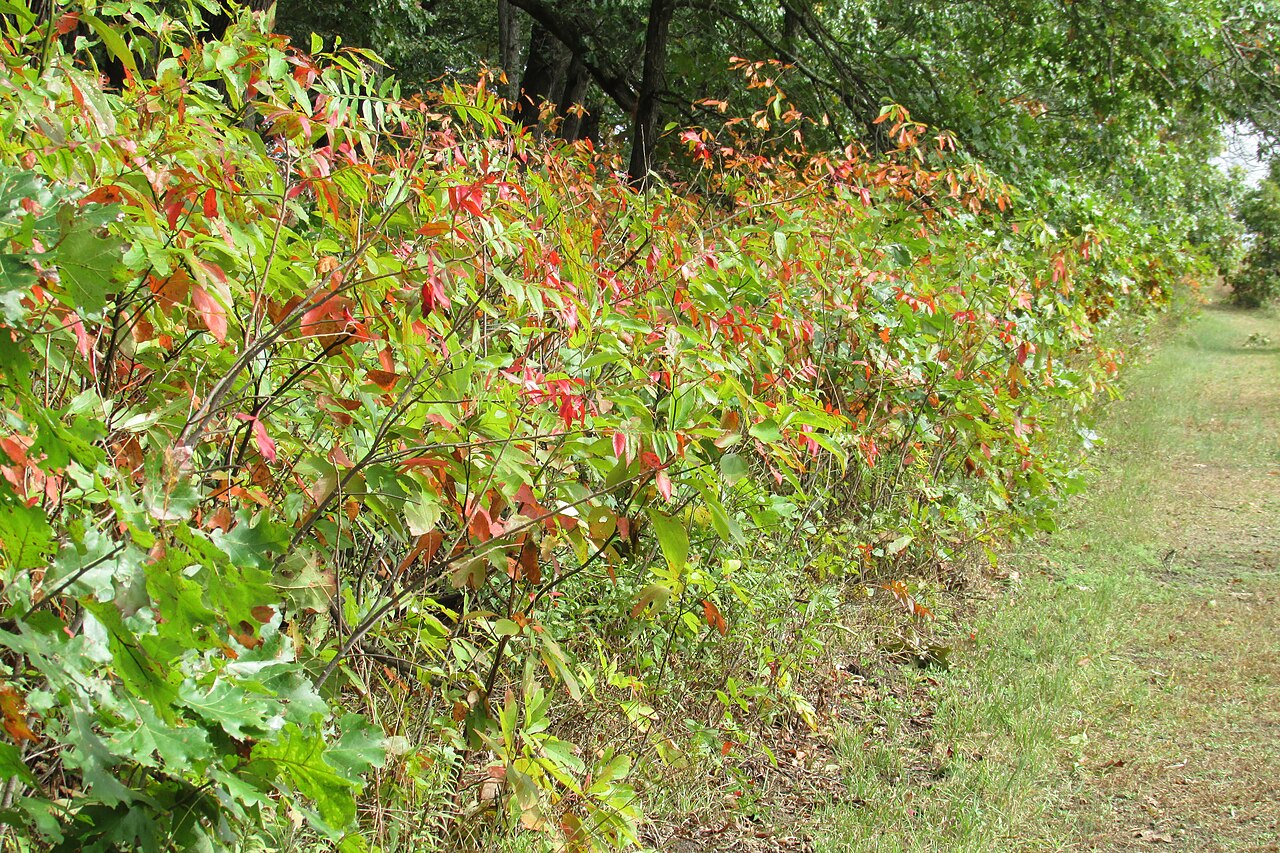
Young sassafras stems crowding the edge of a mown path, Fisher Oak Savanna Nature Preserve, Indiana. Left alone, a few lawn sprouts can become a
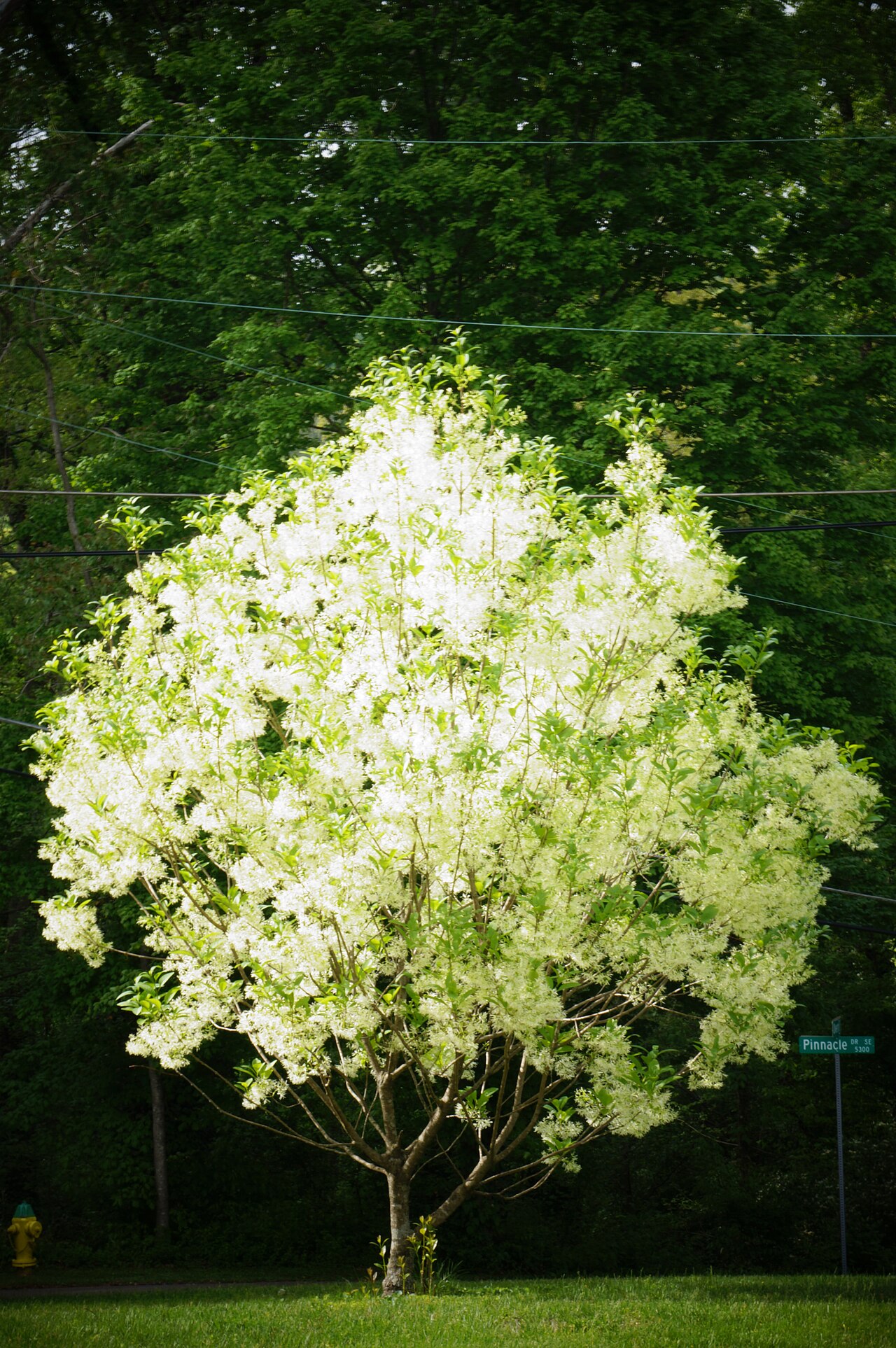
This is the show you were promised: a fringetree in an open, sunny spot, covered in white fringe flowers. Photo: Mike Steinhoff, Wikimedia Commons (CC
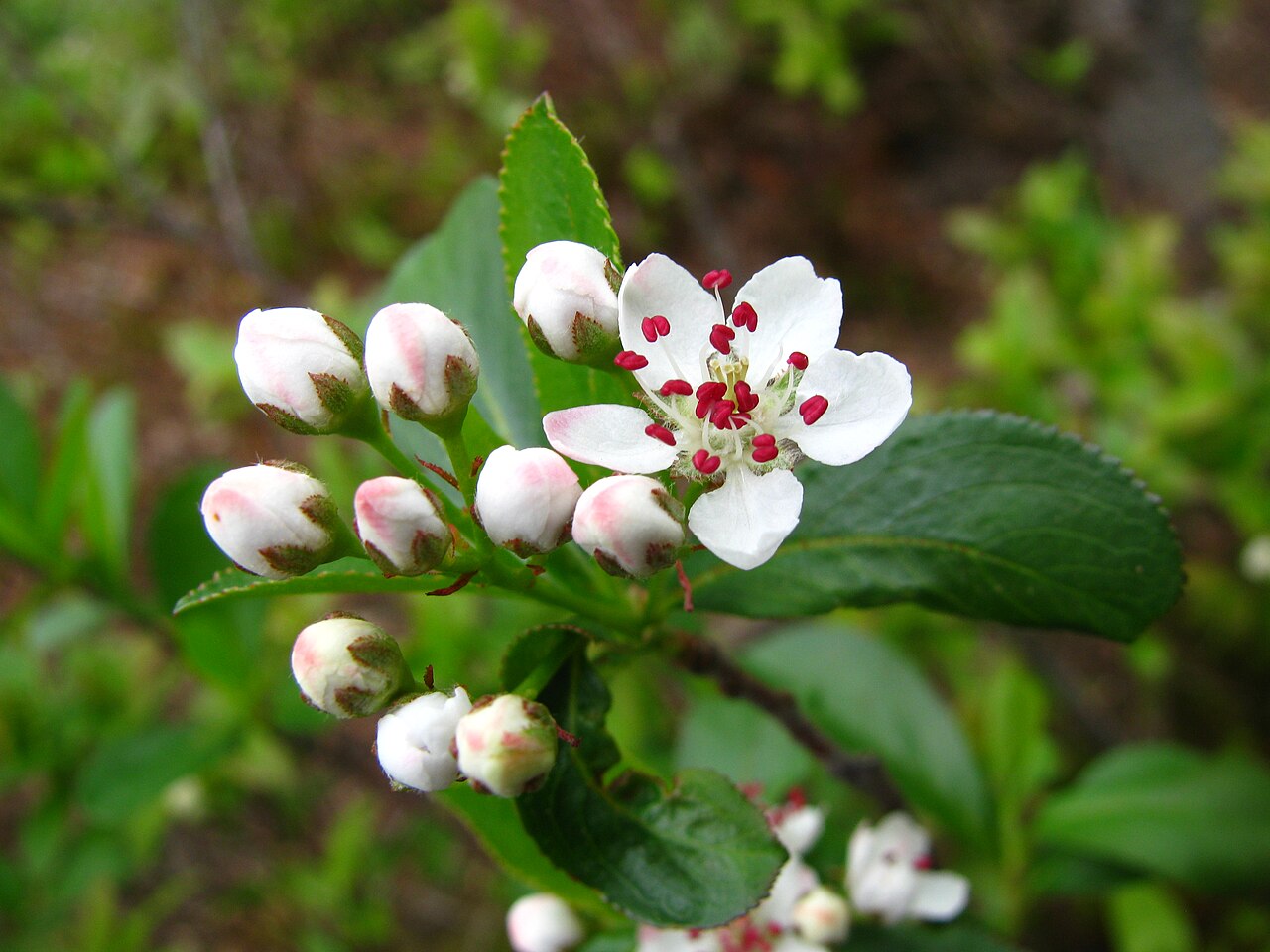
Black chokeberry in bloom on Mount Major, New Hampshire. In the wild it grows everywhere from bogs to rocky ledges. Photo: Jomegat, Wikimedia Commons (CC
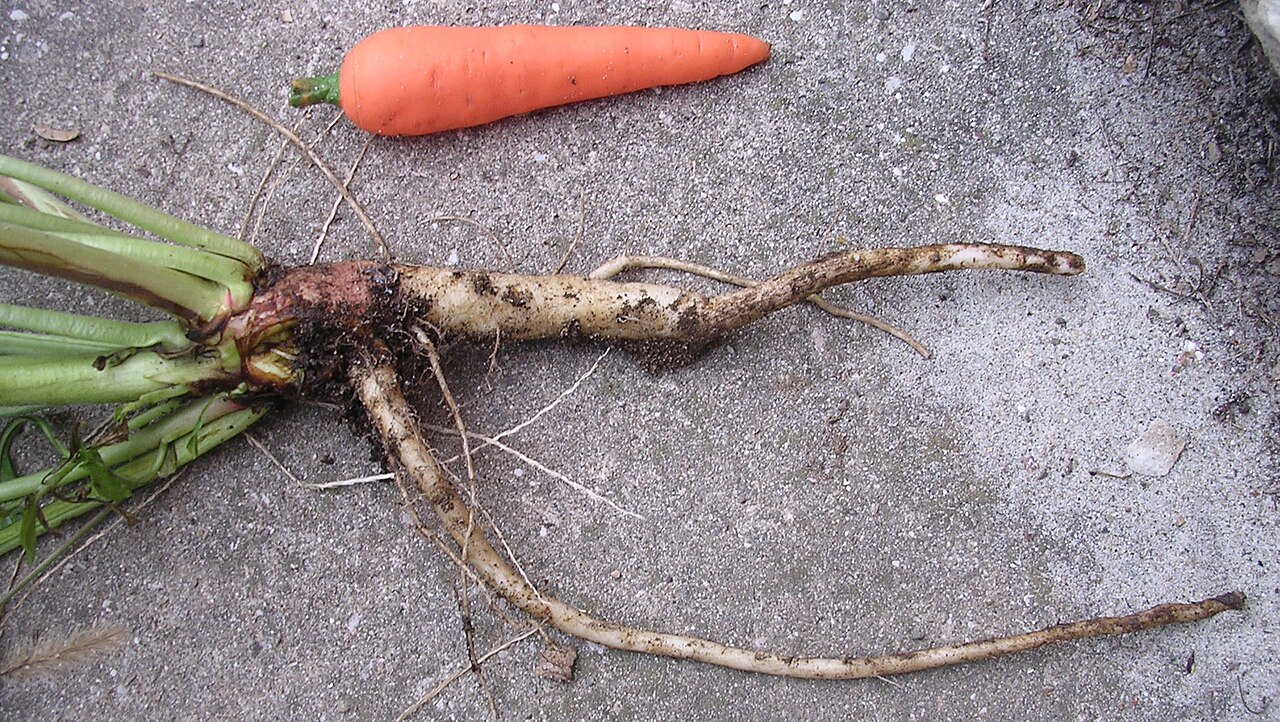
This is why timing matters: an evening primrose taproot, shown with a toy carrot for scale. Moving a plant this size means cutting most of
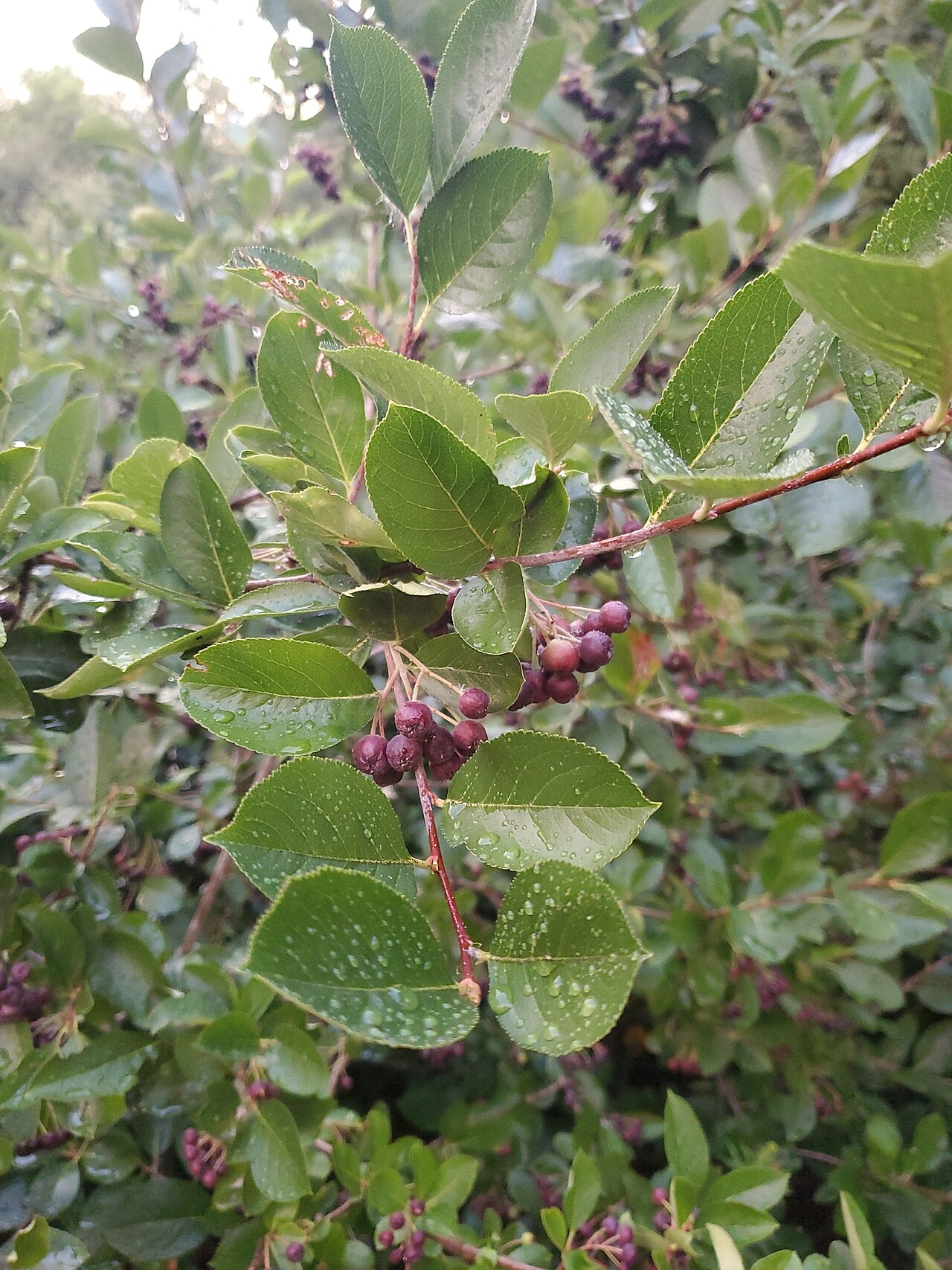
Pale specks on black chokeberry leaves. Marks like these can come from insects, fungi, residue, or weather, which is why identification comes before treatment. Photo:
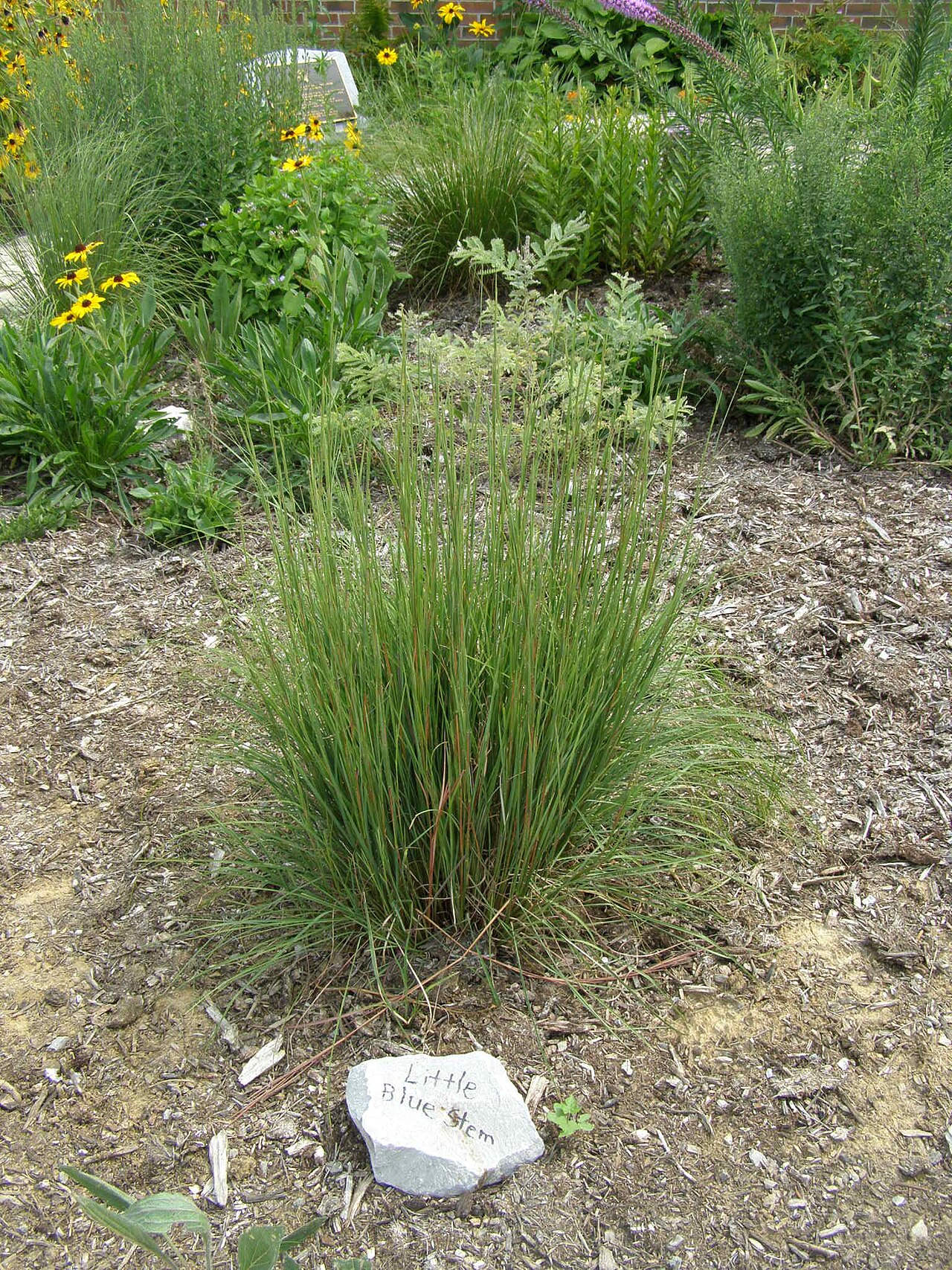
A young clump in a mulched native bed in late July at the Lewis and Clark State Historic Site, Illinois. Getting a plug to this
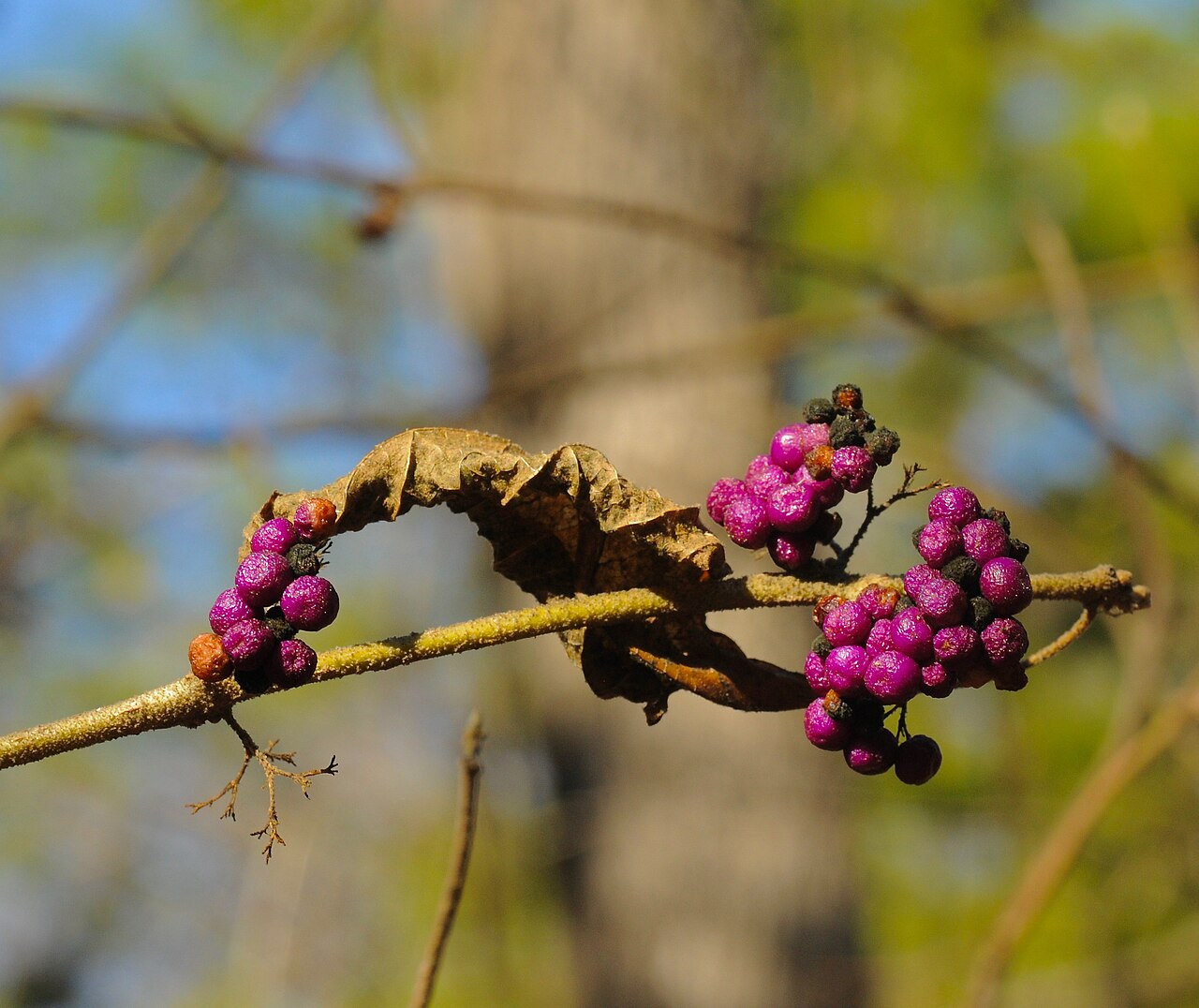
A beautyberry stem in January, Van Zandt County, Texas. Dead leaves and dry-looking stems are normal in winter. The question is how much of that
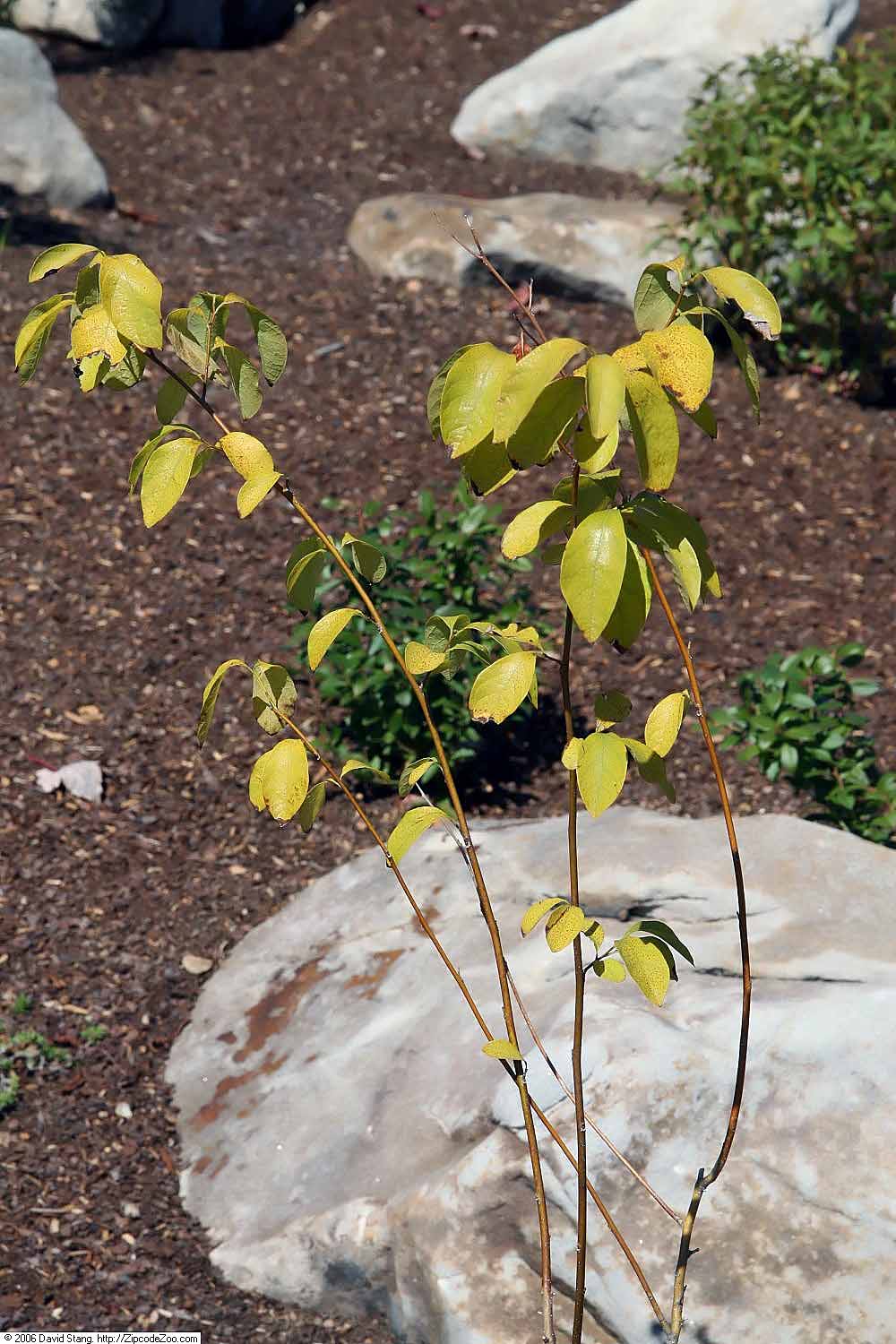
A young spicebush settled into a mulched bed at the United States Botanic Garden, Washington, D.C. Small plants like this are the best candidates for
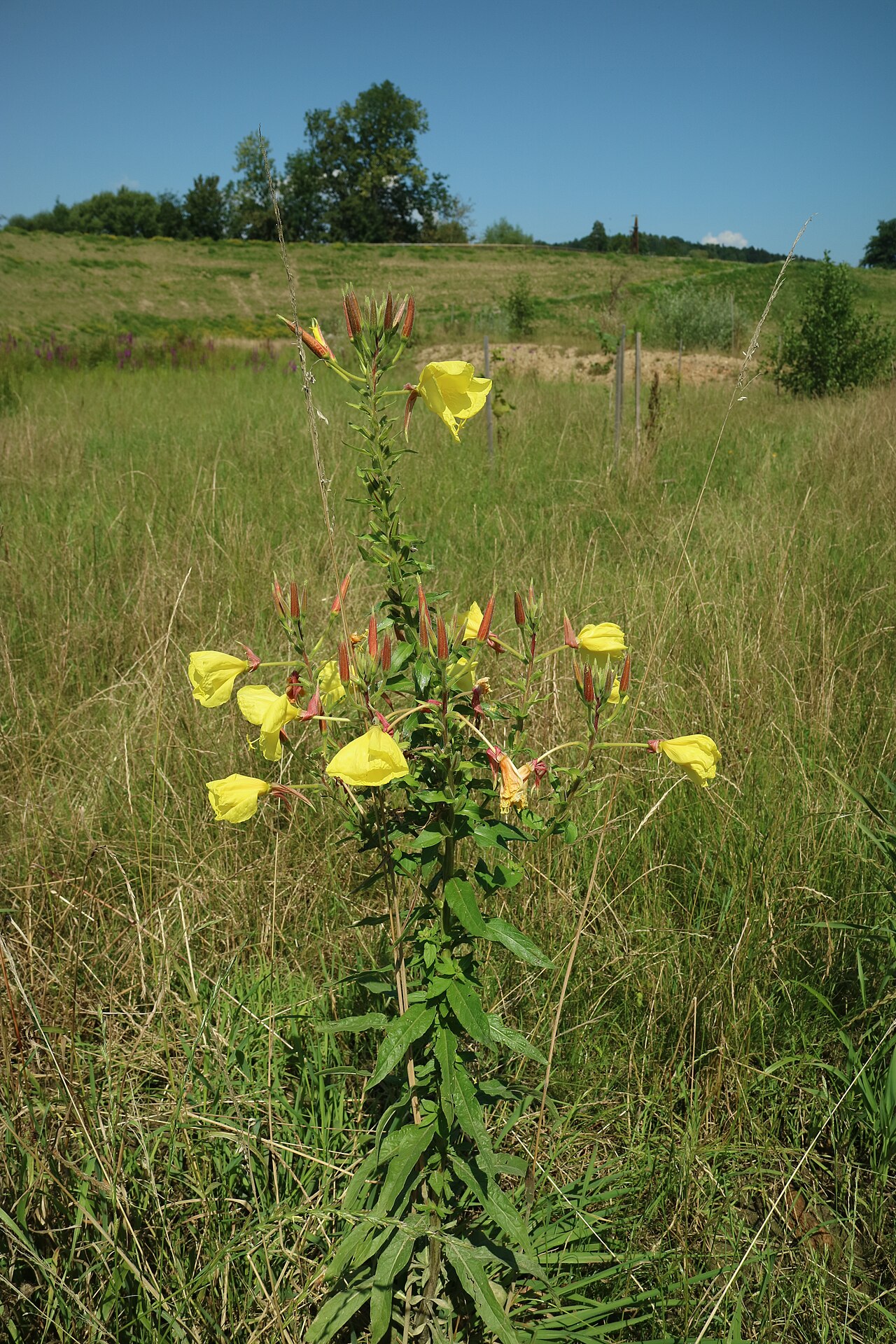
A tall second-year evening primrose with a branched, flower-heavy top. Plants like this can tip after a storm. Raaba-Grambach, Styria, Austria. Photo: Clemens Stockner, Wikimedia
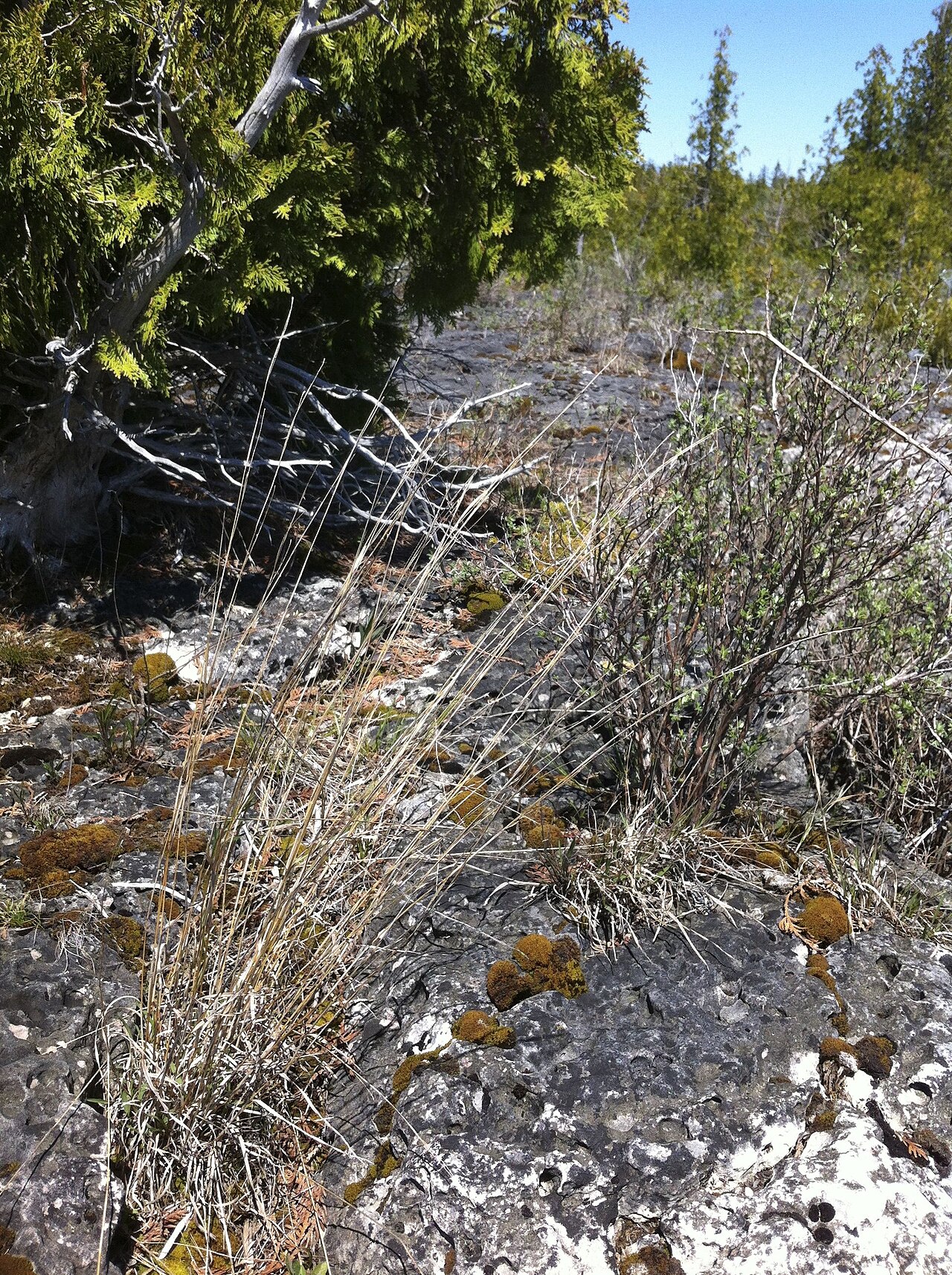
Late May on an Ontario alvar: the shrubs are leafing out, but this little bluestem is still mostly last year’s tan stems. That’s normal for
View More