
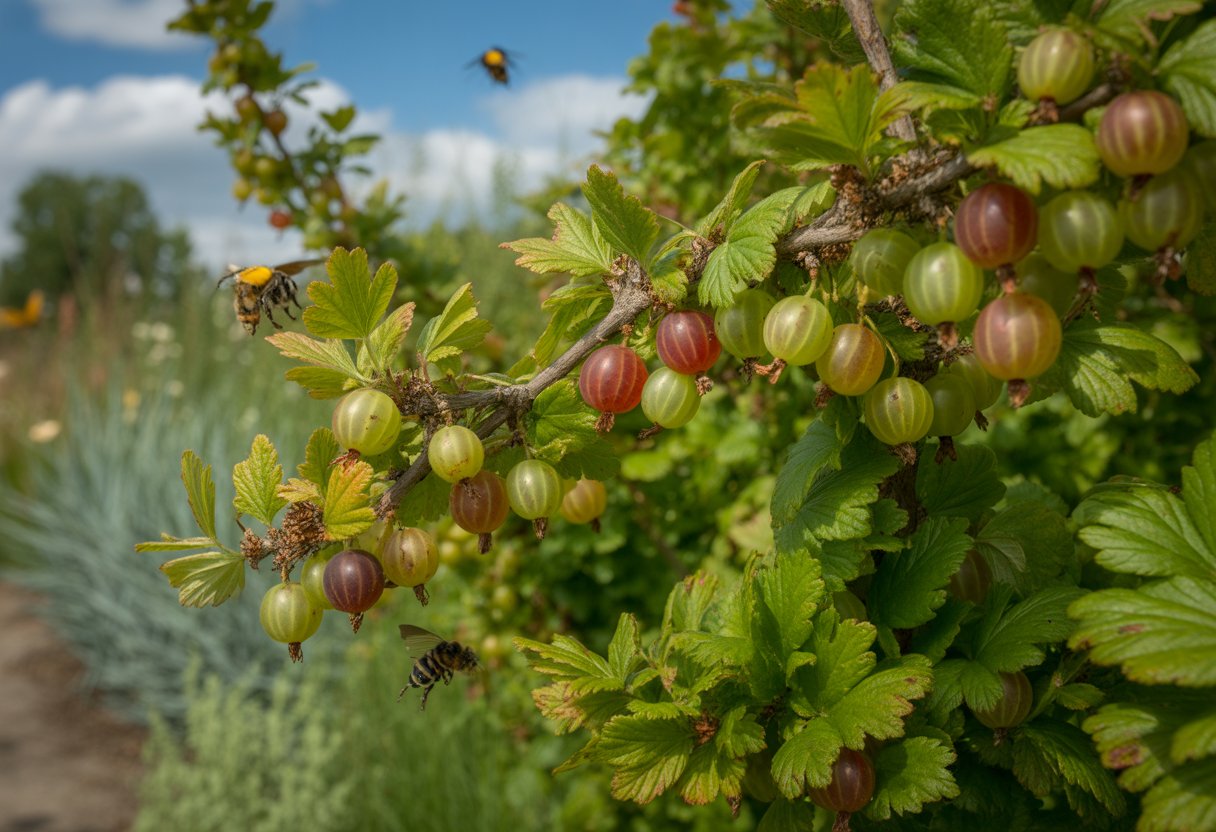
Planting native gooseberry adds real value to gardens and local ecosystems. It thrives in its natural environment and usually needs less water and care than
Gardening apps have revolutionized the way we approach plant care and landscape design. These digital tools offer a wealth of information at our fingertips, from
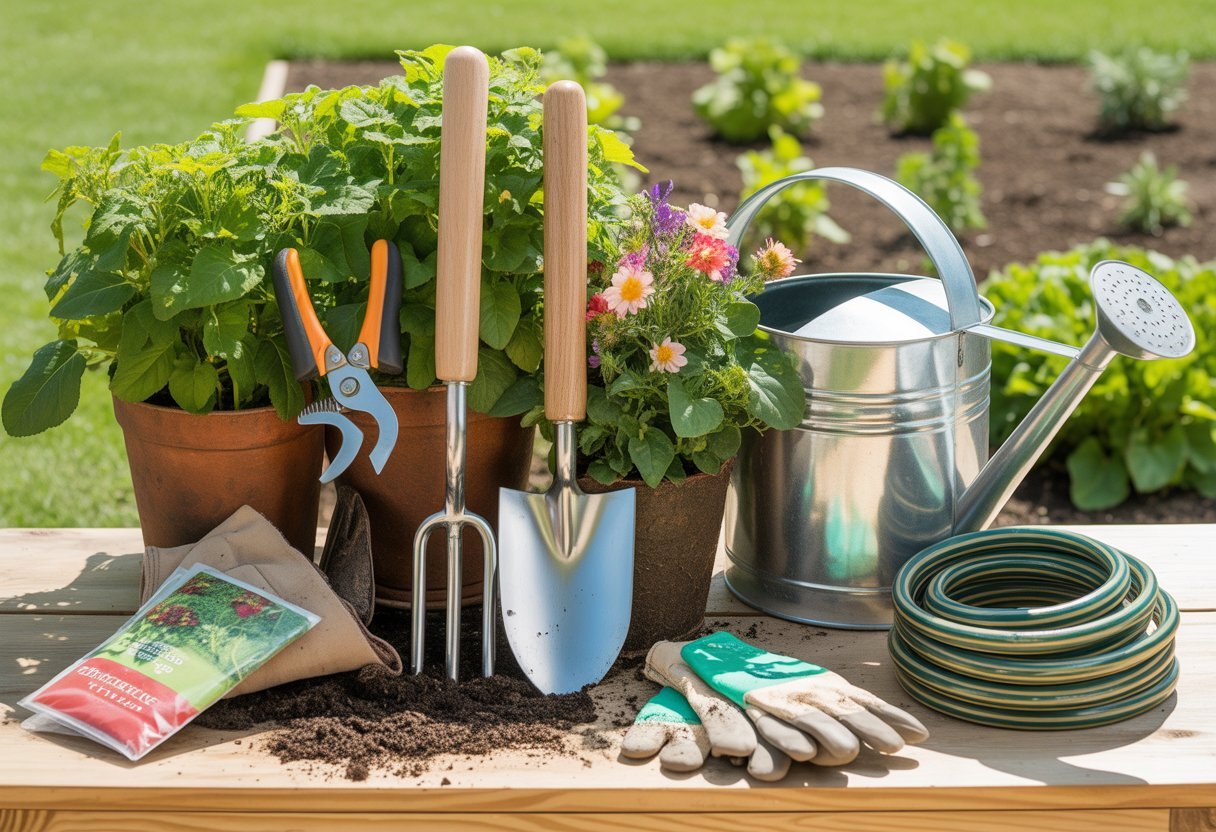
Gardeners in North Carolina deal with unique challenges. The state’s climate and soil can really keep you on your toes. To keep a garden healthy
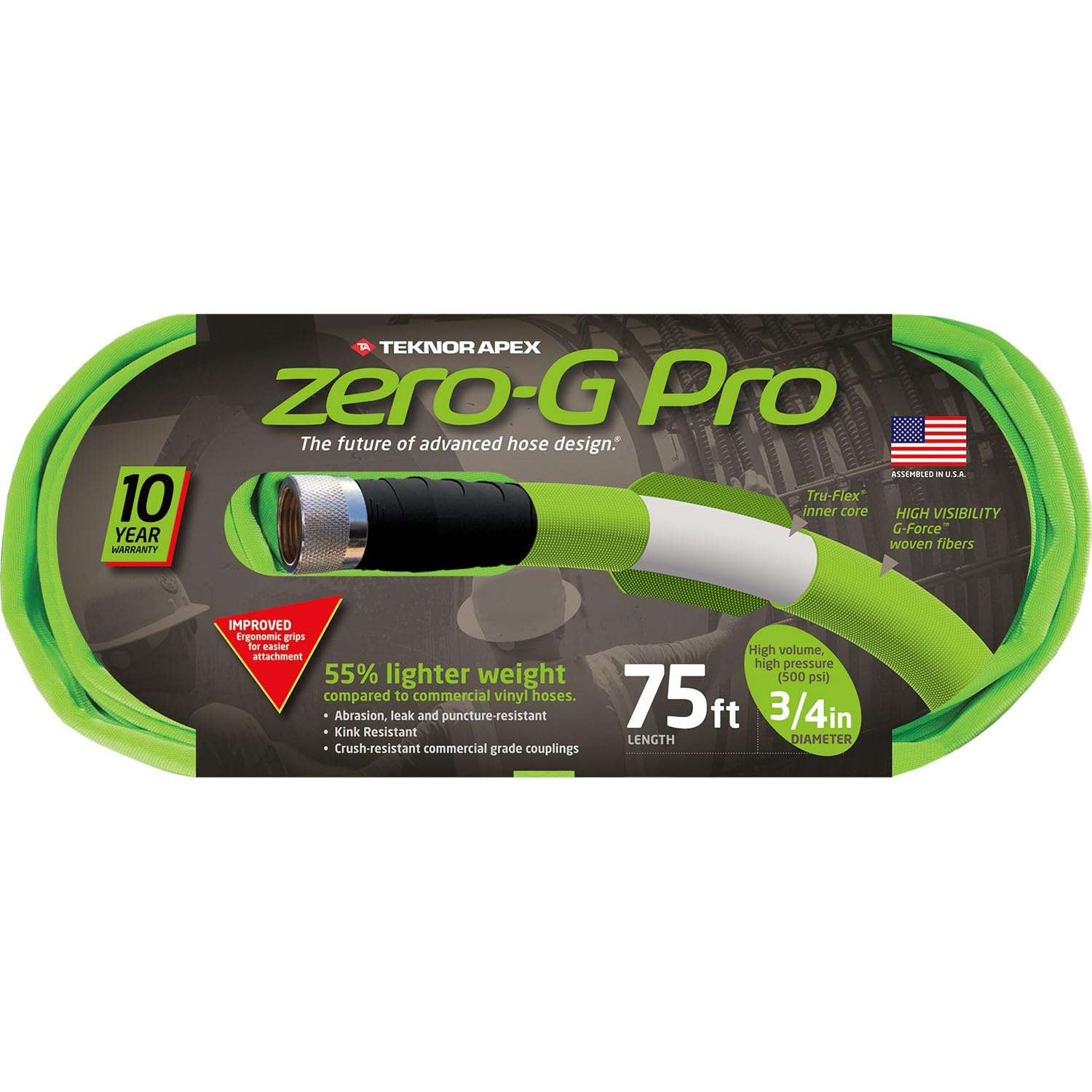
Managing garden hoses is always a pain when they kink or feel heavy. We tried the zero-G Pro garden hose to see if it really
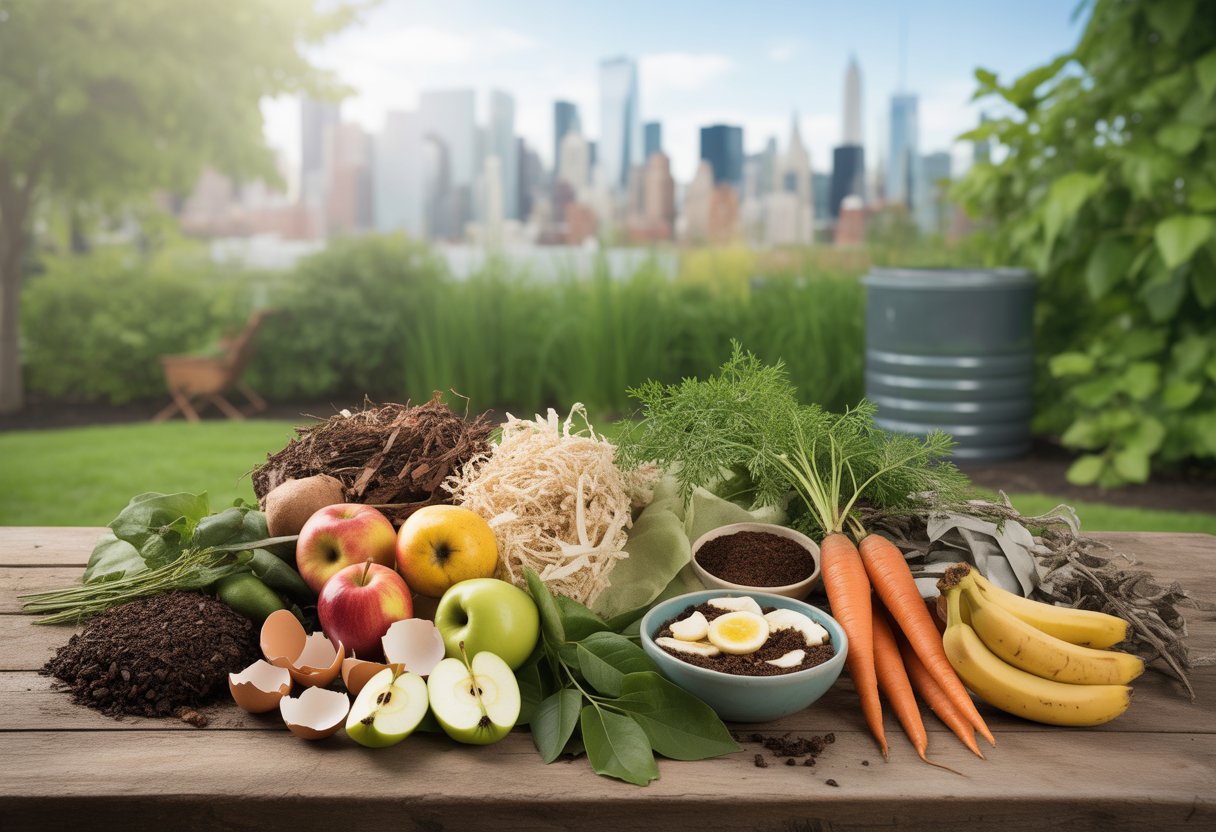
Composting in New York calls for materials that break down fast in the city’s unique climate and tight spaces. The key is balancing nitrogen-rich “greens”
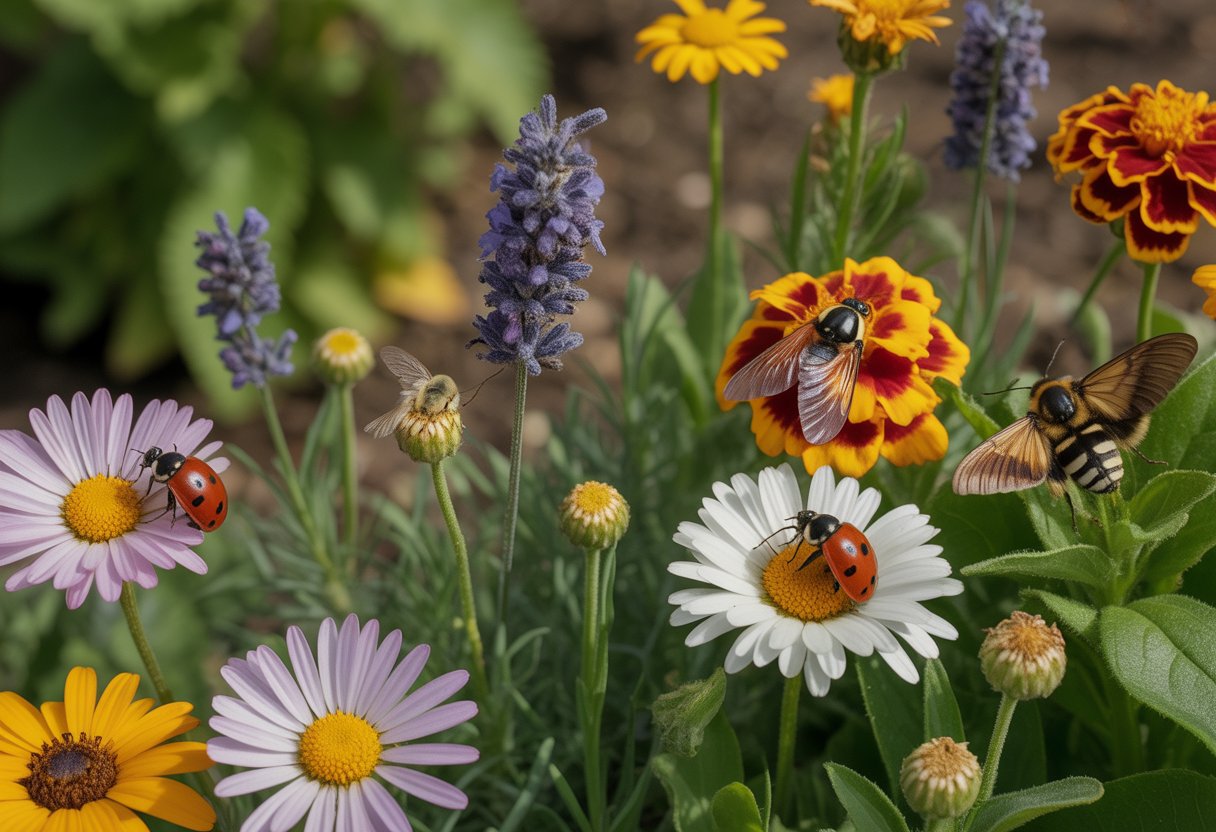
Encouraging beneficial insects can really boost garden health and cut down on chemical pesticides. These insects work as natural pest controllers and pollinators, supporting plant
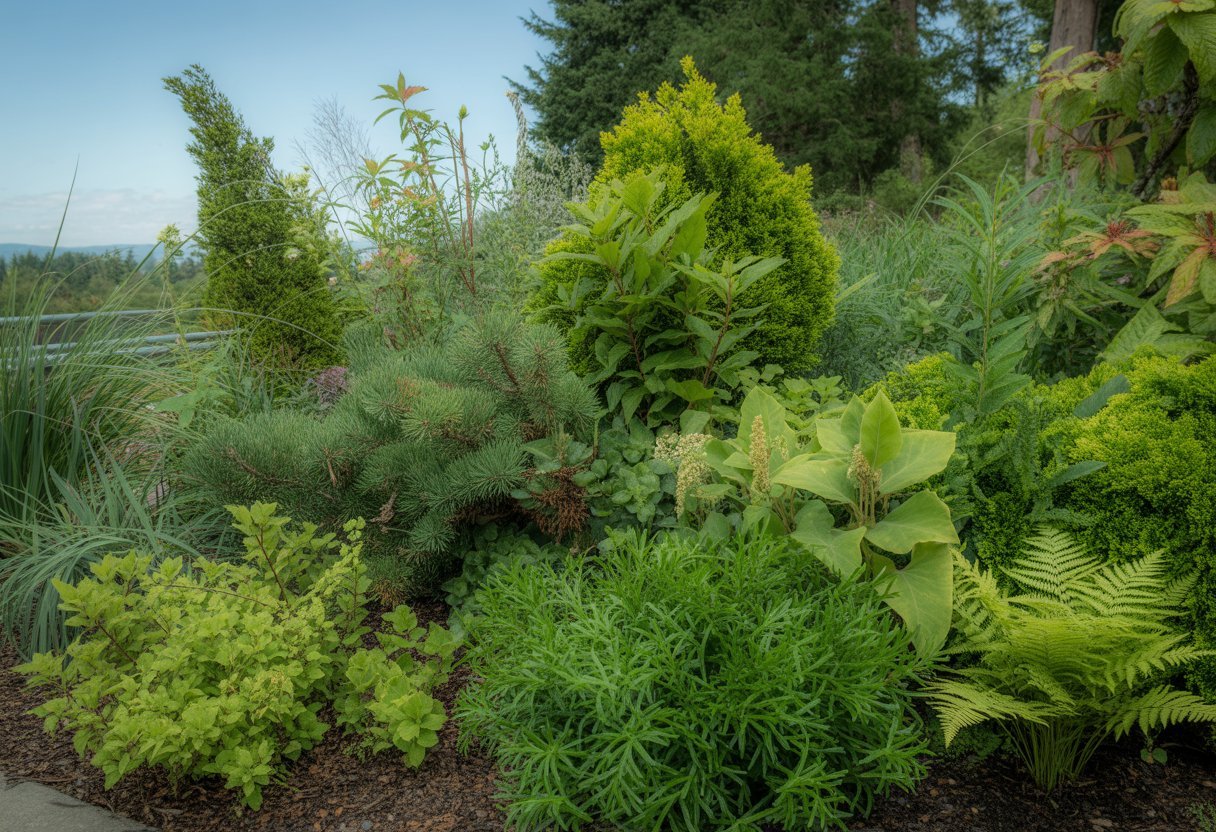
Gardening in Washington doesn’t have to be complicated. If you go with low maintenance native plants, you’re already making things simpler and more eco-friendly. These
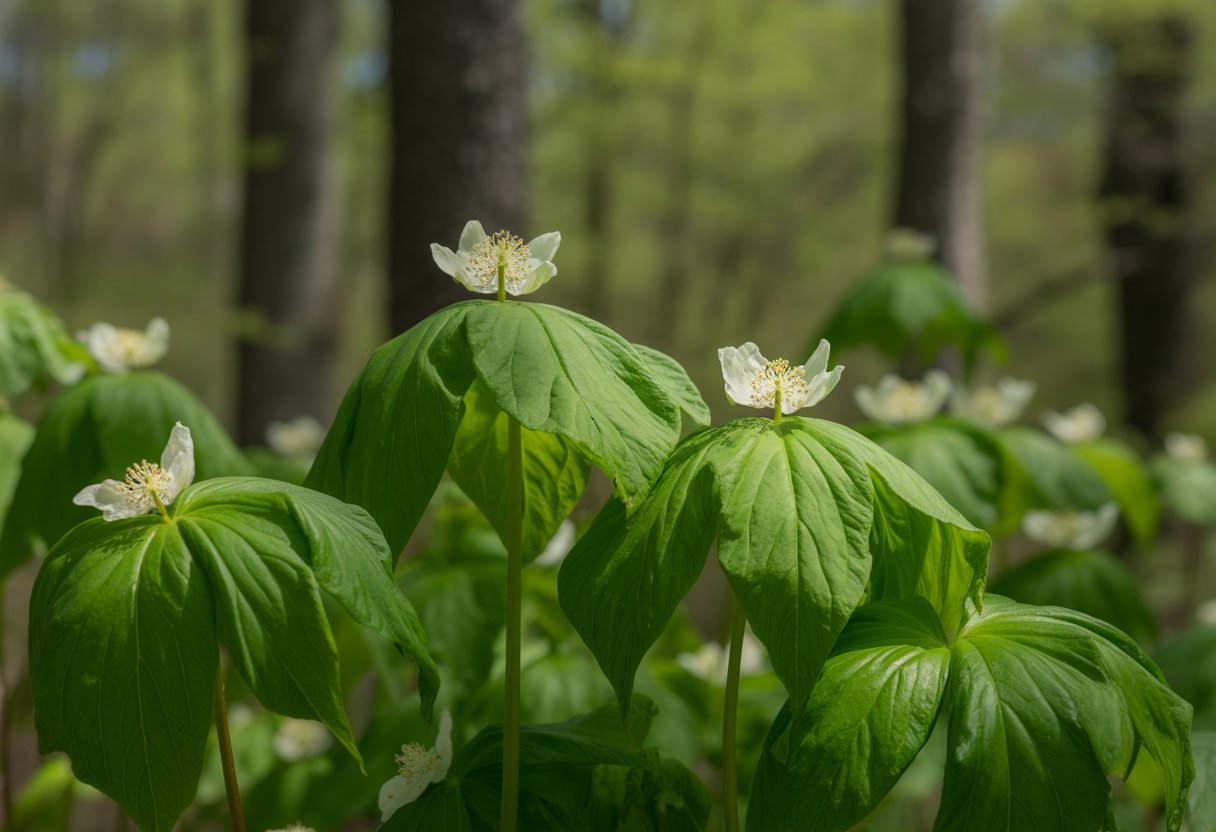
Planting native mayapple (Podophyllum peltatum), sometimes called American mandrake, brings a bunch of ecological and gardening perks. This low-maintenance perennial naturally attracts local wildlife, offering
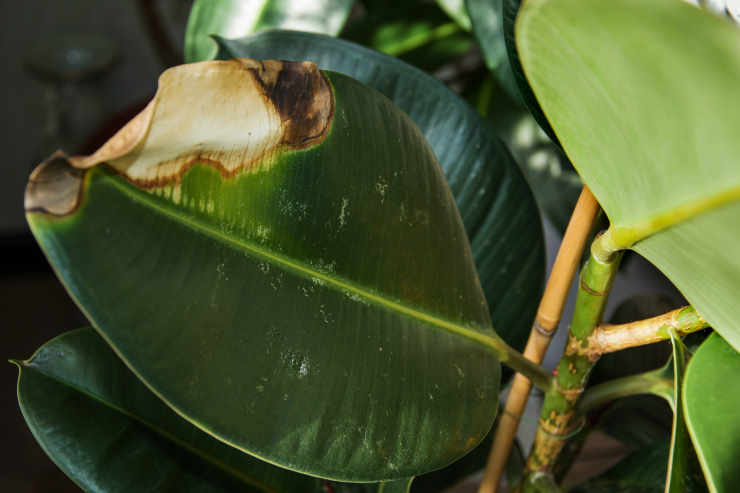
Plants are born and grow as one of the strongest living organisms in the ecosystem. The regeneration system they perform during this growth phase slows down over time, causing the plants to age. At the end of this slowing system journey, the plant’s system stops, resulting in its natural death. So yes, plants age too, and they get old and die. Although this death period varies according to different plants with different genetics and environmental conditions, it is a valid situation for many plants.

Can ducks eat mealworms? Well, the short answer is yes – but there’s much more to it than just that! Many people are surprised to
View More