Picual Olive Tree (Olea europaea ‘Picual’)
Last updated: November 3, 2026
Olea europaea ‘Picual’ is Spain’s most widely planted olive cultivar and, by sheer acreage, likely the single most common olive cultivar in the world, grown overwhelmingly for its robust, long-lasting extra-virgin oil. Centered on the province of Jaén in Andalusia — the heart of global olive oil production — Picual is a rustic, vigorous, upright cultivar known for its high oil yield, strong antioxidant content and resilience in difficult growing conditions.
Gardeners and small growers choose Picual for its toughness and productivity: it tolerates heat, drought, poor soil and moderate cold better than many cultivars, regrows vigorously after hard pruning, and reliably produces a heavy crop of oil-rich fruit. Its upright, somewhat open form and distinctive pointed fruit — “picual” means “pointed” in Spanish, a reference to the fruit’s beaked tip — also make it a recognizable addition to an edible or Mediterranean-style landscape.
Olive (Olea europaea) is not native to North America; the species is native to the Mediterranean basin, and Picual specifically comes from Spain. It is not on any federal noxious-weed list, but in parts of coastal and central California, birds spread the fruit of fruiting olive cultivars into wildland, where Cal-IPC lists olive as a limited-impact invasive. Gardeners in those areas should harvest fruit promptly and avoid planting Picual next to natural open space.
Identification
Picual is distinguished from other common olive cultivars chiefly by its fruit shape — pointed or beaked at the tip — combined with a vigorous, upright growth habit and strong regrowth after pruning.
Bark & Stems
Mature trees develop a sturdy, upright trunk with gray-brown, furrowed bark. Picual is notably vigorous and quick to sprout new shoots from older wood, a trait that makes it especially responsive to renewal or rejuvenation pruning.
Leaves
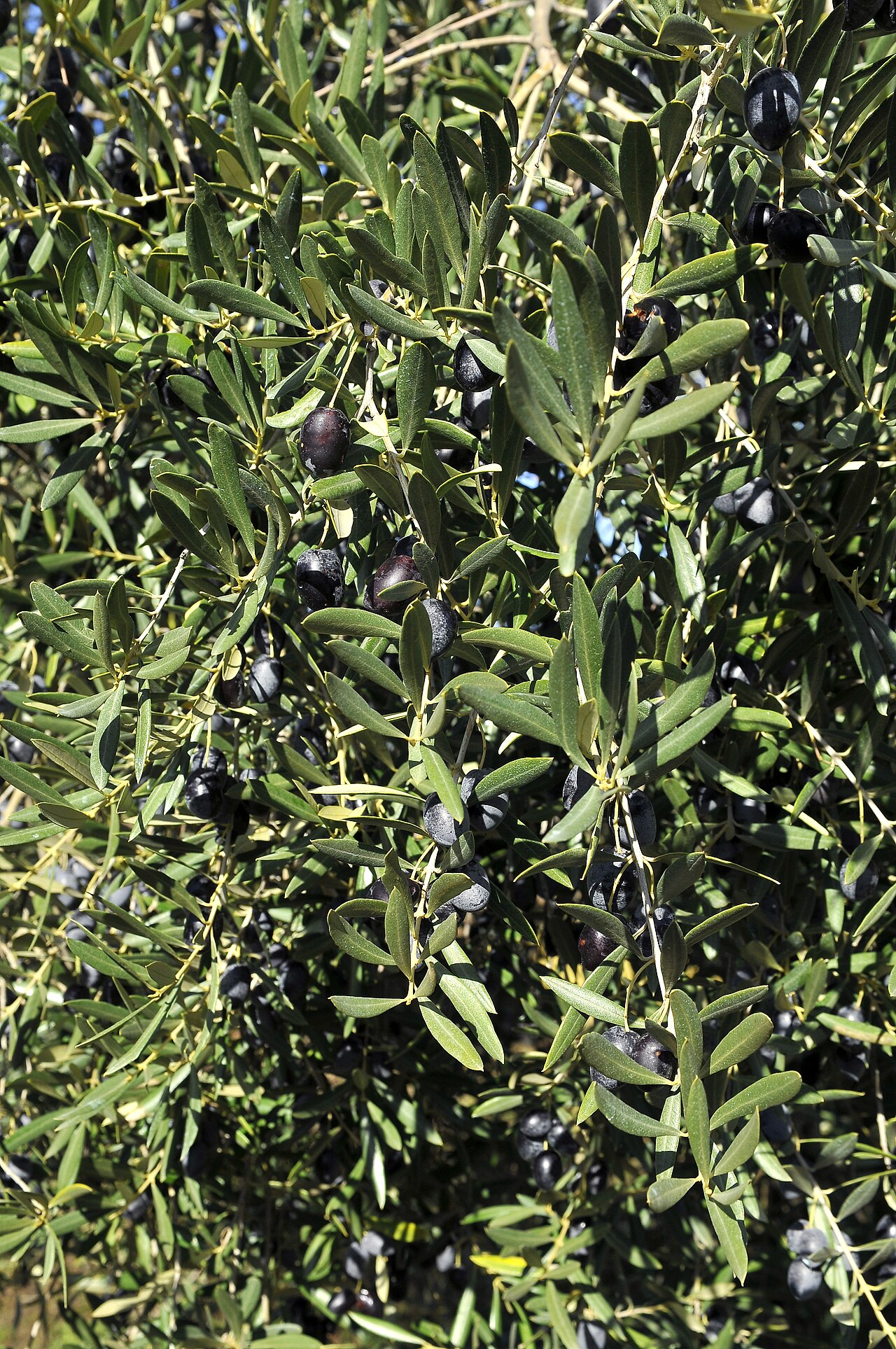
Leaves are narrow and lance-shaped, gray-green above with a dense silvery scurf beneath, typical of the species, carried on a relatively dense, upright canopy compared with more weeping cultivars like Koroneiki.
Flowers
Small, creamy-white, wind-pollinated flowers appear in loose axillary clusters in spring. Picual is considered self-fertile and produces a good crop as a single tree, though nearby cross-pollination from another cultivar can help fruit set in some conditions.
Fruit & Seeds
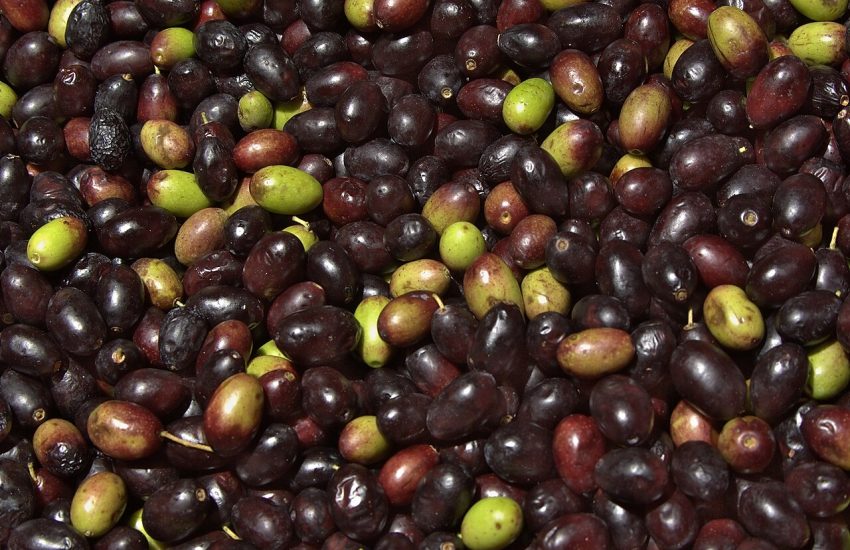
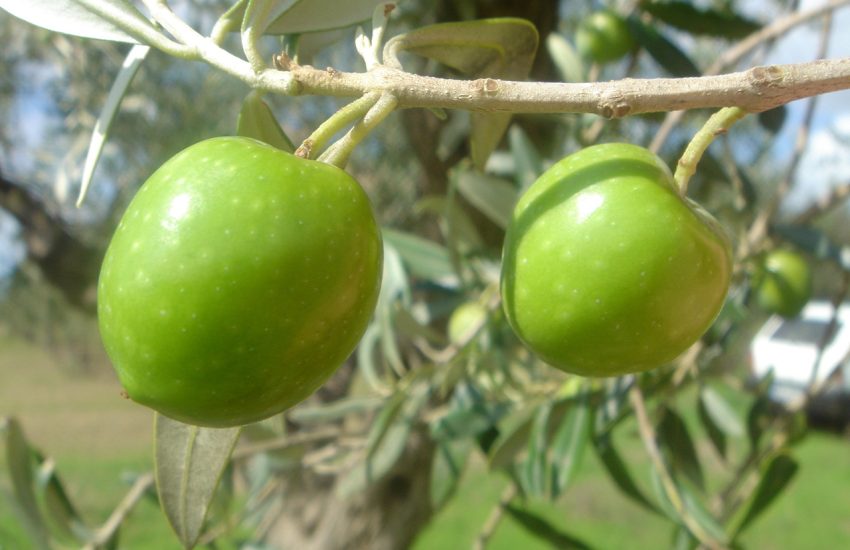
Picual’s fruit is medium-sized and distinctly asymmetrical, with a pointed, slightly curved tip at the end opposite the stem — the feature that gives the cultivar its name. Fruit ripens from green to purplish-black and has a very high oil content, commonly cited in the 23 to 28 percent range, among the highest of major cultivars, along with naturally low levels of linoleic and linolenic acids that give the oil excellent resistance to oxidation and a long shelf life. As with all olives, raw fruit is bitter and must be cured or pressed before eating.
Quick Facts
| Scientific Name | Olea europaea ‘Picual’ |
| Cultivar | Picual (also known as Marteña or Lopereña) |
| Family | Oleaceae (Olive) |
| Plant Type | Evergreen fruit tree |
| Native to North America | No — introduced from the Mediterranean basin; cultivar developed in Jaén, Spain |
| Mature Height | 18–28 ft |
| Mature Spread | 15–25 ft, upright and vigorous |
| Growth Rate | Fast; regrows vigorously after pruning |
| Sun Exposure | Full sun |
| Water Needs | Low to moderate; drought tolerant once established |
| Soil Type | Well-drained; tolerates poor, rocky or clay soil better than many cultivars |
| Soil pH | 6.0–8.5; tolerates alkaline soils |
| Bloom Time | April – May |
| Leaf / Fall Color | Evergreen; gray-green with silvery undersides, no fall color change |
| Fruit | Medium, pointed-tipped olives, green ripening to purple-black; very high oil content (about 23–28%) |
| Deer Resistant | Yes, generally |
| USDA Hardiness Zones | 8–10 (moderate cold tolerance for an olive cultivar) |
| Invasive Status | Not native; not federally listed; Cal-IPC limited-impact concern for fruiting olives in parts of coastal/central California wildlands |
Origin & Where It Grows
Olea europaea is native to the Mediterranean basin, the Near East and North Africa. Picual is specifically a Spanish cultivar, overwhelmingly associated with the province of Jaén in Andalusia, which alone produces a very large share of the world’s olive oil and is dominated by Picual plantings; the cultivar is estimated to account for roughly a quarter of all global olive oil production, making it arguably the world’s single most important olive cultivar by volume.
Picual’s dominance in Jaén developed over centuries as farmers found it well suited to the region’s hot, dry summers, moderately cold winters and often poor, rocky soils, and as its oil proved both high-yielding and long-lasting. It remains the overwhelming majority cultivar in traditional Jaén groves today, even as newer high-density plantings elsewhere increasingly favor smaller cultivars like Arbequina.
In the United States, Picual grows well in California’s Central Valley and interior valleys, parts of Arizona, and warm regions of Texas, generally wherever summers are long and hot and winters do not drop much below the low-to-mid 20s °F, conditions broadly similar to its native Jaén.
Growing & Care Guide
Picual is one of the more rugged, forgiving olive cultivars, able to handle poor soils, heat and significant pruning better than many others, with the usual olive caveats around drainage and hard freezes.
Light
Plant in full sun; Picual needs at least six to eight hours of direct light daily for the best flowering, fruit set and oil quality.
Soil & Water
Well-drained soil is essential, as Picual, like all olives, is prone to root rot in waterlogged ground; it is notably tolerant of poor, rocky, and even heavier clay soils better than many other cultivars, reflecting its adaptation to the varied terrain of Jaén. Established trees are drought tolerant, though consistent moisture during flowering and fruit development improves yield and oil quality.
Planting Tips
Plant in spring or fall in a warm, sunny site with good air drainage. Because Picual grows into a fairly large, vigorous tree, give it at least 18 to 20 feet of clearance from structures and other plantings.
Pruning & Maintenance
Picual is notably responsive to pruning and sprouts vigorously from older wood, which makes it a good candidate for renewal or rejuvenation pruning if a tree becomes overgrown or damaged. Prune in late winter to maintain an open canopy for good light penetration and fruit ripening. Fertilize lightly in spring; established trees need little supplemental feeding.
Propagation
Picual is propagated from cuttings or grafted onto rootstock; it does not come true from seed, and seedlings are variable and generally inferior to the named cultivar. Semi-hardwood cuttings root readily with bottom heat and rooting hormone.
Landscape Uses
- Home oil-production orchards, where its very high oil content and resilience suit backyard pressing
- Shade and specimen trees in Mediterranean and xeriscape landscapes
- Difficult-soil plantings, where its tolerance of poor or heavier soils outperforms more particular cultivars
- Windbreaks and screens, taking advantage of its vigorous, upright growth
Harvest & Pollination
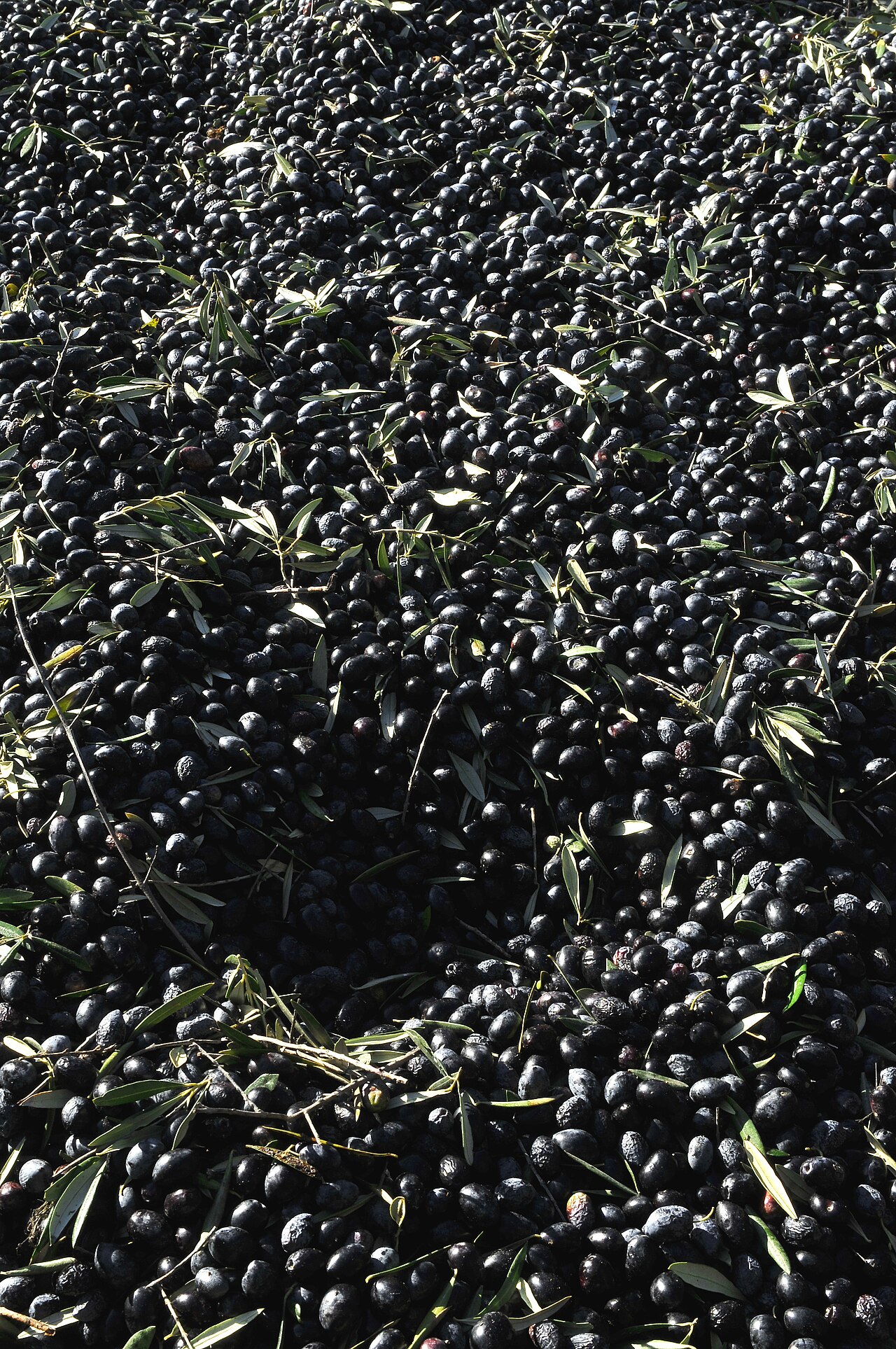
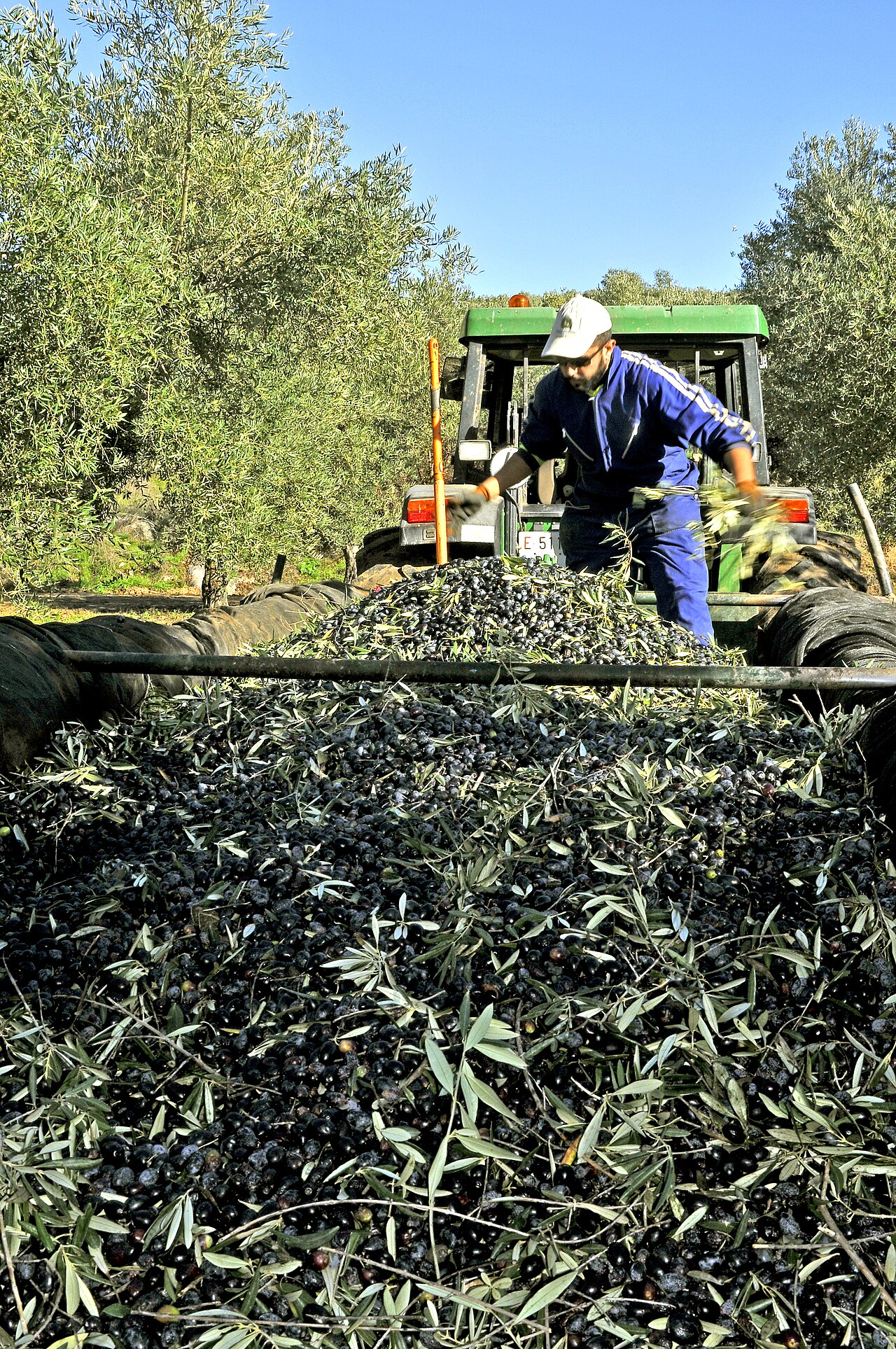
Picual is self-fertile and reliably sets a heavy crop as a single tree, though cross-pollination with a second cultivar can help in some conditions. Chill requirements are moderate, generally met by typical winters in zones 8–10. Fruit is usually harvested from fall into early winter; early, greener harvest produces a more intensely bitter, peppery, robust oil favored for its antioxidant content and shelf life, while later harvest gives a milder result. All raw fruit must be cured in brine or lye, or pressed for oil, before it is edible.
Wildlife & Ecological Value
Picual’s small, wind-pollinated flowers provide little nectar or pollen value to bees and other pollinators compared with native flowering trees. Its abundant fruit is readily eaten by birds, which can disperse seed into nearby wildland in parts of coastal and central California, making prompt harvest important in those areas. Like other introduced olive cultivars, Picual supports very few native insect species compared with a comparable native tree.
Native Alternatives
For a similarly rugged, drought-tolerant tree with stronger regional wildlife value, consider:
- Desert olive (Forestiera neomexicana) — a tough, drought-tolerant Southwestern native with a similar rugged, gray-green look
- Texas olive (Cordia boissieri) — a hardy native small tree for hot, dry climates with showy white flowers
- American sweet olive / devilwood (Osmanthus americanus) — a native evergreen relative in the olive family
- Fringetree (Chionanthus virginicus) — a native olive-family relative grown for its fringed spring flowers
History & Uses
Picual has been the backbone of olive growing in Jaén, Spain, for centuries, and Jaén alone produces such a large share of the world’s olive oil that Picual’s influence on global oil supply is hard to overstate — by some estimates the cultivar accounts for roughly a quarter of all olive oil produced worldwide. Its name, from the Spanish word for “pointed,” references the distinctive beaked tip of its fruit, and it is also known locally as Marteña or Lopereña in parts of Spain.
Picual’s combination of high yield, very high oil content, strong resistance to oxidation and tolerance of difficult soils made it the obvious choice for generations of Andalusian growers working marginal hillside land, long before modern high-density systems existed. Even as cultivars like Arbequina and Koroneiki have come to dominate newer super-high-density groves elsewhere, Picual remains the leading cultivar in traditional and semi-intensive Spanish olive farming, and it continues to be planted in warm-climate groves in California and the American Southwest.
Picual oil is typically marketed as a robust, intensely bitter and peppery monovarietal, valued by chefs and oil enthusiasts for its boldness and for its long shelf life, a direct result of its naturally low linoleic and linolenic acid content, which slows oxidation compared with milder cultivars.
Frequently Asked Questions
Is the Picual olive tree native or invasive?
No. Olive (Olea europaea) is native to the Mediterranean basin, not North America, and Picual specifically comes from Spain. It is not federally listed as invasive, but Cal-IPC lists olive as a limited-impact invasive in parts of coastal/central California, where birds spread fruit into wildland; harvest fruit promptly in those areas.
Why is Picual called “pointed”?
Its Spanish name comes from the distinctive pointed, slightly curved tip at the fruit’s end opposite the stem, a shape that distinguishes it from the rounder fruit of cultivars like Manzanillo or Mission.
Does Picual need a pollinizer tree?
No, Picual is self-fertile and reliably produces a heavy crop as a single tree, though cross-pollination with a second cultivar can help fruit set in some growing conditions.
How cold-hardy is Picual olive?
Picual has moderate cold tolerance for an olive cultivar, generally suited to USDA zones 8–10, and is adapted to the relatively cooler winters of inland Jaén compared with some purely coastal Mediterranean cultivars.
Can I eat Picual olives right off the tree?
No. Raw olives, including Picual, are intensely bitter due to natural compounds in the fruit and must be cured in brine or lye, or pressed into oil, before they are edible.