
Plant That Looks Like Lettuce: Identifying Similar Varieties in Your Garden
Last updated: September 17, 2026
Plants that look like lettuce can be found in many gardens and fields, and it’s important to be able to identify them correctly. While lettuce is a popular leafy green vegetable known for its crisp texture and gentle flavor, other plants can have similar qualities. Some of these plants are edible and can be used similarly to lettuce in the kitchen, while others may carry medicinal properties or could even be harmful if consumed.
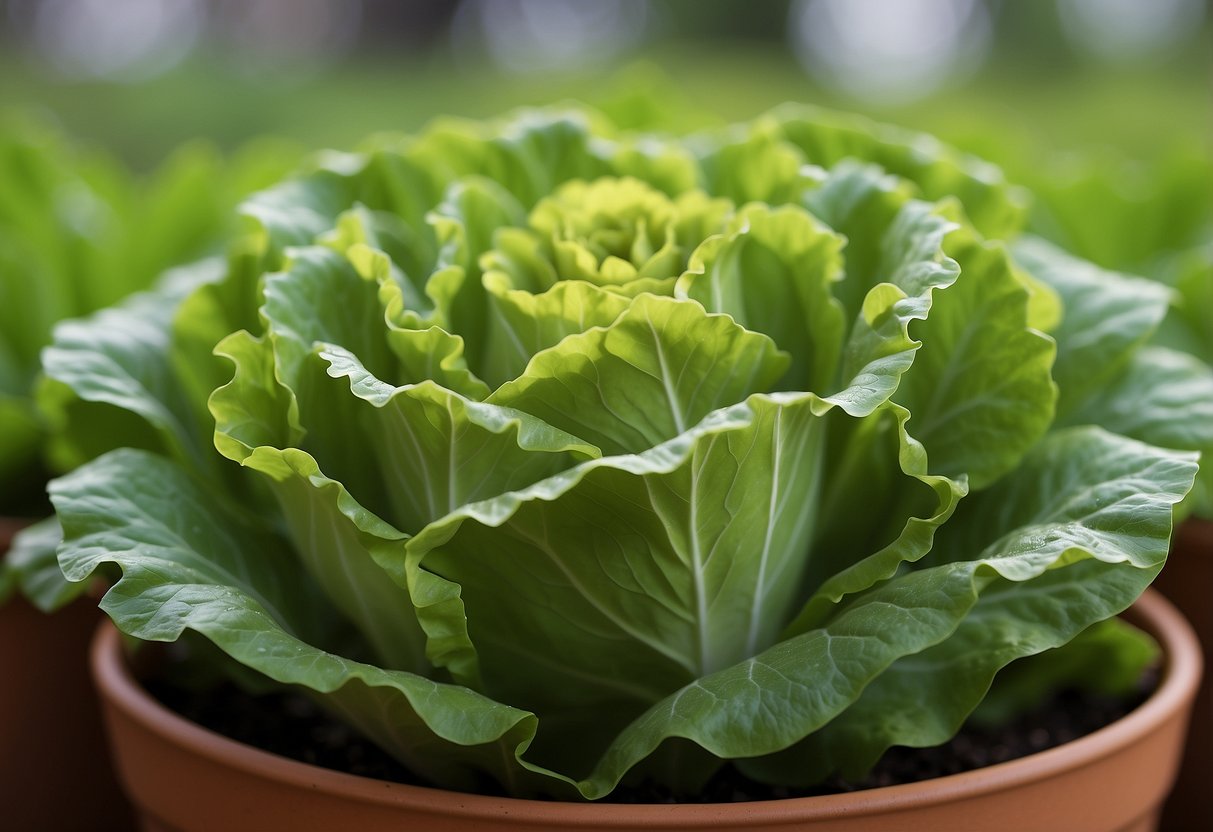
Plant identification can be challenging, especially for those who are new to gardening or foraging. However, there are some key features that can help distinguish plants that look like lettuce from actual lettuce plants. These features include leaf shape, plant size, and flower formation. By learning to recognize these features, gardeners and foragers can avoid confusion and ensure that they are harvesting the plants they actually want.
In addition to being able to identify plants that look like lettuce, it’s also important to know which ones are edible. Some of the plants on this list, such as kale and spinach, are commonly eaten and enjoyed for their nutritional value and taste. Others, such as sow thistle and blue wild lettuce, have a long history of use in traditional medicine. However, it’s important to do your research and make sure that you are using these plants safely and responsibly.
Identifying Plants That Resemble Lettuce
When it comes to identifying plants that resemble lettuce, it is important to pay attention to the leaf shape, color, and texture. While lettuce is a vegetable that belongs to the Lactuca genus, there are other edible plants and wild lettuce varieties that can be mistaken for lettuce, such as Prickly Lettuce (Lactuca serriola), Chicory (Cichorium intybus), Dandelion, and Sow Thistle.
Common Look-Alikes and Their Characteristics
Prickly Lettuce (Lactuca serriola) is one of the most common plants that resemble lettuce due to its similar leaf structure. Its leaves are deeply lobed and can be prickly to the touch, hence the name. Chicory (Cichorium intybus) is another plant that looks like lettuce and is often used as a lettuce substitute. It has a similar leaf shape, but its leaves are more rigid and have a slightly bitter taste. Dandelions and Sow Thistle also have similar leaf shapes to lettuce, but their leaves are more jagged and have a different texture.
Distinguishing Features of Lettuce Varieties
There are several types of lettuce varieties, including Romaine Lettuce, Iceberg Lettuce, and Butterhead Lettuce. Romaine lettuce has long, slender leaves that are slightly curved and have a crunchy texture. Iceberg lettuce, on the other hand, has a round shape and tightly packed leaves that are crisp and watery. Butterhead lettuce has a looser head and softer leaves that have a buttery texture and flavor.
In addition to leaf shape, lettuce varieties can also be distinguished by their color and texture. Romaine lettuce is typically darker green than other varieties, while Iceberg lettuce has a paler green color. Butterhead lettuce can range from light green to reddish-brown. The texture of the leaves can also vary, with Romaine lettuce being more firm and crisp, while Butterhead lettuce is more delicate and tender.
Overall, identifying plants that resemble lettuce requires paying close attention to the leaf shape, color, and texture. By being familiar with the distinguishing features of lettuce varieties and common look-alikes, one can avoid confusion and safely identify edible greens.
Cultivation and Usage
Growing Conditions and Plant Care
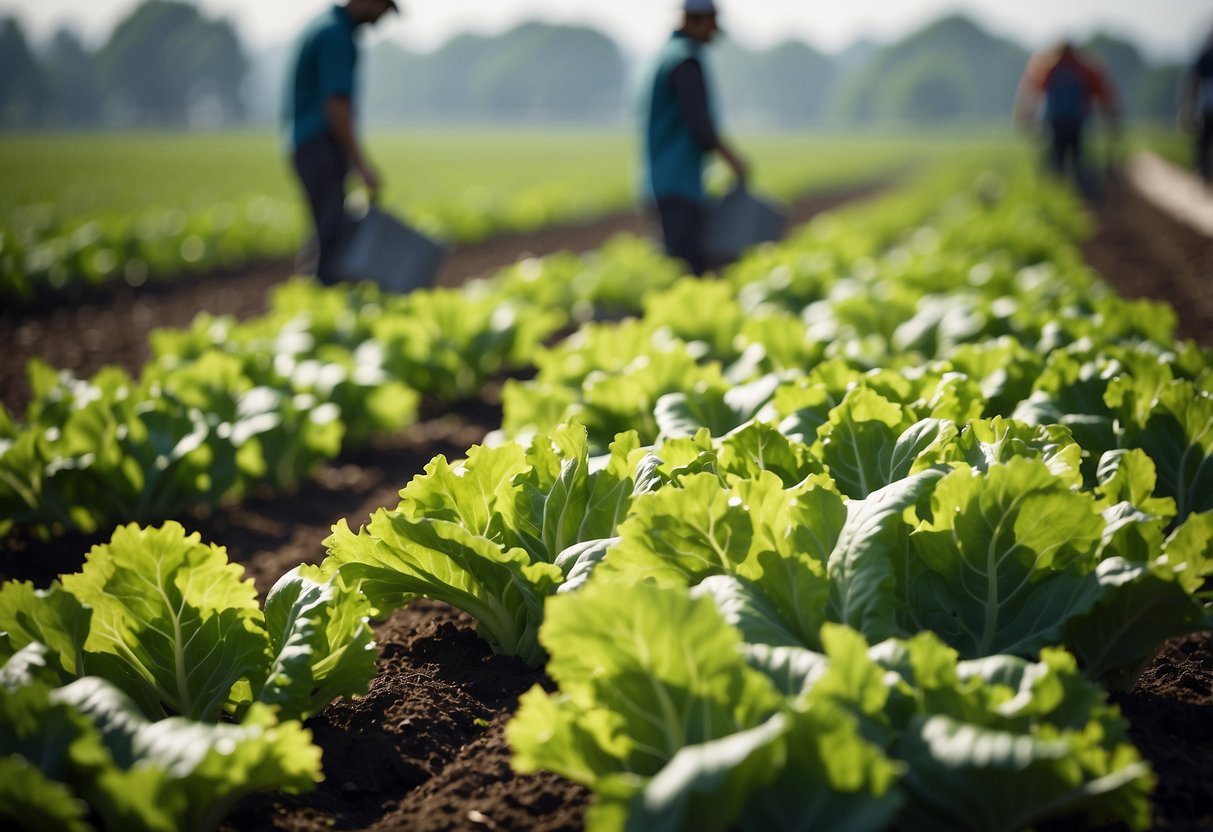
Plants that look like lettuce have similar growing conditions to lettuce. They thrive in well-draining soil with a pH range of 6.0 to 7.5. They require regular watering, especially during hot and dry weather, and full sunlight for at least six hours a day.
When planting, the seeds should be sown at a depth of 1/4 inch and spaced 6 to 8 inches apart. The seeds typically germinate within 7 to 10 days. After germination, thin the seedlings to a spacing of 12 to 18 inches to give them room to grow.
To prevent pests and diseases, it is recommended to rotate the planting location each year and avoid using pesticides. Instead, use natural pest control methods such as companion planting, crop rotation, and organic fertilizers.
Culinary Applications and Nutritional Value
Plants that look like lettuce have culinary applications similar to lettuce. They can be used in salads, sandwiches, and other dishes that call for lettuce. They have a mild flavor that is slightly bitter, spicy, or peppery, depending on the variety. Some popular varieties include chicory, endive, and frisée.
In terms of nutritional value, plants that look like lettuce are rich in vitamins and minerals, such as vitamin A, vitamin C, and potassium. They are also low in calories and high in fiber, making them a healthy addition to any diet.
Overall, plants that look like lettuce are a versatile and nutritious vegetable that can be easily grown in most home gardens. With proper care and attention, they can provide a bountiful harvest of fresh and delicious greens.


Good info here.
Growing up my grandma always had a beautiful garden. Trying to do the same at our place now.
Thank you for reading, Peter! Happy planting! -Plant Native Team