Shade Loving Ground Covers California for Lush, Low-Maintenance Gardens
Last updated: August 14, 2026
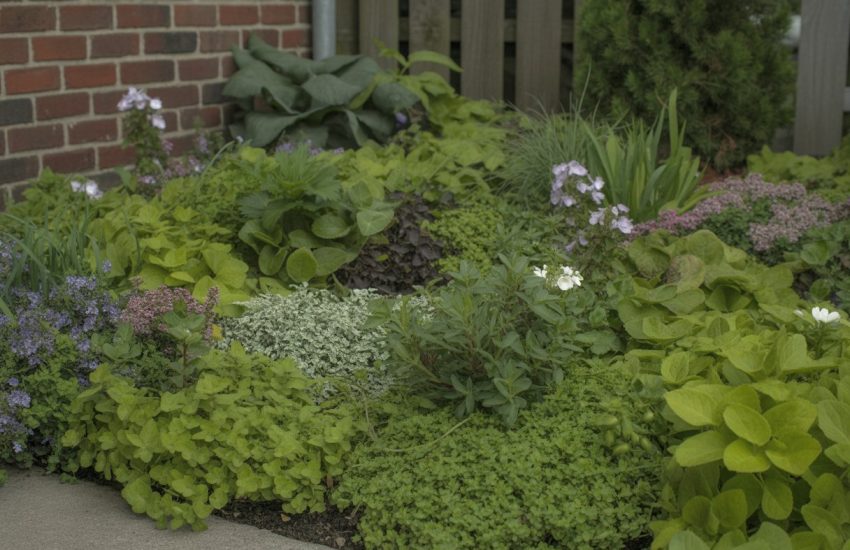
Gardening in California can feel like a puzzle, especially when you’re working with shady corners where sunlight barely trickles in. A lot of the classic ground covers just don’t cut it in these dim spots.
Shade-loving ground covers like sweet woodruff, ajuga, and creeping fig really step up here, forming thick, healthy mats even when the sun’s hiding.
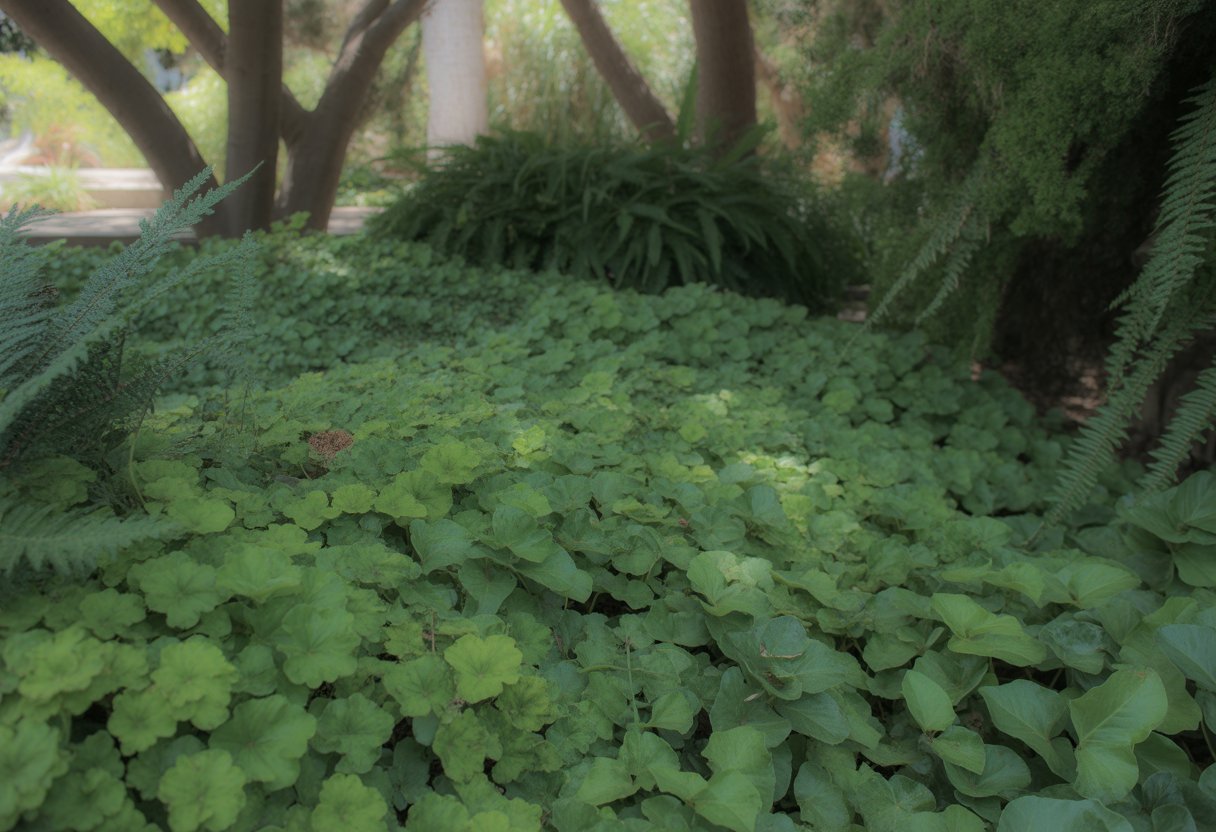
These plants fill shady spaces with green and help keep weeds and erosion in check. They’re pretty adaptable to California’s mix of climates, so they’re a solid pick for anyone wanting a lush, easy-care shade garden.
Best Shade Loving Ground Covers for California
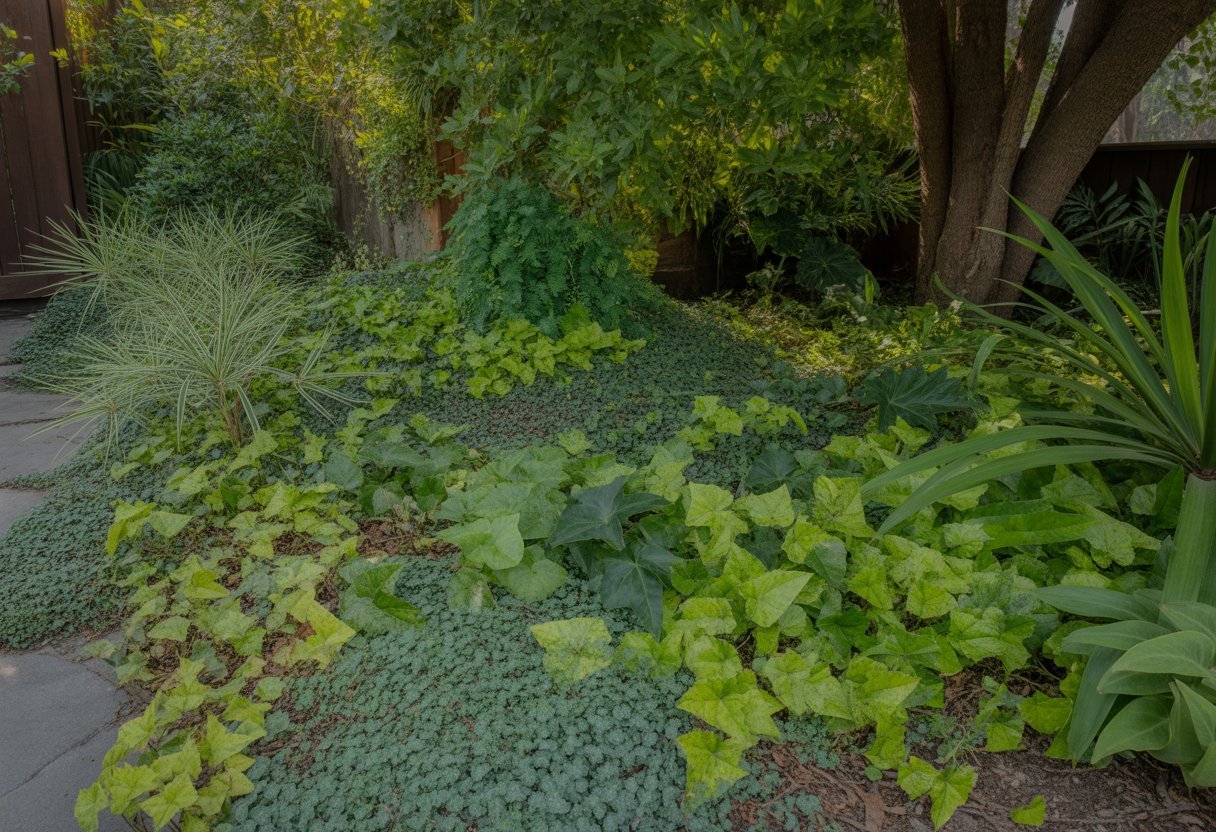
Picking the right shade ground cover depends on things like drought toughness, evergreen habits, and how much “wow” you want visually. Some look great all year, others pop with seasonal color or cool textures.
There’s a range, from tough perennials to showy plants that can take California’s wild weather swings.
Top Evergreen Ground Covers
Evergreen ground covers keep shady California gardens looking green, even in winter. Mahonia repens stands out with its leathery leaves and those cheerful yellow spring flowers.
It shrugs off drought once it’s got its roots down and helps stop soil from washing away.
Saxifraga stolonifera, or strawberry begonia, is another strong evergreen. It spreads fast with runners and forms a tight mat of round leaves.
This one likes moist, shady spots and brings a delicate texture under trees or big shrubs.
Both Mahonia and Saxifraga handle different California soils and don’t need much fussing over.
Recommended Perennial Ground Cover Plants
Sweet Woodruff (Galium odoratum) thrives in shady, damp areas and smells amazing if you crush the leaves. It’s perfect for woodland gardens, showing off tiny white flowers in spring and spreading at a steady, non-invasive pace.
If your shade is on the dry side, Epimedium species are tough, with pretty foliage and dainty flowers. They’re drought tolerant once settled and layer nicely under taller plants.
These perennials bring seasonal blooms and can handle California’s Mediterranean climate with barely any extra water.
Colorful Choices for Dramatic Impact
If you want to brighten up a dark spot, variegated Saxifraga stolonifera brings white-edged leaves that really pop. That foliage adds contrast and texture you don’t see everywhere.
Heuchera species also deserve a nod, coming in leaf colors from deep purple to electric lime. They’re not evergreen, but their leaves usually hang on through California’s mild winters.
Mixing in these colorful ground covers breaks up the green and adds some personality to those shadowy garden areas.
Selecting and Growing Ground Covers in Shade
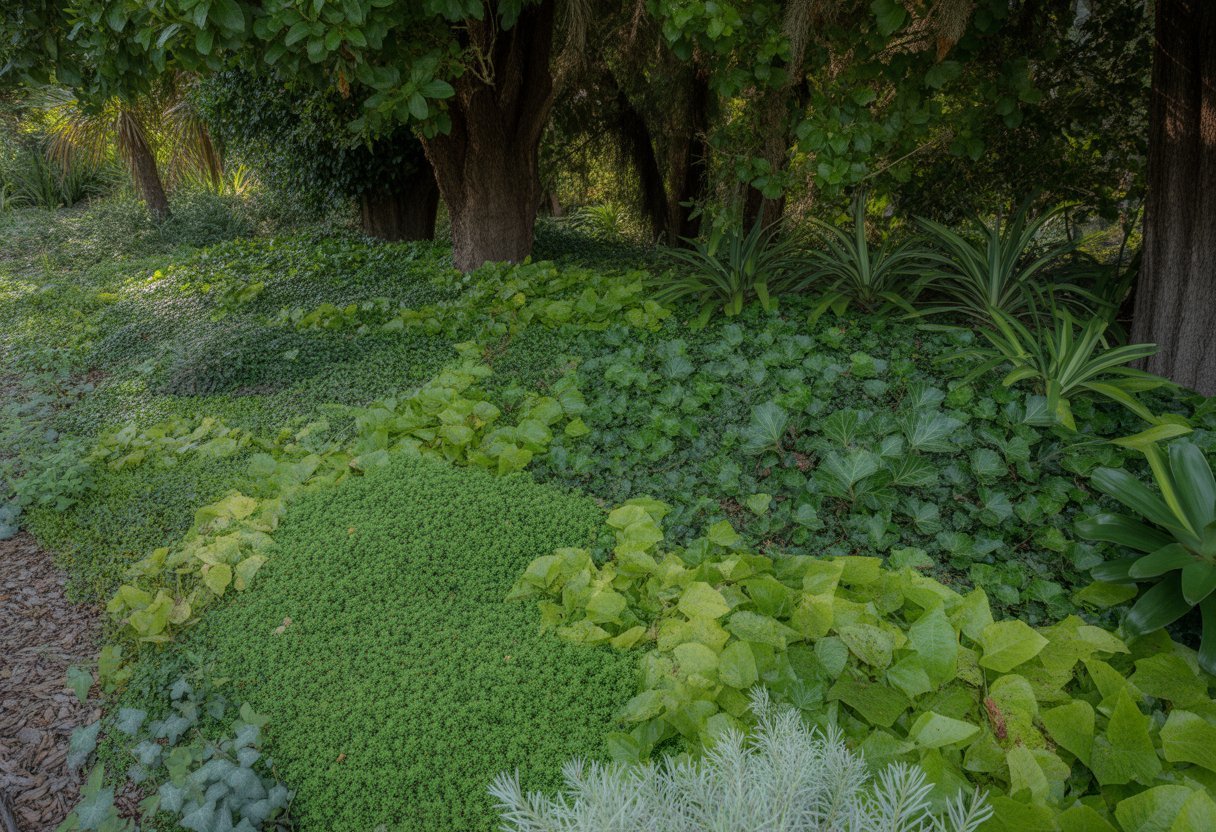
Getting ground covers to thrive in shade means paying attention to light, soil, and water. A little prep and care go a long way in California’s patchwork of shade conditions.
Assessing Light and Shade Levels
Figuring out what kind of shade you’re dealing with is crucial. Partial shade usually means about 3-6 hours of indirect sunlight, while dry shade gets even less light and stays dry thanks to tree canopies or buildings.
The best move? Watch your garden throughout the day and jot down when the sun hits. That way, you can match ground covers to partial shade or dry shade—maybe Western bleeding heart for damp shade, or bearberry for those drier, darker corners.
If you skip this step, you’ll probably end up with plants that just sulk or fade away.
Soil Moisture and Mulch Considerations
Soil moisture makes or breaks shade ground covers. Shaded soil usually stays cooler and damper, but dry shade can turn hard and compacted.
Mulch helps hold in moisture and keeps soil temps steady. I like organic mulches—shredded bark or leaf mold—they break down and make the soil better over time.
Don’t go overboard, though. Stick to 2-3 inches of mulch; any more and you risk fungus or root rot. In deep shade, blend in compost so the soil drains well and roots aren’t sitting in puddles.
Drought Tolerance and Watering Practices
A lot of California’s shade ground covers only need a drink now and then once they’re established, especially if you’re dealing with dry shade and summer heat. Plants like kinnikinnick and foamflower are champs at handling dry spells.
When you water, go deep but not often—think like natural rainfall. That encourages roots to grow down, not just hang out at the surface.
Drip irrigation works well here, sending water right where it’s needed and cutting down on waste. Keep an eye on soil moisture, so you’re not drowning or starving your plants.
Specialty Shade Ground Covers and Regional Choices
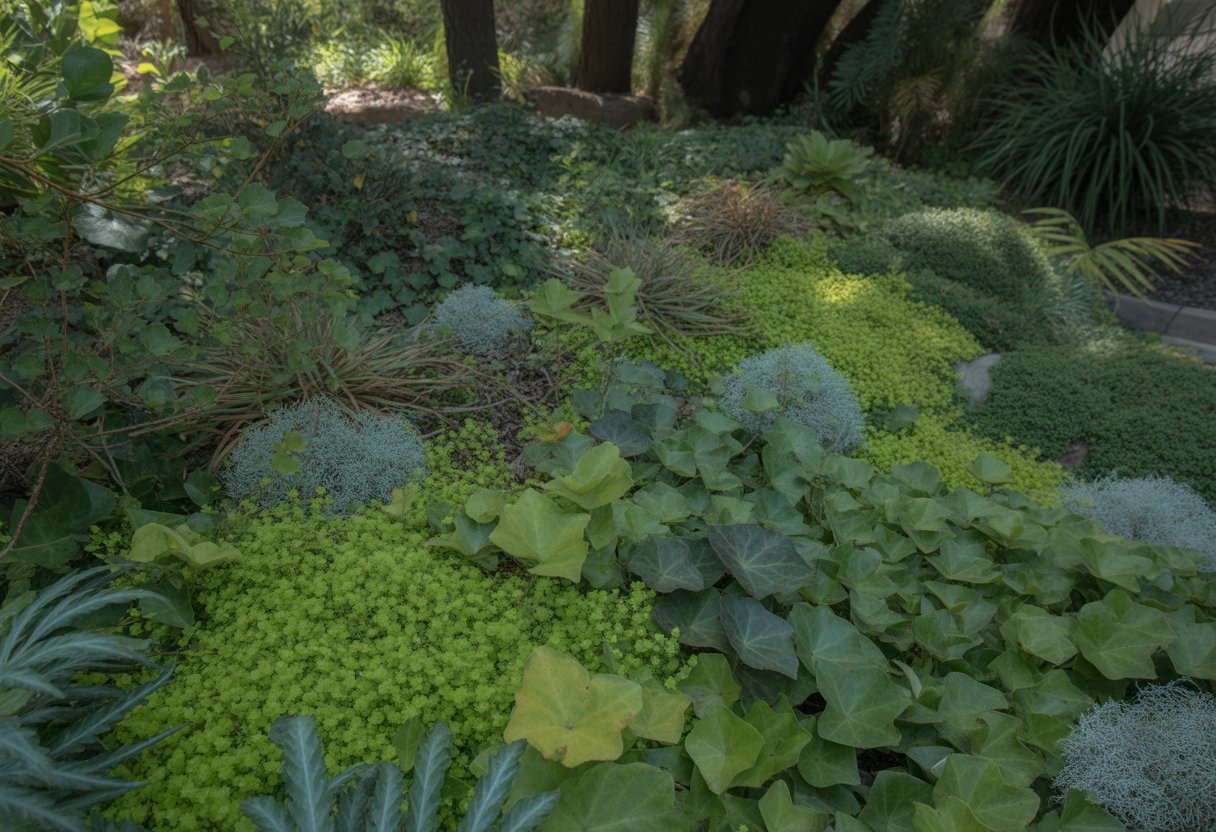
Some ground covers just do better in certain California microclimates. Matching a plant’s quirks to local conditions really boosts your chances of success.
If you’re near the coast, or want to try something a little different, there are some fun options.
Ground Covers for Coastal Bluffs
Coastal bluffs throw a lot at plants—wind, salt, lousy drainage, and sometimes shade from big shrubs or buildings. Dymondia margaretae handles all that, staying evergreen and shrugging off drought and salt.
Native California ferns like Polystichum munitum (Sword fern) also do well, soaking up the cool shade and shifting moisture.
Salt-tolerant sedges (Carex species) round out the mix, adding texture and holding their own on bluff edges. These picks keep soil in place and add green where not much else survives.
Unique Plant Options: Creeping Thyme, Sedum, and Thymus
Creeping thyme (Thymus serpyllum) prefers sun, but some types don’t mind partial shade. It’s a low, fragrant evergreen that pollinators love, and it slowly spreads into rocky or dry, shady spots near paths.
Sedum comes in all sorts, and while most like sun, shade-tolerant kinds like Sedum spurium can handle filtered light. Once they’re settled, they need barely any care and shrug off drought—perfect for a laid-back California garden.
Thymus vulgaris (common thyme) tolerates some shade too. Its scented leaves and tiny flowers add a little charm under bigger plants, and it stays evergreen in well-drained, mild spots.
Ground Covers With Yellow Flowers
Yellow-flowered ground covers can really brighten up shaded spaces. Lysimachia nummularia (creeping Jenny) often tops the list for this purpose.
It tolerates part shade and spreads fast, creating a lively, low carpet. Sometimes it even surprises you with how quickly it takes over.
Sedum rupestre ‘Angelina’ is another good pick. This evergreen succulent has needle-like leaves and cheery yellow flowers.
It grows best in partial sun, but honestly, it can handle a bit of shade too. Its drought tolerance makes it a solid option for California’s dry summers.
Erysimum species also bring yellow blooms and evergreen foliage to shady gardens. They like well-drained soil and a touch of sunshine, but they’ll adapt if things are a bit dimmer.
| Plant | Light Needed | Flower Color | Evergreen | Notes |
|---|---|---|---|---|
| Lysimachia nummularia | Part shade | Yellow | Yes | Spreads rapidly |
| Sedum rupestre ‘Angelina’ | Partial sun | Yellow | Yes | Drought tolerant |
| Erysimum spp. | Part shade | Yellow | Mostly | Needs well-drained soil |