
Top 4 Natural Fertilizers for Homegrown Vegetables: Boost Your Garden’s Yield Organically
We independently select all products and services. If you click through links we provide, Plant Native may earn a commission with no extra cost to you. As an Amazon Associate I earn from qualifying purchases.
Last updated: September 8, 2026
Natural fertilizers are essential for growing healthy, organic vegetables at home. These plant-based and animal-derived nutrients enrich soil, promote plant growth, and improve yields without relying on synthetic chemicals.
By using natural fertilizers, home gardeners can nourish their crops while maintaining soil health and environmental sustainability.
When choosing natural fertilizers for homegrown vegetables, consider nutrient content, application methods, and potential odors. Some options may have strong smells that could be unpleasant in small gardens or near living spaces.
It’s also important to match the fertilizer to your specific crop needs and soil conditions for optimal results.
We researched and tested numerous natural fertilizers to identify the top 5 options for homegrown vegetables. Our selections offer a range of nutrients, application ease, and suitability for various garden sizes and vegetable types.
Compost is a versatile and nutrient-rich natural fertilizer made from decomposed organic matter. It improves soil structure, enhances water retention, and provides a balanced mix of nutrients for vegetables.
Compost can be made at home from kitchen scraps and yard waste or purchased from garden centers. Apply it as a top dressing or mix it into the soil before planting.
Worm castings are the nutrient-dense waste produced by earthworms. They contain beneficial microorganisms and are an excellent source of nitrogen, phosphorus, and potassium.
These castings are gentle on plants and can be used as a soil amendment or brewed into a “tea” for foliar feeding. They’re odorless and suitable for indoor and outdoor use.
- Fish Emulsion
Fish emulsion is a liquid fertilizer made from fish byproducts. It’s high in nitrogen and provides trace minerals that support vegetable growth.
This fast-acting fertilizer is easily absorbed by plants. Dilute it with water before applying to soil or leaves. Be aware that it may have a strong odor initially.
- Bone Meal
Bone meal is a slow-release fertilizer made from ground animal bones. It’s rich in phosphorus and calcium, promoting strong root development and fruit production.
Apply bone meal to the soil before planting or around established plants. It’s particularly beneficial for root vegetables and flowering crops.
- Seaweed Extract
Seaweed extract is a nutrient-dense liquid fertilizer derived from marine algae. It contains a wide range of trace minerals and growth-promoting compounds.
This versatile fertilizer can be applied as a soil drench or foliar spray. It enhances plant vigor, stress resistance, and overall health.
Top 5 Natural Fertilizers for Homegrown Vegetables
We’ve carefully selected the best natural fertilizers to nourish your homegrown vegetables. These eco-friendly options provide essential nutrients without harsh chemicals, promoting healthy plant growth and bountiful harvests in your garden.
Our top pick
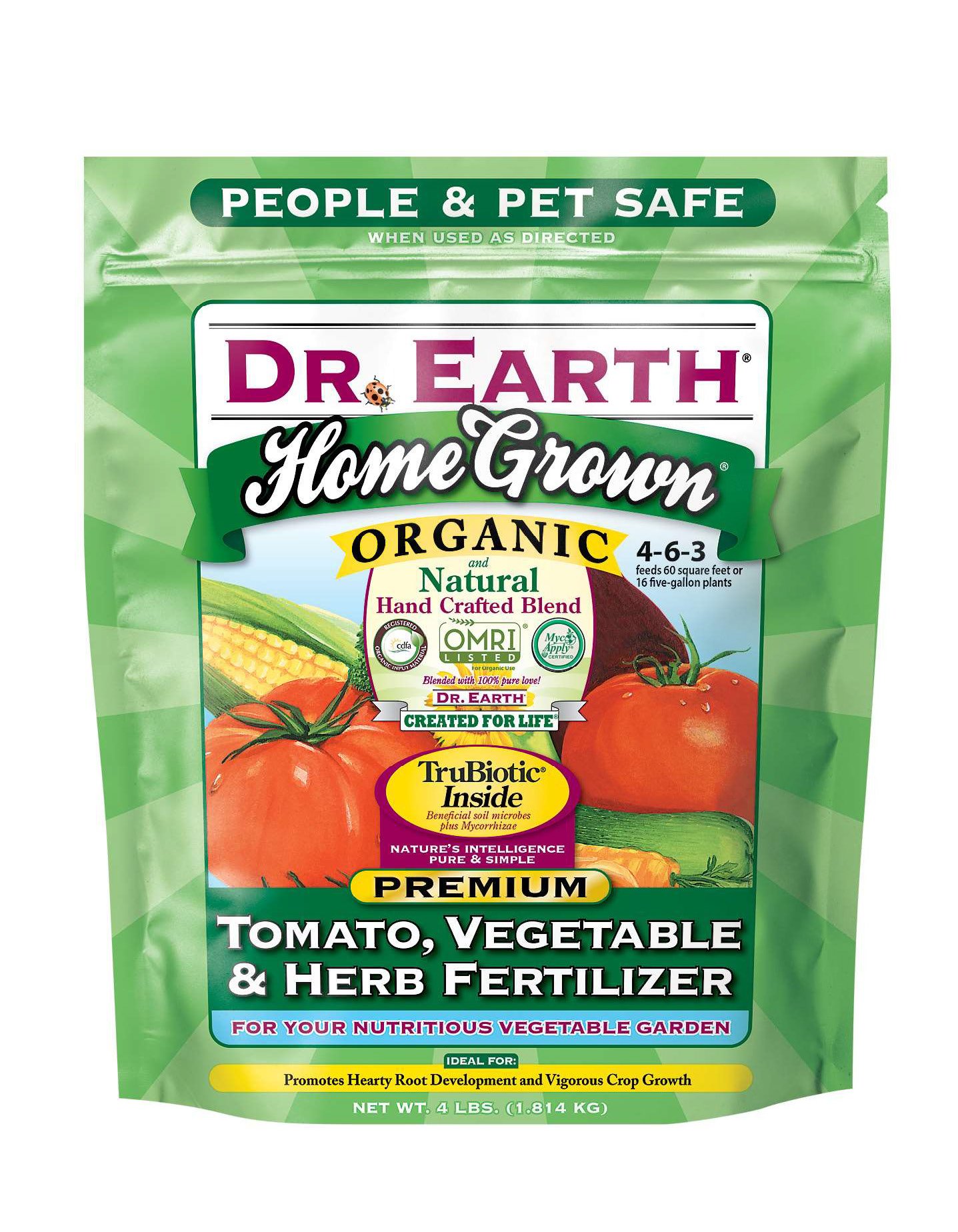
- Delivers essential nutrients to promote vigorous plant growth
- Organic formulation improves soil health and microbial activity over time
- Safe for use around children, pets, and beneficial insects
Cons
- Slower nutrient release compared to synthetic alternatives
- May have a noticeable earthy odor during application
The TruBiotic blend in this fertilizer is particularly impressive. We’ve found this fertilizer to be a game-changer for our vegetable garden. It’s the rare product that delivers on virtually every front.
Best stone option
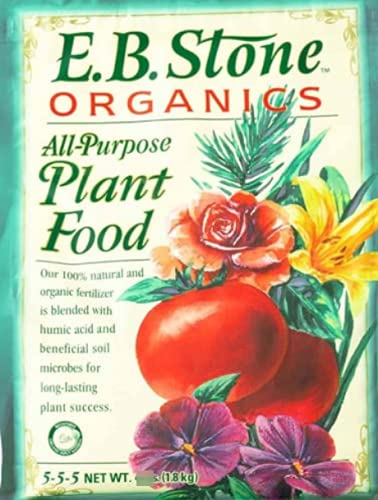
- Delivers essential nutrients to promote vigorous plant growth
- Organic formulation improves soil health and microbial activity over time
- Safe for use around children, pets, and beneficial insects
Cons
- Slower nutrient release compared to synthetic alternatives
- May have a noticeable earthy odor during application
It’s particularly effective when preparing new planting areas. This organic plant food has become our go-to choice for nourishing our garden. While it may require more frequent application than synthetic alternatives, we find the results well worth the extra effort.
Best for gardens
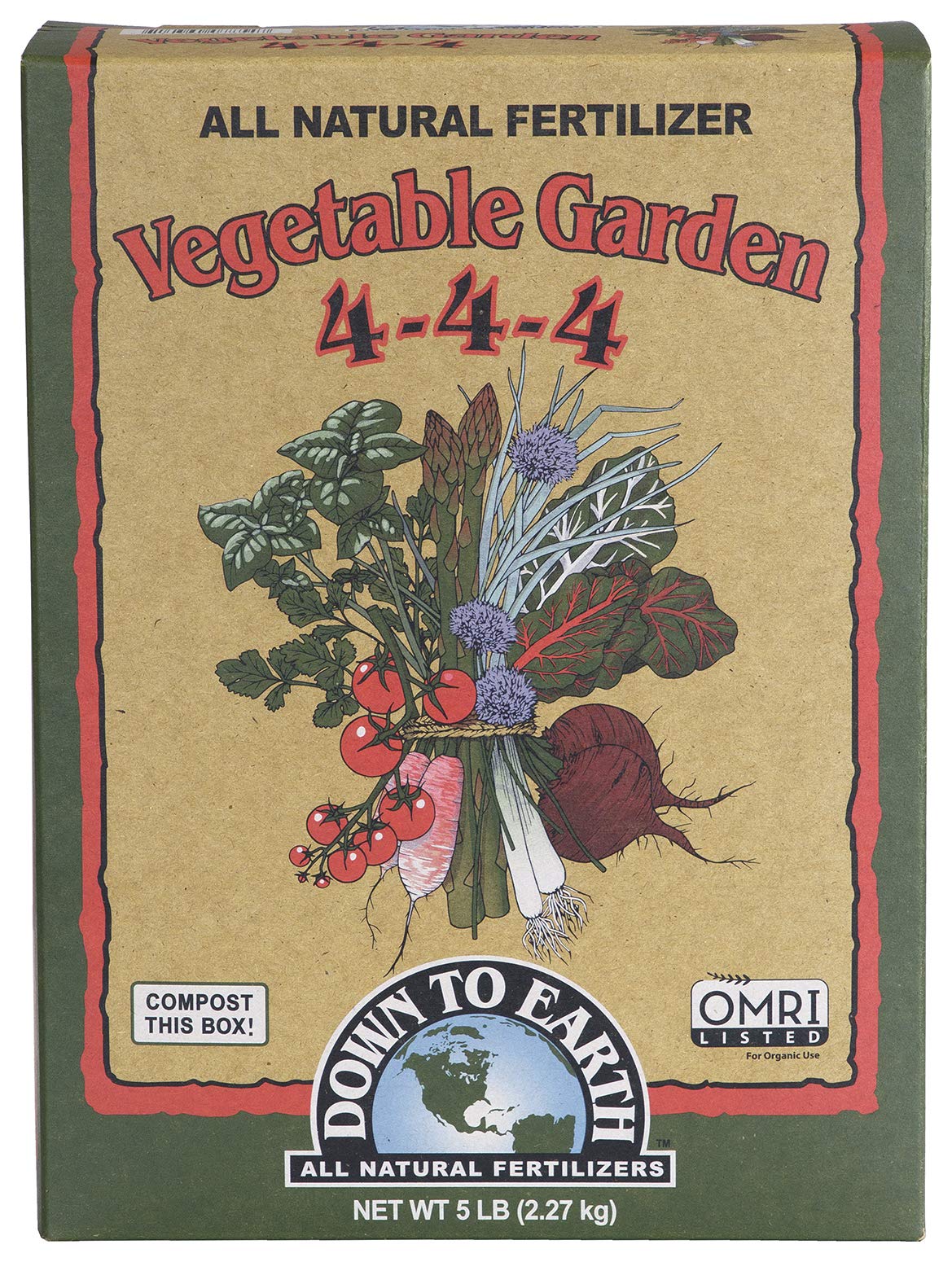
- Delivers essential nutrients to promote vigorous plant growth
- Organic formulation improves soil health and microbial activity over time
- Safe for use around children, pets, and beneficial insects
Cons
- Slower nutrient release compared to synthetic alternatives
- May have a noticeable earthy odor during application
We noticed our tomatoes grew larger and more flavorful, while our leafy greens became lusher and more vibrant. One minor drawback we noticed was a slight odor, but it dissipated quickly. Overall, this fertilizer has become a staple in our vegetable garden, producing healthier, more productive plants throughout the growing season.
Best organic option
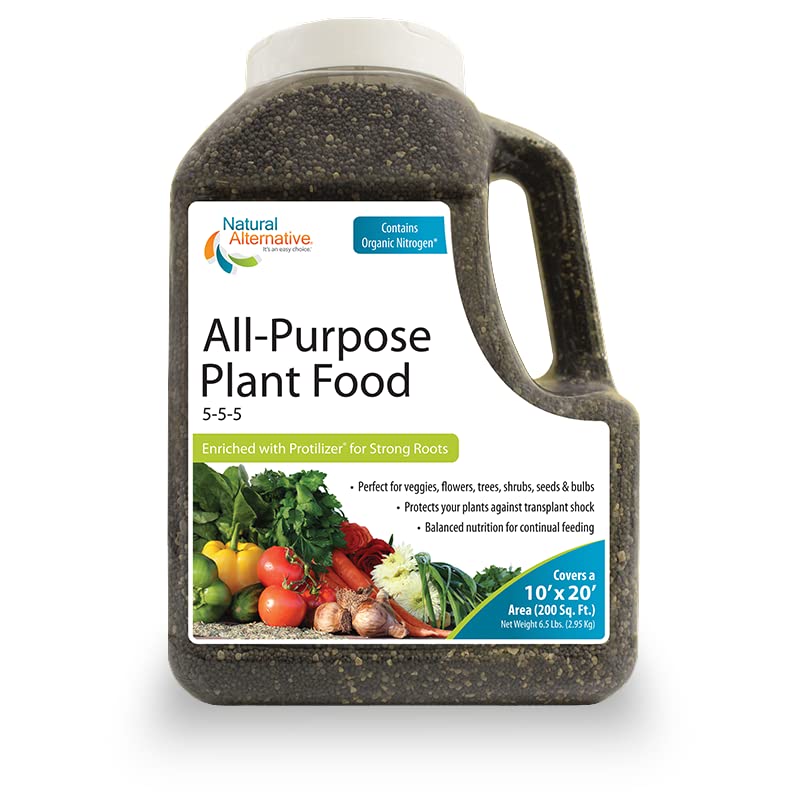
- Delivers essential nutrients to promote vigorous plant growth
- Organic formulation improves soil health and microbial activity over time
- Safe for use around children, pets, and beneficial insects
Cons
- Slower nutrient release compared to synthetic alternatives
- May have a noticeable earthy odor during application
We found it easy to distribute the fertilizer evenly around our plants without overfeeding. One thing we noticed is that some plants, like okra and squash, had mixed reactions to the fertilizer. In its niche, it’s tough to find a better option.
Buying Guide
When selecting natural fertilizers for your homegrown vegetables, we recommend considering several key factors. Quality ingredients should be your top priority. Look for products made from organic, renewable sources without synthetic additives.
Nutrient content is crucial. Check the N-P-K ratio (nitrogen, phosphorus, potassium) to ensure it matches your plants’ needs. A balanced fertilizer like 5-5-5 works well for most vegetables.
Application method matters too. Granular fertilizers are easy to spread, while liquid concentrates offer quick absorption. Choose based on your preference and garden size.
Consider the release rate. Slow-release formulas provide steady nutrition over time, while fast-acting options give an immediate boost.
Key Features to Evaluate
- Organic certification
- Nutrient ratios
- Application method
- Release rate
- Odor level
- Price per pound/gallon
We suggest comparing prices across different brands and package sizes to find the best value.
Bulk purchases often offer savings for larger gardens.
Accessibility is another factor. Local garden centers may have limited options, while online retailers provide wider selections.
Factor in shipping costs when buying online.
Lastly, check customer reviews and ratings to gauge product effectiveness and reliability. Real-world experiences can offer valuable insights beyond manufacturer claims.

Some good points here. I’ve had mixed results personally but worth trying again.
Thanks for the constructive input! We’ll look into updating with more detail. -Plant Native Team