Soil Amendment for Sandy Soils: Effective Strategies to Improve Water Retention and Nutrient Content
Last updated: November 4, 2026
Sandy soils drain way too fast and just don’t hold onto nutrients or moisture, which is a headache if you’re trying to grow anything. To fix sandy soil, you’ve got to add stuff that helps it keep water and nutrients around.
The most effective soil amendments for sandy soil are organic matter like compost, peat moss, and well-rotted manure. These boost structure and fertility, making a real difference.
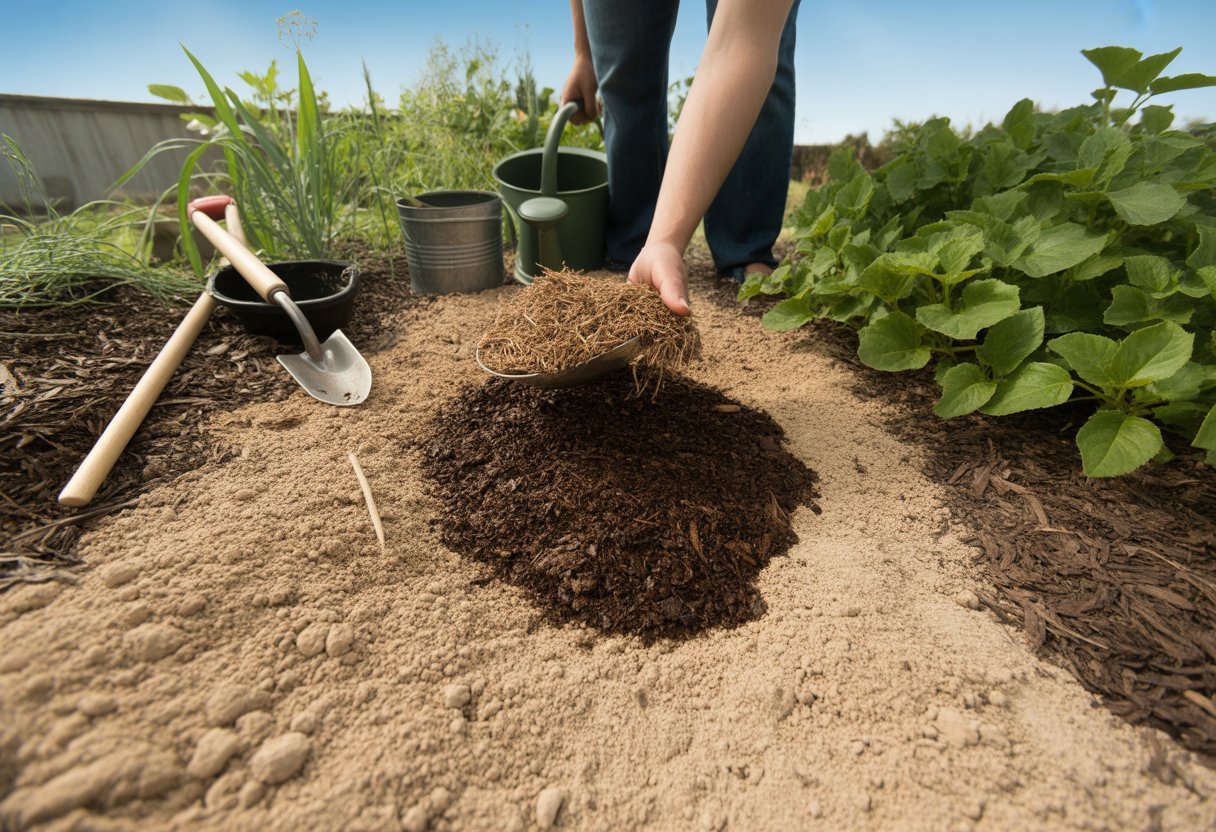
This kind of soil needs amendments that slow down water drainage and encourage microbes to do their thing. If you skip the amendments, plants end up stressed and hungry for nutrients—even if you water and fertilize like clockwork.
Knowing which amendments work and how to use them can totally change how productive sandy soil is. Gardeners and farmers dealing with sandy ground really need this info.
Understanding Sandy Soils
Sandy soils are mostly big particles, which affects how water moves and how well the soil holds onto nutrients. These traits shape the way you have to manage the soil and what plants can actually thrive there.
Properties and Composition
Sandy soil is made up of particles between 0.05 mm and 2.0 mm, mostly quartz and a few other minerals. You can feel the coarse, gritty texture if you rub it between your fingers.
Because the sand content is so high, water drains right through and doesn’t stick around. Plants end up thirsty pretty fast.
This soil doesn’t have much organic matter and can’t hold onto nutrients well. There’s plenty of air between the particles, which is good for roots, but not enough water or food, so plants struggle.
Common Challenges With Sandy Soils
Since sandy soils don’t hold water, they dry out fast and plants can get drought-stressed. You’ll probably end up watering a lot just to keep things alive.
Nutrients wash away easily, so you need to fertilize more—and sometimes that just means more nutrients running off. It’s a bit of a vicious cycle.
The low cation-exchange capacity means sandy soils can’t supply plants with nutrients for long. Erosion is another issue, since the loose particles blow or wash away if you’re not careful.
Fundamental Soil Amendments for Sandy Soils
To really improve sandy soils, you need stuff that helps them hold onto water, nutrients, and builds a better structure. Most of the good amendments add organic matter and help the soil work more like you want it to.
Organic Matter and Compost
Organic matter is a must if you want sandy soil to keep water and nutrients. Compost, aged manure, straw, and biosolids are all solid options.
These amendments help the soil clump together a bit, so nutrients don’t just wash away. Compost brings in vital nutrients and helpful microbes, which really helps plants grow.
Adding organic matter regularly can boost cation exchange capacity, making the soil better at holding nutrients. Some folks use wood ash to tweak the pH, but you’ve got to go easy or you’ll make the soil too alkaline.
Mulches from organic stuff are great for slowing down evaporation and stopping erosion—plus, they just look nice.
Peat Moss and Sphagnum Peat
Peat moss, especially sphagnum peat, is popular for sandy soils because it holds a ton of water—sometimes up to 20 times its weight. That’s a game-changer for anyone tired of constant watering.
Sphagnum peat is a bit acidic, which can help balance out sandy soils that lean alkaline. Its fibrous texture keeps the soil airy but still moist.
Peat breaks down slowly, so you’ll want to mix it with compost or fertilizer to make sure plants get enough nutrients. There’s some debate about peat harvesting and the environment, so if you care about that, look for sustainable sources.
Improving Water and Nutrient Retention
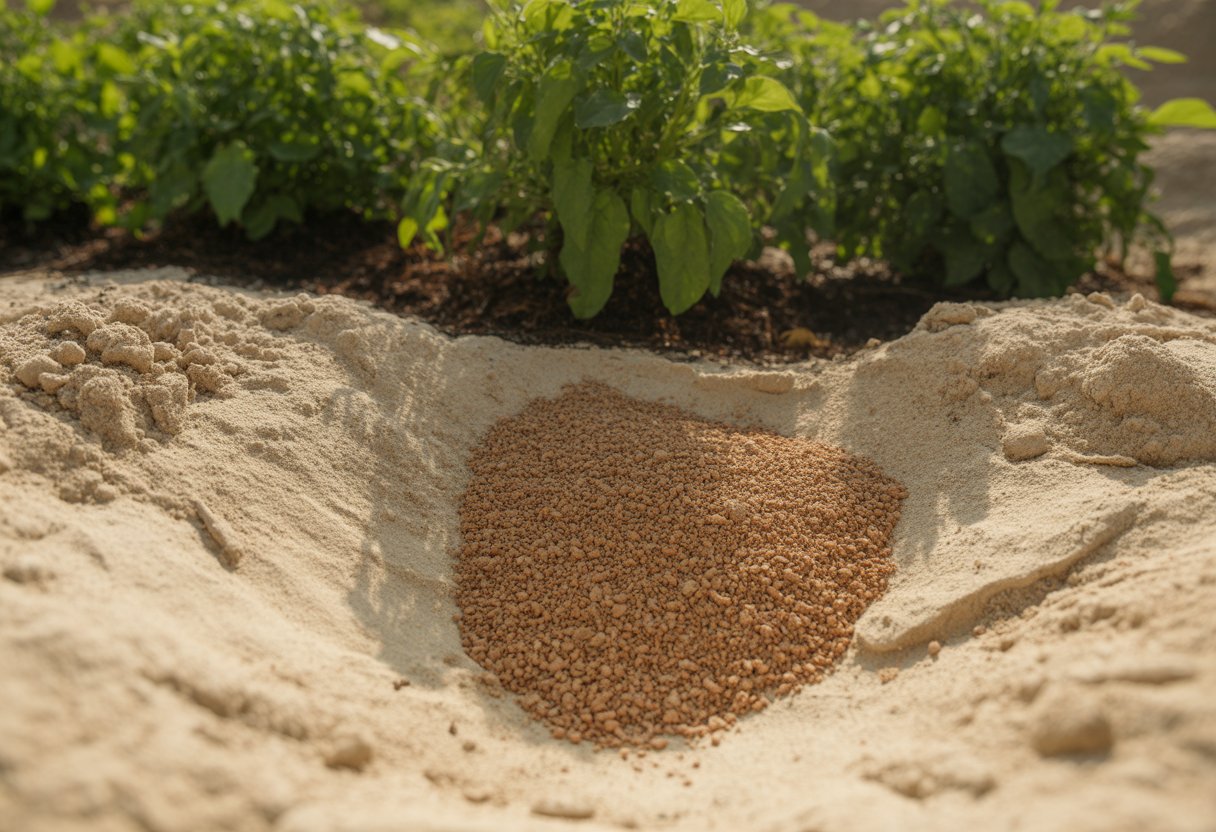
Sandy soils need targeted amendments to get better at holding water and nutrients. Changing the structure and chemistry makes it easier for plants to thrive.
Water Retention Strategies
Because sandy soils drain so fast, you have to add organic matter. Compost, peat moss, or well-rotted manure all help the soil hang onto water.
Inorganic stuff like vermiculite or perlite can help, but honestly, they’re not as good as organic matter for long-term results. Mulch is another must—it keeps water from evaporating and protects the soil surface.
Drip irrigation works well for sandy soils, sending water right to the roots and cutting down on waste. Frequent, lighter waterings are better than soaking the soil and letting it all drain away.
Nutrient Enrichment Techniques
Since sandy soil can’t hold nutrients, you’ve got to keep adding them. Organic fertilizers like compost and manure are great because they boost cation exchange and release nutrients slowly.
Elemental sulfur can help tweak the pH so plants can use nutrients better. For nitrogen, it’s smarter to apply it in smaller amounts over time so it doesn’t just wash away.
Some gardeners use zeolite or clay minerals to help the soil hold onto nutrients like ammonium and potassium. Regular soil tests can tell you exactly what’s missing so you don’t waste time or money guessing.
Best Practices for Amending Sandy Soils
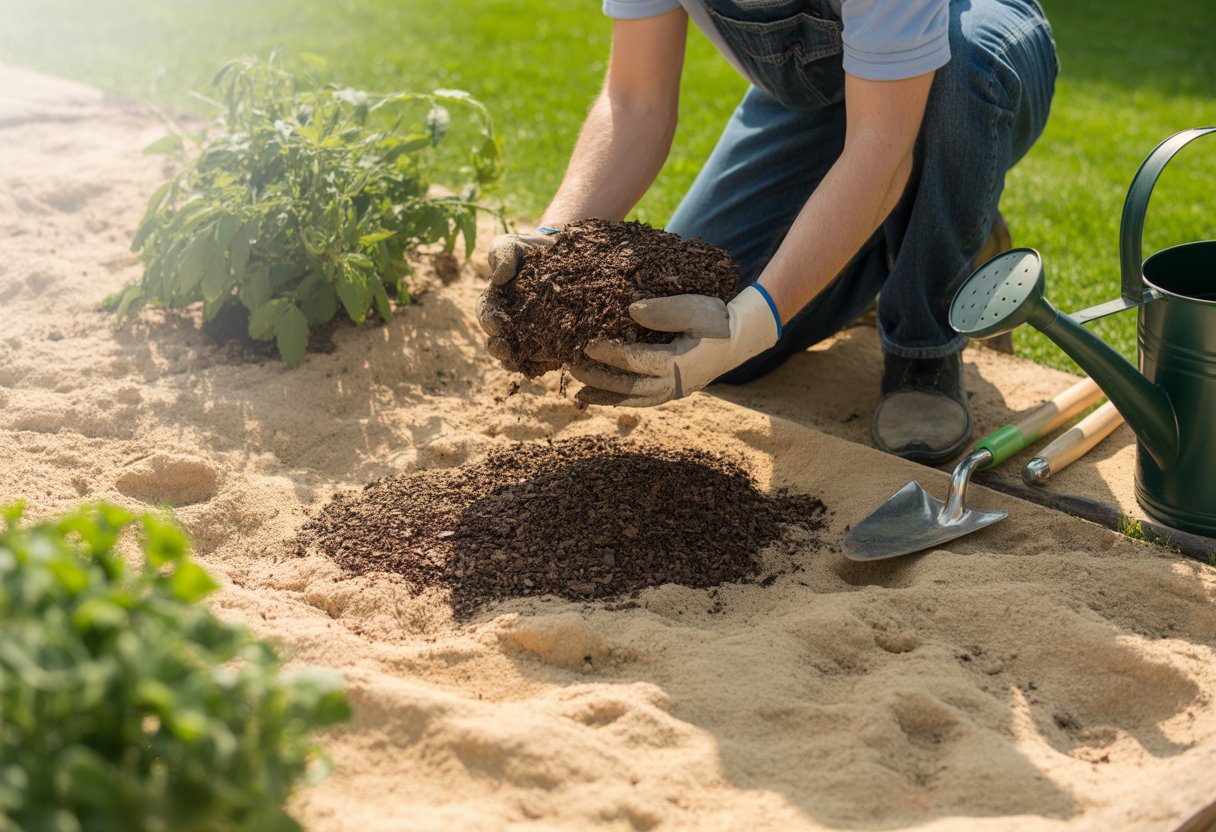
If you want to fix sandy soil, you’ve got to be deliberate about it. It’s all about checking what your soil needs, timing your amendments right, and keeping an eye on how things change season to season.
Conducting a Soil Test
A soil test gives you the real scoop on what your sandy soil is missing and what the pH looks like. Grab samples from a few different spots—don’t just dig one hole and call it a day.
The test will tell you if you need to add compost, rice hulls, or something else. It’s also handy for catching weed seeds or bad microbes before they become a problem.
Once you know what you’re working with, use a tiller or just a shovel to mix amendments in evenly. That way, you actually get the benefits throughout the soil, not just on top.
Seasonal Amendment Application
Timing matters. It’s best to add compost or manure in early spring or fall—gives everything time to break down before you plant.
Spread amendments out over a few seasons instead of dumping a ton at once. That helps avoid nutrient loss and gives the soil time to adjust.
Don’t go heavy with amendments in the heat of summer, or you’ll just lose nutrients. Mixing in rice hulls or some loam soil can also help with water retention and keep weeds at bay by making the soil more consistent.
Monitoring pH and Soil Health
Keeping an eye on soil pH matters, especially since sandy soils can swing toward acidity or alkalinity in no time. If you can keep the pH between 6.0 and 7.0, you’ll help those beneficial soil microbes do their thing with nutrient cycling.
Check pH often so you can step in with lime or sulfur if things get out of balance. It doesn’t take much for conditions to change, honestly.
When you look at soil health, pay attention to shifts in structure and how your plants are behaving. Notice if the soil starts clumping together better—good aggregation means it holds water and roots can breathe.
Watch your plants for signs of vigor and make sure they’re not showing any weird nutrient deficiencies. Over time, these clues tell you if your amendments are actually working.