Tools Every Pennsylvania Gardener Needs for a Successful Growing Season
Last updated: September 8, 2026
Gardening in Pennsylvania? You’ll want the right tools to handle the state’s wild mix of weather and soil quirks.
To keep your garden thriving all year, it’s smart to have a few essentials ready to plant, nurture, and protect your plants—no matter what the local climate throws at you.
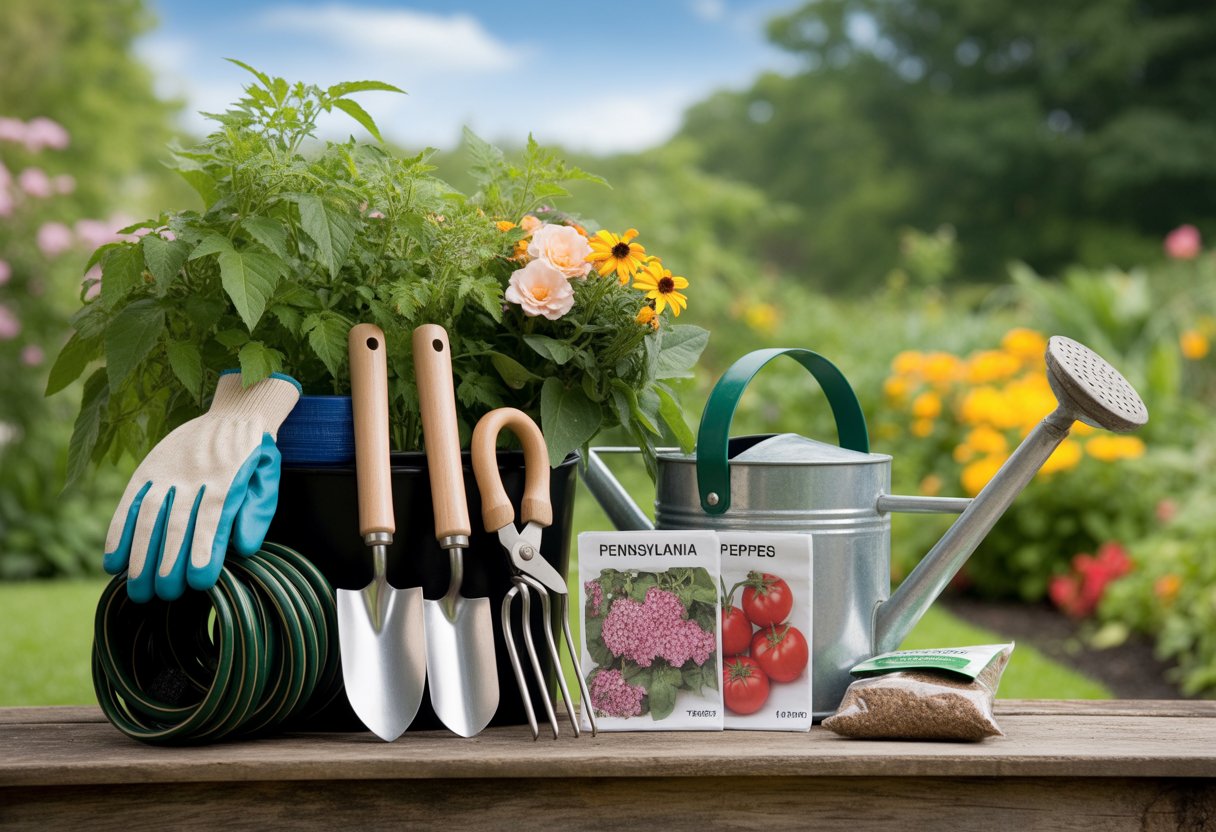
Every Pennsylvania gardener should have a reliable trowel, pruners, a sturdy rake, and a soil testing kit handy. These basics help with everything from planting bulbs in the chill of fall to shaping up shrubs when spring finally rolls around.
The right equipment really does save you time and frustration. Figuring out which tools match Pennsylvania’s seasons and soil can make gardening feel less like a chore and more like a hobby you actually look forward to.
Essential Gardening Tools for Pennsylvania
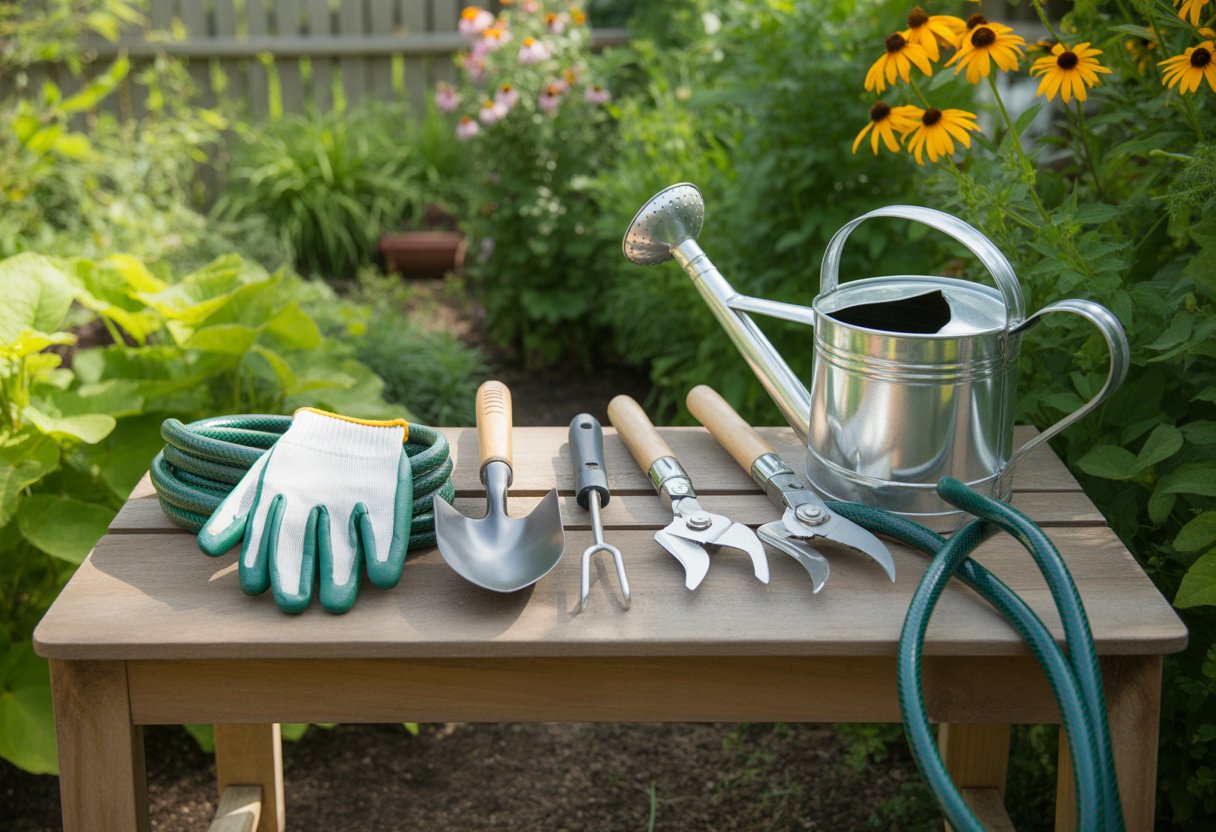
You’ll need tools that can stand up to Pennsylvania’s unpredictable weather and patchy soils. Durable, versatile gear helps you deal with heavy clay, rocky patches, and those sudden seasonal changes.
Shovels and Spades
You really can’t get far without a solid shovel or spade. In Pennsylvania, a pointed shovel lets you break through stubborn clay, while a flat-edged spade makes edging and transplanting way easier.
Choose tools with tough steel heads and ergonomic handles so your hands and back don’t hate you later. A D-shaped handle gives you better control, and a rust-resistant finish keeps the tool in shape through humid summers.
Hand Trowels
Hand trowels are your go-to for detailed jobs like planting seedlings or fussing over flower beds. A sturdy, pointed blade helps you dig into tough ground and loosen roots without much effort.
Stainless steel blades won’t rust, and a comfy grip can make a big difference if you’re out there for hours. Some trowels even have measurements on the blade, which is super handy if you’re planting veggies and want to get the depth just right.
Pruning Shears
A sharp pair of pruning shears is a must for trimming shrubs, perennials, and the occasional stubborn branch. Bypass shears with curved blades give clean cuts, which helps your plants bounce back faster.
Look for shears with a locking mechanism and a grip that won’t leave your hands aching. High-carbon steel blades usually stay sharp longer, so you spend less time fussing with maintenance.
Soil and Seasonal Equipment
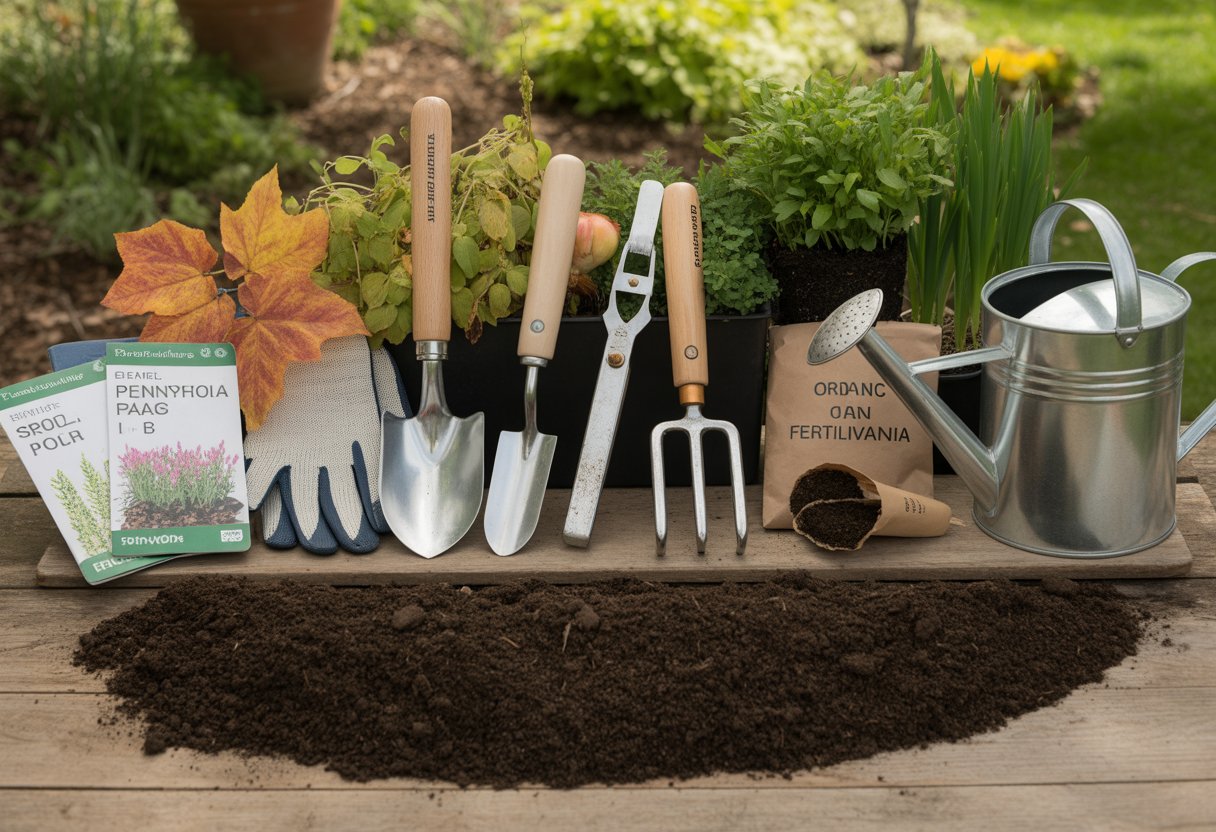
You can’t ignore soil prep if you want your Pennsylvania garden to thrive. The right tools help you handle soil texture, drainage, and nutrients as the seasons shift.
Garden Forks
Garden forks make a big difference when you’re loosening and aerating soil—especially in those clay-heavy spots. They break up dense dirt and improve drainage, which your plants will appreciate.
Look for a fork with four strong, pointed tines made from forged steel. It’ll last longer and give you better leverage. Garden forks also come in handy for turning compost or yanking out deep-rooted weeds.
If your garden’s on the smaller side, grab a short-handled fork for more control. Honestly, it’s easier on your back than a shovel, too.
Raised Bed Tools
Raised beds need their own set of tools. Hand trowels with pointed tips are perfect for planting in tight spaces, and slim weeders let you pull out unwanted plants without disturbing the good stuff.
If you’re dealing with rocky soil, a sturdy cultivator helps loosen things up around roots. Tools with ergonomic, non-slip grips make long gardening sessions less of a slog. Measuring tools can help you keep your beds neat, but honestly, you can eyeball it if you’re not a perfectionist.
Soil Test Kits
Soil test kits are surprisingly useful. They tell you what’s going on with your soil’s pH, nutrients, and general makeup, which means you can stop guessing about fertilizer.
Pennsylvania soils can be all over the place, so regular testing helps you avoid those annoying nutrient problems. Most kits are pretty easy to use—just follow the instructions and check the color-coded chart. You’ll know what to fix before your plants start complaining.
Maintenance and Care Gear
Keeping your garden in shape takes more than just planting and hoping for the best. Watering, mulching, and protecting yourself from the elements matter just as much—especially with Pennsylvania’s unpredictable weather.
Watering Cans and Hoses
You want a watering can that’s easy to carry and pours gently, so you don’t wash away your seeds. For bigger spaces, expandable hoses with adjustable nozzles save you a lot of time.
Try to find hoses made from tough rubber or reinforced vinyl—they won’t kink as much and can handle sudden temperature swings. If you’re into gadgets, timers and drip irrigation are worth a look for keeping water use in check.
Mulching Tools
A lightweight rake with flexible tines spreads mulch without beating up your plants. Garden forks or hand trowels help you turn and fluff up mulch, which keeps soil healthy.
Mulch keeps moisture in, chokes out weeds, and protects roots from temperature swings—kind of a must in Pennsylvania. Tools built for handling bark, straw, or compost make the job easier, and your garden ends up looking tidier, too.
Protective Gloves and Clothing
Don’t skip gloves. Heavy-duty ones with reinforced palms protect your hands from thorns, splinters, and whatever else is lurking in the dirt.
Pick breathable, water-resistant fabrics so you don’t get sweaty or soaked if the weather turns. Long sleeves and wide-brim hats help with sun and keep you away from poison ivy. And a decent pair of boots? Absolutely worth it for muddy or rocky ground.
Specialized Tools for Pennsylvania Climates
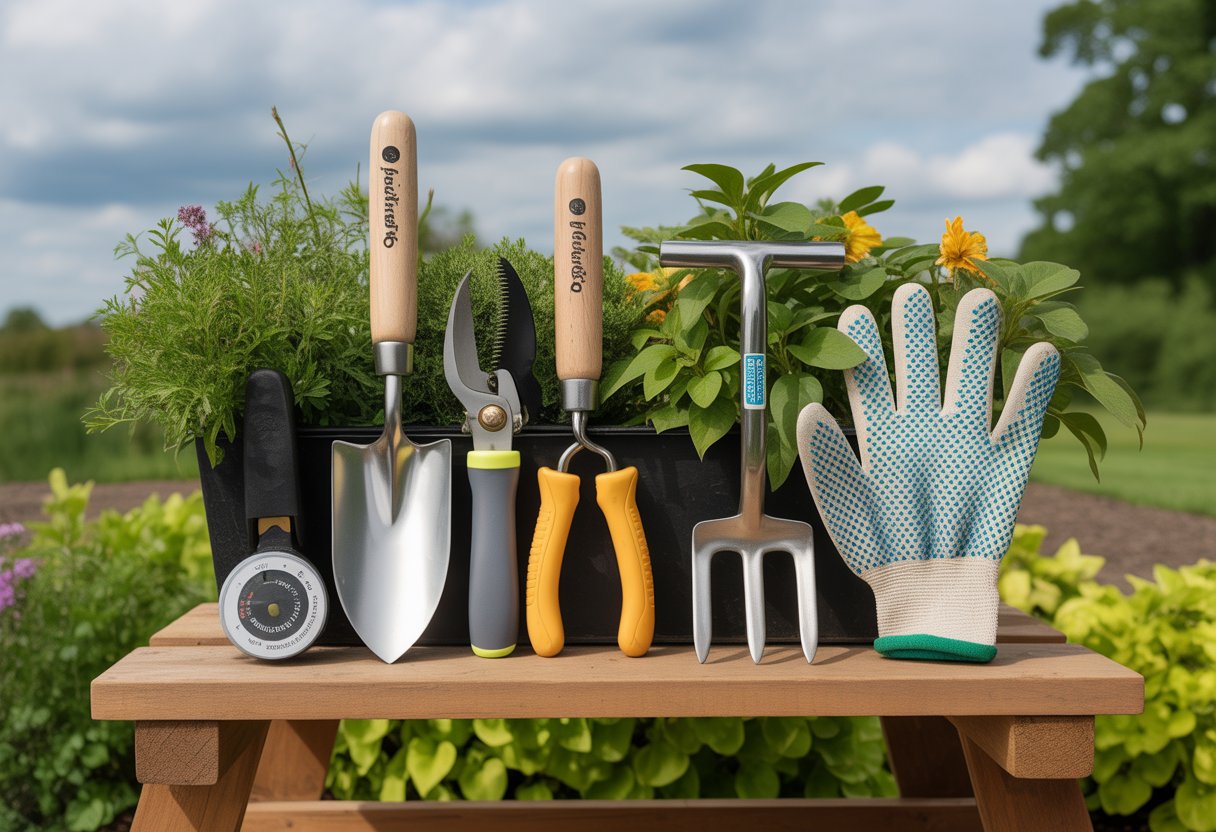
Pennsylvania’s wild temperature swings and surprise frosts mean you sometimes need tools that go beyond the basics. For anyone serious about extending their growing season, it’s worth thinking about protection from the elements.
Cold Frame Structures
Cold frames are basically mini greenhouses—low boxes with clear tops made of glass or plastic. They trap heat from the sun and bump up the temperature inside, which lets you start seeds early or shield plants from a surprise frost.
They’re a lifesaver in Pennsylvania’s unpredictable springs and falls. Build them with sturdy wood or metal frames so they can handle snow and ice. Having a way to vent or open them keeps your plants from overheating on those rare sunny days.
Row Covers and Frost Protection
Row covers are lightweight fabrics, often made from spun polyester. People use them to shield crops from frost, wind, and even insects.
They can bump up the temperature around plants by as much as 5°F. That small difference matters on those chilly Pennsylvania nights.
Gardeners rely on row covers to stretch out the harvest for crops like lettuce and spinach. It’s pretty simple to drape them over hoops or stakes, making a protective tunnel.
Choosing breathable materials makes a difference, since plants need moisture exchange. Otherwise, you might run into fungal issues.
If you’re growing frost-sensitive plants, you can pair row covers with frost blankets. That combo offers extra insulation when the cold really digs in.