Plants with Carrot Like Leaves: A Guide to Identifying and Growing Them
Last updated: October 2, 2026
Plants with carrot-like leaves are a common sight in gardens and natural habitats. These plants belong to the Apiaceae family, which includes many edible plants such as carrots, celery, and parsley. The leaves of these plants are similar to carrot leaves, with feathery or fern-like structures that give them a delicate appearance.
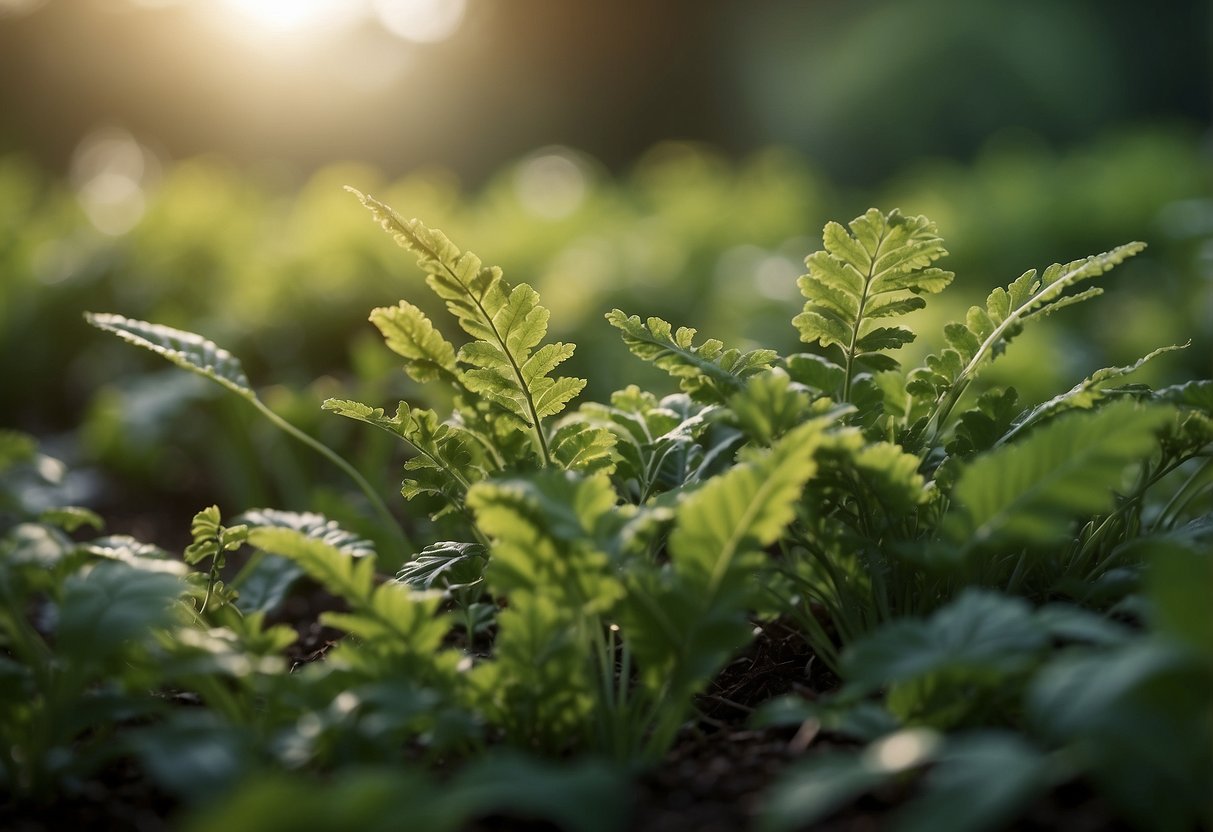
One of the most well-known plants with carrot-like leaves is the wild carrot, also known as Queen Anne’s Lace. This plant is a wild species of carrot that is native to Europe and Asia, but has been naturalized in many other parts of the world. Its leaves are finely divided and arranged in a fern-like pattern, and its flowers are small and white, arranged in an umbel shape.
While some plants with carrot-like leaves are edible and even medicinal, others can be toxic or harmful. It is important to be able to identify these plants correctly to avoid any accidental ingestion or contact. In this article, we will explore some of the most common plants with carrot-like leaves, their characteristics, and their uses.
Identification of Plants with Carrot-Like Leaves
Plants with carrot-like leaves can be difficult to identify, especially for those who are not familiar with the Apiaceae family. This section will provide some key characteristics to help identify plants with carrot-like leaves, as well as common look-alikes.
Characteristics of Apiaceae Family
The Apiaceae family, also known as the carrot family, is a large family of flowering plants that includes many herbs and vegetables. Plants in this family are known for their distinctive umbel-shaped flower clusters and their finely divided, fern-like leaves. The leaves of Apiaceae plants are usually arranged in a rosette at the base of the stem, and they are often deeply lobed or divided.
One of the most common plants in the Apiaceae family is the wild carrot (Daucus carota), also known as Queen Anne’s lace. This plant has white, lacy flowers that bloom in clusters and are surrounded by delicate, fern-like foliage. The leaves of the wild carrot are similar in appearance to those of domestic carrots, but they are more finely divided and feathery.
Other plants in the Apiaceae family include parsley, celery, parsnip, and yarrow. These plants also have finely divided leaves and umbel-shaped flower clusters, but their leaves may be a different color or shape than those of the wild carrot.
Common Look-Alikes
There are several plants that look like carrots but are not members of the Apiaceae family. One of the most common look-alikes is poison hemlock (Conium maculatum), a highly toxic plant that can be deadly if ingested. Poison hemlock has finely divided leaves that are similar in appearance to those of the wild carrot, but its stems are smooth and hairless, while those of the wild carrot are hairy.
Another plant that can be mistaken for a carrot is water hemlock (Cicuta maculata), another highly toxic plant. Water hemlock has leaves that are similar in appearance to those of the wild carrot, but its stems are hollow and have purple spots.
It is important to be able to distinguish between plants with carrot-like leaves and their look-alikes, as some of these plants can be poisonous or toxic. If you are uncertain about the identity of a plant, it is best to err on the side of caution and avoid consuming it.
Cultivation and Uses of Carrot-Like Plants

Carrot-like plants are a diverse group of plants that have leaves and stems that resemble those of carrots. Some of these plants are edible and have culinary uses, while others are toxic and invasive. This section will explore the cultivation and uses of carrot-like plants, including edible varieties and their uses, and managing toxic and invasive species.
Edible Varieties and Their Uses
Carrot greens are the leafy tops of carrots and are edible. They can be used in salads, soups, and chimichurri sauce. Other herbs that have carrot-like leaves include parsley, fennel, and cumin. These herbs are used in a variety of dishes, including salads, stews, and sauces.
Some carrot-like plants are grown for their edible roots, such as carrots and parsnips. These root vegetables are used in a variety of dishes, including stews, soups, and roasted dishes.
Managing Toxic and Invasive Species
Not all carrot-like plants are edible. Some plants in the carrot family, such as poison hemlock (Conium maculatum) and giant hogweed (Heracleum mantegazzianum), are toxic and can cause poisoning in humans and livestock. These plants are also invasive and can cause soil erosion and damage to the environment.
It is important to properly identify plants before consuming or foraging for them. Foraging for wild carrot-like plants can be dangerous if one is not familiar with the plants in the area. It is recommended to consult with a local expert or guide before foraging for wild plants.
To manage toxic and invasive species, it is important to properly dispose of them and avoid planting them in areas where they can spread. These plants can be removed manually or with the use of herbicides, but care must be taken to prevent the spread of seeds and other plant material.
Carrot-like plants can be a valuable addition to a garden or landscape, providing organic matter and drought-tolerant options. However, it is important to properly identify and manage these plants to prevent damage to the environment and potential harm to humans and livestock.