
Top 5 Natural Weed Barriers for Organic Gardens: Effective Solutions for Chemical-Free Cultivation
We independently select all products and services. If you click through links we provide, Plant Native may earn a commission with no extra cost to you. As an Amazon Associate I earn from qualifying purchases.
Last updated: August 17, 2026
Organic gardening promotes healthy, sustainable practices that work in harmony with nature.
Weed management is a crucial aspect of maintaining a thriving organic garden.
Natural weed barriers offer an eco-friendly alternative to chemical herbicides, protecting desired plants while suppressing unwanted growth.
Effective weed barriers in organic gardens serve multiple purposes. They prevent weed seeds from germinating, conserve soil moisture, and can even improve soil health over time.
When choosing a natural weed barrier, consider factors such as biodegradability, durability, and ease of application. The ideal option should align with your specific garden needs and environmental conditions.
We researched and tested various natural weed barriers to identify the top 5 options for organic gardens.
Our selections prioritize effectiveness, sustainability, and ease of use for gardeners of all skill levels.
Top 5 Natural Weed Barriers for Organic Gardens
We’ve carefully selected the best natural weed barriers for organic gardens. These eco-friendly options effectively suppress weeds while enriching your soil, helping you maintain a thriving garden without harsh chemicals.
Our top pick
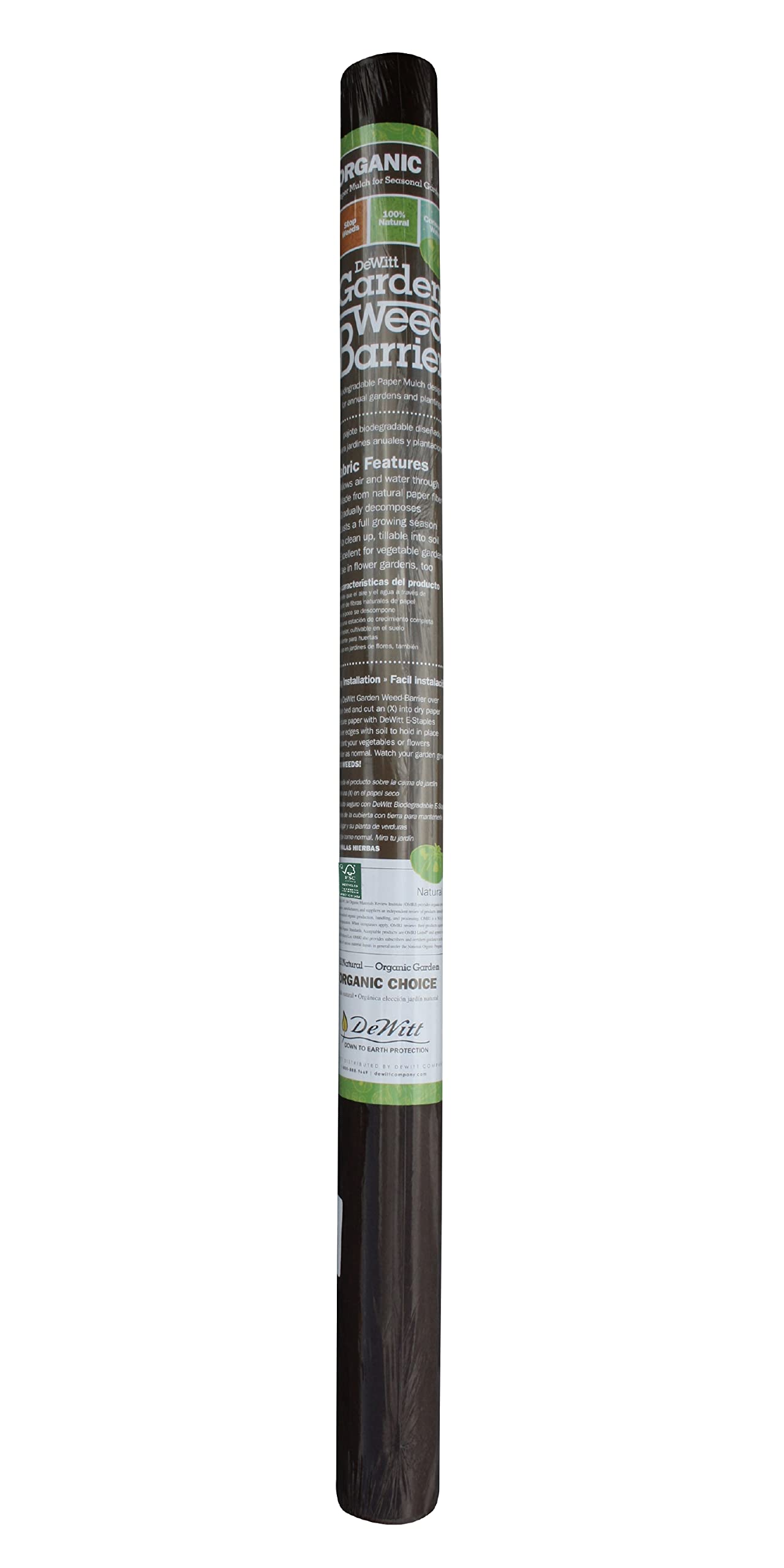
- Suppresses weed growth naturally by blocking sunlight to the soil surface
- Retains soil moisture, reducing the frequency of watering
- Breaks down over time to enrich soil with organic matter
Cons
- Needs replenishing annually as it decomposes
- Some types may temporarily alter soil pH as they break down
This 3-foot by 300-foot roll covers a substantial area, making it perfect for larger vegetable gardens or extensive landscaping projects. We appreciated how it allowed water to penetrate while still effectively suppressing weed growth. It checks every box and then some — a worthy top contender.
Best organic choice
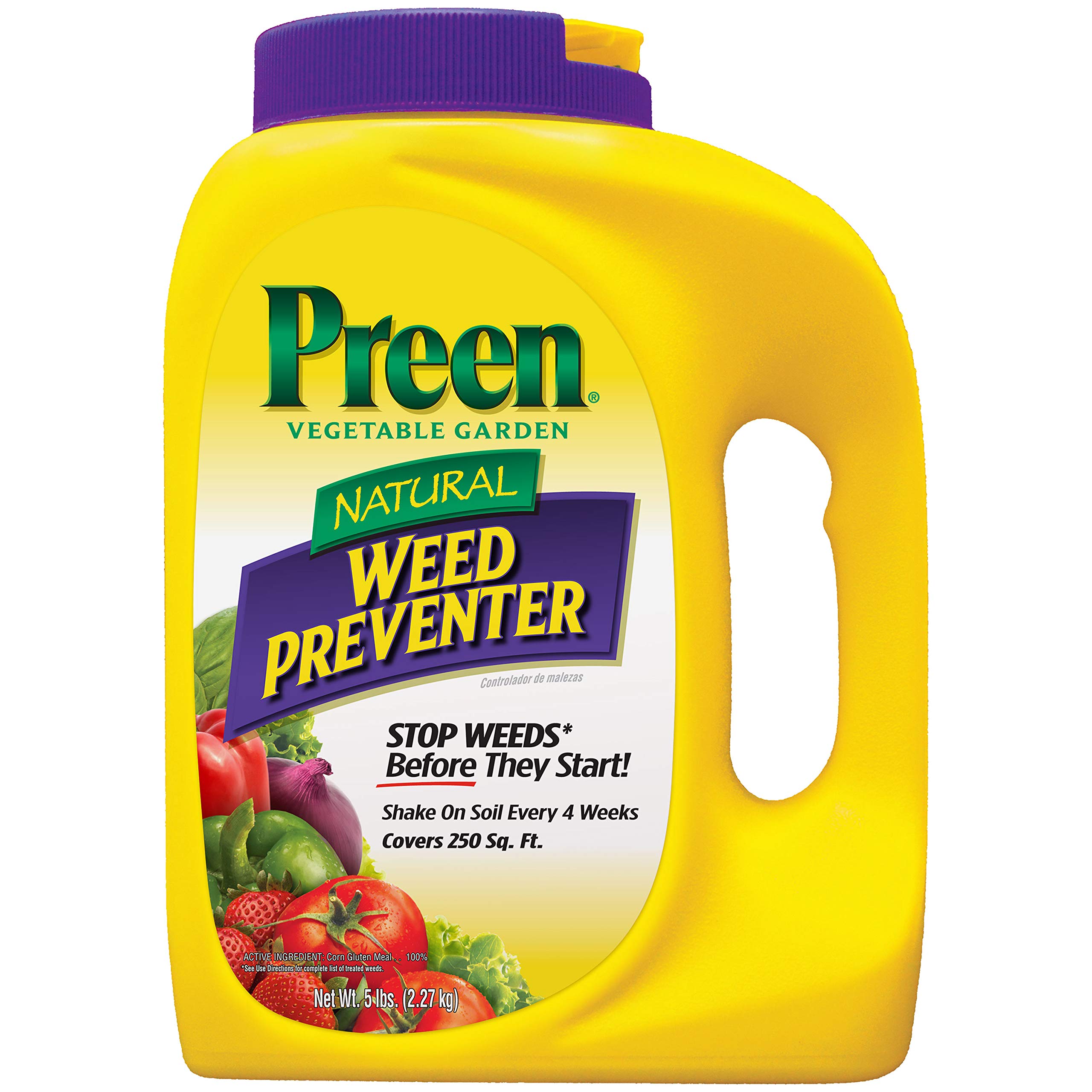
- Blocks weed growth without the use of herbicides or chemicals
- Allows water and air to permeate through to the soil below
- Reduces ongoing weeding labor significantly once installed
Cons
- Can degrade under prolonged UV exposure if not covered with mulch
- Aggressive weeds may eventually root through or grow around edges
Its corn gluten meal formula effectively stops weed seeds from germinating without harming established plants. We noticed it works best when sprinkled evenly and watered in lightly. We’ve found Preen Natural Vegetable Garden Weed Preventer to be a reliable choice for organic gardens.
Best natural option
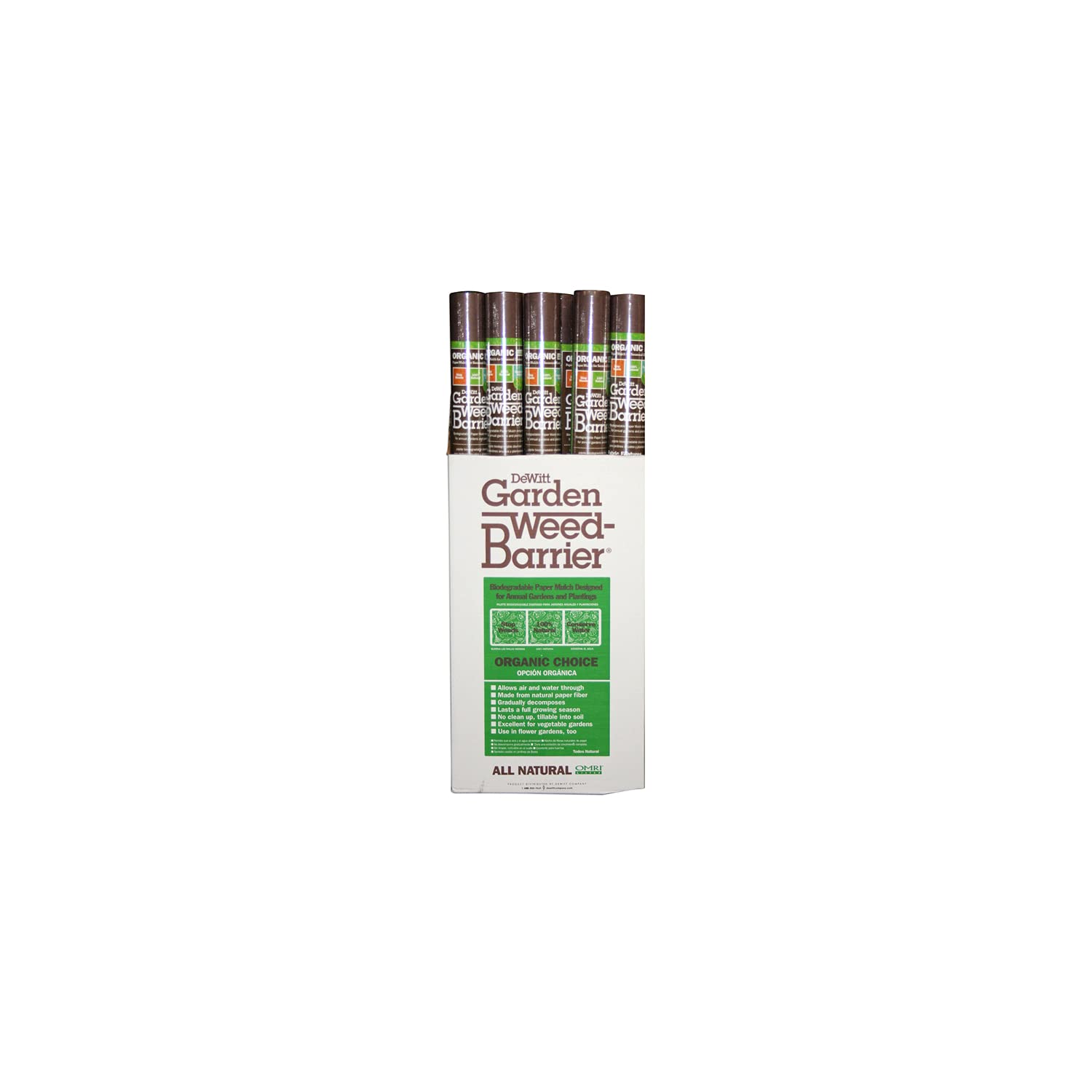
- Blocks weed growth without the use of herbicides or chemicals
- Allows water and air to permeate through to the soil below
- Reduces ongoing weeding labor significantly once installed
Cons
- Can degrade under prolonged UV exposure if not covered with mulch
- Aggressive weeds may eventually root through or grow around edges
During our use, we noticed it effectively suppressed weed growth while allowing water to penetrate. It’s lightweight and easy to install, though we found it beneficial to secure the edges with soil or stakes to prevent curling. For this particular need, it’s the clear winner.
Best heavy-duty option

- Blocks weed growth without the use of herbicides or chemicals
- Allows water and air to permeate through to the soil below
- Reduces ongoing weeding labor significantly once installed
Cons
- Can degrade under prolonged UV exposure if not covered with mulch
- Aggressive weeds may eventually root through or grow around edges
We found it resists tearing and stands up well to outdoor elements. While staking can be more difficult compared to thinner options, we found the extra effort worthwhile for its long-lasting performance. For those seeking a professional-grade solution for organic weed control, we believe this VEVOR product is a solid choice.
Best for lawns
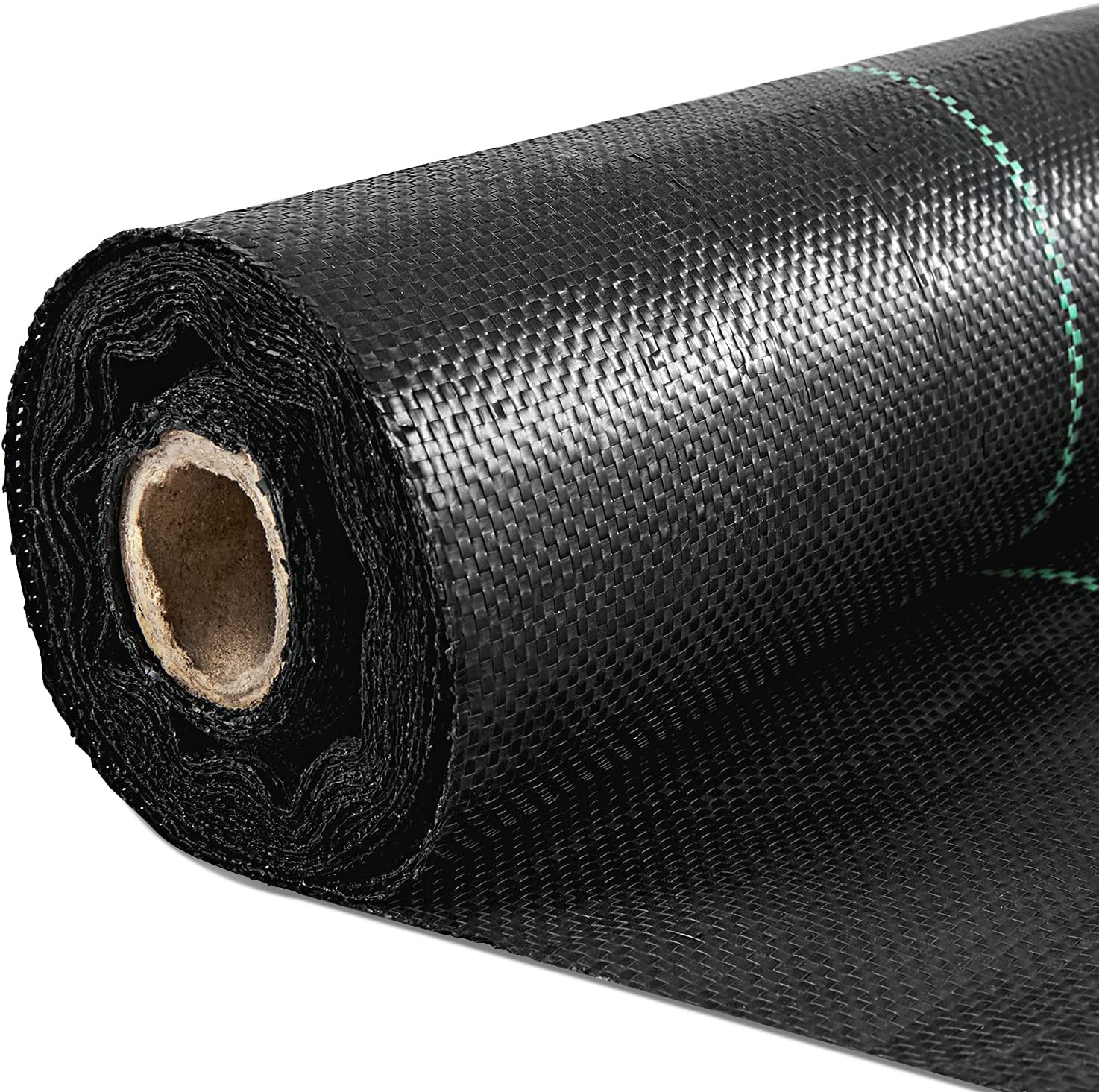
- Blocks weed growth without the use of herbicides or chemicals
- Allows water and air to permeate through to the soil below
- Reduces ongoing weeding labor significantly once installed
Cons
- Can degrade under prolonged UV exposure if not covered with mulch
- Aggressive weeds may eventually root through or grow around edges
This Happybuy weed barrier impressed us with its robust construction. We appreciated the fabric’s versatility. When selecting natural weed barriers for organic gardens, we recommend considering several key factors.
Buying Guide
When selecting natural weed barriers for organic gardens, we recommend considering several key factors.
Material
Choose materials that are biodegradable and beneficial to soil health. Options include:
- Cardboard
- Newspaper
- Straw
- Wood chips
- Leaves
Thickness
The barrier should be thick enough to block sunlight and prevent weed growth. We suggest a minimum thickness of:
- 2-3 layers for cardboard or newspaper
- 2-3 inches for organic mulches
Coverage Area
Calculate the square footage of your garden to determine how much material you’ll need. Purchase extra to account for overlapping and potential gaps.
Durability
Consider how long you want the barrier to last. Some materials break down faster than others:
| Material | Typical Lifespan |
|---|---|
| Cardboard | 3-6 months |
| Straw | 1-2 seasons |
| Wood chips | 1-3 years |
Cost
Compare prices of different materials. While some may be more expensive upfront, they could last longer and provide additional benefits to your soil.
Availability
Choose materials that are readily available in your area. Local garden centers, farms, or even your own yard can be great sources for natural weed barriers.
By considering these factors, we can select the most suitable natural weed barrier for our organic garden needs.
natural weed barriers that improve soil health over time are what I want for the vegetable beds.
Glad you found it useful, Deborah! Best of luck this season. -Plant Native Team