
When to Fertilize Little Bluestem in Alabama for Optimal Growth and Health
Last updated: October 9, 2026
Little bluestem is a native grass that really fits Alabama’s climate and soils. It doesn’t need much fertilization, but the right timing can make a noticeable difference, especially if you’re managing landscapes or working on restoration projects.
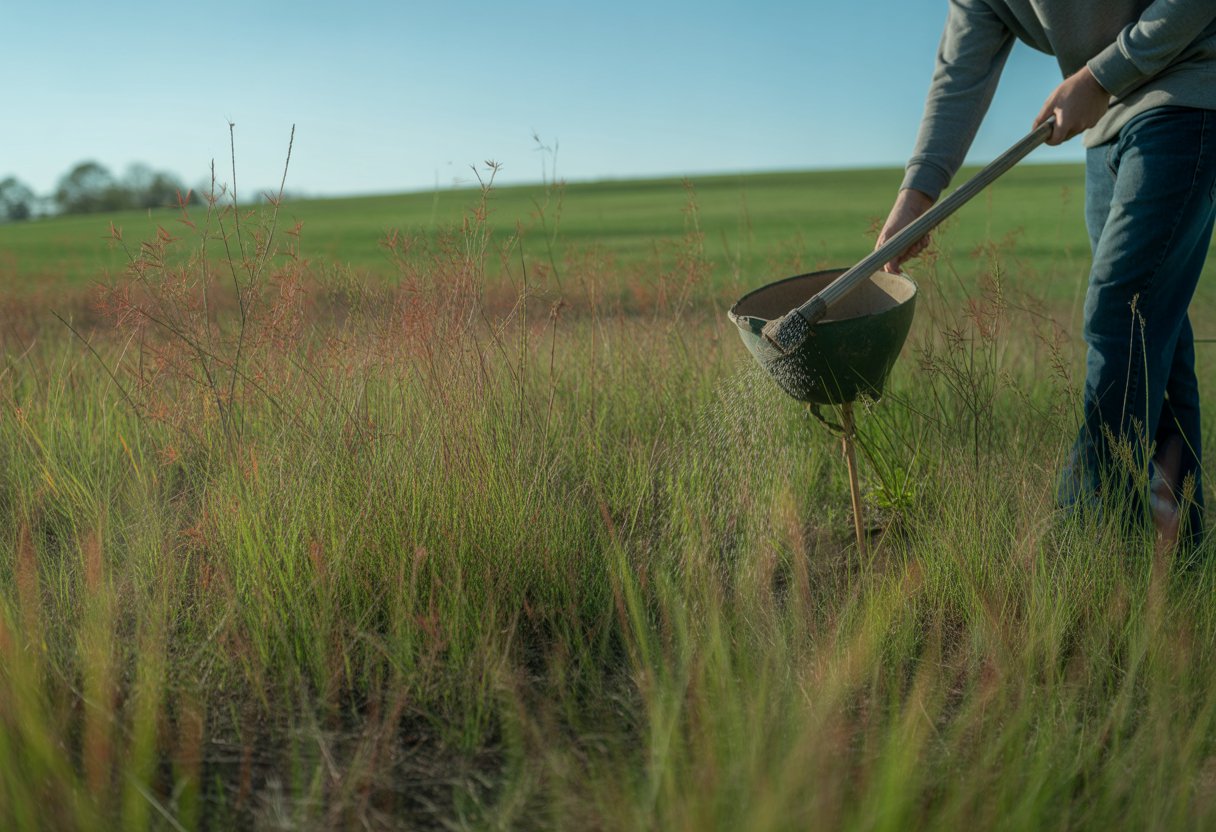
The best time to fertilize little bluestem in Alabama is in early spring, just as new growth starts pushing up. If you fertilize too late, you’ll encourage weak, late growth that’s more vulnerable to damage.
Maintaining soil health with light fertilizer applications keeps little bluestem looking good without making it too lush. Knowing Alabama’s seasonal quirks helps you get the most out of this tough native grass.
Understanding Little Bluestem in Alabama
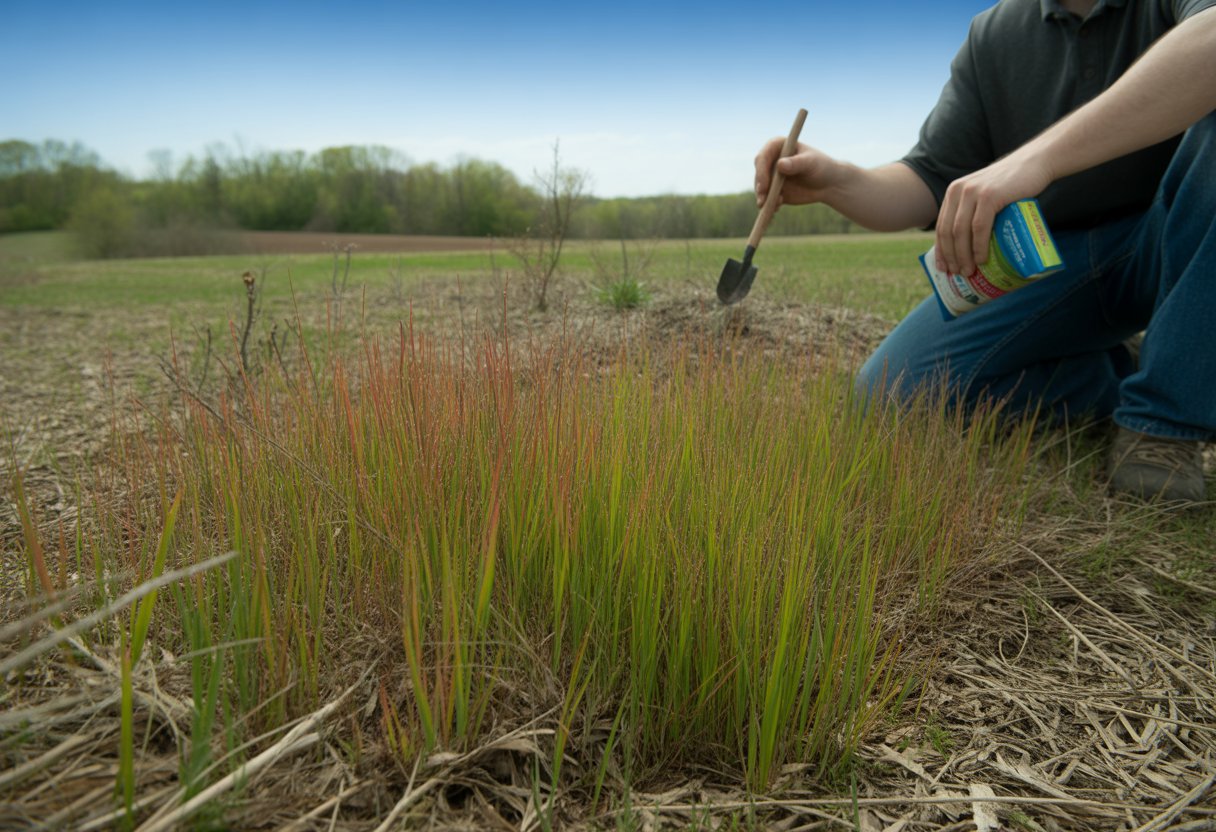
Little bluestem dominates many native grasslands in Alabama. It’s a big player in the ecosystem, supporting wildlife and stabilizing soils.
Its unique characteristics and adaptability explain why it sticks around and thrives across the state.
Botanical Characteristics
Little bluestem (Schizachyrium scoparium) is part of the Poaceae family. It’s a warm-season, perennial bunchgrass with slender, upright stems that usually reach 2 to 4 feet.
The leaves are narrow and blue-green, shifting to reddish-brown in the fall. Its flower heads show up as open, feathery panicles with purple or reddish spikelets in late summer.
This grass has a deep, fibrous root system, which helps it survive drought and hold soil together. It mostly reproduces by seed, but it can slowly spread by tillers too.
You’ll find it in all sorts of soils, and it often takes over native grass communities in prairies, savannas, and open woods.
Native Range and Habitat
Little bluestem grows almost everywhere in North America, including all over Alabama. It does best in well-drained, sandy or loamy soils but won’t complain much in clay or acidic spots.
In Alabama, it pops up in pine flatwoods, prairies, and disturbed ground cover areas. It loves full sun and doesn’t show up much in deep shade.
The grass forms thick stands in open landscapes, and thanks to its adaptability, it covers a wide range of habitats across the state.
Ecological Roles
Little bluestem plays a huge role in Alabama’s ecosystems. It covers ground, prevents erosion, and helps hold moisture in the soil.
Its deep roots improve soil structure over time. Birds and small mammals use it for shelter and nesting.
Pollinators benefit from the diversity of plants that grow where little bluestem thrives. Herbivores munch on it, and it bounces back quickly after fire, which helps keep plant communities balanced.
Best Times to Fertilize Little Bluestem
If you want little bluestem to look its best, you’ll need to pay attention to the seasons, Alabama’s weather, and the plant’s growth stages. Good timing helps you get strong roots and healthy plants without wasting fertilizer.
Seasonal Fertilization Timing
Little bluestem’s warm-season growth cycle means you’ll get the best results if you fertilize in late spring, usually April or May. Wait until the soil’s warmed up past 60°F and you see new growth.
If you think the grass needs a little extra boost, you can do a lighter application in mid-summer. Just don’t fertilize after mid-August—that late-season burst of growth can get zapped by early cold.
Skip fall fertilization. Little bluestem generally thrives with low-maintenance care, especially in full sun or moist soils. Too much fertilizer just isn’t worth it.
Alabama Climate Considerations
Alabama’s warm, humid climate really suits warm-season grasses like little bluestem. Spring fertilization lines up with longer days and warmer soils, making it easier for the grass to use nutrients.
If you fertilize too late in summer, the heat can stress the plants and reduce how much they benefit. Rainfall in Alabama varies, and heavy rains can wash nutrients away.
Try to fertilize just before a period of moderate rain to help the grass take up nutrients. If you’re in a drier part of the state, you might need to tweak your timing a bit.
Growth Stages and Fertilization
Little bluestem’s nutrient needs shift as it grows. Early spring growth needs nitrogen for leaves and stems.
During the peak growth phase, a moderate nitrogen dose helps the grass bulk up without making it floppy. Deep roots appreciate steady, balanced nutrients to prepare for colder weather.
Once the plant starts making seeds, there’s not much point in adding fertilizer. At that point, it’s focused on reproduction, not growing bigger.
Microclimate Influence
Local conditions in Alabama—like shade or soil moisture—can tweak how you fertilize. Little bluestem does okay in partial shade but really prefers full sun.
In wetter spots, fertilizer uptake slows down, so splitting the application every 4–6 weeks can help. On hot, dry, south-facing slopes, you might want to fertilize a bit earlier to catch the quick soil warming.
Paying attention to your site’s quirks will help you get the best results without overdoing it.
Fertilization Practices for Healthy Growth
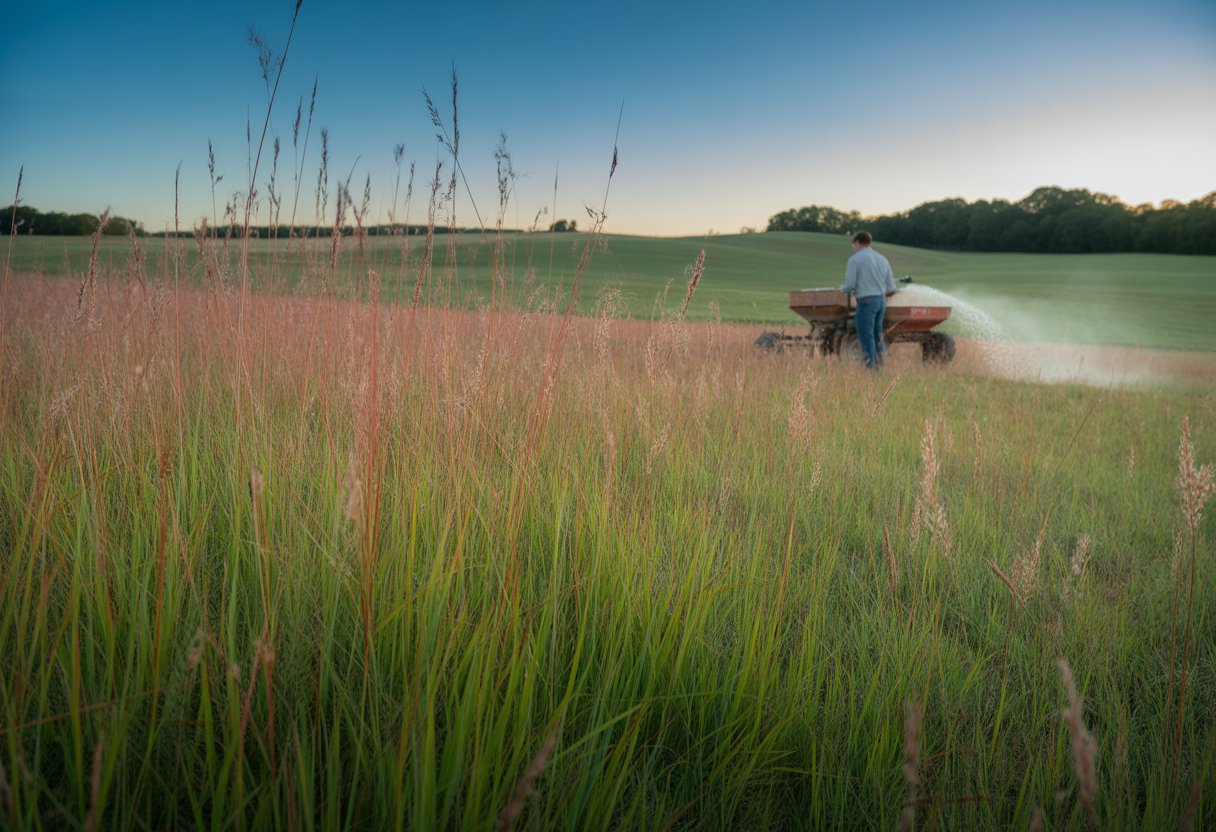
Getting little bluestem to thrive in Alabama is mostly about picking the right fertilizer type, applying it properly, and not going overboard. Done right, fertilization improves forage, erosion control, and drought resilience.
Types of Fertilizers
Nitrogen-based fertilizers work best for little bluestem, since nitrogen boosts leaf and root growth. Usually, 30 to 50 pounds of nitrogen per acre in early spring does the trick.
Phosphorus and potassium aren’t usually needed unless a soil test says otherwise. Balanced fertilizers like 10-10-10 are overkill for most native warm-season grasses if your soil’s already decent.
You can use compost or other organic options to improve soil quality, but they tend to release nutrients too slowly for immediate needs. Choose your fertilizer based on your goals—whether you’re focused on conservation or forage.
Application Methods
Broadcast spreading is the go-to for covering large areas evenly. It keeps growth consistent and helps with erosion control by making sure the ground is well-covered.
Apply fertilizer when there’s enough soil moisture to avoid losing nutrients. Early spring is ideal, right before the grass kicks into high gear.
Don’t fertilize during drought or heatwaves—it stresses the plants and reduces their drought tolerance. If you want, you can split applications to improve uptake and cut down on runoff.
Avoiding Over-Fertilization
Too much fertilizer leads to floppy growth, weaker stems, and a higher risk of erosion. It makes the grass thirstier and can even let invasive species sneak in.
Stick to recommended nitrogen rates so you don’t mess up grazing or conservation goals. Regular soil testing keeps you from adding what the soil already has.
Adjust your timing and rates as needed for a sustainable, healthy stand of little bluestem.
Supporting a Thriving Landscape with Little Bluestem
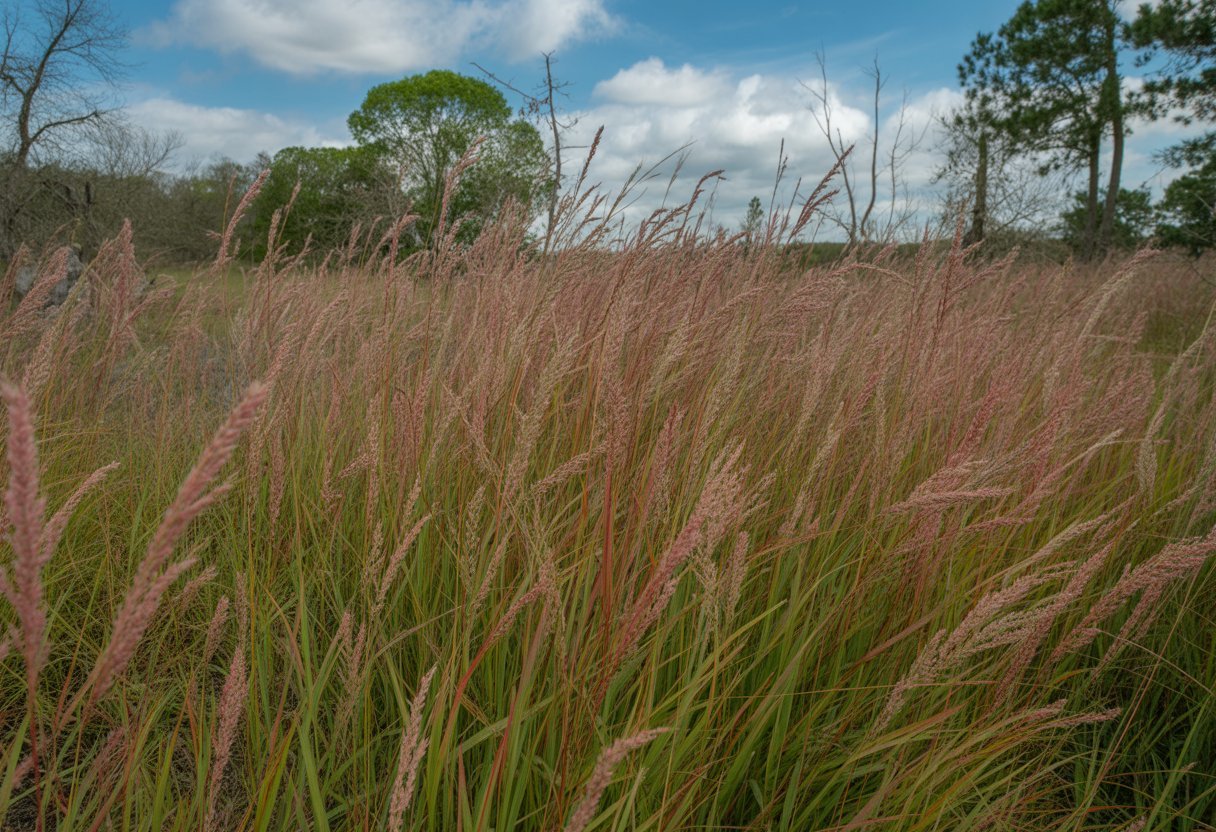
Little bluestem pairs well with other prairie grasses and plants, giving landscapes structure and variety. It’s a great choice for wildlife and restoration projects in Alabama.
Companion Plants and Plant Associations
You’ll often see little bluestem growing with switchgrass (Panicum virgatum), indiangrass (Sorghastrum nutans), and big bluestem (Andropogon gerardii). Together, these grasses boost soil health and biodiversity.
Broomsedge (Andropogon virginicus) turns up in similar places, especially in sandy soils, but little bluestem does best in well-drained, moderately fertile spots. It’s a reliable pick for landscaping projects from nurseries like OutsidePride.
Mixing prairie grasses helps with natural pest control and soil stability. Adding flowering forbs increases visual interest and attracts pollinators, making the whole ecosystem a bit more lively.
Wildlife Benefits
Little bluestem offers critical cover and nesting spots for birds like wild turkeys and quail. Butterflies also benefit, since the grass community provides larvae host plants and nectar sources.
The thick growth shelters small mammals and insects, which are key links in the food chain. Deer and other grazers munch on little bluestem, especially in winter when food is scarce.
If you’re trying to enhance wildlife habitat, little bluestem is a solid choice for creating low-maintenance, sustainable spaces. Its presence in native grasslands helps many Alabama species thrive with minimal fuss.
Land Restoration and Conservation Value
People use Little bluestem in land restoration to stabilize eroded soils. It helps bring back native prairie habitats, and honestly, it’s hard not to appreciate how tough this grass is.
Little bluestem handles drought like a champ. It adapts quickly to rough, degraded spots, which really aids the long-term recovery of plant communities.
Some case studies out of Alabama show that when folks reintroduce Little bluestem correctly, soil organic matter improves. At the same time, invasive grass cover drops off.
It pairs well with switchgrass and indiangrass. Together, these grasses help rebuild prairie ecosystems that can actually stick around.
Conservation groups and landscaping companies turn to Little bluestem for projects focused on restoring ecological function and diversity. It’s a practical choice, too—erosion control without breaking the bank.
Its deep root system boosts water infiltration. Plus, it cuts down on runoff, which is a big win for restored lands.
Any idea where to find these locally? The big box stores near me never seem to carry them.
Great question, Linda! For zone 5, you may want to check with your local extension office for the best timing. Generally the principles here still apply though. -Plant Native Team
Helpful, thank you.
Glad you found it useful, Robert! Best of luck this season. -Plant Native Team
My neighbor has been doing this for years and her yard looks amazing. Time for me to give it a shot.