Best Air Purifying Plants for Indoor Air Quality (NASA Study Backed)
We independently select all products and services. If you click through links we provide, Plant Native may earn a commission with no extra cost to you. As an Amazon Associate I earn from qualifying purchases.
Last updated: September 9, 2026
Indoor air can be 2 to 5 times more polluted than outdoor air, according to the EPA. Furniture, carpets, paint, and cleaning products release invisible toxins like formaldehyde, benzene, and trichloroethylene into the air we breathe every day. While mechanical air purifiers help, nature offers a simpler solution: air purifying plants.
In 1989, NASA conducted the landmark Clean Air Study to find out which indoor plants are most effective at removing common household toxins. The results were remarkable — certain houseplants can absorb significant amounts of harmful chemicals through their leaves and roots, making them natural air filters for your home or office.
We’ve compiled this comprehensive guide to the best air purifying plants for indoor air quality, backed by NASA’s research and real-world testing. Whether you’re looking for low-light options, pet-safe varieties, or the most powerful toxin removers, this guide has you covered.
Do Air Purifying Plants Actually Work?
The short answer: yes, but with realistic expectations. NASA’s Clean Air Study demonstrated that specific indoor plants can remove up to 87% of air toxins within 24 hours in a sealed chamber. The study tested plants against five common indoor pollutants:
- Formaldehyde — found in furniture, plywood, insulation, and paper products
- Benzene — present in plastics, synthetic fibers, lubricants, and tobacco smoke
- Trichloroethylene — used in adhesives, paint removers, and dry cleaning
- Xylene and Toluene — found in paints, lacquers, and rubber
- Ammonia — present in cleaning products, fertilizers, and some electronics
Critics point out that NASA’s study was conducted in small, sealed chambers — not typical living spaces. A 2019 study in the Journal of Exposure Science & Environmental Epidemiology found you’d need 10-1,000 plants per square meter to match an air purifier’s efficiency. However, plants offer benefits beyond air filtration: they increase humidity, reduce stress, boost mood, and improve concentration. Even modest air-cleaning effects combined with these wellness benefits make air purifying plants a worthwhile addition to any indoor space.
NASA Clean Air Study: Key Findings
NASA’s research, led by Dr. B.C. Wolverton, identified that the most effective air purifying plants share certain traits: large leaf surface area, active transpiration rates, and robust root systems with beneficial soil microorganisms. The study tested 50 houseplants and rated their ability to filter specific chemicals.
The top performers were peace lilies (removing benzene, formaldehyde, trichloroethylene, xylene, and ammonia — all five toxins), florist’s chrysanthemums, and bamboo palms. NASA’s general recommendation: at least one air purifying plant per 100 square feet of living space for noticeable air quality improvement.
20 Best Air Purifying Plants for Indoor Air Quality
Based on NASA’s research and our own experience growing these plants, here are the 20 best air purifying plants ranked by overall effectiveness, ease of care, and availability.
1. Peace Lily (Spathiphyllum)
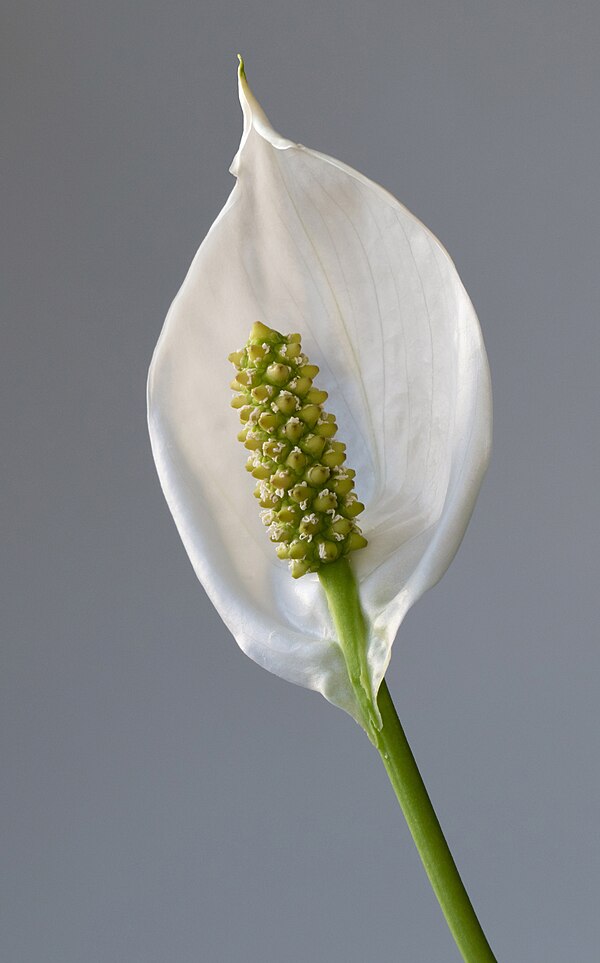
The peace lily is the undisputed champion of air purifying plants — it’s the only plant in NASA’s study proven to remove all five tested toxins, including ammonia. With elegant white blooms and glossy dark leaves, it thrives in low to medium light and actually tells you when it needs water by drooping slightly. If you notice yellowing, see our peace lily yellowing leaves guide.
- Toxins removed: Formaldehyde, benzene, trichloroethylene, xylene, ammonia
- Light: Low to medium indirect light
- Care level: Beginner
- Pet safe: Toxic to cats and dogs if ingested
- Best placement: Bedroom, bathroom, office
2. Bamboo Palm (Chamaedorea seifrizii)
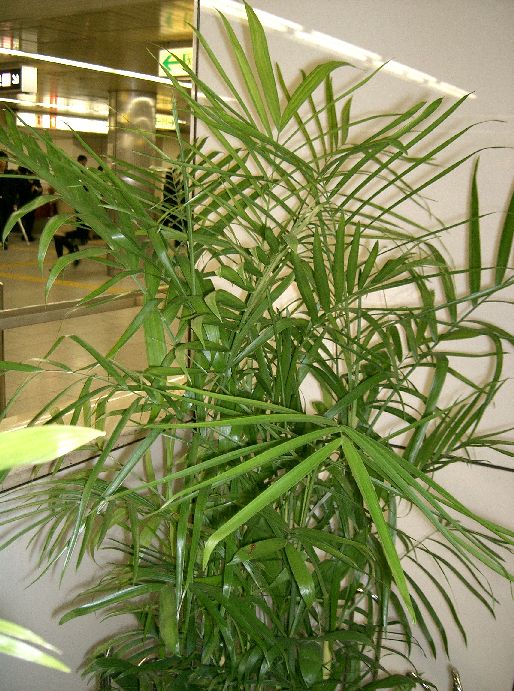
The bamboo palm removed the most formaldehyde of any plant in NASA’s study — an impressive 3,196 μg/h. It also tackles benzene and trichloroethylene. This tropical palm adds a lush, resort-like feel to any room and can grow 4-12 feet tall indoors.
- Toxins removed: Formaldehyde, benzene, trichloroethylene, xylene
- Light: Medium to bright indirect light
- Care level: Intermediate
- Pet safe: Non-toxic to cats and dogs
- Best placement: Living room, office, entryway
3. Snake Plant / Mother-in-Law’s Tongue (Sansevieria trifasciata)
One of the hardest plants to kill, the snake plant is a powerhouse air purifier that removes benzene, formaldehyde, trichloroethylene, and xylene. Uniquely, it converts CO2 to oxygen at night, making it an ideal bedroom plant. If yours is struggling, check our snake plant troubleshooting guide. It thrives on neglect and tolerates low light, drought, and drafts.
- Toxins removed: Formaldehyde, benzene, trichloroethylene, xylene
- Light: Low to bright indirect light (very adaptable)
- Care level: Beginner (nearly indestructible)
- Pet safe: Mildly toxic to cats and dogs
- Best placement: Bedroom (produces oxygen at night), office, bathroom
4. Boston Fern (Nephrolepis exaltata)
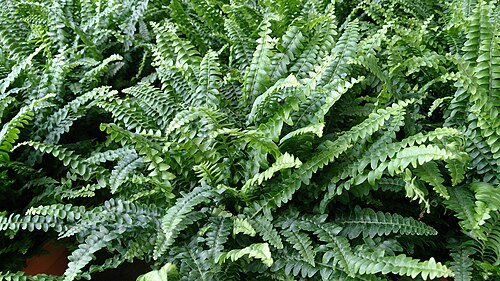
The Boston fern is one of the best formaldehyde removers in NASA’s study, absorbing 1,863 μg/h. Its lush, feathery fronds also act as natural humidifiers, making it perfect for dry indoor environments. It looks stunning in hanging baskets. Keep it healthy with organic pest control for ferns.
- Toxins removed: Formaldehyde, xylene
- Light: Medium indirect light
- Care level: Intermediate (needs consistent moisture and humidity)
- Pet safe: Non-toxic to cats and dogs
- Best placement: Bathroom, kitchen, hanging baskets
5. English Ivy (Hedera helix)
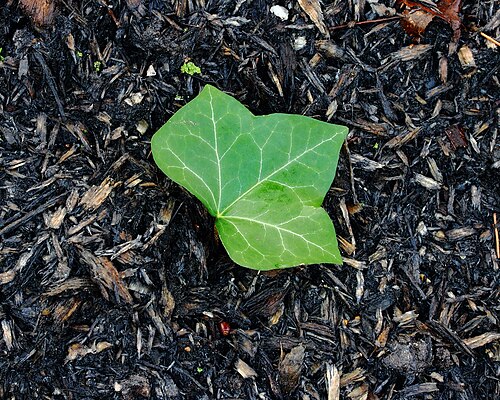
English ivy is a versatile air purifier that removes benzene, formaldehyde, trichloroethylene, and xylene. Studies have also shown it reduces airborne mold particles by up to 78%. It grows quickly as a trailing vine, perfect for shelves and hanging planters.
- Toxins removed: Formaldehyde, benzene, trichloroethylene, xylene
- Light: Medium to bright indirect light
- Care level: Beginner
- Pet safe: Toxic to cats and dogs
- Best placement: Office, bathroom, shelves
6. Spider Plant (Chlorophytum comosum)
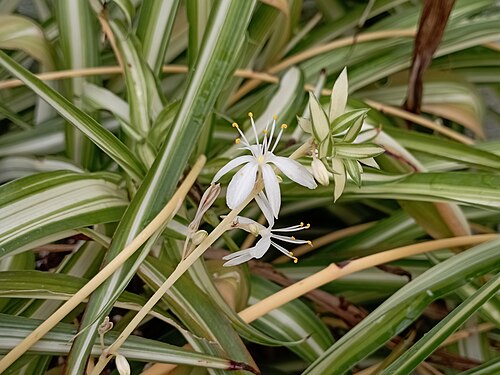
The spider plant is one of the most popular and resilient houseplants. NASA found it effective at removing formaldehyde and xylene. It produces baby “spiderettes” that dangle from the mother plant, making it easy to propagate and share. See our spider plant growing guide for care tips. Nearly impossible to kill.
- Toxins removed: Formaldehyde, xylene
- Light: Medium to bright indirect light
- Care level: Beginner (very forgiving)
- Pet safe: Non-toxic to cats and dogs
- Best placement: Any room, hanging baskets, shelves
7. Pothos / Devil’s Ivy (Epipremnum aureum)
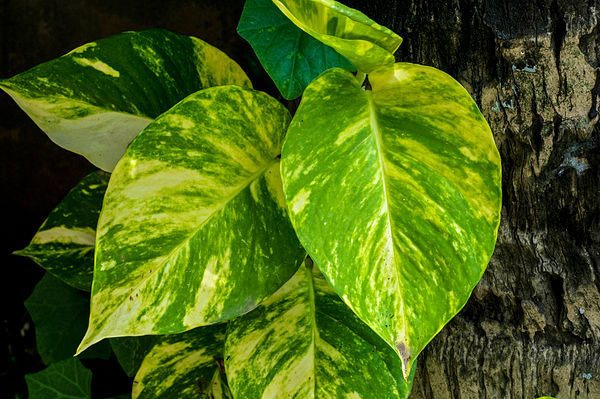
Pothos is the ultimate beginner plant — grab a propagation kit to multiply it easily. It — it grows in almost any condition and is extremely effective at removing formaldehyde and xylene from indoor air. Its heart-shaped leaves trail beautifully from shelves and hanging baskets, and it can even grow in water.
- Toxins removed: Formaldehyde, xylene
- Light: Low to bright indirect light
- Care level: Beginner (thrives on neglect)
- Pet safe: Toxic to cats and dogs
- Best placement: Kitchen, bathroom, office, anywhere with a shelf
8. Rubber Plant (Ficus elastica)
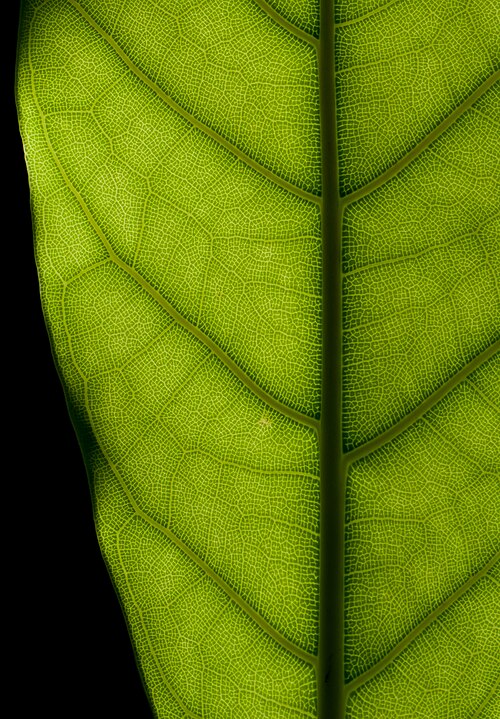
The rubber plant’s large, glossy leaves are excellent at absorbing formaldehyde. Its thick, waxy foliage also helps increase humidity — pair with a plant humidifier in dry climates. This is a statement plant that can grow into a small indoor tree, reaching 6-10 feet with proper care.
- Toxins removed: Formaldehyde
- Light: Medium to bright indirect light
- Care level: Beginner to intermediate
- Pet safe: Toxic to cats and dogs
- Best placement: Living room, office, entryway
9. Red-Edged Dracaena (Dracaena marginata)
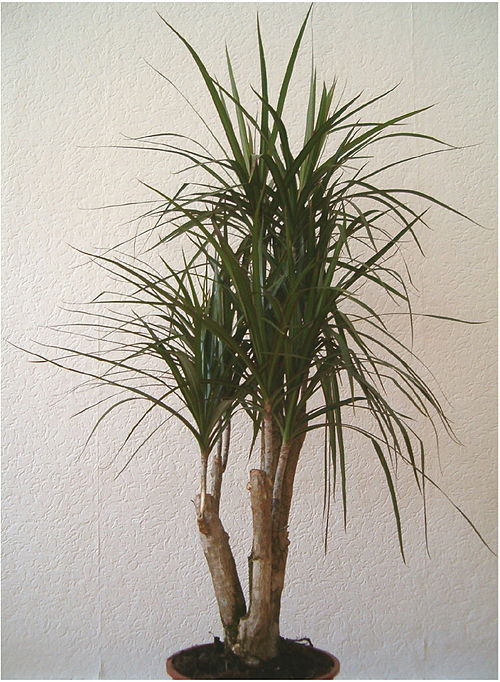
This striking plant with thin, red-edged leaves is one of the best all-around air purifiers. It removes benzene, formaldehyde, trichloroethylene, and xylene. It can grow up to 15 feet tall but stays manageable indoors with regular pruning. Very low maintenance.
- Toxins removed: Formaldehyde, benzene, trichloroethylene, xylene
- Light: Medium to bright indirect light
- Care level: Beginner
- Pet safe: Toxic to cats and dogs
- Best placement: Living room, office, bedroom
10. Florist’s Chrysanthemum (Chrysanthemum morifolium)
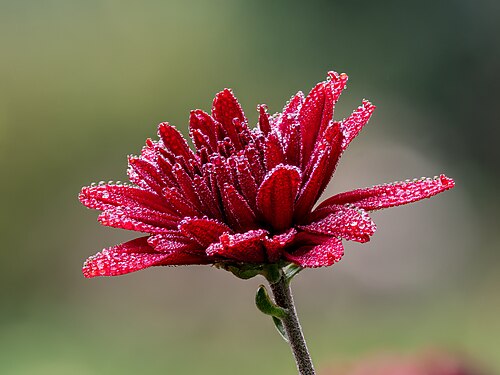
Chrysanthemums are one of the top air purifiers in NASA’s study, removing benzene, formaldehyde, trichloroethylene, xylene, and ammonia. They add beautiful color with their blooms. The catch: they’re typically seasonal bloomers and may need to be replaced, but they’re inexpensive and widely available.
- Toxins removed: Formaldehyde, benzene, trichloroethylene, xylene, ammonia
- Light: Bright indirect to direct light
- Care level: Intermediate
- Pet safe: Toxic to cats and dogs
- Best placement: Kitchen, living room, sunny windowsill
11. Weeping Fig (Ficus benjamina)
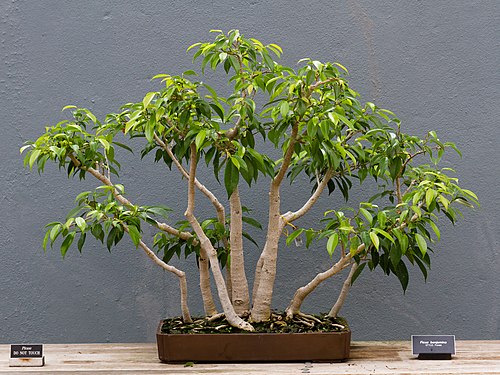
The weeping fig is a popular indoor tree that effectively removes formaldehyde and xylene. It’s been a staple of indoor décor for decades. While it can be a bit finicky about being moved, once settled in a spot, it’s a reliable grower and air cleaner.
- Toxins removed: Formaldehyde, xylene
- Light: Bright indirect light
- Care level: Intermediate (dislikes being moved)
- Pet safe: Toxic to cats and dogs
- Best placement: Living room, office (keep in one spot)
12. Barberton Daisy (Gerbera jamesonii)
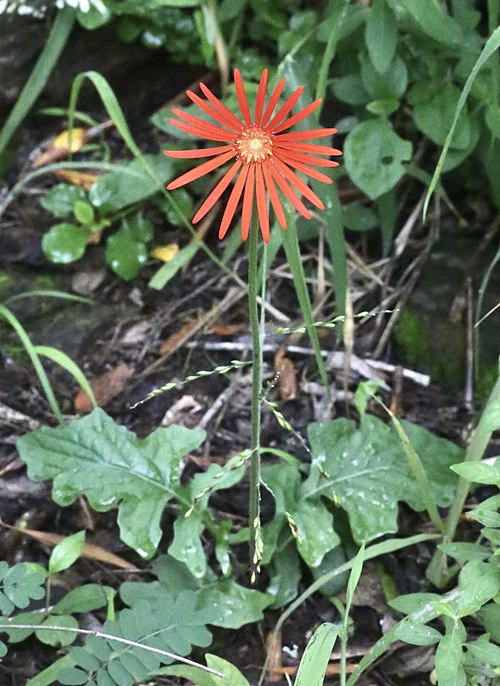
The Barberton daisy removed more benzene than any other plant in NASA’s study — a whopping 4,486 μg/h. Its colorful blooms in red, orange, yellow, and pink also brighten any room. It needs more light than most air purifiers but rewards you with stunning flowers.
- Toxins removed: Formaldehyde, benzene, trichloroethylene
- Light: Bright direct to indirect light
- Care level: Intermediate
- Pet safe: Non-toxic to cats and dogs
- Best placement: Sunny windowsill, kitchen, sunroom
13. Areca Palm (Dypsis lutescens)
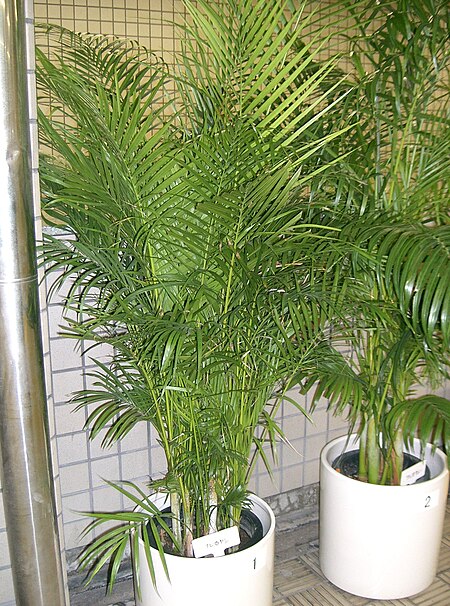
The areca palm is one of the best natural humidifiers — a 6-foot areca palm can transpire up to a quart of water per day. It removes xylene and toluene and adds a tropical feel to any space. It’s also one of the most popular air purifying plants for offices.
- Toxins removed: Formaldehyde, xylene
- Light: Bright indirect light
- Care level: Intermediate
- Pet safe: Non-toxic to cats and dogs
- Best placement: Living room, office, entryway
14. Chinese Evergreen (Aglaonema)
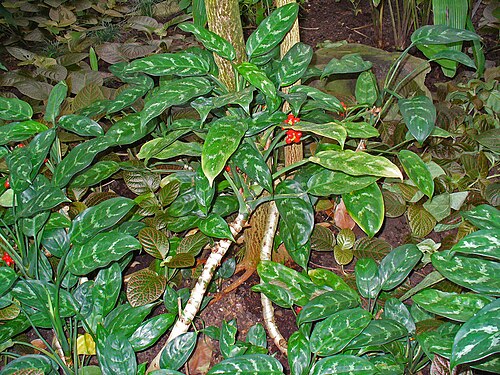
Chinese evergreens are beautiful, patterned-leaf plants that remove benzene and formaldehyde. They come in stunning varieties with silver, red, and pink markings. Extremely tolerant of low light and infrequent watering, they’re perfect for offices and darker rooms.
- Toxins removed: Formaldehyde, benzene
- Light: Low to medium indirect light
- Care level: Beginner
- Pet safe: Toxic to cats and dogs
- Best placement: Office, bedroom, bathroom
15. Aloe Vera (Aloe barbadensis)
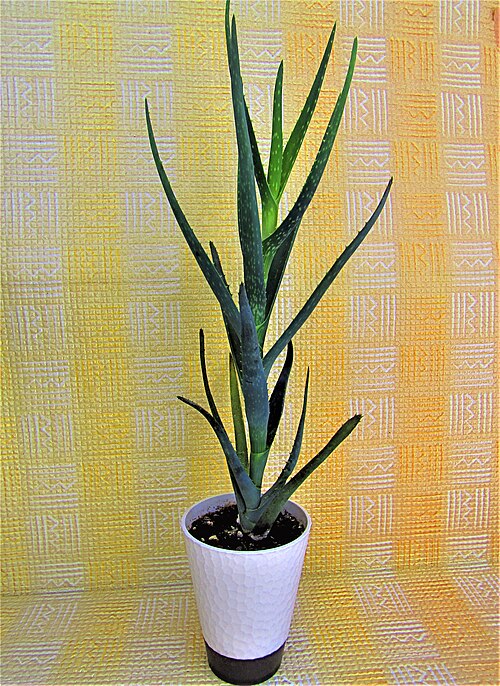
Aloe vera is a double-duty plant: it purifies air by removing formaldehyde and benzene (explore different aloe varieties), and its gel has well-known medicinal uses for burns and skin care. It’s succulent, so it needs minimal watering and plenty of light. A kitchen windowsill is the perfect spot.
- Toxins removed: Formaldehyde, benzene
- Light: Bright direct to indirect light
- Care level: Beginner
- Pet safe: Toxic to cats and dogs (gel is safe for humans)
- Best placement: Kitchen windowsill, sunny bathroom
16. Dwarf Date Palm (Phoenix roebelenii)
The dwarf date palm is an elegant, slow-growing palm that removes formaldehyde and xylene. It’s one of the best formaldehyde absorbers in NASA’s study at 1,385 μg/h. Growing 4-6 feet indoors, it adds a sophisticated tropical element to living spaces.
- Toxins removed: Formaldehyde, xylene
- Light: Bright indirect light
- Care level: Intermediate
- Pet safe: Non-toxic to cats and dogs
- Best placement: Living room, entryway, office
17. Flamingo Lily (Anthurium andraeanum)
The flamingo lily produces stunning red, pink, or white heart-shaped flowers year-round. While not the strongest toxin remover, it filters xylene and ammonia and adds a splash of color that few other air purifying plants can match.
- Toxins removed: Xylene, ammonia
- Light: Bright indirect light
- Care level: Intermediate
- Pet safe: Toxic to cats and dogs
- Best placement: Bathroom (loves humidity), living room
18. Philodendron (Philodendron spp.)
Philodendrons are a large family of plants that excel at removing formaldehyde. The heartleaf variety is particularly popular for its trailing vines and easy care. Elephant ear and split-leaf varieties make dramatic statement pieces while cleaning your air. Check out the variegated philodendron for a stunning option.
- Toxins removed: Formaldehyde
- Light: Low to medium indirect light
- Care level: Beginner
- Pet safe: Toxic to cats and dogs
- Best placement: Shelves, hanging baskets, office desks
19. Cornstalk Dracaena (Dracaena fragrans)
The cornstalk dracaena (propagation guide) looks like a miniature corn stalk with its arching green leaves. It’s an effective remover of formaldehyde, trichloroethylene, and xylene. Growing up to 6 feet tall, it makes an impressive floor plant that requires very little attention.
- Toxins removed: Formaldehyde, trichloroethylene, xylene
- Light: Low to medium indirect light
- Care level: Beginner
- Pet safe: Toxic to cats and dogs
- Best placement: Living room corner, office, bedroom
20. Lady Palm (Rhapis excelsa)
The lady palm is one of the most effective air purifiers that’s also easy to care for. It removes formaldehyde, xylene, and ammonia. This fan-shaped palm grows slowly but is virtually pest-free and thrives in a range of light conditions. A top choice for offices.
- Toxins removed: Formaldehyde, xylene, ammonia
- Light: Low to bright indirect light
- Care level: Beginner
- Pet safe: Non-toxic to cats and dogs
- Best placement: Office, living room, entryway
Our Top Picks: Air Purifying Plants You Can Buy Now
Ready to start purifying your indoor air? Here are our tested and reviewed top picks available on Amazon, perfect for getting started with air purifying plants in your home.
Our top pick
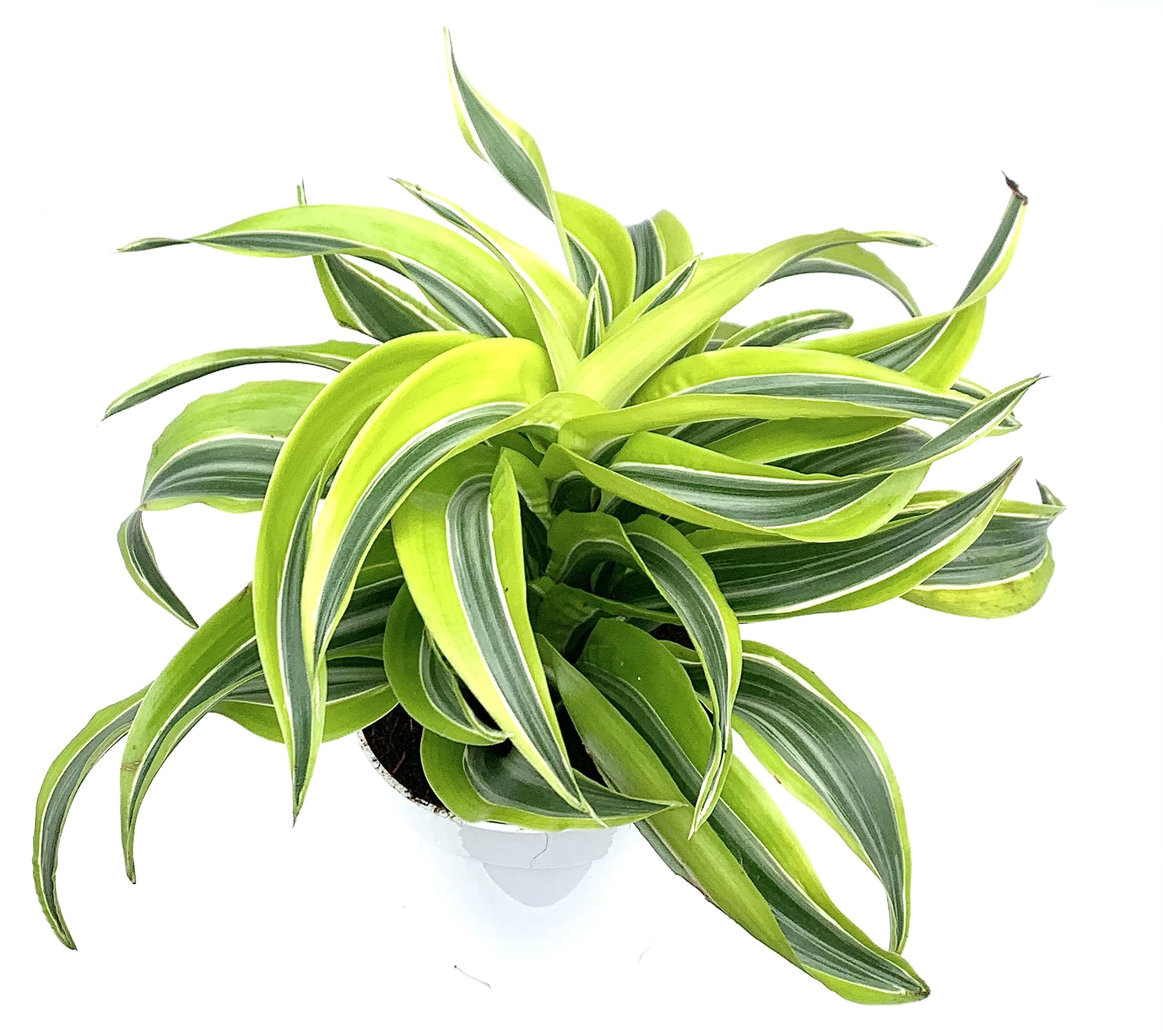
- Naturally filters formaldehyde, benzene, and other common indoor pollutants
- Low-maintenance care requirements make it ideal for busy households
- Adds a lush, green aesthetic that enhances any room decor
Cons
- Air-purifying effect supplements but does not replace mechanical air filters
- Toxic to cats and dogs if ingested
Its compact size makes it perfect for smaller spaces, and we found it easy to move around when redecorating. We noticed a difference in air freshness within days of bringing it home. If you’re looking for a single plant to start your air-purifying collection, this is the one.
Best value set
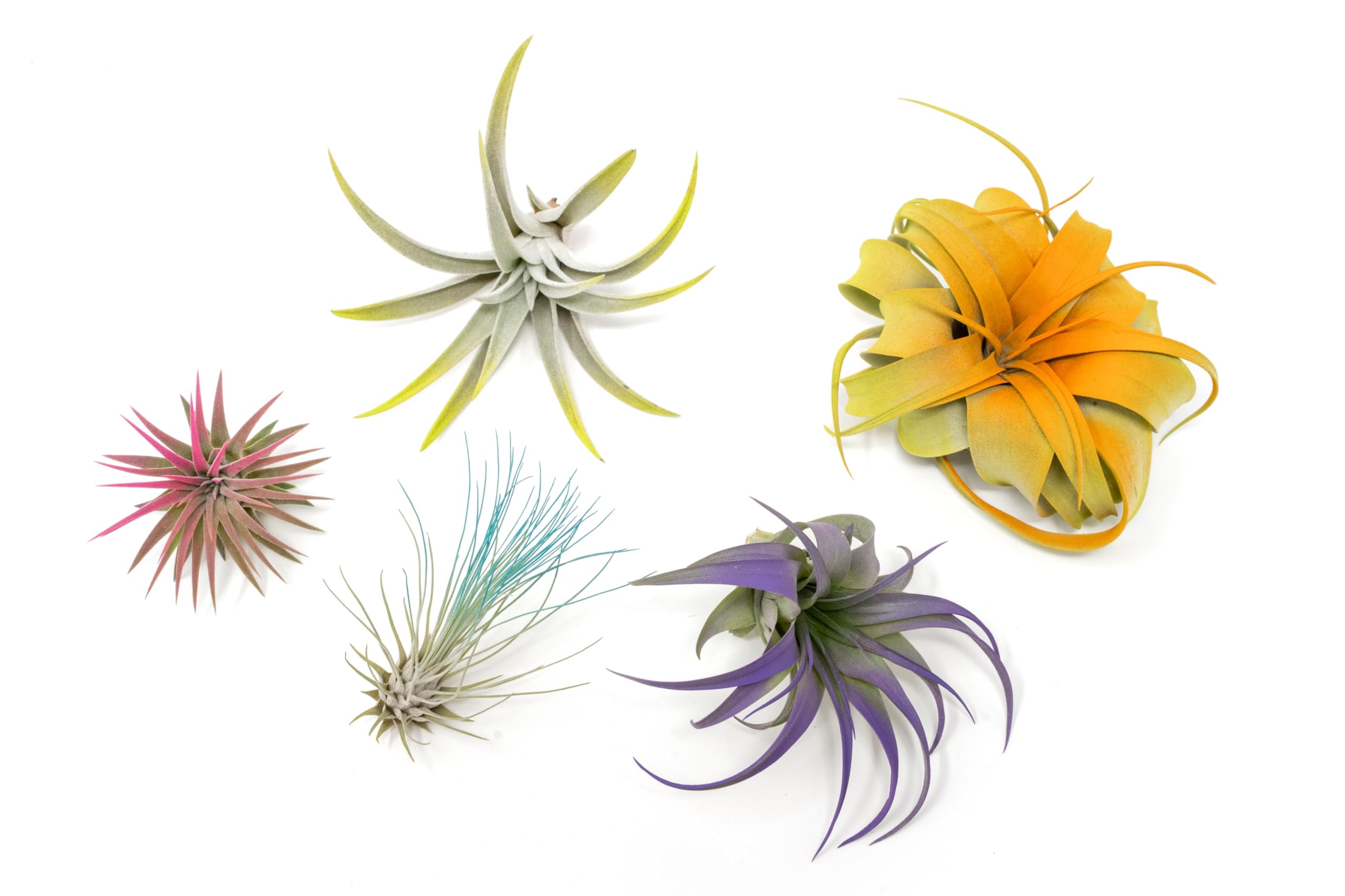
- Multiple plants increase overall air purification coverage
- No soil needed — extremely low-maintenance care
- Creative placement options for small spaces
Cons
- Individual plants are small — best used as a collection
- Need weekly misting or soaking to stay healthy
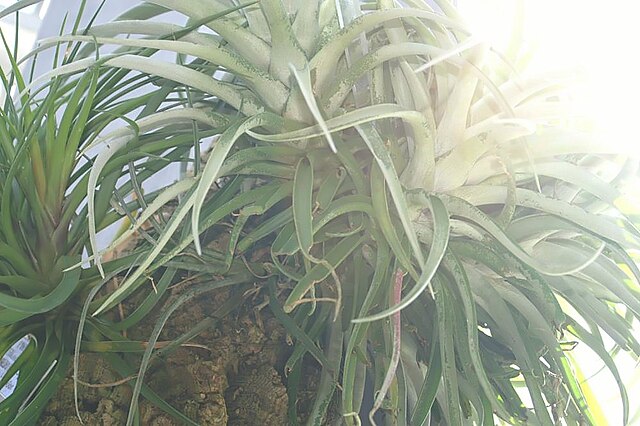
We were impressed by the vivid colors and unique forms of these air plants. Their compact size allows for creative placement in terrariums, on driftwood, or in small spaces where traditional potted plants wouldn’t fit. Great value for starting an air plant collection.
Best for indoors
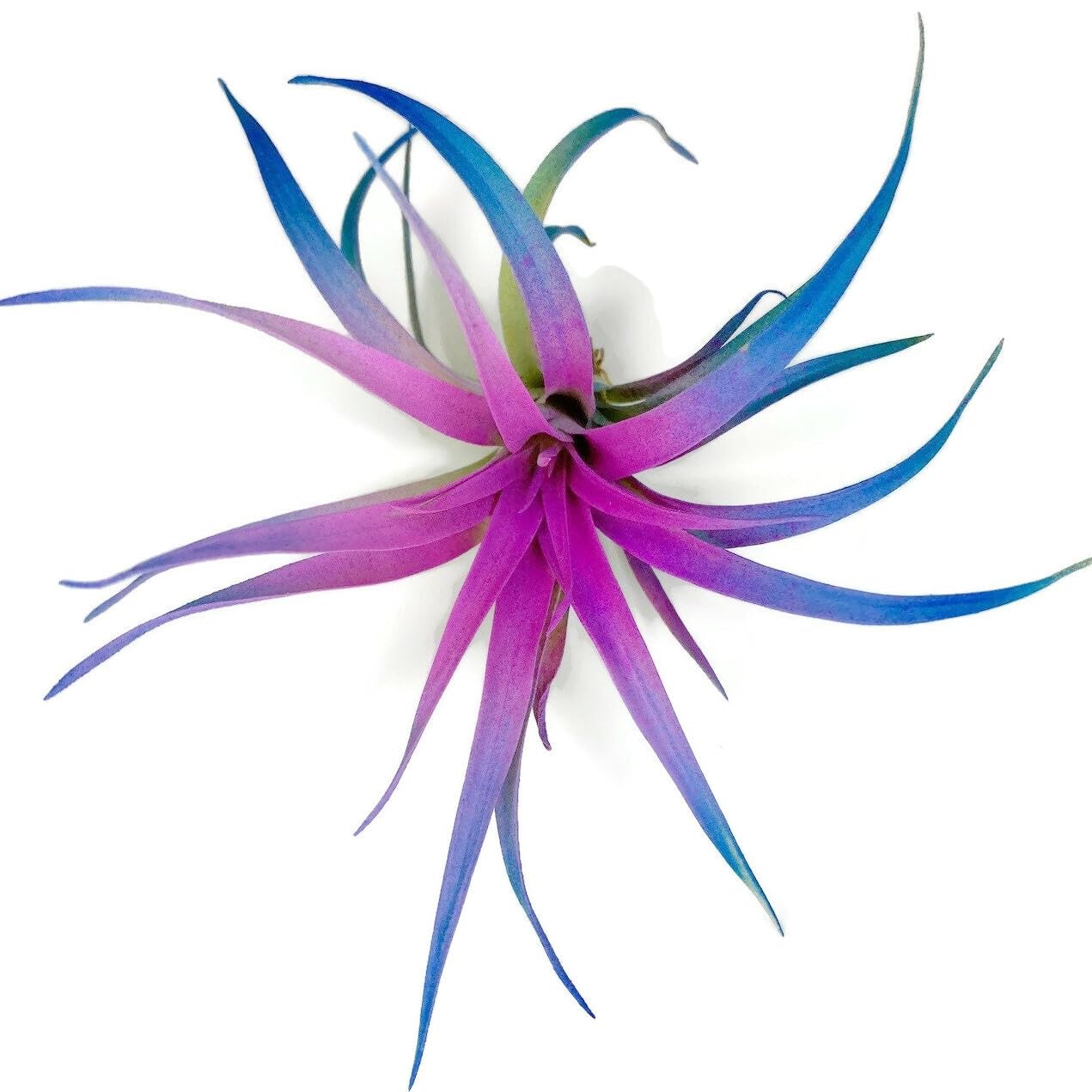
- Striking color adds visual interest to any room
- No soil required — mount on walls, wood, or terrariums
- Helps filter indoor air pollutants naturally
Cons
- Requires regular misting in dry climates
- Slow growing — takes time to see size increase
Best eco-friendly option
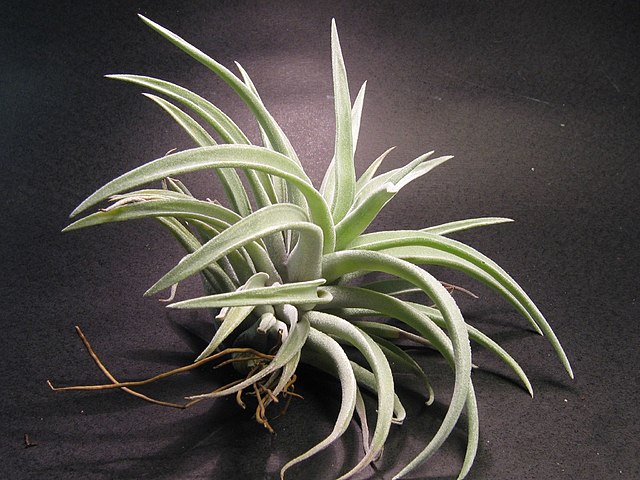
- Sustainably sourced from rainforest growers
- Diverse assortment of species for varied air purification
- Each plant is unique in shape and character
Cons
- Sizes vary — some plants may be smaller than expected
- Requires some research on individual species care
Also great
- Best value per plant for coverage across multiple rooms
- Variety of species in each pack
- Perfect for DIY terrariums and creative displays
Cons
- Size and species vary between orders
- Bulk quantity may be more than needed for beginners
Best Air Purifying Plants by Room
Best Air Purifying Plants for Bedrooms
For bedrooms, choose plants that produce oxygen at night and tolerate lower light. The snake plant is the top choice — it’s one of the few plants that converts CO2 to oxygen after dark. Peace lilies and pothos are also excellent bedroom companions that thrive in low light.
Best Air Purifying Plants for Offices
Office environments often have higher concentrations of formaldehyde (from furniture and printers) and xylene (from markers and adhesives). The best choices are spider plants, pothos, Chinese evergreens, and lady palms — all tolerate fluorescent lighting and inconsistent watering schedules.
Best Air Purifying Plants for Bathrooms
Bathrooms provide the natural humidity that many air purifying plants love. Boston ferns, peace lilies, flamingo lilies, and English ivy all thrive in humid conditions while removing toxins from cleaning products and air fresheners.
Best Air Purifying Plants for Low Light
Low-light spaces can still benefit from air-purifying plants. If natural light is truly minimal, supplement with a quality LED grow light.
If your space doesn’t get much natural light, stick with snake plants, pothos, Chinese evergreens, peace lilies, and philodendrons. All five are proven air purifiers that tolerate low-light conditions remarkably well.
Best Air Purifying Plants Safe for Pets
If you have cats or dogs, safety comes first. These NASA-studied air purifying plants are non-toxic to pets:
- Spider Plant — removes formaldehyde and xylene
- Boston Fern — one of the best formaldehyde removers
- Bamboo Palm — removes formaldehyde, benzene, trichloroethylene
- Areca Palm — excellent natural humidifier
- Barberton Daisy — the #1 benzene remover
- Dwarf Date Palm — powerful formaldehyde absorber
- Lady Palm — removes formaldehyde, xylene, ammonia
Avoid peace lilies, pothos, English ivy, dracaenas, and philodendrons if you have pets that nibble on plants.
Air Purifying Plants Comparison Table
Peace Lily — Care: Beginner | Light: Low-Medium | Removes: All 5 toxins | Pet Safe: No
Bamboo Palm — Care: Intermediate | Light: Medium-Bright | Removes: Formaldehyde, Benzene, TCE, Xylene | Pet Safe: Yes
Snake Plant — Care: Beginner | Light: Any | Removes: Formaldehyde, Benzene, TCE, Xylene | Pet Safe: No
Boston Fern — Care: Intermediate | Light: Medium | Removes: Formaldehyde, Xylene | Pet Safe: Yes
English Ivy — Care: Beginner | Light: Medium-Bright | Removes: Formaldehyde, Benzene, TCE, Xylene | Pet Safe: No
Spider Plant — Care: Beginner | Light: Medium-Bright | Removes: Formaldehyde, Xylene | Pet Safe: Yes
Pothos — Care: Beginner | Light: Any | Removes: Formaldehyde, Xylene | Pet Safe: No
Rubber Plant — Care: Beginner | Light: Medium-Bright | Removes: Formaldehyde | Pet Safe: No
Red-Edged Dracaena — Care: Beginner | Light: Medium-Bright | Removes: Formaldehyde, Benzene, TCE, Xylene | Pet Safe: No
Chrysanthemum — Care: Intermediate | Light: Bright | Removes: All 5 toxins | Pet Safe: No
Barberton Daisy — Care: Intermediate | Light: Bright | Removes: Formaldehyde, Benzene, TCE | Pet Safe: Yes
Areca Palm — Care: Intermediate | Light: Bright | Removes: Formaldehyde, Xylene | Pet Safe: Yes
Chinese Evergreen — Care: Beginner | Light: Low-Medium | Removes: Formaldehyde, Benzene | Pet Safe: No
Aloe Vera — Care: Beginner | Light: Bright | Removes: Formaldehyde, Benzene | Pet Safe: No
Lady Palm — Care: Beginner | Light: Any | Removes: Formaldehyde, Xylene, Ammonia | Pet Safe: Yes
How Many Air Purifying Plants Do You Need?
NASA’s original recommendation was one plant per 100 square feet of living space. For a typical 1,500-square-foot home, that’s about 15 plants. However, more recent research suggests you may need more plants than that for significant air quality improvement.
A practical approach: start with 2-3 plants in the rooms where you spend the most time (bedroom, living room, home office) and expand from there. Focus on variety — different plants remove different toxins, so a diverse collection provides the broadest air-cleaning coverage.
Tips for Maximizing Air Purification from Indoor Plants
- Keep leaves clean. Dust on leaves reduces a plant’s ability to photosynthesize and absorb pollutants. Wipe leaves with a damp cloth monthly.
- Use quality potting soil. Healthy root systems and soil microorganisms contribute significantly to air filtration. Use well-draining potting mix (not garden soil).
- Place plants strategically. Put plants near pollution sources — new furniture, printers, kitchens, or freshly painted rooms.
- Don’t overwater. Soggy soil can lead to mold growth, which worsens air quality. Let soil dry between waterings for most species.
- Increase variety. Different plants target different pollutants. A mix of 5-10 species gives the broadest coverage.
- Consider plant size. Larger plants with more leaf surface area generally purify more air. A 6-foot palm cleans more air than a small pothos cutting.
- Ventilate too. Plants work best as a complement to good ventilation, not a replacement. Open windows when possible.
Frequently Asked Questions About Air Purifying Plants
Do air purifying plants really work?
Yes. NASA’s Clean Air Study proved that certain houseplants absorb toxic chemicals like formaldehyde, benzene, and trichloroethylene through their leaves and roots. While you’d need many plants to match a mechanical air purifier, even a few plants measurably reduce indoor pollutants while also boosting humidity, reducing stress, and improving mood.
What is the number one best air purifying plant?
The peace lily (Spathiphyllum) is widely considered the best overall air purifying plant. It’s the only plant in NASA’s study that removes all five tested toxins — formaldehyde, benzene, trichloroethylene, xylene, and ammonia. It’s also easy to care for and thrives in low light.
How many plants do I need to purify a room?
NASA recommends at least one air purifying plant per 100 square feet. For a typical 200-square-foot bedroom, 2-3 medium-sized plants is a good starting point. For noticeable improvement in a larger living space, aim for 6-10 plants of varied species.
Are air purifying plants safe for cats and dogs?
Some are, some aren’t. Pet-safe air purifying plants include spider plants, Boston ferns, bamboo palms, areca palms, Barberton daisies, dwarf date palms, and lady palms. Avoid peace lilies, pothos, English ivy, dracaenas, and philodendrons around pets, as these are toxic if ingested.
Which air purifying plant removes the most toxins?
The peace lily and florist’s chrysanthemum remove the most types of toxins (all five tested by NASA). For sheer volume, the bamboo palm removes the most formaldehyde (3,196 μg/h), while the Barberton daisy removes the most benzene (4,486 μg/h).
Can air purifying plants help with allergies?
Air purifying plants can help reduce certain allergens by filtering airborne chemicals and increasing humidity (which helps settle dust particles). English ivy has been shown to reduce airborne mold by up to 78%. However, some people may be allergic to plant pollen or mold in potting soil, so monitor your symptoms when introducing new plants.
Do air purifying plants work at night?
Most plants only photosynthesize during the day, but the snake plant and aloe vera are exceptions — they continue to convert CO2 to oxygen at night through a process called Crassulacean Acid Metabolism (CAM). This makes them ideal bedroom plants for improving air quality while you sleep.
Looking for more ways to bring nature indoors? Check out our guide to Japanese plants for indoor gardening, find the best low-maintenance indoor plants, or browse our native plant database for species local to your area.
Related reading: Best indoor plant fertilizers · What pots to use for indoor plants · Best humidifiers for plants · Best watering cans for indoor plants · Vertical garden kits for small spaces · How to deal with aphids on indoor plants · Best self-watering planters for busy gardeners