
Best Garden Wire for Training Plants: Top Picks for 2026
We independently select all products and services. If you click through links we provide, Plant Native may earn a commission with no extra cost to you. As an Amazon Associate I earn from qualifying purchases.
Last updated: August 17, 2026
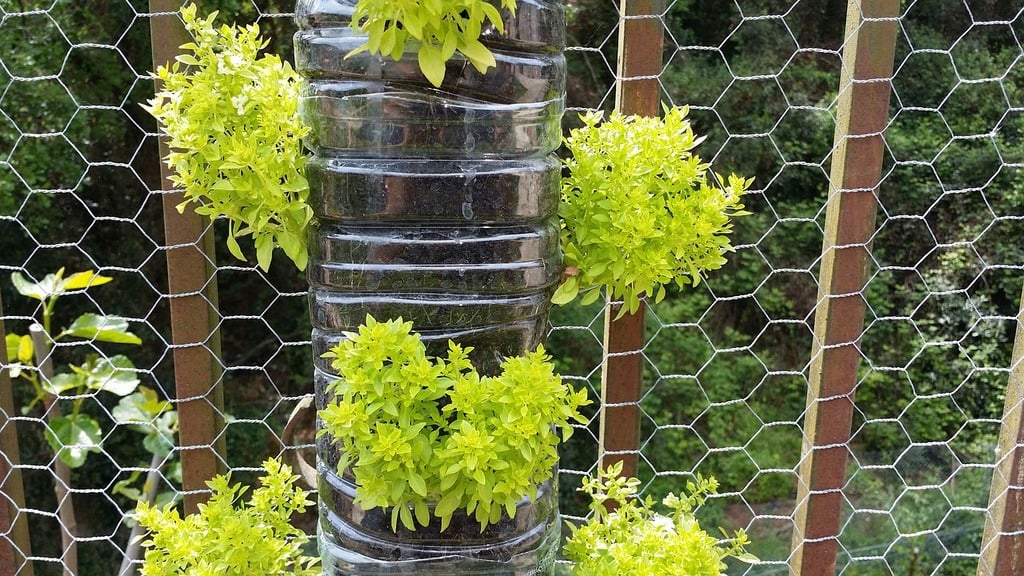
Gardening is a rewarding hobby that requires a lot of patience and dedication. Training plants to grow in a specific way is an essential part of gardening, and it can be achieved with the help of garden wire. Garden wire is a versatile tool that can be used for various purposes, including training plants, supporting structures, and securing garden equipment.
When it comes to training plants, the type of garden wire you choose can make a big difference. The best garden wire for training plants should be strong, flexible, and durable. It should also be easy to use and not damage the plants. The critical thing to consider when purchasing garden wire for training plants is the material. You want to make sure that the wire is made of a material that won’t rust or corrode over time.
We spent hours researching and testing different types of garden wire to identify the best one for training plants. In this article, we will share our findings and provide you with the information you need to make an informed decision. Whether you are a seasoned gardener or a beginner, this guide will help you choose the right garden wire for your needs.
Best Garden Wire for Training Plants
We understand how important it is to keep your garden plants healthy and well-maintained. One way to achieve this is by training them to grow in a specific direction using garden wire. With so many options available in the market, it can be overwhelming to choose the right one. That’s why we’ve done the research for you and compiled a list of the best garden wires for training plants. Our selection includes products that are durable, flexible, easy to use, and offer good value for money. Check out our top picks below.
Our top pick
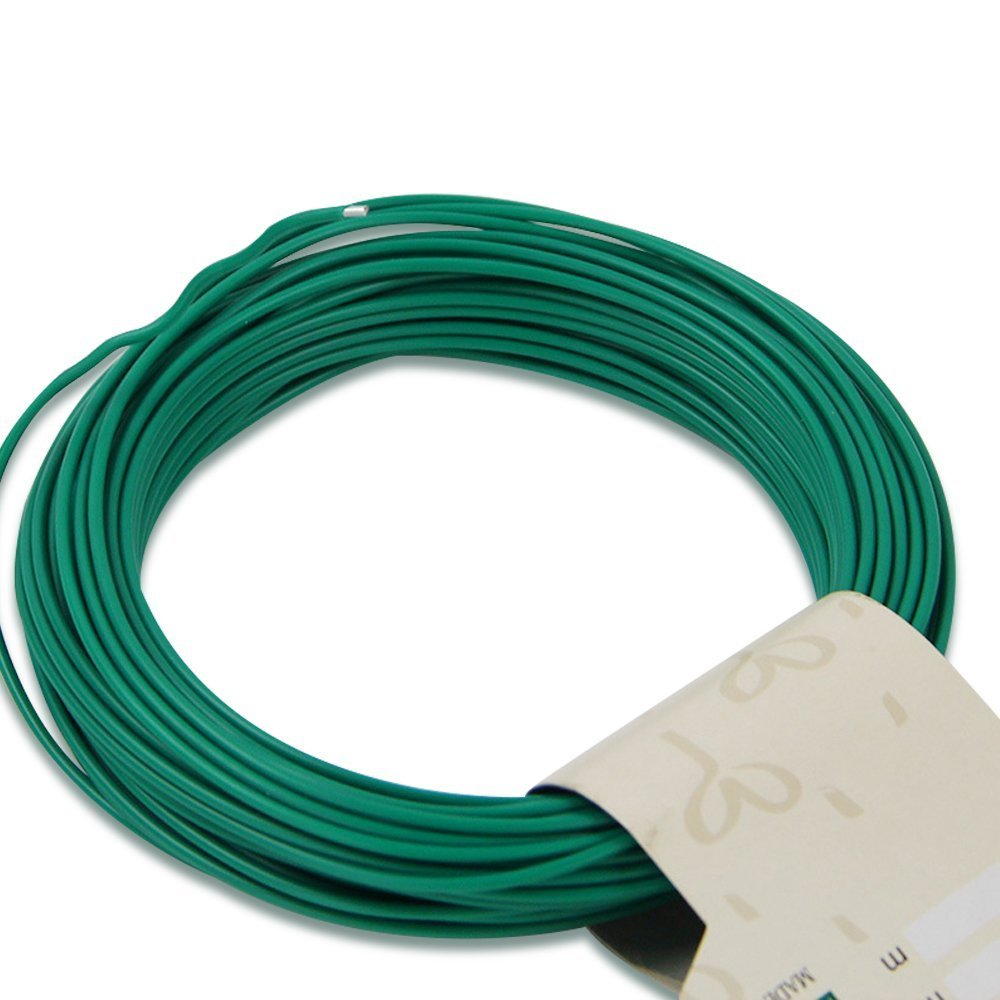
- The diameter of the wire is 1.8mm, making it strong and durable enough to hold your plants in place.
- The total length of the wire is 100 feet, split into two packs of 50 feet each, which gives you enough wire to work with.
- The plastic coating on the wire makes it flexible and easy to use.
Cons
- The wire might not be thick enough for some heavy-duty gardening tasks.
- The plastic coating might not be as durable as some users would want.
- The wire might not be as easy to cut as some other garden wires.
We recently used this garden wire to train our tomato plants to grow vertically, and it worked well for our needs. We also appreciated the length of the wire, which gave us enough to work with. When you weigh all the factors, this one rises above the rest.
Best plastic option
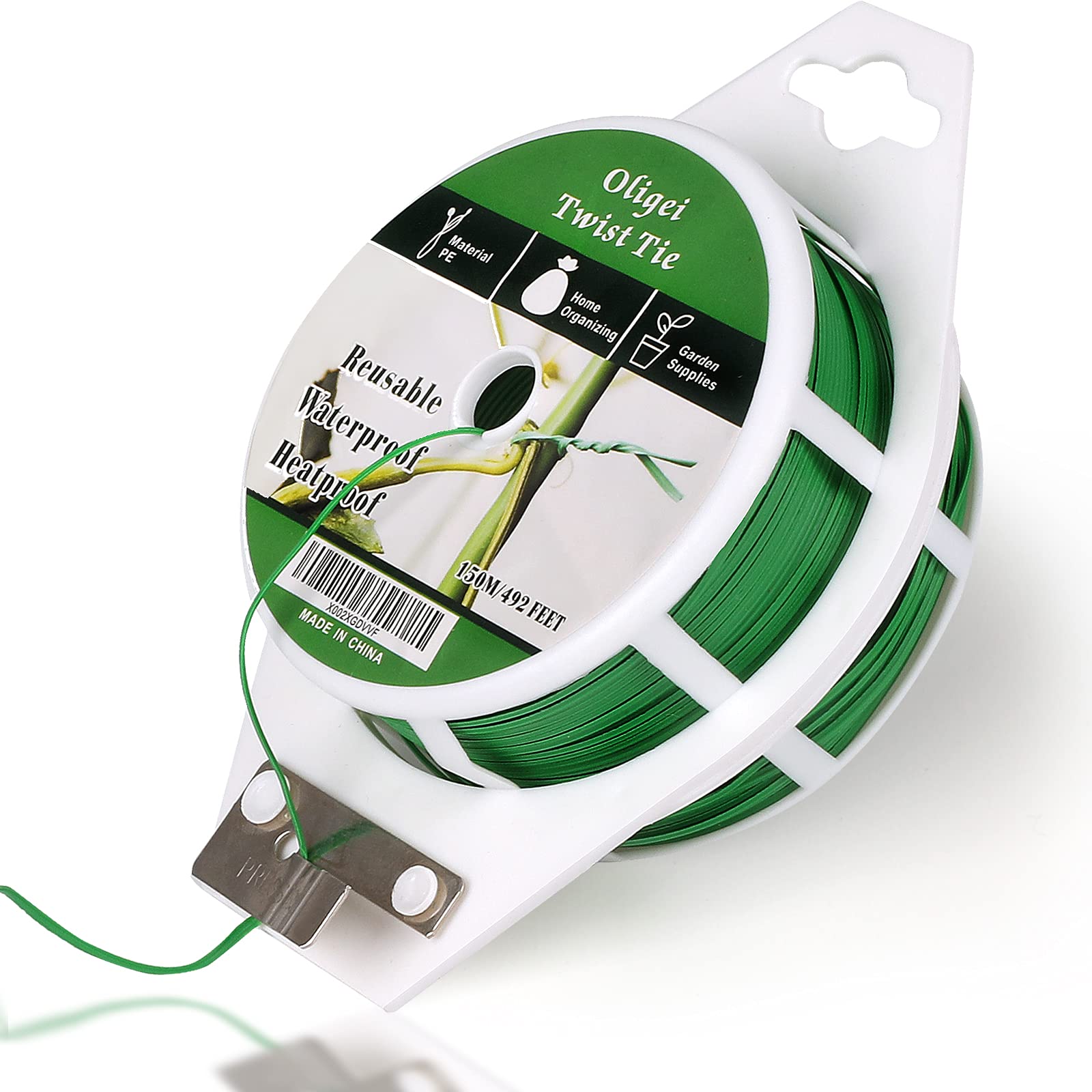
- The 492 feet (150 m) per volume is long enough for all your gardening needs.
- The smooth wire and high-quality green plastic coating make it durable and long-lasting.
- The built-in cutting tools make it easy to use and saves you time.
Cons
- The wire might be too thin for some heavy-duty gardening tasks.
- The packaging can be difficult to open.
- The green plastic coating may not be as thick as some other garden wires.
We recently used Oligei Plant Ties to train our tomato vines, and we were impressed with the quality of the product. Overall, we recommend Oligei Plant Ties for anyone looking for a high-quality garden wire that is easy to use and versatile. It’s a well-earned pick that lives up to the promise.
Best for large areas
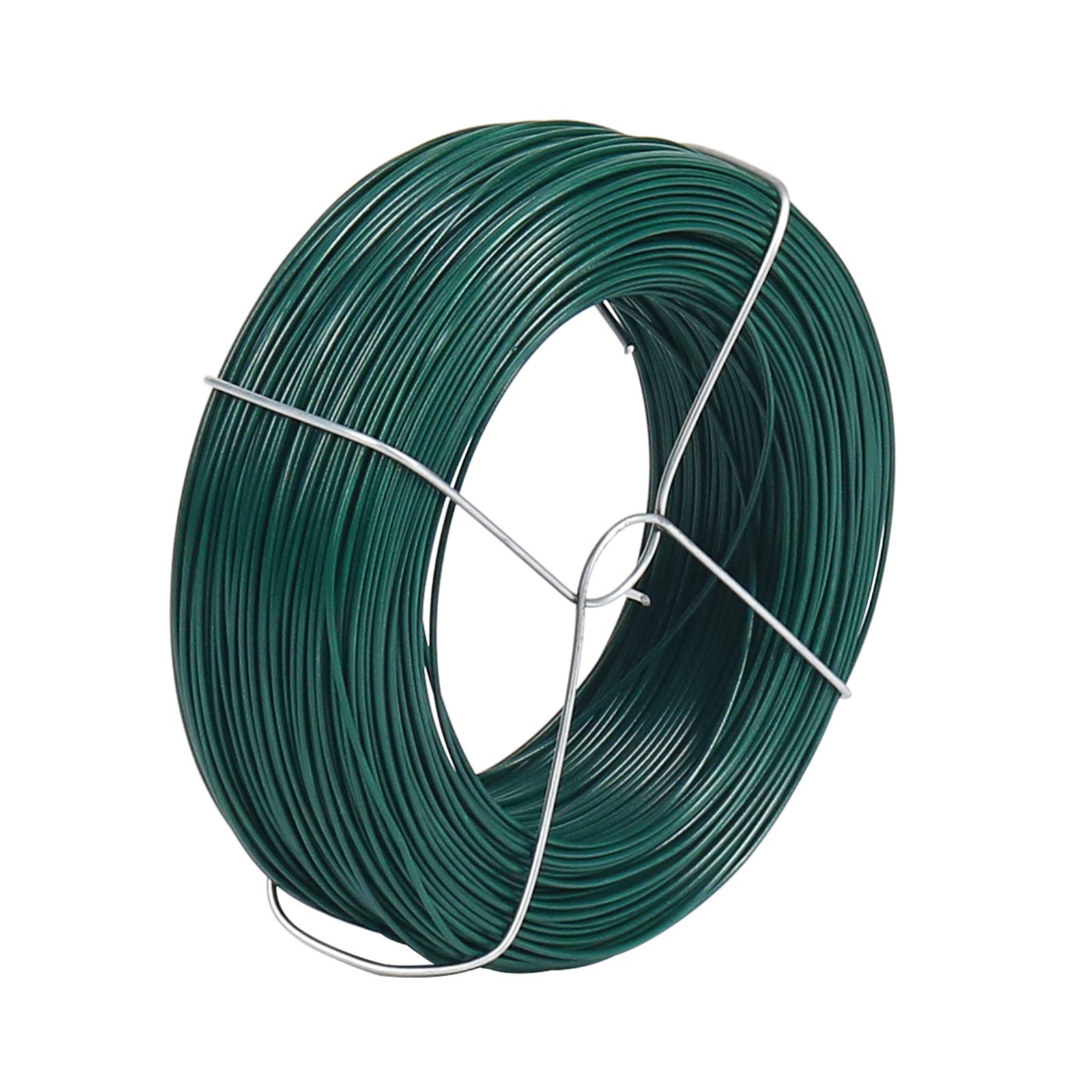
- The 328 feet length is perfect for larger gardens and allows you to use it for multiple purposes.
- The soft plastic coating and wire core make it easy to bend and shape according to your needs.
- The green color blends in with the garden plants, making it less noticeable.
Cons
- The wire is thin and may not be suitable for heavier plants.
- It may unravel easily if not handled properly.
- The wire may snap if too much pressure is applied.
We found the Shintop 328 Feet Plant Twist Tie to be a reliable and convenient option for securing plants, vines, shrubs, and flowers to trellis, stakes, or other plant growing supports. Overall, we highly recommend the Shintop 328 Feet Plant Twist Tie for anyone looking for a versatile and durable garden wire. If you’ve got a big area to cover, this is the way to go.
Best rubber option
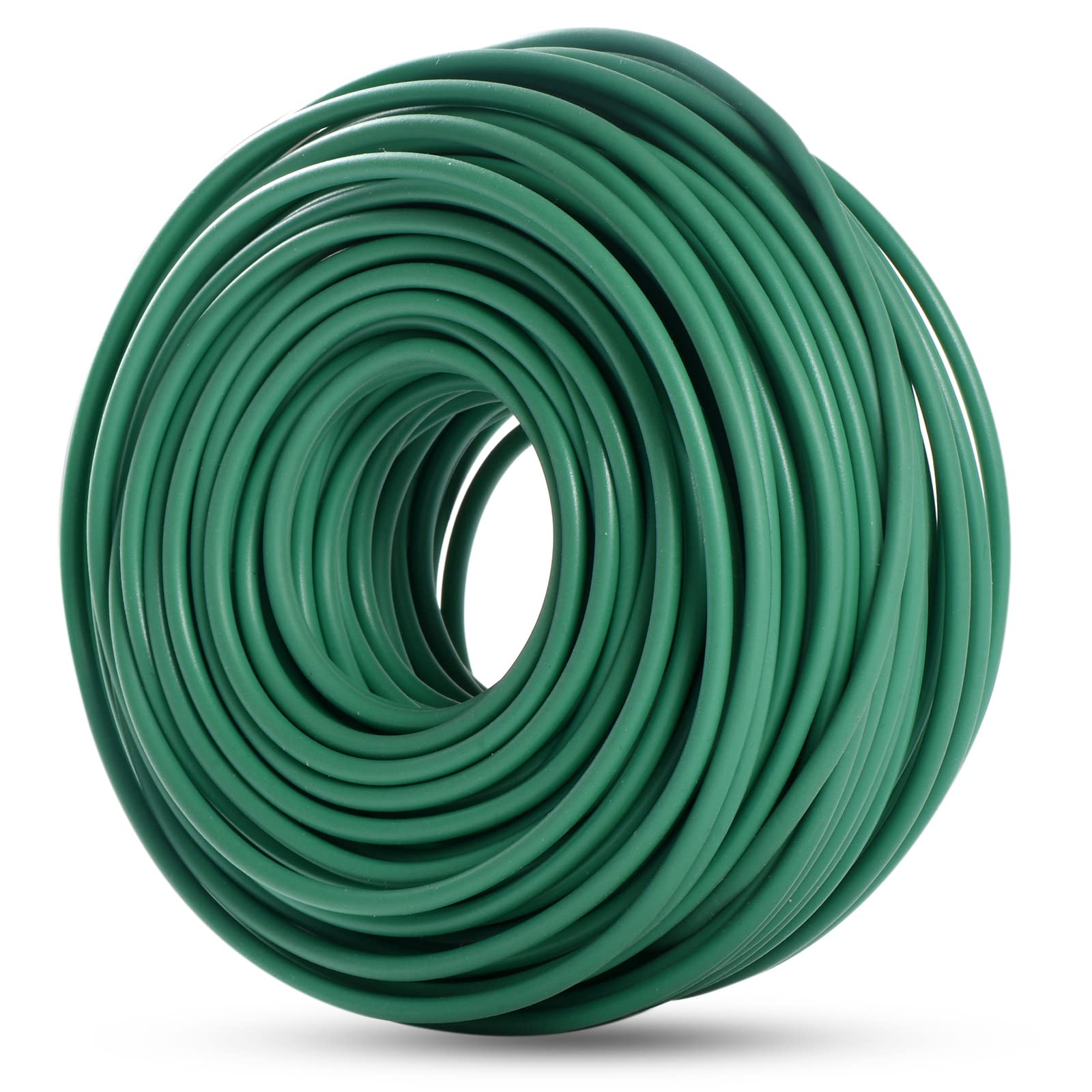
- Made of high-quality rubber TPR, these garden wire ties are durable, sturdy, and bendable. The green color blends in well with the plants, making them less noticeable.
- The soft rubber surface is super smooth and will not damage the stem of your plants while keeping them growing in a certain position. The wire tie can fix your garden plants, indoor green plants, and perfectly resist any bad weather.
- These green gardening tapes for plants have great flexibility and can be bent to various shapes easily. The high-quality raw materials provide stronger support, and the wire tie can assimilate into the surroundings perfectly.
Cons
- The wire tie may not be suitable for heavy plants that require more support.
- The package may not include enough wire for larger gardens.
- The wire tie may lose its shape over time if used excessively.
We were impressed with the performance of YDSL’s soft ties in our garden. We found the wire tie to be flexible enough to be bent into various shapes, and the green color was unobtrusive in the plants. For this particular need, it’s the clear frontrunner.
Best for gardens
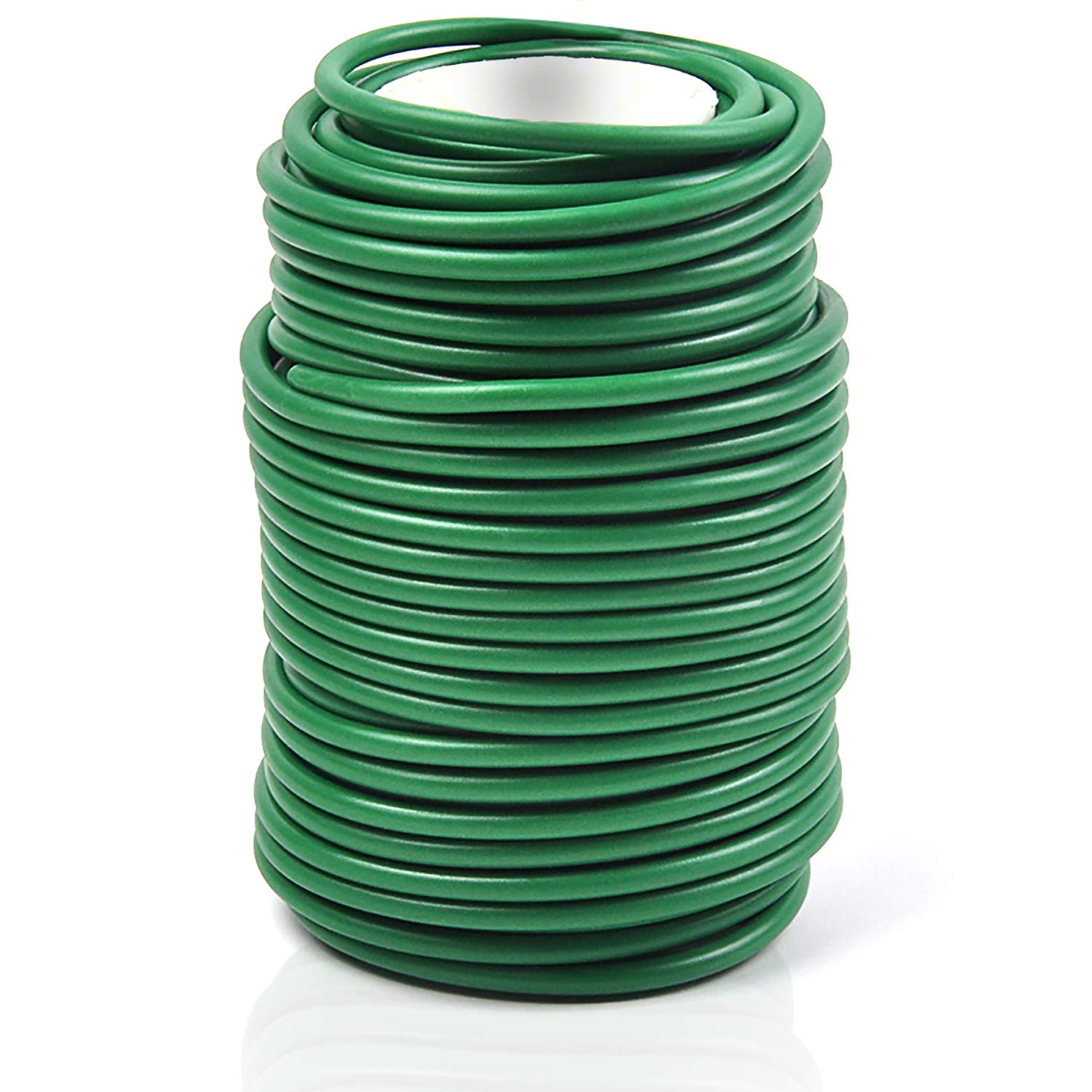
- The combination of thick and thin plant ties ensures durability and flexibility.
- The extended length of 65.6 feet makes it suitable for home use and planting classroom.
- The plant wire is coated by flexible rubber, which is harmless to plants and ideal for tying all plants, vines, and vegetables.
Cons
- The foam may spin on the wire, but it does not affect the performance.
- The price may be a bit expensive for some people.
- The color options may be limited for some customers.
We’ve used this garden wire to train our tomato plants and it worked perfectly. Overall, we highly recommend Decoroca Soft Plant Ties for Support if you’re looking for a reliable and flexible garden wire to train your plants. For this particular need, it’s the clear frontrunner.
Best metal option
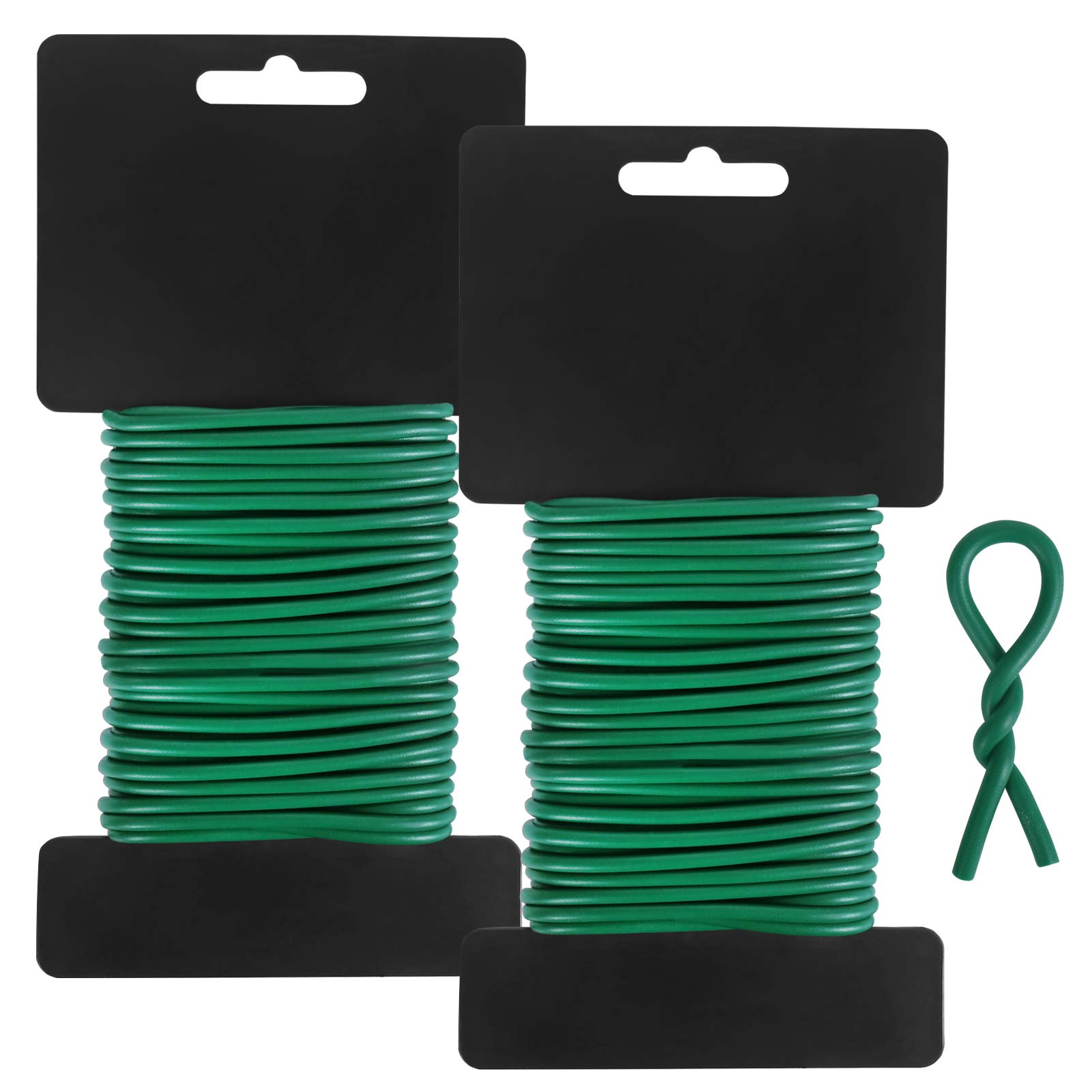
- Made of metal wire coated in soft rubber, the gardening wire is gentle on plant stems and great for supporting tender plants with no damage.
- The 1/8 inch (Approx. 3.5mm) diameter of the plant support wire is thick and sturdy to tie a variety of plants, vines, and flowers to stakes, a trellis, or decorative plant stands.
- The value pack comes with 2 rolls of soft plant ties in a length of 52 feet (26 feet per roll), which is long enough to meet your multiple needs on gardening, home organizing, or crafting.
Cons
- The rubberized coating might pull away from the core if any force is applied, so it might not be very hardy.
- The wire might not be very long-lasting, as some users reported that it might break after a few months of use.
- The color of the wire might fade after prolonged sun exposure.
We’ve used the Tenn Well Garden Wire to train our tomato plants, and we were impressed by how easy it was to twist and shape the wire without damaging the stems. However, we did notice that the rubberized coating started to peel off after a few weeks of use, which might be a concern for some users. It delivers exactly where it counts most.
Best rain option
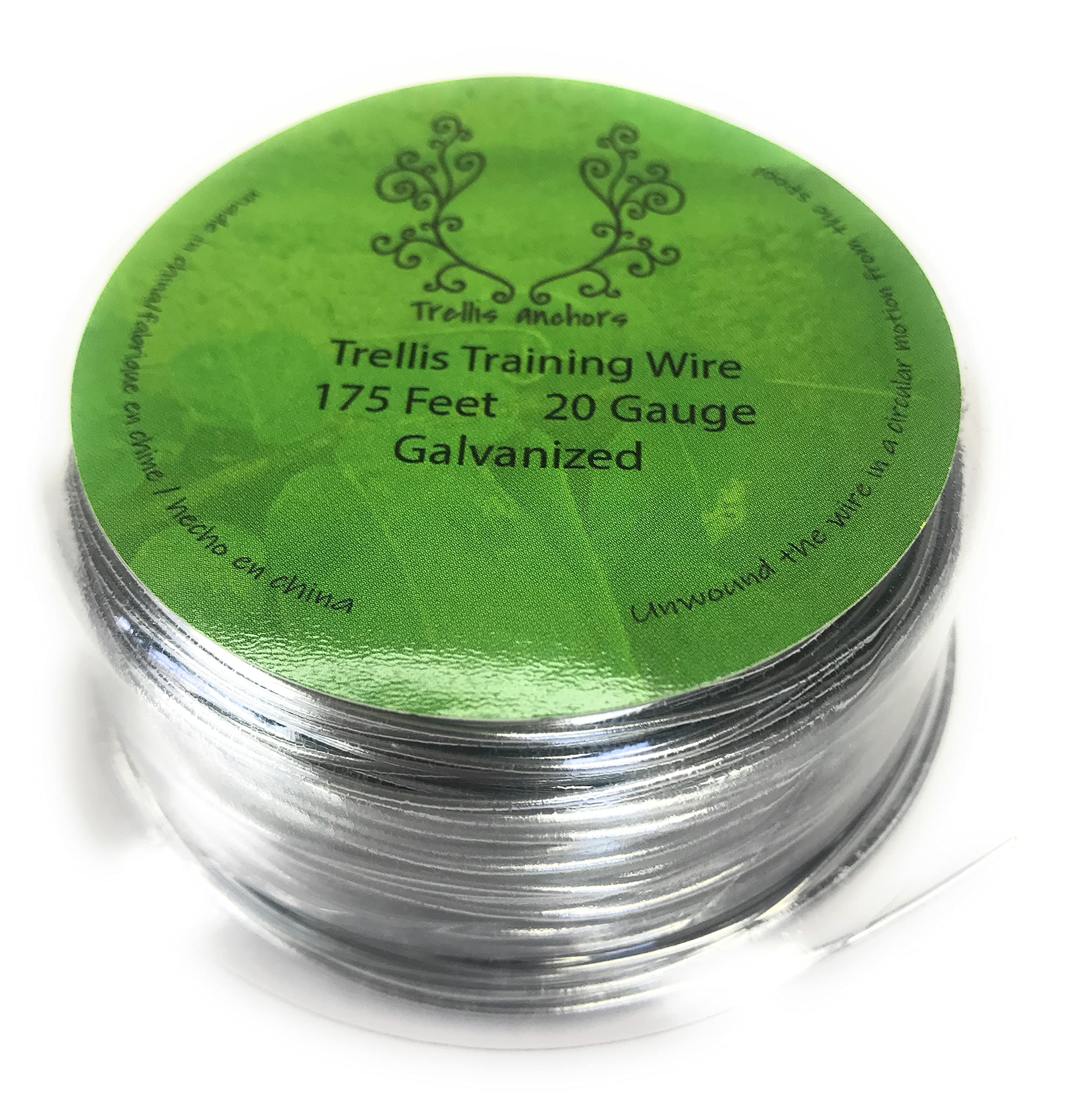
- The wire is easy to unwind and work with, without being messy.
- It is great for training plants, trellis, and wall climbing plants.
- The wire is durable and yet flexible.
Cons
- The packaging could be better, as the wire may get tangled during transport.
- The wire may rust over time if not properly maintained.
- The wire may be difficult to cut with regular scissors.
The wire is easy to unwind and work with, without being messy, making it a great option for those who want to train their plants without any hassle. Additionally, the wire is great for training plants, trellis, and wall climbing plants, providing the necessary support for your plants to grow and thrive. It delivers exactly where it counts most.
Best for vines
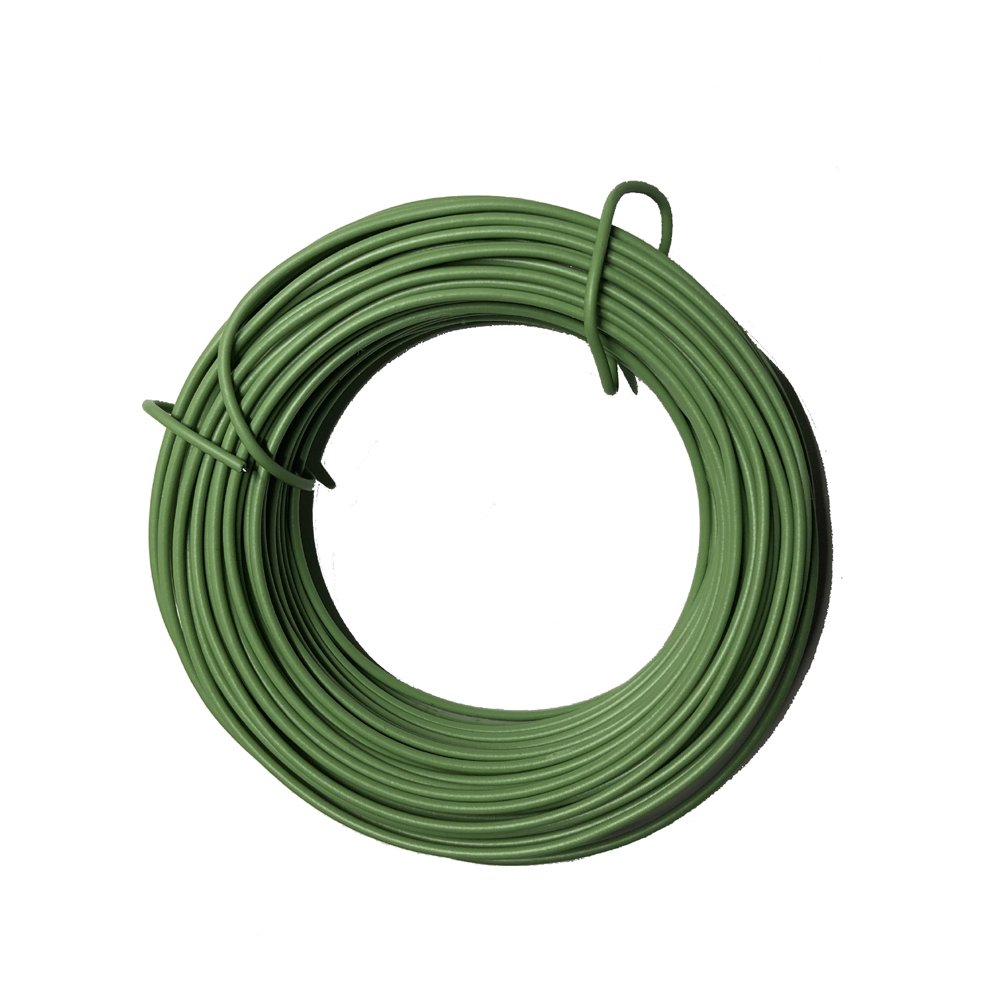
- Soft and strong, holds pretty much any gardening plants, extremely easy to use.
- Easy to cut, easy to wrap growing tendrils, blends nicely with the fence.
- Can be used for various gardening purposes such as tying up fairy lights, wrapping cords, and even trash and recyclables.
Cons
- The wire may be a bit thin for some users’ preferences.
- The plastic coating may not be durable enough for long-term use.
- The wire may not be strong enough to hold heavy plants.
We recently tried out the VIMOA Garden Twine Bonsai Training Wire and found it to be a great tool for our gardening needs. Overall, we would recommend the VIMOA Garden Twine Bonsai Training Wire for anyone looking for a versatile and easy-to-use garden wire. It’s a well-earned pick that lives up to the promise.
Buying Guide
When it comes to choosing the best garden wire for training plants, there are a few key features to consider. We’ve put together a guide to help you make an informed decision.
Material
The first thing to consider is the material of the wire. Some common options include:
- Galvanized steel: This is a strong and durable option, but it may rust over time.
- Aluminum: This is lightweight and resistant to rust, but it may not be as strong as other materials.
- Copper: This is a good option for plants that are sensitive to other metals, but it may be more expensive than other materials.
Gauge
The gauge of the wire refers to its thickness. Thicker wires are stronger and more durable, but they may be more difficult to work with. Thinner wires are easier to manipulate, but they may not be strong enough for larger plants.
Coating
Some garden wires come with a coating to protect them from rust and other damage. This can be a good option if you live in a humid or wet climate, or if you plan to use the wire for a long period of time.
Length
Finally, consider the length of the wire. You’ll want to make sure you have enough to cover all of your plants, but you don’t want to waste money on excess wire that you won’t use.
By considering these factors, you can choose the best garden wire for your needs. Remember to choose a wire that is strong, durable, and resistant to rust and other damage.
Frequently Asked Questions
What type of wire ensures the best support for climbing plants?
When it comes to supporting climbing plants, we recommend using galvanized steel wire or stainless steel wire. These materials are strong and durable, and they can withstand the weight of the plants as they grow. Additionally, they won’t rust or corrode over time, which means they’ll last longer and won’t damage your plants.
How do you select the appropriate gauge of wire for plant training?
The appropriate gauge of wire for plant training will depend on the weight of the plant and the distance between the support points. As a general rule, the heavier the plant, the thicker the wire should be. We recommend using a wire gauge of at least 12 for most plant training applications.
Which materials are most durable for outdoor plant training wires?
For outdoor plant training wires, we recommend using galvanized steel or stainless steel wire. These materials are resistant to rust and corrosion, which means they’ll last longer and won’t damage your plants. Additionally, they’re strong and durable, which means they can withstand the elements and the weight of your plants.
What are the advantages of using coated wire for plant support?
Coated wire can be a good option for plant support because it’s less likely to damage your plants. The coating provides a layer of protection between the wire and the plant, which can prevent damage to the plant’s stems and leaves. Additionally, coated wire is available in a variety of colors, which means it can blend in with your garden and be less noticeable.
How can plant training clips complement wire support systems?
Plant training clips can be a great complement to wire support systems because they can hold the plant in place without damaging it. Clips can be used to attach the plant to the wire support system, which can help prevent the plant from falling or breaking. Additionally, clips can be adjusted as the plant grows, which means they can provide support throughout the plant’s life cycle.
What are the key considerations when installing a trellis wire system?
When installing a trellis wire system, there are a few key considerations to keep in mind. First, you’ll need to determine the appropriate distance between the support points based on the weight of the plant. Additionally, you’ll need to ensure that the wire is securely attached to the support points to prevent it from falling. Finally, you’ll need to consider the height of the trellis and ensure that it’s tall enough to accommodate the plant as it grows.
Interesting. My experience has been a little different but every garden is unique I guess.
Fair point, Ruth. Every garden is different and results can definitely vary by region. Thanks for sharing your experience! -Plant Native Team
Would this work in partial shade? My yard only gets about 4 hours of direct sun.
Patience is key! Sometimes it takes a full season to really see results. Make sure the soil conditions are right and give it time. -Plant Native Team