
Evergreen Trees: Keeping Their Leaves Year-Round
Last updated: August 17, 2026
Evergreen trees are a popular choice for landscaping and gardening due to their year-round foliage and ability to provide privacy. These trees retain their leaves throughout the year, unlike deciduous trees that shed their leaves in the fall. Evergreens come in a variety of shapes and sizes, from towering pines to low-lying junipers, making them a versatile option for any outdoor space.
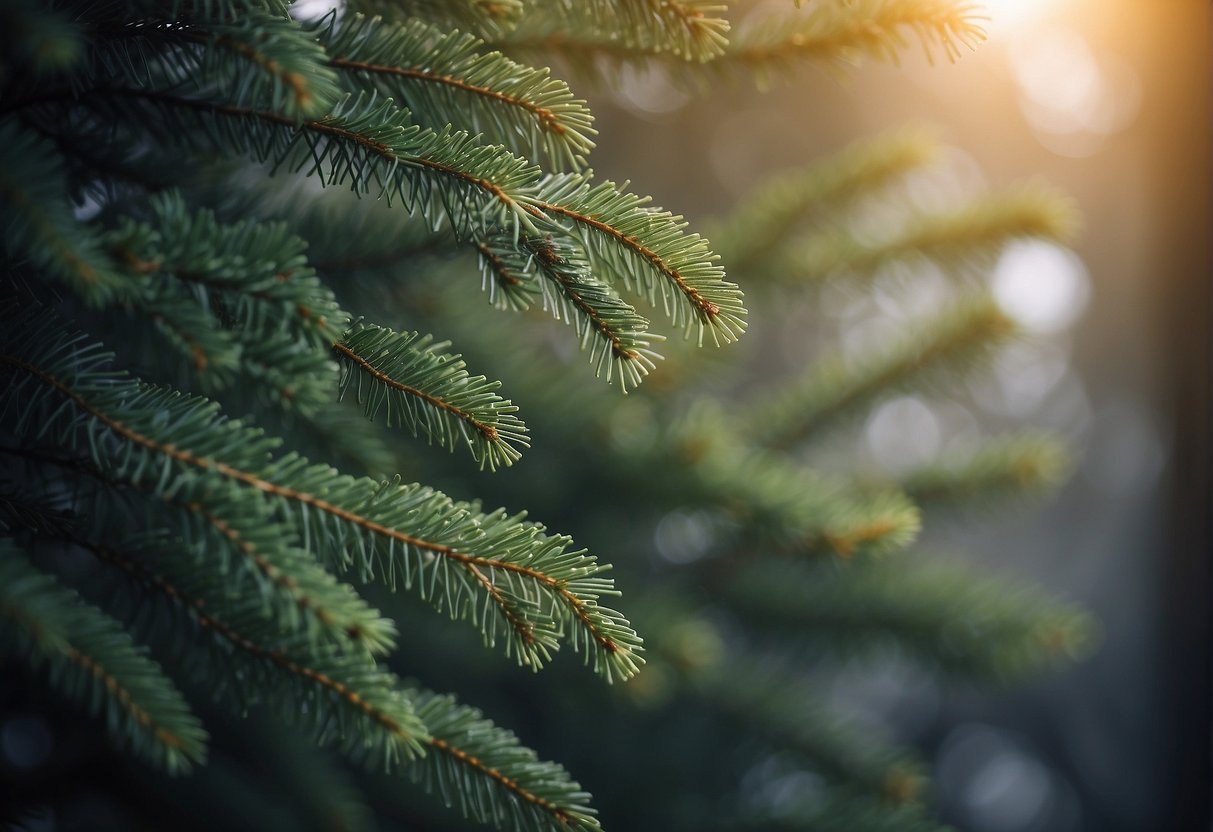
One of the main benefits of evergreen trees is their ability to provide year-round privacy. Whether you’re looking to block out noise from a busy street or create a secluded outdoor space, evergreens can be a great solution. They also provide a natural barrier against wind and snow, helping to protect your home and garden from the elements.
In addition to their practical benefits, evergreen trees are also prized for their beauty. Many species have attractive foliage, such as the glossy dark green needles of the eastern white pine or the silvery-blue leaves of the Colorado blue spruce. Some evergreens even produce colorful flowers or berries, adding even more visual interest to your outdoor space.
Characteristics of Evergreen Trees
Evergreen trees are a unique type of tree that keeps its foliage green throughout the year. These trees are known for their ability to adapt to different environments and maintain their green color, even in harsh weather conditions. In this section, we will discuss the characteristics of evergreen trees, including their leaf structure, common species, and environmental benefits.
Leaf Structure and Adaptations
Evergreen trees have a unique leaf structure that allows them to survive in different environments. Unlike deciduous trees, which lose their leaves in the fall, evergreen trees have leaves that remain on the tree year-round. The leaves of evergreen trees are typically dark green in color, and they come in a variety of shapes and textures. Some evergreen trees have needles instead of leaves, such as pine trees, which are known for their long, thin needles.
Evergreen trees have adapted to their environment by developing a thick, waxy layer on their leaves that helps to protect them from harsh weather conditions. This extra layer of protection helps the tree to retain moisture and prevent damage from wind and snow. Evergreen trees also have strong roots that help them to absorb nutrients from the soil and stay firmly anchored in the ground.
Common Evergreen Species
There are many different species of evergreen trees, each with its own unique characteristics. Some common evergreen species include pine trees, holly trees, and olive trees. Pine trees are known for their long, thin needles and their ability to grow in harsh environments. Holly trees are known for their glossy leaves and bright red berries, which make them a popular choice for holiday decorations. Olive trees are known for their silvery-green leaves and their ability to produce delicious olives.
Environmental Benefits and Uses
Evergreen trees provide a number of environmental benefits, including producing oxygen through photosynthesis and providing habitat for wildlife. They are also used for a variety of purposes, such as building materials, paper products, and essential oils. Evergreen shrubs are often used for landscaping and can provide a beautiful backdrop for gardens and outdoor spaces.
In addition to their environmental benefits, evergreen trees are also valued for their longevity. Unlike deciduous trees, which have a limited lifespan, evergreen trees can live for hundreds of years and provide shade and beauty for generations to come.
Overall, evergreen trees are a unique and valuable part of our natural environment. Their ability to adapt to different environments and maintain their green color year-round makes them a popular choice for landscaping and a valuable resource for a variety of industries.
Caring for Evergreens
Evergreens are a great addition to any garden or landscape. They are known for their ability to keep their leaves year-round, which makes them a popular choice for homeowners who want to maintain a lush and green garden throughout the year. However, like any other plant, evergreens require proper care and maintenance to thrive. Here are some important tips for caring for evergreens:
Soil and Water Requirements
Evergreens require well-drained soil that is rich in nutrients. They prefer slightly acidic soil with a pH level between 5.0 and 6.5. It is important to water evergreens regularly, especially during dry periods, to prevent the soil from drying out. However, overwatering can lead to root rot, so it is important to strike a balance. A good rule of thumb is to water deeply once a week, rather than shallowly every day.
Pruning and Maintenance
Pruning is an important part of maintaining evergreens. It helps to promote healthy growth and prevent the tree from becoming too dense. The best time to prune evergreens is in late winter or early spring, before new growth begins. It is important to use sharp pruning shears and to make clean cuts to avoid damaging the tree. Regular trimming can also help to maintain the shape and size of the tree.
Landscaping with Evergreens
Evergreens are versatile and can be used in a variety of landscaping designs. They are great for creating windbreaks and privacy screens, as well as adding texture and color to a garden. When planting evergreens, it is important to consider their mature size and growth habits. Some evergreens can grow quite large, so it is important to leave enough space for them to grow.
Overall, evergreens are a great addition to any garden or landscape. With proper care and maintenance, they can provide year-round beauty and enjoyment.
Top Evergreen Trees for Home Landscapes
Choosing the right evergreen for your yard means considering mature size, growth rate, light requirements, and climate adaptability. Here are outstanding performers across different landscape needs:
For Privacy Screening
- Leyland Cypress (× Cupressocyparis leylandii): The most popular fast-growing privacy screen in the US. Grows 3-5 feet per year until reaching 50+ feet. Dense, dark green foliage creates an impenetrable screen. Best in Zones 6-10. Note: Can develop disease problems in humid climates when planted too close together.
- Green Giant Arborvitae (Thuja standishii × plicata): Disease-resistant alternative to Leyland Cypress. Grows 3-5 feet per year, reaches 30-50 feet. Extremely adaptable, Zones 5-8. One of the most widely used privacy trees in America.
- American Holly (Ilex opaca): Native, slower-growing, but provides 12-month-a-year wildlife habitat with berries that feed birds through winter. Reaches 15-25 feet. Excellent structural interest year-round.
For Specimen and Focal Points
- Colorado Blue Spruce (Picea pungens ‘Glauca’): Striking silvery-blue foliage that looks especially dramatic against snow. Perfect conical form. Zones 2-8. Grows 30-60 feet at maturity.
- Eastern Red Cedar (Juniperus virginiana): Native and tough as nails — survives drought, poor soil, and cold that would kill most trees. Important wildlife tree (cedar waxwings rely on berries). Zones 2-9.
- Magnolia ‘Little Gem’: A compact Southern Magnolia that stays under 20 feet. Produces large white fragrant blooms from spring through summer while maintaining glossy evergreen foliage year-round. Excellent for smaller yards. Zones 7-9.
For Shade
- Live Oak (Quercus virginiana): The iconic Southern shade tree — massive, broad-spreading canopy that can reach 80 feet wide. Semi-evergreen in colder parts of its range. Lives hundreds of years. Zones 7-10.
- Southern Magnolia (Magnolia grandiflora): One of the most beloved shade trees in the South, combining year-round foliage with spectacular summer blooms. Zones 7-9.
- White Fir (Abies concolor): Silvery-blue-green needles and pyramidal form. More drought-tolerant than most firs. Excellent large shade tree for cooler climates. Zones 4-7.
Evergreen Trees vs. Deciduous Trees — Key Differences
Understanding why evergreens keep their leaves helps you choose and site them better:
- Leaf adaptation: Conifer needles are highly modified leaves with reduced surface area, thick waxy coating, and deep-set stomata — all reduce water loss in cold or dry conditions when water in the soil may be unavailable
- Year-round photosynthesis: Evergreens can photosynthesize on mild winter days, giving them an energy advantage over deciduous trees that are completely dormant
- Nutrient retention: By keeping leaves, evergreens retain the energy and nutrients invested in leaf production for multiple years — needles on pines and firs typically live 2-5 years before dropping
- Snow load risk: The same foliage that makes evergreens valuable for wind and snow screening can cause branch breakage under heavy snow loads — broader-crowned species like spruce are more vulnerable than columnar forms
Caring for Established Evergreen Trees
- Watering: Newly planted evergreens need consistent moisture for the first 2-3 years. Established trees are generally drought-tolerant, though pines and spruces appreciate deep watering during summer droughts.
- Fertilizing: Most established evergreens don’t need annual fertilization. If growth has slowed or foliage color has faded, a slow-release fertilizer formulated for evergreens in early spring can help.
- Pruning: Most evergreens need minimal pruning. Dead or damaged branches should be removed any time. For shaping, prune conifers in late spring when new growth is emerging. Avoid cutting into bare wood on pines — they don’t bud back from old wood.
- Winter burn: Browning on foliage during winter is caused by desiccation — the needles lose moisture to dry winter winds while frozen ground prevents water uptake. Anti-desiccant sprays and windbreaks help young trees.
Key Takeaways
- Evergreen trees retain foliage year-round through specialized leaf adaptations — thick waxy coatings, reduced surface area, and protective mechanisms
- Conifers (pines, spruces, firs) are not the only evergreens — many broadleaf trees like magnolias, hollies, and live oaks are also evergreen
- Privacy screening, wildlife habitat, windbreaks, and year-round beauty are the main landscape benefits
- Match your evergreen choice to your climate zone — not all evergreens are equally cold or heat-hardy
- Newly planted evergreens need consistent watering for 2-3 years to establish their root systems
Frequently Asked Questions
Do evergreen trees lose any leaves at all?
Yes — all trees shed some leaves, even evergreens. The difference is timing and rate. Evergreens shed leaves continuously in small amounts throughout the year, so there’s always new growth replacing old leaves. Deciduous trees shed all leaves simultaneously in fall. You may notice an evergreen dropping older interior needles (especially on pines) in late summer — this is normal and not a sign of disease.
Which evergreen tree grows the fastest?
Leyland Cypress and Green Giant Arborvitae are among the fastest-growing evergreens at 3-5 feet per year. Eastern White Pine grows 2-3 feet per year and eventually becomes a large, stately specimen. Murray Cypress (a Leyland hybrid) grows at similar rates. For shade, the Live Oak grows surprisingly fast for an oak — 1-2 feet per year in good conditions. Fast-growing trees often come with trade-offs in shorter lifespan or wood strength, so balance speed with durability for long-lived plantings.
What is the best small evergreen tree for a small yard?
For small yards, consider: Sky Pencil Holly (Ilex crenata ‘Sky Pencil’) — only 3-4 feet wide but 6-10 feet tall; ‘Emerald Green’ Arborvitae — columnar form reaching only 4-5 feet wide; Magnolia ‘Little Gem’ — compact Southern Magnolia staying under 20 feet; or Cryptomeria japonica ‘Yoshino’ — elegant Japanese cedar that stays under 30 feet with a manageable footprint. Match the mature size to your available space — a common mistake is planting trees that become too large for the site.
For more on specific types of evergreens, see our guides on evergreen trees for Indiana, evergreen trees for Oklahoma, and privacy trees that grow in shade.
 Looking for a nursery that carries native trees?
Browse our native plant nursery directory
My neighbor has been doing this for years and her yard looks amazing. Time for me to give it a shot.
We have a small backyard in Portland and space is tight. Some of these ideas might actually work for us.
Wish this went into more detail on the maintenance side. That’s where most people run into trouble.
Some good points here. I’ve had mixed results personally but worth trying again.
Fair point, Michael. Every garden is different and results can definitely vary by region. Thanks for sharing your experience! -Plant Native Team
The info on soil is a bit thin. That’s honestly the most important part and it barely gets a mention.