
Maple Trees for Colorado: Best Varieties for High Altitude Landscapes
Last updated: September 13, 2026
Maple trees are a popular choice for landscaping in Colorado due to their vibrant foliage and ability to thrive in the state’s climate. With their stunning colors and unique shapes, maple trees can add a touch of natural beauty to any outdoor space. However, not all maple trees are suitable for Colorado’s climate, so it’s important to choose the right variety for your landscape.
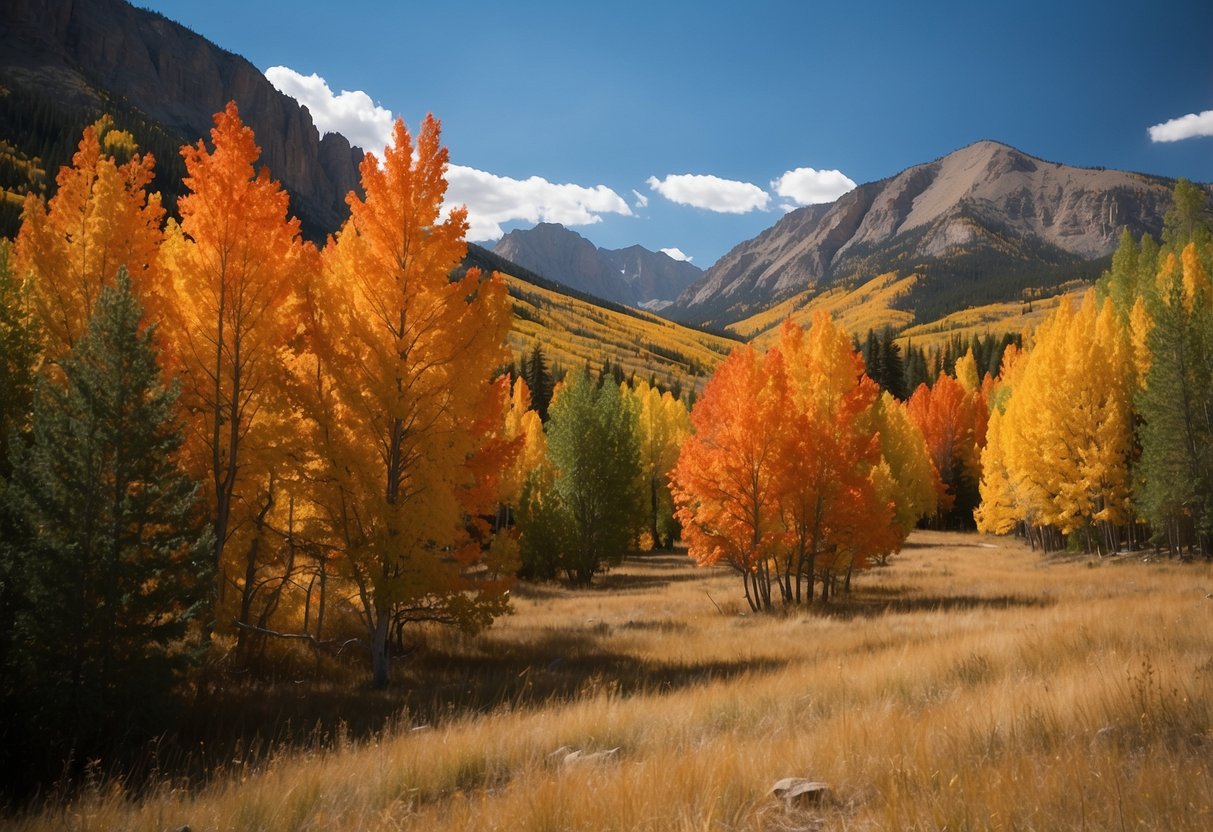
Colorado is home to several species of maple trees, each with its own unique characteristics and requirements. Some of the most popular species include the Tatarian Maple, Red Maple, Green Mountain Maple, Painted Maple, Bigtooth Maple, Sugar Maple, Norway Maple, and Amur Maple. Each of these species has its own distinct foliage, growth habits, and environmental preferences, so it’s important to choose the right one for your specific needs.
When choosing a maple tree for your Colorado landscape, it’s important to consider factors such as soil type, sun exposure, and water requirements. Some species prefer well-drained soils, while others can tolerate wetter conditions. Similarly, some species require full sun exposure, while others prefer partial shade. By taking these factors into account, you can choose a maple tree that will thrive in your specific landscape and add natural beauty to your outdoor space.
Selecting Maple Trees for Colorado Climates

Understanding Colorado’s Unique Environment
Colorado’s climate is characterized by cold winters, hot summers, and low humidity. This unique environment can be challenging for many tree species, including maples. However, there are several maple species that are well-suited for Colorado’s climate.
Maple Species Suited for Colorado
When selecting a maple tree for Colorado landscapes, it is essential to consider factors such as soil type, elevation, and climate. The Tatarian Maple (Acer tataricum) is a popular and hardy species that is well-suited for Colorado’s climate. It is a small tree or shrub that can tolerate harsh winters and is native to Southeastern Europe and Western Asia. Another suitable species is the Bigtooth Maple (Acer grandidentatum), which is native to the Rocky Mountains and can withstand higher altitudes.
Other maple species that can thrive in Colorado’s climate include the Boxelder Maple (Acer negundo), which is a fast-growing and adaptable species that can tolerate a range of soil conditions. The Rocky Mountain Maple (Acer glabrum) is another native species that can tolerate harsh winters and is well-suited for Colorado’s climate.
Factors Influencing Maple Tree Health
Several factors can influence the health and growth of maple trees in Colorado. Soil conditions, sun exposure, and watering practices are crucial factors that can impact the growth and hardiness of maple trees. It is important to choose a suitable location for planting the tree and ensure that it receives adequate sunlight and water.
Pests and diseases can also affect the health of maple trees. Regular maintenance and monitoring can help prevent and control pest infestations and diseases. It is recommended to consult with a local nursery or arborist to choose the right maple species and receive guidance on proper maintenance practices.
In summary, selecting the right maple tree species for Colorado’s unique environment is crucial for ensuring healthy growth and hardiness. By considering factors such as soil conditions, elevation, and climate, and choosing a suitable location for planting, maple trees can thrive in Colorado’s challenging climate.
Enhancing Landscapes with Maple Trees
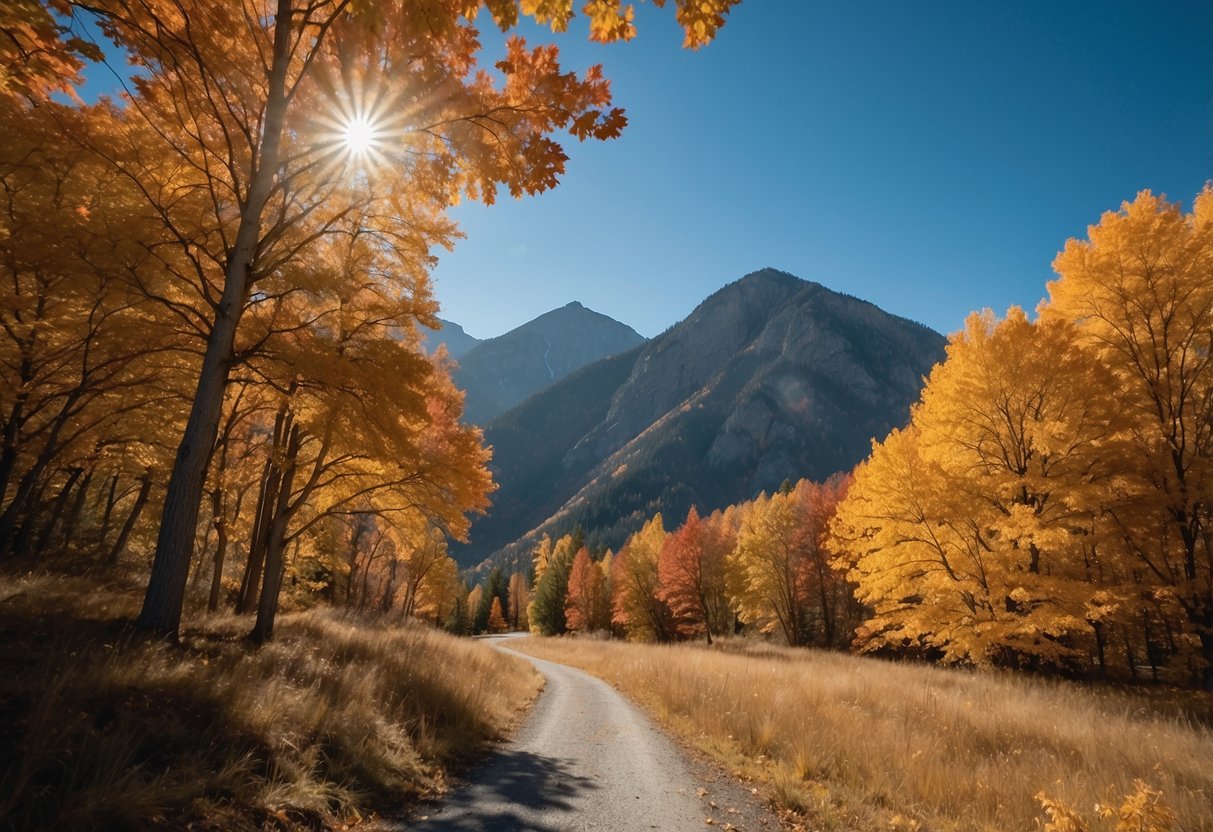
Maple trees are an excellent addition to any landscape, and Colorado is no exception. The state’s diverse microclimates provide suitable conditions for different maple tree varieties, making them a popular choice among homeowners and landscapers. In this section, we will explore the design considerations, features, and benefits of maple trees, as well as how to care for them in Colorado.
Design Considerations for Maple Trees
When selecting a maple tree for a landscape, it is important to consider the tree’s size, growth rate, and shape. Some maple varieties, such as the Green Mountain Maple, are slow-growing and have a compact shape, making them ideal for small landscapes. On the other hand, cultivars like the Painted Maple and Autumn Blaze Maple are fast-growing and have a more open, spreading shape, making them suitable for larger landscapes.
Another design consideration is the color of the tree’s foliage. Maple trees are known for their vibrant colors in the fall, with shades of red, orange, and yellow. Homeowners and landscapers can use these colors to create a stunning autumn landscape. However, it is important to note that some maple varieties, such as the Green Mountain Maple, have green foliage throughout the year, making them an attractive choice for an urban landscape.
Maple Tree Features and Benefits
Maple trees offer a range of features and benefits that make them an attractive choice for any landscape. They are deciduous trees, meaning they shed their leaves in the fall, providing excellent shade during the summer months. Additionally, maple trees are ornamental, with attractive bark and branching patterns that add interest and texture to a landscape.
Maple trees are also drought-resistant, making them a low-maintenance option for Colorado landscapes. However, it is important to note that while maple trees can tolerate drought conditions, they still require some soil moisture to thrive. Homeowners and landscapers should ensure that maple trees receive adequate water during dry periods.
Caring for Maples in Colorado
Caring for maple trees in Colorado is relatively easy, provided that they are planted in a suitable location and receive proper care. Maple trees prefer well-drained soil and full sun to partial shade. Homeowners and landscapers should ensure that the tree’s soil is kept moist but not waterlogged, as this can lead to root rot.
Additionally, maple trees benefit from regular pruning to remove dead or damaged branches and maintain their shape. Pruning should be done in the late winter or early spring, before the tree begins to leaf out. Homeowners and landscapers should also be on the lookout for pests and diseases that can affect maple trees, such as aphids, scale insects, and verticillium wilt.
In conclusion, maple trees are an excellent choice for enhancing Colorado landscapes. With their vibrant colors, ornamental features, and drought-resistant qualities, they are a low-maintenance and attractive option for homeowners and landscapers alike. By considering the design considerations, features, and benefits of maple trees, as well as proper care techniques, homeowners and landscapers can create stunning landscapes that will last for years to come.

Looking for a nursery that carries native trees in Colorado?
Browse our native plant nursery directory: Colorado
Some good points here. I’ve had mixed results personally but worth trying again.